提振消费

Search documents
李迅雷专栏 | 消费补贴要加大力度、考虑长远,对中低收入人口精准施策
中泰证券资管· 2025-04-02 08:13
Core Viewpoint - The article emphasizes the importance of boosting consumption as a key task for economic growth in 2025, highlighting the government's initiatives and policies aimed at stimulating consumer spending and improving living standards [2][4][5]. Group 1: Consumption Growth and Economic Impact - In the first two months of 2025, China's retail sales of consumer goods reached 83,731 billion yuan, showing a year-on-year growth of 4.0%, indicating a recovery trend in consumption [4]. - The growth in retail sales is supported by policies such as the "trade-in" program, which has significantly boosted sales in categories like home appliances and electric vehicles [5][6]. - The article suggests that achieving a consumption growth rate of over 5% this year is crucial for meeting GDP targets, with ongoing government policies expected to play a significant role [4][5]. Group 2: Policy Measures and Consumer Confidence - The government has increased the budget for the "trade-in" subsidy program to 300 billion yuan, which could potentially drive 2 trillion yuan in consumption, thereby enhancing consumer confidence [5][6]. - It is essential to differentiate between policy-driven consumption increases and natural consumer demand, as the effectiveness of subsidies may vary across different income groups [6][10]. - The article stresses the need for a comprehensive approach to improve consumer confidence, including long-term strategies to raise income levels and enhance social security [9][12]. Group 3: Targeting Low-Income Populations - The article highlights the importance of targeted measures to increase the income of low- and middle-income groups, as their consumption behavior is more sensitive to income changes [12][14]. - Suggestions include optimizing the wage system in state-owned enterprises and improving unemployment insurance processes to support those in need [14][15]. - The potential for rural consumption growth is noted, with a focus on providing targeted subsidies to narrow the income gap between urban and rural populations [13][15]. Group 4: Service Consumption and Urbanization - The article points out that service consumption is growing faster than physical goods consumption, indicating a shift in consumer preferences [15][16]. - Urbanization policies that encourage population movement to larger cities could further stimulate service consumption, as larger urban areas benefit from economies of scale [16].

激励企业落实带薪年休假 让居民“有闲”消费丨大力提振消费在行动
证券时报· 2025-04-02 04:13
Core Viewpoint - The article emphasizes the importance of implementing paid annual leave to stimulate consumer spending and enhance the tourism market in China, highlighting the need for better enforcement of labor rights and flexible vacation policies [1][3][4]. Group 1: Consumer Demand and Vacation Policies - The strong demand for travel during holidays reflects the potential for holiday and cultural tourism consumption in China, necessitating increased service supply and encouragement for employees to utilize paid annual leave [1][3]. - The implementation of paid annual leave is crucial for promoting consumer spending, as it allows families to travel during school breaks and encourages off-peak travel [3][4]. Group 2: Economic Impact of Leisure Time - Research indicates that increasing leisure time can significantly boost economic growth, with a 1% increase in leisure time potentially leading to a 0.3 to 0.5 percentage point increase in China's economic growth [3][4]. - International comparisons show that countries with higher income levels benefit from reduced working hours and increased leisure time, which in turn supports economic growth [3][4]. Group 3: Challenges in Implementing Paid Leave - Despite the legal framework established in 1994 for paid annual leave, challenges remain in its effective implementation, with many employees still facing difficulties in taking time off [6][7]. - Experts suggest that companies should be incentivized to adopt paid leave policies, potentially through subsidies or rewards for those that comply effectively [7][8]. Group 4: Spring and Autumn Breaks in Education - The proposal to explore spring and autumn breaks for students is seen as a way to enhance family travel opportunities and stimulate consumption during these periods [9][10]. - The successful implementation of these breaks could lead to increased family outings and educational activities, provided that parents can align their work schedules with their children's school holidays [11].

“不仅将激发消费市场的活力,也将带动产业转型升级”
Ren Min Ri Bao· 2025-03-31 22:12
近日,中共中央办公厅、国务院办公厅印发《提振消费专项行动方案》(以下简称《方案》),部署8 方面30项重点任务,受到国际舆论广泛关注。接受本报记者采访的国际人士表示,中国采取一系列行动 和举措提振国内消费,彰显推动经济结构优化升级、实现高质量发展的决心。中国国内消费潜力不断释 放,将推动中国经济高质量发展取得更大成效,为各国共享中国市场带来更多机遇。 "提升外界对中国经济发展的信心" 去年以来,中国一系列扩内需促消费政策发力显效。《方案》按照以增收减负提升消费能力、以高质量 供给创造有效需求、以优化消费环境增强消费意愿的政策思路提出一系列举措,着眼进一步扩大消费需 求、提升消费能力,更好发挥消费在畅通国民经济循环、拉动经济增长中的积极作用。 "中国的总体消费水平具有很大的提升潜力。中国政府采取举措提振消费,将有力带动中国进一步扩大 内需,为经济高质量发展注入动力。"日本帝京大学教授露口洋介特别关注到《方案》中提出服务消费 提质惠民行动。他认为,服务业吸纳就业能力较强。推动服务消费发展,将促进服务业更加丰富多元, 创造更多就业机会,有效提升居民收入,进而扩大消费,实现良性循环。 阿联酋红木房地产公司创始人艾哈迈 ...
提振消费,财政金融这样发力
Ren Min Ri Bao· 2025-03-30 22:00
Group 1 - The core focus of macroeconomic policy this year is to boost consumption, with the recent release of the "Special Action Plan for Boosting Consumption" outlining clear directions for fiscal and financial support policies [1] - The Ministry of Finance plans to enhance policy resource coordination, implementing measures to increase quality supply and improve the consumption environment, including the allocation of 300 billion yuan in special long-term bonds to support the trade-in of consumer goods [1] - The plan also includes support for new consumption models in key cities, the development of international consumption centers, and the strengthening of fiscal and financial policy linkages to promote stable growth in the consumption market [1] Group 2 - The People's Bank of China emphasizes the need for coordination between financial, fiscal, and industrial policies to meet diverse funding needs, proposing measures such as maintaining ample liquidity through various monetary policy tools [2] - Specific financial support will be directed towards key consumption sectors like culture, tourism, elderly care, and sports, with a focus on optimizing financial products to cater to differentiated consumer demands [2] - Experts suggest that increasing residents' income is crucial for boosting consumption, with the action plan proposing measures to stabilize the stock market and enhance long-term market returns to improve consumer capacity and willingness [2]
2025博鳌亚洲论坛|专访北大光华管理学院院长刘俏:提振消费,财政转移支付很重要
Bei Jing Shang Bao· 2025-03-28 13:43
就投资领域而言,刘俏认为房地产今年大概率会企稳,但靠投资来拉动增长并不现实。因此核心还是在 于消费,提振消费是当前整个中国经济增长的主要动力和"压舱石"。从这一角度而言,金融支持实体经 济要考虑怎样才能让消费在未来一段时间起到很好的支撑作用。 3月25日至3月28日,博鳌亚洲论坛2025年年会在海南博鳌举行。论坛现场,北京商报记者针对如何实现 今年5%的GDP增长目标、金融领域如何应对AI带来的挑战等热点话题专访北京大学光华管理学院院长 刘俏。刘俏指出,提振消费是经济增长的"压舱石",财政转移支付很重要。此外,刘俏还就公募REITs 可以如何实现创新扩容进行分享,并提到,若大量境外绿色资产通过公募REITs在中国上市,则有望形 成碳价格话语权。 提振消费是经济增长的"压舱石" 今年全国两会上,政府工作报告提出2025年中国经济的增长目标要达到5%左右。对于今年应如何实现 这一目标,刘俏给出了他的看法。首先,刘俏提到,2024年净出口对GDP增长贡献了将近1.5%,但今 年考虑到外部环境变化,假设净出口对增长的拉动作用有限,该部分的增长贡献就需要消费和投资来承 担。 刘俏还从短期和中长期措施进行分析。短期而言, ...
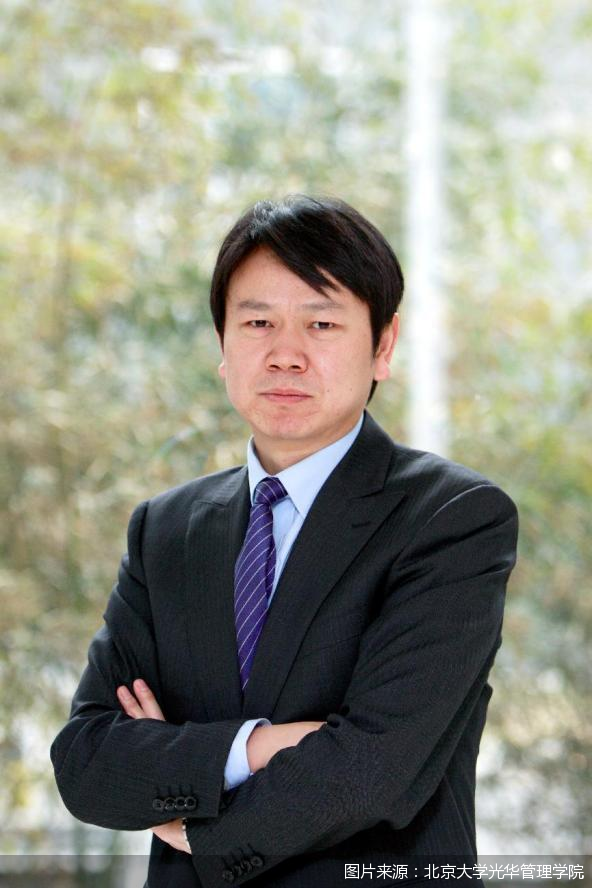
专访中泰国际李迅雷:消费补贴要加大力度、考虑长远,对中低收入人口精准施策
21世纪经济报道· 2025-03-27 12:25
Core Viewpoint - The article emphasizes the importance of boosting consumer confidence and increasing the income of low- to middle-income individuals as key strategies for stimulating domestic consumption and economic growth in China [1][5]. Group 1: Consumption Growth and Economic Impact - In the first two months of this year, China's total retail sales of consumer goods reached 837.31 billion yuan, showing a year-on-year growth of 4%, which is an acceleration of 0.5 percentage points compared to the previous year [6][7]. - The consumption structure has shown significant support from categories such as sports and entertainment products, with double-digit growth in home appliances, furniture, and communication equipment, while automotive consumption has slightly declined [6][7]. - The government has introduced a series of policies aimed at boosting consumption, and it is believed that consumption growth could exceed 5% this year, which is crucial for achieving the GDP growth target [7]. Group 2: Policy Measures and Subsidies - The "old-for-new" consumption policy has been effective, with last year's subsidies of 150 billion yuan leading to 1 trillion yuan in corresponding consumption, particularly benefiting home appliances, electric vehicles, and mobile phones [8][9]. - This year, the subsidy scale for the "old-for-new" policy has increased to 300 billion yuan, which could potentially drive 2 trillion yuan in consumption, contributing approximately 4 percentage points to overall consumption growth [8][9]. - There is a need to differentiate between policy-driven consumption increases and inherent consumer demand, as the current "old-for-new" policy primarily benefits discretionary spending rather than essential goods [9]. Group 3: Income Growth and Structural Reforms - Increasing residents' income is essential for boosting consumption, with suggestions for enhancing social security measures and optimizing the wage system in state-owned enterprises [12][16]. - The article highlights the importance of targeted subsidies for low-income populations, as rural consumption is growing faster than urban consumption, indicating significant potential in rural markets [15][18]. - The government is encouraged to simplify unemployment insurance processes and increase support for unemployed individuals to enhance their purchasing power [17]. Group 4: Service Consumption and Urbanization - Service consumption in China has been growing faster than physical goods consumption, indicating a shift in consumer behavior and preferences [19]. - Urbanization policies that encourage population movement to larger cities could further stimulate service consumption, as larger urban areas benefit from economies of scale [19].

李迅雷专栏 | 促消费2025:社零不能再低于GDP增速
中泰证券资管· 2025-03-26 10:27
Core Viewpoint - The article emphasizes the importance of boosting consumption to stabilize economic growth, highlighting the need for policies that enhance both consumption capacity and willingness [10][19]. Group 1: Factors Influencing Consumption - Consumption is influenced by two main factors: consumption capacity and consumption willingness. Consumption capacity is primarily affected by income, assets, and debt, while consumption willingness is influenced by economic expectations, social security systems, and available time for consumption [7][10]. - The current debt pressure on residents is significant, with the ratio of debt repayment to disposable income at 12.4% in Q3 2024, higher than in some developed economies [7]. Group 2: Policy Initiatives - The "Special Action Plan to Boost Consumption" outlines a comprehensive approach to enhance consumption through income increases, reduced burdens, high-quality supply, and improved consumption environments, with 30 key tasks across eight areas [10][19]. - The government plans to increase public consumption significantly, as a 1% increase in public consumption can lead to a 0.4% rise in private consumption over the long term [13][19]. Group 3: Targeted Support for Specific Groups - The plan focuses on increasing income for low- and middle-income groups, with measures including employment support and minimum wage adjustments [11][20]. - There is a specific emphasis on providing living allowances for recent graduates who have not yet found employment, recognizing their high marginal propensity to consume [21]. Group 4: Consumption Trends and Projections - In 2024, the growth rate of social retail sales is projected to be only 3.5%, with expectations to increase to over 5% due to enhanced fiscal spending [3][19]. - China's final consumption expenditure accounted for 55.6% of GDP in 2023, which is significantly lower than the global average, indicating substantial room for growth [6][19]. Group 5: Financial Support Mechanisms - The plan introduces fiscal subsidies for personal consumption loans, marking a shift in focus from corporate to individual support, which could stimulate consumer spending [16][22]. - The government aims to balance "old-for-new" policies with cash subsidies for specific groups to ensure equitable access to consumption incentives [19][20].

2025博鳌亚洲论坛|如何扫除经济障碍
Bei Jing Shang Bao· 2025-03-25 15:48
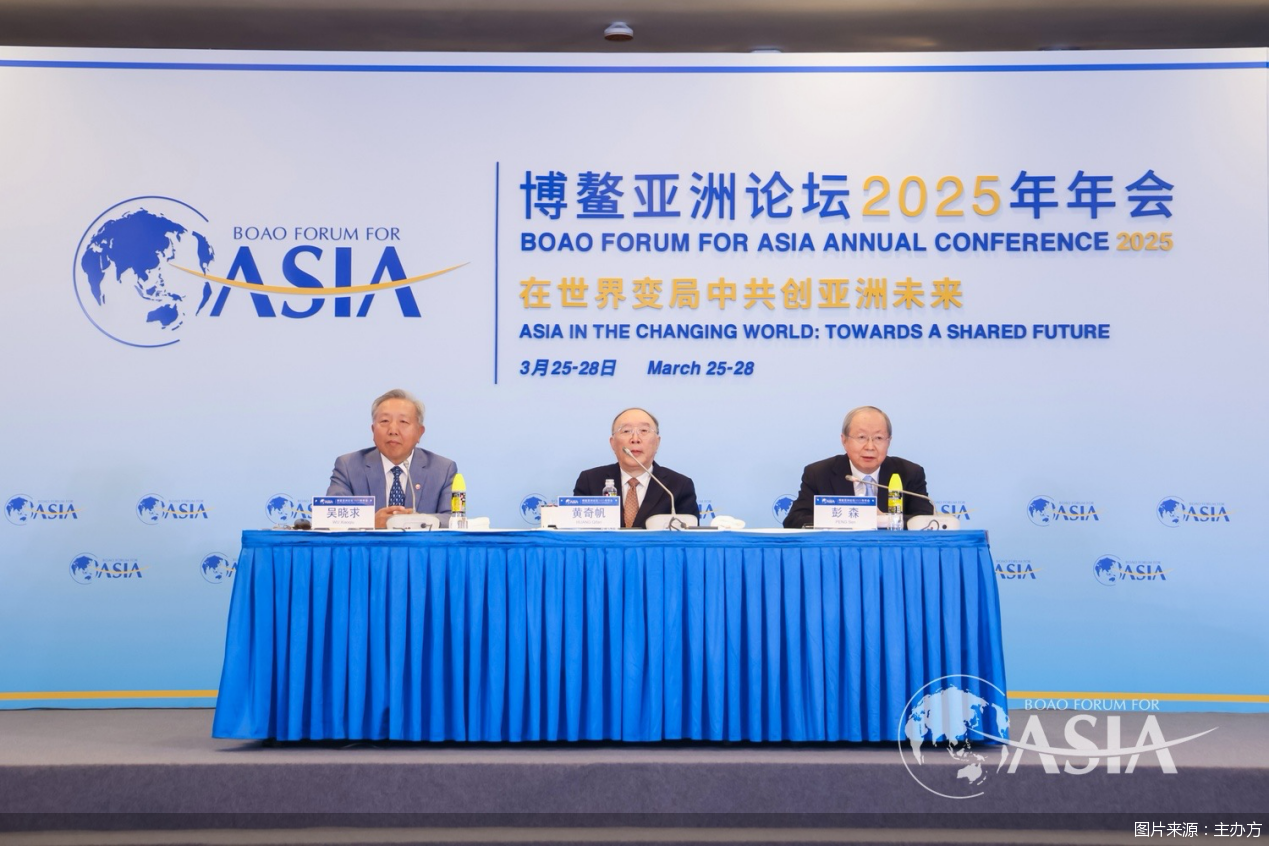
2025博鳌亚洲论坛|如何扫除经济障碍 3月25日—28日,博鳌亚洲论坛2025年年会在海南博鳌举行。本届年会以"在世界变局中共创亚洲未来"为主题,聚焦发展,促进对话。 "中国在对外开放进程中,持续吸引大量外资,制造业领域并非'闭门造车',而是积极拥抱全球资本与技术""中国经济经历了风风雨雨,目前已经重新步入了 稳定健康可持续发展的轨道,中国经济的稳定回升态势已经确立,是不可逆的"……3月25日,在以"中国改革和发展的前瞻"为主题的高端对话上,重庆市原 市长黄奇帆以及国家发改委原副主任、中国经济体制改革研究会会长彭森就中国经济发展现状展开讨论。 在全球格局深度调整的历史关头,世界正经历百年未有之大变局,中国正经历着从高速增长向高质量发展的关键转型。这一大背景下,中国经济发展如何扫 清障碍,在对话中,黄奇帆、彭森也给出了答案。 中国经济稳定回升态势不可逆 在3月上旬举办的全国两会上,国务院总理李强在政府工作报告中对2024年的经济工作做了系统全面的总结,并对2025年的经济发展做了全面部署,确立了 国内生产总值增长5%左右的预期目标。 围绕政府工作报告提出的经济发展任务,彭森指出,近两年中国经济恢复经历了波浪式 ...
如何涨薪增收促消费?学者建言:中央财政出资扩大民生支出
Sou Hu Cai Jing· 2025-03-25 11:19
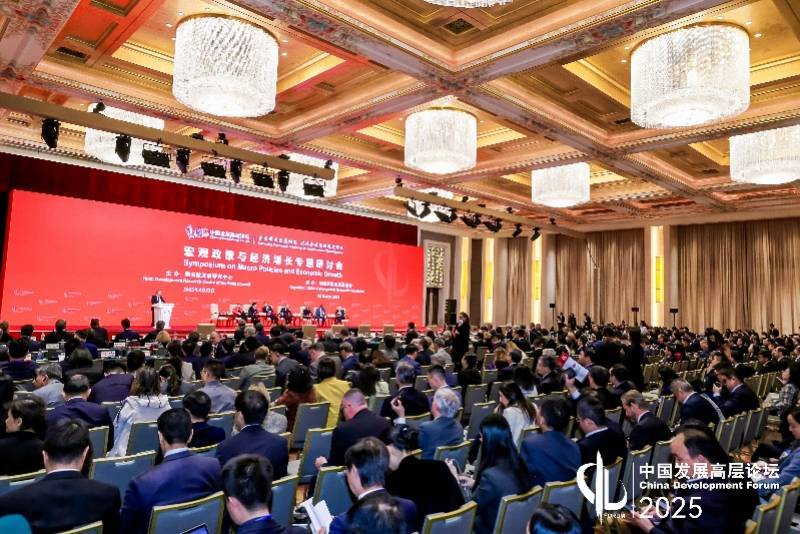
如何涨薪增收促消费?学者建言:中央财政出资扩大民 生支出 3月23日—24日,中国发展高层论坛2025年年会举行,北京钓鱼台国宾馆在浓浓春意中,迎来了近千位中外贵宾。 这些来自政府机构、跨国企业、央企民企、学界的"大佬"级人物,围绕"全面释放发展动能,共促全球经济稳定增 长"的话题展开研讨,十余场研讨会几乎场场爆满、座无虚席。 谈及全球经济,当前贸易保护主义、单边主义、地缘政治的风险给全世界带来了诸多不确定性。这样的大背景 下,中国经济又该如何稳增长、激活发展新动能?对此,多位学者表示,当前包括提振消费在内的经济增量政策 还不足以刺激中国的总需求,中国需要采取大胆的行动推动经济发展,而且要注重惠民生,以人为本的经济发展 模式才可持续。 研讨会现场。 提振消费不是应急之策 提振消费作为我国经济今年的"头号任务",被专家们频频提及。南都记者关注到,此次中国发展高层论坛2025年 年会还专门设置了一场"提振消费与扩大内需"的专题研讨会。 据了解,中国当前面临需求不足、尤其是消费不足的问题。与国际比较看,中国居民实际最终消费占GDP比重较 全球平均水平低约20个百分点。用购买力平价口径,中国与OECD国家(由38个国 ...
彭森:一定要提振消费,为消费正名,中国经济要走消费繁荣的道路
Sou Hu Cai Jing· 2025-03-25 11:19
Core Viewpoint - The emphasis on boosting consumption is crucial for China's economic prosperity, as the country needs to shift towards a consumption-driven growth model [5][6]. Economic Situation - China's economy has stabilized and is on a sustainable growth path, with a recovery trend that is irreversible [5]. - Achieving the GDP doubling target set for 2035 under the "14th Five-Year Plan" will require significant effort [5]. - Reform and opening-up remain key to China's future and high-quality development, with a focus on market-oriented reforms [5]. Challenges - The primary challenge facing China's economy is insufficient domestic demand, which is largely due to weak consumer spending [6]. - Traditional views favoring production over consumption have led to policies and systems that are not conducive to consumer spending, resulting in suppressed consumption [6]. Consumption Comparison - Current consumption rates in China are significantly lower than those in developed countries, with China's overall consumption rate at 55% compared to around 80% in the U.S. [6]. - The final consumption rate in China is only 38%, while it is generally around 60% in Western countries, indicating a 25 percentage point gap [6].