轻工产品

Search documents
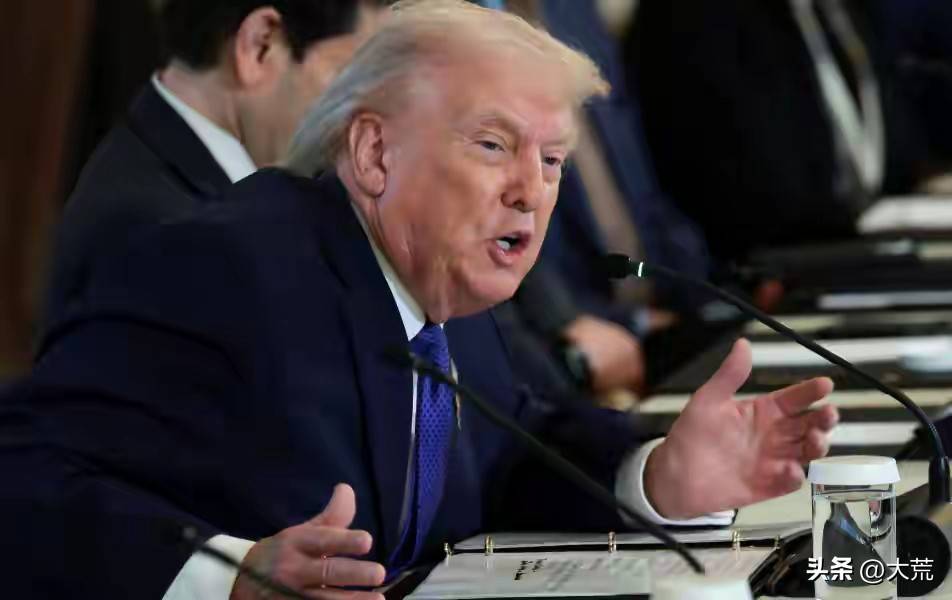
美国对伊朗所有贸易伙伴加税25%!对中俄的精准打击!欲锁死伊朗
Sou Hu Cai Jing· 2026-01-13 12:35
Core Viewpoint - The recent unilateral sanctions imposed by the U.S. aim to directly target Iran while also delivering precise strikes against China and Russia, attempting to force global alignment through trade tariffs [1] Trade Data Summary - In 2024, trade between China and Iran is projected to reach $13.37 billion, with China exporting $8.93 billion in essential goods and importing $4.44 billion primarily in energy and minerals [3] - Non-oil trade between China and Iran has also been significant, exceeding $30.4 billion in the first 11 months of 2025, with China being Iran's largest trading partner, accounting for over 30% of its total exports [3] - The trade between Russia and Iran is expected to reach $4.8 billion in 2024, marking a 16.2% year-on-year increase, with an additional 8% growth in the first three quarters of 2025 [3] Impact on China - The 25% tariff will primarily impact China's exports to the U.S., which are mainly machinery and electrical products with an average profit margin of less than 5%, leading to increased export costs [5] - However, China has already initiated currency settlement and "oil-for-infrastructure" models with Iran, mitigating risks associated with dollar transactions [5] - The trade volume between China and Iran represents only 2% of China's total trade with the U.S., allowing China to adjust its supply chain and expand into ASEAN markets to offset potential losses [5] Impact on Russia - The sanctions may accelerate cooperation between Russia and Iran, as their trade is primarily settled in rubles and rials, minimizing the impact of the U.S. dollar system [7] - Both countries are working towards a free trade agreement within the Eurasian Economic Union, aiming to increase their trade volume to $10 billion [7] - The sanctions will not disrupt the energy complementarity between Russia and Iran, as Russia can leverage Iran to access Middle Eastern energy routes while providing nuclear technology and military support to Iran [7] Consequences of U.S. Actions - The sanctions are likely to accelerate the de-dollarization process, with 95% of trade between China and Russia already settled in local currencies, making barter trade and local currency settlements more common among the three countries [7] - The unilateral sanctions may undermine U.S. international credibility, as many countries are likely to reject alignment with U.S. policies, with a Pew survey indicating that over half of the populations in 19 countries lack confidence in U.S. handling of international affairs [7] - The sanctions could lead to increased global oil prices, as Iran exports 1.4 million barrels of oil daily and Russia exports 7.4 million barrels, potentially disrupting global energy supply and exacerbating inflation in the U.S. [9]

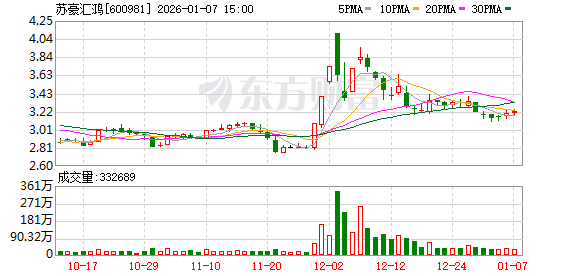
苏豪汇鸿:公司部分产品销往包括欧盟国家的欧洲地区
Zheng Quan Ri Bao· 2026-01-07 13:44
Group 1 - The company, Suhao Huihong, exports a portion of its products to European countries, including textiles, apparel, and light industrial products [2] - The export value of products sold to Europe accounts for approximately 25% of the company's total export value [2]

珲春口岸通关提速
Xin Lang Cai Jing· 2026-01-07 00:39
Core Insights - Hunchun Port has significantly improved its customs clearance efficiency through optimized processes and enhanced infrastructure, facilitating high-quality development in Sino-Russian connectivity [1][2] - The port's efficient customs procedures have led to a surge in cross-border tourism and trade, with a record of over 700,000 travelers expected by December 29, 2025 [1] - The implementation of a mutual visa-free policy between China and Russia has further stimulated tourism and trade activities, benefiting local service industries [1][2] Group 1 - Hunchun Port has enhanced customs clearance efficiency, ensuring passenger wait times do not exceed 30 minutes, thus promoting cross-border tourism and trade [1] - The port's strategic focus on policy implementation and service upgrades has resulted in a dynamic monitoring of passenger flow and optimized inspection processes [1][2] - The increase in traveler numbers has positively impacted local economies, boosting sectors such as hospitality, dining, transportation, and retail [1] Group 2 - Hunchun Customs has strengthened collaboration with inspection units to create a safe, convenient, and efficient customs environment, continuously improving clearance efficiency [2] - The use of advanced smart regulatory equipment has enhanced the passenger experience, facilitating a seamless customs process [2] - The efficient customs operations have reduced transaction costs and stimulated market activity, reinforcing the integration and mutual understanding between the bordering regions of China and Russia [2]

发改委:对新能源汽车、锂电池、光伏等“新三样”产业 关键在于规范秩序、创新引领
Zhong Jin Zai Xian· 2025-12-26 07:17
Core Viewpoint - The article emphasizes the importance of optimizing and upgrading traditional industries in China, particularly focusing on the "new three" industries: new energy vehicles, lithium batteries, and photovoltaics, to enhance competitiveness and ensure sustainable development in the face of global challenges [1][2]. Summary by Sections Achievements in the 14th Five-Year Plan - Significant progress has been made in enhancing the comprehensive strength and core competitiveness of traditional industries, consolidating international competitiveness [3]. - High-tech manufacturing and equipment manufacturing have seen value-added growth of 42% and 37.1% respectively from 2020, with annual growth rates of 9.2% and 8.2% [3]. - The domestic supply of mid-to-high-end products has improved, exemplified by the launch of China's first large cruise ship [3]. Advancements in Smart Manufacturing - A large-scale update of equipment has been implemented, promoting digital transformation and smart upgrades in traditional industries [4]. - Over 30,000 basic smart factories and 500 exemplary smart factories have been established, with efficiency improvements of 22.3% and reduced product development cycles by 28.4% [4]. Green Transformation - Guidelines for energy conservation and carbon reduction in high-energy-consuming industries have been established, leading to a 6% increase in energy efficiency benchmarks by the end of 2024 compared to 2020 [5]. - By 2024, China's new energy vehicle sales are projected to reach 12.87 million, an increase of over 800% since 2020, with photovoltaic installations growing by over 400% [5]. Integration of Manufacturing and Services - Initiatives to deepen the integration of advanced manufacturing and modern services have been launched, enhancing the support role of service industries for manufacturing [6]. - The recycling system for home appliances has been improved, promoting sustainable consumption and resource utilization [6]. International Competitiveness - Policies have been implemented to enhance the international competitiveness of traditional industries, with industrial exports exceeding 20 trillion yuan for four consecutive years [7]. - By 2024, exports of "new three" products are expected to increase by 2.6 times compared to 2020, reflecting a significant enhancement in international competitive advantages [7]. Goals for the 15th Five-Year Plan - The focus will be on optimizing traditional industries to promote economic quality and reasonable growth, with traditional industries expected to contribute significantly to GDP growth [9]. - The development of new productive forces will rely on the optimization of traditional industries, which serve as a foundation for emerging sectors [10]. Meeting People's Needs - Traditional industries are crucial for meeting the diverse needs of the population, with an emphasis on improving product quality and variety to enhance living standards [11]. Strengthening International Competitiveness - The need to consolidate and expand competitive advantages in traditional industries is highlighted, especially in the context of global economic challenges [12]. Focus Areas for the 15th Five-Year Plan - Specific strategies will be implemented for various sectors, including balancing supply and demand in raw materials, enhancing innovation in new energy sectors, and improving management in resource-intensive industries [13][14][15][16][17].
国家发改委:对钢铁、石化等原材料产业,关键在于平衡供需、优化结构
Di Yi Cai Jing· 2025-12-26 02:00
Core Insights - The article emphasizes the importance of optimizing and upgrading traditional industries while fostering innovation and maintaining order in emerging sectors like new energy vehicles, lithium batteries, and photovoltaics [2][4][11] Group 1: Traditional Industry Development - The traditional industries are crucial for the national economy, encompassing essential raw materials and consumer goods [4][11] - Significant achievements were made during the 14th Five-Year Plan, with a focus on enhancing core competitiveness and international competitiveness [5][11] - The manufacturing value added is projected to reach 33.6 trillion yuan in 2024, with traditional industries accounting for approximately 80% [11] Group 2: Technological and Digital Transformation - There is a strong push for digital transformation and intelligent upgrades in traditional industries, with over 30,000 basic intelligent factories established [6] - The average product development cycle in top-tier intelligent factories has been reduced by 28.4%, and production efficiency has improved by 22.3% [6] Group 3: Green Development - The green transformation of industries is being prioritized, with significant advancements in energy efficiency and carbon reduction [7] - By the end of 2024, China's new energy vehicle sales are expected to reach 12.866 million units, an increase of over eight times since 2020 [7] Group 4: International Competitiveness - The international competitiveness of traditional industries is being strengthened, with industrial product exports exceeding 20 trillion yuan for four consecutive years [9][14] - Exports of new energy vehicles, lithium batteries, and photovoltaic products are projected to increase by 2.6 times compared to 2020 [9] Group 5: Policy and Regulatory Framework - The government is focusing on balancing supply and demand in raw material industries, emphasizing structural optimization and high-end capacity supply [15] - There is a need to regulate market competition and enhance the innovation capacity of industries to maintain a fair competitive environment [2][16]
中经评论:墨西哥提税或透支发展潜力
Jing Ji Ri Bao· 2025-12-16 00:05
Core Viewpoint - Mexico's recent proposal to increase import tariffs on products from countries without free trade agreements, including China, is seen as a short-term solution to economic pressures, potentially sacrificing long-term economic stability for immediate benefits [1][2][4]. Group 1: Economic Context - Mexico's economy is under increasing pressure, with the growth forecast for 2025 being revised down from positive to negative, and the central bank lowering the annual growth expectation from 0.6% to 0.3% [2]. - The proposed tariff increases are expected to generate an additional revenue of 70 billion pesos (approximately 3.76 billion USD) for the national treasury, addressing a fiscal deficit projected to reach 5.7% of GDP in 2024, the highest in decades [2]. Group 2: Tariff Details - The new tariffs will apply to approximately 1,400 product categories, including automobiles, toys, steel, textiles, and plastic products, with rates ranging from 10% to 50%, effective January 1, 2026 [1]. - Some adjustments were made to the initial proposal, reducing tariffs on certain automotive parts, light industrial products, and textiles, but the overall impact is expected to harm trade relations, particularly with China [1]. Group 3: Domestic Reactions - The proposal has sparked significant debate within Mexico, with supporters arguing it addresses unfair competition and reliance on imports, while opponents warn that increased tariffs will raise production costs and ultimately burden consumers [2][3]. Group 4: Long-term Implications - The reliance on tariffs as a solution is criticized for failing to address underlying economic issues, as Mexico's manufacturing sector is heavily dependent on global supply chains, which could be disrupted by increased costs [3][4]. - The shift in trade policy may deter foreign investment, undermining Mexico's image as a reliable production base and creating uncertainty for international capital [3][4]. - The approach of using protectionist measures to solve problems in an open economy may lead to Mexico's economic isolation, especially in the context of global supply chain restructuring [4].
墨西哥提税或透支发展潜力
Jing Ji Ri Bao· 2025-12-15 22:39
Core Viewpoint - Mexico's recent proposal to increase import tariffs on products from countries without free trade agreements, including China, is seen as a short-term solution to economic pressures, potentially sacrificing long-term economic stability for immediate benefits [1][4]. Group 1: Economic Context - Mexico's economy is under increasing pressure, with the growth forecast for Q3 2025 turning negative and the central bank lowering the annual growth expectation from 0.6% to 0.3% [2]. - The proposed tax increase is expected to generate an additional revenue of 700 billion pesos (approximately 37.6 billion USD) for the government, addressing a fiscal deficit projected to reach 5.7% of GDP in 2024, the highest in decades [2]. Group 2: Domestic Reactions - The proposal has sparked significant debate within Mexico, with supporters arguing it addresses unfair competition and reliance on imports, while opponents warn that increased tariffs will raise production costs and ultimately burden consumers [2][3]. Group 3: Supply Chain and Investment Risks - The reliance of Mexico's manufacturing sector on global supply chains means that increased tariffs could heighten the risk of supply chain disruptions, particularly given the limited domestic production capacity [3]. - The sudden shift in trade policy may deter foreign investment, undermining Mexico's image as a reliable production base and creating uncertainty for international capital [3][4]. Group 4: Long-term Implications - The protectionist measures are unlikely to enhance industrial competitiveness and may instead squeeze small and medium-sized enterprises due to rising raw material costs [4]. - Historical precedents indicate that short-term fiscal gains from tariffs may not compensate for long-term economic losses, as seen when Mexico had to retract tariffs on aluminum due to domestic production shortages shortly after their implementation [4].
墨西哥宣布对中国和其他亚洲国家加征关税,商务部回应
Nan Fang Du Shi Bao· 2025-12-11 15:15
Core Viewpoint - Mexico has announced an increase in tariffs on non-free trade partners, including China, effective January 1, 2026, which is expected to harm the interests of related trade partners, including China [3]. Group 1: Tariff Changes - The Mexican Congress approved a proposal to increase tariffs on certain products from non-free trade partners, with adjustments made to some tax items and rates compared to the proposal submitted in September [3]. - Some tariff rates on automotive parts, light industrial products, and textiles have been slightly reduced, but overall measures will still significantly harm trade partners [3]. Group 2: China's Response - The Chinese Ministry of Commerce has expressed strong opposition to unilateral tariff increases and has initiated a trade and investment barrier investigation against Mexico [3]. - China emphasizes the importance of resolving trade disputes through economic agreements without harming global trade development or China's legitimate interests [3][4]. Group 3: Bilateral Trade Relations - China values its economic and trade relationship with Mexico and aims to promote healthy and stable bilateral trade and investment cooperation [4]. - In the context of rising trade protectionism, China hopes for enhanced communication and dialogue with Mexico to manage differences and deepen practical cooperation [4].
墨西哥将对中国等国加征关税,外交部回应
Zheng Quan Shi Bao· 2025-12-11 14:51
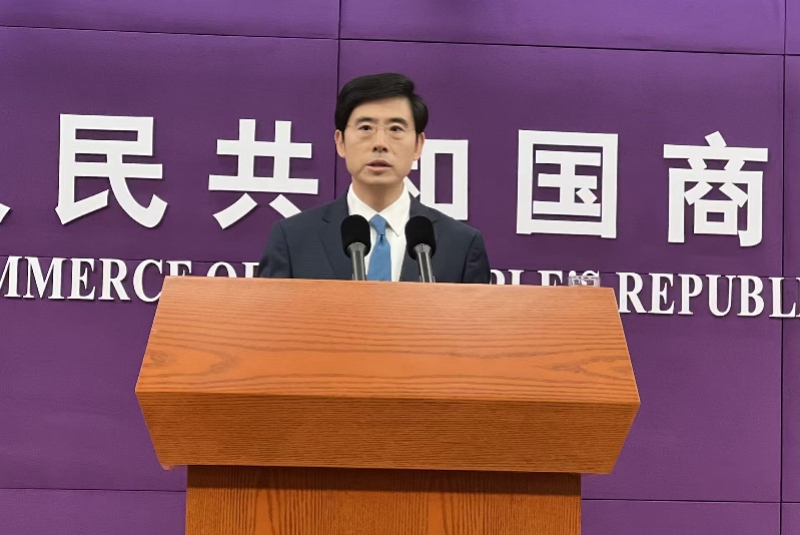
Group 1 - The Mexican Senate has approved a new import-export tariff law that will impose tariffs ranging from 5% to 50% on certain products from several Asian countries, including China, starting from January 2026 [1][2] - The Chinese Ministry of Commerce has expressed concern that these unilateral tariff measures will substantially harm the interests of relevant trading partners, including China, and has initiated a trade and investment barrier investigation against Mexico [2][3] - The Chinese side emphasizes the importance of maintaining healthy and stable bilateral trade and investment cooperation, urging Mexico to correct its protectionist measures and engage in dialogue to manage differences [3]
商务部最新发声:希望墨方及早纠正错误做法
中国基金报· 2025-12-11 07:15
Group 1 - The Mexican Congress has approved a proposal to increase tariffs on non-free trade partners, with new rates set to take effect on January 1, 2026, following adjustments from the original proposal submitted in September [1] - Certain product categories, including auto parts, light industrial products, and textiles, have seen a reduction in tariff rates compared to the initial proposal, but the overall measures are expected to harm the interests of trade partners, including China [1] - China opposes unilateral tariff increases and has initiated a trade and investment barrier investigation against Mexico to protect its industries, emphasizing the need for Mexico to correct its protectionist approach [1] Group 2 - China values its economic and trade relationship with Mexico and aims to promote stable and healthy bilateral trade and investment cooperation amid rising trade protectionism [2] - There is an expectation for Mexico to engage in dialogue and cooperation with China to manage differences and enhance practical collaboration, thereby maintaining the overall framework of bilateral economic relations [2]