高端化

Search documents
家庭护理龙头碰撞新消费“风口”,圣贝拉年利润增长103%释放高盈利价值预期
智通财经网· 2025-06-11 06:00
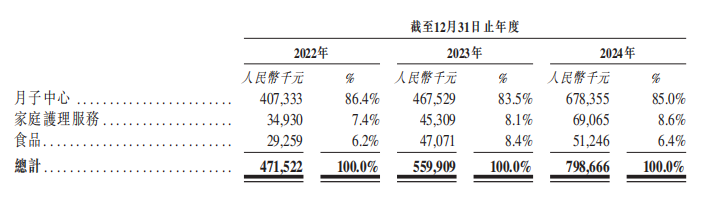
Core Viewpoint - The company, Saint Bella, is leading a revolution in the high-end home care industry by standardizing, professionalizing, customizing, and digitizing home care services and products, and is set to become the "first global home care stock" after passing the hearing for its Hong Kong IPO [1] Group 1: Business Overview - Saint Bella has grown rapidly since its establishment in 2017, becoming the largest postpartum care group in Asia and China, with a market share that remains at the top [2] - The company operates three main business lines: postpartum care services, postpartum recovery services, and home care services, which contribute to a comprehensive business model that enhances customer lifetime value [2] - By the end of 2024, Saint Bella plans to have 81 postpartum care centers, expanding its reach to Hong Kong, Singapore, and Los Angeles [2] Group 2: Financial Performance - Revenue increased from 472 million RMB in 2023 to 799 million RMB in 2024, marking a doubling of income [2] - The company achieved a gross profit of 270 million RMB in 2024, with adjusted profits turning positive, reaching 72.47 million RMB by the end of 2024 [2] - The postpartum care centers contributed over 80% of the revenue, while home care and food services are showing strong growth, with their revenue share increasing year by year [2][3] Group 3: Growth Drivers - The family care service and food business have seen significant growth, with contract values for family care services increasing by 157% and food business values rising by 120% [5] - The company has established a high-end brand strategy, attracting loyal customers and ensuring business growth through a combination of high-end branding and professional services [4] - Digitalization and a light asset operation model are enabling efficient expansion and profit elasticity, allowing the company to enter new cities and increase market share [6] Group 4: Market Potential - The postpartum care industry has significant growth potential, driven by increasing consumer demand and evolving fertility policies [7] - The company is positioned to fill market gaps in high-end postpartum care services, with a standardized operational service system ensuring consistent quality [8] - Saint Bella's success may prompt a reevaluation of standards and digitalization in the home care sector, benefiting the industry's long-term development [8][9]

Colgate-Palmolive Company (CL) FY Conference Transcript
2025-06-10 18:00
Colgate-Palmolive Company (CL) FY Conference Summary Company Overview - **Company**: Colgate-Palmolive Company (CL) - **Date of Conference**: June 10, 2025 - **Key Speakers**: John Fosher (Head of Investor Relations), JP Zamorano (President of Latin America) Key Points Company Strategy and Growth - Transitioned to a growth mindset focusing on driving category growth rather than just market share [3][4] - Core businesses, which account for 60% of revenue, were identified as needing turnaround, leading to investments in key products like Colgate Total [4] - Emphasis on faster growth adjacencies such as whitening and prescription diet segments [5] - Significant push towards e-commerce and pharmacy channels, especially in Latin America [5] Financial Performance - Achieved a gross margin recovery, allowing for increased advertising investment, raising the advertising-to-sales ratio from 9.1% to 13.5% [6] - Despite challenges like tariffs and foreign exchange impacts, the company is guiding for dollar-based earnings per share growth in 2025 [7] - Strong organic sales growth of 9.4% was reported in the first half of the previous year, with expectations for a tougher 2025 [10][11] Innovation and Product Development - Shifted focus from line extensions to breakthrough innovations, with a commitment to incubate smaller businesses for long-term growth [20][21] - Enhanced analytics capabilities to measure advertising effectiveness and revenue growth management [16][17] - The relaunch of Colgate Total is seen as a significant opportunity for premiumization, with market share increasing from 15% to 16.1% post-relaunch [49][52] Market Dynamics in Latin America - Latin America is the largest division for Colgate, with strong market shares in Brazil and Mexico [33] - The company has a balanced portfolio of global and regional brands, allowing for competition across multiple price tiers [38] - Recent consumer sentiment has been affected by inflation, but there are signs of improvement in Mexico and Brazil [45][46] Challenges and Opportunities - Currency volatility in Latin America is a significant challenge, but the company has strategies in place to manage pricing and costs effectively [61][64] - The premium dog food segment (Hill's) is identified as a growth opportunity in Mexico, with a relatively low market share [40][41] - The company is leveraging its strong market presence to capitalize on e-commerce growth and changes in pharmacy retail environments [55][58] Future Outlook - The company aims to deliver growth at the high end of the 3-5% range, with expectations for operating profit to grow ahead of sales [70][72] - Continued focus on premiumization and productivity improvements is expected to enhance profitability in Latin America [72][73] Additional Insights - The cultural evolution within the company emphasizes taking risks and driving performance [8] - The integration of North America and Latin America under one leadership is seen as a strategic move to leverage efficiencies and innovation [29][30] - The company is committed to maintaining a strong advertising presence while ensuring returns for shareholders [15][16]

2025酒饮行业细分及竞争格局研究报告-酒业一线
Sou Hu Cai Jing· 2025-06-09 09:52
Industry Overview - The Chinese alcoholic beverage market is nearing 2 trillion yuan, with an expected compound annual growth rate (CAGR) of 7.1% from 2025 to 2030, reaching 1.86 trillion yuan [1][21][22] - Baijiu remains the core category, maintaining a market share of 65%-68%, with projected sales revenue of 950 billion yuan by 2025 [1][26] - The beer market is experiencing a trend towards premiumization and craft brewing, with a production volume of 35.687 million kiloliters in 2022, showing a 1.1% year-on-year increase [1][28] Market Segmentation - The production capacity and revenue of sauce-flavored baijiu are expected to reach 1.1 million kiloliters and 250 billion yuan, respectively [1] - The wine market is stabilizing after facing import pressures, with domestic wine quality improvements driving structural adjustments [1] - Emerging low-alcohol beverages, such as pre-mixed cocktails, are expected to grow at an average annual rate of 12.3% from 2025 to 2030, driven by female consumers and Generation Z [1] Consumer Characteristics - The primary consumer demographic consists of individuals born in the 1980s and 1990s, with a notable increase in demand for low-alcohol beverages among women [1][32] - Online sales channels, particularly live-streaming e-commerce, are experiencing rapid growth, with a 210% year-on-year increase in gross merchandise value (GMV) for alcoholic beverages in Q1 2025 [1] - Consumers are increasingly focused on quality, taste, and packaging, with a rising market share for low-sugar and low-alcohol products, projected to reach 22% by 2025 [1] Competitive Landscape - Leading companies like Moutai and Wuliangye dominate the high-end market through cultural marketing and product diversification [2] - Regional brands focus on local market penetration, while emerging brands leverage innovative products and online marketing to attract younger consumers [2] - The industry is shifting from price competition to brand and channel differentiation, with a focus on offline channel depth for leading companies and online and instant retail for new brands [2] Technological Innovations - Trends include intelligent brewing, green processes, and blockchain traceability, with Moutai achieving a 65% digitalization rate in its channels [2] - The penetration rate of online alcohol sales reached 32% in 2023, with live-streaming e-commerce sales increasing by 87% year-on-year [2] Policy Environment - Tax adjustments and environmental regulations are prompting companies to transition towards standardization and sustainability, with smaller enterprises facing cost pressures [2]



本钢板材(000761) - 2025年6月6日投资者关系活动记录表
2025-06-09 07:46
Group 1: Company Operations and Strategy - The company is currently negotiating the asset replacement plan, with no final decisions on asset scope or pricing yet [1] - The self-sufficiency rates for coke and iron ore are approximately 60% for iron ore, with a focus on long-term coal procurement from major coal-producing regions [1] - The sales network covers major economic regions in China, with future focus on strategic products like automotive steel, energy steel, and high-end steel [2] Group 2: Market Development and Innovation - The company has established a technical service team to support new product development by collaborating with key enterprises [2] - Partnerships with universities and research institutes are being leveraged to enhance early-stage involvement in new product technologies [2] - Strategic cooperation with Ansteel Group is facilitating entry into new fields and industries for product development [2]

研判2025!中国儿童牛奶行业市场政策、产业链、发展现状、竞争格局及发展趋势分析:本土品牌占比超90%[图]
Chan Ye Xin Xi Wang· 2025-06-09 02:09
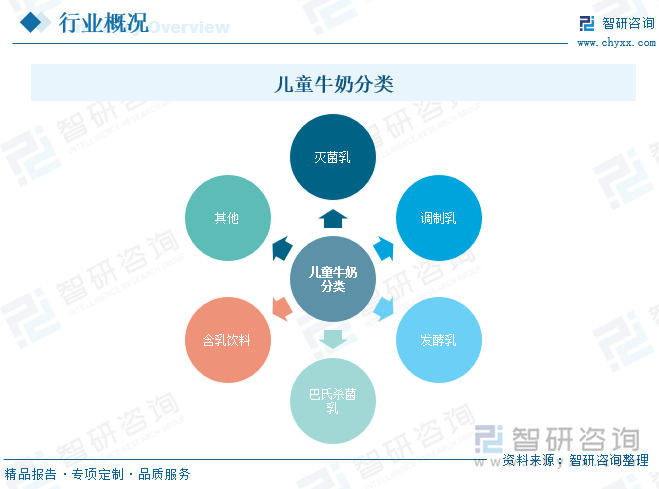
Overview - The demand for children's milk products in China is significantly increasing due to rising income levels and a focus on nutrition, safety, and quality. In 2024, the demand for children's milk is projected to reach 16.5 billion bottles (125ML each), with a market size of 39.89 billion yuan and an average price of approximately 2.4 yuan per bottle [1][11]. Market Policies - A series of policies have been implemented to support the dairy industry in China, including the "14th Five-Year Plan" for enhancing dairy competitiveness and various initiatives aimed at rural revitalization and high-quality development of the dairy sector. These policies create a favorable environment for the growth of the children's milk industry [4][6]. Industry Chain - The children's milk industry consists of upstream components such as milk sources (dairy cattle and sheep farming), auxiliary materials (sugar, fruit, grains), production equipment, and packaging materials. Downstream, it includes sales channels like supermarkets, convenience stores, and e-commerce platforms, with parents as the primary decision-makers for purchasing [7]. Consumer Demographics - The primary consumers of children's milk are children aged 0-14 and their parents. As of the end of 2024, the population of children aged 0-15 in China is approximately 239.99 million. Despite a recent decline in this demographic, the large base presents significant market potential. The evolving parenting styles of younger generations are leading to a more scientific and detailed approach to nutrition, driving demand for specialized children's milk products [9]. Competitive Landscape - The children's milk market in China is highly competitive, featuring both domestic brands like Yili, Mengniu, and various imported brands. Domestic brands dominate over 90% of the market share, leveraging their understanding of local consumer preferences and a diverse product range [13][16]. Key Players - **Yili Group**: Engaged in the processing and sales of various dairy products, Yili has a strong product lineup and reported a total revenue of 115.8 billion yuan in 2024, with a gross profit of 39.09 billion yuan and a gross margin of 33.88% [16]. - **Mengniu Dairy**: A leading player in the dairy industry, Mengniu reported a total revenue of 88.67 billion yuan in 2024, with a gross profit of 35.09 billion yuan and a gross margin of 39.57% [18]. Development Trends - The children's milk sector is expected to see a rise in high-end and functional products that cater to specific nutritional needs, such as those supporting cognitive development and immune health. Companies may utilize big data to create customized products based on children's individual characteristics, enhancing personalized nutrition solutions for parents [20].


比亚迪负债率70.71%处于行业中上水平 仰望月销160辆王传福称高端化是硬仗
Chang Jiang Shang Bao· 2025-06-08 23:09
长江商报消息 ●长江商报记者 黄聪 比亚迪(002594.SZ、01211.HK)是"汽车界恒大"?长城汽车董事长魏建军的一番言论,引发外界关 注。 不过,5月30日,比亚迪集团品牌及公关处总经理李云飞列举出大量数据,来说明这一观点的错误。 2025年一季度末,比亚迪资产负债率为70.71%,上年同期为77.14%。 长江商报记者对比发现,比亚迪负债率均处于行业中游偏上的水平。其中,截至2025年一季度末,福特 汽车负债率为84.3%;通用汽车负债率为76.45%;赛力斯负债率达76.83%。 此外,大众汽车、现代汽车、奔驰、宝马、丰田、吉利控股、长城汽车、上汽集团、长安汽车负债率均 超过60%。 然而,比亚迪依然有不足之处,特别是在品牌高端化方面。 长江商报记者发现,比亚迪旗下仰望品牌2025年前5月销量累计798辆,月均约160辆。 "公司意识到高端发展的重要性。"6月6日,在比亚迪2024年度股东会上,王传福表示,高端化是必须打 赢的一场硬仗。 有息负债占比约为5% 近日,长城汽车董事长魏建军发表关于"汽车界恒大已经存在,只是还没暴雷"的言论,在行业内外引起 巨大反响。 虽然魏建军并未指出哪家车企是"汽 ...

比亚迪要破卷、强攻高端
2 1 Shi Ji Jing Ji Bao Dao· 2025-06-07 01:09
Core Viewpoint - BYD's annual shareholder meeting saw increased attendance compared to last year, highlighting strong investor interest and confidence in the company [1] Group 1: Financial Performance - On May 23, BYD's A-share price reached 432.74 RMB per share, with a total market capitalization of 1.32 trillion RMB, while its Hong Kong shares surpassed 477.8 HKD per share, equating to approximately 1.33 trillion RMB [1] - BYD's total sales for 2024 are projected to reach 4.27 million units, significantly outpacing Tesla's 1.79 million units, although 80% of sales are concentrated in models priced below 200,000 RMB [4] Group 2: Strategic Direction - The company is focusing on high-end vehicle development as a critical strategy for future growth, with CEO Wang Chuanfu emphasizing that high-end positioning is a necessary battle to win [4][5] - BYD plans to launch its high-end brand Tengshi in Europe, indicating a strong commitment to international expansion alongside its high-end strategy [5] Group 3: Market Competition and Pricing Strategy - In response to industry-wide price wars, BYD's executives stated they would not engage in price competition but instead focus on technological innovation and efficiency to deliver value to customers [3][6] - The company has acknowledged the ongoing challenges posed by supply chain dynamics, with accounts payable reaching 250.77 billion RMB, a significant increase from previous years [3] Group 4: Technological Innovation and Safety - Wang Chuanfu highlighted that safety is the primary goal in the development of intelligent driving technologies, with a focus on reducing traffic accidents and improving consumer experience [6][7] - The company is cautious about aggressively pursuing high-level autonomous driving, prioritizing safety over performance metrics [7][8] - BYD anticipates significant advancements in electric and intelligent vehicle technologies in the coming years, with plans for multiple technology release events [8]
七匹狼35周年科技攻坚 携手杰尼亚共筑商旅男装"降温科技"新壁垒
Zhong Guo Chan Ye Jing Ji Xin Xi Wang· 2025-06-06 07:05
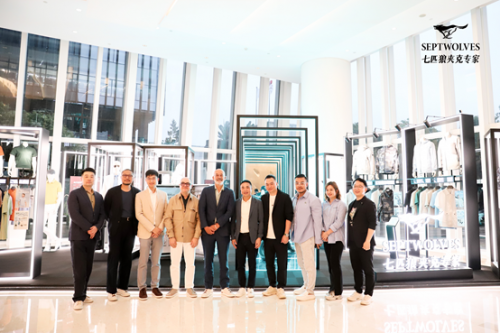
Core Viewpoint - The Chinese men's clothing industry is undergoing a critical transformation towards high-end and functional apparel, with the brand Seven Wolves leveraging technological innovation to enhance its competitive edge in the industry [1][10]. Group 1: Strategic Partnerships and Innovations - Seven Wolves has entered into a deep technical collaboration with the Italian luxury fabric company Zegna, focusing on the development of "CoolEffect cooling fabric" tailored for business travel scenarios [1][4]. - The "CoolEffect cooling fabric" utilizes Australian ultra-fine merino wool (17 microns in diameter, approximately 200 grams per square meter) and employs special dyeing and finishing techniques to reduce surface temperature by about 10°C compared to similar products [3][4]. - This partnership marks a significant advancement in their strategic cooperation established in 2024, demonstrating the effectiveness of the "technology collaboration + market orientation" model [4]. Group 2: Market Trends and Consumer Needs - The 2024-2025 China Men's Clothing Market Consumption Trend Report highlights that comfort in summer business attire is a primary concern for consumers, with traditional dark fabrics causing discomfort due to heat retention and poor breathability [3]. - Seven Wolves is addressing these consumer pain points by focusing on differentiated needs in business travel scenarios, enhancing product value across materials, technology, and production [8]. Group 3: Brand Development and Recognition - Over the past 35 years, Seven Wolves has maintained a consumer-centric approach, continuously upgrading its brand strategy and positioning itself as an expert in jackets [8]. - The company has received multiple international awards for its innovative products, including the "World's Excellent Antibacterial Colorful POLO" certification and several design awards [6]. - The collaboration with Zegna is seen as a significant step in integrating global resources and enhancing the brand's high-end market offerings, promoting the industry's shift towards functional and comfortable apparel [10].

以打造“三化”示范样板推动行业转型发展
Zhong Guo Hua Gong Bao· 2025-06-06 02:09
Core Viewpoint - The Shaanxi petrochemical industry is focusing on high-end, diversified, and low-carbon development while leveraging its unique resource advantages to accelerate key project construction. The industry is expected to account for about 20% of the province's industrial revenue in 2024, but it faces challenges in product structure and market demand [1]. Group 1: Industry Development Strategy - The Shaanxi petrochemical industry aims to enhance product value by extending the industrial chain to produce high-end fine chemicals and new materials, meeting the demands of key sectors such as aerospace and new energy vehicles [2]. - The industry is encouraged to adopt a collaborative approach among universities, research institutions, and enterprises to strengthen technological innovation capabilities, focusing on both theoretical and practical research [3]. - There is a push for the integration of fossil and renewable energy to achieve low-carbon utilization, emphasizing carbon reduction across the entire industrial chain and promoting technologies like carbon capture and utilization [4].
美亚光电拟1.85亿投建基地扩产 上市以来分红49亿为融资额5.8倍
Chang Jiang Shang Bao· 2025-06-05 23:31
Core Viewpoint - Meiya Optoelectronics is enhancing its competitiveness by investing in a new intelligent coating and sheet metal production base, with a total investment of 185 million yuan, aimed at increasing production capacity and transitioning towards high-end, intelligent, and green manufacturing [2][4]. Investment and Expansion - The new project will add a production capacity of 10,000 sets per year in coating, sheet metal, and machining [4]. - The project is expected to start construction in June 2025 and be completed by December 2026, with production gradually commencing in the first half of 2027 [4]. Business Focus and Product Lines - Meiya Optoelectronics specializes in optical identification equipment, focusing on three main sectors: food safety, healthcare, and renewable resources, with key products including color sorters, X-ray foreign object detectors, and dental CBCT [3][6]. - The company has established high-level innovation platforms and has undertaken over 30 national and provincial major scientific projects [5]. Financial Performance - In 2024, Meiya Optoelectronics reported a revenue of 2.311 billion yuan, a decrease of 4.73% year-on-year, and a net profit of 649 million yuan, down 12.84% [6][7]. - The revenue from color sorters, X-ray industrial detectors, and medical devices was 1.622 billion yuan, 149 million yuan, and 503 million yuan respectively, with significant declines in the latter two categories [7]. Research and Development - The R&D expense rates for 2022 to Q1 2025 were 5.79%, 6.13%, 6.90%, and 7.40%, respectively, indicating a consistent increase in investment in innovation [5]. - The company holds 158 valid invention patents, 205 utility model patents, and 47 design patents as of the end of 2024 [5]. Financial Health - As of Q1 2025, Meiya Optoelectronics had cash and cash equivalents of 1.474 billion yuan and trading financial assets of 452 million yuan, totaling 1.926 billion yuan, with no short-term or long-term debt [8]. - The company's asset-liability ratio has decreased for three consecutive years, reaching 14.09% by the end of Q1 2025 [8].