美联储独立性

Search documents
特朗普再掀“换帅”风波,美联储降息路径陷迷雾!
Sou Hu Cai Jing· 2025-11-20 05:36
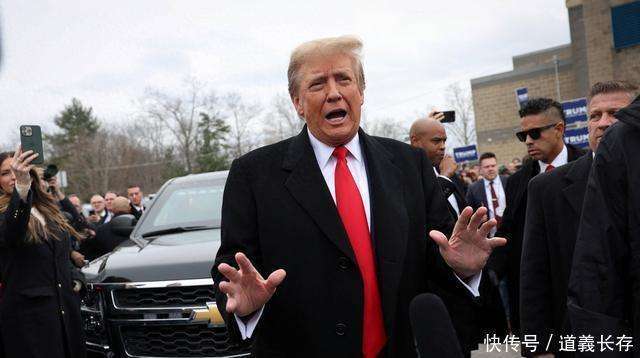
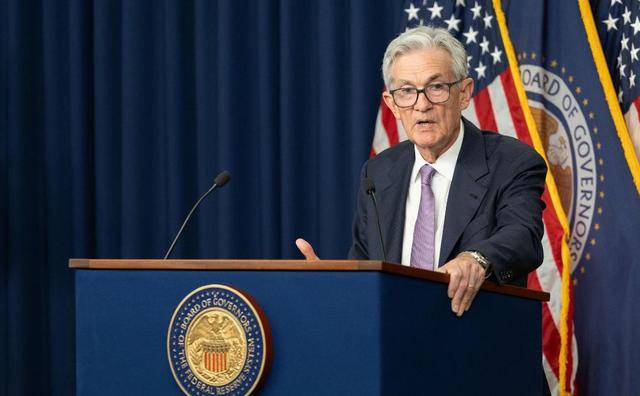
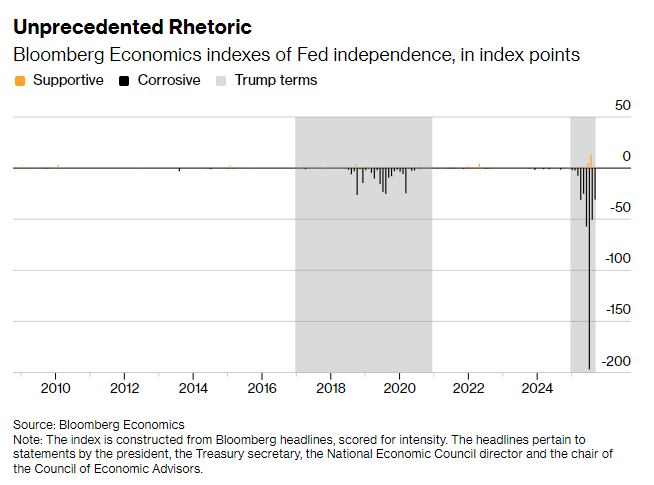
"懂王"特朗普又一次把矛头对准了美联储主席鲍威尔。 "我很想解雇鲍威尔,他极其无能。"特朗普在近日的发言中毫不掩饰其不满,甚至提出应就美联储的建 设成本问题起诉鲍威尔。 美联储人事风波 特朗普暗示称,美国财政部长贝森特正竭力劝阻他解雇鲍威尔。他甚至调侃道,贝森特唯一搞砸的就是 美联储,利率太高了——如果你不尽快搞定,我就炒了你。 特朗普还补充说,商务部长霍华德·卢特尼克则"更倾向于解雇鲍威尔"。这一言论再次将白宫内部在美 联储问题上的分歧摆上台面。 分析人士称,贝森特是白宫内部偏理性的存在。解雇鲍威尔将对央行的独立性构成危险威胁,并可能对 金融市场造成严重打击。 在政策走向上,美联储内部同样充满分歧。 美东时间周三(11月19日),美联储公布了10月28日至29日的联邦公开市场委员会(FOMC)货币政策 会议纪要。会议纪要显示,决策者对12月是否继续降息存在较大分歧。 此外,近期多位联储官员密集发表"鹰派"讲话,也进一步打压了市场对降息的预期—— 其中,美国亚特兰大联储主席博斯蒂克表示,虽然他能够支持最近的两次降息,但他还不确定下个月是 否会再次降息。他希望以最新数据作为指引,决定何为合适的政策。美国达拉斯联 ...
停摆、狂欢、分裂!反特朗普联盟强势崛起,美国深陷罗生门?
Sou Hu Cai Jing· 2025-11-20 04:49
Core Points - The recent U.S. government shutdown has exposed the fragility of the national machinery, leading to significant disruptions in various sectors, including air travel [1][3] - The shutdown is rooted in a political struggle over citizen welfare qualifications, driven by the controversial "Great and Beautiful Act" pushed by Trump and the Republican Party [3][5] - The act's provisions are expected to result in over 12 million people losing healthcare coverage and threaten food assistance for nearly 5 million [5][19] Group 1: Political Dynamics - The "Great and Beautiful Act" aims to redefine social welfare eligibility, mandating that non-disabled adults must provide proof of at least 80 hours of work per month to receive medical and food assistance [3][5] - The act includes tax cuts that favor specific groups, such as restaurant workers and blue-collar employees, which aligns with Trump's core support base [5][10] - The government shutdown has been utilized strategically by the Trump administration to target perceived Democratic supporters within the federal workforce [8][10] Group 2: Economic Implications - The act is projected to create a fiscal deficit of $5 to $6 trillion over the next decade, exacerbating an already high deficit rate, which is expected to rise from 6.4% to 7.3% [19][21] - The historical context of tax cuts leading to economic instability is highlighted, referencing the 1920s and the subsequent Great Depression as a cautionary tale [21][23] - The current political maneuvering is seen as a potential threat to the independence of the Federal Reserve and long-term economic stability [16][18] Group 3: Social Impact - The welfare debate has transformed into a moral judgment on who deserves assistance, fostering negative sentiments towards welfare recipients and creating new social divides [7][10] - Local elections have shown a backlash against the Republican strategy, with Democratic candidates successfully focusing on economic issues rather than cultural controversies [12][14] - The political landscape is shifting, with signs indicating a potential increase in Democratic control over Congress, reflecting changing public sentiment [23][25]

总统位置不香了,特朗普还想另谋其职,美元百年信用命悬一线
Sou Hu Cai Jing· 2025-11-19 10:43
Core Viewpoint - The article discusses the shifting power dynamics between the U.S. presidency and the Federal Reserve, highlighting how Trump's actions and rhetoric have raised concerns about the independence of the Fed and the stability of the U.S. dollar's creditworthiness [1][10]. Group 1: Federal Reserve's Role and Independence - The Federal Reserve is described as a powerful institution that influences both the U.S. economy and global financial markets, with its decisions impacting over $70 trillion in financial assets [2]. - The independence of the Federal Reserve is crucial for maintaining confidence in the U.S. dollar, as it prevents monetary policy from being swayed by short-term political interests [3][5]. - Trump's public criticism of Fed Chairman Jerome Powell reflects a significant challenge to this independence, as he seeks to influence monetary policy to benefit his political agenda [4][10]. Group 2: Political and Economic Implications - Trump's desire for low interest rates and loose monetary policy is aimed at boosting the stock market and economic growth to enhance his political standing, which conflicts with Powell's focus on inflation and employment [4][8]. - The potential for Trump to replace Powell raises alarms about the Fed becoming a political tool, which could undermine the dollar's status as the world's reserve currency [4][10]. - The article warns that if the Fed loses its independence, it could lead to a loss of trust in the U.S. financial system, resulting in a significant shift in global capital flows and a potential financial crisis [9][10]. Group 3: Global Financial Landscape - The ongoing debate about the Fed's independence has led to increased volatility in the dollar index and a trend towards "de-dollarization" among various economies, indicating a growing distrust in the U.S. financial system [9][10]. - The article emphasizes that the stability of the global financial system relies on the credibility of the U.S. dollar, which is threatened by political interference in monetary policy [10][12]. - Countries are increasingly exploring alternatives to the dollar, which could reshape the global financial landscape and reduce reliance on U.S. monetary policy [13][14].
短期降息 vs 长期失控:Wmax 揭秘FED政策转向的深层代价
Sou Hu Cai Jing· 2025-11-19 07:28
Core Viewpoint - Trump is attempting to influence the Federal Reserve's decisions through various measures, including public criticism of the Fed Chairman and efforts to appoint his chief economic advisor to the FOMC, while demanding a 3% interest rate cut [1][3]. Group 1: Political Influence on the Federal Reserve - Supporters view Trump's actions as necessary reforms to address the Fed's long-term inflation target failure and believe that interest rate cuts before the 2024 election align with Democratic re-election goals [3]. - Critics express concern that this represents a takeover of partisan politics, aiming to create a "supermajority" in the FOMC that supports low interest rates, similar to the conservative dominance in the Supreme Court [3]. Group 2: Historical Context and Risks - Historical precedents, such as Nixon's pressure on the Fed in the 1970s, illustrate the risks of undermining central bank independence, which led to soaring inflation and required significant interest rate hikes to control [4]. - The independence of the Federal Reserve is deemed essential for stable economic performance, balancing maximum employment and price stability [4]. Group 3: Scenarios and Economic Implications - If the Fed is influenced by political pressures, it may prioritize low unemployment over anchoring inflation targets, potentially increasing the frequency of interest rate cuts by two times compared to baseline scenarios, leading to inflation expectations rising to 3% [7]. - In an extreme scenario where the Fed succumbs entirely to political pressure, maintaining a policy rate of 1% despite worsening inflation, a short-term false prosperity may occur, but inflation expectations could rise significantly, with borrowing costs potentially increasing by 3 percentage points [7]. Group 4: Long-term Consequences - Eroding the Fed's independence may yield short-term economic growth and employment benefits, but the long-term costs could include uncontrolled inflation, market volatility, and decreased output efficiency, making it a detrimental policy choice [9]. - Some perspectives view the Fed as a tool for partisan governance rather than a neutral institution pursuing optimal economic outcomes, highlighting a significant divergence from data-driven assessments [9].
特朗普“驯服”美联储 会否重演1970年代滞胀噩梦?
智通财经网· 2025-11-19 02:36
Core Viewpoint - The article discusses President Trump's ongoing attempts to exert political influence over the Federal Reserve, which could undermine its independence and lead to adverse economic consequences in the long term [1][2]. Group 1: Political Influence on the Federal Reserve - Trump has been actively trying to reshape the Federal Reserve by targeting its officials, including attempting to remove Governor Lisa Cook and appointing his economic advisor Stephen Moore to the Federal Open Market Committee (FOMC) [1][3]. - Supporters of Trump view these actions as necessary reforms to address the Fed's failure to meet inflation targets, while critics see it as a blatant power grab to establish a pro-low interest rate majority within the FOMC [1][2]. Group 2: Economic Scenarios and Implications - Analysts have simulated two scenarios regarding the potential impact of political interference on the Federal Reserve's decision-making [4][5]. - In the first scenario, the Fed prioritizes low unemployment over controlling inflation, leading to an additional two rate cuts and a rise in inflation expectations to around 3% [5][8]. - The extreme scenario predicts a drastic reduction in the policy interest rate to 1%, as advocated by Trump, resulting in a significant rise in inflation and a subsequent economic downturn, reminiscent of the 1970s [5][8]. Group 3: Historical Context and Lessons - The article references historical precedents, particularly the actions of President Nixon in the 1970s, where political pressure on the Fed led to rising inflation and economic instability [2][8]. - It highlights the potential long-term costs of undermining the Fed's independence, including threats to the dollar's status as a reserve currency and the risk of stagflation before the 2028 elections [8].
特朗普:已确定下一任美联储主席人选
财联社· 2025-11-19 01:19
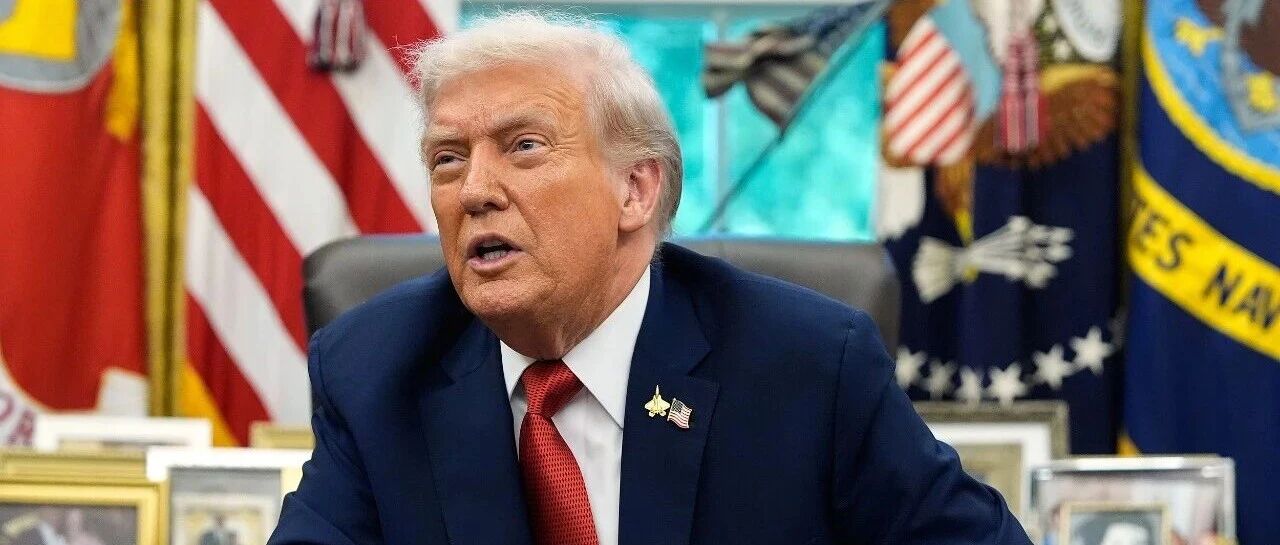
Core Viewpoint - The article discusses President Trump's intention to appoint a new Federal Reserve Chairman, indicating that he has a candidate in mind but has not disclosed the name yet [1][3]. Group 1: Candidate Selection Process - Trump expressed frustration about being unable to immediately replace current Chairman Jerome Powell, stating that someone is preventing him from doing so [2]. - Treasury Secretary Mnuchin has narrowed down the candidate list to several individuals, including current Fed governors and other prominent figures [2][3]. - Mnuchin plans to present a recommendation list to Trump after the Thanksgiving holiday, which may include both surprising names and conventional candidates [3]. Group 2: Current Chairman's Status - Jerome Powell's term as Chairman will end in May next year, but his term as a Fed governor extends until 2028 [4]. - Trump has frequently criticized Powell and the Fed for not being aggressive enough with interest rate cuts since the beginning of his second term [5]. Group 3: Challenges in Restructuring the Fed - Trump faces significant challenges in reshaping the Fed according to his preferences due to the institution's inherent checks and balances [7][8]. - The Fed Chairman is just one of 19 policymakers in the Federal Open Market Committee (FOMC) and does not operate under direct executive authority once appointed [8].
耶伦警告:美国面临沦为“香蕉共和国”的危险
第一财经· 2025-11-17 13:12
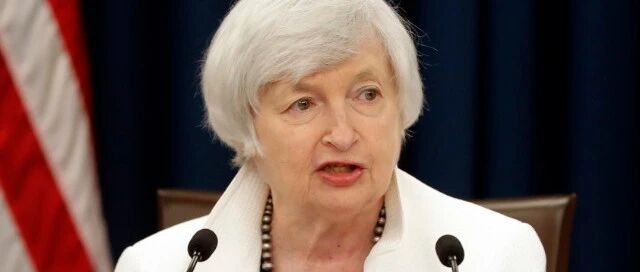
Core Viewpoint - The article discusses the potential risks to the independence of the Federal Reserve and the broader implications for the U.S. economy, particularly in light of President Trump's influence and the current AI investment boom [3][4][5]. Group 1: Federal Reserve Independence - Former Federal Reserve Chair Janet Yellen warns that the U.S. risks becoming a "banana republic" due to political pressures on the Federal Reserve, particularly from President Trump, who has called for interest rate cuts and threatened to dismiss Fed Chair Jerome Powell [3][4]. - Yellen emphasizes that Trump's actions could undermine the long-standing separation between fiscal and monetary policy, damaging the Fed's credibility in controlling inflation [3][5]. - The Trump administration is attempting to dismiss Fed Governor Lisa Cook, which Yellen believes would end the Fed's independence, allowing for political interference in monetary policy [6]. Group 2: Economic Risks and AI Investment - Yellen highlights that the current AI investment boom may obscure underlying economic risks, with significant growth in technology investments projected for 2025 [7]. - A report from Oxford Economics predicts that AI-related investments could see annual growth rates of 20% to 40%, the fastest since the late 1990s [7]. - However, Yellen warns that if the tech sector underperforms, the U.S. economy could become vulnerable, recalling the tech bubble burst of 2001-2002, which led to a 70% drop in tech stocks and a decline in business investment [7]. Group 3: Broader Economic Implications - Yellen expresses concern over the potential loss of scientists and researchers due to tensions between U.S. universities and the Trump administration, which could hinder technological advancement and economic growth [7]. - She notes that the financial markets appear stable, but there are signs of tension, particularly with the U.S. dollar depreciating by about 4% since the announcement of Trump's tariffs [8].
聚焦黄金|美国政府结束史上最长停摆,流动性压力缓解,黄金震荡整理
Xin Lang Cai Jing· 2025-11-17 12:41
Core Viewpoint - The precious metals market experienced a notable increase last week, primarily driven by concerns over the future independence of the Federal Reserve following the planned retirement of Atlanta Fed President Bostic in February. However, the focus of several Fed officials on inflation has lowered expectations for future interest rate cuts [1][2]. Market Dynamics - The U.S. government ended its longest shutdown in history, lasting 43 days, after President Trump signed a temporary funding bill [3]. - A growing number of Federal Reserve officials are adopting a cautious stance on further rate cuts due to inflation concerns, reducing the likelihood of a December rate cut to below 50% [3]. - President Trump announced a reduction in tariffs on various food products, including beef and coffee, in response to rising living costs, indicating a potential easing of trade tensions [3]. - The reopening of the government has alleviated short-term liquidity pressures, but its impact on the gold market is expected to be neutral, with gold remaining in a consolidation phase [2][3]. Investment Products - The Bosera Gold ETF and its linked funds track the performance of gold prices in RMB through investments in gold spot contracts on the Shanghai Gold Exchange, providing investors with diverse investment options in gold [3].

美联储施密德:政府停摆凸显了美联储保持独立性的必要性,因为美联储仍在继续运转。
Sou Hu Cai Jing· 2025-11-14 15:39
美联储施密德:政府停摆凸显了美联储保持独立性的必要性,因为美联储仍在继续运转。 来源:滚动播报 ...
耶伦警告:美国政治制度面临“致命危险”,正侵蚀经济繁荣基石
Hua Er Jie Jian Wen· 2025-11-14 14:31
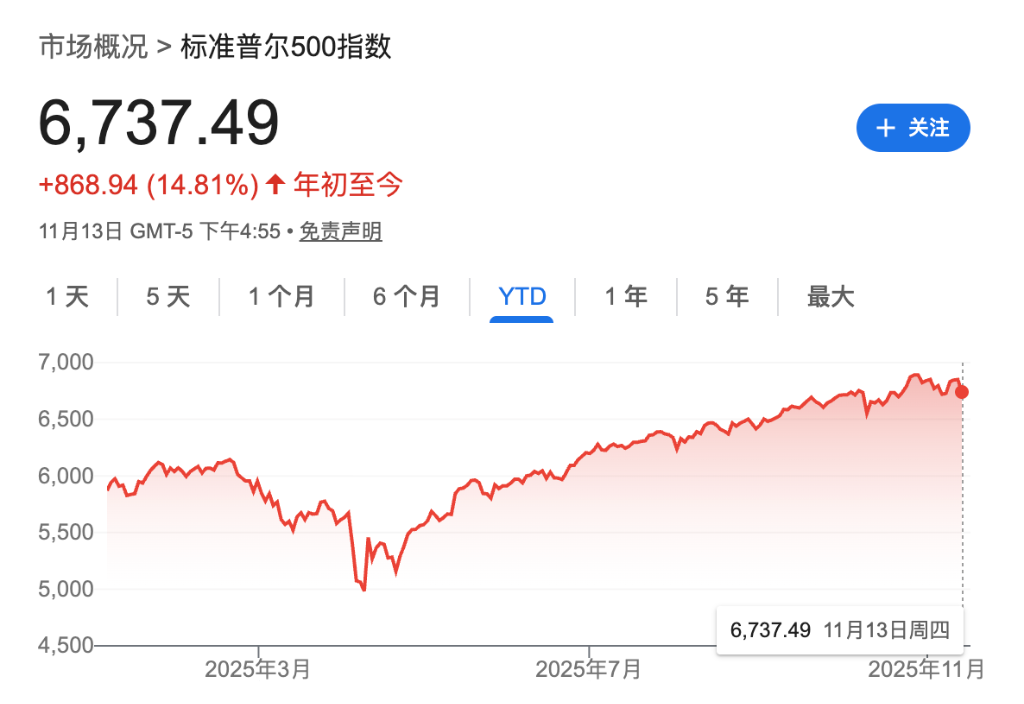
Core Viewpoint - Former U.S. Treasury Secretary Janet Yellen warns that the American democratic system is facing "fatal danger," threatening the fundamental basis of economic prosperity [1] Group 1: Rule of Law - Yellen emphasizes the importance of the rule of law for capitalism, citing research by Nobel laureates Daron Acemoglu and James Robinson, which indicates that societies with weak rule of law struggle to achieve economic growth [3] - She expresses concern that economic policy decisions are increasingly based on personal will and resentment rather than established rules, leading to a lack of fair treatment and non-political enforcement of laws [3] Group 2: Business Climate - Yellen notes a troubling trend where fear is suppressing normal policy debate within the business community, with individuals and companies hesitant to express negative views due to potential political retaliation [3] - The White House responded to Yellen's concerns by highlighting perceived failures of the Biden administration, including immigration law enforcement and inflation management [3] Group 3: Federal Reserve Independence - Yellen is particularly worried about unprecedented pressures on the Federal Reserve, including former President Trump's calls for interest rate cuts and attempts to dismiss Fed officials [4] - She criticizes Trump's actions as breaking long-standing norms of non-interference in monetary policy, which could undermine the Fed's mission of maximizing employment and stabilizing inflation [4] Group 4: Economic Performance and Risks - Despite Yellen's warnings, the current U.S. economic fundamentals appear strong, with robust consumer spending and a recovering economy, as evidenced by a nearly 15% increase in the S&P 500 index this year [5] - Yellen cautions that the current AI investment boom may obscure underlying risks, particularly the negative impact of repressive policies on the academic environment and the loss of scientific talent [5] - She warns that the core drivers of U.S. economic growth, such as technological leadership and entrepreneurial vitality, may face long-term threats due to these trends [5]