对等关税

Search documents
东南亚限制中国迂回出口,争取美国关税让步
日经中文网· 2025-05-23 22:40
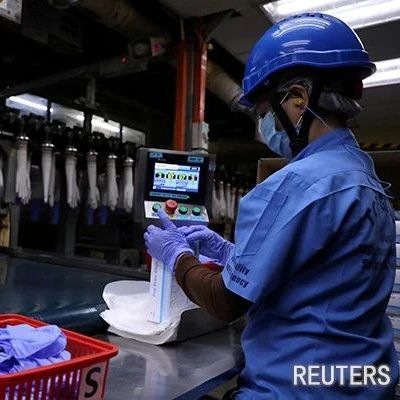
Core Viewpoint - Southeast Asian countries are tightening regulations on certificates of origin to prevent circumvention of trade restrictions on Chinese products, indicating a cooperative stance towards the U.S. to seek tariff relief [1][2]. Group 1: Regulatory Changes - Thailand announced in late April that it would modify the rules for issuing certificates of origin for 65 categories of products, including solar panels and automotive parts, requiring on-site inspections of factories to verify local procurement rates and production costs [1]. - Cambodia's Ministry of Commerce decided to implement inspections of production bases when issuing certificates of origin for exports to the U.S. starting from the 12th [1]. - Malaysia has prohibited the export of foreign-produced rubber gloves, allowing only locally produced gloves to be exported, as rubber products are among the top five export categories to the U.S. [2]. Group 2: Economic Impact - The U.S. plans to impose high reciprocal tariffs of 49%, 46%, 36%, and 24% on Cambodia, Vietnam, Thailand, and Malaysia respectively, which could significantly impact the economies of these countries [2]. - Vietnam, as a major export partner for the U.S., has taken measures to strengthen the issuance of certificates of origin, reflecting a heightened sense of urgency due to its trade surplus with the U.S. exceeding $100 billion in 2024 [2]. Group 3: Industry Implications - The tightening of regulations is seen as a protective measure for domestic industries, particularly in sectors like electric vehicles, where many components are sourced from China [3].

被欧盟告了后,美国同意就“对等关税”和汽车关税等在WTO展开磋商
Di Yi Cai Jing· 2025-05-23 12:56
Core Viewpoint - The European Union (EU) has initiated consultations with the World Trade Organization (WTO) regarding the tariffs imposed by the United States, claiming these tariffs violate WTO principles [1][2][4]. Group 1: EU's Actions - The EU has submitted a consultation request to the WTO concerning the U.S. tariffs on certain imported products, citing the Safeguards Agreement [2][4]. - The EU's consultation request is based on Article 12.3 of the Safeguards Agreement, which allows for discussions if an agreement is not reached within 30 days [2][5]. - The EU has expressed significant interest in the matter, as it is a major exporter of the affected products, and has requested prompt consultations with the U.S. [5][6]. Group 2: U.S. Response - The U.S. has acknowledged receipt of the EU's consultation request but disagrees with the premise that the tariffs are considered safeguards under the Safeguards Agreement [6][7]. - The U.S. argues that the tariffs are justified under national security concerns as per Section 232 of the Trade Expansion Act and the International Emergency Economic Powers Act (IEEPA) [6][7]. - Despite its disagreement, the U.S. has expressed willingness to discuss the issue with the EU [6][7]. Group 3: Tariff Details - The U.S. has imposed a 25% tariff on passenger cars and light trucks from the EU, along with additional tariffs on various imported products [4][5]. - The EU has prepared a list of products worth €95 billion for potential countermeasures against U.S. tariffs [4]. - The U.S. has also implemented tariffs on imported beer and aluminum cans, which the EU claims fall under the Safeguards Agreement [5].
中国“打样”后,印度觉得自己也行了!结局却出乎莫迪意料
Sou Hu Cai Jing· 2025-05-23 11:22
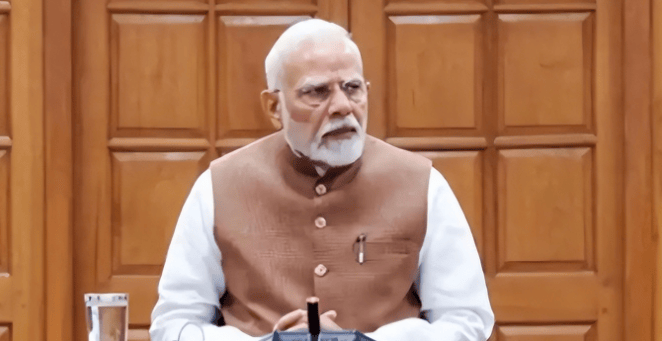
Group 1 - India's sudden shift in attitude towards the US, proposing to increase tariffs, raises questions about the underlying reasons, especially following the recent positive outcomes of US-China trade talks [1] - The US and China have agreed to significantly reduce tariffs, with the US planning to lower additional tariffs on Chinese goods from 145% to 30% within three months, indicating a potential easing of trade tensions [3] - India's trade relationship with the US is significant, with a total trade volume of approximately $129 billion last year, and a trade surplus of $45.7 billion for India [3] Group 2 - India had previously lowered tariffs on 8,500 industrial products, including American goods, but has now decided to raise tariffs on certain US products in response to US tariff threats [5] - The Indian stock market reacted negatively to the potential for a trade conflict with the US, dropping by 3.2% following threats from President Trump regarding increased tariffs on Indian exports [6] - The disparity in trade capacity and negotiation leverage between India and China is highlighted, indicating that India's attempts to mimic China's strategies may not yield similar results [8]
巴西前总统罗塞芙:中国共享创新成果,为发展中国家带来希望 | 世界观
Zhong Guo Xin Wen Wang· 2025-05-23 11:08
Core Viewpoint - The global economy is under significant pressure due to the United States' large-scale trade protectionism policies, which exacerbate global economic vulnerabilities and limit the development and technological access of various countries [1][3]. Group 1: Impact of U.S. Trade Policies - The U.S. has been using tariffs as a tool to exert pressure on other countries, leading to great uncertainty in the global economy [3]. - The "beggar-thy-neighbor" policy initiated by the U.S. is disrupting normal international trade order [3]. - The consequences of the trade war are evident, with significant fluctuations in financial markets, sharp declines in stock indices, and a notable drop in the U.S. dollar index, indicating deeper systemic changes [3]. Group 2: Technological Cooperation and Innovation - China is actively promoting global technological progress and deepening cooperation with developing countries, which is praised by the president of the New Development Bank [5]. - There is a call to strengthen international cooperation and oppose the establishment of technological barriers that hinder developing countries from accessing new technologies [5][6]. - The initiatives such as the BRICS cooperation mechanism and the Belt and Road Initiative play a crucial role in expanding access to capital, technology, and infrastructure for many developing countries [5][6].
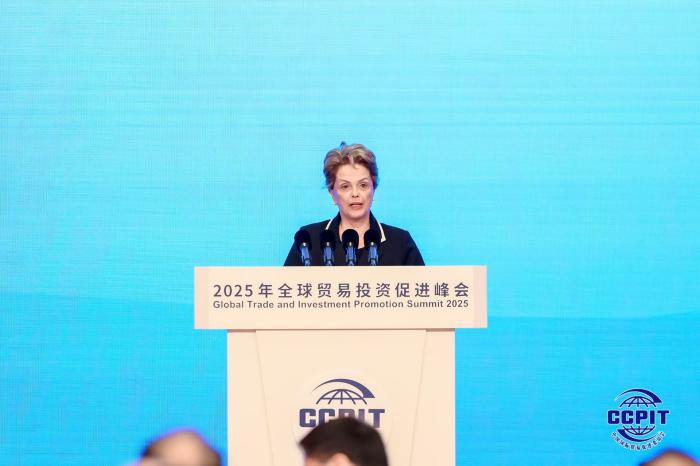
澳央行副行长:中国不想人民币贬值,那会便宜美国人
Sou Hu Cai Jing· 2025-05-23 01:45
Group 1 - The Reserve Bank of Australia (RBA) Deputy Governor Andrew Hauser believes that China has the capability and determination to stimulate economic vitality and achieve its growth targets despite challenges from the US trade dispute [1][3] - Hauser observed that Chinese business leaders are generally confident about China's ability to gain an advantage in the trade war, with many believing that fiscal stimulus measures have positively impacted the economy since January [3][4] - The sentiment among Australian companies regarding collaboration with China is optimistic, supported by expectations of improved market conditions in early 2025 and confidence in the Chinese government's ability to maintain economic vitality [4] Group 2 - Hauser noted that the Chinese anticipate that the actual costs of US tariffs will be borne by the US itself, and there is a strong resolve in China not to mitigate this impact [4] - The general belief among the Chinese is that a significant depreciation of the yuan would lessen the impact of US tariffs on American consumers, but there is little support for this idea as China does not wish to alleviate the tariff burden on the US [4]
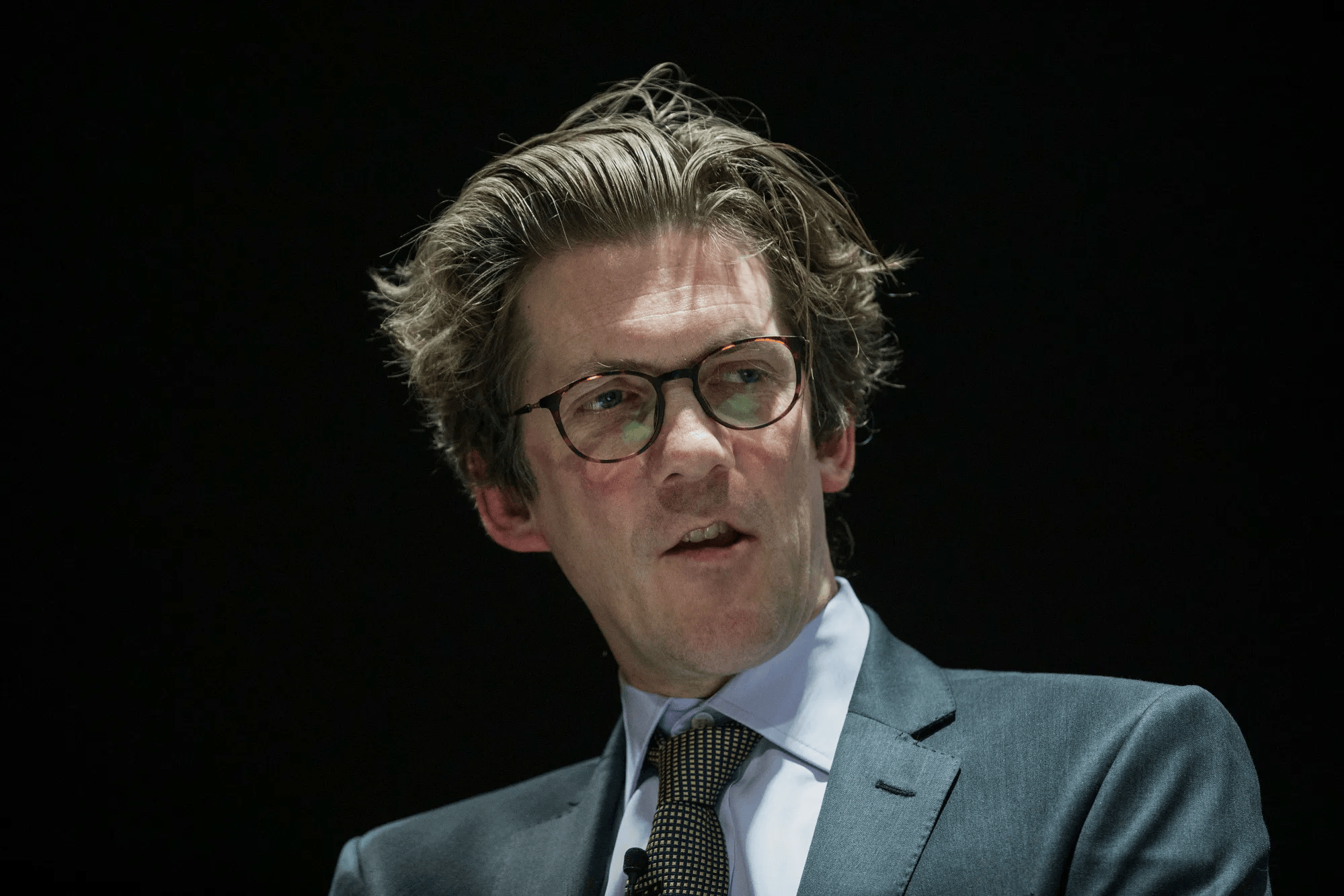
专访罗马诺·普罗迪:解码关税壁垒与文化纽带下的中欧未来
Huan Qiu Wang· 2025-05-23 01:13
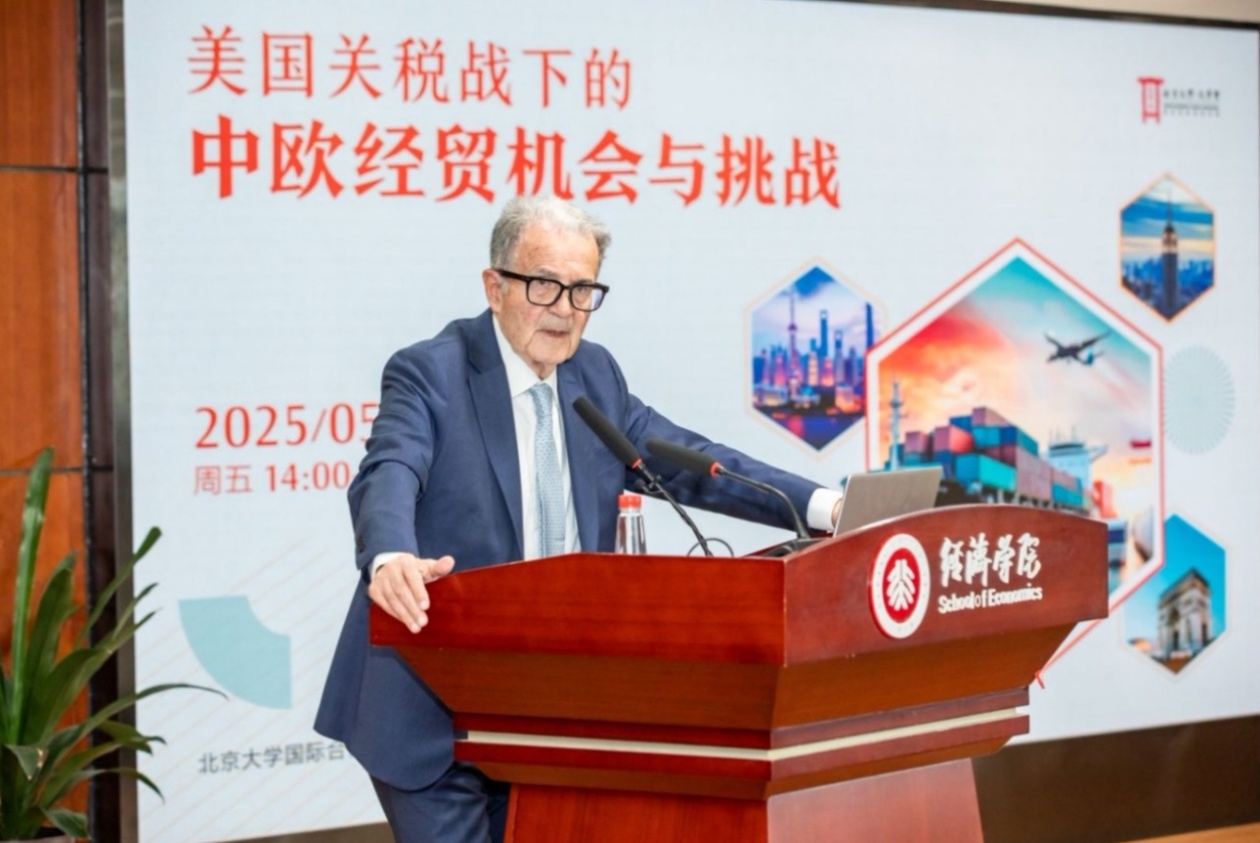
Group 1 - The complexity of current international politics exceeds traditional diplomatic frameworks, as highlighted by Romano Prodi during his speech at Peking University [1] - Prodi emphasizes that the essence of the US "reciprocal tariffs" policy is that of a "rule breaker," undermining the multilateral trade system established by the WTO [4][6] - The US GDP shrank in the first quarter of 2025, indicating adverse effects from tariff policies, which Prodi argues do not resolve trade deficits but harm the domestic economy [4] Group 2 - Prodi suggests that the current crisis stems from "political interference in economic laws," leading to the marginalization of global regulatory frameworks [6] - He advocates for the construction of "bridge rules" to enhance cooperation between China and Europe, emphasizing the need for open communication despite challenges [6] - The potential for deeper cooperation between China and Europe is significant, as both regions account for 34% of global GDP combined [6] Group 3 - Prodi praises China's consumption-boosting policies, stating they will positively impact global supply and demand dynamics [7] - He highlights China's critical role in global supply chains, noting that many products, including his own glasses, are manufactured in China, reflecting a shift in trade preferences towards China over the past two decades [9] Group 4 - Prodi reflects on the long-term consistency of Chinese policies, which contrasts with the unpredictability seen in many Western nations [10] - He emphasizes the importance of cultural exchange as a means of fostering understanding and cooperation, advocating for more Chinese students to study in Europe [12]
美关税阴霾下的G7财长会:“美国优先”加剧盟友内部矛盾
Yang Shi Xin Wen· 2025-05-22 09:21
七国集团无法给世界提供经济治理方案 当地时间21日,七国集团财长和央行行长会议在加拿大艾伯塔省班夫正式举行,讨论有关全球经济、关 税、安全以及乌克兰局势等问题。当前,七国集团之中的其他国家与美国的关税争端还没有结果,仍处 于美国所谓的90天暂缓期之中。此次会议对缓解七国集团间因关税出现的紧张局面有何影响? 七国集团会议在美极端政策影响下凸显分歧 中国人民大学国际关系学院教授刁大明:此次七国集团财长和央行行长会议,是在美国特朗普政府推行 所谓"对等关税"这一极端政策的负面背景下召开的。特朗普政府的这一极端政策,无疑成为了此次会议 不得不面对的最大分歧点。然而,由于美国一意孤行地推行该政策,这次会议根本无法解决任何问题或 分歧。 中国人民大学国际关系学院教授刁大明:事实上,随着经济全球化的持续深化,特别是自2008年金融危 机以来,七国集团在国际经济治理中的地位已明显呈现下降趋势。与此同时,新兴市场国家和广大发展 中国家的话语权却在持续提升,这已成为世界发展的一个必然态势。 中国人民大学国际关系学院教授刁大明:不过,在美国对华战略竞争的背景下,此前拜登政府执政期 间,为了拉拢西方盟友,美国着手通过扩大对话国范围、 ...
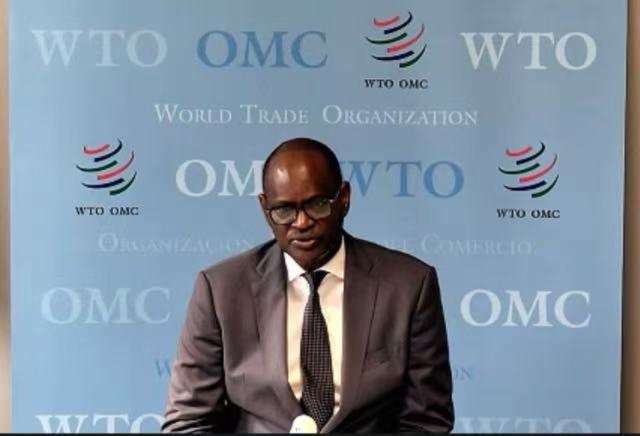
中方在WTO呼吁各成员团结冷静应对所谓 “对等关税 ”,提出12字WTO改革工作思路
第一财经· 2025-05-22 04:43
Core Viewpoint - The article discusses China's proactive stance at the WTO meeting, emphasizing the need for multilateral trade system support and reform in response to unilateral trade measures, particularly from the U.S. [3][8][11] Group 1: China's Proposal and Work Philosophy - China submitted a written proposal titled "Statement on Supporting the Multilateral Trade System under Current Circumstances," expressing concerns over unilateral tariffs and suggesting collective responses from WTO members [3][8]. - The proposed work philosophy is summarized as "Stability First, Development Priority, Reform as the Path" (SDR), advocating for a stable trade environment and deeper WTO reforms [7][10]. Group 2: Key Recommendations from China - Stability First: China calls for unity among members to stabilize trade relations, enhance policy transparency, and ensure adherence to WTO rules to prevent trade tensions from escalating [9][10]. - Development Priority: China urges members to open markets to the least developed countries and support initiatives that provide effective assistance to developing members [10]. - Reform as the Path: China supports comprehensive WTO reforms, addressing contemporary trade issues such as climate change and supply chain resilience, while promoting new rule negotiations [10][11]. Group 3: Global Trade Impact and Responses - Unilateral tariffs and "reciprocal tariffs" are seen as serious threats to the legitimate rights of WTO members, potentially reducing global GDP growth by 0.7% to 7% and disproportionately affecting weaker economies [8][10]. - The WTO spokesperson highlighted that members can utilize the dispute resolution mechanism if they feel WTO rules are violated, indicating a pathway for addressing grievances [4][8]. Group 4: Support from Other Members - China's proposal received widespread resonance among other WTO members, including Brazil, Russia, and Pakistan, who echoed the need to uphold the most-favored-nation principle and strengthen the multilateral trade system [3][8][10]. - The WTO Director-General emphasized the necessity for meaningful reforms, indicating that incremental changes are no longer sufficient to address the challenges facing the organization [13][15].
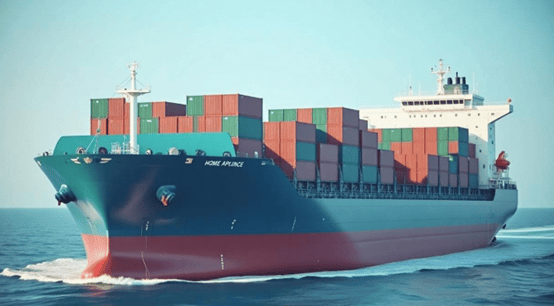
家电企业抢工“对等关税”窗口期:货柜涨价2万块,对美订单恢复60%,“有柜子就能发货”
Sou Hu Cai Jing· 2025-05-22 02:03
Group 1 - The recent reduction in "reciprocal tariffs" has led to a surge in demand for shipping containers among home appliance companies, with reports of container prices increasing by 20,000 to 40,000 yuan [2][3] - Companies are experiencing a situation where the demand for containers exceeds supply, leading to a competitive environment for securing shipping space [2][3] - The logistics sector has seen a significant increase in shipping volumes to the U.S., with container booking volumes from China to the U.S. rising nearly 300% following the tariff adjustments [5][6] Group 2 - Despite the tariff reductions, some companies are facing logistical challenges that hinder smooth trade, as they struggle to secure shipping containers and vessels [3][4] - The overall shipping rates have increased, with the Shanghai-New York container freight index rising to 4,350 USD, reflecting a 19.31% increase [6] - The current shipping situation is characterized by a mismatch in supply and demand, with many shipping routes being adjusted due to previous tariff policies [7] Group 3 - Home appliance companies have mixed feelings about the tariff reductions; while some clients are eager to place orders, others remain cautious and are reassessing their strategies [8][9] - The impact of tariff changes has led to operational disruptions, requiring companies to reallocate production capacity and manage increased workloads [9][10] - Some companies report that their orders to the U.S. have recovered to about 60% of last year's levels, driven by clients needing to replenish low inventories [9][10] Group 4 - The sudden drop in tariffs has created challenges for cross-border e-commerce, particularly for new entrants in highly concentrated product categories like electric pressure cookers [12] - Companies are facing difficulties in hiring due to the fluctuating demand for labor, with many workers seeking alternative employment during periods of low orders [13][14] - Digital transformation initiatives in the home appliance sector are helping companies manage production scheduling and capacity issues more effectively [14][15]
中方在WTO呼吁各成员团结冷静应对所谓 “对等关税 ”,提出12字WTO改革工作思路
Di Yi Cai Jing· 2025-05-22 01:17
Core Viewpoint - China proposed a working approach for the WTO centered on "stability first, development prioritized, and reform as the path" to address current trade turbulence and support the multilateral trading system [1][4][5]. Group 1: China's Proposal and Agenda - China submitted a written proposal titled "Statement on Supporting the Multilateral Trading System under Current Circumstances" during the WTO General Council meeting [1]. - The proposal emphasizes the need for collective responses among WTO members to unilateral tariff measures, particularly the U.S. "reciprocal tariffs" [1][4]. - The proposal received widespread resonance from other WTO members, including Brazil, Russia, and Pakistan, who expressed strong concerns about unilateralism and supported China's suggestions for maintaining global trade stability [1]. Group 2: Key Elements of China's Working Approach - **Stability First**: China called for unity among members to stabilize trade relations, enhance transparency in trade policies, and ensure global trade operates within the WTO framework [5][6]. - **Development Prioritized**: China urged members to further open markets to least developed countries and support initiatives that provide effective assistance to developing members [5][6]. - **Reform as the Path**: China supports deepening WTO reforms, focusing on contemporary trade issues such as climate change and supply chain resilience, and promoting new rule negotiations [6][9]. Group 3: Global Economic Impact - Unilateral tariff measures could potentially reduce global GDP growth rates by 0.7 to 7 percentage points, disproportionately affecting weaker economies and least developed countries [4]. - China emphasized the importance of maintaining a rules-based multilateral trading system to counteract the adverse effects of trade tensions [4][6]. Group 4: Support from Other Members - The meeting included supportive statements from Singapore, Switzerland, and the EU, reflecting a consensus among members on the need for reform to protect the multilateral trading system [8][9]. - WTO Director-General Ngozi Okonjo-Iweala highlighted the necessity for meaningful reforms to ensure the system's effectiveness in addressing future challenges [9][10].