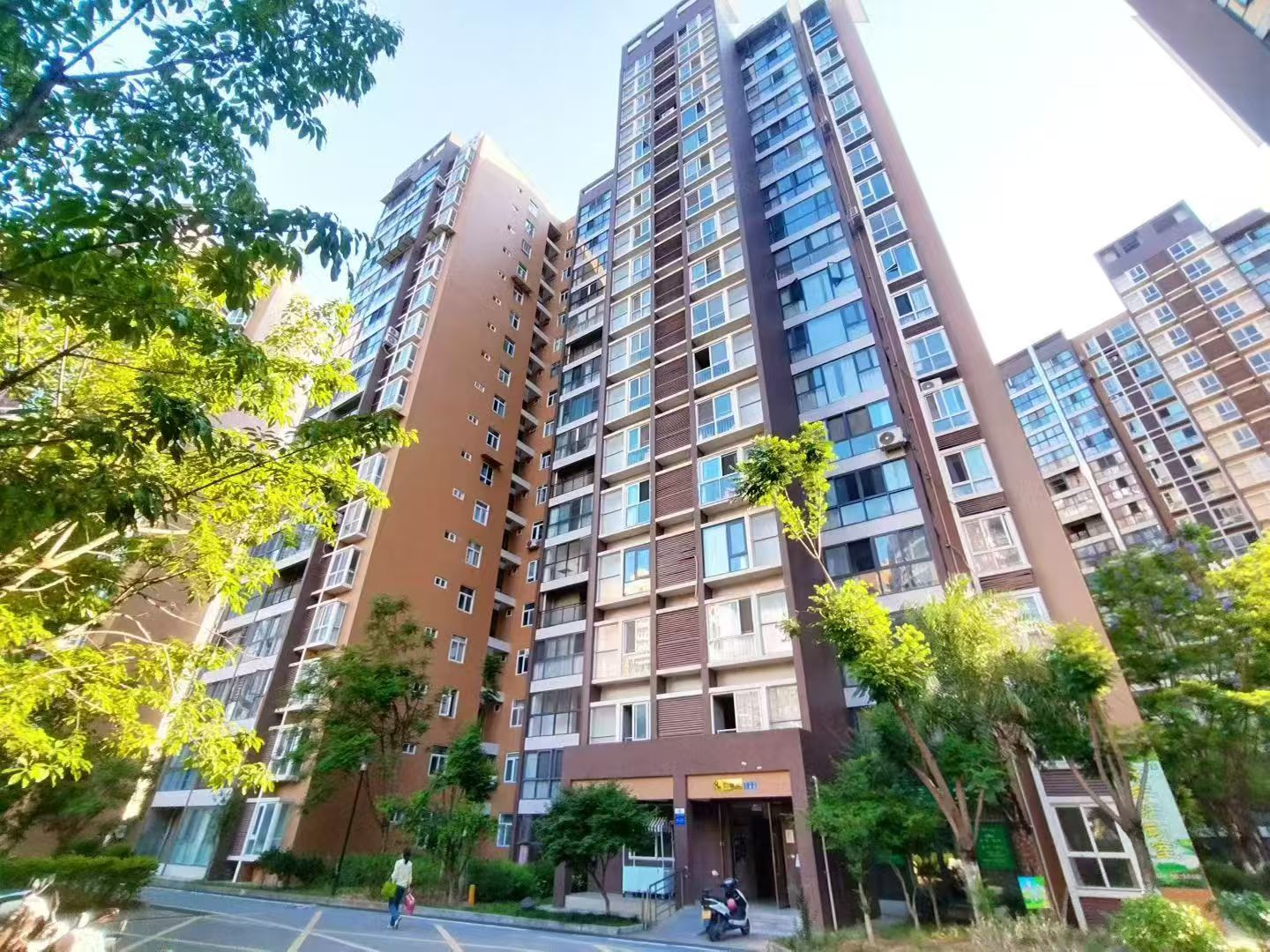
国有资产盘活

Search documents
济南:鼓励市属国企利用闲置资产提供创新创业空间
Feng Huang Wang Cai Jing· 2026-02-27 00:07
Core Viewpoint - The Jinan Municipal State-owned Assets Supervision and Administration Commission has issued the revised "Management Measures for the Rental of Physical Assets of Municipal State-owned Enterprises (2026)" to enhance the management of physical asset rentals, aiming to maximize rental efficiency and prevent the loss of state-owned assets [1]. Group 1: Asset Management - The term "physical assets" includes real estate (including underground structures), land and its attachments, and machinery and equipment [1]. - The rental contracts for physical assets should generally not exceed five years, with annual rent adjusted according to the annual CPI index [1]. - Enterprises are encouraged to utilize idle standardized factories or building parks as pilot projects to provide innovative entrepreneurial spaces [1]. Group 2: Rental Regulations - Enterprises are generally prohibited from allowing tenants to sublet physical assets, with clear stipulations in rental contracts [1]. - If subletting is necessary due to enterprise development needs or asset characteristics, a written application must be submitted by the tenant and approved by the original decision-making body [1]. - The Jinan Municipal State-owned Assets Supervision and Administration Commission will enhance digital supervision of rentals and explore real-time monitoring through the municipal state-owned assets regulatory platform [1]. Group 3: Public Tendering - The rental of physical assets should be conducted through public tendering, especially for assets with an average annual rental base of 1 million yuan or more, or for properties with an area of 1,000 square meters or more [2]. - For other physical asset rentals, enterprises may organize public tenders independently, with a minimum announcement period of five working days [2]. - Special asset rentals related to national interests, public welfare, or cultural heritage may be conducted through non-public agreements, providing greater flexibility for state-owned enterprises [2].

收心鼓劲启新程实干担当开新局 为兵团经济社会高质量发展再立新功
Xin Lang Cai Jing· 2026-02-24 18:20
Group 1 - The core message emphasizes the importance of implementing the spirit of the 20th Central Committee's Fourth Plenary Session and addressing feedback from the central inspection to enhance the economic and social development of the Xinjiang Production and Construction Corps (XPCC) [2] - The focus is on revitalizing idle state-owned assets, improving management, and ensuring effective governance to enhance the financial capabilities of the XPCC [3] - The need for a "big finance" concept is highlighted, aiming to improve the precision and effectiveness of financial resource allocation while adhering to strict fiscal discipline [3] Group 2 - Agriculture is identified as a foundational and advantageous industry for the XPCC, with a call for modernization and effective land management to optimize resource utilization [4] - The establishment of a demonstration area for water-saving agriculture is prioritized, emphasizing technological support and market awareness to enhance agricultural productivity and quality [4] - The XPCC aims to strengthen its position as a key supplier of high-quality agricultural and livestock products, focusing on production capacity and ecological sustainability [4] Group 3 - The importance of strengthening party leadership and addressing inspection feedback is stressed, with a focus on achieving tangible results in governance and performance [5] - The need for comprehensive and targeted rectification of issues identified in inspections is emphasized, alongside the promotion of a correct view of performance [5] - The commitment to strict party governance and the implementation of anti-corruption measures is reiterated, aiming to create a positive political environment for development [5]

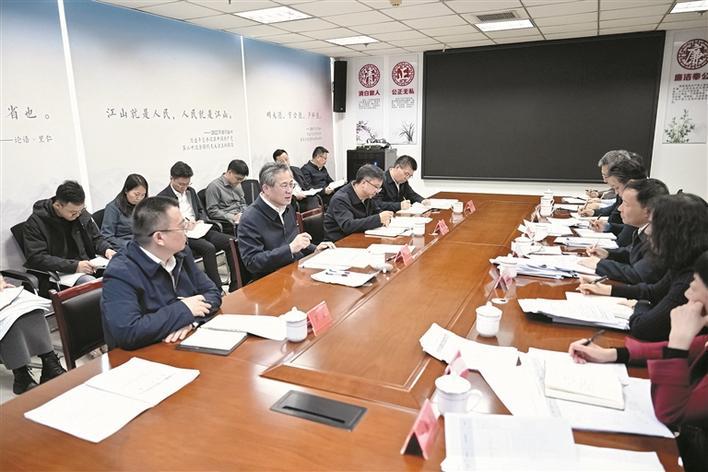
江苏财政以全流程深层次改革推动可持续发展过起“紧日子”,撑起“好日子”
Xin Hua Ri Bao· 2026-01-28 00:20
Core Viewpoint - Jiangsu Province's 2025 general public budget reflects a balance between fiscal restraint and support for quality living standards, emphasizing sustainable fiscal development to meet economic responsibilities and high-quality goals during the "14th Five-Year Plan" period [1] Group 1: Budget Overview - The total general public budget revenue for Jiangsu in 2025 is 10,246 billion yuan, with tax revenue accounting for 7,929 billion yuan, representing 77.4% of total revenue [1] - General public budget expenditure reached 15,190 billion yuan, with social welfare spending totaling 11,979 billion yuan, making up 78.9% of total expenditure [1] Group 2: Zero-Based Budgeting Reform - Jiangsu's zero-based budgeting reform for 2025 aims to restructure the budget system starting from zero, focusing on comprehensive income coordination and expenditure source control [2] - The number of provincial special funds has been reduced by 25% to 47 items for 2025, with plans to further decrease to below 30 items in 2026 [2] - The implementation of performance evaluation for special funds has shifted from a "soft requirement" to a "hard constraint," leading to the cancellation of underperforming budget allocations [2] Group 3: Social Welfare Spending - Education spending is set at 2,894 billion yuan, a year-on-year increase of 4.9%; social security and employment spending is 2,238 billion yuan, also up by 4.9%; health spending is 1,250 billion yuan, growing by 1.7% [3] Group 4: Activation of Dormant Assets - Jiangsu has initiated a platform for the adjustment and sharing of state-owned assets, resulting in the reactivation of over 37,000 assets and saving 55.03 million yuan in fiscal funds [4] - The province is focusing on a systematic approach to utilize state-owned assets, including the establishment of a smart regulatory platform for state-owned assets [4] Group 5: Financial Measures for Economic Development - In 2025, Jiangsu introduced 20 "Fiscal + Financial" measures, leveraging 600 billion yuan in financial resources to support high-quality economic development [7] - The province has facilitated over 1,400 billion yuan in interest-subsidized loans to reduce financing costs for enterprises [7] - Jiangsu is enhancing service platforms to ensure that fiscal policies effectively reach and benefit the real economy [7] Group 6: Future Directions - Jiangsu's fiscal strategy emphasizes a "big finance" concept, encouraging fiscal staff to align with broader economic and social development goals [8] - The province aims to convert the "gold content" of fiscal funds into growth drivers for high-quality development and improvements in public welfare [8]
化债下半程:成效、动向与展望
HTSC· 2025-12-25 09:38
Group 1: Report Industry Investment Rating - Not mentioned in the content Group 2: Core Viewpoints of the Report - As the critical debt - resolution point in June 2027 approaches, the market refocuses on the credit risk of urban investment bonds. The report analyzes the current debt - resolution progress, new trends, and provides an outlook for the post - June 2027 situation, as well as investment strategies [1][9] Group 3: Summary According to the Table of Contents Current Debt - Resolution Progress: Reviewing Results from Data - **Significant achievements but high overall debt**: In 2025, debt risk has been continuously mitigated, with notable results in debt cost reduction, structure optimization, and platform list exits. However, the total debt scale remains high, and the debt ratio of most provinces is rising. As of June 30, 2025, the total "local full - scale debt" exceeded 120 trillion yuan, a year - on - year increase of 11% [10][17][19] - **Diversified debt - resolution tools but crowding - out effect on investment**: By December 17, 2025, 2 trillion yuan of "special bonds for replacing implicit debts" have been issued. There are also special new - added special bonds and special refinancing bonds in the issuance process. But debt resolution has crowded out project investment. As of December 5, 2025, the proportion of new - added special bonds for project investment dropped to 58% from 78% in 2024 [24][26] New Trends in the Second Half of Debt Resolution - **Focus on operating debt**: The central government emphasizes "optimizing debt restructuring and replacement methods" for operating debt of urban investment platforms. This may involve continued non - standard debt replacement, possible implicit debt trusteeship (not widely adopted), debt - up - shifting and unified borrowing and repayment, and individual case debt restructuring in extreme situations [34] - **Transformation of urban investment and changes in bond market supply structure**: In the short and medium term, traditional urban investment financing is restricted, while transportation and industrial investment platforms in quasi - urban investment platforms still have financing. The local development impetus is accelerating the transformation from traditional infrastructure to new infrastructure, science and technology innovation, and industrial investment [39] - **Establishment of a long - term debt - resolution mechanism**: The establishment of the Debt Management Department of the Ministry of Finance reflects the trend of upgrading government debt management. At the local level, the revitalization of state - owned assets has become a key task, but there are also potential risks and challenges [48][49] Outlook for the Second Half: What Investors Are Concerned About - **View on weak - region urban investment bonds after June 2027**: The systemic default risk is low, but structural differentiation is a consensus, with valuation fluctuation risk and liquidity risk being more prominent. Regional and platform - level differentiation may occur, and the government's support willingness for different types of platforms varies [56][57][58] - **Risk observation**: Future risk observation of urban investment bonds may shift from traditional indicators to more forward - looking and multi - dimensional sentiment monitoring, including bill overdue, non - standard sentiment, overseas bond issuance, and loan sentiment, as well as the transformation effectiveness of regional transformation entities [61] Investment Strategy - **For short - to medium - duration bonds**: For entities mainly relying on traditional urban investment business, the safety margin of short - to medium - duration bonds is relatively strong, but the cost - effectiveness is limited. Attention should be paid to valuation fluctuation risks. Some regions can sink to lower - rated bonds within 2 years [71] - **For long - duration bonds**: Focus on medium - to high - grade, highly liquid, and large - scale bonds, or some entities with good transformation results and stable cash - flow business. Avoid excessive sinking. The cost - effectiveness of extending the duration in sentiment - affected regions is relatively low [71] - **For weak entities**: Be more cautious about entities with weak regional endowments, unclear transformation directions, and uncertain new business prospects. Pay attention to bond issuance opportunities of some urban investment platforms in line with the development of high - tech and strategic emerging industries under the background of science - innovation bonds [73]
盘活国有资产要增强专业化
Jing Ji Ri Bao· 2025-12-14 22:34
Core Viewpoint - The establishment of the Guangxi State-owned Asset Resource Revitalization Platform aims to address challenges in revitalizing state-owned assets through a professional approach, promoting the strategic operation of state capital and deepening market-oriented reforms [1][2]. Group 1: Challenges in Revitalizing State-owned Assets - Revitalizing state-owned assets is not merely about transforming idle assets into valuable ones, but rather optimizing resource allocation and enhancing asset efficiency, which is crucial for improving fiscal effectiveness and achieving high-quality economic development [1]. - Existing challenges include unclear asset inventories, information barriers, low efficiency, and fragmented services, such as the dispersed management of assets between administrative units and state-owned enterprises, leading to difficulties in precise supply-demand matching [1][2]. - Inefficiencies in asset disposal, long idle times, high management costs, and a lack of integrated services for evaluation and financing contribute to the challenges faced in asset revitalization [1][2]. Group 2: Proposed Solutions - The lack of a specialized platform and service system for coordinating state-owned assets necessitates the development of a comprehensive service system that includes system integration, intelligent matching, data visibility, automatic classification, online transactions, and full-process supervision [2]. - Seamless integration with budget management systems is essential to address information barriers and improve process efficiency, allowing for quick asset information dissemination and significantly reducing the preparation time for asset listing [2]. - The establishment of an intelligent matching mechanism using big data algorithms to create asset matching models will facilitate proactive supply-demand matching, thereby increasing transaction success rates [2]. Group 3: Future Directions - The "14th Five-Year Plan" suggests promoting the revitalization and sharing of state-owned assets across administrative units nationwide, emphasizing the need for professionalization in asset revitalization [3]. - The goal is to create a new ecosystem for transparent transactions that connects national professional markets, enables efficient circulation of idle assets, and allows for one-click searches of transaction projects [3]. - It is anticipated that localities will focus on building precise matching platforms, enhancing comprehensive service systems, and strengthening technological support to rejuvenate idle state-owned assets, thereby injecting lasting momentum into high-quality economic development [3].
深挖综合效益 多地加速激活百万亿国有“三资”
Zhong Guo Jing Ying Bao· 2025-12-09 03:36
Core Viewpoint - Local governments in China are actively working to revitalize state-owned resources, assets, and funds ("three assets") to achieve economic stability and enhance public welfare as the year-end approaches [1][2]. Group 1: Revitalization Strategies - Various regions, including Hubei, Anhui, and Henan, have introduced guidelines to promote the comprehensive revitalization of state-owned "three assets" [1]. - A city investment company in Chengdu is systematically reviewing old factories and idle buildings for revitalization, identifying that many are in prime locations but underperforming due to outdated facilities [1]. - In Hubei's Shiyan, an old automotive factory was transformed into a smart lithium battery plant, attracting 12 billion yuan in investment, showcasing effective asset conversion [2]. Group 2: New Asset Utilization - New types of assets are also being revitalized, such as Hubei Port Group's development of data financial products based on extensive logistics data, enabling logistics companies to secure loans without collateral [3]. - Yongzhou has established a "smart state-owned assets" system, creating databases for asset sharing, which has saved over 6 million yuan in vehicle procurement costs [3]. Group 3: Financial Impact and Future Outlook - As of the end of 2024, the total assets of state-owned enterprises (excluding financial enterprises) in China are projected to reach 401.7 trillion yuan, with state capital equity at 109.4 trillion yuan [3]. - A significant portion of state assets, approximately 30%, is classified as low-efficiency or idle, indicating a potential for revitalization worth trillions of yuan [3]. - During the "14th Five-Year Plan" period, Hunan Province has generated over 350 billion yuan through the revitalization of state-owned "three assets" [4]. Group 4: Long-term Mechanisms - The revitalization of "three assets" is becoming a crucial factor for high growth in non-tax revenue, with non-tax income projected to increase by 25.4% in 2024 [6]. - The focus is shifting from short-term debt reduction to establishing a long-term revenue generation mechanism through market-oriented operations and professional management of state assets [7]. - The revitalization process emphasizes compliance and sustainable development, ensuring that asset management prevents loss and mitigates financial risks [7].
广西国有资产资源盘活平台上线
Zhong Guo Jing Ji Wang· 2025-11-27 07:18
Core Viewpoint - The launch of the "Guangxi State-owned Asset Resource Revitalization Platform" marks a new stage in the professional, systematic, and digital development of revitalizing existing assets of administrative and state-owned enterprises in Guangxi, which is significant for deepening state-owned asset and enterprise reforms and enhancing the value of state-owned resources [1][2] Group 1: Asset Revitalization Challenges - Current challenges in revitalizing state-owned assets include unclear inventory of existing assets, asset dispersion, long idle periods, and difficulties in quickly realizing asset value conversion [1] - The lack of one-stop solutions for supporting services such as evaluation and financing further restricts the progress of revitalization efforts [1] Group 2: Platform Features and Benefits - The platform is designed to significantly enhance the efficiency of asset revitalization by seamlessly integrating with Guangxi's budget management system, enabling intelligent and professional closed-loop operations [2] - It allows for one-click push of idle asset information to the trading platform, accelerating the entry into the listing phase, and utilizes big data algorithms for asset matching to improve transaction efficiency [2] - The platform offers a comprehensive online service that includes asset evaluation and financing, ensuring standardized, precise, and efficient revitalization while creating a transparent trading ecosystem [2] Group 3: Future Development and Goals - The platform is a key measure for Guangxi to implement state capital operation strategies and promote the professional development of asset and resource revitalization [2] - Future efforts will focus on expanding platform functionalities, optimizing service experiences, and enhancing revitalization efficiency and value-added potential to support the management level of state-owned asset resources in Guangxi [2]
西昌144套国资住房拍卖,最低起拍价2955元/㎡ !拍卖方:可办商品房产权证
Sou Hu Cai Jing· 2025-11-20 20:15
Core Viewpoint - The auction of 144 state-owned properties in Xichang has attracted attention, with starting prices ranging from 2,955 yuan to 8,156 yuan per square meter, scheduled for auction from November 29 to December 14 [1][4]. Group 1: Auction Details - The auction includes three main property packages: - Package 1 consists of 35 units from Xichang Li Zhou Middle School, with an average starting price of 3,017 yuan per square meter [4]. - Package 2 includes 69 units from Yuanjiashan Huangbao Road Guiyuan Community, with an average starting price of 4,997 yuan per square meter [4]. - Package 3 features 40 units from Xichang Xicheng Dongcheng, with an average starting price of 5,799 yuan per square meter [4]. - The properties are previously classified as affordable housing and can now be registered as commercial properties after purchase [6]. Group 2: Market Impact - The scale of the property auction is relatively small, and local real estate agents believe it will have a minimal impact on the Xichang housing market [3][10]. - Expert analysis indicates that while state-owned enterprises selling properties may increase market supply, the overall impact on the housing market is limited [3][10]. Group 3: Broader Context - The trend of state-owned asset sales is observed in multiple regions, with various cities, including Chongqing and Fuzhou, also auctioning state-owned properties [7]. - Factors driving the sale of state-owned properties include asset optimization strategies, financial pressures, and policy initiatives aimed at revitalizing underperforming assets [9].
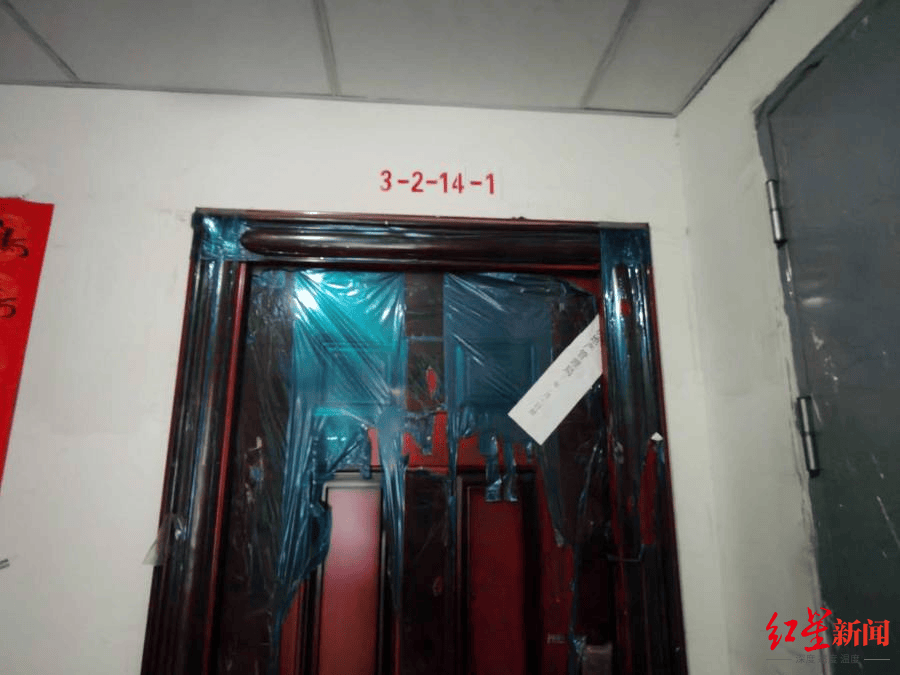
地方国资扎堆出售房产
Sou Hu Cai Jing· 2025-11-14 20:21
Group 1 - The Sichuan Public Auction Company is conducting an online auction for 144 housing units in Xichang, commissioned by the Xichang Real Estate Affairs Center [1] - The properties have clear ownership and must be paid for in full within 10 working days after signing the sales contract, with an option for buyers with good credit to apply for a 75% bank mortgage [3] - Many of the auctioned properties are categorized as "affordable housing" or "guaranteed housing," indicating a trend where local state-owned enterprises are selling off assets to alleviate financial pressure due to a downturn in the real estate market [3] Group 2 - Multiple local state-owned enterprises across cities like Fuzhou, Beijing, and Guangzhou are also selling properties, including real estate, shops, and parking spaces, to manage liquidity and prevent asset depreciation [3] - The surge in low-priced bank-supplied housing has garnered attention, with these properties often being sold at half the market price due to being "debt assets" that banks need to liquidate within two years [4] - The transaction situation for bank-supplied housing varies, with commercial properties in prime locations and scarce residential units being particularly sought after, leading to competitive bidding [4]
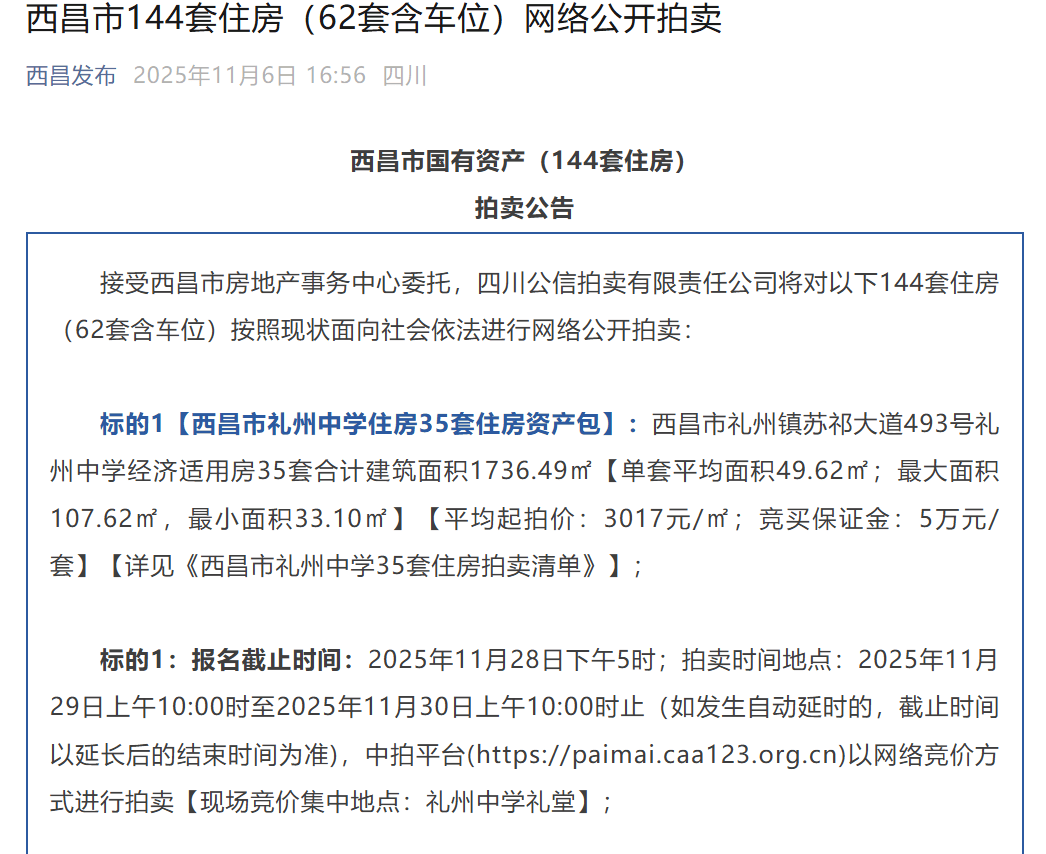
地方国资扎堆出售房产!专家称意在盘活存量资源
Di Yi Cai Jing· 2025-11-13 10:43
Core Insights - Local state-owned assets are increasingly selling properties to alleviate financial pressure and manage asset value amid declining housing prices [1][4][5] Group 1: Auction Details - Sichuan's Xichang city is auctioning 144 housing units, with starting prices ranging from 3,017 to 5,799 yuan per square meter [1] - The auction includes three asset packages, with properties varying in size from 33.10 to 172.35 square meters [1] - Buyers can opt for a 75% bank mortgage if they have good credit, requiring a 25% down payment within five working days after signing the contract [1] Group 2: Market Context - Many of the auctioned properties are categorized as "affordable housing" or "guaranteed housing," priced slightly below market rates [3] - The current housing market is experiencing a downward trend in prices, prompting local state-owned enterprises to sell assets to prevent further depreciation [4] - The trend of state-owned asset sales is not isolated, with similar actions reported in cities like Fuzhou and Beijing, indicating a broader strategy across multiple regions [4] Group 3: Policy Implications - The sale of properties is part of a larger initiative to reform state-owned assets, enhancing local government financial strength [5] - Market-oriented sales of affordable housing aim to improve asset efficiency and address mismatches between supply and population demand [5] - The ongoing changes reflect a shift towards maximizing the utility of existing assets in response to demographic shifts and housing market dynamics [5]