小米SU7汽车

Search documents
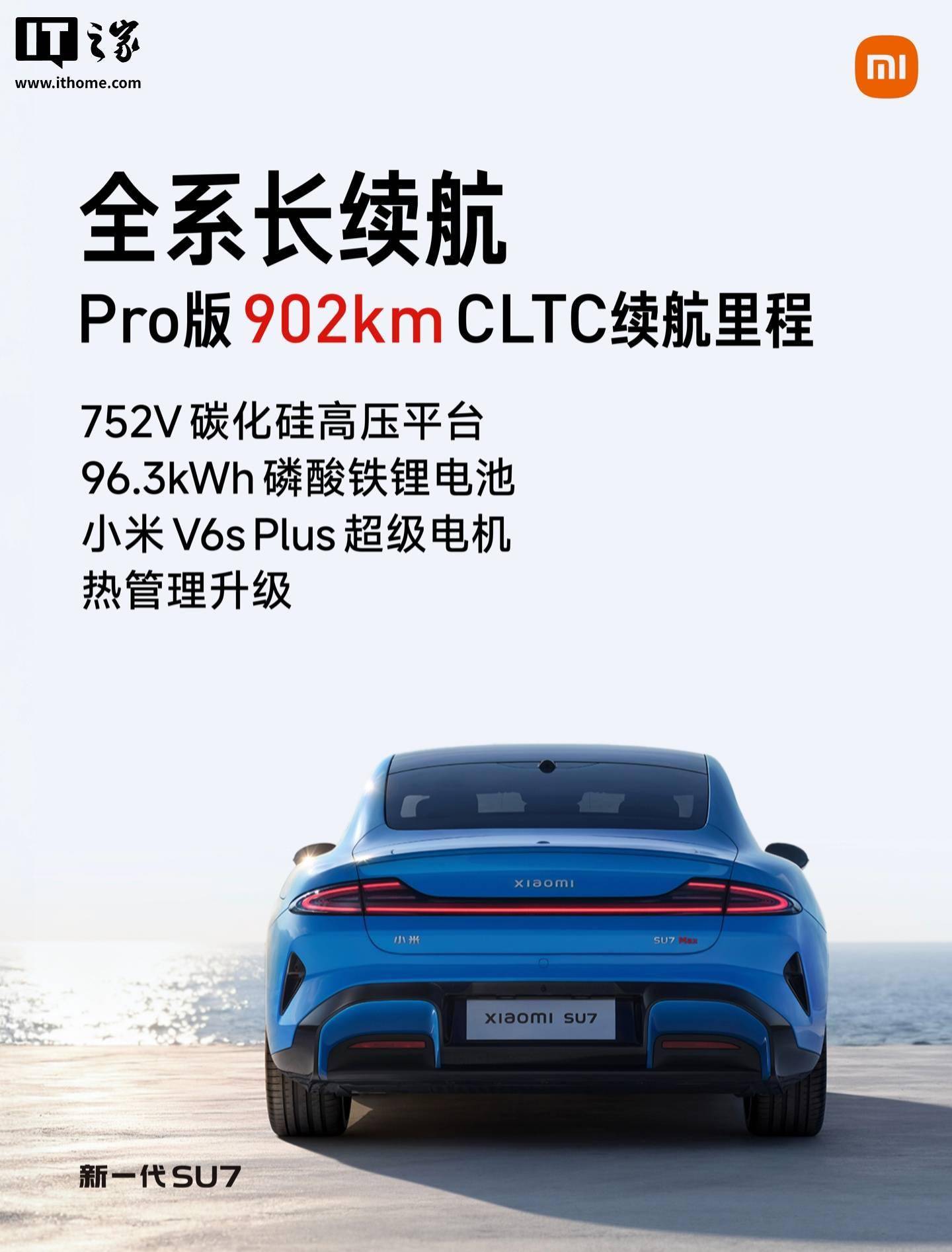
雷军再谈新一代小米SU7汽车“752V、897V碳化硅高压平台”
Sou Hu Cai Jing· 2026-01-16 07:13
Core Viewpoint - Xiaomi's founder and CEO Lei Jun emphasized the importance of accurate marketing in the automotive sector, specifically regarding the specifications of the new Xiaomi SU7 electric vehicle, which features a silicon carbide high-voltage platform with precise voltage ratings of 752V and 897V, rejecting the industry's previous practices of rounding up numbers [1]. Group 1 - The new Xiaomi SU7 model is set to launch in April of the same year, featuring significant upgrades in its core systems, including the "silicon carbide high-voltage platform" as a key configuration strategy, marking a milestone for the application of silicon carbide semiconductor technology in the mid-range luxury electric vehicle market [1]. - The standard and Pro versions of the new vehicle are equipped with a 752V silicon carbide high-voltage platform, while the Max version is upgraded to an 897V platform, leveraging the excellent thermal conductivity and low loss characteristics of silicon carbide materials to create a gradient ultra-long range matrix [2]. Group 2 - The standard version of the SU7 has a CLTC range of 720 km, the Pro version achieves 902 km, and the Max version offers 835 km, with a minimum energy consumption of only 11.7 kWh/100 km [2]. - The Max version can achieve a remarkable charging efficiency, with real-world tests showing that it can recharge to provide a CLTC range of 670 km in just 15 minutes under normal temperature conditions, significantly alleviating user charging anxiety [2].

雷军谈新一代小米SU7汽车“752V、897V碳化硅高压平台”
Sou Hu Cai Jing· 2026-01-15 13:35
Group 1 - The core viewpoint of the article is that Xiaomi's founder and CEO Lei Jun emphasizes the importance of accurate marketing terminology, specifically criticizing the industry's practice of using inflated voltage numbers in electric vehicle specifications [1][5] - Lei Jun highlights that the new Xiaomi SU7 electric vehicle uses specific voltage figures like 752V and 897V instead of rounding them to 800V or 900V, indicating a commitment to transparency and accuracy in marketing [1] - The company aims to rectify the "small character marketing" issue, which Lei Jun describes as an industry habit, and is willing to adopt higher standards in its communications [5] Group 2 - Lei Jun questions the acceptability of using inflated voltage figures, asking if consumers would accept 600V being marketed as 800V, thereby challenging the industry's norms [5] - The company is taking immediate steps to correct its marketing practices, as Lei Jun previously mentioned in a live broadcast on January 3, indicating a proactive approach to addressing misconceptions about its marketing strategies [5] - Lei Jun asserts that any claims of false or excessive marketing regarding compliant practices are significant misunderstandings of Xiaomi's intentions [5]

雷军动真格?这次找到应对方法了:直播拆小米YU7汽车
Sou Hu Cai Jing· 2025-12-31 08:25
Core Viewpoint - The article discusses the negative public sentiment surrounding Xiaomi's electric vehicles, particularly the YU7 model, and highlights the company's proactive approach to counteract this narrative through a live-streamed car disassembly event. Group 1: Negative Public Sentiment - Xiaomi has faced significant negative publicity, especially regarding its electric vehicles, with a focus on the YU7 model, leading to a perception that issues with Xiaomi cars are more prevalent than they may actually be [1][3]. - There is a systematic effort to discredit Xiaomi, with organized teams responsible for spreading negative information, as evidenced by law enforcement actions that dismantled a group involved in this smear campaign [3]. Group 2: Proactive Response - Xiaomi's CEO, Lei Jun, has decided to conduct a live-streamed disassembly of the YU7 to showcase the vehicle's quality and materials, transforming a passive response to criticism into an active demonstration of confidence [5][7]. - The live-stream aims to highlight Xiaomi's technological advancements and design philosophy, allowing consumers to better understand the YU7's features and capabilities [7]. Group 3: Brand Confidence - Lei Jun's willingness to publicly disassemble the YU7 reflects a strong confidence in the product, contrasting with other new energy vehicle manufacturers that may not allow such transparency [9]. - This approach is seen as more effective than traditional advertising, as it directly engages consumers and addresses their concerns while challenging competitors who may not be as open [9].
离谱!村支书模仿雷军卖小米被投诉,竟哭求“给老百姓活路”。小米紧急辟谣。网友:套路太深了
程序员的那些事· 2025-12-12 10:29
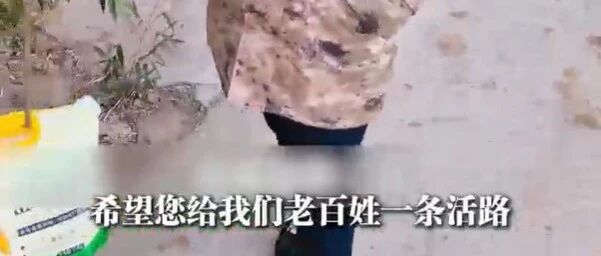
Core Viewpoint - The controversy surrounding the complaint by Xiaomi against a village official selling millet is not about preventing the sale of millet, but rather a dispute over infringement related to marketing tactics that mislead and mock the brand [1][6]. Group 1: Origin of the Controversy - The village official, Feng Yukuang, claimed that Xiaomi's legal team had his video removed, stating that he was helping villagers sell millet and accused Xiaomi of being oppressive [3][5]. - The narrative quickly gained traction online, with many netizens supporting Feng and criticizing Xiaomi for allegedly suppressing farmers [5][6]. Group 2: Reversal of Public Opinion - As more details emerged, it became clear that Xiaomi's complaint was not about the sale of millet but rather about Feng's malicious imitation and mockery of Xiaomi's branding [6][8]. - Feng had previously posted a video that parodied Xiaomi's product launch style, which included derogatory elements towards the brand, leading to Xiaomi's legal action [6][12]. Group 3: Statements from Both Parties - On December 12, Feng issued an apology, acknowledging that his actions had caused controversy and promised to regulate his online behavior [9][12]. - Xiaomi clarified that their complaint was a response to infringement, not an attempt to prevent the sale of millet, and highlighted their contributions to rural development [12][14]. Group 4: Reflection on the Incident - The incident underscores the importance of ethical marketing practices, emphasizing that while supporting farmers is commendable, it should not involve infringing on others' rights for publicity [14][15]. - Legal experts noted that imitating a brand in a derogatory manner can infringe on rights such as name and likeness, reinforcing the need for adherence to legal and ethical standards in marketing [14][15].
拆解小米方法论:家电工厂与高端化是必然选择
Guan Cha Zhe Wang· 2025-10-30 10:53
Group 1: Xiaomi's Brand Premiumization Strategy - Xiaomi's brand premiumization is evident, starting from mobile phones in 2020 to the recent launch of its smart home appliances and SU7 cars, indicating a systematic approach to enhancing brand value [1][3] - The newly established smart home appliance factory in Wuhan, with an investment of 2.5 billion yuan, marks a shift from reliance on OEM to self-research and production, which is crucial for Xiaomi's capability building [3][6] - The factory boasts a production speed of one high-end air conditioner every 6.5 seconds and a first-pass yield rate exceeding 99%, showcasing advanced manufacturing capabilities [3][6] Group 2: Growth and Market Position - Xiaomi's smart home appliance revenue surged by 66.2% year-on-year in Q2 2025, with air conditioner shipments exceeding 5.4 million units, reflecting a strong market presence [6][8] - The company aims to achieve a revenue target of 100 billion yuan in its home appliance business within five years, positioning its air conditioning segment among the top two in China [6][13] - Xiaomi's rapid factory construction and production capabilities are transforming it from a market challenger to a leader in the home appliance sector [6][13] Group 3: Strategic Responses to Industry Challenges - Xiaomi's approach to the current price war in the industry emphasizes contributing to the industry rather than engaging in destructive price competition, aligning with its premiumization strategy [7][8] - The company has maintained its technological investments despite the competitive pricing environment, indicating a commitment to quality and innovation [7][8] Group 4: Ecosystem as a Competitive Advantage - Xiaomi's unique "people-car-home" ecosystem is a significant competitive advantage, making it a formidable player in the smart home market [9][10] - The integration of smart appliances with other Xiaomi products enhances their appeal, aligning with the growing trend towards smart interconnected devices [11][13] - The establishment of a comprehensive industrial ecosystem in Wuhan, including a global headquarters and R&D center, supports Xiaomi's ambition to dominate the smart home appliance market [13]

雷军提拔一名女将
投资界· 2025-10-21 07:40
Core Viewpoint - Xiaomi Group has undergone a significant personnel change with Wei Siqi appointed as the General Manager of the China Marketing Department, marking a new milestone in her career [2][4]. Group 1: Personnel Changes - Wei Siqi, born in 1988 and a graduate of the Central Academy of Fine Arts, joined Xiaomi in 2013 and has held various roles, including product manager and head of the digital product line [4]. - Wei Siqi's predecessor, Wang Teng, was dismissed for serious violations, including leaking confidential company information [4][5]. Group 2: Financial Performance - Xiaomi reported a record high revenue of 115.96 billion yuan for Q2 2025, a year-on-year increase of 30.5%, with adjusted net profit reaching 10.8 billion yuan, up 75.4% [7]. - The smartphone business generated 45.5 billion yuan, while revenue from innovative sectors like electric vehicles and AI exceeded 20 billion yuan [7]. Group 3: Stock Performance - Xiaomi's stock price surged nearly 300% from 15 HKD per share at the beginning of 2024 to a peak of approximately 60 HKD per share by late June 2025 [7]. - Following a significant drop in stock price in late September, Xiaomi's market capitalization decreased by over 100 billion yuan [8]. - As of October 21, 2025, Xiaomi's stock was trading at 7.5 HKD per share, with a total market value of 1.24 trillion HKD [9].

年中经济观察|向“创”而行 中国制造提质升级——中国经济年中观察之八
Xin Hua She· 2025-07-23 14:24
Group 1: Economic Performance - The industrial added value of large-scale industries in China increased by 6.4% year-on-year, with high-tech manufacturing growing by 9.5% [1] - Production of 3D printing equipment, new energy vehicles, and industrial robots saw significant increases of 43.1%, 36.2%, and 35.6% respectively [1] Group 2: Brand Value Enhancement through Creative Design - The old gold brand opened its first overseas store in Singapore, experiencing strong customer traffic with an average wait time of 1 to 3 hours, attracting 90% first-time visitors due to its design and craftsmanship [2] - The old gold brand achieved a revenue growth of 166% and profit growth of 254% year-on-year, continuing its upward trend in the first half of this year [2] Group 3: Cultural and Design Premium - The success of domestic products like LABUBU and old gold illustrates the impact of cultural and design premiums on the reconstruction of manufacturing value [4] - China's brand value reached $1.76 trillion, ranking second globally, showcasing the transition of "Made in China" products from merely functional to aesthetically pleasing and well-designed [5] Group 4: Innovation in Industrial Design - The third Chain Expo showcased innovative products such as humanoid robots and industrial robotic arms, emphasizing the importance of industrial design in the manufacturing sector [6] - Advanced design increases the demands for digitalization and intelligence in manufacturing, pushing the entire manufacturing chain to upgrade [7] Group 5: Integration of AI in Manufacturing - The implementation of AI in manufacturing has led to the development of over 100 AI-enabled products, with a digital R&D tool adoption rate of 86.2% among large-scale light industry enterprises [8] - AI-assisted design tools have significantly improved the efficiency of designers, enhancing the potential for innovation in manufacturing [8] Group 6: Challenges and Recommendations - There is a recognized gap in original design capabilities in China, attributed to the rapid development of manufacturing outpacing talent cultivation and educational reforms [9] - Recommendations include establishing design innovation incentive mechanisms and enhancing intellectual property protection to foster a more vibrant design ecosystem [9] Group 7: Transition to a Manufacturing Powerhouse - The continuous improvement in Chinese design is expected to accelerate the transition from a manufacturing giant to a manufacturing powerhouse, opening new avenues for quality enhancement in the industry [10]



小米汽车火成这样,雷军都没有躺平,努力寻找下一个爆款
Sou Hu Cai Jing· 2025-06-30 03:27
Group 1 - The core achievement of Xiaomi in the automotive industry is highlighted by the success of the SU7 and YU7 models, with the latter achieving over 240,000 orders in just 18 hours, effectively selling out its annual production capacity [1][3] - Xiaomi's influence, cash reserves, product capabilities, and fan base position it as nearly invincible in the automotive sector, making its success almost inevitable despite competition [3][5] - The company has established a robust ecosystem with smartphones, cars, and various home appliances, ensuring a strong future outlook [5] Group 2 - Xiaomi is actively pursuing new innovative products, with the recent introduction of AI glasses being a potential next big hit, described as a new AI entry point [7][9] - The AI glasses are positioned to enhance user interaction and experience, potentially replacing traditional devices like cameras and headphones [7] - Although the AI glasses are still in the early stages, there is significant potential for growth and development as technology advances [9]
买港股赚了
投资界· 2025-06-05 03:17
Core Viewpoint - The Hong Kong stock market has become increasingly vibrant, with significant gains in the Hang Seng Index and a surge in new listings, driven by a shift in global macroeconomic narratives favoring Chinese assets over U.S. assets [3][11]. Group 1: Market Performance - As of early 2025, the Hang Seng Index has risen by 17.65%, leading global stock markets [3]. - Notable stocks such as Moutai Group, Pop Mart, and Lao Pu Gold have seen dramatic price increases, contributing to a phenomenon in the capital market [3]. - The IPO of CATL raised approximately HKD 353 million, marking the largest IPO globally for the year [3]. Group 2: Investor Sentiment - Individual investors are actively participating in the Hong Kong market, with reports of substantial profits from new stock listings, such as a 25.20% increase on the first day of Heng Rui Pharmaceutical's listing [3][11]. - Investors like Yang Guang have shown confidence in specific stocks like Xiaomi, which has seen its price increase nearly 300% from HKD 15 to nearly HKD 60 per share [6][7]. Group 3: Investment Strategies - Investors are adopting diverse strategies, with some focusing on high-dividend stocks to secure stable income, while others are betting on growth stocks in the tech sector [9][10]. - The trend of investing in high-dividend stocks is particularly appealing due to their perceived stability compared to high-growth, high-volatility tech stocks [10]. Group 4: Market Dynamics - The Hong Kong stock market has undergone significant reforms since 2018, improving liquidity and valuation, which has made it more attractive for retail investors [12][13]. - The average daily trading volume in the first four months of 2025 surged by 144% year-on-year to HKD 25.04 billion, with southbound funds accounting for about 25% of the trading volume [13].

听说炒港股的人赚麻了
投中网· 2025-05-27 02:21
Core Viewpoint - The Hong Kong stock market has experienced a significant surge, with the Hang Seng Index rising by 17.65% since early 2025, leading global stock markets. This growth is attributed to a shift in global macro narratives, with increasing confidence in Chinese assets and technology innovation [4][5]. Group 1: Market Performance - The Hong Kong stock market has become vibrant, with notable stocks like Mixue Group, Pop Mart, and Laopuhuangjin experiencing substantial price increases. Major tech companies such as Alibaba, Tencent, and Xiaomi have also shown strong performance [4]. - NIO's IPO raised approximately HKD 35.3 billion, marking it as the largest IPO globally in 2025, contributing to a wave of financing in the Hong Kong market [4]. Group 2: Investor Sentiment - Individual investors have reported significant gains from recent IPOs, with examples like Heng Rui Pharmaceutical achieving a first-day increase of 25.20% [4]. - Investors are increasingly optimistic about the Hong Kong market, with many shifting their focus from U.S. stocks to Hong Kong stocks due to favorable valuations and growth potential [10][12]. Group 3: Investment Strategies - Younger investors, such as a 95-year-old who invested all his savings in Xiaomi, are betting on the company's growth, particularly in its automotive sector, which has exceeded expectations [8][9]. - Another investor, a 90s female, has focused on high-dividend stocks in Hong Kong, achieving a dividend yield of around 8%, which supports her living expenses [12][13]. Group 4: Market Dynamics - The Hong Kong market has undergone significant reforms, improving liquidity and attracting more retail investors. The average daily trading volume surged by 144% year-on-year to HKD 250.4 billion in the first four months of 2025 [15]. - The introduction of various financial products and reduced transaction costs has made the market more accessible to small investors, enhancing overall market participation [15].