时光机理论

Search documents
中国县城生意变了
投资界· 2026-03-04 08:01
Core Viewpoint - The article discusses the transformation of consumption patterns in China's county-level cities, highlighting the rise of brand chains and the increasing consumer power in these areas, which were previously considered economically underdeveloped [4][14]. Group 1: Brand Expansion in County Cities - KFC has opened its first store in a small county in Jiangxi, marking a significant shift in local consumption habits, with the store being a popular spot for young people and families despite higher prices compared to first-tier cities [6][7]. - KFC's strategy involves a "town store" model, with lower investment costs of around 500,000 yuan compared to over 5 million yuan in larger cities, allowing for rapid expansion into previously untapped markets [7][8]. - By 2025, KFC plans to add 1,349 new stores, reaching over 12,000 nationwide, with 3,600 located in third-tier cities, achieving a penetration rate exceeding 60% in these areas [7][8]. Group 2: Consumer Trends and Preferences - The consumer base in county cities is shifting, with a focus on quality over brand prestige, driven by younger returnees and local entrepreneurs who prioritize trust and quality in their purchasing decisions [15][16]. - The rise of local entertainment and cultural events, such as concerts and comedy shows, indicates a growing demand for diverse experiences in county cities, with significant attendance and engagement from local populations [12][13]. Group 3: Market Dynamics and Economic Potential - The retail growth in non-first-tier cities is outpacing national averages, with third-tier cities showing a remarkable retail sales growth rate of 72.1% [14]. - By 2030, it is projected that over 66% of personal consumption growth will come from lower-tier cities and county markets, underscoring the potential of the "hometown economy" [14]. - The article emphasizes the structural changes in county-level consumption, driven by lower operating costs and unique local business models that cater to community needs [17][18].





老家消费大变样
吴晓波频道· 2026-02-26 00:29
Core Viewpoint - The article discusses the transformation of consumption patterns in China's county-level economies, highlighting the emergence of brands like KFC and Luckin Coffee as symbols of economic upgrading in these areas, driven by returning youth and changing consumer preferences [3][8][30]. Group 1: Economic Context - A small county in southeastern Jiangxi, with a population of over 300,000 and an annual GDP nearing 10 billion, recently opened its first KFC, marking a significant economic milestone [4][11]. - The county has transitioned from a "materially barren" environment to a vibrant consumer landscape, with KFC and Luckin Coffee becoming central to local social life during the Spring Festival [8][9]. Group 2: Brand Expansion - KFC has adopted a "town store" model, requiring only about 100 square meters and an investment of around 500,000, compared to over 5 million in first-tier cities, allowing for rapid expansion into previously untapped markets [9][11]. - As of October 2025, KFC has approximately 12,000 stores nationwide, with 3,600 located in third-tier cities, achieving over 60% penetration in county markets [11]. - Luckin Coffee has also expanded significantly, entering 1,550 counties and county-level cities, with over 7,400 stores in these areas [12]. Group 3: Consumer Trends - The article notes a shift in consumer demographics, with a focus on younger returnees and local entrepreneurs, leading to increased demand for quality over brand prestige [30][31]. - The rise of "home" consumption is evident, with brands like Miniso and Huawei also entering county markets, reflecting a broader trend of urban brands adapting to local preferences [13][22]. Group 4: Market Dynamics - The county market is characterized by low operating costs, with affordable rent and incentives for brands to establish a presence, fostering a diverse retail environment [31][33]. - The article highlights the integration of local culture and community in retail experiences, contrasting with the more aesthetic-focused urban shopping environments [31][33]. Group 5: Future Outlook - The potential for growth in county-level economies is significant, with projections indicating that by 2030, personal consumption in China could reach 65.3 trillion yuan, with over 66% of this growth coming from lower-tier markets [29][30]. - The article suggests that successful business models from first-tier cities are increasingly applicable in county markets, indicating a shift towards a more equitable consumption landscape [34][35].

云、AI与制造,中国出海的新三要素
吴晓波频道· 2026-02-11 00:20
Core Viewpoint - The article emphasizes that the combination of the global wave and the artificial intelligence revolution presents significant opportunities for Chinese entrepreneurs, marking a new era of "AI+ going global" as a crucial theme for the future [3][5]. Group 1: AI and Global Expansion - The popularity of generative AI in China surpassed 35% in early 2024, indicating a significant breakthrough in AI technology adoption [3]. - The emergence of humanoid robots during the Spring Festival has brought attention to embodied intelligence, which is expected to become a trillion-dollar industry in China, succeeding the electric vehicle sector [3]. - The demand for cloud services has surged as Chinese companies increasingly view international expansion as a necessity rather than an option, with Alibaba Cloud projected to surpass AWS in growth index by 2025 [5]. Group 2: Stages of Chinese Companies Going Global - Chinese companies have undergone four waves of international expansion, with the current phase being characterized as "full-factor going global," where companies are not just exporting products but also relocating equipment, technology, talent, and capital [11][14]. - The first wave in the mid-1990s involved component manufacturers, followed by the second wave in the late 1990s with "Made in China" products. The third wave in the mid-2010s was marked by the rise of cross-border e-commerce [12][13]. - The current fourth wave sees AI companies inherently designed for global markets, diverging from previous models of internationalization [15]. Group 3: New Challenges for AI Companies - AI companies face unique challenges in their global expansion, as their initial setup is already geared towards international markets, unlike previous generations of companies [15]. - New entrepreneurs are leveraging AI technology to create products aimed at global markets from the outset, with companies like MiniMax achieving rapid success in overseas markets [16][18]. - Established companies like Meitu are also accelerating their international presence, with significant user growth driven by AI features [21][22]. Group 4: Complexities of Global Operations - Companies expanding internationally must navigate a complex landscape characterized by geopolitical tensions and a shift towards a multi-core world, which complicates standardization and compliance [28][29]. - The operational challenges include adapting to diverse regulatory environments and cultural differences across regions, necessitating flexible and adaptive strategies [30][35]. - AI companies require robust cloud infrastructure to support their global operations, with a focus on seamless deployment and compliance with local regulations [36][38]. Group 5: Role of Cloud Services - Alibaba Cloud has emerged as a leading choice for over 80% of Chinese companies going global, providing standardized global technology architecture and support [42]. - The company is investing significantly in AI infrastructure, with plans to establish data centers in multiple countries to support international operations [44]. - The future of cloud services will be critical for AI companies as they seek to establish a competitive edge in global markets, with a focus on operational efficiency and technological support [45][50].

天晴了雨停了,孙正义又行了?
Sou Hu Cai Jing· 2026-01-29 14:27
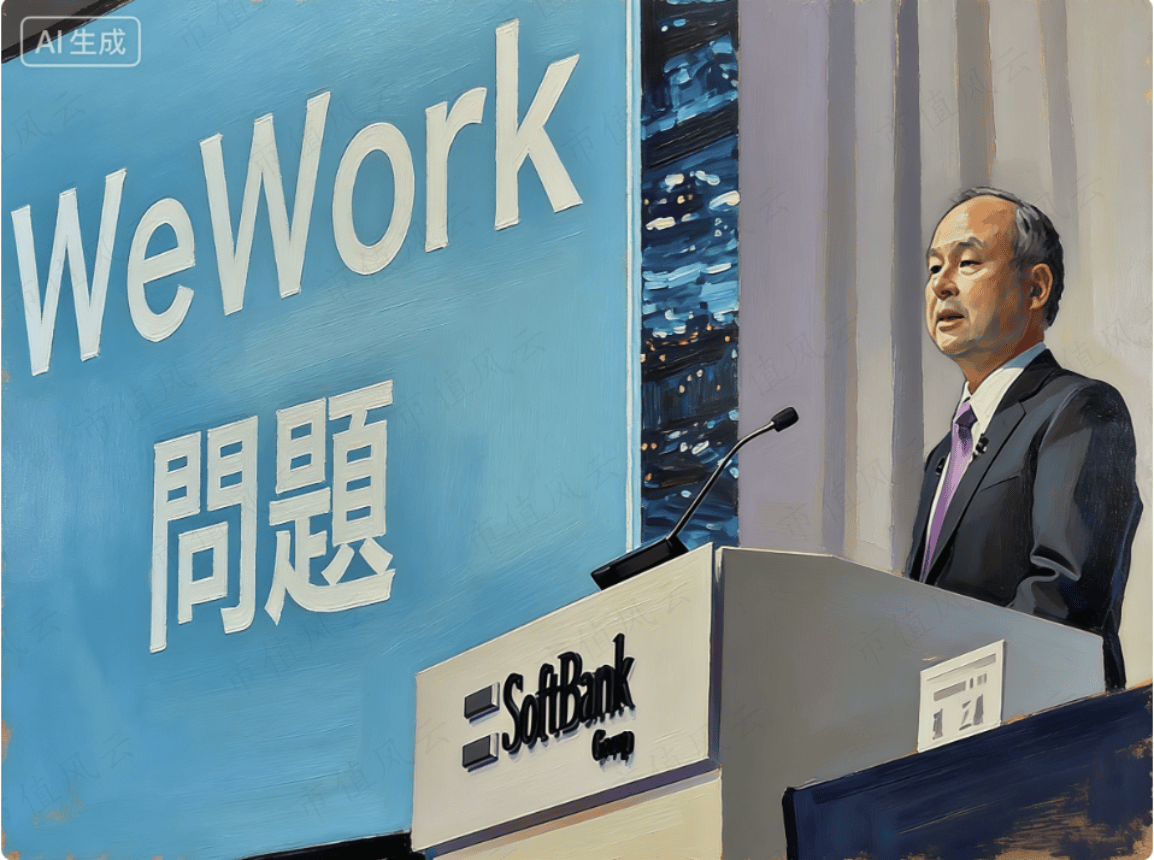
Core Insights - SoftBank is negotiating a potential additional investment of up to $30 billion in OpenAI, which could set a record for the largest single financing in the AI sector [1] - This move reflects Masayoshi Son's aggressive strategy to tie SoftBank's future to AI, following a history of both significant successes and failures in his investment career [1][10] - The market's reaction to this news has been mixed, indicating both optimism for a revival of Son's investment prowess and concerns over his past reckless decisions [1] Investment Philosophy - Masayoshi Son's investment philosophy is characterized by a high-risk, high-reward approach, believing that major opportunities lie within significant trends [2] - His early investment in Yahoo! during the internet's infancy exemplified this philosophy, yielding a return of nearly 400 times his initial investment [3] - Son's strategy often involves heavy investments in a few key players, betting on the "winner takes all" principle, which has historically led to both monumental successes and catastrophic failures [4][22] Historical Context - The dot-com bubble burst in 2001 led to a dramatic decline in SoftBank's value, with its stock plummeting 99% and Son's personal wealth evaporating by approximately $700 billion [4] - Despite this setback, Son's investment in Alibaba during its early days became one of the most successful investments in history, yielding over $110 billion in returns [3][4] - The failure of WeWork, where Son invested heavily without adequate risk assessment, marked a significant downturn in his reputation as a "stable investor" [5][9] Recent Developments - In 2026, SoftBank's negotiations with OpenAI come after a series of strategic investments, including a previous stake in Nvidia, which Son sold to fund the new investment [11][12] - OpenAI's valuation has skyrocketed, with estimates reaching $830 billion, prompting Son to view it as a critical player in the AI landscape [13][14] - The partnership with OpenAI is part of a broader strategy that includes investments in ARM and a collaborative project with Oracle, aiming to create a comprehensive AI ecosystem [15][16] Financial Performance - SoftBank reported a significant turnaround in financial performance, with net profits soaring due to AI-related investments, particularly those linked to OpenAI [24][25] - The company's stock price has reacted positively to these developments, with investors expressing renewed confidence in Son's AI strategy [26] - However, the reliance on investment returns rather than operational profits raises concerns about the sustainability of this financial model [28] Risks and Challenges - OpenAI faces substantial challenges, including high operational costs and increasing competition from other tech giants, which could jeopardize its valuation and profitability [17][18] - Legal issues, such as lawsuits from Elon Musk, add another layer of risk to OpenAI's future, potentially impacting SoftBank's investments [18] - Son's historical tendency to overlook risks in favor of potential rewards remains a critical concern as he navigates the complexities of the AI market [29][30] Conclusion - The outcome of SoftBank's investment in OpenAI could either solidify Son's legacy as a visionary investor or lead to another significant setback, reflecting the unpredictable nature of the tech investment landscape [30][31] - Son's approach continues to embody the duality of risk and opportunity, making his future endeavors in the AI sector a focal point for investors and analysts alike [31]

山姆拿捏中国中产?260元会费,年轻人不逛免费超市偏选它?
Sou Hu Cai Jing· 2026-01-16 04:12
Core Insights - Sam's Club has successfully positioned itself as a leading player in the retail industry, achieving annual sales of 140 billion and surpassing 10 million members, contrasting sharply with the decline of traditional hypermarkets [3][12] - The success of Sam's Club can be attributed to its strategic focus on membership fees, lifestyle branding, and the integration of online and offline channels [14][18][20] Group 1: Membership Strategy - The membership fee of 260 yuan serves as an effective filter to attract quality customers who prioritize product quality over price, allowing Sam's Club to generate substantial revenue even before product sales [14][16] - The increase in membership fees from 150 yuan to 260 yuan in 2012 was a pivotal decision that helped to refine the customer base [14] Group 2: Lifestyle Branding - Sam's Club is not just a supermarket; it represents a lifestyle choice for middle-class consumers, offering a curated selection of around 4,000 products, which simplifies the shopping experience [16][18] - The popularity of certain products, such as the 39.8 yuan roasted chicken and 59.8 yuan Swiss roll, has contributed to brand loyalty and social media visibility, further enhancing its market presence [16][18] Group 3: Online and Offline Integration - The optimization of the Sam's Club app and the introduction of "express delivery" services have transformed the shopping experience, allowing for convenient purchases from home [18][20] - This shift has increased the proportion of e-commerce in Sam's Club's business model, making it a versatile shopping platform [20] Group 4: Long-term Strategy - Sam's Club's success is a testament to long-term commitment, focusing on supply chain refinement and customer trust rather than chasing fleeting market trends [20] - The membership card symbolizes a trust contract, promising high-quality, carefully selected products in a market filled with inferior options [20]

全球化时代,找到下一只独角鲸的最好投资路径是什么?
Sou Hu Cai Jing· 2026-01-04 07:05
Core Insights - The article discusses the historical significance of a 1620 investment in the Mayflower voyage, which is viewed as a classic example of successful risk investment, leading to the establishment of the United States and its current GDP of $30 trillion [3] - ATM Capital, founded by Qutian, has emerged as a prominent player in the venture capital space, particularly focusing on Southeast Asia, and has successfully invested in companies like J&T Express [4][6] - The firm aims to replicate its successful investment strategies in Southeast Asia across other emerging markets such as Latin America and the Middle East, leveraging a combined population of nearly 2 billion and a GDP of $14.7 trillion [4][9] Company Overview - ATM Capital was established in 2017 and has quickly gained recognition for its investments in high-potential markets, with J&T Express being its first project [4] - The firm emphasizes a systematic approach to investment, focusing on the entire lifecycle of global enterprises and adapting its strategies to various emerging markets [4][14] - Qutian's background in technology and product management has shaped ATM Capital's investment philosophy, prioritizing early-stage opportunities in markets with significant growth potential [6][10] Market Insights - Emerging markets are characterized by high growth potential, a large young consumer base, and structural advantages in offline channel development [7] - The digital economy in these markets is transitioning into a new phase focused on quality improvement and profitability, with increasing e-commerce penetration and innovative retail formats like live-streaming commerce [7] - ATM Capital's strategy includes identifying and addressing supply gaps in emerging markets, which share structural similarities with Southeast Asia [9] Investment Strategy - The firm believes that successful venture capital relies on entering markets at the right time and accurately identifying significant opportunities [9][10] - Qutian emphasizes the importance of thorough research and planning before entering new markets, advocating for a strategic approach rather than blind expansion [11] - ATM Capital has developed a localized knowledge database to provide precise market guidance and support for companies in key markets like Indonesia, Mexico, and Brazil [14]

华创董广阳最新发声:当前食品饮料行业整体估值合理偏低估,传统消费一定能走出来不用太过悲观……
聪明投资者· 2025-12-23 07:05
Core Viewpoints - The traditional consumption market in China is expected to recover, and there is no need for excessive pessimism [9] - The consumption market is showing significant differentiation, moving away from the homogenized phase of mass production to a stage where consumers choose products based on their individual characteristics [44] - The rise of AI is ushering in an era of super consumers and super entrepreneurs, where consumer power is increasingly shifting [38][46] Industry Analysis - The food and beverage industry is currently valued at a reasonable low level, with overall valuations being moderate to undervalued [70][78] - The consumption industry has entered a new adjustment period post-2022, driven by the AI wave, leading to the emergence of super consumers and super entrepreneurs [4][40] - The industry is experiencing a cyclical pattern that is closely related to its own development characteristics and is not significantly affected by economic growth rates [24][51] Investment Opportunities - Companies that can adapt to new consumer demands and innovate will find growth opportunities, particularly in new product varieties and business models [16][19] - Diversification strategies, such as concentric diversification, can help companies navigate challenging market conditions [19][20] - International expansion is becoming a clear strategy for many companies, with a focus on markets like Southeast Asia and Africa [22][73] Consumer Behavior - The shift in consumer power means that products must be designed around consumer needs, leading to a reversal of traditional business logic [75] - The demand for personalized and segmented products is increasing, reflecting a more individualized consumer landscape [44][76] Long-term Value - The core value of consumer goods lies in their long-term, stable, and sustainable performance rather than short-term fluctuations [78][80] - Companies with strong business models and the ability to adapt to market changes will continue to thrive, even in challenging economic conditions [53][59]

中国游戏出海启示录:从 “把游戏带出去” 到 “把能力带出去”
晚点LatePost· 2025-10-23 10:21
Core Insights - The article discusses the transformation of the global gaming industry, particularly focusing on the challenges and opportunities for Chinese gaming companies in the international market. It emphasizes the need for long-term operational capabilities and innovative marketing strategies to succeed in a competitive landscape [3][4][5]. Industry Overview - The global gaming industry experienced rapid growth from 2011 to 2021, with a compound annual growth rate (CAGR) exceeding 9.7%, and the mobile gaming market in China growing nearly 145% during the same period [5][6]. - However, post-pandemic, the industry has entered a downturn, with global market growth projected to drop to 2% in 2024 and 3% in 2025 [6][9]. Market Dynamics - The competition in the gaming market has intensified, with players increasingly gravitating towards established service-based games, which accounted for over 60% of user engagement time in 2022 [7]. - Emerging markets, particularly in the Middle East, Africa, and Latin America, are showing significant growth potential, with mobile gaming revenue in Latin America reaching 48% of total gaming revenue [9][10]. Successful Strategies - Successful examples include Supercell's Brawl Stars, which achieved over $400 million in monthly revenue five years post-launch through effective long-term operations [3]. - Chinese gaming companies are adapting by utilizing advanced marketing tools, such as Google Ads and YouTube, to enhance user acquisition and retention [4][11]. Marketing Evolution - The traditional approach to user acquisition through low-cost downloads is becoming less effective, with a shift towards more sophisticated marketing strategies that focus on user value and engagement [13][14]. - Companies are increasingly integrating brand advertising into their marketing strategies to reach broader audiences and enhance user recognition [15][16]. Technological Advancements - The article highlights the role of AI and advanced advertising platforms, such as Google's Gemini, in reshaping the gaming landscape, enabling companies to better understand and target their audiences [17][18]. - The integration of AI in game development is expected to democratize the creation process, allowing more individuals to participate in game design [18]. Conclusion - The future of gaming globalization for Chinese companies lies in leveraging new marketing capabilities and technological advancements to create and sustain high-quality gaming experiences in emerging markets [10][18].


在日本创业,有哪些机会?
Hu Xiu· 2025-08-13 01:20
Core Insights - Increasing number of Chinese AI startups are choosing Japan as their first overseas market due to its stable environment and funding opportunities [1][5] - Japan's startup ecosystem is characterized by government support, a stable market, and a growing acceptance of entrepreneurship among young people [5][11] - The Japanese market presents unique challenges and opportunities, particularly in addressing labor shortages and competition with large enterprises [1][5][11] Group 1: Investment Environment - Japan's startup market is seen as a "blue ocean" with substantial funding and a stable environment, supported by government initiatives [1][5] - The Japanese government launched a five-year startup plan with a budget of 10 trillion yen (approximately 75 billion USD), fostering active investment funds [7] - The exit market for startups is thriving, with a significant increase in mergers and acquisitions (M&A), indicating a robust environment for startup exits [6][7] Group 2: Market Trends - The Japanese startup scene is witnessing a diversification of investment across various sectors, with no clear concentration in any single industry [8][9] - Foreign investors are increasingly applying the "time machine theory" to identify and invest in Japanese startups that mirror successful models from developed markets [9][10] - Japan is on the brink of a full-scale industrial explosion, with numerous innovative projects emerging across various sectors [12][13] Group 3: Competitive Landscape - The competitive pressure in Japan is perceived to be lower than in China and the U.S., providing opportunities for startups to thrive [16][19] - Large companies in Japan often prefer collaboration over direct competition with startups, creating a conducive environment for growth [19][26] - Japanese enterprises are characterized by a slower decision-making process, which can hinder innovation but also allows startups to carve out niches [26][27] Group 4: Talent Dynamics - There is a growing willingness among Japanese individuals to join startups, and an increasing number of foreign entrepreneurs are entering the Japanese market [11][17] - The talent pool in Japan is evolving, with a mix of local and international talent contributing to the startup ecosystem [17][51] - Japanese companies are seeking overseas talent that can bring rapid iteration capabilities to their products, particularly in the AI sector [53][54] Group 5: Product Development and Market Entry - Japanese consumers are becoming more accepting of foreign products, provided they meet quality standards [40][41] - The approach to product development in Japan often emphasizes comprehensive solutions, which can be a challenge for startups focusing on niche markets [37][38] - AI products are gaining traction in Japan, with a notable interest in integrating traditional industries with new technologies [44][46] Group 6: Exit Strategies - The exit landscape in Japan includes both acquisitions and public listings, with a relatively low barrier to entry for smaller companies [50][49] - Startups are increasingly exploring innovative exit strategies, leveraging local funding to enhance their market presence [49][50]

跟华人创业者聊日本市场,在日本创业有哪些机会?
Founder Park· 2025-08-12 10:43
Core Insights - The article discusses the increasing trend of Chinese AI startups choosing Japan as their first overseas market, highlighting Japan's stable and well-funded entrepreneurial environment [2][10] - It emphasizes the need for Chinese entrepreneurs to adopt a fresh perspective to understand the unique demands of the Japanese market [2] Group 1: Market Opportunities - Japan's startup ecosystem is characterized by abundant funding and a stable environment, with government subsidies available for various sectors, making it easier for companies to secure financial support [11][15] - The annual financing amounts for Japanese startups peaked in 2022 but showed a gradual decline in 2023-2024, indicating a stable market that does not fluctuate dramatically like the US and China [12] - The exit landscape in Japan is thriving, with the number of exits increasing from over 130 in 2023 to 178 in 2024, with mergers and acquisitions accounting for 44% of these exits [12][15] Group 2: Talent Dynamics - There is a growing willingness among Japanese individuals to join startups, and the influx of foreign entrepreneurs is also increasing, creating a favorable environment for innovation [19][25] - Despite the positive trends, attracting talent remains a challenge for startups, as many individuals still prefer the stability and benefits offered by traditional large companies [27] Group 3: Competitive Landscape - The competitive pressure in Japan is perceived to be lower than in China and the US, providing startups with opportunities to thrive even against larger competitors [23][24] - Japanese large enterprises tend to prefer collaboration over direct competition with startups, often opting to partner with them when they cannot outperform them [33][34] Group 4: Product and Market Fit - Japanese consumers are increasingly open to foreign products, provided they meet quality standards, indicating a potential pathway for Chinese companies to enter the market [44][45] - The article highlights the importance of product strength in the consumer market, noting that Japanese companies often struggle with rapid iteration and decision-making processes [41][51] Group 5: Investment Trends - Investors in Japan are particularly focused on the integration of traditional industries with AI and other new technologies, indicating a trend towards innovation in established sectors [46] - The article suggests that while Japan's market is stable, it lacks the rapid industry hot spots seen in China and the US, making it challenging for companies to secure resources and investments [47]