
期现融合

Search documents
对话天齐锂业 | 碳酸锂期货的产业应用“法则”
Qi Huo Ri Bao· 2026-02-12 00:25
Core Insights - The launch of lithium carbonate futures has restructured the pricing logic in the lithium battery industry and integrated risk management tools into various segments of the industry chain, becoming essential for enterprises to manage price fluctuations and stabilize operations [1][3][4]. Industry Development - The lithium carbonate industry has developed a complete and mature supply chain, and the introduction of futures has injected new vitality into this sector, providing a new price discovery mechanism and risk management system [3][4]. - The futures market has transformed the pricing model in the lithium industry, requiring companies to respond more quickly to market price fluctuations, thereby enhancing market sensitivity and professional judgment [4][14]. Risk Management - Futures tools allow industry enterprises to shift from passively enduring price fluctuations to actively managing price risks, marking significant progress in the lithium battery sector [4][6]. - The core logic of hedging is to transfer risks through the futures market, safeguarding spot operations [3][9]. Market Participation - The market participants have diversified since the launch of lithium carbonate futures, with financial institutions, futures companies, and funds entering the market, enhancing liquidity and trading activity [4][12]. - The introduction of futures has fundamentally changed the operational rhythm and response strategies of enterprises, necessitating timely adjustments to pricing strategies [4][12]. Practical Application - Companies like Tianqi Lithium have actively explored the application of lithium carbonate futures, integrating hedging into daily operations to achieve stable development [8][9]. - A professional market analysis team within the company focuses on supply and demand relationships to ensure that futures operations align with industry realities [9][10]. Future Outlook - The integration of futures tools into the lithium industry is expected to deepen, with the potential for more diverse and professional risk management tools as the futures market evolves [14]. - The company aims to continue optimizing its hedging operations and serve as a model for other industry enterprises to leverage futures tools effectively [14].

碳酸锂期货的产业应用“法则”
Qi Huo Ri Bao· 2026-02-12 00:03
Core Viewpoint - The launch of lithium carbonate futures has restructured the pricing logic in the lithium battery industry and integrated risk management tools into various segments of the industry chain, becoming essential for enterprises to manage price fluctuations and stabilize operations [1][2]. Industry Development - The lithium carbonate industry has developed a mature supply chain, and the introduction of futures has injected new vitality into this sector, providing a new price discovery mechanism and risk management system [2]. - The listing of lithium carbonate futures has fundamentally changed the pricing model in the industry, requiring companies to respond more quickly to market price fluctuations [5]. Pricing Mechanism - The futures prices provide a fair and transparent price reference for the industry, moving away from reliance on quoted prices or fixed pricing models [3]. - Futures tools allow enterprises to shift from passive acceptance of price fluctuations to proactive management of price risks, marking significant progress in the lithium battery industry [3]. Market Participation - Prior to the futures listing, market participants were mainly industry enterprises and a few traders, but the market has since diversified with the entry of financial institutions and futures companies, enhancing liquidity and trading activity [4]. - The diversification of market participants has transformed the lithium market into a composite market that integrates industry and finance, reflecting real market supply and demand [4]. Operational Changes - The listing of lithium carbonate futures has led to significant changes in corporate operational strategies, compelling companies to enhance their market sensitivity and analytical capabilities [5]. - Futures tools provide customized services tailored to specific enterprise needs, allowing for more flexible risk management options [5]. Practical Application - Companies like Tianqi Lithium have actively explored the application of lithium carbonate futures, integrating hedging into daily operations to achieve stable development [6]. - A focus on fundamental analysis and a calm operational approach are key to successful futures trading, ensuring that operations align with market realities [6][7]. Risk Management - Companies must establish a robust risk management system, ensuring that trading scales match their financial reserves to effectively utilize futures tools [8]. - The essence of hedging is to stabilize operations rather than pursue speculative gains, emphasizing the importance of aligning futures trading with actual market needs [7]. Collaborative Efforts - The successful application of lithium carbonate futures in the industry relies on the collaborative efforts of exchanges, futures companies, and industry enterprises [9][10]. - Continuous professional development and training for industry participants are crucial for maximizing the value of futures tools [10][11]. Future Outlook - The futures market is expected to provide more diverse and professional risk management tools as the system of futures products continues to evolve [12]. - Tianqi Lithium aims to deepen the integration of futures and spot markets, enhancing its hedging operations and leading other enterprises in utilizing futures tools for high-quality development in the new energy sector [12].


从单点避险到生态协同 期货工具助力西北实体企业筑牢风险防线
Xin Hua Cai Jing· 2026-01-27 07:11
Core Insights - The article discusses how agricultural and chemical enterprises in Northwest China are actively engaging in futures and derivatives markets to manage price risks, transforming from passive to proactive risk management strategies [1][6]. Group 1: Price Risk Management - Companies have historically relied on spot markets for pricing, leading to issues such as high procurement costs and reduced sales revenue due to information asymmetry and delayed market predictions [2][3]. - The introduction of futures markets has provided companies with forward-looking pricing references, enabling them to make informed decisions and stabilize operations [2][3]. Group 2: Case Studies of Successful Implementation - Shaanxi Agricultural Development Oil Group has successfully hedged against price fluctuations by participating in the futures market, achieving cost locking and risk diversification, which has enhanced operational stability and market competitiveness [3][4]. - Shaanxi Agricultural Supply Chain Management Group utilized futures to mitigate risks in corn trading, achieving a profit of 205 yuan per ton through strategic hedging [3][4]. Group 3: Innovations in Chemical Trade - Longchang Petrochemical Group has adopted a dual approach to risk management by utilizing both spot and futures markets, effectively reducing inventory exposure and optimizing costs [4][5]. - The introduction of a "secondary price lock" service by Longchang Petrochemical allows downstream clients to manage costs more effectively while maintaining supply stability [5]. Group 4: Challenges and Opportunities - Despite the successful application of futures tools, there are still challenges in the Northwest region, including a shortage of skilled professionals and resistance to new pricing models [6][7]. - The ongoing development of the Silk Road Economic Belt presents opportunities for companies to expand their procurement strategies internationally, particularly in managing currency and price risks [7]. Group 5: Future Directions - The shift from simple spot trading to integrated futures strategies reflects a broader trend towards high-quality development in China's economy, particularly in the agricultural and energy sectors [7]. - The experiences of agricultural and chemical enterprises in the Northwest provide valuable insights for future collaboration between industry and finance, indicating a path for enhanced risk management practices [7].
响应产业实际诉求 反映中国价格信号 期现合力构建船燃市场“舟山价格”体系
Shang Hai Zheng Quan Bao· 2026-01-22 18:37
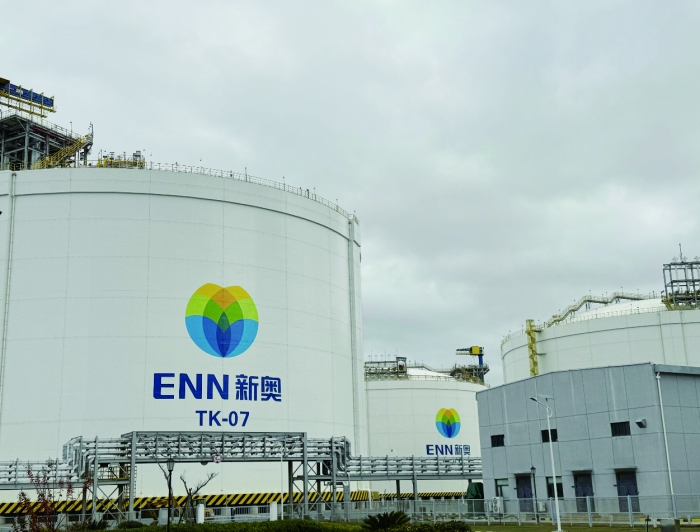
Core Insights - The article highlights the rapid development of the Zhoushan bonded marine fuel supply market, positioning Zhoushan as a key player in China's energy supply chain and a significant hub for bonded marine fuel supply globally [4][5]. Group 1: Market Growth and Infrastructure - Zhoushan has become China's largest bonded marine fuel supply port, with a projected bonded fuel supply volume of 802.71 million tons in 2025, marking a 10.6% increase despite challenges in the international shipping market [5][6]. - The completion of the Newell Zhoushan LNG receiving station has increased its annual receiving capacity to 10 million tons, supporting the gas needs of 30 million households in the Yangtze River Delta [4]. Group 2: Price System Development - The establishment of the "Zhoushan Price" index, based on low-sulfur fuel oil futures prices, has created a local pricing mechanism that reflects market supply and demand, enhancing the pricing influence of Chinese ports [6][10]. - The "Zhoushan Price" system integrates seller and buyer quotes, providing a transparent and fair trading environment, which improves operational efficiency across the supply chain [7][8]. Group 3: Impact on Industry Operations - The "Zhoushan Price" has transformed traditional trading models, moving away from point-to-point pricing based on foreign benchmarks, thus increasing market transparency and efficiency [7]. - The local pricing system aids companies in making informed operational decisions and managing price risks effectively, allowing for better financial planning and operational strategies [8][9]. Group 4: Future Developments and Internationalization - The establishment of a high-level trading model in the Zhejiang Free Trade Zone aims to expand the trading ecosystem beyond oil and gas to include other commodities, addressing various industry challenges [10][11]. - The "Zhoushan Price" is positioned to enhance the internationalization of the RMB, as it is the first domestic price mechanism based on futures prices, gaining recognition on international platforms [11].
“期货支点”撬动产业升级 甘肃探索“期现融合”赋能新路径
Zheng Quan Ri Bao Zhi Sheng· 2026-01-22 09:45
Core Insights - Jinchuan Group Copper Co., Ltd. has successfully obtained dual qualifications for platinum and palladium futures brand registration and delivery warehouse from the Guangzhou Futures Exchange, marking a significant breakthrough for Gansu in the precious metals futures sector [1] - The development reflects Gansu's ongoing efforts to deepen the integration of futures markets with the real economy, establishing a new pattern of "integration of futures and spot" to support high-quality regional economic development [1][7] Group 1: Infrastructure Development - Gansu has established a network of eight futures delivery warehouses and delivery factories in key areas such as Lanzhou New Area, Yongdeng, and Jinchang, covering multiple commodities including aluminum, silicon iron, platinum, palladium, and apples [2] - The delivery warehouse for aluminum ingots and alumina in Lanzhou New Area has become a logistics hub for non-ferrous metals in Northwest China, promoting industrial agglomeration [2] - The establishment of the apple futures delivery warehouse in Jingning County has significantly enhanced the brand value and market influence of "Jingning Apples," positioning it as a center for fruit distribution and price formation in Northwest China [2] Group 2: Brand Certification - Gansu has registered 21 brands as designated delivery products in major futures exchanges, including "Gansu Aluminum," "Jinchuan," "Jiugang," and "Xitie," showcasing the quality control and standardized production capabilities of key industrial enterprises in the province [3] - The successful registration of brands not only enhances market credibility and financing capabilities for enterprises but also integrates Gansu's advantageous products into the national pricing system [3] - The breakthrough of Jinchuan Group in the platinum and palladium futures market exemplifies the financial infrastructure support for Gansu's industries to enter high-value-added sectors [3] Group 3: Service Platforms - Gansu is focused on cultivating a healthy "integration of futures and spot" ecosystem by establishing service support platforms for the integration of production and finance [4] - The province has co-established four production-finance service bases with major domestic futures exchanges, enhancing risk management awareness and capabilities among local SMEs [5] - These platforms not only disseminate knowledge but also attract external financial, informational, and intellectual resources to Gansu, creating a virtuous cycle of resource aggregation and service promotion [5] Group 4: Industry Development - Key enterprises like Jinchuan Group, Jiugang Group, and Baiyin Nonferrous Metals have advanced their risk management models from simple hedging to comprehensive risk control and supply chain optimization [6] - Jinchuan Group has established a robust risk management system, with a hedging scale exceeding 230 billion yuan, covering over 3.3 million tons of metals, serving as a stabilizing force for the industry chain [6] - The successful practices of leading enterprises have encouraged more SMEs in the industry chain to adopt futures tools for price risk management, enhancing production planning and inventory adjustments [6]
甘肃:深化期现融合,赋能产业升级
Quan Jing Wang· 2026-01-22 05:05
Group 1 - Gansu has been promoting the deep integration of the futures market with the real economy since the 14th Five-Year Plan, establishing a new pattern of development that includes delivery warehouses, registered brands, financial service platforms, and leading enterprises [1] - The Gansu Securities Regulatory Bureau has collaborated with futures exchanges to set up 8 delivery warehouses and factories in key areas such as Lanzhou New Area, Yongdeng, and Jinchang, covering various commodities like aluminum, silicon iron, platinum, palladium, and apples [1] - The establishment of the Jingning apple futures delivery warehouse has significantly enhanced the brand value and market influence of "Jingning Apple," making it a central hub for fruit distribution and price formation in the northwest region [1] Group 2 - Gansu has developed a futures certification system for "Gansu brands," with 21 brands registered as designated delivery products at major futures exchanges, showcasing the quality control and standardization capabilities of key industrial enterprises [2] - Jin Chuan Group, Jiu Steel Group, and Baiyin Nonferrous Group collectively own 15 registered brands, embedding "Gansu manufacturing" standards into the national pricing system [2] - In November 2025, Jin Chuan Group's copper precious metals company became one of the first in the country to obtain dual qualifications for platinum and palladium futures brand registration and delivery warehouse, marking a significant breakthrough in the precious metals futures sector [2] Group 3 - Gansu has established 4 financial service bases in collaboration with major domestic futures exchanges to support the real economy, enhancing risk management awareness and capabilities among local SMEs [3] - The "Qiangyuan Support Enterprise" financial service base, co-established by Jin Chuan Group and the Shanghai Futures Exchange, has served over a thousand people by organizing professional training and industry research [3] - The collaboration between Jiu Steel Hongxing and the Dalian Commodity Exchange has expanded the scope of financial services, promoting the adoption of futures tools across various industries in Gansu [3] Group 4 - Leading enterprises like Jin Chuan Group, Jiu Steel Group, and Baiyin Nonferrous Group are driving the stable development of the province through integrated risk management and supply chain optimization [4] - Jin Chuan Group has established a comprehensive risk management system covering nine types of metals, with a hedging scale exceeding 230 billion yuan and covering over 3.3 million tons of metals by mid-2025 [4] - Gansu aims to continue enhancing the infrastructure and service systems for futures integration, promoting traditional industry upgrades and regional competitiveness for high-quality economic development [4]
陕西农发油脂:借期货之力保障区域粮油安全
Qi Huo Ri Bao Wang· 2026-01-20 01:42
Core Viewpoint - Shaanxi Agricultural Development Oil Group (referred to as Agricultural Oil) has made significant strides in internationalization by successfully importing non-GMO soybean oil from Russia, marking a new phase in its development. The company emphasizes the importance of financial derivatives in stabilizing operations and managing risks in a volatile economic environment [1][8]. Group 1: Company Development and Market Position - Agricultural Oil has evolved from a state-owned oil reserve facility established in 1992 to a leading enterprise in the Northwest oil industry, significantly aided by financial derivatives [2][3]. - The company has a registered capital of 200 million yuan and total assets of 2.347 billion yuan, with an annual oil purchase volume of 300,000 to 400,000 tons, showcasing remarkable growth [3]. - The transition from a reserve-focused entity to a comprehensive player in storage, trade, processing, and branding has been pivotal in its development [3][6]. Group 2: Risk Management and Financial Tools - Agricultural Oil began participating in the futures market in 2006 to manage inventory risks associated with price volatility, marking a proactive approach to risk management [2][4]. - The company successfully reduced procurement costs by at least 70 yuan per ton through strategic futures trading, saving a minimum of 350,000 yuan during a recent procurement cycle [4][6]. - The implementation of a "three-dimensional collaborative" system has transformed futures tools from mere risk hedging instruments to engines of value creation [6][7]. Group 3: Compliance and Internal Control - Agricultural Oil has established a "three-level risk control + full-process closed-loop" internal control system to ensure compliance and mitigate speculative risks [7]. - The company emphasizes that all futures trading is strictly for hedging purposes, with a clear prohibition on speculative activities [7]. Group 4: Industry Collaboration and Social Responsibility - Agricultural Oil actively promotes industry collaboration by sharing knowledge about futures and risk management with local enterprises, enhancing their understanding of financial tools [8]. - The company integrates futures tools with national strategies such as the Belt and Road Initiative and food security, expanding trade with countries like Russia while managing cross-border trade risks [8][9]. - Agricultural Oil aims to continue its role as a stabilizing force in the regional food supply chain, ensuring adequate supply and price stability during emergencies [8].
广州期货交易所 “双硅”协同筑牢防线 期现融合赋能光伏产业高质量发展
Jing Ji Ri Bao· 2026-01-18 22:18
Core Viewpoint - The rapid development of China's green energy industry, particularly in the photovoltaic sector, is being supported by the introduction of relevant futures products, which inject financial momentum into strategic emerging industries [1] Group 1: Price Risk Management - The launch of polysilicon futures marks a significant step in establishing a comprehensive price risk management system for the photovoltaic industry, enabling precise hedging against price fluctuations [1][2] - The introduction of industrial silicon futures in 2022 and polysilicon futures in 2024 has created a full-process price risk management framework, allowing companies across the supply chain to hedge against cost and price risks effectively [2] - By November 2025, 12 and 17 listed companies had issued hedging announcements for polysilicon and industrial silicon futures, respectively, indicating growing market participation [2] Group 2: Expanding Sales Channels - The physical delivery mechanism of polysilicon futures has transformed the sales model from a "point-to-point" direct sales approach to a standardized, cross-regional trading bridge, enhancing the purchasing channels for companies [3] - 67% of products in the industry meet the quality standards for benchmark delivery, and 89% meet the requirements for alternative delivery, indicating a strong alignment with industry needs [3] - By November 2025, the cumulative delivery volume of polysilicon futures reached 10,000 contracts, equivalent to 30,000 tons in the spot market, reflecting deep participation from real enterprises [3] Group 3: Trade Empowerment - Polysilicon futures have redefined the role of traders, allowing them to evolve from traditional intermediaries to risk management service providers within the supply chain [4] - Modern trading models such as price-based and basis trading have gained traction, enabling flexible pricing based on futures prices, thus converting absolute price risks into manageable basis risks [4] - The introduction of innovative products like rights-based trading and over-the-counter options offers customized price protection solutions for enterprises, fostering a collaborative environment within the industry [4] Group 4: Practical Case Studies - A polysilicon production company successfully mitigated inventory devaluation risks by collaborating with a risk management subsidiary to purchase bear market options, enhancing revenue and reducing financial pressure [5] Group 5: Market Development and Ecosystem Building - The "Green to New" industry service plan launched by the Guangzhou Futures Exchange includes five core measures aimed at building a comprehensive service system for industry participation in the futures market [6] - By April 2025, the first batch of 12 "Green to New" industry base enterprises was established, highlighting the critical role of the trading segment in the integration of futures and spot markets [6] - The exchange has conducted over 170 market cultivation activities since 2025, covering more than 20,000 participants, and has provided tailored training for over 100 industry leaders [7] Group 6: Overall Impact and Future Outlook - Since its listing in December 2024, polysilicon futures have become a vital price benchmark and risk management tool, significantly impacting the photovoltaic industry's trading landscape [8] - The synergistic development of polysilicon and industrial silicon futures is not just about the introduction of financial products but represents a crucial financial infrastructure for enhancing the competitiveness of China's photovoltaic industry [8] - As market participation deepens and the integration of futures and spot markets continues to innovate, the futures market is expected to play a more significant role in price discovery and risk management, supporting the high-quality realization of the "dual carbon" goals [8]
港口期现聚新力 赋能统一大市场
Qi Huo Ri Bao Wang· 2026-01-12 13:54
Core Viewpoint - The establishment of a unified national market is a strategic initiative aimed at facilitating domestic circulation and constructing a new development pattern, focusing on breaking regional barriers, optimizing resource allocation, and enhancing the resilience of industrial and supply chains [1] Group 1: Market Development and Integration - Shandong Port Group's investment holding company has aligned with national strategic deployments, leveraging innovation in futures and spot market integration to enhance industry services and market functions [1] - The company has achieved a comprehensive layout of futures and spot trading licenses, creating a full-chain market system that includes clearing houses, futures companies, risk management subsidiaries, delivery centers, and spot trading centers [1] Group 2: Supply Chain Innovations - The company has developed a sales-based procurement model for liquefied petroleum gas (LPG) that effectively activated 21,400 tons of port-stored LPG, supporting regional energy trade and creating an efficient commodity circulation system [2] - In the rubber industry, the company has implemented a comprehensive service model that reduces production costs by over 10% for partner enterprises by eliminating intermediary trade markups and utilizing futures tools to mitigate price volatility risks [2] Group 3: Risk Management and Data Utilization - The company has created an integrated supply chain service solution for iron ore that combines port logistics, raw material supply, and risk management, effectively lowering overall costs for enterprises and securing the steel industry supply chain [3] - A collaboration with Xinhua News Agency has led to the establishment of a commodity index system that reflects market fluctuations and provides authoritative price benchmarks, enhancing price monitoring and risk prevention capabilities for enterprises [3] Group 4: Financial Services and Technology - The company has launched a comprehensive electronic warehouse receipt service platform that utilizes advanced technologies such as blockchain and big data, facilitating over 21 billion yuan in financing for clients and addressing financing challenges for small and medium-sized enterprises [4] - Regular cross-border RMB settlement services for crude oil transactions have been established, with plans to attract 10 foreign clients by 2025, contributing to the internationalization of the RMB and the Belt and Road Initiative [4] Group 5: Commitment to Economic Development - The company is committed to supporting the construction of a unified national market by enhancing service capabilities, optimizing resource allocation, and promoting high-quality development through continuous innovation in futures and spot market integration [5]
郑商所2025“高质量发展中的期货力量”征稿结果揭晓——讲好期货故事 解锁服务实体硬核力量
Xin Lang Cai Jing· 2025-12-29 01:30
Core Viewpoint - The Zhengzhou Commodity Exchange (CZCE) successfully concluded the 2025 "Futures Power in High-Quality Development" call for papers, showcasing the significant achievements of futures in serving the real economy through 25 selected outstanding submissions [1][6]. Group 1: Event Overview - The call for papers has been held for two consecutive years, collecting a total of 165 original works, focusing on the integration of futures and the real economy [1][7]. - The submissions cover a wide range of topics, including risk management for agricultural entities, support for small and micro enterprises, and enhancing resilience in various industries [1][7]. Group 2: Participation and Impact - The first event in 2024 received enthusiastic responses from various market participants, including government agencies, futures companies, and media, significantly increasing the event's influence [2][7]. - This year's call also attracted broad participation, with submissions from diverse entities, including futures companies and media, highlighting the practical application of futures tools in addressing market challenges [2][7]. Group 3: Evaluation and Selection - An expert team evaluated the submissions based on clarity of theme, problem orientation, typicality, accessibility, and replicability, ultimately selecting 25 outstanding works [8]. Group 4: Key Case Studies - The selected works represent various key industrial chains, including innovative practices like "insurance + futures" for agricultural products and "basis + pricing" tools for small enterprises [3][9]. - Notable examples include works that illustrate the role of futures in rural revitalization and ensuring supply security, demonstrating the effectiveness of risk management and transformation for enterprises [3][9]. Group 5: Future Directions - The event serves as a platform for sharing best practices and experiences among futures companies, promoting the use of futures tools to mitigate operational risks and support industrial transformation [11]. - The selected works will be included in a promotional material library, aimed at enhancing awareness and utilization of futures tools among real economy enterprises [11].
