电子电气架构

Search documents
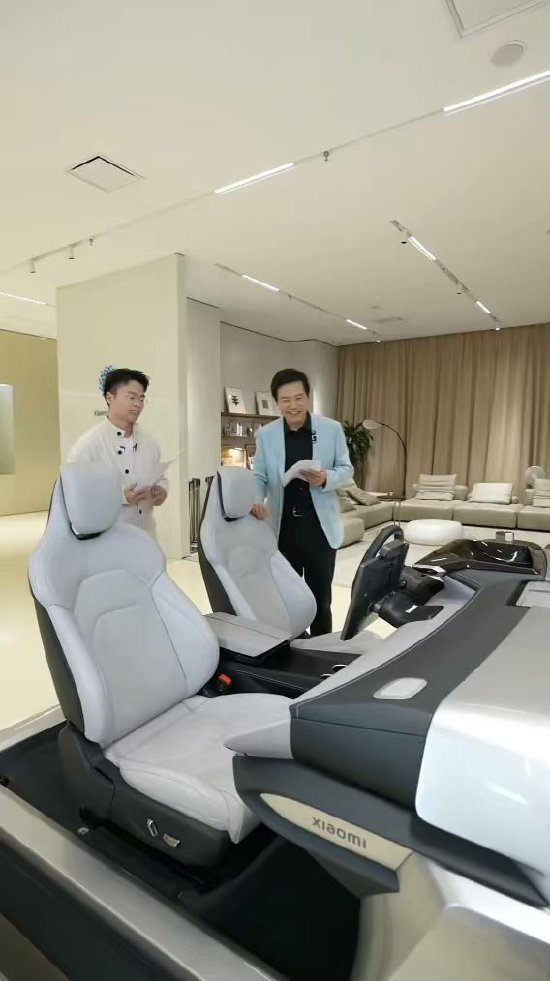
雷军:新一代小米SU7门把手符合新国标 电子电气架构是小米强项 初代小米SU7正式停产
Sou Hu Cai Jing· 2026-02-11 03:01
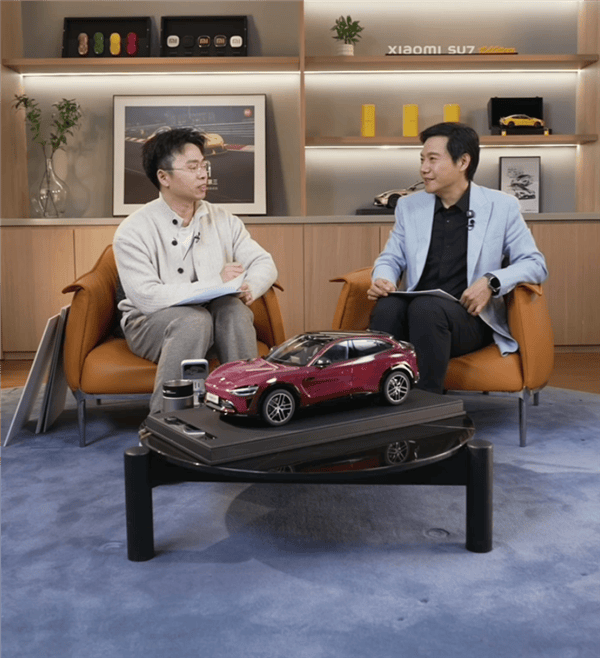
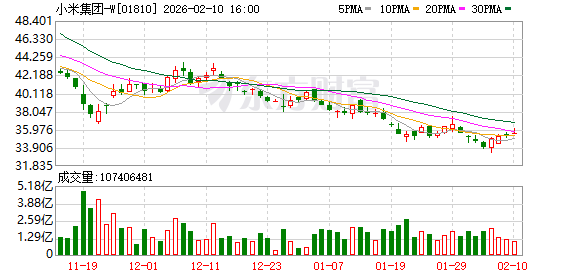
Core Insights - Xiaomi's founder Lei Jun introduced the new generation of the SU7 model during a live stream, highlighting significant upgrades in chassis, motor, and battery components, along with enhanced safety features and intelligent driving capabilities [1][12][14]. Product Features - The new SU7 features a more robust chassis, precise steering, and improved grip, with all models equipped with nine airbags and enhanced battery protection [1][14]. - The vehicle includes advanced intelligent driving technology, featuring laser radar, 4D millimeter-wave radar, and 700 TOPS of driving assistance computing power, along with the Xiaomi HAD end-to-end driving assistance system [1][14]. - The new SU7 will be available in three versions: Standard, Pro, and Max, with pre-sale prices set at 229,900 CNY, 259,900 CNY, and 309,900 CNY respectively, reflecting a price increase of over 10,000 CNY compared to the previous generation [12][18]. Compliance and Safety Standards - Xiaomi's SU7 has been designed to meet new national standards for car door handles, which will be enforced starting January 1, 2027, ensuring that each door is equipped with at least one mechanical release handle [1][12]. - The company claims that its battery pack exceeds the new national standards, having undergone over a thousand tests during development [2][12]. Production and Delivery - The last unit of the initial SU7 has been produced, with a total delivery of nearly 370,000 units, marking the end of its production [6][21]. - Xiaomi's automotive division achieved a delivery of over 410,000 units in its first full year, surpassing its annual target by 117% [21]. Market Performance - As of February 10, Xiaomi's stock closed at 35.58 HKD per share, with a total market capitalization of 930.2 billion HKD, reflecting a year-to-date decline of nearly 9.5% [21].


第一代小米SU7正式停产 总计交付超36万辆 雷军:部分产线正在改造,为新一代SU7做准备
Mei Ri Jing Ji Xin Wen· 2026-02-10 15:19
Group 1 - Xiaomi's founder and CEO Lei Jun announced that the Xiaomi automobile factory received over 130,000 visitors in the previous year, with a target of 200,000 visitors by 2026 [2] - The factory features high automation with 600 to 700 robots for 100% automated assembly and inspection, and it is environmentally friendly with solar panels on the roof providing all its electricity [3] - The new generation Xiaomi SU7, set to launch in April, includes significant upgrades in its motor, battery, electronic architecture, high-voltage architecture, and chassis, with a focus on meeting new national safety standards [3] Group 2 - The new SU7 will start showcasing in stores from February 13, with initial displays in major cities including Beijing, Shanghai, and Guangzhou [4] - During the Spring Festival, Xiaomi's sales and service centers will operate normally, covering 158 cities and offering quick repair services [4] - Xiaomi is launching a "Spring Festival Travel Worry-Free" initiative, providing free roadside assistance and reimbursement for transportation and accommodation costs for customers facing vehicle issues during the holiday period [4]
雷军:电子电气架构是小米强项
Sou Hu Cai Jing· 2026-02-10 13:05
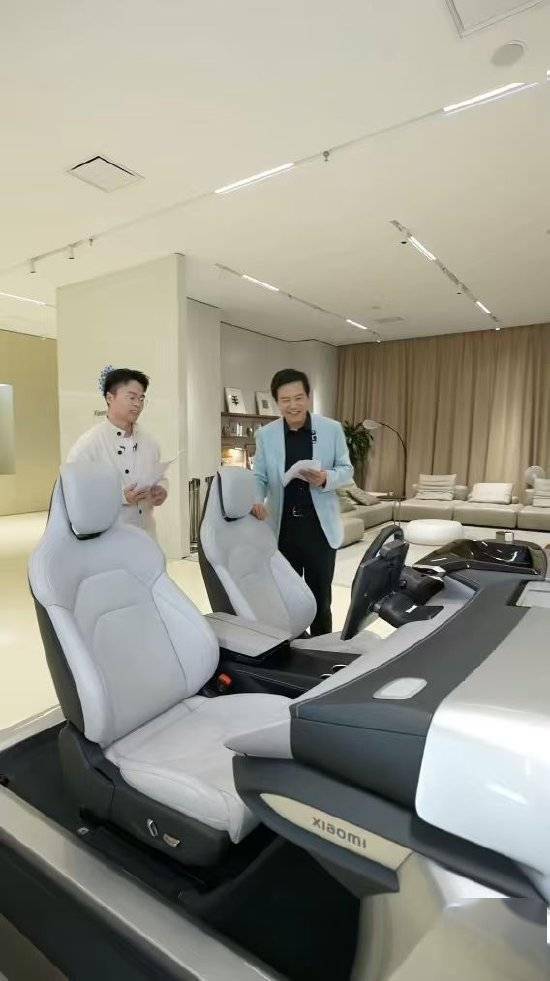
Core Insights - Xiaomi's founder and CEO Lei Jun announced the launch of the YU7 model during a live stream, highlighting the company's self-developed electronic and electrical architecture, which is a four-in-one domain control module [1] - The new generation of electronic and electrical architecture addresses previous signal issues experienced in certain underground locations, specifically improving coverage by utilizing dual SIM capabilities with one telecom card and one mobile card [3] Group 1 - The YU7 model features a self-developed electronic and electrical architecture that is a key strength of Xiaomi, rooted in its smartphone expertise [1] - The implementation of the new architecture significantly enhances signal coverage in challenging environments, such as basements, by leveraging dual SIM functionality [3]
雷军:小米的本行是做智能手机,所以电子电气架构是小米强项
Xin Lang Cai Jing· 2026-02-10 12:39
Core Viewpoint - Xiaomi's founder and CEO Lei Jun announced the launch of the YU7 model, which features a self-developed four-in-one domain control module for its electronic and electrical architecture, emphasizing Xiaomi's strength in smartphone technology [2][5]. Group 1: Product Features - The new electronic and electrical architecture addresses a significant issue related to signal coverage in underground areas, which was a problem in the previous SU7 model [3][6]. - By utilizing the dual SIM functionality, users can install two SIM cards (one from China Telecom and one from China Mobile), significantly improving signal coverage in basements [3][6].
何小鹏:和大众合作的电子电气架构顺利落地,首搭车型与众07正式下线
Feng Huang Wang· 2026-01-29 07:04
Core Viewpoint - Xiaopeng Motors and Volkswagen have successfully launched their first collaborative product, the ZHONG 07, which features a new electronic and electrical architecture called China Electronic Architecture (CEA) [1] Group 1: Collaboration and Product Launch - Xiaopeng Motors' Chairman He Xiaopeng expressed satisfaction with the successful implementation of the CEA architecture in the ZHONG 07 model, marking a significant milestone in their partnership with Volkswagen [1] - Volkswagen Group (China) Chairman and CEO Ralf Brandstätter announced that from 2026, domestic Volkswagen brand electric vehicles will utilize the CEA architecture [1] Group 2: Technical Specifications - The CEA architecture serves as a central control hub for all critical electronic functions, reducing the number of control units in each vehicle by 30% and allowing for easy integration of advanced features like autonomous driving assistance in the future [1] - The ZHONG 07 is positioned as a pure electric sedan, with dimensions of 4853 mm in length, 1852 mm in width, and 1566 mm in height, and a wheelbase of 2826 mm [1] - The vehicle will be powered by an EEK motor with a maximum output of 170 kW and will feature a lithium iron phosphate battery supplied by Guoxuan High-Tech [1]

韩三楚:大众支付知识产权费从造车新企获CEA架构
Zhong Guo Jing Ying Bao· 2026-01-23 12:06
Core Insights - Volkswagen Group (China) has acquired key technology packages from Xpeng Motors through intellectual property payments, including the overall electronic and electrical architecture, regional controller hardware design, related underlying software, and cloud implementation [1] - The collaboration between Volkswagen and Xpeng began in 2023, with Volkswagen investing approximately $700 million for a 4.99% stake and agreeing to jointly develop electric vehicles for the Chinese market [1] - The CEA project, initiated in July 2024, aims to create a new generation of electronic and electrical architecture tailored to Chinese market demands, allowing Volkswagen's China team to rapidly absorb technology and iterate independently [1] Company Strategy - The first model utilizing this collaboration, the "Zhizhong 07," was delivered in a short timeframe, benefiting from the CEA1.0 architecture developed within 18 months [1] - The "white box" technology transfer does not include Xpeng's core software for intelligent driving and cockpit applications, which are essential for brand differentiation [1] - Volkswagen's future core new energy vehicle platforms in China will be the CMP (Compact Modular Platform) and CSP (Scalable Platform), with the local electronic and electrical architecture (CEA) being the only enabling technology for these platforms [1] Differentiation Approach - The CEA architecture will allow for differentiated configurations based on various brand models, similar to how different room styles can be achieved through decoration [2] - Both the electronic and electrical architecture and the vehicle's interior and exterior designs can be customized to create brand distinctions, akin to the similarities and differences found in mobile phones [2]
大众首款CEA架构车型将落地 韩三楚:仅用18个月,送工程师去合作方当“学生”
Zhong Guo Jing Ying Bao· 2025-12-18 05:57
Core Insights - The first model equipped with the CEA electronic and electrical architecture will be launched on December 31 in Anhui, China, significantly shortening the development cycle to 18 months from the previous 24 months target [1][4] - The CEA architecture is a strategic control point for Volkswagen Group (China), emphasizing the need for strong capabilities in both technology development and user experience optimization [2][5] - Volkswagen's collaboration with XPeng is a deep integration beyond typical technology procurement, focusing on joint development and knowledge transfer [4][5] Group 1: CEA Architecture Development - The CEA electronic and electrical architecture is developed in collaboration with XPeng, marking Volkswagen's first locally developed architecture in China [2] - The architecture aims to enhance vehicle software capabilities, electronic platform compatibility, and development efficiency, serving as a core technology for Volkswagen's electrification in China [2][3] - The first model featuring the CEA architecture will be the "Yuzhong 07," developed by a Chinese team, showcasing a rapid development process [4] Group 2: Strategic Collaboration with XPeng - Volkswagen invested approximately $700 million in XPeng to acquire about 4.99% equity, initiating a partnership to develop electric vehicles tailored for the Chinese market [2] - The collaboration includes two clear paths: commercial cooperation and joint research and development of architecture and software [4][5] - Engineers from Volkswagen were initially sent to XPeng for knowledge transfer, evolving into active participation in project development [5] Group 3: Decision-Making and Cultural Differences - Decision-making authority for local new energy vehicle development has shifted to the Chinese team, providing unprecedented autonomy [6] - Cultural differences between Chinese and German teams highlight a focus on rapid execution in China versus a traditional, process-oriented approach in Germany [6] - Discussions between teams have led to a consensus on balancing safety standards with iterative optimization in product development [6]
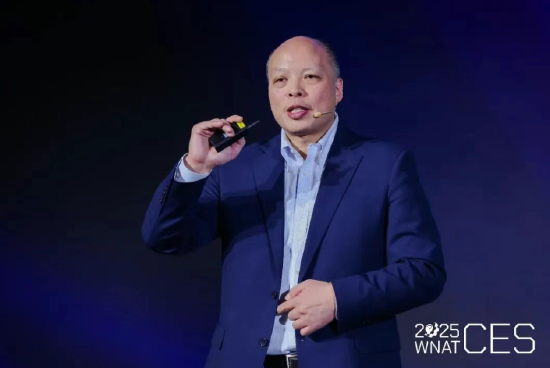
大众汽车集团韩三楚:与小鹏合作车型12月31日落地,仅用时18个月
Xin Lang Cai Jing· 2025-12-10 01:45
Core Insights - The first model developed in collaboration between Volkswagen Group and Xpeng Motors will be launched on December 31, 2023, taking only 18 months to develop [1][5]. Group 1: R&D Transformation - Volkswagen Group has shifted its R&D decision-making authority from Germany to its Chinese team, granting significant autonomy in key areas such as overall vehicle development, platform development, electronic and electrical architecture, and software development starting this year [3][7]. - In July 2024, Volkswagen Group and Xpeng Motors signed a strategic cooperation agreement for the joint development of electronic and electrical architecture for the CMP and MEB platforms, aimed at creating industry-leading technology [3][7]. - In August 2023, it was announced that the jointly developed electronic and electrical architecture will be integrated into Volkswagen's pure electric vehicle platforms in China, as well as its fuel and plug-in hybrid vehicle platforms [3][7]. Group 2: CEA Architecture - The CEA 1.0 architecture is designed to quickly address Volkswagen Group's deficiencies in electronic and electrical architecture, with the first vehicle expected to be delivered by the end of this year and four additional vehicles planned for next year [4][8]. - The CEA 2.0 architecture will expand horizontally to support not only A-class vehicles but also D-class vehicles, and will provide multi-power support, including pure electric, range-extended, and hybrid options, marking a significant milestone for Volkswagen [4][8]. - The CEA architecture will undergo iterations every two years, with CEA 2.0 expected in 2027 and CEA 3.0 in 2029 [4][8].
独家|仅18个月!大众小鹏首款合作车型12月31日落地
汽车商业评论· 2025-12-09 23:07
Core Insights - The first model based on Volkswagen's CEA electronic and electrical architecture, specifically developed for the Chinese market, will be launched on December 31 this year in Anhui [3] - The new model, named "Zhizhong 07," is a collaboration between Volkswagen and Xiaopeng Motors, marking a significant investment and partnership aimed at developing electric vehicles for the Chinese market [6][8] - The leadership transition to Han Sanchu as CEO of CARIAD China is expected to enhance software development capabilities and shorten product development cycles [3][8] Group 1 - Volkswagen's CEA project, initiated in July 2024, aims to create a new generation of electronic and electrical architecture tailored for the Chinese market [4] - The partnership with Xiaopeng Motors includes a strategic agreement to expand the collaboration on electronic and electrical architecture technology, integrating it into both electric and hybrid vehicle platforms [6] - The new vehicle "Zhizhong 07" has dimensions of 4853×1852×1566 mm and a wheelbase of 2826 mm, categorizing it as a mid-size sedan [6] Group 2 - The establishment of Volkswagen (China) Technology Co., known as VCTC, is a pivotal development in Volkswagen's localization strategy, serving as the largest R&D center outside Germany [8][16] - The decision-making power for local electric vehicle development and software has shifted to the Chinese team, providing unprecedented autonomy in the region [9][18] - The new R&D structure combines VCTC's focus on vehicle engineering and hardware with CARIAD China's emphasis on architecture and software, fostering collaboration [16][18] Group 3 - The CEA architecture aims to decouple software and hardware, presenting significant challenges in both technical architecture and development processes [23][24] - The CEA architecture will serve as the core control mechanism for vehicle development, allowing for standardized interfaces and cost reduction [27][28] - The development efficiency has improved by 30%, and costs have decreased by 40% due to localized decision-making and development processes [27][28] Group 4 - The CEA architecture is set to evolve through multiple iterations, with CEA 1.0 expected to deliver its first vehicle by the end of this year, followed by broader platform integration in subsequent versions [32][33] - The architecture will support various powertrain options, including electric, hybrid, and traditional combustion engines, marking a significant industry advancement [32][33] - The long-term vision includes creating a multi-agent vehicle ecosystem that enhances user experience through advanced AI and real-time interaction capabilities [39][40]

广汽:三季度合并总营收243亿元,销量连续两季度环比增长
Nan Fang Du Shi Bao· 2025-10-25 09:11
Core Viewpoint - GAC Group reported a significant increase in revenue and vehicle sales for Q3 2025, indicating positive growth trends and successful integration reforms within the company [1][5]. Financial Performance - The consolidated operating revenue for GAC Group reached 24.318 billion yuan in Q3, a quarter-on-quarter increase of 6.98% [1]. - Total vehicle sales for the group amounted to 428,400 units, reflecting a quarter-on-quarter rise of 11.49% [1]. - For the first three quarters of the year, GAC Group sold 1.1837 million vehicles, with a cumulative consolidated operating revenue of 66.929 billion yuan [1]. Brand Performance - All brands under GAC experienced quarter-on-quarter sales growth in Q3 [3]. - GAC's self-owned brands, including GAC Trumpchi, GAC Aion, and GAC Haobo, saw sales exceed 159,500 units, a quarter-on-quarter increase of 15.09% [3]. - GAC Trumpchi sold 86,805 units, up 12.63% quarter-on-quarter, while GAC Aion's sales reached 72,739 units, marking an 18.13% increase [3]. - Joint venture brands also performed well, with GAC Honda and GAC Toyota achieving sales of 69,258 units (up 11.85%) and 198,511 units (up 8.43%) respectively [3]. International Expansion - GAC's overseas terminal sales grew by 36.5% year-on-year from January to September, with operations in 85 countries and regions [4]. - The company plans to deliver two global strategic models, AION V and AION UT, in Europe by Q1 2026, aiming for full market coverage by 2028 [4]. Technological Advancements - GAC is increasing investment in key areas such as intelligent driving assistance and electronic architecture, with R&D spending expected to exceed 10 billion yuan in 2025 [4]. - The GAC ADiGO GSD intelligent driving assistance system has been implemented on 99.9% of roads, and the company has established the largest V2G demonstration project in the country [4]. Integration Reforms - The "Panyu Action" integration reform has shown positive progress, contributing to consecutive quarter-on-quarter growth in revenue and vehicle sales this year [5].