
股权分置改革

Search documents
深圳创投帮:一群“土狼”的成长
创业家· 2026-02-28 10:28
Core Viewpoint - The article discusses the evolution and competitive strategies of local venture capital (VC) firms in Shenzhen, highlighting their unique approaches compared to foreign VC firms and the significant impact of historical and cultural factors on their development [3][5][39]. Group 1: Historical Context and Development - In 1999, Liu Zhou faced a decision on where to establish a new investment company, ultimately choosing Shenzhen due to its market potential and proximity to Hong Kong [3][4]. - By 2008, Shenzhen's venture capital firms, including Shenzhen Innovation Investment Group and Dacheng, ranked first and eighth respectively in China's VC landscape, surpassing many established foreign VCs [4][5]. - Today, over 200 VC firms are based in Shenzhen, accounting for one-third of the national market share, with significant participation in the first batch of companies applying for the Growth Enterprise Market [4][5]. Group 2: Competitive Strategies - Shenzhen's local VCs prefer investing in traditional enterprises with technological innovation capabilities, focusing on projects that drive domestic consumption, contrasting with foreign VCs that target high-tech startups [33][34]. - The investment philosophy of local VCs emphasizes patience and cost-effectiveness, often opting for lower P/E ratios compared to foreign counterparts [34][35]. - Local VCs employ a "wolf culture," characterized by teamwork and a focus on collective success rather than individual stardom, which is a departure from the celebrity-driven model of foreign VCs [36][39]. Group 3: Key Figures and Leadership - Wang Shouren, a prominent figure in Shenzhen's VC community, played a crucial role in advocating for the local VC ecosystem and was respected for his willingness to challenge government policies [2][39]. - Liu Zhou, the chairman of Dacheng, embodies the "hard-fighting" spirit of local VCs, emphasizing a strategic approach to investment that balances direction and cost [33][34]. - Jing Haitao, chairman of Shenzhen Innovation Investment Group, is recognized for his strategic vision and ability to navigate the complexities of managing a large investment team [18][22]. Group 4: Future Outlook - The future of Shenzhen's VC landscape will depend on the ability of firms like Shenzhen Innovation Investment Group to adapt to changing market conditions and government policies while maintaining a competitive edge [21][42]. - There is a growing recognition of the need for local VCs to develop their own identity and operational strategies that align with China's unique market environment [39][41].


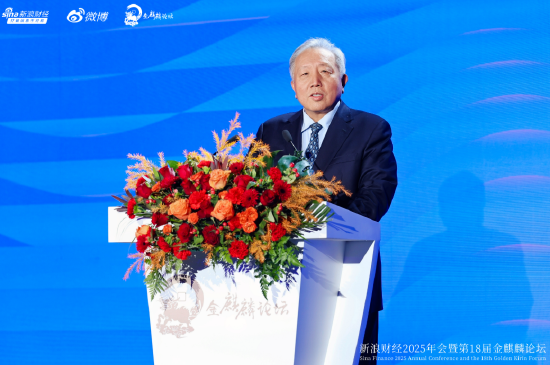
吴晓求:不能简单认为市场停滞与大股东减持有关
Xin Lang Cai Jing· 2026-01-15 04:12
Core Viewpoint - The forum emphasizes the need for reform and development in China's economy, particularly in the context of the upcoming 2026 challenges and opportunities [1][5]. Group 1: Reform and Development - Wu Xiaoqiu highlights the importance of addressing the issue of major shareholder reductions, suggesting that it should not be simplistically linked to market stagnation [3][7]. - The reforms initiated during the split share structure reform and the specific regulations established in 2024 regarding major shareholder reductions are aimed at enhancing market growth [3][7]. - The focus should be on reforming the asset side to boost growth potential and attract continuous capital inflow [3][7]. Group 2: Investment Strategies - In the AI era, structural challenges are faced by small investors in China, with some still not making profits at the 4100-point mark, indicating a lack of independent investment capability [3][7]. - The creation of diverse assets and tools, particularly ETFs, is presented as a favorable option for investors, often outperforming individual investors [3][7]. - The notion of "making everyone profitable" is viewed as a slogan rather than a practical reality, with a more realistic approach being the investment in ETFs to increase the number of profitable investors [3][7]. Group 3: Market Safety and Regulation - The phenomenon of "hidden risks" in China's capital market is serious, with many listed companies having motives and behaviors that contribute to this issue, often aided by intermediary institutions [4][8]. - Ensuring market safety requires legal measures to deter the motives and actions that lead to "hidden risks," marking a critical area for institutional reform [4][8].
光明房地产集团股份有限公司关于光大证券股份有限公司出具《光明地产股权分置改革2025年年度保荐工作报告书》的提示性公告
Shang Hai Zheng Quan Bao· 2026-01-13 18:48
Group 1 - The core viewpoint of the announcement is that Guangming Real Estate Group Co., Ltd. has received a report from Everbright Securities Co., Ltd. regarding the annual sponsorship work for the equity division reform for the year 2025 [1] - The report indicates that Everbright Securities has diligently fulfilled its continuous supervision responsibilities as the sponsor for the equity division reform of Guangming Real Estate [1] - The announcement emphasizes the company's commitment to ensuring the accuracy and completeness of the information disclosed, as well as the accountability of the board of directors [1][3] Group 2 - The announcement specifies that the report will be detailed in the Shanghai Securities Journal, Securities Times, and on the Shanghai Stock Exchange website on January 14, 2026 [1] - The company urges investors to pay attention to the designated information disclosure media for updates [2]


十六连阳后续如何演绎?
Soochow Securities· 2026-01-11 10:17
Group 1 - The report highlights that the Shanghai Composite Index has achieved a remarkable 16 consecutive days of gains, with growth styles, particularly in commercial aerospace, nuclear fusion, and 6G themes, significantly outperforming the market. This trend is attributed to China's economic transformation and the initiation of the 14th Five-Year Plan, which emphasizes new economic growth points such as quantum technology and hydrogen energy [1][2][3] - Historical data indicates that occurrences of ten consecutive days of gains in the A-share market are extremely rare, with only seven instances since 1990. The report notes that while short-term (5-day) gains are highly probable following such streaks, longer-term performance shows mixed results, necessitating an analysis of the core factors driving the market [2][4] - The report discusses the historical context of previous consecutive gain streaks, particularly from 1990 to 1992, where institutional reforms and stock scarcity propelled market growth. The completion of the stock split reform in 2006 is also noted as a significant factor that led to a bull market, supported by a healthy macroeconomic environment [3][5][7] Group 2 - The report emphasizes that strong fundamentals provide room for valuation recovery, and the smooth progress of reforms has catalyzed the current bull market. Short-term catalysts for consecutive gains stem from adjustments due to policy constraints, while mid-term factors include the ongoing stock split reform that boosts market sentiment [7][10] - Long-term market pricing remains anchored to fundamentals, with indicators suggesting that PPI growth is expected to converge, leading to an increase in corporate profit margins and subsequently driving A-share earnings recovery. The report suggests that the bull market is not yet over [11][12] - Investment recommendations focus on three key areas: the AI industry chain, sectors highlighted in the 14th Five-Year Plan such as aerospace and new materials, and cyclical price increases in industrial metals and chemicals, which are expected to show strong performance due to supply-demand dynamics and policy support [12]
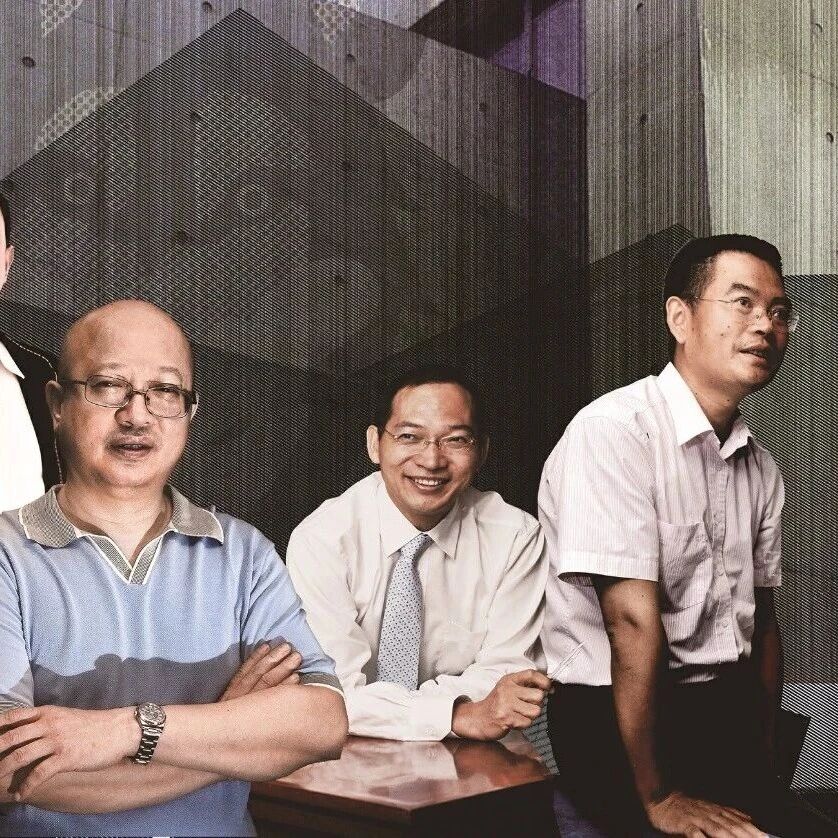
吴晓求:这一生大概只为中国资本市场而来|我们的四分之一世纪
Jing Ji Guan Cha Wang· 2025-12-27 01:26
Core Viewpoint - The article highlights the evolution and challenges of China's capital market through the insights of Wu Xiaoqiu, a prominent scholar and advocate for financial reform in China, emphasizing the need for continuous reform to achieve the goal of becoming a global financial center [4][20]. Group 1: Historical Context - The establishment of the Shanghai and Shenzhen Stock Exchanges in December 1990 marked the official birth of China's capital market [5]. - In the mid-1990s, there was skepticism in academia regarding the relevance of capital market research compared to macroeconomics, which led Wu Xiaoqiu to shift his focus from macroeconomic studies to securities investment [6][7]. Group 2: Key Contributions and Theories - Wu Xiaoqiu founded the Financial and Securities Research Institute at Renmin University in 1996 and initiated the China Capital Market Forum in 1997 to discuss long-term issues affecting capital market development [7]. - He proposed the "Capital Market Center Theory," arguing that the capital market is the core and foundation of the modern financial system, which was controversial at the time [8]. Group 3: Major Reforms and Developments - The stock market's value was equivalent to 50% of GDP by the end of 2000, with the Shanghai Composite Index rising significantly during that period [9]. - Wu Xiaoqiu identified the need for the split share structure reform, which addressed the liquidity barriers in China's capital market, leading to the publication of a foundational book on the subject in 2004 [12]. - The split share structure reform was initiated in 2005, marking a significant milestone in the development of China's capital market [14]. Group 4: Market Challenges and Responses - Following the completion of the split share reform, the Chinese stock market experienced a bull market from 2006 to 2007, with the Shanghai Composite Index increasing over 400% [15]. - The 2008 global financial crisis prompted Wu Xiaoqiu to advocate for reforms rather than short-term market interventions, emphasizing the importance of maintaining market transparency and fairness [16]. Group 5: Current Perspectives and Future Goals - Wu Xiaoqiu expressed concerns about the slow progress of reforms and the need for a dual-peak financial system, recognizing the significant role of commercial banks alongside the capital market [18]. - He highlighted the importance of continuous reforms in the legal and regulatory framework to combat issues like insider trading and fraud, which undermine market integrity [19]. - Wu Xiaoqiu's long-term vision includes the internationalization of the RMB and the establishment of China as a major global financial center by 2050, emphasizing the need for robust legal frameworks and market reforms [20].

湖南天雁机械股份有限公司股改限售股上市流通公告
Shang Hai Zheng Quan Bao· 2025-12-26 19:02
Core Viewpoint - The announcement details the listing of restricted shares for Hunan Tianyan Machinery Co., Ltd., with a total of 106,470 shares set to be tradable starting January 5, 2026, following the company's stock reform process initiated in 2008 [2][4][5]. Group 1: Stock Listing Details - The type of stock being listed is restricted shares post-stock reform, with a total of 106,470 shares available for trading [2][3]. - The listing date for these restricted shares is confirmed as January 5, 2026 [4][20]. Group 2: Stock Reform Background - The stock reform plan was approved on September 22, 2008, with the implementation date set for November 5, 2008 [5]. - There was no additional consideration arranged in the stock reform plan [6]. Group 3: Commitments from Shareholders - The controlling shareholder, China Ordnance Equipment Group, made several commitments regarding asset injection and restructuring to enhance the company's asset quality and profitability [7]. - The commitments included a promise to ensure the company achieved a positive net profit for the fiscal year 2008, which was fulfilled [17]. Group 4: Changes in Share Capital and Shareholder Holdings - Since the stock reform, the company has seen changes in its total share capital, including a non-public issuance of 92,592,592 shares in November 2019, increasing total shares from 971,817,440 to 1,064,410,032 [10]. - As of the announcement date, the number of restricted shares available for trading has decreased to 8,292,461, representing 0.78% of the total share capital [12]. Group 5: Previous Restricted Share Listings - The company has conducted multiple previous listings of restricted shares, with the first occurring on December 1, 2009, involving 22,023,668 shares [22]. - Subsequent listings have occurred at various intervals, with the most recent prior listing on December 27, 2023, involving 177,450 shares [25].

佳通轮胎股份有限公司
Shang Hai Zheng Quan Bao· 2025-11-28 20:20
Group 1 - The company has revised its articles of association, including the removal of terms related to the "supervisory board" and "supervisors," and changing "shareholders' meeting" to "shareholders' assembly" [1] - The revised articles and related rules will be submitted for approval at the company's first extraordinary shareholders' meeting in 2025 [1][3] - The company has also updated its governance systems in accordance with relevant laws and regulations, including renaming the "Management System for Directors, Supervisors, and Senior Management Holding Company Shares" to "Management System for Directors and Senior Management Holding Company Shares" [1] Group 2 - The company will hold its first extraordinary shareholders' meeting on December 18, 2025, with both on-site and online voting options available [4][5] - The meeting will take place at the Crowne Plaza Hotel in Putian, Fujian Province, starting at 14:00 [5] - Shareholders must register to attend the meeting, with registration open from December 15, 2025, from 9:30 to 16:00 [14] Group 3 - The board of directors has approved several proposals to be presented at the upcoming shareholders' meeting, including the cancellation of the supervisory board and amendments to the articles of association [67][68] - The proposals also include the 2025 interim profit distribution plan, which suggests a cash dividend of RMB 0.28 per share, totaling approximately RMB 95.2 million [50][53] - The company plans to submit its 2026 annual related party transaction plan for approval, which has already been reviewed by the independent directors and the audit committee [29][74]

山东鲁北化工股份有限公司股改限售股上市流通公告
Shang Hai Zheng Quan Bao· 2025-11-05 19:41
Core Viewpoint - The announcement details the listing of 60,000 restricted shares of Shandong Lubai Chemical Co., Ltd. following its stock reform, with the listing date set for November 12, 2025 [2][4]. Group 1: Stock Listing Details - The type of stock being listed is restricted shares post-stock reform, with a total of 60,000 shares available for trading [2][3]. - The listing date for these restricted shares is confirmed as November 12, 2025 [4]. Group 2: Stock Reform Background - The stock reform plan for Shandong Lubai Chemical was approved on July 3, 2006, with the implementation date set for July 21, 2006 [5]. - There are no additional compensation arrangements associated with the stock reform plan [6]. Group 3: Commitments from Shareholders - The major shareholder, Shandong Lubai Group, has committed not to trade its non-circulating shares for 12 months after gaining circulation rights, with further restrictions on the percentage of shares that can be sold thereafter [7]. - Other non-circulating shareholders have also committed to a 12-month trading restriction following the gain of circulation rights [7]. Group 4: Changes in Share Capital - Following the stock reform, the total share capital of the company increased from 350,986,607 shares to 528,583,135 shares due to additional share issuances [9]. - The company has undergone several changes in shareholding structure since the implementation of the stock reform [9]. Group 5: Shareholder Compliance and Verification - The shareholders have fulfilled their commitments made during the stock reform process [8]. - The original sponsor of the stock reform, Haitong Securities, has been succeeded by Guotai Junan Securities for ongoing supervision [12]. Group 6: Historical Context of Restricted Shares - This is the seventh arrangement for the listing of restricted shares since the stock reform began, with previous listings occurring on various dates since 2007 [14][17].

佳通轮胎股份有限公司 2025年第三季度报告
Shang Hai Zheng Quan Bao· 2025-10-28 21:27
Core Viewpoint - The company reported its third-quarter financial results, highlighting changes in sales revenue, product pricing, and raw material costs, while also addressing the status of its stock reform proposal. Financial Performance - The company achieved tire sales revenue of 1.289 billion yuan in the third quarter of 2025, an increase of 58 million yuan year-on-year [16] - The average selling price of tires increased by 0.77% year-on-year and by 1.32% quarter-on-quarter [16] Raw Material Costs - The comprehensive procurement costs for key raw materials, including natural rubber, synthetic rubber, and carbon black, decreased by 8.3% year-on-year and by 9.4% quarter-on-quarter [17] Stock Reform Status - Currently, there are no written agreements from non-circulating shareholders regarding the stock reform proposal, with their total shareholding accounting for 0% of the non-circulating shares [12] - The company has not yet established a stock reform plan, and 69 non-circulating shareholders have not expressed agreement due to the absence of a defined proposal [13][14]
海南椰岛(集团)股份有限公司关于股改限售股上市流通的公告
Zhong Guo Zheng Quan Bao - Zhong Zheng Wang· 2025-08-21 01:53
Core Points - The company is set to list 270,000 shares of restricted stock on August 27, 2025, following a stock reform plan approved in 2006 [1][12] - After this listing, there will be 2,928,420 shares remaining under the stock reform's restricted circulation [1] Group 1: Stock Reform Plan - The stock reform plan of Hainan Yedao (Group) Co., Ltd. was approved on January 12, 2006, with the implementation date set for February 15, 2006 [1] - There are no additional compensation arrangements associated with the stock reform plan [1] Group 2: Commitments and Compliance - The Haikou State-owned Assets Management Company has committed to not trading the non-circulating shares for at least 24 months after gaining circulation rights [2] - The commitments made by the state-owned company were fulfilled in 2010, and there are no special commitments from the current holders of the restricted shares [2] Group 3: Changes in Share Capital and Shareholder Structure - Since the implementation of the stock reform, the company's share capital structure has changed twice, resulting in a total share count of 298,800,000 shares after the 2010 profit distribution [3][4] - The company has not issued new shares or convertible bonds that would alter the shareholder structure since the stock reform [6] Group 4: Major Shareholder Fund Usage - The company does not have any issues regarding the occupation of funds by major shareholders [7] Group 5: Underwriter's Verification - The underwriter, Jinyuan Securities Co., Ltd., has verified that the application for the release of restricted shares complies with relevant regulations and that the commitments made during the stock reform have been fulfilled [8] Group 6: Listing Details - The listing of the restricted shares is the company's eleventh arrangement for the release of restricted shares formed solely from the stock reform [10] - The details of the restricted shares being listed include the names of the shareholders, which differ from those in the stock reform prospectus due to a court ruling [9]
