K型增长

Search documents
罗志恒调研归来谈经济 建议设立城乡居民增收引导基金
经济观察报· 2026-01-20 11:20
Core Viewpoint - Despite facing various internal and external challenges, China's economy demonstrates strong resilience, with regions like Suzhou and Shenzhen showcasing robust technological innovation. However, areas heavily reliant on exports to the U.S. and real estate are under significant pressure and undergoing difficult transitions, reflecting the diversity of the Chinese economy [1][2]. Economic Performance Insights - The chief economist of Guangdong Kaiyuan Securities, Luo Zhiheng, conducted research across several provinces, revealing that while the economy faces challenges, there is a notable emphasis on new industries such as renewable energy and biomedicine. Local governments are actively working to revitalize existing assets [2]. - The overall economic performance in 2025 can be summarized by two "better than expected" areas: export growth and capital market performance, while consumption recovery and real estate market trends fell short of expectations [3][4]. Export Trends - Export growth exceeded expectations, supported by China's strong production capacity and product competitiveness. Some companies reported that while short-term orders remained stable, they faced challenges in shipping due to uncertainties, leading to increased inventory costs [4][5]. - The export market is diversifying, with a significant decrease in the proportion of exports to the U.S. and an increase in exports to ASEAN and Africa, which is expected to reach 6% by 2025. Additionally, the structure of exports is upgrading from low-end consumer goods to high-end capital goods and intermediate products [5][6]. Capital Market Dynamics - The capital market's performance has also surpassed expectations, driven by breakthroughs in AI and improvements in market regulations, which have enhanced its attractiveness. By September 2025, the technology and electronics sector's market value surpassed that of the banking sector, indicating a significant shift in economic structure [6][7]. Consumption and Real Estate Challenges - Consumption recovery has not met market expectations, and the real estate market continues to face challenges, necessitating collaborative efforts to stabilize it. The central economic work conference emphasized the need to prioritize domestic demand expansion and stabilize the real estate market [7][8]. Income Distribution Reform - To boost consumption, key reforms in income distribution are essential, focusing on enhancing consumer capacity, willingness, and the adaptability of supply to demand. This involves improving residents' income and addressing public resource allocation [8][9]. - The optimization of national income distribution is crucial, with residents' income currently at 62%, which is slightly below the global average. The low proportion of property income and labor remuneration needs to be addressed to enhance overall consumption [9][10]. Policy Recommendations - To increase residents' income and stimulate consumption, several measures are proposed, including strengthening the capital market, enhancing state-owned enterprise profit contributions, and encouraging wage increases through fiscal incentives [10][11]. - Improving public services and welfare investments is vital for enhancing residents' quality of life and boosting consumption potential, creating a positive economic cycle [11][12]. Future Focus Areas - In 2026, key areas of focus will include global economic and geopolitical risks, breakthroughs in domestic income distribution reform, addressing low growth in fiscal revenue, and optimizing local government and microeconomic incentives to drive economic development [18][19].


2025年中国经济的含金量,不止140万亿2025年中国经济的含金量,不止140万亿元
Sou Hu Cai Jing· 2026-01-19 15:42
Economic Growth Overview - In 2025, China's GDP grew by 5% year-on-year, surpassing 140 trillion yuan for the first time, with per capita GDP rising from $10,632 in 2020 to $13,953 in 2025, maintaining above $13,000 for three consecutive years [2][10] - The average annual GDP growth rate during the 14th Five-Year Plan period was 5.4%, significantly higher than the global average, marking a consistent increase in GDP total [4] K-shaped Growth Characteristics - The Chinese economy is exhibiting a "K" shaped growth pattern, with strong performance in sectors like equipment manufacturing and high-tech industries, while some enterprises remain cautious about market expectations [2][7] - Quarterly GDP growth rates showed a declining trend throughout 2025, indicating potential underlying issues in demand and economic momentum [7][8] Consumption and Investment Trends - In 2025, the total retail sales of consumer goods exceeded 50 trillion yuan, with a year-on-year growth of 3.7%, contributing 52% to economic growth, an increase of 5 percentage points from the previous year [5][6] - Fixed asset investment saw a decline of 3.8% year-on-year, highlighting challenges in sustaining investment growth [8] Innovation and High-tech Sector Performance - R&D expenditure intensity reached 2.8%, surpassing the OECD average for the first time, and China's innovation index ranked among the top ten globally [5] - The production of high-tech products, such as 3D printing equipment and industrial robots, saw significant growth, indicating a robust high-tech sector [5] Future Economic Projections - Experts suggest maintaining a GDP growth target of around 5% for 2026 to support the long-term goal of reaching a per capita GDP of $20,000 by 2035 [3][11] - The potential economic growth rate is projected to decline to around 4.2% by 2030, emphasizing the need for effective policy measures to manage economic transitions [12]
2025年中国经济的含金量,不止140万亿元
Jing Ji Guan Cha Wang· 2026-01-19 14:56
Economic Growth Overview - In 2025, China's GDP grew by 5% year-on-year, surpassing 140 trillion yuan for the first time, achieving the growth target set at the beginning of the year [1][3] - The average annual GDP growth rate during the 14th Five-Year Plan period was 5.4%, significantly higher than the global average, positioning China as a leader among major economies [3] K-shaped Growth Characteristics - The Chinese economy is exhibiting a "K" shaped growth pattern, with strong performance in sectors like equipment manufacturing and high-tech industries, while some enterprises remain cautious about market expectations [1][7] - Quarterly GDP growth rates showed a declining trend throughout 2025, indicating potential underlying issues in demand and economic momentum [7][8] Consumer and Investment Trends - In 2025, the total retail sales of consumer goods exceeded 50 trillion yuan, with a year-on-year growth of 3.7%, contributing 52% to economic growth [4][6] - Fixed asset investment saw a decline of 3.8% year-on-year, highlighting challenges in sustaining investment levels [7] Innovation and R&D Investment - R&D expenditure intensity reached 2.8%, surpassing the OECD average for the first time, indicating a strong focus on innovation [4] - The production of high-tech products, such as 3D printing equipment and industrial robots, saw significant growth, reflecting China's robust manufacturing capabilities [4] Future Economic Projections - Experts suggest maintaining a GDP growth target of around 5% for 2026 to support long-term economic goals, including achieving a per capita GDP of $20,000 by 2035 [2][10] - Predictions for 2026 GDP growth vary, with estimates ranging from 4.3% to 5%, indicating a cautious outlook amid external uncertainties [12]
美国迎来2011年以来最疲软就业市场
财富FORTUNE· 2026-01-09 13:05
Core Viewpoint - The current U.S. labor market is characterized by "low hiring, low layoffs," indicating a new normal rather than a temporary fluctuation, with economic growth strong but employment data stagnating [2][5]. Group 1: Employment Market Analysis - The U.S. employment market is experiencing its weakest performance since 2011, with an average of only 17,000 new jobs added monthly over the past six months, the lowest since the global financial crisis [2]. - The private sector has seen a slightly better performance, averaging 44,000 new jobs monthly, but this is still at a decade-low level [2]. - The U6 unemployment rate has risen to 8.7%, and the number of job openings per unemployed person has dropped to 1.0, both reaching their lowest levels since 2017 [2]. Group 2: Economic Growth and Consumer Behavior - The U.S. GDP annualized growth rate reached 4.3% in the third quarter, driven by a surge in consumer spending and a $166 billion increase in corporate profits [6]. - However, real disposable income for households has stagnated, indicating that consumer spending is being maintained through savings depletion, borrowing, and cutbacks in spending [6]. Group 3: K-Shaped Recovery - The U.S. economy is entering a K-shaped growth phase, where affluent households benefit from stock market gains and property appreciation, while lower-income families face affordability pressures and stagnant real incomes [6]. - Companies are finding ways to grow without hiring more staff, focusing on productivity improvements rather than expanding their workforce [7]. Group 4: Long-term Labor Market Trends - Goldman Sachs warns of a "no job growth" scenario, where despite rising output, most industries, except healthcare, are experiencing stagnant or negative job growth [7][10]. - The impact of artificial intelligence on labor demand is expected to create long-term headwinds for job growth, as companies increasingly focus on reducing labor costs [7][10]. - The demographic shift, including declining birth rates and an aging population, is expected to limit labor supply contributions to economic growth [8].



酒店业年终盘点:“韧性”中寻找价值 “阵痛”中跨越周期
Xin Lang Cai Jing· 2026-01-02 20:34
Core Insights - In 2025, the Chinese hotel industry faces a challenging and transformative year, characterized by both high occupancy rates during holidays and weak RevPAR growth, indicating a supply-demand imbalance [2][3] - The industry is experiencing a "K-shaped growth," where high-end hotels in prime locations perform well, while mid-range and low-end hotels continue to struggle [3][4] - The overall operational performance of the hotel industry is declining, with significant stock price drops for several hotel companies, reflecting structural pressures [4][6] Supply and Demand Dynamics - The total number of hotel rooms in China is among the highest globally, indicating a shift from growth to competition over existing assets [3][4] - The operational levels of the industry are decreasing, with some regions experiencing declines in both occupancy rates and revenue per room [4][5] - The rapid turnover of hotel assets is evident, with properties being sold at low prices due to financial pressures [4][6] Trends in Hotel Operations - The trend towards increased chain hotel rates and limited-service hotels is becoming mainstream, with major hotel groups like Huazhu showing strong performance during key holiday periods [5][6] - Huazhu's operational data indicates significant year-on-year revenue growth, with occupancy rates exceeding 100% during peak times [5][6] - The introduction of AI technology in the hospitality sector aims to enhance operational efficiency and improve customer experience [9][10] Emerging Segments - The non-standard accommodation sector, particularly homestays and "accommodation+" models, is showing resilience and growth, with increased demand for longer stays [8][9] - The entry of younger consumers into the market is driving demand for unique travel experiences, particularly in non-traditional destinations [8][9] - The integration of AI in the homestay sector is expected to improve the selection process for consumers, enhancing the overall quality of offerings [9][10] Future Outlook - The hotel industry is expected to continue facing challenges in 2026, but opportunities exist in niche markets and through technological advancements [10][11] - Companies that can adapt to customer needs and enhance their product and service offerings are likely to thrive in the evolving landscape [10][11]

2025营销大共识:裸泳者离场,专业主义复利兑现
Sou Hu Cai Jing· 2025-12-30 07:49
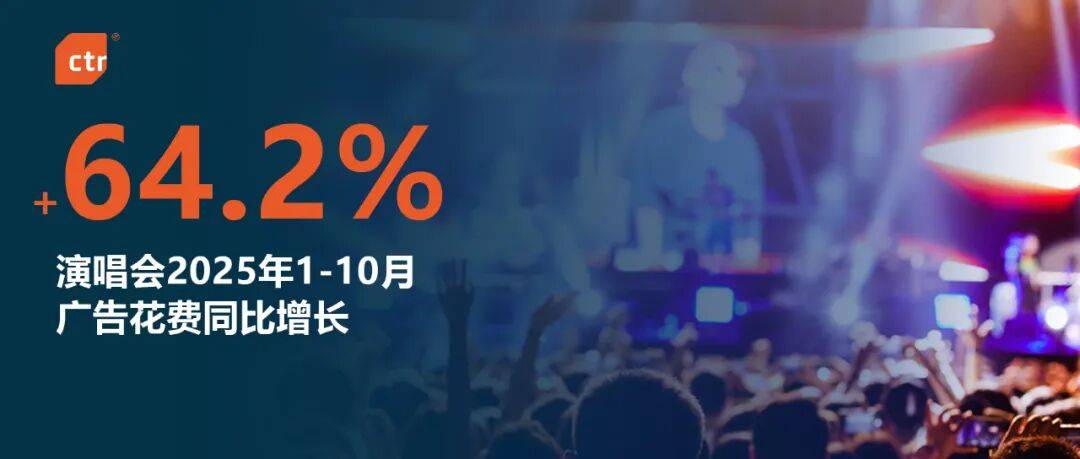
Core Insights - The market in 2025 is characterized by a balancing act between contradictions, with a focus on long-term value in advertising and a search for high-quality emotional satisfaction in consumer markets [1] - Consumers exhibit a dual demand, being both rational and emotional, leading to a K-shaped differentiation in consumption patterns [2][5] Group 1: Consumer Behavior - Consumers are increasingly rational yet emotional, leading to a phenomenon of "dual demand" where basic needs are prioritized alongside emotional investments in products [2][4] - The rise of private labels and white brands reflects a shift towards value-driven consumption, while premium products that evoke emotional connections continue to thrive [1][2] - The demand for experiences, whether through live events or instant retail, highlights the importance of emotional satisfaction in consumer choices [15][17] Group 2: Marketing Strategies - The year 2025 marks a turning point for traditional marketing approaches, with a shift away from "old-school" marketing tactics [5][6] - Brands are redefining their narratives, focusing on sustainability and technology to resonate with consumers, moving away from arrogance in marketing [8][11] - Centralized advertising strategies are gaining traction as brands seek to establish a strong presence amidst market uncertainties, with significant increases in advertising spend on brand image [18][20] Group 3: Value Perception - The concept of value-for-money (quality-price ratio) is becoming increasingly nuanced, varying significantly across different consumer segments [12][13] - The focus on quality-price ratio is shifting, with consumers prioritizing convenience and efficiency in their purchasing decisions [13][14] Group 4: Experience Economy - The consumer market is witnessing a resurgence in out-of-home spending, with a reported 8.7% increase in foot traffic in the first half of 2025 [14] - Instant retail is also experiencing explosive growth, driven by the convenience of integrated shopping experiences [15][16] Group 5: AI Integration - The integration of AI in retail and fast-moving consumer goods is becoming prevalent, with 89% of companies actively using or evaluating AI projects [21][22] - AI is transforming marketing practices, with a significant shift towards AI-driven advertising and consumer engagement strategies [22]
美股现“圣诞老人行情”再创新高,美国三季度经济结构性分化加剧
2 1 Shi Ji Jing Ji Bao Dao· 2025-12-25 07:44
Market Performance - Major US stock indices continued to rise, with the S&P 500 and Dow Jones Industrial Average reaching new historical closing highs, driven by expectations of a "Santa Claus rally" [2] - As of December 24, the Dow Jones increased by 288.75 points (0.60%) to 48,731.16, while the S&P 500 rose by 0.32% to 6,932.05, marking its second consecutive day of record closing [2] - The Nasdaq Composite gained 0.22% to 23,613.31, and the Russell 2000 index increased by 0.3%, indicating sustained risk appetite [2] Economic Indicators - The US economy showed strong support from recent data, with Q3 GDP growing at an annualized rate of 4.3%, the fastest in two years, significantly exceeding market expectations [3] - Consumer spending, export rebounds, and continued investment in equipment and AI were key drivers of this growth, alongside government spending, particularly in defense [3] - However, economists noted a structural divergence in growth, with high-income households driving consumer spending while lower-income families face challenges due to rising living costs [3][4] Consumer Behavior - Consumer spending growth reached 3.5% in Q3, the fastest in nearly a year, covering various sectors such as leisure, automotive, and healthcare [4] - Recent signs indicate a marginal slowdown in consumer momentum, with retail sales stagnating in October and a decline in automotive purchases for two consecutive months [4] Inflation and Monetary Policy - Inflation pressures have resurfaced, with key indicators showing a 3.4% increase in overall price levels in Q3, the fastest since early 2023 [4] - The Personal Consumption Expenditures (PCE) price index, a focus for the Federal Reserve, also saw its year-on-year growth rate rise to 2.8% [4] - Market expectations for significant rate cuts by the Federal Reserve have diminished in light of resilient economic data and persistent inflation [4] Market Outlook - The market is entering a critical phase at the year's end, with historical trends suggesting a "Santa Claus rally" in the final trading days [4] - However, analysts believe that with indices at high levels and low liquidity, short-term upside potential may be limited, predicting a moderate upward trend rather than a significant surge [4] - The focus is shifting from the speed of growth to the sustainability and balance of growth as the market reassesses economic quality, inflation paths, and policy directions [4]

美国经济“K型”增长加剧贫富分化,特朗普加紧布局中期选举
Di Yi Cai Jing Zi Xun· 2025-12-08 10:28
Economic Overview - The U.S. economy is experiencing a pronounced "K-shaped" growth, with a widening income gap between high-income and low-income groups, exacerbated by a weak job market and persistent inflation [1][3] - Inflation peaked at nearly 9% during the Biden administration, and despite some regulatory measures taken by Trump, inflationary pressures remain significant, impacting the midterm election prospects for the Republican Party [1][3] Labor Market and Income Disparity - Analysis from the Atlanta Federal Reserve indicates that wage growth for low-income groups has slowed significantly compared to high-income groups, erasing much of the progress made in narrowing the income gap over the past decade [3] - The unemployment rate for Latino voters reached 5.5% in September, the highest this year, contrasting with an overall U.S. unemployment rate of 4.4% [3] Consumer Confidence and Spending - A recent survey from the University of Michigan shows a decline in consumer confidence among non-stockholders, with their confidence index lower than during the inflation peak in mid-2022 [4] - Conversely, confidence among the top 20% of stockholders has increased, indicating a wealth effect that supports consumer resilience [4] Impact on Businesses - Companies targeting low-income consumers are experiencing significant impacts from the "K-shaped" trend, with McDonald's reporting a nearly double-digit decline in customer traffic from low-income consumers [5] - Chipotle's CEO noted a similar trend, with significant consumption declines among households earning less than $100,000 [5] Political Context and Economic Policy - Trump is set to address criticisms regarding his economic policies in Pennsylvania, a key swing state for the 2024 election, claiming that the cost of living crisis is a "hoax" created by Democrats [6] - The Republican Party is likely to incorporate the "Big and Beautiful" bill into their campaign, which retains tax cuts from Trump's first term but also reduces spending on medical assistance and food stamps [6] Future Economic Outlook - Economists agree that many ordinary Americans will face increased financial pressure in the next 12 months, with potential cuts to medical assistance and rising healthcare premiums for the middle class [8] - Even with positive GDP growth, middle-income and working-class individuals may find themselves in a recession of declining income [8]