
化工

Search documents
甲醇聚烯烃早报-20260327
Yong An Qi Huo· 2026-03-27 01:55
Report Information - Report Name: Methanol Polyolefin Morning Report [1] - Date: March 27, 2026 [1] - Research Team: Energy and Chemicals Team of the Research Center [1] Methanol - **Price Data**: From March 20 to March 26, 2026, the price of动力煤期货 remained at 801. The江苏现货 price increased from 3085 to 3265, the华南现货 price from 3090 to 3295, the鲁南折盘面 price from 2880 to 3025, the西北折盘面 price from 2915 to 3020. The日度变化 of江苏 and华南 spot prices were 220 and 155 respectively, and the鲁南折盘面 price increased by 15 [2]. - **Profit Data**: The进口利润 remained unchanged, the主力基差 increased by 40, and the盘面MTO利润 remained at -1106 [2]. Plastic - **Price Data**: From March 20 to March 26, 2026, the东北亚乙烯 price remained at 1400 on March 25 and 26. The华北LL price decreased from 8600 to 8540, the华东LL price from 8650 to 8750, the华东LD price from 10600 to 11000, and the华东HD price from 8700 to 8950. The日度变化 of华北LL and华东LL were -35 and -100 respectively, and the华东LD price increased by 200 [5]. - **Profit and Inventory Data**: The进口利润 remained unchanged, the主力期货 price increased by 52, the基差 decreased by 50, the两油库存 remained at 83, and the仓单 remained at 4652 [5]. PP - **Price Data**: From March 20 to March 26, 2026, the东北亚丙烯 price decreased from 9000 to 8800, the山东丙烯 price remained at 1230 on March 25 and 26, the华东PP price increased from 8615 to 8950, the华北PP price from 8700 to 8975, and the山东粉料 price from 8760 to 8830. The日度变化 of东北亚丙烯 was -170, and the华东PP and华北PP prices increased by 335 and 275 respectively [10]. - **Profit and Inventory Data**: The出口利润 remained unchanged, the主力期货 price increased by 145, the基差 remained at -150, the两油库存 decreased by 280, and the仓单 remained at 26 [10]. PVC - **Price Data**: From March 20 to March 26, 2026, the西北电石 price remained at 2750 on March 25 and 26, the山东烧碱 price remained at 742, the电石法 - 华东 price decreased from 5820 to 5510, and the电石法 - 西北 price decreased from 5600 to 5350. The日度变化 of电石法 - 华东 and电石法 - 西北 were -10 and -100 respectively [10][11]. - **Profit Data**: The西北综合利润 and华北综合利润 remained at 356 and -244 respectively, and the基差 (高端交割品) remained at -170 [10][11].
黑色建材日报-20260327
Wu Kuang Qi Huo· 2026-03-27 01:54
Report Industry Investment Rating No relevant content provided. Core Viewpoints of the Report - Currently, the steel fundamentals are in a "weak balance" state. Although demand has marginal improvement and inventory is gradually being reduced, there is no trend - driving upward force yet. One should focus on the release rhythm of peak - season demand and the impact of raw material price fluctuations on the cost side [2]. - In the short term, iron ore prices are expected to fluctuate at a high level. The bottom support of iron ore has been strengthened, but the negotiation issue causes repeated emotional disturbances to the price [5]. - In the short term, one should be aware of the phased callback pressure on prices under the macro - recession expectation and the high - volatility attribute due to the uncertainty of the Middle - East situation. The black sector may be supported to some extent by the withdrawal of funds that previously long - allocated non - ferrous metals and short - allocated black metals [10][15]. - Industrial silicon prices are expected to fluctuate. The cost can provide strong support in the short term, but demand improvement is weak [19]. - Polysilicon prices are expected to fluctuate and seek a bottom. The current fundamentals are weak, with high inventory and weak downstream demand [21]. - Float glass prices are expected to maintain a wide - range oscillation pattern. One should pay attention to the actual demand release rhythm during the "Golden March and Silver April" and inventory changes in major production areas [24]. - Soda ash prices are expected to continue the low - level wide - range oscillation trend. The current supply - demand pattern remains loose, and the inventory reduction rhythm has not effectively affected the price [26]. Summary by Directory Steel Market Information - The closing price of the rebar main contract in the afternoon was 3128 yuan/ton, a decrease of 4 yuan/ton (-0.12%) from the previous trading day. The registered warehouse receipts on that day were 81,588 tons, a net increase of 5,791 tons. The position volume of the main contract was 1.1672 million lots, a decrease of 40,108 lots. In the spot market, the aggregated price of rebar in Tianjin was 3200 yuan/ton, with no change from the previous day; the aggregated price in Shanghai was 3220 yuan/ton, a decrease of 10 yuan/ton [1]. - The closing price of the hot - rolled coil main contract was 3305 yuan/ton, a decrease of 8 yuan/ton (-0.24%) from the previous trading day. The registered warehouse receipts on that day were 533,679 tons, a net increase of 8,827 tons. The position volume of the main contract was 962,300 lots, a decrease of 40,839 lots. In the spot market, the aggregated price of hot - rolled coils in Lecong was 3300 yuan/ton, with no change from the previous day; the aggregated price in Shanghai was 3290 yuan/ton, with no change from the previous day [1]. Strategy Viewpoint - The steel market is in a "weak balance" state. The real - estate investment repair momentum is still insufficient, and the support for steel demand from the real - estate sector is limited in the short term. The supply and demand of steel have both increased, and the inventory is being reduced at an accelerated pace, but there is no trend - driving upward force yet. One should focus on the release rhythm of peak - season demand and the impact of raw material price fluctuations on the cost side [2]. Iron Ore Market Information - The main contract of iron ore (I2605) closed at 817.00 yuan/ton, with a change of +1.30% (+10.50). The position volume changed by - 6288 lots to 408,000 lots. The weighted position volume of iron ore was 890,400 lots. The spot price of PB powder at Qingdao Port was 792 yuan/wet ton, with a basis of 24.37 yuan/ton and a basis rate of 2.90% [4]. Strategy Viewpoint - In terms of supply, the overseas ore shipments in the latest period continued the upward trend. The shipments from Australia increased to a relatively high level, while those from Brazil decreased slightly. The shipments from non - mainstream countries remained basically stable, and the near - end arrivals increased month - on - month. In terms of demand, the daily average pig - iron output according to the Steel Union's data increased by 2.94 tons month - on - month to 231.09 tons. The blast furnaces that were shut down for maintenance due to production restrictions have basically resumed normal production, and it is expected that the pig - iron output will continue to rise. The profitability of steel mills has shown a slight upward trend. In terms of inventory, the port inventory has continued to decline from a high level, and the inventory of imported ore in steel mills has decreased from a low level. Overall, the iron ore price is expected to fluctuate at a high level in the short term [5]. Manganese Silicon and Ferrosilicon Market Information - On March 26, the main contract of manganese silicon (SM605) closed down 0.89% at 6434 yuan/ton. In the spot market, the price of 6517 manganese silicon in Tianjin was 6300 yuan/ton, equivalent to 6490 yuan on the futures market, with a premium of 56 yuan/ton over the futures price. The main contract of ferrosilicon (SF605) closed down 1.74% at 5982 yuan/ton. In the spot market, the price of 72 ferrosilicon in Tianjin was 6050 yuan/ton, with a premium of 68 yuan/ton over the futures price [7][9]. Strategy Viewpoint - The market has shifted from early inflation and supply - side disturbance logic to pricing and trading for stagflation and recession. Although the long - term trend of commodities is still upward, in the short term, one should be aware of the phased callback pressure on prices under the macro - recession expectation and the high - volatility attribute due to the uncertainty of the Middle - East situation. The black sector may be supported to some extent. The supply - demand pattern of manganese silicon is not ideal, but these factors are mostly priced in. The fundamentals of ferrosilicon are good. The future market trends of the two are mainly affected by the overall market sentiment and cost - push and supply - contraction factors [10][11]. Coking Coal and Coke Market Information - On March 26, the main contract of coking coal (JM2605) closed down 0.89% at 1230.0 yuan/ton. In the spot market, the price of low - sulfur main coking coal in Shanxi was 1565.9 yuan/ton, equivalent to 1375.5 yuan on the futures market, with a premium of 147.5 yuan/ton over the futures price; the price of medium - sulfur main coking coal in Shanxi was 1360 yuan/ton, equivalent to 1345.0 yuan on the futures market, with a premium of 115.0 yuan/ton over the futures price; the price of Mongolian 5 clean coal in Wubulang Jinquan Industrial Park was 1240 yuan/ton, equivalent to 1215 yuan on the futures market, with a discount of 15 yuan/ton to the futures price. The main contract of coke (J2605) closed down 0.84% at 1761.0 yuan/ton. In the spot market, the price of quasi - first - grade wet - quenched coke at Rizhao Port was 1500 yuan/ton, equivalent to 1758 yuan on the futures market, with a discount of 14 yuan/ton to the futures price; the price of quasi - first - grade dry - quenched coke in Lvliang was 1495 yuan/ton, equivalent to 1710.5 yuan on the futures market, with a discount of 50.5 yuan/ton to the futures price [13]. Strategy Viewpoint - The market has shifted to stagflation and recession trading, and the price of coking coal may be supported by the withdrawal of funds from the non - ferrous and black sectors. The coking coal's energy attribute may be further stimulated, but the high volatility of oil and gas will also lead to high volatility in coking coal prices. In the short term, the fundamentals for a significant price rebound are insufficient, and one is advised to conduct short - term long - side operations or wait and see. In the long term, coking coal prices are still optimistic, especially from June to October [15][16]. Industrial Silicon and Polysilicon Market Information - Industrial silicon: The closing price of the main contract of industrial silicon (SI2605) was 8735 yuan/ton, with a change of - 0.40% (-35). The weighted contract position volume increased by 472 lots to 370,523 lots. In the spot market, the price of non - oxygen - blown 553 industrial silicon in East China was 9150 yuan/ton, with no change from the previous day, and the basis of the main contract was 415 yuan/ton; the price of 421 industrial silicon was 9600 yuan/ton, with no change from the previous day, and the basis of the main contract after conversion was 65 yuan/ton [18]. - Polysilicon: The closing price of the main contract of polysilicon (PS2605) was 35,540 yuan/ton, with a change of - 3.29% (-1210). The weighted contract position volume increased by 764 lots to 51,484 lots. In the spot market, the average price of N - type granular silicon according to the SMM standard was 41.5 yuan/kg, with no change from the previous day; the average price of N - type dense material was 39 yuan/kg, with no change from the previous day; the average price of N - type re - feeding material was 39.75 yuan/kg, a decrease of 0.75 yuan/kg from the previous day. The basis of the main contract was 4210 yuan/ton [20]. Strategy Viewpoint - Industrial silicon: The price is expected to fluctuate. The supply is slightly increasing, but the demand improvement is weak. The high energy prices provide cost support [19]. - Polysilicon: The fundamentals are weak, with high inventory and weak downstream demand. The price is expected to fluctuate and seek a bottom [21]. Glass and Soda Ash Market Information - Glass: The main contract of glass closed at 1036 yuan/ton on Thursday afternoon, a decrease of 1.99% (-21). The price of large - size glass in North China was 1060 yuan, with no change from the previous day; the price in Central China was 1080 yuan, with no change from the previous day. On March 26, the weekly inventory of float glass sample enterprises was 73.622 million boxes, a decrease of 814,000 boxes (-1.09%). In terms of positions, the top 20 long - position holders increased their long positions by 65,234 lots, and the top 20 short - position holders increased their short positions by 61,070 lots [23]. - Soda ash: The main contract of soda ash closed at 1225 yuan/ton on Thursday afternoon, a decrease of 1.53% (-19). The price of heavy soda ash in Shahe was 1205 yuan, a decrease of 19 yuan from the previous day. On March 26, the weekly inventory of soda ash sample enterprises was 1.8519 million tons, a decrease of 1900 tons (-1.09%), among which the inventory of heavy soda ash was 905,300 tons, an increase of 14,600 tons, and the inventory of light soda ash was 946,600 tons, a decrease of 16,500 tons. In terms of positions, the top 20 long - position holders reduced their long positions by 10,828 lots, and the top 20 short - position holders increased their short positions by 3454 lots [25]. Strategy Viewpoint - Glass: The supply contraction provides some support to the market sentiment, but the high inventory and weak demand restrict the price increase. The float glass market is expected to maintain a wide - range oscillation pattern, and one should focus on the actual demand release rhythm during the "Golden March and Silver April" and inventory changes in major production areas [24]. - Soda ash: The supply is relatively stable, and the downstream demand is weak. The supply - demand pattern remains loose, and the price is expected to continue the low - level wide - range oscillation trend [26].
纯碱、玻璃日报-20260327
Jian Xin Qi Huo· 2026-03-27 01:46
Report Information - Report Name: Soda Ash and Glass Daily Report [1] - Date: March 27, 2026 [2] Industry Investment Rating - No relevant information provided Core Viewpoints - The soda ash market is in a weak and pressured situation. Although the supply - side pressure has eased slightly, it is still at a relatively high level in recent years. The demand is weak, and the inventory is at a historical high. The cost - side support from geopolitical factors is unstable, and the soda ash market faces downward price pressure in the medium - to - long - term [8]. - The glass futures price is in a dilemma of oscillation. The high inventory and production capacity restart expectations suppress the price, while cold - repair expectations and raw material price fluctuations provide support. The key to the long - term rise of glass prices lies in the continuous improvement of commercial housing sales data. There are short - term rebound opportunities, but the upside space is limited [9][10]. Summary by Directory 1. Soda Ash and Glass Market Review and Operation Suggestions Soda Ash - On March 26, the main soda ash futures contract SA605 changed from rising to falling, with a closing price of 1,225 yuan/ton, a decrease of 15 yuan/ton (1.20% decline), and a daily reduction of 13,841 lots [7]. - The soda ash market is weak. The supply - side pressure has eased compared to last week but is still high. The demand is weak due to increased cold - repairs in the downstream float glass industry and the under - performing real - estate completion data. The inventory is above 1.8 million tons, and the de - stocking process is blocked. Geopolitical factors support the cost side, but the support is unstable [8]. Glass - The glass futures price is in an oscillating pattern. The high inventory and production capacity restart expectations suppress the price, while cold - repair expectations and raw material price fluctuations support it. The continuous accumulation of inventory is the core contradiction restricting the price increase. Although the industry is in a loss - making range, the price has limited downward space. The key to the long - term rise lies in the improvement of commercial housing sales data. There are short - term rebound opportunities, and operation should focus on risk control [9][10]. 2. Data Overview - The report provides multiple data charts, including the price trends of soda ash and glass active contracts, soda ash weekly production, soda ash enterprise inventory, central China heavy soda market price, and flat glass production [12][17][20]
宏观金融类:文字早评-20260327
Wu Kuang Qi Huo· 2026-03-27 01:23
Report Industry Investment Rating No relevant content provided. Core Views of the Report - The geopolitical conflict between the US and Iran has a significant impact on the global financial and commodity markets, leading to increased market volatility and changes in inflation expectations. The market has shifted from early inflation and supply - side disturbance logic to pricing and trading for stagflation and recession [4][8][41]. - The economic recovery in China shows signs of improvement at the beginning of the year, but the sustainability needs to be observed, and domestic demand still requires the stabilization of residents' income and policy support. The bond market may be under pressure due to inflation concerns [8]. - Different commodities have different trends and influencing factors. For example, some metals are affected by supply - demand fundamentals and geopolitical factors, while energy and chemical products are also influenced by geopolitical conflicts and supply - demand relationships, and agricultural products are affected by factors such as planting area, production, and international events [12][62][85]. Summary by Directory Macro - financial Stock Index - **Market Information**: The US is reported to be planning a final strike against Iran. The OECD predicts that the US inflation rate will reach 4.2% this year. Chip stocks have seen increased selling. SMIC's revenue in 2025 was $9.327 billion, a year - on - year increase of 16.2%, and the capacity utilization rate increased to 93.5% [2]. - **Strategy View**: The conflict between the US and Iran affects global risk appetite. The hawkish statements of Powell and European Central Bank officials have led to a retreat in the Fed's interest - rate cut expectations. It is recommended to pay attention to the change in the war situation and control risks [4]. Treasury Bonds - **Market Information**: On Thursday, the main contracts of TL, T, TF, and TS had different changes. The yield of Japanese two - year Treasury bonds reached a new high since 1996. The oil production in southern Iraq has decreased. The central bank conducted a net injection of 21.1 billion yuan through 7 - day reverse repurchase operations [5]. - **Strategy View**: The economic data in January - February improved, but the sustainability of the economic recovery needs to be observed. The Iran geopolitical conflict and inflation concerns may put pressure on the bond market. The bond market is expected to be in a short - term weak and volatile state [8]. Precious Metals - **Market Information**: Shanghai gold and silver prices fell, while COMEX gold and silver prices rose. The inflation risk has increased due to the Middle East geopolitical conflict. Trump postponed the strike on Iran's energy facilities for 10 days [9]. - **Strategy View**: The geopolitical conflict is the core focus of the market. If the conflict eases, gold may regain its upward momentum, but in the short term, precious metals will remain in a high - level volatile state. It is recommended to wait and see [10]. Non - ferrous Metals Copper - **Market Information**: The US military action against Iran has affected market sentiment, and copper prices have adjusted. LME inventory decreased, and domestic social and bonded area inventories also decreased [12]. - **Strategy View**: The Middle East situation is expected to be volatile. The supply of copper raw materials is tight, and domestic refined copper consumption has improved. Copper prices may be in a short - term volatile state [13]. Aluminum - **Market Information**: The Middle East situation has affected the supply side, and aluminum prices have risen. The inventory of aluminum ingots increased, while the inventory of aluminum rods decreased [14]. - **Strategy View**: The Middle East situation has eased, but the market sentiment is still volatile. The overseas supply of aluminum is expected to be tight, and domestic demand improvement may drive inventory reduction. Aluminum prices may be in a short - term volatile state [15]. Zinc - **Market Information**: The price of zinc rose slightly. The inventory of zinc ingots decreased, and downstream enterprises replenished stocks at low prices [16][17]. - **Strategy View**: The visible inventory of zinc concentrate has increased, and the profit of the zinc industry has declined. The zinc price is in a downward trend, and attention should be paid to downstream replenishment, Fed's monetary policy, and geopolitical conflicts [18]. Lead - **Market Information**: The price of lead fell slightly. The inventory of lead ingots decreased, and the refined - scrap price difference was at par [19]. - **Strategy View**: The visible inventory of lead concentrate has decreased, and the production of primary and secondary smelting enterprises has improved. The lead price is at the lower edge of the long - term shock range, with both support and downward pressure. The volatility may increase [19]. Nickel - **Market Information**: The price of nickel fell slightly. The spot premium of nickel decreased, and the price of nickel ore and nickel iron remained stable [20]. - **Strategy View**: In the short term, nickel prices may follow the downward trend due to inflation expectations and the Fed's hawkish stance. In the medium term, the supply - demand situation of nickel is expected to improve, and the bottom support is strong. It is recommended to conduct high - selling and low - buying operations within a range [21][22]. Tin - **Market Information**: The price of tin fell. The production of tin smelters has recovered, but the demand has only marginally improved. The inventory has decreased [23]. - **Strategy View**: The supply of tin is still constrained by raw materials, and the demand is in a weak recovery state. Affected by geopolitical factors and the decline in the Fed's interest - rate cut expectations, tin prices are expected to be weak [24]. Lithium Carbonate - **Market Information**: The price of lithium carbonate showed a slight increase. The production increased, and the inventory also increased [25]. - **Strategy View**: The production of lithium carbonate continues to grow, and the inventory increase is at a new high since August last year. The supply may be affected by the Zimbabwean mineral export ban. The demand for lithium batteries is expected to be strong. Attention should be paid to the changes in the futures position, industrial events, and spot premium [26]. Alumina - **Market Information**: The price of alumina fell. The spot price in Shandong increased, and the overseas price also increased. The futures inventory increased [27][28]. - **Strategy View**: The Guinean government may tighten bauxite exports, and the short - term supply of alumina has tightened. However, the long - term oversupply situation remains. It is recommended to wait and see, and pay attention to domestic supply policies, Guinean ore policies, and the US - Iran conflict [29]. Stainless Steel - **Market Information**: The price of stainless steel fell slightly. The spot price remained stable, and the raw material price also remained stable. The inventory increased [30]. - **Strategy View**: Driven by raw material cost and policy, the price of stainless steel is supported. However, the supply is still loose, and the demand is weak. The price is expected to be in a high - level volatile state in the short term [30]. Cast Aluminum Alloy - **Market Information**: The price of cast aluminum alloy fell. The trading volume increased, and the inventory decreased [31]. - **Strategy View**: The cost of cast aluminum alloy has increased, and the demand is expected to improve. The short - term price is still supported [33]. Black Building Materials Steel - **Market Information**: The prices of rebar and hot - rolled coil decreased slightly. The registered warehouse receipts increased, and the positions decreased. The spot prices in some regions decreased [35]. - **Strategy View**: The steel market is in a "weak balance" state. The demand has improved marginally, and the inventory has decreased, but there is no trend - driving force. Attention should be paid to the release of peak - season demand and the impact of raw material price fluctuations on costs [35]. Iron Ore - **Market Information**: The price of iron ore rose. The spot price and basis increased, and the position decreased [36]. - **Strategy View**: The overseas ore shipment is increasing, and the demand for iron ore is also rising. The port inventory is decreasing, and the bottom support of iron ore prices is strengthened. The price is expected to be in a high - level volatile state in the short term [37][38]. Coking Coal and Coke - **Market Information**: The prices of coking coal and coke fell. The spot prices of coking coal and coke had different premiums and discounts to the futures prices [39]. - **Strategy View**: The market has shifted to stagflation and recession trading, and the prices of coking coal and coke are under pressure. In the short term, the supply - demand structure is relatively loose, and it is recommended to conduct short - term operations or wait and see. In the long term, the price of coking coal is still optimistic [41]. Glass and Soda Ash - **Market Information**: The price of glass fell, and the inventory decreased. The price of soda ash fell, and the inventory also decreased [42][44]. - **Strategy View**: The price of glass is restricted by high inventory and weak demand and is expected to be in a wide - range volatile state. The supply - demand situation of soda ash is loose, and the price is expected to be in a low - level wide - range volatile state [43][45]. Manganese Silicon and Ferrosilicon - **Market Information**: The prices of manganese silicon and ferrosilicon fell. The spot prices of manganese silicon and ferrosilicon had premiums to the futures prices [46]. - **Strategy View**: The market is affected by stagflation and recession expectations. The supply - demand situation of manganese silicon is not ideal, while that of ferrosilicon is relatively good. Attention should be paid to the impact of the black market and the cost and supply factors of the two products [47][49]. Industrial Silicon and Polysilicon - **Market Information**: The price of industrial silicon fell slightly. The production increased, and the demand improved slightly. The price of polysilicon fell, and the inventory increased [50][52]. - **Strategy View**: The price of industrial silicon is expected to be in a volatile state, supported by cost. The fundamental situation of polysilicon is weak, and the price is expected to find the bottom in a volatile state [51][54]. Energy and Chemicals Rubber - **Market Information**: The price of butadiene is strong, and the production of butadiene rubber has been cut. The opinions of the long and short sides of natural rubber are divided. The operating rate of tire enterprises has changed, and the inventory has different trends [57][58][59]. - **Strategy View**: The market fluctuates greatly. It is recommended to conduct short - term trading on the disk, set stop - losses, and take quick profits. It is recommended to gradually take profits on the out - of - the - money call options of butadiene rubber and start to configure put options [61]. Crude Oil - **Market Information**: The price of INE crude oil rose, while the prices of high - sulfur and low - sulfur fuel oils fell [62]. - **Strategy View**: It is recommended to start a strategic short - position allocation for crude oil. It is also recommended to widen the price difference between different oil types and short the cracking spread of high - sulfur fuel oil and the INE - Brent cross - regional spread [63]. Methanol - **Market Information**: The price of methanol increased, and the MTO profit decreased [64]. - **Strategy View**: It is recommended to take profits at high prices and widen the MTO profit at low prices [65]. Urea - **Market Information**: The spot and futures prices of urea changed slightly, and the basis was - 15 yuan/ton [66]. - **Strategy View**: It is recommended to short - allocate urea. When the substitution valuation of urea reaches the extreme, there may be short - term demand support [67]. Pure Benzene and Styrene - **Market Information**: The spot and futures prices of pure benzene remained unchanged, and the basis decreased. The spot and futures prices of styrene fell, and the basis weakened. The supply and demand situation has changed [68][69]. - **Strategy View**: It is recommended to wait and see due to the large geopolitical impact on the disk [70]. PVC - **Market Information**: The price of PVC fell. The cost remained stable, the production decreased, and the demand increased. The inventory decreased [71]. - **Strategy View**: The short - term price of PVC is expected to rise, but attention should be paid to risks [72]. Ethylene Glycol - **Market Information**: The price of ethylene glycol rose. The production decreased, the demand increased, and the inventory increased [73]. - **Strategy View**: The inventory of ethylene glycol is expected to decrease, but attention should be paid to risks due to short - term excessive price increases [75]. PTA - **Market Information**: The price of PTA rose. The production increased, the demand decreased, and the inventory decreased [76]. - **Strategy View**: The PTA is difficult to enter the de - stocking cycle, and the processing fee is difficult to rise. Attention should be paid to risks due to short - term excessive price increases [77]. p - Xylene - **Market Information**: The price of p - xylene rose. The production decreased, the demand increased, and the inventory decreased [78]. - **Strategy View**: The p - xylene is expected to enter the de - stocking cycle, and the valuation is expected to rise, but attention should be paid to risks due to short - term excessive price increases [79]. Polyethylene (PE) - **Market Information**: The price of PE rose. The production decreased, the demand increased, and the inventory increased [80]. - **Strategy View**: It is recommended to short the LL2605 - LL2609 contract spread when the number of ships passing through the Strait of Hormuz increases [81]. Polypropylene (PP) - **Market Information**: The price of PP rose. The production decreased, the demand increased, and the inventory decreased [82]. - **Strategy View**: The short - term price of PP is affected by geopolitical conflicts, and the long - term contradiction has shifted from the cost side to production mismatch [83]. Agricultural Products Live Pigs - **Market Information**: The price of live pigs generally fell, and the trading was not active [85]. - **Strategy View**: The supply of live pigs is concentrated, and the demand is weak. The short - term price is expected to be weak, and it is recommended to wait and see [86]. Eggs - **Market Information**: The price of eggs was mostly stable, and the supply was normal [87]. - **Strategy View**: The short - term price of eggs is expected to be strong, but the upside space is limited. The long - term price may fall, and it is recommended to short on rebounds [88]. Soybean and Rapeseed Meal - **Market Information**: The predicted planting areas of US corn and soybeans have increased. The US soybean exports have decreased. The soybean inventory and crushing rate have changed [89]. - **Strategy View**: The possible cease - fire between the US and Iran and the relaxation of Brazilian soybean import inspection standards are negative for meal prices. It is recommended to wait and see in the short term [90]. Oils - **Market Information**: Indonesia has restricted the export of coal, palm oil, and its derivatives. The production and export of Malaysian palm oil have changed. The inventory of domestic oils has decreased [91]. - **Strategy View**: The possible cease - fire between the US and Iran is negative for oil prices. It is recommended to wait and see in the short term [92]. Sugar - **Market Information**: China's sugar imports have increased, and the production and sales in some countries have changed [93]. - **Strategy View**: The possible cease - fire between the US and Iran is negative for sugar prices. It is recommended to wait and see [94]. Cotton - **Market Information**: China's cotton and cotton yarn imports have increased. The US cotton exports have decreased. The spinning mill operating rate has increased, and the inventory has increased [95][96]. - **Strategy View**: The new import quota is negative for Zhengzhou cotton prices in the short term and positive for US cotton prices. In the medium term, the rising operating rate is positive for Zhengzhou cotton prices. It is recommended to buy on dips [97].

观点与策略:国泰君安期货商品研究晨报-20260327
Guo Tai Jun An Qi Huo· 2026-03-27 01:23
Report Industry Investment Rating The report does not provide an overall industry investment rating. Core Viewpoints - The prices of various commodities show different trends, affected by factors such as geopolitical situations, supply - demand relationships, and cost changes. For example, the geopolitical situation in the Middle East has a significant impact on the prices of energy - related commodities like LPG and fuel oil, while the supply - demand structure affects the prices of metals and agricultural products [109][120]. - Different commodities are in different market states, including price fluctuations (such as gold and silver), range - bound oscillations (such as copper and tin), and upward or downward trends (such as sugar and pork) [5][19]. Summary by Commodity Category Precious Metals - **Gold**: Geopolitical tensions have eased, and the price has declined. The Turkish central bank sold $8 billion worth of gold during the Iran war, putting downward pressure on the price [5][9]. - **Silver**: It has fallen from the oscillation platform, with significant price changes [5]. - **Platinum and Palladium**: Both are in a relatively weak state, with trend intensities of - 1, and they are in a range - bound oscillation [27][29]. Base Metals - **Copper**: The market is cautious, and the price is oscillating. The Zambian government aims to triple copper production by 2031, and some copper mines have suspended operations [10][12]. - **Zinc**: There is support at the lower level, with a trend intensity of 1, and the price has a slight upward trend [13][15]. - **Lead**: Overseas inventory reduction supports the price, and the trend intensity is 0 [16][17]. - **Tin**: It is in a range - bound oscillation, with a trend intensity of 0 [19][21]. - **Aluminum**: It is in a range - bound oscillation, with a trend intensity of 0; alumina is running weakly, with a trend intensity of - 1; cast aluminum alloy follows electrolytic aluminum [23][25]. - **Nickel**: There are contradictions between the macro and the ore end, and the short - term long - short game has intensified, with a trend intensity of 0; stainless steel is suppressed by overseas macro factors and supported by real - world costs, with a trend intensity of 0 [31][38]. Energy and Chemicals - **LPG**: Geopolitical risks still exist, and supply disruptions occur frequently, with a trend intensity of 1 [109][113]. - **Propylene**: Affected by geopolitical factors at the cost end, there is an expected reduction in supply, with a trend intensity of 1 [109][113]. - **Fuel Oil**: It has a narrow - range oscillation during the day session and a slight rebound at night, with a trend intensity of 0; low - sulfur fuel oil is relatively weak in the short term, and the price difference between high - and low - sulfur in the overseas spot market continues to decline, with a trend intensity of 0 [120]. - **Methanol**: It is in a wide - range oscillation, with a trend intensity of 0 [90][95]. - **Urea**: It is in a range - bound operation, with a trend intensity of 0 [97][100]. - **Benzene and Styrene**: They are in a high - level oscillation, with a trend intensity of 0 [101][104]. - **Soda Ash**: The spot market has little change, with a trend intensity of 0 [107]. - **PVC**: It is in a wide - range oscillation. High inventory needs time to digest, and the market is affected by geopolitical situations in the long - term [117][118]. Agricultural Products - **Palm Oil**: Affected by oil price fluctuations, it is in a high - level oscillation, with a trend intensity of 0 [148][153]. - **Soybean Oil**: The driving force from the soybean system is not significant, and attention is paid to the release of RVO, with a trend intensity of 0 [148][153]. - **Soybean Meal and Soybean**: They are in an adjustment and oscillation state, waiting for new information, with a trend intensity of 0 [155][157]. - **Corn**: It is in an oscillating operation, with a trend intensity of 0 [158][160]. - **Sugar**: It is oscillating upwards, with a trend intensity of 1 [162][164]. - **Cotton**: It is necessary to pay attention to the impact of the external market, with a trend intensity of 0 [166][170]. - **Eggs**: Wait for opportunities to short at high prices in the far - month contracts, with a trend intensity of 0 [171][172]. - **Pork**: The weight reduction is less than expected, and the price center continues to move down, with a trend intensity of - 2 [174][176]. - **Peanuts**: Attention should be paid to the purchase of oil mills, with a trend intensity of 0 [178][180]. Others - **Industrial Silicon**: Attention should be paid to the meeting situation today, with a trend intensity of 0 [42][45]. - **Polysilicon**: It is in a bottom - finding stage, with a trend intensity of 0 [43][45]. - **Iron Ore**: The negotiation game intensifies, and the ore price fluctuates greatly, with a trend intensity of 0 [46][48]. - **Rebar and Hot - Rolled Coil**: They are in an oscillating and repeated state, with a trend intensity of 0 [50][53]. - **Silicon Ferrosilicon and Manganese Silicon**: The long - short market game is intense, and they are in a wide - range oscillation, with a trend intensity of 0 [54][56]. - **Log**: The cost expectation weakens, and the price corrects, with a trend intensity of 0 [57][60]. - **Para - Xylene and PTA**: They are in a short - term oscillating market and are still relatively strong in the medium - term, with a trend intensity of 0; MEG has a tight supply and a relatively strong medium - term trend, with a trend intensity of 0 [61][65]. - **Rubber**: It is in a wide - range oscillation, with a trend intensity of 0 [66][67]. - **Synthetic Rubber**: It is in an intra - day wide - range oscillation, and the price center moves up, with a trend intensity of 1 [70][72]. - **LLDPE**: The start - up rate continues to decline, and the raw material price corrects under negative feedback, with a trend intensity of 1; PP has large fluctuations in C3 raw materials, and the basis is weakly stable, with a trend intensity of 1 [73][76]. - **Caustic Soda**: It is in a wide - range oscillation, with a trend intensity of 0 [77][79]. - **Paper Pulp**: It is in an oscillating operation, with a trend intensity of 0 [81][83]. - **Glass**: The price of the original sheet is stable, with a trend intensity of 0 [87][88]. - **Short - Fiber and Bottle Chip**: They are in a short - term oscillating market, with a trend intensity of 0 [137][138]. - **Offset Printing Paper**: It is advisable to wait and see, with a trend intensity of 0 [140]. - **Container Freight Index (European Line)**: The spot is under pressure, and the market pays attention to geopolitical disturbances, with a trend intensity of 0 [122][136].
油强金弱:申万期货早间评论-20260327
申银万国期货研究· 2026-03-27 00:50
Core Viewpoint - The global market is experiencing significant volatility due to a combination of "hawkish monetary policy" and "geopolitical uncertainty," leading to a strong dollar and rising U.S. Treasury yields, while the stock market faces downward pressure [1] Oil - Oil prices have surged due to concerns over supply disruptions from the ongoing conflict between Israel and Iran, with WTI crude oil rising nearly 4% to above $93 and Brent crude oil surpassing $101 [1] - The hope for a quick resolution to the Middle East conflict is fading, and the U.S. is reportedly preparing military options against Iran, which could include ground troops and large-scale airstrikes [12] Precious Metals - Precious metals are under pressure, with COMEX gold dropping over 3% to below $4400 and silver falling by 6%, primarily due to declining interest rate expectations and tightening liquidity [2][18] - Despite short-term challenges, the long-term outlook for precious metals remains positive due to rising geopolitical risks and increasing central bank gold reserves [2][18] Stock Indices - U.S. stock indices have retreated, with significant declines in technology stocks, while coal and oil sectors have shown strength [3][10] - The market is transitioning from "trading on expectations" to "focusing on earnings reports," with high-valuation growth stocks facing pressure from rising interest rates [3][10] Industry News - Semiconductor company SMIC reported a revenue of $9.327 billion for 2025, a 16.2% year-on-year increase, with net profit rising by 39% to $685 million [8] Financial Market Trends - The financing balance increased by 3.16 billion yuan to 25.996 billion yuan, indicating a tightening liquidity environment [3][10] - The first quarter of 2026 is characterized by global market differentiation, technology reassessment, and policy disruptions, with the Fed signaling a prolonged hawkish stance [3][10] Commodities - The energy sector, particularly methanol and asphalt, is leading gains due to cost-driven factors, while black commodities and some agricultural products are showing relative weakness [1][14]


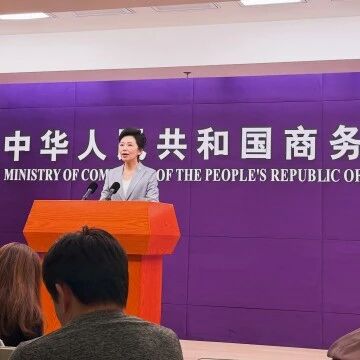
跨国巨头密集访华、外资加码中国市场,商务部回应
第一财经· 2026-03-26 13:55
Core Viewpoint - Recent visits by executives from multinational companies to China indicate a strong interest in investment opportunities, highlighting China's robust economic resilience and market potential [3][4]. Group 1: Multinational Companies' Investment in China - High-level executives from companies such as Apple, Eli Lilly, BASF, Volkswagen, Bosch, and others have visited China, expressing confidence in the country's economic prospects and business environment [3][4]. - The Chinese Ministry of Commerce reported that actual foreign investment in high-tech industries reached 63.21 billion RMB in the first two months of the year, a year-on-year increase of 20.4%, accounting for 39.2% of total foreign investment [3][4]. - BASF's largest single investment project in China, the BASF (Guangdong) integrated base, has officially commenced production, demonstrating the company's commitment to expanding its presence in the Chinese market [6]. Group 2: Economic Cooperation and Future Plans - U.S. companies view China as an irreplaceable strategic market and are eager to align with China's development plans for mutual benefits [5]. - BASF plans to leverage opportunities in sustainable and green development in China, while Bosch aims to increase R&D investments and production in the country [5][6]. - Eli Lilly has announced a plan to invest $3 billion in China over the next decade to expand production capabilities [6]. Group 3: Trade Growth and Market Dynamics - China's foreign trade showed robust growth, with total import and export value reaching 7.73 trillion RMB in the first two months, a year-on-year increase of 18.3% [8]. - Exports of mechanical and electrical products grew by 24.3%, while imports of the same category increased by 21.3%, reflecting the resilience and innovative capacity of China's foreign trade [8]. - The Ministry of Commerce emphasizes the importance of high-level opening-up and aims to enhance the import of quality goods and services, capitalizing on China's position as the second-largest economy and import market globally [9].

天龙集团20260325
2026-03-26 13:20
Company and Industry Summary Company: Tianlong Group Key Points 1. Financial Performance - The company forecasts a net profit growth of over 60% year-on-year in 2025, reaching over 60 million, with expectations to exceed 100 million in 2026 [2][11] - The overall business performance is strong, with both major segments maintaining stable profitability [3][11] 2. Business Segments - The company operates primarily in two segments: Internet Marketing (85% of revenue) and Chemical Business [3][11] - The Internet Marketing segment focuses on advertising on major media platforms, including ByteDance, Alibaba, and Tencent, with a significant portion of advertising spend directed towards large KA clients [3][4] 3. AI Integration - The company is leveraging AI technology to enhance cost efficiency and production capabilities in advertising, particularly in short video and live streaming formats [3][4] - It is positioned as a "shovel seller" for AI models, providing high-margin advertising services without traffic purchases, which is expected to be a core growth driver in 2026 [2][5] 4. Chemical Business Growth - The chemical segment is entering a second growth curve, having established supply chains with new consumer brands like McDonald's and Luckin Coffee, and has begun exporting from its factory in Indonesia [2][6][7] - The Dihydrolauryl Alcohol project is set to commence production in Q4 2025, with anticipated contributions to performance by Q3 2026 [2][7][8] 5. Client Structure and Market Trends - The client base is heavily focused on internet service companies, with major clients including ByteDance, Baidu, Tencent, and JD.com, which are more resilient compared to traditional sectors like real estate and automotive [2][3] - The company has identified a strong growth trajectory in the internet service sector, particularly among younger consumer demographics [6] 6. Competitive Landscape - The advertising agency market is competitive, but the company has established long-term relationships with major media platforms, enhancing its market position [5][6] - The company is cautious about expanding into new client segments due to the competitive nature of the advertising market [9] 7. Future Outlook - The company is exploring new business layouts and potential acquisitions, focusing on projects with net profits exceeding 80 million to 100 million [8][11] - The strategy emphasizes enhancing existing core business and maintaining a strong cash flow from the chemical segment while investing in the internet marketing sector [11] 8. Market Dynamics - The company anticipates that advertising demand from AI model companies will increase, particularly around key promotional periods [5][10] - The chemical segment is expected to benefit from expanding into new retail and consumer markets, with a focus on overseas expansion [6][7] Additional Insights - The company has shifted its advertising content production to ByteDance's internal tools, enhancing efficiency and effectiveness [10] - The Dihydrolauryl Alcohol project is under scrutiny due to market dynamics influenced by competitors' incidents, but the company maintains a competitive edge through domestic production advantages [7][8]

苹果、巴斯夫、大众汽车等跨国公司密集访华,原因为何?
Jin Rong Shi Bao· 2026-03-26 12:52
Group 1 - Multinational companies are demonstrating their long-term commitment and confidence in China, with many global leaders visiting and engaging in discussions with the Ministry of Commerce, recognizing China's economic resilience and market advantages [2] - BASF's integrated base project in Guangdong has officially commenced operations, marking a significant investment milestone, while other companies like Eli Lilly and Novo Nordisk are planning substantial investments in China [2] - The Ministry of Commerce plans to enhance foreign investment attraction through reforms, support policies, and improved services for multinational projects, aiming to facilitate more foreign investments [3] Group 2 - China's foreign trade has shown robust growth in the first two months of the year, particularly in machinery and electronics, indicating strong resilience and innovation in the sector [4] - The Ministry of Commerce emphasizes the importance of high-level opening up and aims to expand imports, leveraging China's position as the second-largest economy and import market to meet new market demands [4] - The Ministry is committed to enhancing the international consumption environment to attract more inbound tourism and services, with travel services being a significant sector in service trade [5] Group 3 - The travel services sector has seen a significant increase in exports, reaching 393.98 billion yuan, with a year-on-year growth of 49.5%, although the export scale remains smaller than imports [5] - New policies have been introduced to stimulate inbound consumption, focusing on various travel scenarios and improving service infrastructure to enhance the attractiveness of China as a travel destination [6] - The Ministry of Commerce aims to implement these policies effectively to optimize the inbound consumption environment and expand service exports [7]
巴斯夫87亿欧元湛江一体化基地全面投产:外资加码中国高端制造,绿色化工迈入 “标杆时代”
Jing Ji Guan Cha Bao· 2026-03-26 11:55
Group 1 - BASF's Zhanjiang integrated base, with a total investment of approximately €8.7 billion, is the largest project by the company in China and the third-largest integrated production base globally [1][2] - The project covers an area of about 4 square kilometers and employs over 2,000 staff, producing a diverse range of products including basic chemicals, intermediates, and specialty chemicals [2] - The project is expected to achieve full operation of core facilities by 2026, reflecting a timeline of nearly 8 years from the signing of the memorandum in 2018 to full production [2] Group 2 - The Zhanjiang base emphasizes a "highly integrated" and "green transition" model, featuring a 1 million-ton ethylene unit that utilizes 100% renewable energy for its operations [3] - The facility has already launched 18 sets of equipment and 32 production lines, covering over 70 types of products, with CO2 emissions reduced by up to 50% compared to traditional petrochemical bases [3] - This model aligns with China's recent policies promoting green low-carbon development and high-end manufacturing upgrades [3] Group 3 - BASF's investment in the Zhanjiang base signals a shift in foreign investment logic, indicating that China remains a "high certainty" market amid global uncertainties [4] - The majority of products produced at the Zhanjiang base will be supplied directly to the Chinese market, reflecting a strategy of "producing in China for China" [4] - The demand for high-end chemical materials is driven by sectors such as new energy vehicles, electronics, and consumer upgrades, supported by a robust manufacturing system and favorable policies [4] Group 4 - The establishment of the Zhanjiang base reflects three trends in foreign investment in China: larger investment scales and longer cycles, extension from manufacturing to the entire value chain, and the integration of green and digital technologies as core competencies [5] - The project serves as a model for future foreign participation in China's new industrialization, particularly in high-end chemicals and new materials [5] - The "green integration" model is expected to be replicated across more industries as policies become clearer and market demands continue to grow [5]