
粮食种植

Search documents
秋粮“三增”、全省前列!镇江2025年粮食生产交出满意答卷
Yang Zi Wan Bao Wang· 2026-01-20 09:16
Core Viewpoint - In 2025, Zhenjiang City aims to fully implement the municipal government's agricultural policies, achieving significant increases in autumn grain production, with a total area of 1.3115 million acres and a total yield of 722,900 tons, reflecting a positive growth trend in grain production [1] Group 1: Grain Production Achievements - The total grain sowing area for the year reached 2.0729 million acres, with a total yield of 981,700 tons, marking increases of 6,000 acres and 1,600 tons respectively, which are higher than the provincial averages [1] - The growth rates for sowing area and total yield were 0.29% and 0.16%, ranking fifth in the province [1] - The reduction in yield per unit area was the lowest in southern Jiangsu and ranked fourth in the province, indicating stable grain production [1] Group 2: Measures for Production Stability - The city has stabilized and optimized the planting area by maintaining summer grain sowing while exploring the potential of drought-resistant crops and reducing the area for certain crops, thereby laying a foundation for increased autumn grain production [2] - The establishment of six quality grain and oil zones aims to enhance yield per unit area by over 5%, benefiting 676 entities and covering a cumulative area of 233,000 acres [2] - High-yield demonstration fields have achieved wheat yields exceeding 654.1 kg per acre and rice yields surpassing 762 kg per acre [2] Group 3: Production Organization and Support - The municipal agricultural and rural bureau has established a comprehensive service and guidance mechanism for grain and oil production, issuing various operational guidelines throughout the year [3] - Measures such as "autumn supplementing summer" have been implemented, with precise guidance for farmers on fertilizer and pest management [3] - Future plans include strengthening key production areas and yield enhancement, improving modern seed technology and agricultural equipment, and ensuring disaster prevention and technical support for the upcoming harvest [3]
滨州粮食总产稳定在75亿斤以上 产城融合实现区域协调大发展
Qi Lu Wan Bao· 2026-01-20 09:00
Group 1 - The core viewpoint of the news is the significant progress and development in Binzhou during the "14th Five-Year Plan" period, with a focus on urban-rural integration and economic growth [1][2] Group 2 - A total of 450 urban integration projects have been implemented, with 181 new urban and pocket parks established, enhancing the urban landscape [1] - Key infrastructure projects such as the全民健康文化中心 (National Health Culture Center) and the 滨州黄河大桥 (Binzhou Yellow River Bridge) have been completed, contributing to regional development [1] - The city has improved 10 urban villages, renovated 832 old residential areas, and built 24,000 units in shantytowns, indicating a strong commitment to urban renewal [1] Group 3 - Agricultural production remains stable at over 7.5 billion jin, with significant advancements in the utilization of saline-alkali land and the establishment of national agricultural industry parks [1] - The "Four Good Rural Roads" initiative has seen 3,616 kilometers of new and renovated roads, achieving full coverage of village-level transportation [1] Group 4 - The county economy is accelerating, with three counties listed among the top 100 comprehensive strength counties in the country, and the establishment of two new provincial high-tech zones [1] - The urbanization rate in the city is expected to increase by 4.5 percentage points [1] Group 5 - The coastal areas are becoming stronger economic engines, with industrial revenue, public budget income, and local tax revenue increasing significantly since 2020 [2] - The average annual growth rate of marine production value is 7.9%, indicating robust economic vitality [2]
顶压前行、向新向优!透过7组重磅数据读懂2025年国民经济亮眼“成绩单”
Yang Shi Wang· 2026-01-20 01:44
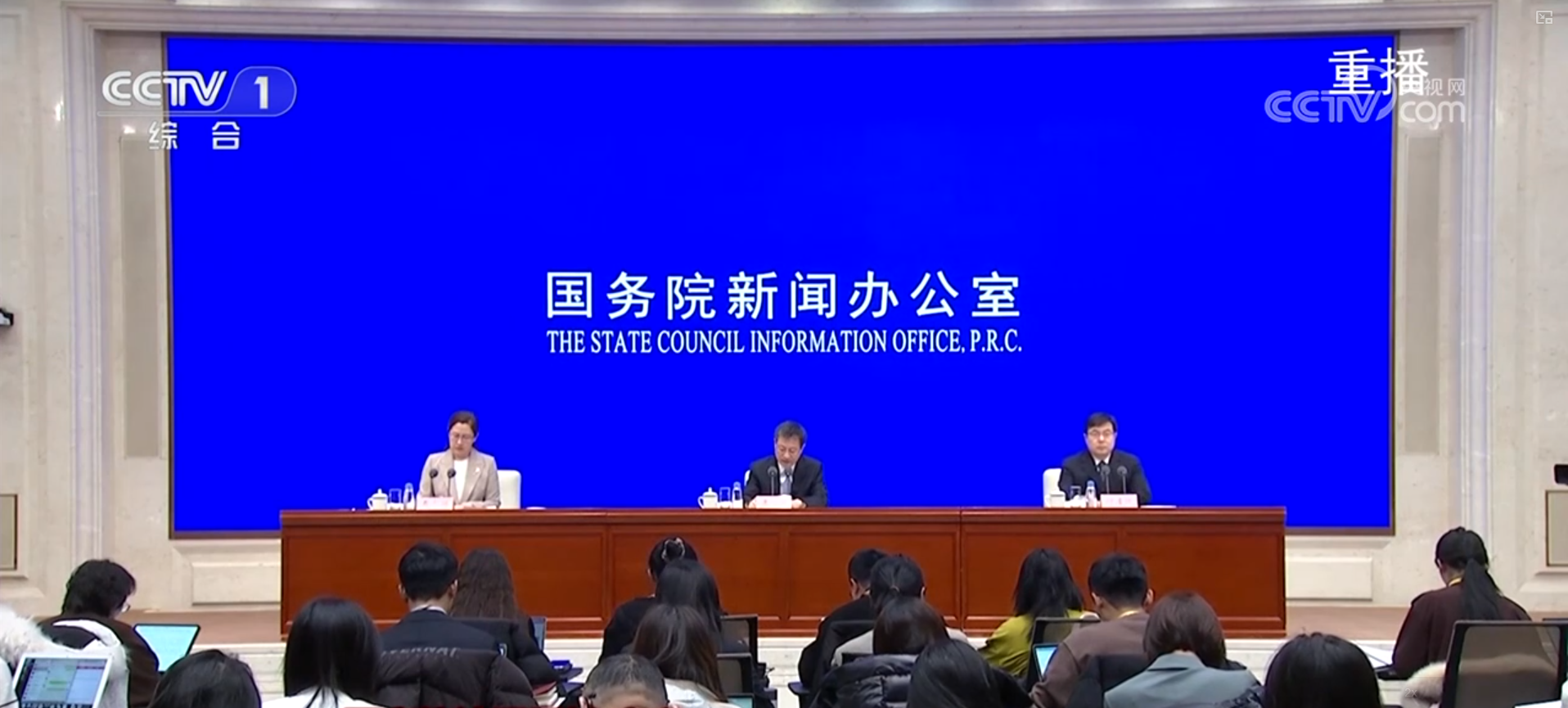
央视网消息:国务院新闻办公室1月19日举行新闻发布会,国家统计局发布2025年全年经济数据。2025年全年,国内生产总值突破140万亿元,国民经济 运行顶压前行、向新向优,高质量发展取得新成效。 我国GDP同比增5%预期目标完成 粮食产量连续两年站稳在1.4万亿斤以上 粮食增产丰收,畜牧业稳定增长。2025年,粮食产量达到1.43万亿斤,连续两年站稳在1.4万亿斤以上。 我国制造业规模继续保持全球第一 工业生产较快增长。2025年全国规模以上工业增加值比上年增长5.9%,制造业增加值比上年增长6.1%,占GDP的比重稳定在25%左右,制造业规模继 续保持全球第一。 服务业增加值比上年增长5.4% 服务业平稳增长。2025年全年服务业增加值比上年增长5.4%。占国内生产总值的比重提高到57.7%。 初步核算,全年国内生产总值1401879亿元,按不变价格计算,比上年增长5.0%;人均国内生产总值达到13953美元,已经连续3年超过1.3万美元。"这 一年,我国发展历程很不平凡,取得的成绩令人鼓舞,经济顶压前行、向新向优发展,主要预期目标圆满实现。"国家统计局局长康义称。 国家统计局局长 康义:下阶段,坚持稳中求 ...

政策滴灌产业兴旺
Xin Lang Cai Jing· 2026-01-19 22:17
Group 1 - The core idea of the articles reflects the transformation of agriculture in Wanrong County over the past five years, emphasizing the shift from scattered small-scale farming to a more organized and technology-driven agricultural industry [1][2] - The agricultural development has focused on five major sectors: grain, fruit, mushrooms, traditional Chinese medicine, and livestock, achieving significant improvements in productivity and efficiency [1][2] - The implementation of high-standard farmland has led to a stable annual grain production target of 400 million jin, with a focus on increasing yield and profitability rather than merely maintaining acreage [1] Group 2 - The county has adopted a circular agriculture model, turning agricultural waste into valuable resources, such as using apple branches to produce mushroom cultivation sticks, resulting in a scale of 40 million sticks and the establishment of 15 standardized production centers [2] - The establishment of a standardized base for traditional Chinese medicine has expanded from scattered cultivation to a 100,000-acre standardized base, enhancing local processing and increasing farmers' income [2] - The livestock sector has seen rapid growth with the establishment of standardized breeding bases, successfully entering the Hong Kong and Macau markets, thereby extending the industrial chain and increasing added value [2] Group 3 - Looking ahead, the company aims to modernize agriculture by leveraging digital technologies such as IoT, big data, and e-commerce, transitioning from traditional farming to smart farming [2] - The agricultural industry is expected to expand beyond single-function farming to include processing, circulation, tourism, culture, and health, creating new business models and growth drivers [2] - The commitment to rural revitalization is emphasized, with confidence in a brighter future for Wanrong agriculture supported by strong agricultural policies [2]
视频丨2025年全年全国粮食总产量71488万吨 比上年增加838万吨
Yang Shi Xin Wen Ke Hu Duan· 2026-01-19 05:57
Core Insights - The National Bureau of Statistics reported a total grain production of 714.88 million tons in 2025, an increase of 8.38 million tons or 1.2% compared to the previous year [2] Grain Production - Summer grain production reached 149.75 million tons, a slight decrease of 0.1% - Early rice production was 28.51 million tons, up by 1.2% - Autumn grain production totaled 536.62 million tons, an increase of 1.5% - By crop type, wheat production was 140.07 million tons, remaining stable; corn production was 301.24 million tons, up by 2.1%; rice production was 209.04 million tons, increasing by 0.7%; soybean production was 20.91 million tons, up by 1.3% [2] Livestock Production - Total meat production from pigs, cattle, sheep, and poultry reached 100.72 million tons, a growth of 4.2%, surpassing 100 million tons for the first time - Pork production was 59.38 million tons, increasing by 4.1%; beef production was 8.01 million tons, up by 2.8%; sheep meat production was 4.96 million tons, down by 4.2%; poultry meat production was 28.37 million tons, increasing by 6.7% [2] Dairy and Egg Production - Milk production reached 40.91 million tons, a growth of 0.3% - Egg production was 34.98 million tons, showing a decline of 2.5% [2] Swine Statistics - The total number of pigs slaughtered was 719.73 million, an increase of 2.4% - The year-end pig stock was 429.67 million, up by 0.5% [2]
2025年全国粮食总产量71488万吨 同比增长1.2%
Bei Jing Shang Bao· 2026-01-19 02:43
北京商报讯(记者 程靓)1月19日,国家统计局发布数据显示,2025年全国粮食总产量71488万吨,同 比增加838万吨,增长1.2%。其中,夏粮产量14975万吨,下降0.1%;早稻产量2851万吨,增长1.2%; 秋粮产量53662万吨,增长1.5%。分品种看,小麦产量14007万吨,基本持平;玉米产量30124万吨,增 长2.1%;稻谷产量20904万吨,增长0.7%;大豆产量2091万吨,增长1.3%。全年猪牛羊禽肉产量10072 万吨,同比增长4.2%,首次超过1亿吨。其中,猪肉产量5938万吨,增长4.1%;牛肉产量801万吨,增 长2.8%;羊肉产量496万吨,下降4.2%;禽肉产量2837万吨,增长6.7%。牛奶产量4091万吨,增长 0.3%;禽蛋产量3498万吨,下降2.5%。全年生猪出栏71973万头,增长2.4%;年末生猪存栏42967万 头,增长0.5%。 ...
2026年塔吉克斯坦粮食种植面积预计超27.4万公顷
Shang Wu Bu Wang Zhan· 2026-01-17 02:29
Core Viewpoint - The agricultural sector in Tajikistan is projected to expand significantly, with an expected increase in grain cultivation area to over 274,000 hectares by 2026, focusing on key crops such as wheat, barley, and corn [1] Group 1 - The expected grain cultivation area in Tajikistan for 2026 is over 274,000 hectares [1] - The main grain crops identified for cultivation are wheat, barley, and corn [1]
总台记者观察丨米价居高不下 日本民众生活成本承压
Xin Lang Cai Jing· 2026-01-17 01:16
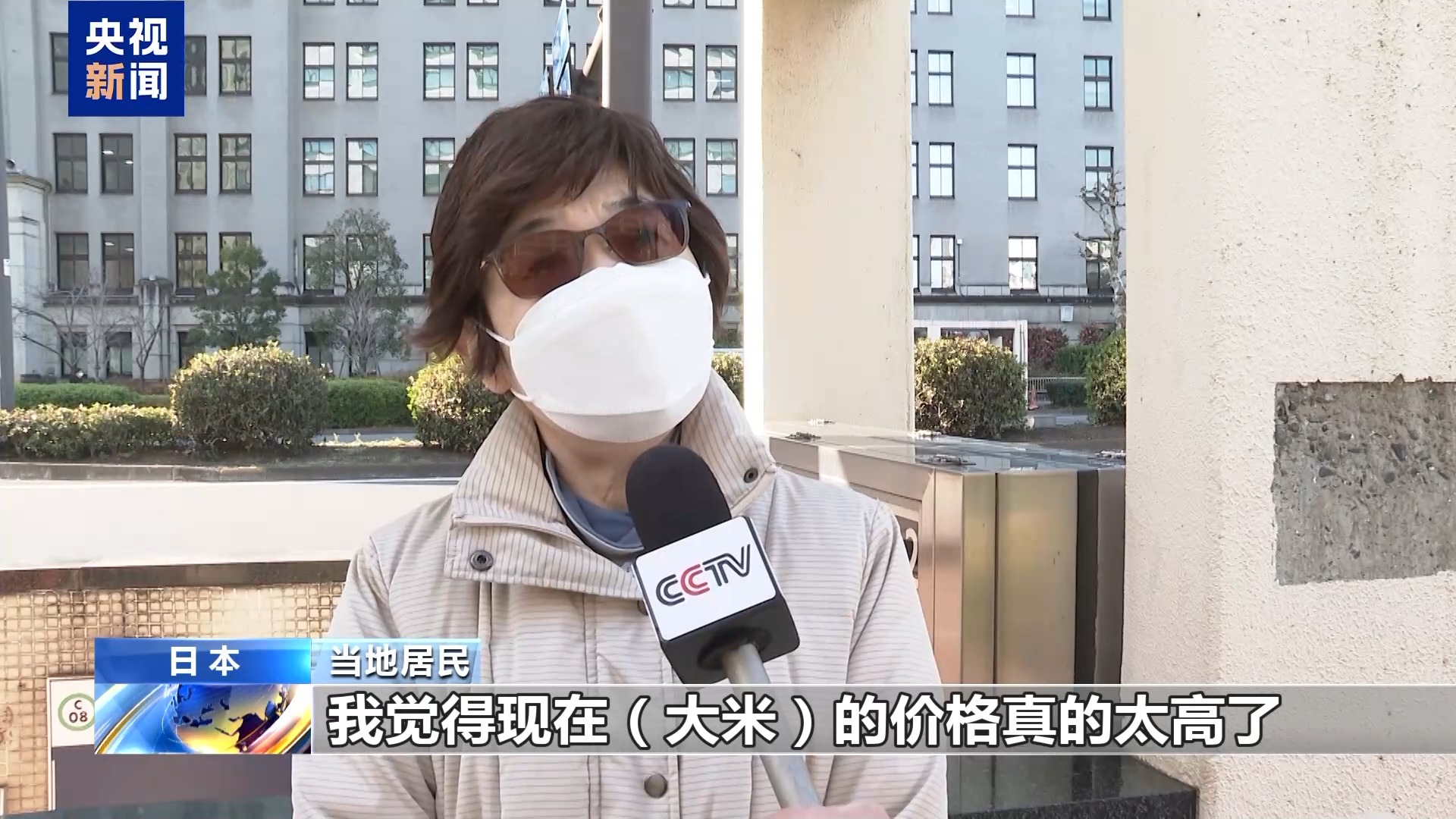
Core Insights - The average price of rice in Japanese supermarkets has reached 4,267 yen per 5 kilograms (approximately 188 RMB), indicating a high price level that burdens consumers and raises concerns about Japan's food policy [1] - Many residents express dissatisfaction with the government's rice policy, feeling that it lacks a systematic approach and is reactive rather than proactive [1][2] Group 1: Price Trends - The price of rice has increased by 40% to 50% compared to 2024, leading to a noticeable decline in customer traffic at traditional rice stores [5] - Customers are increasingly vocal about the high prices, with many stating that rice prices for 2025 are perceived as "too expensive" compared to previous years [7] Group 2: Government Policy - The Japanese government briefly shifted to a rice production increase policy in 2025 but reverted to a production reduction policy after only four months, causing uncertainty among producers [7][8] - The inconsistency in government policies is seen as exacerbating the long-term issues of rice production and pricing, with expectations that prices will remain high despite temporary measures [8]
张掖:沃野织锦绣 征程再扬鞭
Xin Lang Cai Jing· 2026-01-16 04:41
Core Insights - The city is focusing on modernizing agriculture through technology, intelligence, and branding, aiming to establish itself as a national leader in modern seed industry development [1][2][3] Group 1: Technological Advancements - The city is enhancing its seed production capabilities, with continuous improvements in the "five modernizations" of corn seed production bases and expanding the coverage of integrated water and fertilizer management [1][2] - Collaboration with research institutions is deepening, strengthening agricultural technology support [1][2] Group 2: Smart Agriculture - The construction of smart agriculture is accelerating, with new smart seed industry bases and high-standard demonstration points for integrated water and fertilizer management being established [1][3] - The transition towards precision and digital management in agricultural production is being promoted [1][3] Group 3: Branding and Market Expansion - The cultivation of the "Guanwei" agricultural product brand is being strengthened, with "Zhangye corn seed" recognized as a regional public brand [1][2] - The influence of "Jin Zhangye Agricultural Quality Products" is expanding through promotional activities in major cities, successfully entering the national supply product list [1][2] Group 4: Rural Development and Poverty Alleviation - A dynamic monitoring and assistance mechanism for poverty alleviation is effectively operating, with early detection and intervention for new monitoring subjects [2][3] - The establishment of a low-income population monitoring platform and the promotion of special industries and employment opportunities are contributing to stable income growth for the impoverished [2][3] Group 5: Food Security and Agricultural Strategy - The city is implementing a comprehensive food security strategy, exceeding provincial targets for grain sowing area and maintaining stable total output [2][3] - High-standard farmland construction is progressing, with significant achievements in agricultural mechanization and saline-alkali land governance [2][3] Group 6: Future Plans and Goals - The city aims to build a modern agricultural industry system and expand the "six spaces" for modern agricultural development, focusing on integrating various agricultural sectors [4][6] - The commitment to enhancing rural living conditions and ensuring sustainable development is emphasized, with plans for comprehensive rural revitalization [7][8]
120.5万吨!丹东粮食产量再创历史新高
Xin Lang Cai Jing· 2026-01-14 01:02
Core Insights - The total grain production in Dandong reached a historical high of 1.205 million tons in 2025, an increase of 0.2 thousand tons or 0.7% compared to the previous year [1] - The area planted decreased slightly to 2.697 million acres, down by 3,678.9 acres year-on-year, yet the city managed to maintain grain production through various agricultural policies and initiatives [1] Group 1 - The average yield per acre increased to 893.8 jin, up by 7.8 jin from 2024 and 6.7 jin from 2023, with Donggang City achieving a yield of 1,006.3 jin per acre, exceeding the provincial average by 46.8 jin [2] - The continuous improvement in yield is attributed to strong technological support, including the implementation of the "Strong Core Action" in seed industry and promotion of scientific planting techniques [2] - Soybean planting area and production both increased, with a planting area of 9.4 thousand hectares and a production of 22,000 tons, marking a 0.5% increase from 2024 and a 13.0% increase from 2023 [2] Group 2 - The city has enhanced its disaster prevention and mitigation capabilities in response to climate change and pest risks, expanding agricultural meteorological warning services and focusing on pest control [2]
