网络文学

Search documents
让“国潮”涌动“世界潮”(人民时评)
Ren Min Ri Bao· 2025-11-19 22:20
Core Insights - The cultural export from China has seen significant growth, with over 50 billion yuan in exports of festive goods, dolls, and animal-shaped toys in the first three quarters of the year, reaching over 200 countries and regions globally [1] - The rise of "interest consumption" is driving the popularity of niche products in the mass market, supported by China's manufacturing capabilities and cultural innovation [2] - Effective communication and understanding of local cultures are crucial for the sustainable success of cultural products abroad, as evidenced by successful adaptations in animation and dance [3] - The cultural industry needs a robust market system and innovative products to enhance its global influence, with companies like Yuewen Group reporting an 80% increase in overseas publishing contracts and over 200% growth in authorization amounts [4] Group 1 - Cultural products are gaining traction globally, with significant export figures indicating a growing influence on modern global consumer culture [1] - The concept of "interest consumption" is emerging, allowing niche products to penetrate mainstream markets, bolstered by China's advanced manufacturing capabilities [2] - Cultural innovation is key, with products like the "Dunhuang Feitian" theme integrating Eastern aesthetics with global youth culture [2] Group 2 - Communication barriers and cultural differences can hinder the acceptance of cultural products abroad, necessitating relatable storytelling and local integration [3] - Successful examples include the animated film "Nezha" and the original dance drama "Yongchun," which blend local cultural elements with universal themes [3] - A localized approach, such as tailored content for specific markets, enhances the appeal of Chinese cultural products abroad [3] Group 3 - A well-structured cultural industry and market system are essential for fostering innovation and expanding the reach of Chinese culture [4] - Companies are increasingly focusing on creating high-quality cultural products and expanding into international markets, as seen with the growth of cultural enterprises in designated trade bases [4] - The overall trend indicates a strong momentum for cultural exports, with expectations for Chinese culture to flourish globally [4]
GenAI难破优质内容创作的“不可能三角”|破晓访谈
腾讯研究院· 2025-11-19 08:33
Core Viewpoint - Generative AI (GenAI) is igniting a profound paradigm shift in content production, breaking down barriers to high-quality dynamic content generation and pushing complex creative work into the realm of machines. This technological advancement brings both strategic anxiety and opportunity to the cultural industry, prompting a comprehensive rethinking of existing value chains, business models, and content ecosystems [2]. Group 1: Application of GenAI - In fields like online literature and music, GenAI is widely applied throughout the entire production process, with platforms embedding easily accessible AI generation tools, leading to generalized and socialized creative capabilities. The industry widely believes that content creation should adhere to "human-machine collaboration" while enhancing production efficiency through "engineering" [7]. - GenAI's fundamental difference from previous technologies lies in its potential to replace certain human capabilities, evolving into a "new species" that competes directly with humans. AI-generated content will "eliminate mediocrity," forcing human creators to strive for higher quality, shifting the industry from "quantity competition" to "quality competition" [7]. - The emergence of "super individuals" or "micro-teams" will become the new norm, with "human-machine collaboration" as the core competitive advantage. Future content producers must be adept at harnessing AI, acting as "directors" or "architects" in the creative process [7]. Group 2: Impact on Cultural Industry - GenAI will disrupt the existing interests within the cultural industry, with copyright confirmation and revenue distribution becoming core challenges and significant opportunities for reshaping the industry. The potential for "super individuals" to bypass intermediaries and connect directly with consumers may lead to new business models [8]. - Consumer acceptance of AI-generated content hinges on content quality. GenAI is driving a shift in consumer motivation from superficial "emotional stimulation" to deeper "emotional and value recognition," creating a new blue ocean of content composed of numerous small yet exquisite IPs [8]. - The traditional "talent growth path" in the content industry may face disruption due to GenAI, which excels in "diversity" but poses challenges in "controllability." There is a need to be cautious about AI eroding the significance of creation and the soil for talent growth [9]. Group 3: Insights from Industry Experts - Industry experts emphasize that while GenAI is making strides in various cultural content forms, the actual implementation of "cost reduction and efficiency enhancement" in content production remains to be fully realized. The current capabilities of GenAI are still limited, and human creators will continue to play a crucial role in high-quality outputs [10]. - The music industry is witnessing a significant shift, with many companies adopting AI for music creation and production processes. However, while AI can generate music, it still relies heavily on user input and creativity to achieve desired results [11]. - The concept of "content engineering" is gaining traction, where the creative process is standardized and can be automated to a degree, allowing for rapid production of content while still requiring human creativity for high-quality outcomes [12]. Group 4: Future of Content Production - The future landscape of content production may see a shift towards direct engagement between creators and platforms, with the potential for individual creators to establish their own brands and sell their works directly to consumers [24]. - The emergence of new roles in the music industry, such as those who can effectively collaborate with AI tools, will be crucial. The industry may see a rise in "bedroom musicians" who can independently create and monetize their music using AI [20]. - The acceptance of AI-generated content by consumers will depend on the perceived quality of the output. As AI-generated works improve, consumers may become indifferent to whether content is created by humans or machines, leading to a potential oversaturation of average-quality content [27][28]. Group 5: Concerns and Challenges - There are concerns that the rise of AI in content creation may lead to a lack of growth opportunities for emerging creators, as reliance on AI could hinder the traditional learning and development processes necessary for becoming skilled authors [31]. - The music industry may face significant challenges as AI-generated music becomes more prevalent, potentially displacing many current musicians and altering the landscape of music creation [32]. - The relationship between human creativity and machine-generated content presents a "impossible triangle" scenario, where achieving low labor costs, low machine costs, and high-quality output simultaneously may not be feasible [33].


AI没有杀死起点番茄,但正在重新定义它们
3 6 Ke· 2025-11-19 07:52
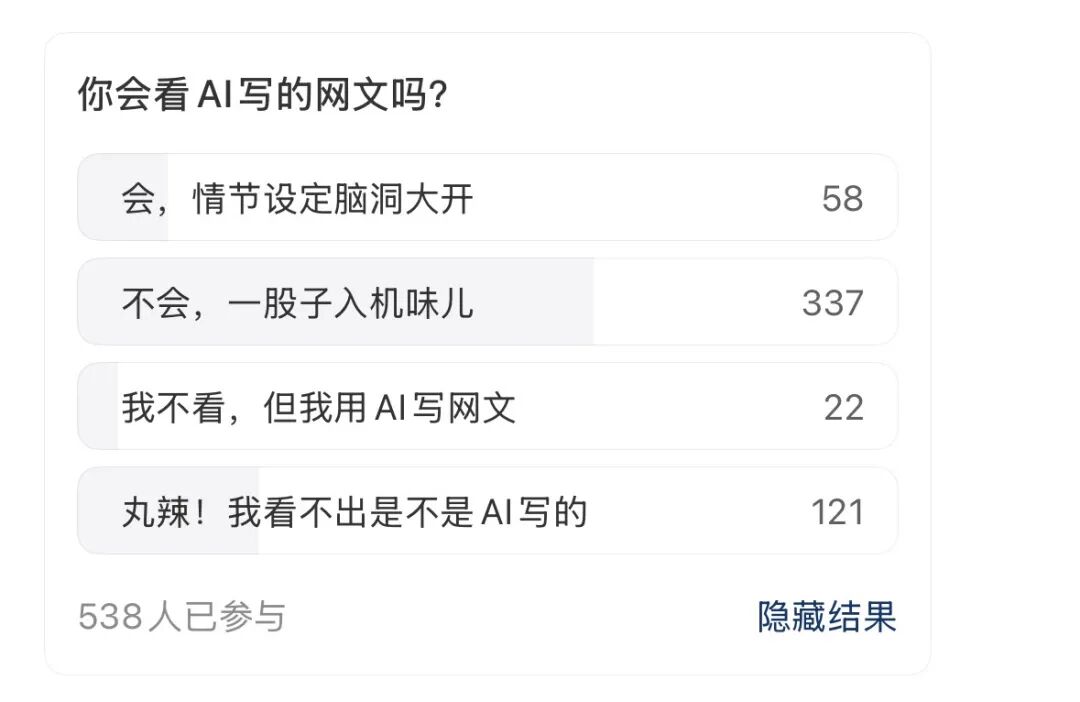
Core Insights - The impact of AI on the online literature industry is significant, with a dramatic increase in the number of new works being published, rising from around 400 to 5,606 in one year, a 1,302% increase [1] - While AI-generated content is flooding platforms, established authors are adapting and leveraging AI tools for efficiency, while new authors face challenges due to stricter platform regulations against AI submissions [8][10] - The audience's perception of AI-generated content is mixed, with many readers expressing a preference for human-written stories due to emotional depth and connection [21][24] Group 1: AI's Impact on Online Literature - The number of new online literature works has surged, with over 3,000 male-oriented novels debuting in March this year [1] - Established authors like "Xiao Li" argue that AI cannot replace the nuanced understanding of reader preferences and emotional storytelling that human authors provide [4][5] - Data from the reading platform indicates that by 2025, 75% of authors will regularly use AI tools, with a 40% increase in interaction frequency with AI [7] Group 2: Challenges for New Authors - New authors are struggling as platforms implement stricter measures against AI-generated content, leading to potential penalties for using AI tools [8][10] - The AI detection systems are inconsistent, causing issues for authors who may be unfairly penalized despite their efforts to enhance their work with AI [10] - New authors lack the established reader base and creative maturity, making them vulnerable to the dual pressures of AI and anti-AI regulations [10] Group 3: Voice Acting Industry Dynamics - The voice acting industry is experiencing growth due to AI, with the market for audiobooks expanding significantly, driven by lower production costs [13][14] - Voice actors are finding new opportunities in AI-generated content, with some transitioning to roles as directors or expanding their services [12][15] - The distinction between reading and acting remains crucial, as experienced voice actors emphasize the importance of emotional delivery that AI cannot replicate [18] Group 4: Reader Perspectives - A survey indicated that a significant portion of readers (over 62%) would not read AI-generated novels, citing a lack of emotional connection [19][21] - Some readers expressed difficulty in distinguishing between AI and human-written content, highlighting the importance of engaging storytelling over the method of creation [23][24] - Overall, readers prioritize quality and emotional resonance in literature, regardless of whether it is produced by AI or humans [24]
网络文学,讲出更新更好的中国故事(文化市场新观察)
Ren Min Ri Bao· 2025-11-12 22:19
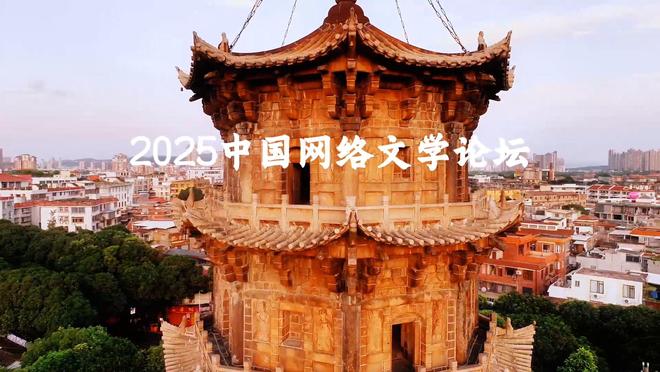
Core Insights - The rise of online literature adaptations, such as short dramas, has significantly increased the daily readership of original works by over 300% [1] - The 2025 China Online Literature Forum highlighted the mainstreaming, quality enhancement, and internationalization of online literature, emphasizing its growing influence on the cultural industry [1][2] - By the end of 2024, the user base for Chinese online literature is projected to reach 575 million, accounting for 51.9% of internet users, indicating its widespread appeal [1] Group 1: Industry Trends - The creative ecosystem is continuously improving, with a consensus on the need for quality content, supported by local writers' associations and government initiatives [2] - New creative support systems are being established, such as the "Golden Conch" plan in Fujian and the "China Online Literature Town" in Hunan, which aim to nurture writers throughout their careers [2] - The integration of AI technology is pushing for more comprehensive and innovative storytelling methods in online literature [2] Group 2: Economic Impact - Online literature is increasingly recognized as a key driver of the cultural industry, acting as a vital engine for growth alongside film, animation, and gaming sectors [2][3] - The adaptation of online literature into short dramas is emerging as a new trend, expanding user reach and creating a multiplier effect in industry integration [2] - The short drama "Home and Away" has garnered over 1 billion views, significantly boosting the collection of similar online literary works to over 500,000 [2] Group 3: International Expansion - Online literature is becoming a significant part of global pop culture, with innovative overseas expansion models being developed [3][4] - The number of original works produced overseas has reached 100 times that of translated works, indicating a strong focus on cultivating local authors [3] - The use of micro-dramas and other new formats is enhancing the international dissemination of Chinese online literature, shaping global reading habits [4]
推进主流化、精品化、产业化、国际化 网络文学 讲出更新更好的中国故事(文化市场新观察)
Ren Min Ri Bao· 2025-11-12 22:14
Core Insights - The rise of online literature adaptations, such as short dramas, has significantly increased the daily readership of original works by over 300% [1] - The 2025 China Online Literature Forum highlighted the mainstreaming, quality enhancement, and internationalization of online literature, emphasizing its growing influence on the cultural industry [1][2] - By the end of 2024, the user base for Chinese online literature is projected to reach 575 million, accounting for 51.9% of internet users, indicating its widespread appeal [1] Group 1: Industry Trends - The creative ecosystem is continuously improving, with a consensus on the need for quality content, supported by local writers' associations and government initiatives [2] - New creative support systems are being established, such as the "Golden Conch" plan in Fujian and the "China Online Literature Town" in Hunan, which aim to nurture writers throughout their careers [2] - The integration of AI technology in online literature creation is seen as essential for meeting reader demands and enhancing narrative methods [2] Group 2: Economic Impact - Online literature is increasingly recognized as a key driver of the cultural industry, acting as a crucial engine for growth alongside film, animation, and gaming sectors [2][3] - The adaptation of online literature into short dramas is emerging as a new trend, expanding user reach and creating a multiplier effect in industry integration [2] - The short drama "Home and Away," which focuses on urban life during the early reform period, has surpassed 1 billion views, leading to over 500,000 collections of similar online literature [2] Group 3: International Expansion - Online literature is becoming a significant part of global pop culture, with innovative overseas expansion models being developed [3][4] - The internationalization efforts include replicating successful domestic models abroad and fostering local original authors, with overseas original works outnumbering translated ones by 100 times by the end of 2024 [3] - The use of micro-short dramas and other new formats is enhancing the international dissemination of Chinese online literature, shaping global reading habits [4]
2025中国网络文学论坛在福建泉州开幕
Xin Hua She· 2025-11-11 12:28
记者:许杨 11月10日,以"大时代、大视野、大文学——文明新形态中的网络文学"为主题的2025中国网络文学论坛 在福建泉州开幕。来自全国各地的知名网络作家,重点网络文学平台、文化企业代表,网络文学研究专 家等参加开幕式。 新华社音视频部制作 本次论坛聚焦"创作""出海"与"出版"三大核心议题,将举办网络文学国际传播培训班,网络文学分论 坛,知名网络作家进校园、书店,采访创作等活动,旨在深入探讨网络文学的创作生态与传播趋势,全 面呈现新时代中国网络文学的蓬勃活力与广泛影响,推进网络文学创作、产业、评论、传播四位一体协 同发展。 ...
2025中国网络文学论坛聚焦网文“出海”与精品化发展
Xin Hua She· 2025-11-10 13:10
Core Viewpoint - The 2025 China Online Literature Forum, themed "Great Era, Great Vision, Great Literature - Online Literature in the New Form of Civilization," commenced on November 10 in Quanzhou, Fujian, focusing on the creative ecology and dissemination trends of online literature in China [1] Group 1: Forum Themes - The forum addresses three main topics: "Creation," "Going Global," and "Publishing," exploring the extensive influence of online literature in the new era [1] - Experts at the forum believe that online literature is continuously expanding the boundaries of Chinese literature and serves as a significant vehicle for promoting Chinese culture internationally [1] Group 2: Challenges and Development - In light of challenges posed by technological changes such as artificial intelligence, online literature must balance classicism and innovative development while maintaining originality and deepening cultural connotations [1] - A representative from the China Writers Association emphasized the need for online writers to depict contemporary Chinese themes, broaden literary perspectives, and create new narratives and aesthetic styles [1] Group 3: Initiatives and Activities - The forum launched the first Maritime Silk Road Online Literature Week and announced the "Golden Conch" online literature creation support plan, aimed at stimulating innovation in online literature and promoting its development alongside related industries [1] - A series of activities, including international dissemination training, campus visits by writers, and creative exchanges, will be held to foster collaborative development in online literature creation, industry, criticism, and dissemination, contributing to the construction of a culturally strong nation [1]
2025中国网络文学论坛即将开幕
Xin Hua She· 2025-11-09 07:48
0:00 记者:阮 帅 新华社音视频部制作 11月10日至11日,2025中国网络文学论坛即将在泉州举行。"大时代·大视野·大文学",众多网络文学作 家专家及行业代表齐聚古城泉州,共同探寻新时代网络文学高质量发展之路。 ...
阅文再度入选福布斯全球化榜单
Xin Lang Ke Ji· 2025-11-05 11:48
Core Insights - Forbes China recently released the "Top 30 Globalization Flagship Brands" list for 2025, with Reading Group being selected for the second consecutive year [1] - Reading Group is recognized as a leader in cultural globalization, advancing from merely translating content to co-creating globally [1] - The CEO of Reading Group emphasized that the core of their globalization strategy is co-creation, integrating global resources to enhance cultural exchange [1] Company Overview - Reading Group has been acknowledged for its role in leading the export of Chinese culture through innovative models [1] - The company aims to transform the narrative of Chinese stories into a global language, promoting a vibrant exchange of civilizations [1] - The strategy involves moving from "going out" to "going in," fostering a dynamic and innovative approach to cultural exchange [1]
国内首个IP综合体验空间“阅文书园”正式启幕
Nan Fang Du Shi Bao· 2025-11-03 09:04
Core Insights - The "Yuewen Book Garden," a collaborative project by Yuewen Group, Shenzhen Publishing Group, and Shenzhen Broadcasting Group, has officially opened in the Bao'an Central District of Shenzhen, marking the first immersive social experience space in China centered around intellectual property (IP) [1][4]. Group 1: Company Overview - Yuewen Group is a pioneer in the online literature industry and a significant source of IP in the entertainment sector, encompassing well-known brands such as QQ Reading, Qidian Reading, New Classics Media, and Tencent Animation [4]. - The company boasts a robust creator ecosystem and a diverse portfolio of works, covering over 200 content categories and reaching hundreds of millions of users [4]. Group 2: IP Ecosystem - Yuewen Group has successfully produced numerous popular web literature IPs, including "Qing Yu Nian," "Zhui Xu," "Gui Chui Deng," "Quan Zhi Gao Shou," "Dou Luo Da Lu," and "Lang Ya Bang," establishing a comprehensive IP ecosystem that spans literature, animation, film, gaming, and consumer products [4]. Group 3: "Yuewen Book Garden" Features - The "Yuewen Book Garden" aims to provide a diverse and interactive IP experience, featuring offline activities such as author signing events, themed comic exhibitions, and fan meet-ups, creating a cultural social space for young people [4]. - During its opening period, the "Yuewen Book Garden" will host the "Yuewen 10th Anniversary - Classic IP Exhibition" and collaborate with China Resources Modern Services to launch a series of themed pop-up events called "Run Dimension Carnival Season" [4].