外卖

Search documents
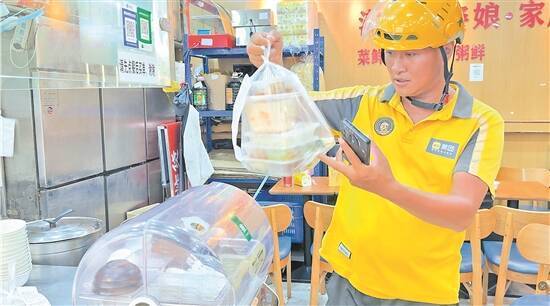
订单破纪录,商家为何难赚钱?
Sou Hu Cai Jing· 2025-09-06 17:55
Core Viewpoint - The ongoing "subsidy war" led by food delivery platforms has resulted in increased order volumes but has significantly compressed the profits of restaurants, creating a challenging environment for merchants [2][3][4]. Group 1: Impact on Restaurants - Many restaurants, initially focused on dine-in services, have been forced to enter the delivery market due to competitive pressure, leading to financial strain [3][4]. - A restaurant owner reported that after deducting various fees from a delivery order, the actual revenue was only 23.93 yuan from a 40.88 yuan order, resulting in a loss when considering fixed costs [3]. - Another restaurant owner experienced a drop in net income from over 20,000 yuan to 10,000 yuan despite a significant increase in order volume, highlighting the adverse effects of the subsidy war on profitability [5]. Group 2: Consumer Behavior Changes - The disparity in pricing between dine-in and delivery options has led to a decline in dine-in customers, with some opting to order delivery while at the restaurant [5]. - The competitive pricing strategies employed by delivery platforms have made it difficult for traditional restaurants to maintain their customer base [5]. Group 3: Winners and Losers - While many traditional restaurants face losses, some businesses, like tea shops, have managed to thrive due to lower operational costs and effective pricing strategies [6]. - A tea shop reported profitability even with lower delivery prices, indicating that not all segments of the food service industry are equally affected by the subsidy war [6]. Group 4: Regulatory Response - The intense competition has led to significant profit declines for platforms, with Meituan reporting a 98% drop in operating profit due to irrational competition [7]. - Regulatory authorities have intervened to mitigate the situation, urging platforms to adhere to e-commerce laws and promote rational competition [7][9]. - Experts suggest that long-term solutions are needed to prevent harmful competition and protect the interests of merchants and consumers alike [9].



和刘强东“把酒言欢”,京东旅行要发力了?
Guo Ji Jin Rong Bao· 2025-09-05 14:51
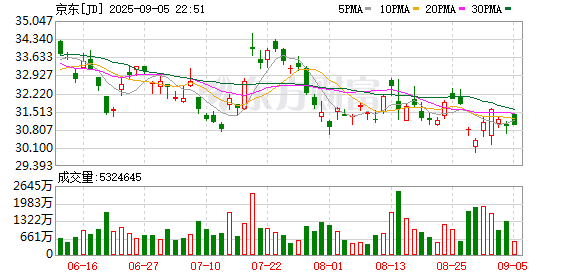
Core Insights - JD.com is launching a "JD Wine Tasting" event on September 16, 2023, with founder Liu Qiangdong attending, aiming to connect with consumers and promote its travel and liquor businesses [2][3] - The event offers 60 lucky participants a chance to engage with Liu Qiangdong and enjoy a premium wine tasting experience [2] JD Liquor Business - JD.com established its liquor business segment in 2014 and became the first e-commerce partner of Kweichow Moutai [6] - The online liquor market in 2023 exceeded 120 billion yuan, with JD.com leading in sales at 34.08 billion yuan, reflecting a 50% year-on-year growth [6] - JD's liquor sales saw a 24% increase in the first half of 2025, with self-operated liquor sales rising by 41% [6] JD Travel Business - JD Travel is an older segment that is now being revitalized, with recent initiatives to attract hotel operators and integrate with the food delivery business [8] - The company is offering a "Hotel PLUS Membership Plan" with up to three years of zero commission for participating hotels [8] - JD Travel is positioned alongside its food delivery service on the app, promoting cross-business benefits [8] Competitive Landscape - JD.com faces competition from major players like ByteDance and Alibaba in the travel and liquor sectors, which have made significant investments and adjustments in their strategies [9] - The company is also competing with instant retail services from Meituan and others, which are reshaping the liquor market [7][9] - The industry remains cautious about JD's ability to significantly alter the travel and liquor market dynamics [9]
外卖大战打不动了?
Qi Lu Wan Bao· 2025-09-05 11:11
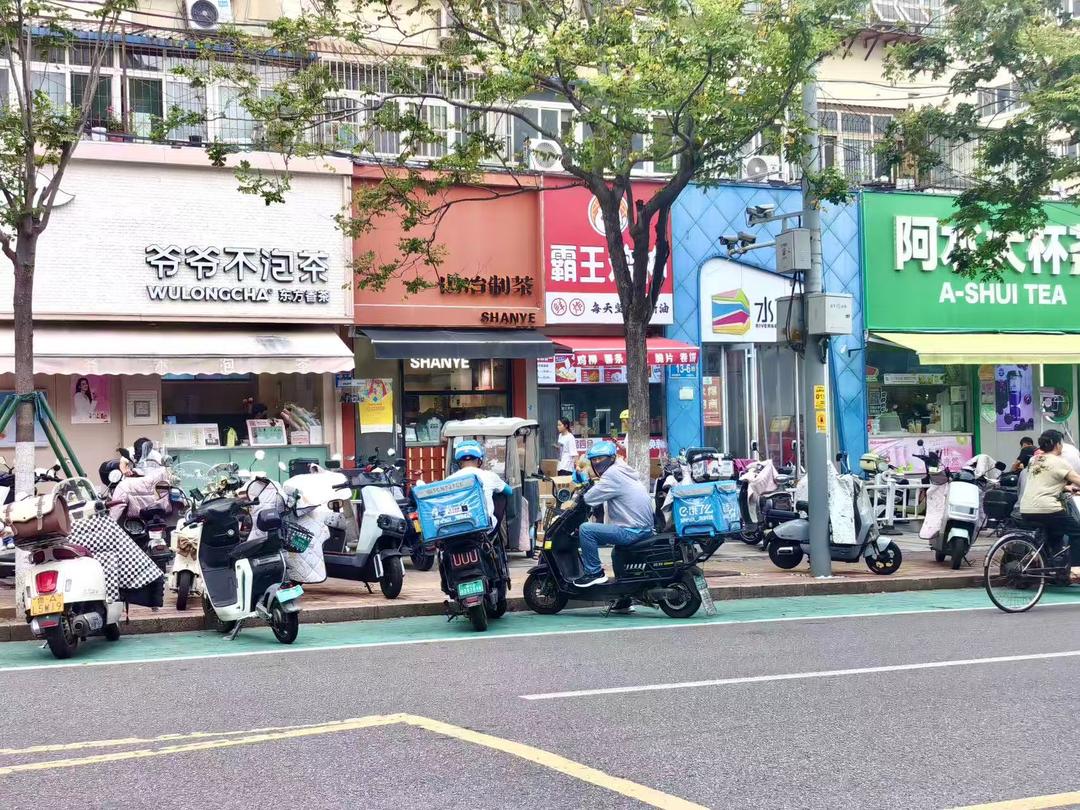
Core Insights - The ongoing competition among food delivery platforms has led to significant changes in consumer behavior and business operations, with many small businesses experiencing increased order volumes but reduced profit margins [4][5][8]. Group 1: Market Dynamics - The competition among major food delivery platforms, including Meituan, Ele.me, and JD, has intensified, resulting in a shift in market share, with Ele.me gaining an advantage over Meituan [2][3]. - Delivery riders have reported a decrease in order volumes by 20-30% since the peak in July, with a notable drop in delivery fees and incentives [2][3]. - Consumer preferences have shifted, with 80% of surveyed individuals indicating a change in dining habits, leading to increased reliance on food delivery services [8]. Group 2: Business Impact - Many small businesses are experiencing a paradox where order volumes have doubled, but profit margins have shrunk significantly, with some reporting that 30% of their orders result in losses [4][5][6]. - The cost of labor has increased due to the surge in order volumes, leading to higher operational costs for businesses [6][7]. - Despite the challenges, some businesses are still optimistic about the potential for increased customer traffic through delivery platforms, hoping for continued subsidies to attract more customers [7][8]. Group 3: Financial Performance - The financial performance of the major delivery platforms has deteriorated, with Meituan's net profit dropping by 89% and JD's by 50.8% in the second quarter [8][9]. - Analysts predict that the ongoing competition could result in a loss of approximately 92 billion yuan over the next year, highlighting the unsustainable nature of the current subsidy war [9].

48岁外卖员送完餐回家途中受伤,平台被判赔偿134万港元;华为发布新款三折叠手机;阿玛尼创始人离世丨邦早报
创业邦· 2025-09-05 00:10
Group 1 - Huawei launched its second foldable smartphone, Mate XTs, with a starting price of 17,999 yuan, featuring the Kirin 9020 chip and a 36% performance improvement [3] - The global smartwatch shipment increased by 8% year-on-year in Q2 2025, with Huawei surpassing Apple for the first time in shipments [17] - The global foldable smartphone market saw a 45% year-on-year growth in Q2 2025, driven by strong demand in China and the US [19] Group 2 - Armani's founder, Giorgio Armani, passed away at the age of 91, marking a significant loss for the luxury fashion industry [5] - ByteDance reported the dismissal of 100 employees in Q2 for violating company policies, with 18 facing serious allegations [6] - Rivian is undergoing layoffs, affecting less than 1.5% of its workforce, as it prepares to launch a more affordable SUV [12] Group 3 - DeepSeek is developing an advanced AI model with improved agent capabilities, aiming to compete with US counterparts [7] - Tesla has opened its Robotaxi application to the public, indicating a broader rollout of the service [11] - Amazon completed the acquisition of Indian online financial platform Axio, enhancing its credit coverage in India [11] Group 4 - Cambricon's stock fell over 13%, resulting in a market value loss of more than 69.4 billion yuan [6] - Xiaohongshu's valuation surged by 5 billion USD in three months, reaching 31 billion USD, reflecting strong market confidence [6] - ZhuiMi Technology reported that its revenue for the first half of 2025 has already surpassed its total revenue for 2024 [10] Group 5 - Honeywell's quantum computing subsidiary, Quantinuum, completed a 600 million USD financing round, achieving a valuation of 10 billion USD [12] - The first batch of Tesla Model Y L vehicles produced at the Shanghai Gigafactory has been delivered [10] - The mini version of Labubu saw a price drop of 10% to 30% within a week of its online sale [7]


48岁外卖员送完餐回家途中受伤,平台被判赔偿134万港元;特朗普回应“已去世”传言;华为新款三折叠手机发布丨每经早参
Mei Ri Jing Ji Xin Wen· 2025-09-04 23:12
Group 1 - A Foodpanda delivery rider in Hong Kong was awarded HKD 1.348 million in compensation after being injured in a traffic accident while working during a typhoon warning, with the court ruling that Foodpanda bore 80% of the responsibility [10] - Huawei launched its new foldable smartphone Mate XTs, which is the first to come pre-installed with HarmonyOS 5, with prices set at CNY 17,999 for the 256GB version, CNY 19,999 for the 512GB version, and CNY 21,999 for the 1TB version [15] - The People's Bank of China announced a CNY 1 trillion reverse repurchase operation to maintain liquidity in the banking system, scheduled for September 5, 2025, with a term of 91 days [6] Group 2 - The Ministry of Commerce of China confirmed the initiation of its first anti-circumvention investigation regarding imports of specific optical fiber products from the United States, which aligns with both Chinese law and WTO rules [7] - The State Council of China released an opinion aimed at enhancing the sports industry, targeting a total scale exceeding CNY 7 trillion by 2030 [8] - Agricultural Bank of China reached a market capitalization of CNY 2.55 trillion, surpassing Industrial and Commercial Bank of China for the first time, reflecting strong stock performance [22] Group 3 - ByteDance terminated the contracts of 100 employees due to violations of company policies, with 8 individuals referred to judicial authorities for criminal activities [19] - Broadcom reported a third-quarter revenue of USD 15.95 billion, exceeding analyst expectations, and projected fourth-quarter revenue of approximately USD 17.4 billion [26] - The mini version of Labubu collectible toys saw a significant drop in secondary market prices, indicating a potential decline in collector interest [21]





果然财经|外卖大战打不动了?骑手收入骤减,商家卖10单赔3单
Qi Lu Wan Bao· 2025-09-04 09:29
Core Insights - The ongoing competition among food delivery platforms has led to significant changes in rider earnings and consumer behavior, with a notable shift towards the "blue tide" of Ele.me overtaking Meituan in order volume [2][4][9] Group 1: Rider Earnings and Order Volume - Riders reported a decrease in order volume by 20-30% compared to peak levels in July, with earnings dropping from over 1,700 yuan per day to around 1,800 yuan in August [2][4] - The average earnings for a rider in July were approximately 19,000 yuan from Meituan and 2,000 yuan from JD, totaling over 20,000 yuan [2][4] - Riders have observed a significant drop in order prices, with some deliveries now earning only 4-5 yuan compared to previous rates of 15-16 yuan for short distances [4][6] Group 2: Merchant Experiences - Merchants have experienced a mixed impact from the delivery wars, with increased order volumes but reduced profit margins due to higher discounts and platform fees [6][7] - A coffee shop owner noted that while order volume doubled during the peak of the competition, the profit per order has significantly decreased, leading to a situation where 30% of orders result in losses [7][8] - Merchants are now often compelled to participate in promotional activities despite the risk of incurring losses, as failing to do so could result in a loss of orders [7][8] Group 3: Consumer Behavior Changes - A survey indicated that 80% of consumers have changed their dining habits since July, with 44% increasing their frequency of ordering takeout and 75% opting for delivery due to lower prices [9][10] - Consumers have reported a preference for platforms offering better discounts, with many now using Taobao's flash sales for food delivery, which they find more cost-effective [9][10] - Despite the current trend towards cheaper delivery options, some consumers express a likelihood of returning to Meituan once promotional subsidies end [10] Group 4: Financial Impact on Platforms - The three major delivery platforms (Meituan, JD, and Alibaba) have reported significant declines in net profits, with Meituan's profit dropping by 89% and JD's by 50.8% in the second quarter [9][10] - Analysts predict that the ongoing competition could result in a loss of 92 billion yuan over the next year, with the three platforms already having lost a combined 20 billion yuan in the second quarter [10]
美团-W(03690):FY2025Q2业绩点评:短期补贴影响盈利能力,关注后续补贴拐点
Changjiang Securities· 2025-09-04 08:43
Investment Rating - The investment rating for Meituan-W (3690.HK) is "Buy" and is maintained [9]. Core Views - In FY2025Q2, the company achieved revenue of 91.84 billion yuan, which was below Bloomberg's consensus estimate of 93.69 billion yuan, representing a year-on-year increase of 11.7%. The adjusted net profit totaled 1.49 billion yuan, significantly lower than the expected 9.85 billion yuan, marking a year-on-year decline of 89.0%. The report suggests that the company is sacrificing short-term revenue performance for long-term strategic choices, reflecting its determination to gain market share. Although short-term profitability may fluctuate due to increased investments, the reliance on subsidies for competition is not sustainable, and such performance disturbances do not alter the long-term growth trend. The current intensified competition is accelerating the overall penetration of instant retail, opening up upward space for the company. Attention should be paid to the marginal turning point of subsidy investments, which could lead to a return of company value [2][6][9]. Summary by Sections Overall Performance - The core local business revenue was 65.3 billion yuan, below the consensus estimate of 67.5 billion yuan, with an operating profit of 3.7 billion yuan, also below the expected 12 billion yuan, reflecting a year-on-year decline of 75.6%. New business revenue was 26.5 billion yuan, slightly above the expected 26 billion yuan, but the operating loss expanded by 43.1% to 1.9 billion yuan, compared to the expected 2.4 billion yuan. The significant decline in performance was mainly due to the impact of subsidies starting in Q2, which affected the profitability of the food delivery business [9]. Core Local Business - Short-term subsidies are disrupting profitability, and losses are expected to widen in Q3. With the current subsidy pace, following Alibaba's entry into the food delivery market in May, subsidies have increased. It is anticipated that Meituan's food delivery losses will primarily occur in June, with further expansion of subsidies in July and August. The average loss per order is expected to exceed that of June, and the future subsidy trend will depend on Alibaba's investments. The company has indicated that significant losses will occur in Q3 for food delivery and core local business, but the gap in advantages over competitors will further widen. The flash purchase business has expanded to over 50,000 locations nationwide, with a year-on-year growth rate exceeding 50% in lower-tier markets, which is expected to create new growth for the company [9]. New Business - The company is accelerating the expansion of its Xiaoxiang supermarket and steadily advancing its overseas business. By the end of the reporting period, approximately 1,000 front warehouses for Xiaoxiang supermarkets had been established in nearly 20 cities. With adjustments to Meituan's preferred offerings, more resources will be allocated to Xiaoxiang's expansion, which is expected to cover all first- and second-tier cities in the country, aiming for a long-term profit margin target of 3%. In terms of overseas business, Keeta has expanded to 20 cities in Saudi Arabia, achieving a market share of first in Hong Kong and second in Saudi Arabia, with an expected GMV of 100 billion yuan by 2033 [9]. Investment Recommendations and Profit Forecasts - Looking ahead, the report emphasizes that the company is making a long-term strategic choice by sacrificing short-term revenue performance to gain market share. Due to increased subsidies and operational expenses, profitability may experience unexpected fluctuations in the short term. However, the reliance on subsidies for competition is not sustainable, and such performance disturbances do not alter the long-term growth trend. Under a neutral assumption, it is expected that Meituan's average loss per order in Q3 will be 1.44 yuan, corresponding to an adjusted net loss of 5.351 billion yuan. If subsequent subsidy reductions are better than expected, the average profit per order for food delivery could recover to 0.37 yuan in 2026, leading to an adjusted net profit of 38.6 billion yuan for the year. The projected overall revenue for Meituan from 2025 to 2027 is 373.966 billion, 418.687 billion, and 465.337 billion yuan, with adjusted net profits of 12.11 billion, 38.646 billion, and 57.476 billion yuan, respectively. The corresponding PE ratios for 2026 and 2027 at the current stock price are 15x and 10x, maintaining a "Buy" rating [9].

阿里、美团们烧钱,分众传媒得益
2 1 Shi Ji Jing Ji Bao Dao· 2025-09-04 00:41
Group 1 - The core viewpoint is that the fierce competition in the food delivery market has significantly impacted various industries, particularly the advertising market for elevator media, with a notable increase in advertising revenue from the internet sector for the company Focus Media [1] - Focus Media reported a year-on-year increase of 89.22% in internet advertising revenue, reaching 985 million yuan, which accounted for 16.12% of its total revenue [1] - In contrast, the company's largest revenue source, daily consumer goods advertising, saw a decline of 10.87% to 3.4 billion yuan, while the telecommunications and entertainment sectors experienced growth in advertising revenue [1] Group 2 - The food delivery giants, including Meituan, Alibaba, and JD, faced significant profit declines due to increased marketing expenditures, with Meituan's net profit plummeting nearly 90% in the second quarter [2][3] - The total marketing expenditure for the three major food delivery platforms during the second quarter was at least 30 billion yuan [3] - Despite the regulatory scrutiny and a potential reduction in the intensity of the food delivery competition, Focus Media remains optimistic about the long-term strategic significance of advertising in the emerging instant retail sector [4]

阿里、美团们烧钱,分众传媒得益丨消费参考
2 1 Shi Ji Jing Ji Bao Dao· 2025-09-04 00:40
Group 1: Advertising Market Impact - The fierce competition in the food delivery market has significantly influenced various industries, particularly the advertising market, with a notable increase in advertising revenue for media companies like Focus Media [1] - Focus Media reported a year-on-year increase of 89.22% in advertising revenue from the internet sector, reaching 985 million yuan, which constituted 16.12% of its total revenue [1] - In contrast, the daily consumer goods sector saw a decline of 10.87% in advertising revenue, amounting to 3.4 billion yuan, while the telecommunications and entertainment sectors experienced growths of 63.28% and 28.83%, respectively [1] Group 2: Financial Performance of Major Players - Major internet platforms, including Meituan, Alibaba, and JD.com, faced substantial declines in net profits due to increased marketing expenditures related to food delivery subsidies, with Meituan's net profit plummeting nearly 90% [2][3] - The three major food delivery companies collectively spent at least 30 billion yuan on marketing during the second quarter [3] Group 3: Future Outlook and Strategic Importance - Despite the regulatory measures that have somewhat controlled the intensity of the food delivery competition, Focus Media remains optimistic about its business prospects, emphasizing the long-term strategic significance of advertising in the emerging instant retail sector [4] - The company believes that the development of instant retail will profoundly change consumer purchasing habits and drive consumption growth, highlighting the critical role of advertising in enhancing brand reach and facilitating purchase decisions [4]
美团CEO王兴和骑手一同受邀观礼
Di Yi Cai Jing· 2025-09-03 17:05
Group 1 - The 80th anniversary of the victory in the Chinese People's Anti-Japanese War and the World Anti-Fascist War was commemorated with a grand ceremony at Tiananmen Square in Beijing on September 3 [1] - Meituan CEO Wang Xing was invited to attend the ceremony and shared his feelings about witnessing this historical moment with company partners [1] - Sixteen Meituan delivery riders from various regions participated in the ceremony, including veterans who had previously engaged in firefighting and flood rescue operations [3] Group 2 - Delivery rider Lian Shuangpeng expressed his emotional reaction upon receiving the invitation to attend the ceremony, highlighting his pride in the nation's strength and his commitment to work harder and live passionately [5] - Another rider, Gao Feng, a veteran and a member of the Communist Party, has received multiple honors for his contributions and actively participates in urban development projects [6] - Sun Xihe, a Meituan rider who has served in the military, emphasized the importance of serving the people, drawing parallels between his military service and his current role [6] Group 3 - Meituan employees also participated in the ceremony, including Fan Na, who was part of the militia formation and represented the company, showcasing the dedication of Meituan staff [7] - In addition to Meituan, several delivery personnel from other companies, including SF Express and JD, also attended the ceremony, reflecting a broader involvement of the delivery industry in national commemorative events [7]