家电制造

Search documents
高质量发展看中国|陕西西安:“枢纽对枢纽”联通欧亚
Yang Guang Wang· 2025-06-30 11:45
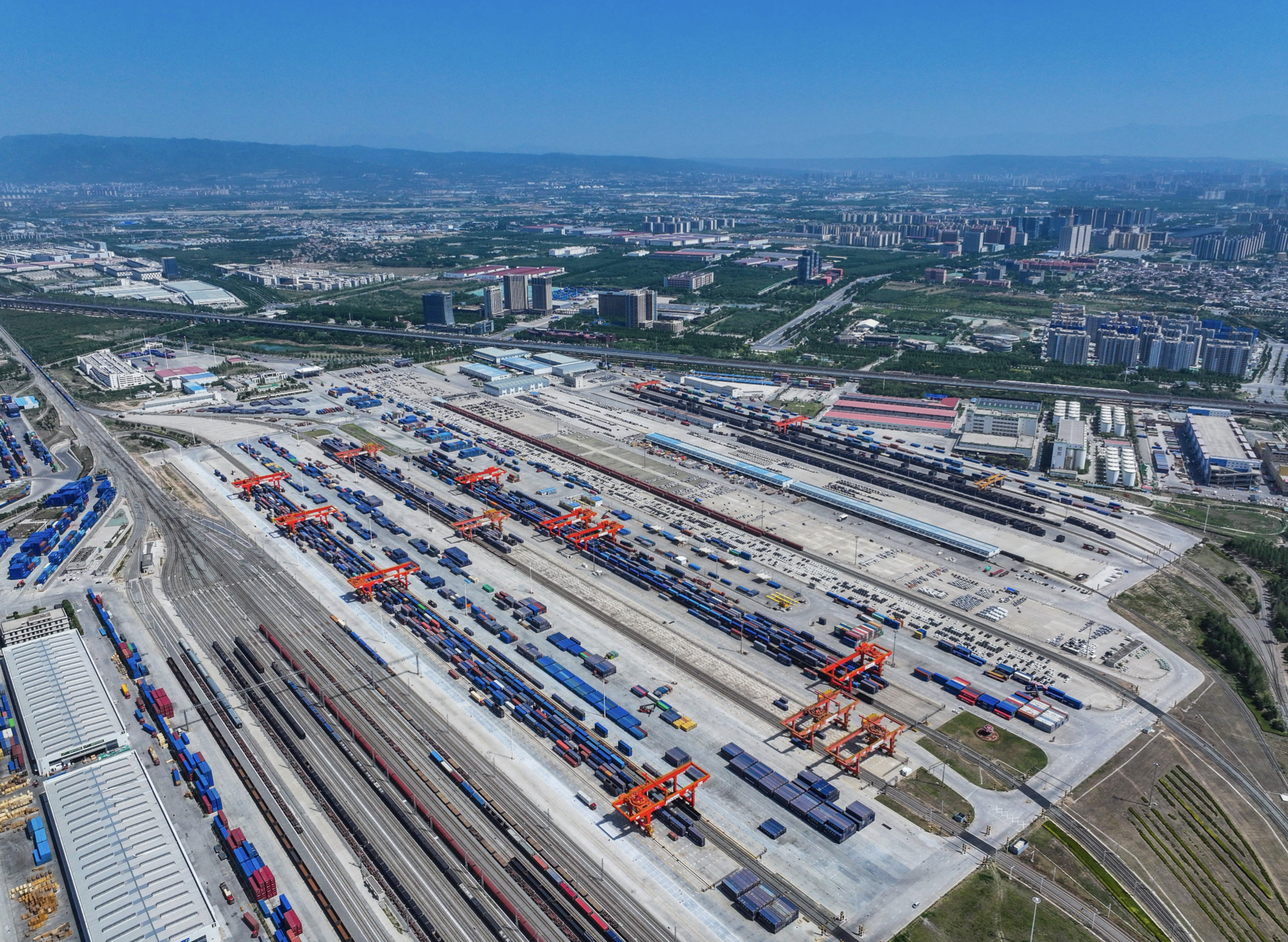
Core Viewpoint - The establishment of the China-Kazakhstan logistics hub in Xi'an marks a significant step in enhancing cross-border cooperation and logistics efficiency between China and Kazakhstan, contributing to the broader "Belt and Road" initiative. Group 1: Logistics Development - The China-Kazakhstan terminal in Xi'an officially opened on June 10, covering an area of 147 acres, and signifies the full implementation of the "hub-to-hub" logistics model between the two regions [1]. - The Xi'an International Port has maintained the highest national rankings in key metrics such as train operation volume, cargo volume, and container utilization rate for seven consecutive years, with Xi'an's train volume accounting for 50% of the national total in 2024 [4]. - The Xi'an Xianyang International Airport has expanded its air routes, implementing a "direct pick-up and direct loading" model, achieving full coverage of air routes to "five countries and seven cities" in Central Asia [5]. Group 2: Economic Growth and Trade - In the first five months of this year, Xi'an's total import and export value increased by 11.5%, surpassing the national growth rate by 9 percentage points, driven by the Free Trade Zone's strategic enhancements [6]. - The Xi'an-based Konka Smart Home Appliances Co., Ltd. reported that over 60% of its products are exported via the China-Europe Railway Express (Xi'an), with a transportation cycle of only 7 to 15 days [8]. - The Xi'an Aijiu Grain and Oil Industrial Group has established a "seed to chopsticks" food supply chain, with significant imports of Kazakh agricultural products facilitated by the China-Europe Railway Express [9]. Group 3: Infrastructure Investment - The Kazakhstan terminal at Xi'an International Port has a total investment of $62.1 million, featuring four main functional areas: loading and unloading, transportation transfer, storage display, and comprehensive office [12]. - The terminal is the first overseas station project built and operated by Xi'an Chang'an International Port, serving as a critical gateway for China's westward opening [12]. Group 4: Future Prospects - The establishment of the China-Central Asia mechanism secretariat in Xi'an and the presence of various international railway companies indicate Xi'an's growing importance as a logistics hub in the "Belt and Road" initiative [13]. - Plans for overseas stations in Moscow, Baku, and Budapest are underway, with an integrated layout of "trains + overseas warehouses" being promoted [13].

港交所,已成青岛企业上市首要选择
Sou Hu Cai Jing· 2025-06-30 06:59
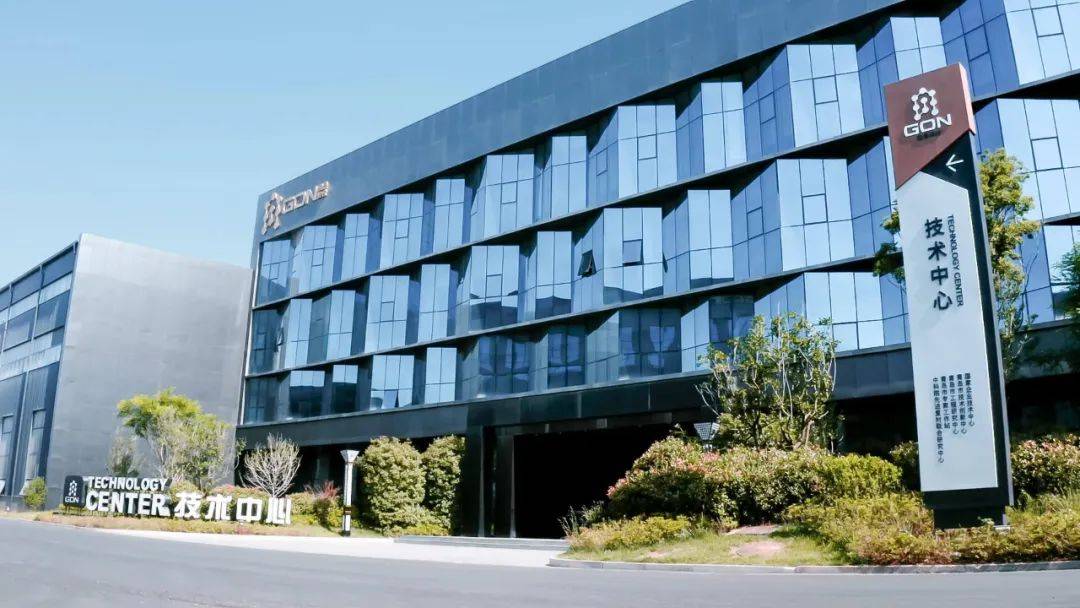
Core Viewpoint - The trend of companies from Qingdao going public in Hong Kong is gaining momentum, with multiple firms submitting applications for listing on the Hong Kong Stock Exchange (HKEX) in 2023 [1][4]. Group 1: Companies Going Public - Qingdao Guoen Technology Co., Ltd. submitted its listing application to the HKEX on June 26, marking it as the fifth company from Qingdao to pursue a Hong Kong listing this year [1]. - Other companies that have applied for listing include GoerTek, Wenda Technology, Saintong Special Medical, and Kute Intelligent, all of which have significant hard technology attributes and are leaders in their respective sectors [5][8]. Group 2: Market Preferences - The HKEX is favored due to its lower entry requirements and shorter review periods, with nearly 80% of new listings from Qingdao in the past two years being on the HKEX [4]. - The companies listed are primarily in emerging industries such as new generation information technology, artificial intelligence, and life sciences, indicating a strong market demand for hard technology firms [9]. Group 3: Globalization Strategy - A key reason for Qingdao companies seeking to list in Hong Kong is to advance their globalization strategies, allowing them to raise funds in Hong Kong dollars or US dollars for overseas projects [10]. - Companies like Guoen and Kute Intelligent aim to enhance their international presence and operational capabilities through dual listings in both A-shares and H-shares [11][13]. Group 4: Recent Developments - As of 2024, Qingdao has a total of 19 companies listed on the HKEX, raising a total of 11.586 billion yuan, covering various industries including home appliance manufacturing and artificial intelligence [14]. - Recent activities include a roadshow event in May 2023, where several Qingdao companies showcased their potential for future listings, indicating a robust pipeline of candidates for the HKEX [16].
中国电信与海尔集团签署战略合作协议
Sou Hu Wang· 2025-06-27 09:26
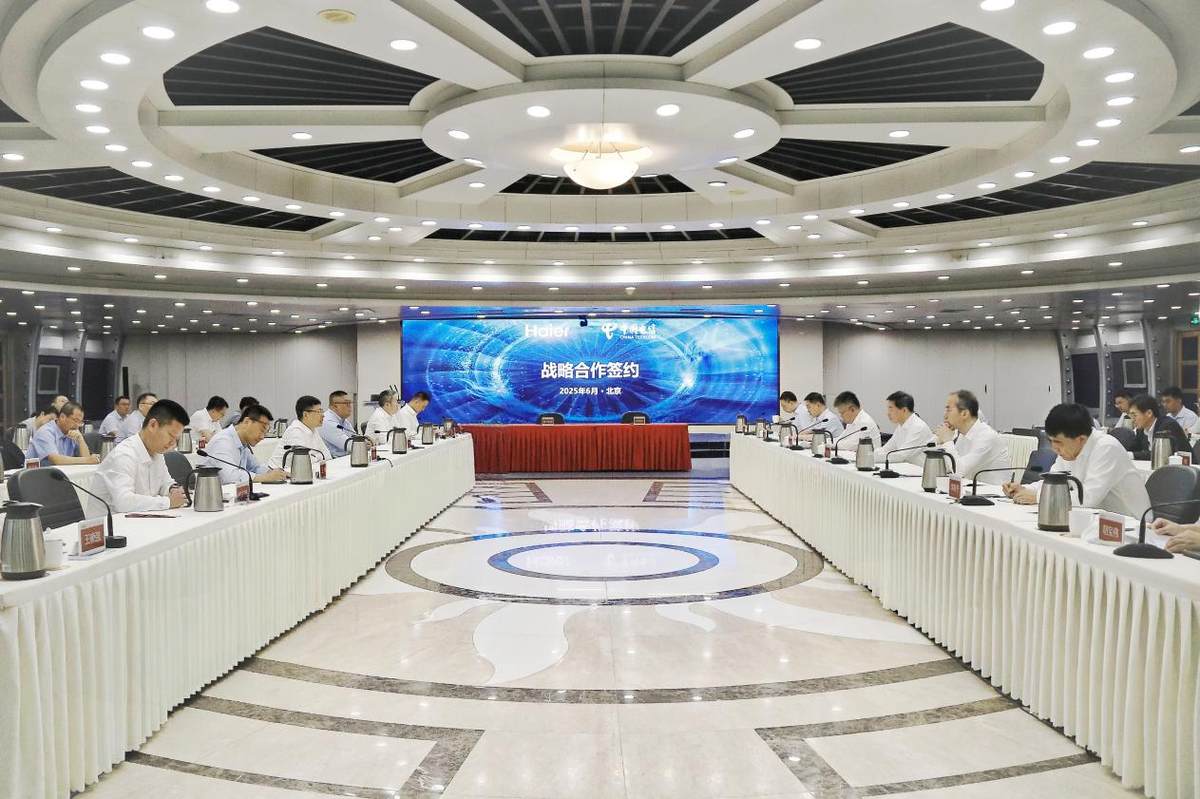
Core Viewpoint - China Telecom and Haier Group have signed a strategic cooperation agreement to enhance collaboration in various sectors, focusing on AI, smart homes, industrial internet, and other innovative areas [1][4][6]. Group 1: Strategic Cooperation - The agreement emphasizes mutual benefits, innovation, and resource sharing to explore new market opportunities and enhance competitiveness in the industry [4][6]. - Both companies aim to deepen cooperation in AI data and applications, smart homes, industrial internet, healthcare, emergency communication, and international business [4][6]. Group 2: Company Transformations - Haier Group has transitioned from a home appliance company to an ecosystem-oriented enterprise, focusing on smart living, health, and digital economy sectors [3]. - China Telecom is transforming from a traditional telecom operator to a service-oriented, technology-driven, and secure enterprise, emphasizing cloud and AI technologies [4]. Group 3: Future Collaboration Areas - The partnership will involve comprehensive cooperation in key business areas such as industrial internet, smart homes, smart buildings, AI innovation in smart appliances, and cloud computing [6].


工业4.0中的人工智能应用及案例
3 6 Ke· 2025-06-27 02:54
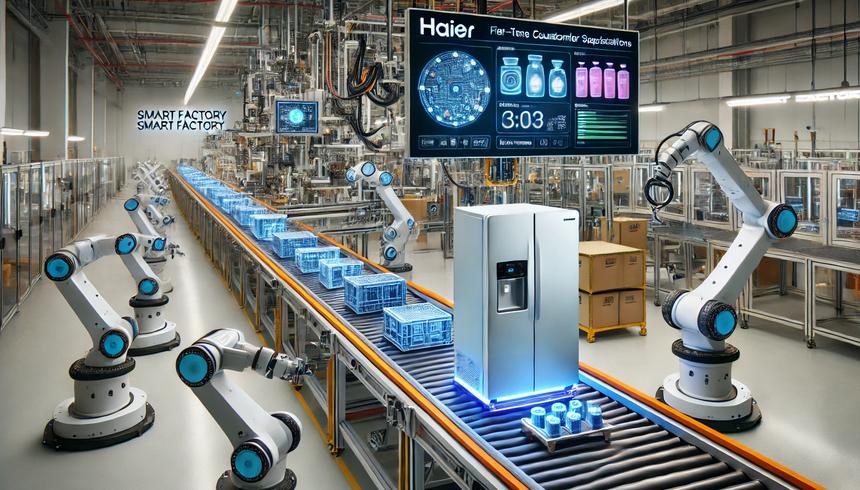
Core Insights - The article discusses the transformative impact of Industry 4.0, particularly through the integration of artificial intelligence (AI) and automation in manufacturing processes [1][2][3] - It highlights the operational capabilities of smart factories, including real-time adjustments, predictive maintenance, collaborative robots, customized operations, and self-adjustment [2][3] Group 1: Industry 4.0 Overview - Industry 4.0 connects physical machines with digital tools, enabling seamless collaboration and disrupting traditional manufacturing practices [2] - AI plays a crucial role in monitoring production processes, ensuring continuous operation, and maintaining optimal efficiency [2][3] Group 2: Practical Applications - Siemens' Amberg factory utilizes AI to predict issues before they occur, reducing quality inspection time by 95% [4] - Tesla's smart factory has reduced unexpected machine failures by over 30% through predictive maintenance and employs AI-driven quality checks to ensure superior vehicle quality [5] - Haier's Hefei factory exemplifies AI's role in transforming factories into intelligent systems, achieving a 58% reduction in defect rates and a 49% increase in efficiency [8] Group 3: Future Prospects - The article suggests that the advancements in AI and automation will continue to evolve, with companies like Toyota experimenting with AI in product design [12] - There are significant investments planned, such as South Korea's $2.2 billion investment in automated factories by 2028, indicating the potential for further innovation in the industry [12]


江海潮涌处,苏韵绽新姿 让“苏字号”品牌巨轮破浪前行
Xin Hua Ri Bao· 2025-06-26 23:13
Core Viewpoint - Brand building is a significant indicator of high-quality development and a reflection of new productive forces, with Jiangsu province emphasizing the cultivation of independent brands and improving brand quality, leading to a notable increase in the number and value of various brands nationwide [1] Group 1: Brand Development and Innovation - Jiangsu is leveraging innovation as a driving force to reshape the competitiveness of "Su" brands through technological iterations and model innovations, with over 57,000 high-tech enterprises cultivated in the province, ranking first in the country for new unicorns and potential unicorns [2] - The traditional industry is revitalizing through the integration of cultural heritage and technological vitality, exemplified by the transformation of Song brocade into a modern cultural brand through advanced manufacturing techniques [2] - The home appliance industry in Wuxi is undergoing a digital revolution, with Little Swan washing machines utilizing a complete smart manufacturing system that has reduced product development cycles by 27% and defect rates by 21% [3] Group 2: Core Competitiveness and Technological Breakthroughs - Jiangsu is enhancing the core competitiveness of "Su" brands through continuous technological innovation and quality improvement, with a focus on increasing R&D investment and overcoming key technological bottlenecks [4] - XCMG's XGC88000 crane, the world's largest crawler crane, showcases Jiangsu's strength in heavy machinery, achieving multiple international firsts and breaking foreign monopolies in the super-large tonnage crane sector [4] - NARI Technology has achieved a 100% localization rate in ultra-high voltage direct current transmission technology, significantly contributing to national energy strategies and reducing carbon emissions by over 12 million tons annually [5][6] Group 3: Green Transformation and Sustainable Development - Jiangsu is promoting green transformation as a key to brand development, encouraging enterprises to adopt eco-friendly materials and technologies, leading to a dual win in economic and ecological benefits [7] - Shagang Group has invested over 5 billion yuan in ultra-low emission transformations, becoming a national-level green factory with a 15% reduction in energy consumption per ton of steel and a 78% reduction in sulfur dioxide emissions [8] - By 2024, Jiangsu is expected to have 638 green factories and 40 green industrial parks, contributing to the high-quality development of "Su" brands through green initiatives [8] Group 4: Social Responsibility and Community Engagement - "Su" brands are not only excelling in market competition but also demonstrating social responsibility, with local brands actively participating in community welfare and enhancing public well-being [9] - Yixing has developed multiple well-known rice brands, creating new agricultural business entities that provide employment for over 60 local farmers, thereby strengthening community ties and promoting agricultural brand development [9] - Bosideng has been recognized as one of China's 500 most valuable brands for ten consecutive years, with a brand value of 116.156 billion yuan in 2025, and has engaged in various social welfare initiatives, including disaster relief efforts [10] Group 5: Future Directions and Brand Promotion - Jiangsu is set to launch the "Jiangsu Intelligent Manufacturing, Moving Forward" project, focusing on promoting advanced manufacturing clusters and enhancing the visibility and reputation of "Su" brands [11] - The provincial government aims to further cultivate "Su" brands and expand the content and format of Jiangsu's brand activities, showcasing the province's achievements in brand building and high-quality economic development [11]
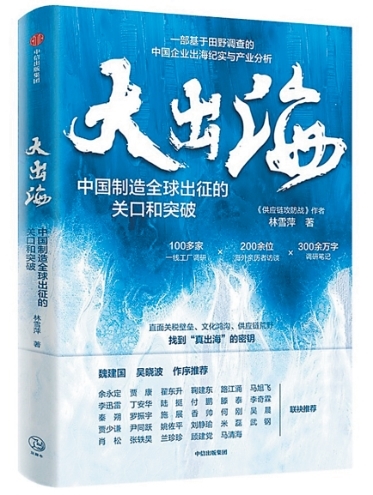
一部中国企业出海的田野调查
Ren Min Ri Bao· 2025-06-26 22:00
Core Insights - Chinese companies are increasingly investing overseas, with significant opportunities and challenges identified through extensive research involving over 100 factories and 200 interviews with industry participants [2][3] Group 1: Investment Opportunities - The surge in overseas investment is exemplified by successful ventures in Indonesia and Mexico, where companies like Lenovo and Hisense have established operations [2][3] - The establishment of large industrial parks, such as the one in Indonesia with 200,000 jobs created, highlights the potential for economic growth and job creation through Chinese investments [2] Group 2: Strategic Considerations - Companies must carefully set their overseas strategies, focusing on geographical positioning, cultural understanding, and compliance with local regulations to avoid pitfalls [3] - The "321" framework outlines three spatial challenges, two capability developments, and one systemic support necessary for successful international expansion [3] Group 3: Key Capabilities - Supply chain localization is crucial for survival, emphasizing the need for partnerships with local manufacturers to create mutual value [4] - Companies must adopt a mindset akin to starting anew, requiring adaptability and a proactive approach to navigate the complexities of international markets [4] Group 4: Support Systems - The success of overseas ventures heavily relies on the support for expatriate managers, including services from banks, trade associations, and government negotiations [4] - The concept of "true overseas expansion" involves building long-term survival capabilities in foreign markets, which necessitates comprehensive support systems [4]
同星科技:拟在青岛设立制造基地并与海信签署战略供应商合作备忘录
news flash· 2025-06-26 10:43
Group 1 - The company plans to establish a manufacturing base in Qingdao using its own funds, with an initial investment not exceeding 10 million yuan [1] - The manufacturing base will primarily produce heat pump module systems, which are core components for dryers, to support Hisense Refrigerator Co., Ltd. [1] - The company has signed a strategic supplier cooperation memorandum with Hisense, agreeing to collaborate on new product development and product validation [1]
同星科技:拟在青岛投资不超过1000万元设立制造基地
news flash· 2025-06-26 10:35
Group 1 - The company, Tongxing Technology (301252), plans to establish a manufacturing base in Qingdao using its own funds to enhance product competitiveness [1] - The initial investment amount is not to exceed 10 million yuan [1] - The company has signed a Strategic Supplier Cooperation Memorandum with Hisense Group (000921) to collaborate on new product development and validation [1] Group 2 - The memorandum is a framework agreement and does not require shareholder meeting approval, indicating it falls within the board's approval authority [1] - The financial impact of this agreement on the company's financial status and operating results will depend on market changes and implementation conditions, indicating a level of uncertainty [1]
记者手记|合作共赢的绿洲在埃及生机盎然
Xin Hua Wang· 2025-06-26 04:53
Group 1: Economic Cooperation and Development - The China-Egypt TEDA Suez Economic and Trade Cooperation Zone is emerging as a new "oasis" for win-win cooperation, aligning with the Belt and Road Initiative and Egypt's Suez Canal Economic Corridor [1] - The establishment of the Xidian-EGEMAC high voltage electrical company has significantly alleviated Egypt's electricity supply issues since its involvement in the national grid project in 2016 [1] - The Aswan Benban photovoltaic industrial park project has provided approximately 16,000 GWh of electricity since its completion, supporting Egypt's economic and social development [1] Group 2: Workforce Development and Local Impact - The Xidian-EGEMAC company has trained a significant number of local engineers, with over 97% of its workforce being Egyptian, enhancing local talent in the electrical engineering sector [2] - Midea's kitchen and water heater company in Egypt aims for 80% of its dishwasher production to be exported by the end of 2024, with plans to double production by 2025, contributing to the local manufacturing ecosystem [2] - The new ductile iron pipe production base by Xinxing Ductile Iron Pipes is expected to generate nearly $200 million in foreign exchange annually and create over 500 local jobs [3] Group 3: Industrial Growth and Diversification - The TEDA cooperation zone has developed a cluster of leading industries, including new building materials, oil equipment, high and low voltage equipment, machinery manufacturing, textiles, chemicals, new energy, and white goods [3] - The cooperation between China and Egypt in the TEDA zone is fostering a new era of industrial growth and diversification, revitalizing Egypt's economy [3]
内卷的解药不是涨价
创业邦· 2025-06-26 03:26
Core Viewpoint - The article discusses the evolution of business competition from price-cutting strategies to concerns about "low-price internal competition," highlighting the negative impact of relentless price reductions on quality, profitability, and employee wages [3][4][5]. Group 1: Price Dynamics and Market Structure - The article argues that the decline in prices is often a result of increased market scale and fragmented market structures, where larger production volumes lead to lower costs [15][16]. - It cites the example of air purifiers, where the average price dropped by 34% while production increased by 53% from 2016 to the present, indicating that market expansion drives price reductions [17]. - The competitive landscape in the air conditioning market has shifted from chaotic price wars to a stable oligopoly, with major players like Midea establishing dominance [25][22]. Group 2: Value Creation and Consumer Behavior - The article emphasizes that true consumption upgrades occur when previously unaffordable products become accessible to a broader audience, rather than merely shifting from one premium product to another [36][35]. - It highlights that the real challenge lies in creating new value beyond raw materials and production processes, which is essential for sustainable economic growth [40][41]. - The success of brands like Nvidia and Prada is attributed to their ability to create significant added value through design, innovation, and branding, rather than relying solely on manufacturing efficiencies [44][51]. Group 3: Labor and Productivity - The article posits that escaping low-price competition requires improving labor productivity rather than eliminating low-cost goods [54]. - Historical examples, such as Ford's introduction of assembly lines, illustrate how technological advancements can drastically reduce production time and costs, benefiting both consumers and producers [55][56]. - The narrative suggests that societal progress is linked to recognizing and rewarding individual skills and knowledge, which can lead to higher market valuations for products and services [61][67].