健身

Search documents
快速发展的坚蛋运动:创新、共赢与服务的制胜之道
Zhong Guo Chan Ye Jing Ji Xin Xi Wang· 2025-08-01 06:14
Core Insights - The article highlights the success of the fitness brand "JianDan Sports" in achieving stable growth without relying on traditional heavy asset expansion or engaging in price wars, resulting in nearly 400 stores across over 60 cities, making it the second brand in the new fitness sector after "LeKe" [1] Mechanism Innovation - JianDan Sports has restructured its development path using a light asset model, breaking the traditional cycle of high investment and debt in the fitness industry [3] - The brand has managed to reduce initial store investment to one-third or even one-fourth of traditional models by focusing on low-rent areas, increasing automation to reduce labor dependency, and implementing standardized designs [3][5] - A comprehensive standardization system covers all operational processes, ensuring quality during rapid expansion and reducing execution difficulty for partners [5] Win-Win Model - JianDan Sports emphasizes building long-term, high-trust relationships with partners, moving away from the zero-sum game often seen in the industry [6] - The brand offers multiple revenue streams for city partners, including franchise fees, management fees, operational profits, and equity incentives, along with territorial protection to avoid competition among partners [6][8] - The company provides extensive support throughout the franchise process, enabling even those with no industry experience to successfully open stores, fostering a collaborative ecosystem [8] Service Upgrade - The fitness industry faces challenges of homogenization and price wars, leading to a cycle of reduced quality and service [9][11] - JianDan Sports differentiates itself by focusing on user needs rather than merely selling memberships, offering flexible payment options and enhancing user engagement through community activities [11] - The brand's approach includes personalized training recommendations, timely feedback on user demands, and maintaining cleanliness, which collectively help to avoid price competition and improve user retention [11]


需求所向皆蓝海——从新消费把脉经济活力与动能①
Ren Min Ri Bao· 2025-07-29 09:11
Group 1 - The core viewpoint highlights the significant growth in the fitness and healthy lifestyle market in China, with the fitness industry experiencing an annual compound growth rate of over 11% from 2019 to 2023, and the light food market projected to exceed 320 billion yuan in 2024, with a growth rate of 41.7% [1] - The rise of instant retail, closely linked to the consumption habits of young people, shows remarkable development, with online retail sales reaching 74,295 billion yuan in the first half of 2025, marking an 8.5% year-on-year increase [1] - New consumption patterns are emerging, characterized by both vertical and horizontal expansions, reflecting the evolving needs of consumers and the response of businesses to these trends [1] Group 2 - The vertical aspect of consumption demand is becoming increasingly granular, leading to the emergence of long-tail markets, particularly among the approximately 400 million young people aged 14 to 35 in China, whose diverse and personalized needs present significant market opportunities [2] - The horizontal aspect emphasizes the growing immediacy of consumption, with instant retail expanding from emergency needs to everyday consumption across various categories, including beverages, electronics, and travel [2] - Government initiatives, such as enhancing consumption capacity and improving the consumption environment, are crucial for stimulating market vitality and supporting the expansion and quality enhancement of consumption [2] Group 3 - The development of new consumption demands requires active participation across various sectors, including culture, transportation, sports, and commerce, to effectively tap into and nurture these demands [3] - Examples of initiatives, such as the launch of the "Star Light·Yanzhao" tourist train and local sports events, illustrate how new consumption demands can drive growth in related sectors like hospitality and retail [3] - Emphasizing a demand-driven approach aligns with a people-centered value orientation, enhancing the role of consumption in economic circulation and supporting high-quality economic development [3]
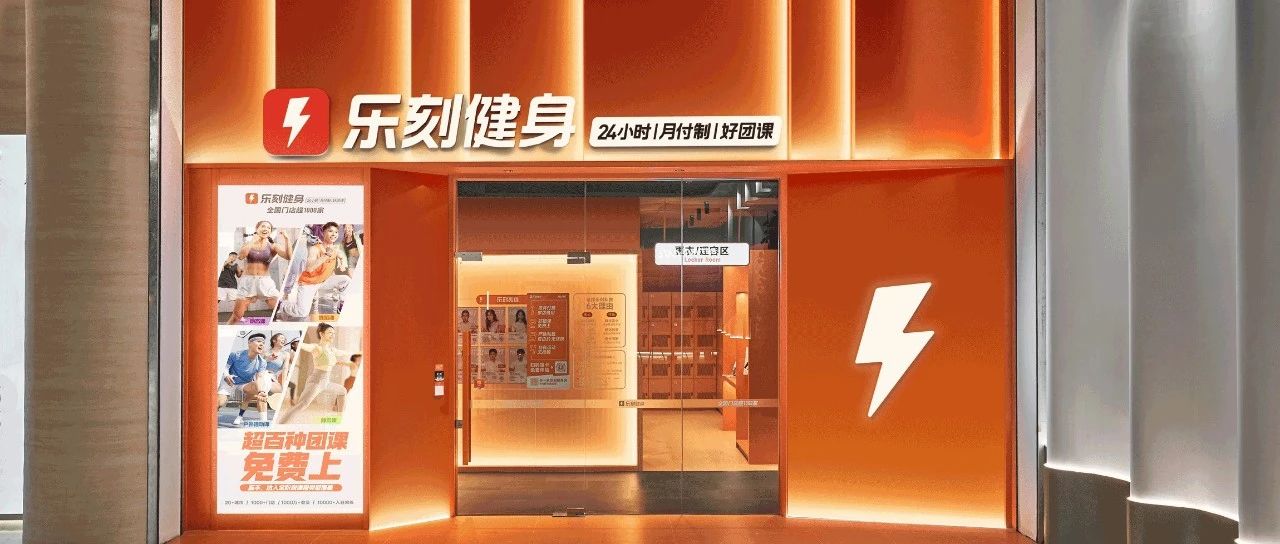
乐刻成为国内首个突破2000店的健身房品牌,与国际头部品牌的差距进一步缩小
IPO早知道· 2025-07-29 09:07
Core Insights - Lekker Sports has surpassed 2000 stores nationwide, becoming the first gym brand in China to achieve this milestone [2][4] - The company is narrowing the scale gap with international brands like Anytime Fitness and Planet Fitness, which have over 5000 and 2700 stores respectively [6] - Lekker's innovative business model, including 24-hour access, monthly payment options, and digital operations, has driven rapid user acceptance and expansion since its establishment in 2015 [6][10] Brand Matrix - Lekker has launched a multi-scenario brand matrix, with its core brand being the "National Gym" Lekker Fitness, and several sub-brands catering to various fitness needs [8] - The sub-brands include high-standard personal training centers (FEELINGME), large gyms (RECORE), specialized fitness centers (LOVEFITT), yoga studios (YOGA POD), and community training spaces (FitTribe) [8] - This strategic move aims to address the increasingly segmented user demands in the fitness market [8] Digital Infrastructure - The foundation for Lekker's multi-brand operation is its "industrial middle platform," which includes a digital system, standardized coach training, and a validated store partner model [10] - The company positions itself as an "industrial internet company," leveraging digitalization for precise supply-demand matching and standardized service delivery [10] - User data and feedback are continuously utilized to optimize service quality, contributing to Lekker's growth [10] Consumer Demographics - The primary consumer demographic for Lekker's fitness memberships is individuals aged 25-35, accounting for 56.8% of total personal training spending [10] - The fastest-growing segment is the Z generation (under 25), with personal training consumption increasing by 35.7% year-on-year, indicating a vibrant growth trend in China's fitness industry [10]
英媒:为何我们这一代执着于“骨感美”?
Huan Qiu Shi Bao· 2025-07-28 23:00
Core Viewpoint - The article discusses the societal obsession with "skinny beauty" and contrasts it with the previous trend of promoting strong and healthy body images, highlighting the negative impact of this shift on mental and physical health [1] Group 1: Societal Trends - The article notes a shift from the "strong is the new beautiful" mantra that gained popularity around 2010 to a current environment filled with weight loss drugs and extreme dieting [1] - It emphasizes that social media often praises individuals for their appearance, even when they are struggling with health issues, indicating a disconnect between societal perceptions of beauty and actual well-being [1] Group 2: Personal Experience - The author shares a personal experience of losing 5 kilograms in two weeks due to health issues, contrasting the compliments received on social media with the reality of their deteriorating health [1] - The narrative reflects on the psychological impact of societal beauty standards, where being thin is celebrated despite the potential underlying health problems [1]
乐刻门店数突破2000家
Bei Jing Shang Bao· 2025-07-28 12:22
Group 1 - The core point of the article is that LeKe Sports has surpassed 2000 stores across over 40 cities in China, becoming the first gym brand in the country to achieve this scale [1] - LeKe Sports has been recognized in the "Top 100 Chain Enterprises in the Life Service Industry 2024" list published by the China Chain Store & Franchise Association [1] - Since its establishment in 2015, LeKe Sports has rapidly gained user recognition and achieved large-scale expansion through its innovative business model, which includes 24-hour access, monthly payment options, group classes, and digital operations [1] Group 2 - LeKe Sports has expanded its business footprint into more than 10 new cities, including Nanchang, Shijiazhuang, Taiyuan, Langfang, and Xianyang [1] - The company has launched a multi-scenario brand matrix, with its core brand "National Gym" LeKe Fitness, and several sub-brands catering to various fitness preferences and market segments [1][2] - The sub-brands include high-standard personal training studio FEELINGME, new generation large gym RECORE, specialized iron gym LOVEFITT, professional yoga studio YOGA POD, emerging market comprehensive fitness space Lightning Panda, and community training FitTribe [1]
需求所向皆蓝海——从新消费把脉经济活力与动能①(评论员观察)
Ren Min Ri Bao· 2025-07-27 22:06
Group 1 - The core viewpoint emphasizes the transformation of new consumer demands into development opportunities, highlighting the significant role of consumption in driving economic circulation and supporting high-quality economic development [1][3] - The fitness industry in China has shown a compound annual growth rate of over 11% from 2019 to 2023, while the light food market is expected to exceed 320 billion yuan in 2024, with an annual growth rate of 41.7% [1] - The instant retail sector is rapidly evolving, with online retail sales reaching 74,295 billion yuan in the first half of 2025, marking an 8.5% year-on-year increase, indicating substantial growth potential [1] Group 2 - New consumption trends are characterized by two main features: the increasing granularity of consumer demand, leading to the emergence of long-tail markets, and the strengthening of the immediacy of consumption, which is becoming a new necessity [2] - The youth demographic (ages 14-35) in China, approximately 400 million strong, is driving diverse and personalized consumption needs, presenting opportunities for businesses that can accurately capture these trends [2] - The expansion of instant retail is moving from emergency needs to everyday consumption, with categories extending beyond food to include beverages, electronics, and travel services, creating new market opportunities [2] Group 3 - The government's initiatives to enhance consumption capacity, improve supply quality, and optimize the consumption environment are crucial for stimulating market vitality and promoting consumption upgrades [3] - Recent actions, such as the launch of special consumption initiatives and the implementation of "national subsidies," aim to boost consumer spending and improve purchasing power [3] - The focus on demand-driven strategies reflects a commitment to a people-centered value approach, aiming to convert new consumer demands into significant economic opportunities [3]
一节课几百元的健身教练,拿证只需15天
Hu Xiu· 2025-07-16 06:23
Core Viewpoint - The fitness industry is facing significant challenges due to the disparity in the qualifications and capabilities of fitness trainers, leading to potential risks for consumers seeking professional guidance [1][13]. Group 1: Industry Overview - The fitness industry has seen a surge in participation, with more individuals engaging in gym activities and seeking personal trainers [1]. - There is a notable information gap in the fitness industry, where many consumers are unaware of the actual qualifications and expertise of trainers, often misled by flashy certifications [2][8]. Group 2: Certification and Training - Many fitness certifications, such as the CBBA (China Bodybuilding Association), can be obtained with minimal effort, sometimes in as little as 15 days and at a low cost [3][6]. - The ease of obtaining these certifications has led to a proliferation of trainers who may lack the necessary knowledge and skills to ensure client safety and effective training [7][14]. - The industry recognizes that more reputable certifications, such as those from NSCA (National Strength and Conditioning Association), require rigorous training and testing, making them more credible [10][11]. Group 3: Risks and Consumer Awareness - The lack of standardized entry requirements in the fitness industry has hindered its healthy development, potentially putting clients at risk, especially those with pre-existing health conditions [13][14]. - Consumers often struggle to differentiate between qualified trainers and those with questionable credentials, leading to potential financial losses and health risks [12][15]. - The prevalence of counterfeit certifications further complicates the landscape, with many consumers unaware of how to verify the authenticity of a trainer's qualifications [12][16].
这届年轻人,正在为“情绪刚需”下单
Sou Hu Cai Jing· 2025-07-15 07:18
Core Insights - The youth demographic is becoming a leading force in the consumption and cultural tourism sectors, shaping new trends and experiences [2] - The concept of "self-indulgent consumption" is rapidly becoming a necessity for young people, reflecting their desire for meaningful experiences [2] Group 1: Consumption Trends - The camping economy in China is projected to reach a core market size of 133.4 billion yuan in 2024, with expectations to exceed 248.32 billion yuan by 2025, contributing to an overall market size of 1.44 trillion yuan [4] - The blind box market is expected to reach 58 billion yuan by 2025, capturing 65% of the global market share, with a compound annual growth rate of 28% [4] - The "谷子经济" (Guzi economy) has seen its market size grow from 120.1 billion yuan in 2023 to 168.9 billion yuan in 2024, with projections to surpass 300 billion yuan by 2029 [4] Group 2: Emotional and Experiential Consumption - Young consumers are increasingly valuing emotional experiences over traditional products, seeking "emotional necessities" through their purchases [16][20] - The rise of immersive experiences in cultural entertainment, such as theater and concerts, has led to significant increases in local economic activity, with hotel bookings spiking by 300% during concert tours [8] - The trend of self-improvement is evident, with over 60% of buyers of knowledge-based courses being under 30, indicating a strong interest in personal development [10] Group 3: Dual Consumption Logic - A report indicates that over 40% of young consumers engage in price comparison before purchasing, while 24.9% do not set a budget for experiential activities [12][15] - This duality reflects a reordering of values, where young people balance frugality in daily spending with a willingness to pay for unique experiences [15] - The consumption of emotional experiences serves as a quick remedy for loneliness and anxiety in a fast-paced, high-pressure environment [20][21] Group 4: Social and Emotional Needs - The demand for emotional connection and support is driving new consumption patterns, as young people seek immediate psychological relief through purchases [17][20] - The need for a robust social support system is highlighted, suggesting that emotional spending may be a response to the inadequacies of traditional social networks [23] - The complexity of young consumers' choices reflects broader societal issues, emphasizing the need for accessible emotional support and community engagement [23]

好不容易955的新中产,在健身房卷起来了
3 6 Ke· 2025-07-15 00:41
Core Insights - The fitness trend in China is rapidly growing, with 374 million people participating in regular exercise by the end of 2022, making it the country with the highest number of fitness enthusiasts globally [6] - The perception of fitness has shifted, with physical fitness now seen as a luxury symbol, comparable to high-end luxury goods, emphasizing the importance of time, energy, and willpower in achieving a desirable physique [4][5] - The fitness industry is projected to grow significantly, with the total scale expected to reach 5 trillion yuan by 2025, indicating that fitness has become a necessity in modern life [22] Industry Trends - The rise of fitness culture is linked to increasing health concerns, particularly obesity, which affects over 400 million adults in China, prompting a national focus on weight management and fitness [6] - Diverse fitness activities are gaining popularity, including yoga, CrossFit, and unconventional training methods, reflecting a broader acceptance of various fitness forms beyond traditional gym workouts [8][10] - Social media plays a crucial role in promoting fitness trends, with influencers and fitness bloggers driving engagement and participation in extreme sports and fitness challenges [14] Consumer Behavior - Consumers are increasingly integrating their diets into their fitness routines, with various dietary trends emerging, such as ketogenic diets and high-protein meal plans, leading to a complex landscape of nutritional choices [10] - The fitness community is experiencing a shift from "anxiety about not exercising" to "anxiety about exercising," as individuals feel pressured to maintain rigorous fitness regimens and achieve specific body ideals [11] - The accessibility of fitness coaching has raised concerns about the quality and safety of training, as the low entry barriers for becoming a fitness coach can lead to varying levels of expertise and potential risks for clients [11][12] Societal Implications - The fitness movement reflects broader societal changes, including evolving gender norms, with women increasingly seeking strength and muscle development rather than just weight loss [17][20] - The emergence of women-only gyms has sparked debate about inclusivity and the commercialization of fitness spaces, highlighting the complexities of gender dynamics in the fitness industry [18] - The fitness journey is often portrayed as a means of personal empowerment, allowing individuals to regain control over their bodies and health amidst external pressures and uncertainties [24]

美国专注连锁加盟的基金GSP深度访谈:品牌与门店的定价、投资、整合和退出
IPO早知道· 2025-07-12 02:25
Core Viewpoint - The article highlights the growing global competitiveness of Chinese franchise brands, with notable successes in both domestic and overseas markets, exemplified by Luckin Coffee's expansion into the U.S. market [2][3]. Group 1: Investment Strategies and Performance - Garnett Station Partners (GSP) has achieved a compound annual return of 33% since its inception in 2014, focusing on the trillion-dollar franchise and consumer services sector [3][4]. - GSP employs a strategy of acquiring small franchise stores at 3-6 times EBITDA, improving operations, and then selling them at 6-7 times EBITDA to private equity firms [3][4]. - GSP's investments have shown that average revenue per store is at the industry's top tier, with a minimum profit margin of 20% and a payback period for new stores not exceeding three years [3][4]. Group 2: Profitability Paths - GSP identifies four key profitability paths for its investments: 1. Increasing same-store sales by 4-5% through technology and management [4]. 2. Optimizing the income statement by controlling costs, labor, and rent to improve profit margins by 2% [4]. 3. New store development and acquisitions with a 20-40% return on invested capital [4]. 4. Achieving valuation multiple expansion by creating diversified and specialized enterprises [4]. Group 3: Franchise Business Model Insights - The franchise business model is characterized by a three-party dynamic involving buyers, sellers, and brand owners, which allows for win-win scenarios with minimal economic loss for brand owners [22]. - The average EBITDA margin for franchise stores is around 15-20%, with brand fees reducing net profit margins to single digits [15]. - GSP emphasizes the importance of scale in reducing risks associated with market fluctuations, such as changes in consumer traffic due to external factors [19][20]. Group 4: Market Trends and Future Outlook - The U.S. franchise market is substantial, with a market size exceeding one trillion dollars, and is expected to see significant value transfer from the baby boomer generation to new owners over the next 20 years [41]. - GSP aims to be the preferred partner for founders and entrepreneurs, helping them maximize enterprise value through strategic capital partnerships [41][42]. - The company focuses on industries with high fragmentation and organic growth potential, ensuring that their investments align with long-term market trends [39][40].