基金业

Search documents
个人养老金制度实施三周年:制度升级 产品丰富 吸引力仍待增强
Jin Rong Shi Bao· 2025-12-03 01:08
Core Insights - The personal pension system has been implemented for three years, with over 150 million accounts opened and 1,245 products available, indicating steady growth and diversification in offerings [1][2][4] - The system aims to transition residents from savings-based to investment-based retirement planning, addressing the challenges of an aging population [2][3] - Future enhancements are expected to focus on increasing participation rates and optimizing support policies and product systems [1][3][6] System Design and Optimization - The personal pension system has evolved significantly, expanding from 36 pilot cities to nationwide implementation, with a focus on market-driven operations and individual account management [2][4] - The annual contribution limit is currently set at 12,000 yuan, with all workers eligible to participate, emphasizing the voluntary nature of the system [2] - The product range includes savings deposits, financial products, pension insurance, public funds, and savings bonds, catering to diverse investor needs [2][4] Product Supply and Performance - The current market features 1,245 personal pension products, with notable performance in fund categories, where 96% of funds have positive returns since inception [4] - Despite the growth in product offerings, there remains a mismatch between supply and investor demand, particularly for low to medium-risk products [4][6] - The inclusion of electronic savings bonds in the product range starting in June 2026 will further diversify offerings and enhance system attractiveness [5] Enhancing Investor Participation - As of June 2025, over 150 million personal pension accounts have been opened, but the actual funding and product allocation remain low, indicating a need for improved engagement strategies [6] - Recommendations include tax incentives, adjustments to contribution limits, and the introduction of more tailored products to attract a broader investor base [6][7] - A comprehensive approach integrating financial services with healthcare and community support is suggested to enhance the overall pension ecosystem [7]
11月,理财规模温和增长
HUAXI Securities· 2025-11-30 11:53
Group 1: Wealth Management Scale - In November, the wealth management scale increased slightly by 729 billion yuan, reaching 33.57 trillion yuan[1] - The week of November 24-28 saw a decrease of 1,328 billion yuan due to market adjustments and seasonal factors, which is consistent with historical trends[1] - The average increase in wealth management scale for the same period since 2020 (excluding 2022) was 2,300 billion yuan, indicating current performance is below seasonal expectations[1] Group 2: Leverage Rates - The average interbank leverage ratio rose from 107.01% to 107.13% during the week, indicating a recovery in lending willingness among banks[2] - The exchange leverage ratio also increased from 122.75% to 123.01%, reflecting a stable upward trend throughout the week[2] - Non-bank institutions have begun to increase leverage, with their average leverage level rising from 111.71% to 112.19%[2] Group 3: Bond Fund Duration - The duration of interest rate bond funds decreased from 3.51 years to 3.49 years, while credit bond funds saw a slight reduction from 2.14 years to 2.13 years[3] - Short and medium-term bond funds also experienced a reduction in duration, with averages dropping from 1.40 years to 1.38 years[3] - The duration of short bond funds increased slightly from 0.75 years to 0.76 years, indicating a mixed trend in duration adjustments[3] Group 4: Risk Indicators - The proportion of negative returns among wealth management products rose to 25.0%, an increase of 9.7 percentage points from the previous week[1] - The overall rate of products not meeting performance standards increased by 1.3 percentage points to 25.0%, with notable rises in various banking institutions[1] - The net value of wealth management products has shown significant withdrawal, with a recorded drop of 26 basis points in rights-based products[1]
投顾周刊:私募基金规模创新高
Wind万得· 2025-11-29 22:25
Group 1 - Vanke's stock and bond prices have significantly declined, with multiple bonds suspended due to sharp drops. "21 Vanke 02" closed down over 57%, "21 Vanke 06" down over 46%, and "22 Vanke 02" down over 42%. Vanke's H-shares fell nearly 8%, hitting a historical low, while Vanke A shares dropped over 7%, marking an 11-year low [2] - Six major state-owned banks collectively suspended five-year large-denomination certificates of deposit, with smaller banks following suit in adjusting long-term deposit products. This move is part of a broader effort by the National Development and Reform Commission to regulate market pricing and prevent unfair competition [2] - The scale of private equity funds reached a record high of 22.05 trillion yuan by the end of October, an increase of 1.31 trillion yuan from September, indicating a growing attractiveness and activity in the private equity sector [2] Group 2 - The first batch of leading smart factories in China has been announced, with 15 companies selected across key industries such as equipment manufacturing and consumer goods. This marks a significant transition towards intelligent manufacturing, expected to enhance production efficiency and quality [3] - Publicly offered Hong Kong stock funds saw both scale and holdings increase in the third quarter, with total assets reaching 1,033 billion yuan, a 68% increase from the second quarter. The stock position of these funds rose to 92.71%, up 0.75 percentage points [3] - The number of newly established index-enhanced funds has surged over 400% year-on-year, with 160 new products launched this year, raising over 88.84 billion yuan. This growth is driven by policy support, improved index systems, and increasing investor demand [4] Group 3 - The Federal Reserve's Beige Book indicates a risk of economic slowdown, with most districts reporting stable economic activity, while some noted slight declines. The overall outlook remains unchanged, but concerns about a potential slowdown in the coming months are growing [5] - Hedge funds have shifted from short to long positions, with net purchases of U.S. stocks reaching a six-month high over two days. This marks a significant reversal in the de-leveraging trend observed in the market [5]



集聚600多家企业 2025深圳全球招商大会下周五召开
2 1 Shi Ji Jing Ji Bao Dao· 2025-11-28 10:45
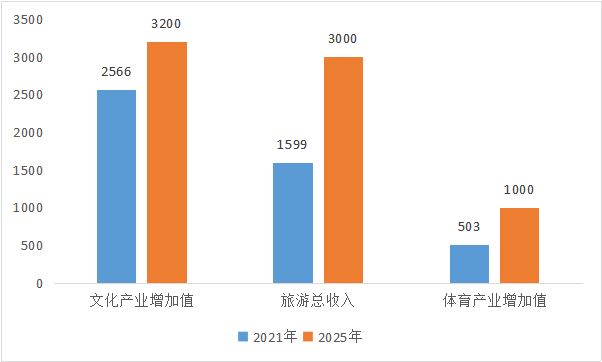
Group 1: Investment Conference and Economic Outlook - The 2025 Shenzhen Global Investment Conference will be held on December 5, focusing on seven key sectors including AI, biomedicine, and finance, with over 600 participating companies expected, including more than 200 Fortune 500 and multinational companies from over 30 countries [1] - As of October 2025, Shenzhen has a total of 4.5921 million business entities, including major companies like Huawei and Tencent, and 1,333 national-level specialized and innovative "little giant" enterprises [1] Group 2: Financial Sector Developments - Shenzhen has established 11 key financial institutions this year, including branches of Santander Bank and Fubon Bank, and has launched seven bank-affiliated AIC pilot funds totaling 22.16 billion yuan, leading the country [2] - The total industrial output value of Shenzhen ranks first among Chinese cities for three consecutive years, with foreign trade totaling 18.9 trillion yuan, accounting for 9.5% of the national total [2] Group 3: Cultural and Tourism Industry Growth - From 2021 to 2025, the added value of Shenzhen's cultural industry is projected to grow from 256.6 billion yuan to approximately 320 billion yuan, with tourism revenue expected to rise from 159.9 billion yuan to around 300 billion yuan [4] - The recent 15th National Games in Shenzhen attracted 18.049 million visitors, boosting tourism consumption by 24.48% year-on-year [3] Group 4: Future Development Plans - By 2030, Shenzhen aims to achieve tourism revenue of 450 billion yuan and 280 million tourist visits, with plans to support the digital creative industry and optimize tourism product offerings [5] - The city is also focusing on developing the sports industry, including fitness, competition, and sports training, while promoting the integration of sports with other sectors [6] Group 5: Foreign Investment Trends - In the first ten months of this year, Shenzhen's actual foreign investment reached 29.7 billion yuan, a year-on-year increase of 8.4%, with high-tech industries accounting for over one-third of the total [7] - Notable foreign companies such as DuPont, BP, and Hexagon have established or increased investments in Shenzhen, with over 10,000 foreign-invested enterprises now operating in the city [8]
价格再创新高,白银的上限在哪里? | 巴伦精选
Sou Hu Cai Jing· 2025-11-27 13:44
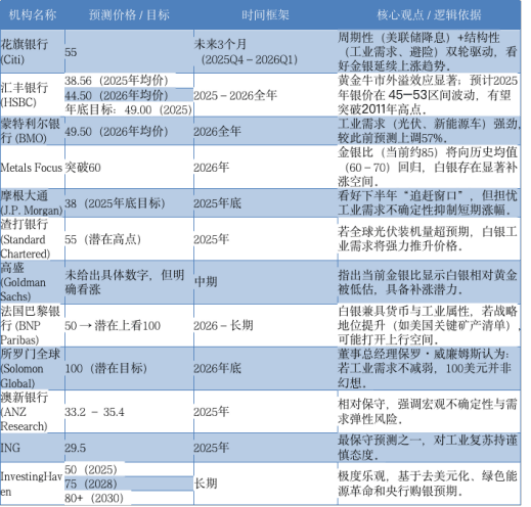
Core Viewpoint - COMEX silver futures prices have reached a new high of $54.445 per ounce, reflecting an increase of over 80% year-to-date, outperforming gold by approximately 20% [1][2]. Price Trends and Predictions - Various institutions have differing predictions for silver prices, with Citibank forecasting $55 per ounce in the next three months, while more optimistic forecasts suggest potential targets of $100 by 2026 from Solomon Global and $60 from Metals Focus [2][3]. - The overall market sentiment towards silver remains optimistic, with several institutions projecting significant price increases in the coming years [2][3]. Volatility and Market Dynamics - The volatility of silver prices has reached historical highs, with a maximum drawdown of 15% and an annualized volatility exceeding 40% in 2025 [4][5]. - The past five years have shown significant fluctuations in silver prices, with 2025 experiencing the highest annual increase of 82% [5]. Investment Strategies - For conservative investors, strategies include investing in silver ETFs and physical silver bars for long-term asset preservation [6][8]. - Balanced investors may consider spot or futures trading for moderate gains, while aggressive investors can engage in leveraged trading and options for higher returns [6][7][8]. - The main investment methods for silver include physical silver, silver ETFs, spot trading, COMEX futures, silver options, and mining stocks, each catering to different investor profiles [7][8].
个人养老金三周年 银行营销重点转向缴存,基金平均回报超13%
2 1 Shi Ji Jing Ji Bao Dao· 2025-11-26 23:17
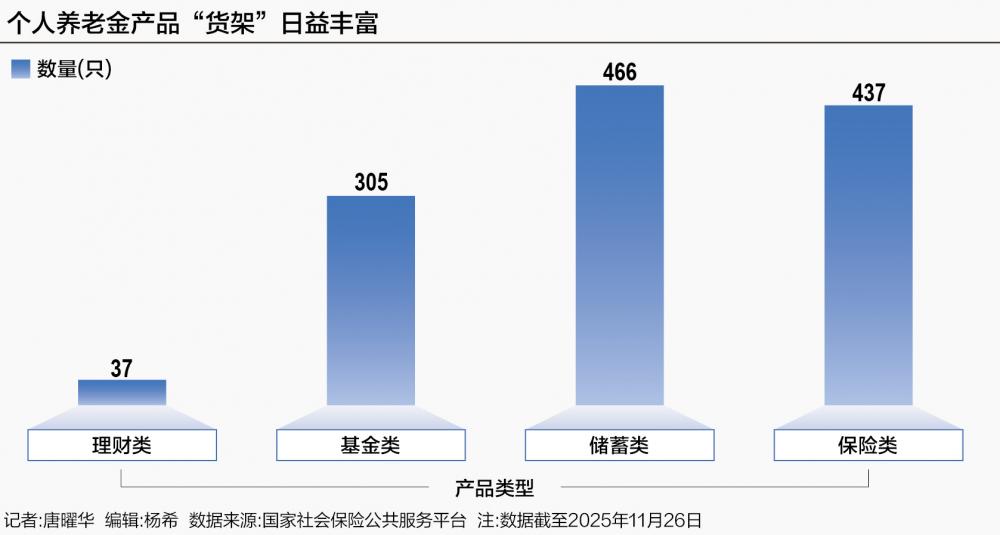
Core Insights - The personal pension system in China is entering its third year since the pilot launch on November 25, 2022, with banks and financial institutions actively promoting pension contributions and related services [1][4][5] Group 1: Marketing Strategies - Banks have shifted their marketing focus from account opening to encouraging contributions, with various rewards for depositors [4] - For instance, China Construction Bank offers up to 656 yuan in benefits for contributions, while Industrial Bank provides chances to win up to 609.68 yuan [4] - Many banks have implemented tiered reward systems for contributions, incentivizing higher deposits with increased rewards [4] Group 2: Product Performance - Personal pension financial products have shown an average return of over 3%, with pension funds averaging a return of 13.54% since inception [1][11] - As of November 26, 2023, the average annualized return for personal pension financial products is 3.47%, with fixed-income products averaging 3.55% [9] - The performance of pension funds has been notably strong, with 305 funds achieving an average return of 13.54% since inception, and some index funds yielding returns as high as 22.21% this year [11][12] Group 3: Product Offerings - The range of personal pension products is expanding, with 37 financial products, 305 funds, 466 savings products, and 437 insurance products available as of November 26 [7] - Starting June 2026, savings bonds will be included in the personal pension product catalog, enhancing investment options for consumers [7] Group 4: Risk Profile - Approximately 67.57% of personal pension financial products are classified as low to medium risk, primarily consisting of fixed-income products [9] - The overall risk profile aligns with the conservative nature of pension investments, catering to investors' lower risk tolerance [9]
基金销售结算新机制出台!理财“贴息玩法”如何被堵?一图看懂
Sou Hu Cai Jing· 2025-11-26 11:30
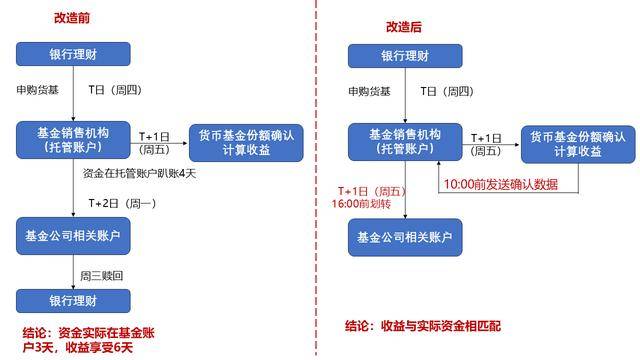
Core Viewpoint - The regulatory authority has issued a new notice to optimize the fund sales settlement mechanism, aiming to enhance the efficiency of fund subscription fund transfers and reduce the time funds are in transit [1][8]. Group 1: Regulatory Changes - The notice specifies that for off-site money market funds, fund managers must send confirmation and clearing data to sales institutions by 10:00 on the subscription confirmation day, and sales institutions must transfer confirmed subscription funds to the fund's registration account by 16:00 on the same day [1][8]. - This optimization addresses the previously controversial "money fund enhancement" loophole, which had been exploited by some bank wealth management products [1][8]. Group 2: Impact on Bank Wealth Management - The "money enhancement" strategy, which allowed clients to receive additional returns through third-party sales institutions, is significantly impacted by the new regulations [3][6]. - The previous method involved a timing strategy where funds would be held in a third-party bank's account for several days, allowing for interest accumulation that was then partially returned to the wealth management company, effectively increasing returns beyond the actual fund performance [4][5][6]. Group 3: Stakeholder Effects - The optimization of the fund sales settlement mechanism reduces the operational space for bank wealth management's "interest subsidy" practices, which had previously benefited multiple parties at the expense of ordinary fund investors [6][8]. - The new regulations are expected to promote compliance and transparency in investment strategies, moving away from gray operations that previously existed [8]. Group 4: Fund Market Data - As of September 2025, the scale of money market funds reached 14.67 trillion, accounting for 40% of public funds [9]. - By the end of 2023, bank wealth management investments in public funds amounted to 0.61 trillion, representing 2.1% of the total, with a peak allocation of 1.38 trillion (4.2%) reached by the second quarter of 2024 [12].
储蓄国债“入池”个人养老金,能否改变“开户热、缴费冷、投资少”的情况?
第一财经· 2025-11-25 11:06
Core Viewpoint - The implementation of the personal pension system has reached its third anniversary, and the product pool is expanding with the inclusion of electronic savings bonds, which is expected to enhance the attractiveness of personal pension investments [3][4]. Group 1: Expansion of Personal Pension Products - The Ministry of Finance and the People's Bank of China announced that starting from June 2026, electronic savings bonds will be included in the personal pension product range, creating a diversified product structure that combines insurance, wealth management, funds, savings, and bonds [3][4]. - The personal pension system has evolved from pilot programs in 36 cities to a nationwide rollout, with a well-established framework and an increasingly rich product system [3][4]. Group 2: Characteristics and Appeal of Savings Bonds - Electronic savings bonds are characterized by their ultra-low risk and high safety, backed by national credit, with interest rates higher than those of regular deposits, making them attractive to conservative investors [4][5]. - The current interest rates for 3-year and 5-year savings bonds are stable at 1.63% and 1.7%, respectively, with certain issues being quickly sold out due to high demand [4]. Group 3: Impact on Personal Pension Contributions - The introduction of savings bonds is expected to encourage higher contribution levels in personal pension accounts, particularly among conservative investors who may be hesitant to invest in riskier products [5]. - The effectiveness of this initiative will depend on various factors, including investor risk preferences, the diversity of market products, and the level of investor education [5]. Group 4: Issuance and Allocation of Savings Bonds - The issuance of electronic savings bonds will have a dedicated quota for pension investors, with the allocation adjusted quarterly based on the proportion of uninvested amounts in pension accounts [6][7]. - This mechanism is anticipated to intensify competition among institutions, as they will need to optimize product offerings and enhance customer experiences to secure a larger share of the pension market [7].

年轻人青睐“新三金”
Sou Hu Cai Jing· 2025-11-24 23:16
Core Insights - The article discusses the shift in asset allocation strategies among young investors in response to declining deposit interest rates, moving from traditional gold jewelry to more diversified financial products like money market funds, bond funds, and gold funds [1][4]. Group 1: Changes in Deposit Products - Several small and medium-sized banks are adjusting their deposit product structures, moving away from long-term high-interest deposits, as evidenced by a village bank's cancellation of a 5-year fixed deposit product [2]. - The People's Bank of China reported an increase of 23.32 trillion yuan in RMB deposits over the first ten months of 2025, with household deposits rising by 11.39 trillion yuan [2]. - There is a notable shift in household savings towards other asset classes, indicating a reallocation of assets by residents [2][3]. Group 2: Young Investors' Preferences - Young investors are increasingly favoring a "new three golds" investment strategy, which includes money market funds, bond funds, and gold funds, as a more stable approach to wealth management [4][6]. - A 95-born fund industry worker shared their investment strategy, dividing funds into three categories: liquid, stable, and long-term, reflecting a growing awareness of personal risk tolerance [4][6]. - The popularity of the "new three golds" is seen as a defensive evolution in financial management, focusing on stable returns rather than high-risk investments [4][6]. Group 3: Asset Management Market Growth - China's total asset management scale has surpassed 170 trillion yuan, making it the second-largest wealth management market globally [3]. - The trend of reallocating funds from bank deposits to capital markets is contributing to the growth of non-bank financial institutions [4]. Group 4: Banking Industry Transformation - The banking sector is undergoing a transformation from scale-driven strategies to optimizing structures and focusing on comprehensive service competition due to sustained pressure on net interest margins [7][8]. - Banks are shifting towards wealth management and investment banking services, aiming to provide comprehensive financial solutions to retain customers and stabilize funding [7][8]. - Community banks are actively engaging in financial education initiatives, such as financial literacy classes and resources for different demographics, to adapt to changing financial needs [8].

个人养老金产品扩容!专家解读!
中国基金报· 2025-11-24 14:21
Core Viewpoint - The inclusion of electronic savings bonds into personal pension products is expected to enhance investor enthusiasm and contribute to the high-quality development of the personal pension system [2][4]. Group 1: Policy Announcement - On November 21, the Ministry of Finance and the People's Bank of China announced that starting from June 2026, electronic savings bonds will be included in the personal pension product pool, requiring underwriters to provide related services for investors opening personal pension accounts [4]. - This move is seen as a signal of "safety" and "investment," reinforcing the security of pension funds and promoting long-term capital market participation [4][6]. Group 2: Market Impact - The addition of electronic savings bonds is expected to enrich the personal pension product pool, providing investors with safer and more stable investment options, thereby increasing public participation in the personal pension system [5][6]. - The current market offers 926 personal pension products, with 466 being savings products, indicating a diverse range of options available to investors [8]. Group 3: Challenges and Solutions - Despite the growth in account openings, there exists a "hot account, cold deposit" dilemma, reflecting various contradictions such as account liquidity versus closure, product homogeneity, and low perception of tax incentives [9]. - To address these issues, a collaborative effort between policy and market is necessary, including optimizing tax incentives and enhancing product innovation to better meet the needs of different risk profiles [9].