数码

Search documents
出台扩大入境消费的政策措施!商务部最新发声
Zhong Guo Zheng Quan Bao· 2026-01-26 12:06
1月26日,国新办举行新闻发布会。商务部相关负责人表示,下一步,商务部将围绕做强国内大循环、 畅通国内国际双循环、拓展国际循环,着力推动商务高质量发展,为"十五五"开好局、起好步作出新贡 献。 要点概览: 出台扩大入境消费的政策措施。 国家层面的海外综合服务大平台近期将上线。 以服务业为重点扩大市场准入和开放领域。有序扩大电信、医疗、教育等领域自主开放。 优化实施消费品以旧换新,促进汽车、家电、数码和智能产品等大宗耐用商品消费。 开展汽车流通消费改革试点。 出台扩大入境消费的政策措施 在外贸工作方面,商务部对外贸易司司长王志华表示,2026年,商务部将强化政策抓手。形成外贸政 策"组合拳",精心服务好外贸企业,助力企业降本增效。加强政策宣传解读,稳住预期、提振信心,央 地联动,适时研究出台新的政策,创新支持举措。 拓展多元市场。加大对企业赴境外参展力度,举办系列贸易促进活动,办好第139届、140届广交会,鼓 励企业用好国别贸易指南和外贸促进信息,帮助企业更好对接市场。 加快创新赋能。指导跨境电商综试区大力发展跨境电商赋能产业带。着力拓展绿色贸易,提升绿色低碳 产品国际竞争力。推动人工智能赋能外贸发展,提升贸 ...
商务部:优化实施消费品以旧换新,促进汽车、家电等大宗耐用商品消费
Xin Lang Cai Jing· 2026-01-26 11:15
今天(1月26日),国新办就2025年商务工作及运行情况举行新闻发布会。 发布会上介绍,2026年商务部将深入实施提振消费专项行动,围绕出政策、办活动、优场景三个方面开 展工作。 今天(1月26日),国新办就2025年商务工作及运行情况举行新闻发布会。 发布会上介绍,2026年商务部将深入实施提振消费专项行动,围绕出政策、办活动、优场景三个方面开 展工作。 一是出政策,加大惠民力度。优化实施消费品以旧换新,促进汽车、家电、数码和智能产品等大宗耐用 商品消费。开展汽车流通消费改革试点,进一步释放汽车消费潜力。开展好有奖发票试点工作,上周末 有奖发票试点城市名单已经开始公示了。推动出台促进首发经济等一批务实管用的政策举措。 二是办活动,营造消费氛围。聚焦商品消费、服务消费和消费场景三大主题,我们将在今年组织开展20 多场"购在中国"专题活动,组织15个国际化消费环境试点城市举办"城市专场"活动,支持各地举办"地 方站"活动,通过主题统一、特色鲜明的活动矩阵,营造浓厚消费氛围。 三是优场景,改善消费环境。加快国际消费中心城市培育建设,推进国际化消费环境建设试点和消费新 业态新模式新场景试点工作,打造一批带动面广、显 ...
“电子木鱼”火爆全网,2026年情绪消费高景气度延续,聚焦港股通消费ETF华夏(513230)布局窗口
Mei Ri Jing Ji Xin Wen· 2026-01-26 06:26
Group 1 - The Hong Kong stock consumer sector experienced fluctuations, with the Hong Kong Stock Connect Consumer ETF Huaxia (513230) showing a slight decline. Stocks such as Lao Pu Gold, TCL Electronics, and Mijue Group saw notable gains, while stocks like Master Kong Holdings and Li Ning faced significant losses [1] - The highly anticipated Honor 500 Pro MOLLY 20th Anniversary Limited Edition was launched on January 25, generating excitement in both the digital and trendy toy markets. The product sold out quickly both online and in physical stores, indicating strong consumer demand [1] - CICC's report highlighted the recent success of Pop Mart's new products, including the PUCKY Knock Knock series and other plush accessories, showcasing the company's innovation capabilities supported by a mature R&D mechanism and direct customer system [1] Group 2 - Huaxi Securities predicts that the emotional consumption trend will continue to thrive in 2026, particularly among Generation Z consumers who are increasingly willing to spend on both products and emotional experiences. Service-oriented consumption is expected to play a crucial role in driving domestic demand [2] - The policy environment continues to emphasize the potential of service consumption, with sectors such as elderly care, childcare, tourism, and duty-free shopping showing strong growth, particularly in 2025 [2] - The Hong Kong Stock Connect Consumer ETF Huaxia (513230) tracks the CSI Hong Kong Stock Connect Consumer Theme Index, encompassing leading consumer stocks across various sectors, including Pop Mart, Yum China, Anta Sports, Nongfu Spring, and Mijue Ice City [2]
今年家电以旧换新、数智产品购新补贴活动开启,将持续至年底
Su Zhou Ri Bao· 2026-01-25 00:34
Group 1 - The core initiative is the launch of a subsidy program in Suzhou for upgrading household appliances and digital products, running until December 31, 2026 [1] - The subsidy covers six categories of household appliances and four categories of digital products, with a 15% subsidy applicable to qualifying items [1] - For household appliances like refrigerators, washing machines, televisions, air conditioners, computers, and water heaters, consumers can receive a maximum subsidy of 1,500 yuan per item [1] - For digital products such as smartphones, tablets, smartwatches, and smart glasses, the subsidy is capped at 500 yuan per item, with a maximum sales price of 6,000 yuan [1] Group 2 - Consumers can apply for the subsidy through platforms like Suzhou Bank and Cloud Flash Payment, with specific application details to be announced by the platforms [1] - The program operates on a "first come, first served" basis, encouraging consumers to participate early to secure their subsidies [2] - Important deadlines include a delivery cutoff of December 31, 2026, and a return deadline of January 10, 2027, with conditions for returning subsidy funds in case of product returns [1]
我省今年扩围支持设备更新 优化实施消费品以旧换新
Xin Lang Cai Jing· 2026-01-24 21:42
Group 1 - The provincial development and reform commission and finance department have announced a policy to promote large-scale equipment updates and a trade-in program for consumer goods in 2026 [1] - The policy will expand support for equipment updates across various sectors, including the addition of new areas such as old community elevator installations, elderly care facilities, and fire rescue equipment [1] - There will be increased support for the replacement of old operational trucks and the update of new energy city buses, as well as the scrapping and updating of old agricultural machinery [1] Group 2 - The policy includes a unified subsidy standard for the trade-in of cars, six categories of home appliances, and four categories of digital and smart products, with specific provisions for smart home products [1] - The province aims to enhance recycling and circular economy efforts by improving the recycling network and encouraging the development of "Internet + second-hand" models [2] - The policy emphasizes the need to strengthen standards and accelerate the development of a standard system, with plans to revise or participate in the creation of 20 national and industry standards and implement 50 local and group standards [2]
全国市场运行和消费促进工作会议:坚持扩大内需战略基点
Zheng Quan Shi Bao Wang· 2026-01-23 14:41
Group 1 - The national market operation and consumption promotion meeting emphasized the strategic focus on expanding domestic demand, with a plan to develop a "15th Five-Year" plan for consumption expansion [1] - The meeting highlighted the importance of upgrading and expanding commodity consumption, with specific measures to implement a consumption goods replacement policy, particularly in large items like automobiles and home appliances [1] - The first batch of 625 billion yuan in national subsidies for the consumption goods replacement policy has been fully allocated to local governments, leading to significant increases in the market size of home appliances and mobile phones by 2025 [1] Group 2 - According to the National Bureau of Statistics, there is a shift in resident consumption from primarily goods to a balance between goods and services, with service retail expected to grow faster than goods retail in 2025 [2] - E-commerce platforms are accelerating the connection to service consumption, with online service consumption projected to grow by 22% in 2025, particularly in areas like sports events, tourism, and dining [2] - The meeting called for the cultivation of new growth points in service consumption, promoting digital, green, and health consumption, as well as enhancing international consumption environments and organizing special promotional activities [2]
江苏明确:2026年将持续推进大规模设备更新
Zheng Quan Shi Bao Wang· 2026-01-23 13:56
Core Viewpoint - Jiangsu Province is implementing a large-scale equipment update and consumer goods trade-in policy starting in 2026, aimed at promoting economic growth and enhancing consumer spending through various subsidies and support measures [1][2][3][4]. Group 1: Large-Scale Equipment Update - The policy expands support for equipment updates to include new sectors such as old residential elevators, elderly care facilities, fire rescue equipment, inspection and testing, video security, and commercial facilities like shopping centers and supermarkets [1] - There is a focus on updating elevators that are over 15 years old, with priority given to those over 20 years old, and increased support for small and medium-sized enterprises [1] - The investment threshold for applying for equipment update projects will be lowered, and the review process will be optimized [1] Group 2: Consumer Goods Trade-In - The policy supports the scrapping and updating of vehicles, providing a one-time subsidy for individuals who scrap eligible gasoline and diesel vehicles, as well as certain new energy vehicles [2] - For scrapped vehicles replaced with new energy vehicles, a subsidy of 12% of the vehicle price (up to 20,000 yuan) is offered, while for fuel vehicles with an engine size of 2.0 liters or less, the subsidy is 10% (up to 15,000 yuan) [2] - Consumers can receive subsidies for trading in old appliances like refrigerators, washing machines, and air conditioners, with a 15% subsidy on the purchase price (up to 1,500 yuan) for energy-efficient products [3] Group 3: Recycling and Circular Economy - The policy aims to enhance recycling networks and support high-level recycling projects through long-term special government bond funding [4] - It promotes the establishment of a three-tier recycling system for renewable resources and encourages the development of "Internet + second-hand" models [4] - There is a focus on regulating the trading of second-hand goods and the remanufacturing of used equipment, ensuring that remanufactured products meet quality and safety standards [4]
江苏消费品以旧换新政策“更新”!扫地机器人、智能马桶等智能家居被纳入
Yang Zi Wan Bao Wang· 2026-01-23 06:15
Core Viewpoint - Jiangsu Province has announced a large-scale equipment update and consumer goods trade-in policy to be implemented by 2026, focusing on promoting green, low-carbon, and smart products while managing funding limits and qualifications for subsidies [1][4]. Group 1: Automotive Support - The policy supports the scrapping of gasoline and diesel vehicles registered before specific dates, offering a one-time subsidy for purchasing new energy vehicles or low-displacement fuel vehicles [2]. - For scrapped eligible vehicles, a subsidy of 12% of the vehicle price (up to 20,000 yuan) is provided for new energy vehicles, and 10% (up to 15,000 yuan) for low-displacement fuel vehicles [2]. - Consumers must register their scrapped vehicles in their name by January 8, 2025, to qualify for the subsidy [2]. Group 2: Home Appliance Support - The policy includes support for six categories of home appliances, providing a subsidy of 15% of the sales price (up to 1,500 yuan) for energy-efficient products [3]. - Consumers can receive a subsidy for one item per category, including refrigerators, washing machines, televisions, air conditioners, computers, and water heaters [3]. - The policy also supports the purchase of digital and smart products, offering a 15% subsidy (up to 500 yuan) for items like smartphones and smartwatches [3]. Group 3: Funding Management - The funding for the consumer goods trade-in program will be managed with a limit, and any unused funds by December 31, 2026, will be reclaimed [1][4]. - The funding distribution will consider factors such as population, GDP, and local sales, with a focus on maximizing the impact of subsidies [1][4]. - The provincial and municipal governments will share the funding burden, with specific ratios for different regions [4]. Group 4: Regulatory Oversight - The policy emphasizes strict regulatory oversight of the funding and project implementation, with local governments being the primary responsible entities [6]. - There will be measures to prevent misuse of funds, including penalties for violations and a requirement for transparent reporting and evaluation of the program's effectiveness [6]. - Local governments are encouraged to develop their own funding plans while adhering to the unified standards set by the province [6].

广告“大字吸睛、小字免责”游戏,终于玩到头了?
Sou Hu Cai Jing· 2026-01-22 16:22
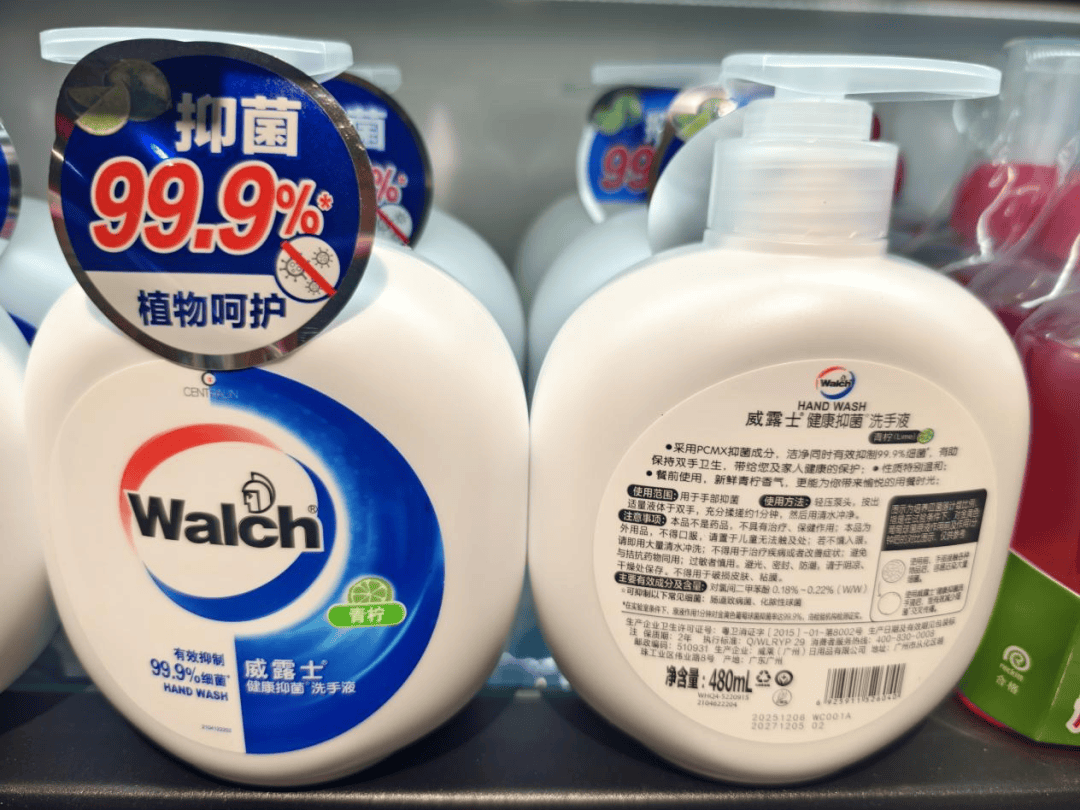
Core Viewpoint - The article highlights the deceptive advertising practice of using prominent claims while burying critical limitations in small print, which misleads consumers and has drawn regulatory scrutiny [1][2][10]. Group 1: Advertising Practices - The "big letters attract attention, small letters disclaim" strategy is prevalent across various consumer sectors, including digital, financial, food, and beauty products [1][10]. - In the personal care sector, products like a hand sanitizer claim to "effectively inhibit 99.9% of bacteria," but the fine print specifies that this is under laboratory conditions against a specific strain [2][4]. - Similar tactics are observed in electronics, where a sports camera advertises "200 minutes of battery life," but the conditions for this claim are hidden in small print [4][8]. Group 2: Legal and Regulatory Context - Legal experts argue that such advertising practices may violate consumer protection laws by failing to provide "true and comprehensive" information [4][11]. - The market regulatory authority has begun addressing these misleading practices, emphasizing that advertising must present information clearly and accurately [10][15]. - New guidelines have been proposed to ensure that font size and color do not obscure critical product information, aiming to reduce consumer confusion and false advertising risks [15][16]. Group 3: Industry Implications - The prevalence of misleading advertising can distort competition, erode consumer trust, and increase compliance costs for businesses [12][13]. - Experts suggest that the focus on attention-grabbing marketing tactics detracts from genuine product quality and brand integrity [13][14]. - The rise of such practices has prompted calls for stricter regulations and better enforcement to protect consumer rights and ensure fair competition [16].


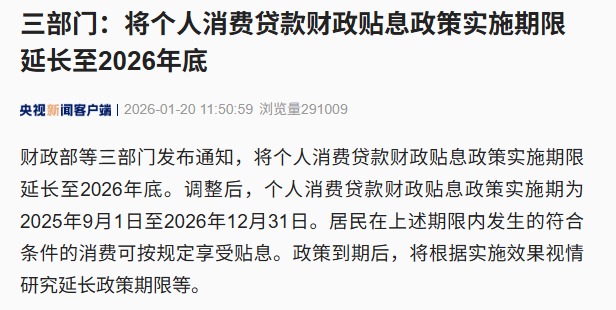
信用卡账单分期纳入贴息!个人消费贷款贴息延长至2026年底!
Sou Hu Cai Jing· 2026-01-21 14:45
Core Points - The personal consumption loan interest subsidy policy has been extended until the end of 2026, providing longer-term credit support for residents [2][3] - The scope of support has been expanded to include credit card bill installment services, with an annual interest subsidy rate of 1% [4] - The subsidy standards have been optimized by removing the previous limits on single and cumulative subsidy amounts [5] Group 1: Policy Extension - The implementation period of the personal consumption loan subsidy has been extended from September 1, 2025, to December 31, 2026, allowing for broader coverage [3] - The policy aims to provide residents with longer-term credit support [3] Group 2: Expanded Support Scope - Credit card bill installment services are now included in the subsidy program, reducing the cost for cardholders [4] - The subsidy can be applied to various compliant consumption areas such as tourism, dining, education, and healthcare [4] Group 3: Subsidy Standards Optimization - The previous cap on single subsidy amounts of 500 yuan has been removed, as well as the cumulative subsidy limit of 1,000 yuan for each borrower at one institution [5] - The annual cumulative subsidy limit of 3,000 yuan per borrower at one institution remains unchanged [5] Group 4: Expansion of Financial Institutions - The policy now allows provincial financial departments to include city commercial banks, rural cooperative financial institutions, foreign banks, and consumer finance companies as eligible institutions for the subsidy [7] - This expansion aims to enhance the accessibility of subsidized loans for residents [7]