
玩具

Search documents
高乐股份大宗交易成交1560.00万元
Zheng Quan Shi Bao Wang· 2025-08-05 10:35
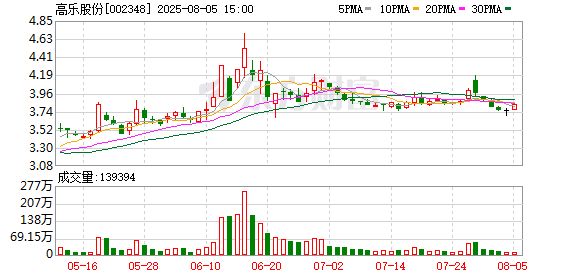
高乐股份8月5日大宗交易平台出现一笔成交,成交量400.00万股,成交金额1560.00万元,大宗交易成交 价为3.90元,相对今日收盘价溢价1.83%。该笔交易的买方营业部为中国中金财富证券有限公司上海分 公司,卖方营业部为浙商证券股份有限公司金华分公司。 证券时报·数据宝统计显示,高乐股份今日收盘价为3.83元,上涨1.86%,日换手率为1.54%,成交额为 5285.03万元,全天主力资金净流入947.88万元,近5日该股累计下跌3.28%,近5日资金合计净流入61.22 万元。(数据宝) 8月5日高乐股份大宗交易一览 | 成交量 | 成交金额 | 成交价格 | 相对当日收盘折 | 买方营业部 | 卖方营业部 | | --- | --- | --- | --- | --- | --- | | (万股) | (万元) | (元) | 溢价(%) | | | | 400.00 | 1560.00 | 3.90 | 1.83 | 中国中金财富证券有限 | 浙商证券股份有限公 | | | | | | 公司上海分公司 | 司金华分公司 | (文章来源:证券时报网) ...


“地派”创业者,一定要主动找钱
创业家· 2025-08-05 10:28
Core Viewpoint - Entrepreneurs in the "Di Pai" sector should actively seek investment to enhance business growth, as competitors will pursue funding, and appropriate capital can significantly accelerate development [1]. Group 1: Japanese Market Insights - The Japanese consumer market serves as a "future laboratory" for Chinese brands, providing predictive insights into the evolution of consumption over the next decade [6]. - Understanding the product survival wisdom derived from Japan's "lost thirty years" is crucial for Chinese brands to win over consumers [6]. - Key strategies from successful Japanese brands include supply chain-driven private label (PB) products, continuous iteration of major products, and defining lifestyles that resonate emotionally with consumers [7][8]. Group 2: Successful Japanese Brands - Kobe Bussan utilizes a supply chain-driven model with over 350 factories globally, achieving a sales scale of 200 billion RMB through its PB products [7][13]. - 7-11 leverages data from its extensive network of stores to develop PB products that meet latent consumer needs, enhancing store performance by 120% through single product development [7][11]. - Nitori, known as the "king of furniture" in Japan, applies automotive supply chain standards to achieve continuous revenue growth for 36 years [7][15]. - Kikkoman has expanded from soy sauce to over 2000 SKUs, demonstrating successful product diversification [7][16]. Group 3: Emotional Engagement and Lifestyle Definition - Brands like Bandai focus on developing products that tap into fundamental human desires, creating items that are both entertaining and addictive [9]. - Muji redefines user experience with its no-logo, affordable products, reflecting a shift in consumer lifestyle post-economic bubble [9]. - The concept of "loneliness economy" is explored, emphasizing the importance of emotional resonance in product development [9]. Group 4: Learning and Networking Opportunities - The event features prominent figures from the consumer sector, providing insights into retail strategies and product development [10][11]. - Participants will engage in hands-on learning experiences, including visits to successful Japanese retail stores and discussions on innovative supply chain practices [10][12]. Group 5: Event Details - The study tour is scheduled from September 21 to 26, 2025, in Tokyo, with a focus on understanding the evolution of Japanese consumer brands [20]. - The program is limited to 35 participants, specifically targeting company founders, with a fee of ¥ 59,800 per person [20].

港股异动 彩星玩具(00869)跌超3% 预计上半年由盈转亏至约2600万港元
Jin Rong Jie· 2025-08-05 04:10
Core Viewpoint - The company, Cai Xing Toys (00869), has issued a profit warning, anticipating a significant decline in revenue and a net loss for the upcoming financial period [1] Financial Performance - The company expects unaudited revenue for the six months ending June 30, 2025, to be approximately HKD 186 million, a decrease from HKD 445 million in the same period of 2024 [1] - The anticipated net loss is around HKD 26 million, contrasting with a net profit of HKD 91 million in the same period of 2024 [1] Reasons for Decline - The board attributes the revenue decrease primarily to a decline in product shipments for "Godzilla vs. Kong" as expected [1] - The "Teenage Mutant Ninja Turtles" brand lacks major entertainment events to drive demand, leading to a slowdown in the product series [1] - Increased costs related to product development, molds, and media production in preparation for new product launches have also contributed to the financial outlook [1] - Trade tensions have hindered shipments to the U.S. market since April, and tariffs on imported goods to the U.S. have been implemented since the second quarter of this year [1]
港股异动 | 彩星玩具(00869)跌超3% 预计上半年由盈转亏至约2600万港元
智通财经网· 2025-08-05 03:46
智通财经APP获悉,彩星玩具(00869)跌超3%,截至发稿,跌3.28%,报0.59港元,成交额120.01万港 元。 董事会认为,收入减少主要是由于"哥斯拉X金刚"的产品付运量按预期回落;"忍者龟"品牌并无大型娱 乐活动推动,致使"忍者龟"产品系列需求放缓;及为配合即将推出的新产品做准备,产品开发、模具及 媒体制作费用增加;由于贸易紧张局势加剧,今年4月付运至美国市场的货品受到阻碍,并自今年第二 季起需支付对进口美国的商品所实施的关税等。 消息面上,彩星玩具发盈警,预期集团2025年6月30日止6个月的未经审核收入约1.86亿港元,相对于 2024年同期的收入为4.45亿港元;预期集团取得净亏损约2600万港元,相对于2024年同期净溢利9100万 港元。 ...
彩星玩具跌超3% 预计上半年由盈转亏至约2600万港元
Zhi Tong Cai Jing· 2025-08-05 03:44
Core Viewpoint - 彩星玩具 (00869) has issued a profit warning, expecting significant declines in revenue and net profit for the six months ending June 30, 2025 compared to the same period in 2024 [1] Financial Performance - The company anticipates unaudited revenue of approximately HKD 186 million for the six months ending June 30, 2025, down from HKD 445 million in the same period of 2024 [1] - The expected net loss is around HKD 26 million, contrasting with a net profit of HKD 91 million in the same period of 2024 [1] Reasons for Decline - The board attributes the revenue decrease primarily to a decline in product shipments for "Godzilla vs. Kong" [1] - The "Teenage Mutant Ninja Turtles" brand lacks major entertainment events to drive demand, leading to a slowdown in the product series [1] - Increased costs related to product development, molds, and media production in preparation for upcoming new products [1] - Trade tensions have hindered shipments to the U.S. market since April, and tariffs on imported goods to the U.S. have been implemented since the second quarter of this year [1]
A股三大指数开盘集体上涨,创业板指高开0.65%
Feng Huang Wang Cai Jing· 2025-08-05 01:41
Group 1 - A-shares opened collectively higher with the Shanghai Composite Index up 0.15%, Shenzhen Component Index up 0.34%, and ChiNext Index up 0.65% [1] - CPO, HBM, and Zhongbing system sectors showed significant gains [1] Group 2 - CITIC Securities interprets the recently issued "Implementation Plan for the Childcare Subsidy System" as a measure to support families in raising infants and toddlers, which may help improve birth rates [2] - The market showed cautious expectations regarding the effectiveness of the subsidy policy, with related sectors such as dairy, maternal and infant products, and toys experiencing initial gains followed by slight declines [2] Group 3 - Huatai Securities expresses optimism about the commercial real estate sector under a value reassessment logic, noting that leading operators' shopping center assets exceed their book value [3] - The C-REITs channel facilitates the realization of this value, enhancing liquidity and making valuations more meaningful [3] Group 4 - CICC highlights multiple macroeconomic factors supporting the performance of the Chinese stock market despite the need for improvement in economic indicators [4] - Confidence in China's medium to long-term economic outlook has improved since last year's fourth quarter, particularly due to positive effects from DeepSeek [4] - The declining proportion of real estate in the economy has reduced its negative impact, and policymakers are increasingly focused on the economy, stock market, and real estate market [4] - There is a rising motivation among residents to allocate to risk assets, especially equities, due to limited returns on safe assets [4] - Future policies addressing debt issues are crucial for enhancing economic vitality and capital market significance [4]

谁来定义东莞?
Hu Xiu· 2025-08-04 23:21
Core Insights - Dongguan is a significant economic city in China, often overshadowed by other major cities despite its substantial manufacturing capabilities and contributions to the economy [4][5][6]. Group 1: Manufacturing Strength - Dongguan has the highest concentration of manufacturing in China, with over 22,000 industrial enterprises and 1.4 million scale industrial enterprises, ranking second nationally after Shenzhen [5][6]. - The city produces a significant portion of global goods, including 10% of sports shoes, 20% of sweaters, and 25% of smartphones [7]. - Dongguan's second industry accounts for over 55% of its economy, the highest among trillion-yuan cities [5]. Group 2: Innovation and Technology - Dongguan is home to advanced manufacturing facilities, such as Huawei's Southern factory and various high-tech companies, showcasing a blend of industrial, digital, and intelligent manufacturing [10][12]. - The establishment of XbotPark has fostered innovation, leading to the creation of over 140 hard-tech companies, including six unicorns [11][12]. Group 3: Historical Development - Dongguan's transformation began with the "Three Comes and One Supplement" policy in 1978, which initiated its outward-oriented economy [19]. - The city has undergone several key phases of development, including the rise of the electronics industry in the late 20th century, which established it as a major hub for global supply chains [20][21]. Group 4: Economic Ecosystem - Dongguan's manufacturing ecosystem is characterized by rapid response times and comprehensive supply chains, allowing for quick assembly and production of goods [13][14]. - The city has a robust network of over 4,000 toy manufacturers, contributing to 85% of China's trendy toys [25]. Group 5: Future Prospects - Dongguan is evolving from a manufacturing base to a center for innovation and design, with a focus on high-value products and original IP development [41][44]. - The city is positioned to continue its growth trajectory, leveraging its strong manufacturing foundation to explore new markets and technologies [46].
对等关税伤美民众钱包,涨价潮席卷电脑手表衣鞋酒类
Sou Hu Cai Jing· 2025-08-04 21:22
Group 1 - The latest tariffs announced by Trump will take effect on August 7, impacting a wide range of imported goods, including computers, electronics, watches, clothing, shoes, and alcoholic beverages, potentially leading to price increases for consumers [1][3]. - Goldman Sachs estimates that consumers will start feeling the impact of these tariffs within eight months [1][7]. - The new tariffs will impose rates ranging from 10% to 41% on nearly 70 countries, affecting the prices of various consumer goods [3]. Group 2 - Yale University's budget laboratory estimates that if the new tariffs are implemented indefinitely, prices for computers and other electronic products could rise by 18.2% in the short term (2 to 3 years) and by 7.7% in the long term (3 to 10 years) [4]. - Clothing, being one of the most imported goods in the U.S., is expected to see a short-term price increase of 37.5% and a long-term increase of 17.4% due to tariffs imposed on major exporting countries like China, Vietnam, Bangladesh, India, and Indonesia [4]. - Swiss watches, a significant export to the U.S. with over $4 billion in sales last year, will face a 39% tariff, likely affecting their prices [5]. Group 3 - Vietnam and Indonesia, major producers of footwear, will see tariffs of at least 19% starting next week, which could lead to increased prices for shoes [6]. - The U.S. wine and spirits market, where imported products account for 35% of total sales, will face a 15% tariff on imports from the EU, impacting prices for alcoholic beverages [6]. - Furniture and toys, primarily imported from Vietnam and China, are also expected to see price increases due to the looming tariffs, with manufacturers already warning of potential hikes [7].
玩具装个“AI脑”售价飙十倍,这个万亿级赛道火了
Mei Ri Jing Ji Xin Wen· 2025-08-04 14:23
Core Insights - The AI toy market is rapidly emerging as a new frontier for startups and capital investment, with major tech companies entering the space [1][4][6] - The market is witnessing a surge in demand and innovation, with traditional toy manufacturers pivoting to AI-enhanced products [3][4][14] - The industry is characterized by high demand, high prices, and high profit margins, making AI toys a key growth area for the toy industry [4][15] Industry Trends - Numerous new AI toy products are being launched daily, indicating a vibrant and competitive market [2][6] - The AI early education toy market has seen explosive growth, with sales increasing sixfold in January due to AI technology [3][14] - Major players like Tom Cat and international giants like Mattel are collaborating with tech firms to develop AI toys, indicating a shift from small startups to larger companies entering the market [4][5] Investment Landscape - The AI toy sector has attracted 96 investment institutions, including major players like ByteDance and Coca-Cola, with significant increases in financing activity since 2024 [6][14] - The market is perceived as a lucrative opportunity, with many investors showing keen interest in AI toy companies [5][6] Technological Advancements - The advent of open-source models has reduced costs and increased the intelligence of AI toys, facilitating their entry into the consumer market [7][8] - Companies are focusing on developing more sophisticated AI capabilities, such as emotional recognition and multi-modal interaction, to enhance user experience [8][9][12] Market Dynamics - The AI toy market is still in its early stages, with a lack of consensus on what constitutes a "true" AI toy [10][11] - The competition is intensifying as companies strive to integrate technology, content, and intellectual property into their products [11][12] - The market is expected to evolve towards more personalized and emotionally intelligent toys that can adapt to user preferences over time [12][14] Future Outlook - The AI toy market is projected to grow significantly, with estimates suggesting it could reach a trillion-yuan scale, driven by the vast global toy market [14][15] - China is positioned to be a leading player in the AI toy sector, leveraging its manufacturing capabilities and large consumer base to potentially produce the first blockbuster AI toy [16]

巴菲特,遭遇罕见滑铁卢
Guo Ji Jin Rong Bao· 2025-08-04 12:28
8月2日晚间,"股神"沃伦·巴菲特旗下的伯克希尔·哈撒韦公司(下称"伯克希尔")公布最新财报: 2025年二季度营业利润同比下降3.79%。 截至8月1日,伯克希尔股价今年累计上涨4.3%,而同期标准普尔500指数的总回报率为6.9%。 今年5月,94岁高龄的巴菲特在股东大会上宣布退休,并计划于年底卸任首席执行官。这样的二季 度业绩将给"接棒者"留下不小的挑战。不过,短期业绩对伯克希尔来说通常意义不大,因为其管理重点 是提升长期价值,而非满足季度目标。 多个核心指标下滑 报告显示,伯克希尔多个核心财务指标出现下滑。 今年上半年,伯克希尔实现营业利润208亿美元,同比下降8.8%。其中,公司第二季度营业利润总 计111.6亿美元,较去年同期的116亿美元有所下降;第二季度净利润降至约123.7亿美元,同比暴跌 59%;保险承保业务税前总利润为25.3亿美元,较去年同期的28.4亿美元下降近11%。 今年第一季度,伯克希尔的现金储备在5月至7月间下降至3440亿美元,而在5月3日召开年度股东大 会时,公司的现金储备约为3470亿美元。 值得注意的是,上半年伯克希尔抛售了45亿美元的股票,仅二季度就抛售约30亿美元 ...