脑机接口

Search documents
与沐曦打通GPU算力平台,AI让脑机接口更近了
3 6 Ke· 2025-12-16 03:11
Core Insights - The establishment of the Peak Intelligent Laboratory by the Tianqiao Brain Science Research Institute and the launch of the brain-like pulse model "Shunxi 1.0" represent a significant advancement in brain-inspired computing and large model integration in China [1][2] - The model "Shunxi 1.0" aims to address key challenges in AI, such as high energy consumption, long sequence modeling, and limited generalization capabilities, by mimicking the human brain's neural dynamics [2][3] Group 1: Model Development and Features - "Shunxi 1.0" is the first brain-like pulse model developed in China, utilizing a different approach from mainstream models based on the Transformer architecture, focusing on pulse-based information transmission [2][3] - The model operates on a domestic GPU computing platform, achieving approximately 90% performance of Alibaba's Qianwen 7B model while using only about 2% of the pre-training data [2][3] - The research team emphasizes the natural advantages of brain-like models in low-power inference, complex temporal modeling, and cross-task generalization, indicating potential for application breakthroughs in various scenarios [3] Group 2: Brain-Computer Interface Applications - The clinical application of brain-computer interfaces (BCIs) is accelerating in Shanghai, with companies like Brain Tiger Technology leading the way in developing fully implanted, wireless, and multifunctional BCI products [4][6] - A recent clinical trial at Huashan Hospital demonstrated the successful implantation of a BCI in a patient with high-level paraplegia, allowing control of a cursor and web browsing through thought alone [4][6] - The BCI system's design minimizes infection risks and enhances safety by placing the battery module under the skin, away from the brain, and achieving a brain control decoding rate of 5.2 BPS, nearing international standards [6] Group 3: Industry Trends and Collaboration - The development of BCIs is reshaping the relationship between medicine, research, and industry, with clinical needs driving technological improvements and fostering direct collaboration between doctors and engineers [7] - The intersection of artificial intelligence and brain-computer interfaces is seen as a dual shaping process, where AI enhances the interpretation of brain signals while insights into brain mechanisms push AI architectures towards greater efficiency and lower energy consumption [7]

A股开盘:沪指跌0.17%、创业板指跌0.23%,智能驾驶概念股集体走高,贵金属及白酒概念股走低
Jin Rong Jie· 2025-12-16 01:30
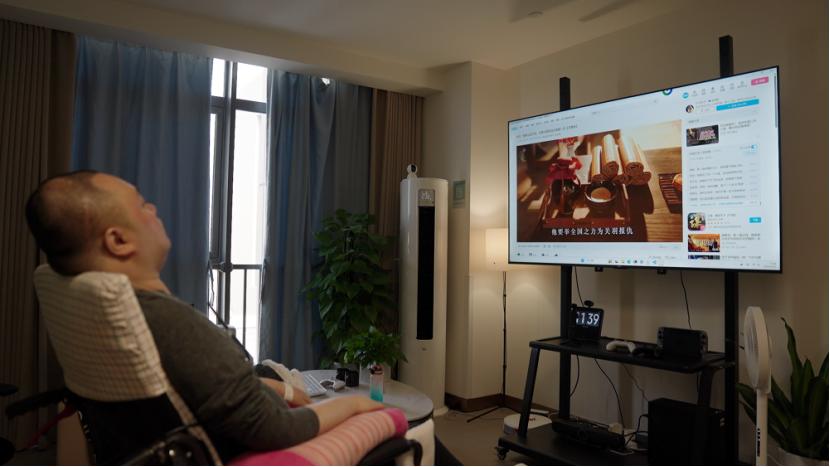
Market Overview - On December 16, A-shares opened slightly lower, with the Shanghai Composite Index down 0.17% at 3861.51 points, the Shenzhen Component Index down 0.21% at 13084.88 points, and the ChiNext Index down 0.23% at 3130.43 points [1] - The market saw declines in sectors such as precious metals, liquor, and electronic chemicals, while the smart driving concept experienced significant gains with stocks like Beiqi Blue Valley and Zhejiang Sebao hitting the daily limit [1] Company News - Cambrian Technology plans to use 2.778 billion yuan from its capital reserve to offset cumulative losses, aiming to bring its retained earnings to zero by the end of 2024 [2] - Jingjia Microelectronics' subsidiary successfully completed key stages for its CH37 series AISoC chip, marking a significant project milestone [2] - TCL Technology's subsidiary TCL Huaxing intends to purchase a 10.7656% stake in Shenzhen Huaxing Semiconductor Display Technology for 6.045 billion yuan, increasing its control from 84.2105% to 94.9761% [2] - Aerospace Electronics plans to invest 728 million yuan in its subsidiary, maintaining the current shareholding structure [2] - Zhongtung High-tech's subsidiary plans to invest 175.5 million yuan in a new production line for precision micro-tools, targeting a financial internal rate of return of 21.92% [3] - Yipin Hong intends to sell a 13.45% stake in Arthrosi Therapeutics for up to 1.5 billion USD, with a significant upfront payment [3] - SpaceX's procurement of calibration testing products from Konst is noted to have a limited impact on the company's performance [3] - Starry New Materials signed a strategic cooperation agreement with Guangdong Guoteng Quantum Technology for long-term collaboration in quantum technology [3] Investment and Industry Trends - Pengding Holdings plans to invest 4.297 billion yuan in a Thai park for production facilities and capacity expansion in high-end HDI and related products to cater to the growing AI application market [4] - The commercial aerospace sector is highlighted by SpaceX's valuation reaching 800 billion USD, potentially leading to the largest IPO in history [5] - The nuclear fusion industry is experiencing a surge in bidding activity, with over 2.4 billion yuan in projects announced in December [6] - The semiconductor sector sees STMicroelectronics delivering over 5 billion RF antenna chips to SpaceX, with expectations for doubled deliveries by 2027 [6] - The real estate market shows ongoing adjustments, with new home prices rising in only 8 cities while 59 cities saw declines [8] - The photovoltaic industry is witnessing the establishment of a multi-crystalline silicon capacity integration acquisition platform, signaling positive market signals [9] - China Mobile released a white paper on 6G transmission technology, indicating advancements in the telecommunications sector [10] - Brain-computer interface technology made a significant breakthrough with the successful clinical trial of a new product by Shanghai Brain Tiger Technology [11]

SpaceX启动华尔街投行竞标 为潜在IPO甄选承销商;我国首批L3级自动驾驶车型产品获得准入许可——《投资早参》
Mei Ri Jing Ji Xin Wen· 2025-12-15 23:13
Important Market News - SpaceX's Starlink project vice president Michael Nichols reported a close encounter of 200 meters between a recently launched Chinese satellite and a Starlink satellite, claiming no coordination or collision avoidance was made during the launch [1] - China Aerospace announced that all its launch missions utilize ground-based space awareness systems to select launch windows to avoid collisions, emphasizing this is a mandatory procedure [1] - If the close encounter is confirmed, it occurred 48 hours after the satellite's payload separation, indicating the launch mission had already concluded [1] Industry Insights - SpaceX executives have initiated a selection process for investment banks to provide advisory services for the company's potential IPO, with multiple banks scheduled for initial proposals this week [3] - The CFO of SpaceX indicated that if the company executes its plans well and market conditions are favorable, the IPO could raise significant funds, although the timing remains uncertain [3] - The satellite internet sector is expected to become a new frontier in global technology competition, with the satellite communication industry projected to exceed 200-400 billion yuan by 2030, with an annual growth rate of 10%-28% [4] - The Ministry of Industry and Information Technology in China has granted the first batch of L3-level conditional autonomous driving vehicle permits, marking a significant step towards commercial application [4] - The market for brain-computer interface technology is anticipated to reach $40 billion by 2030 and $145 billion by 2040, showcasing its potential in medical applications for neurological disorders [6]
中美卫星惊险“擦肩”,仅200米;SpaceX启动华尔街投行竞标,为潜在IPO甄选承销商;我国首批L3级自动驾驶车型产品获得准入许可——《投资早参》
Mei Ri Jing Ji Xin Wen· 2025-12-15 23:09
Key Market News - SpaceX's Starlink project faced a near-miss incident with a Chinese satellite, which SpaceX claims was uncoordinated, while the Chinese company stated all launches are conducted with collision avoidance protocols [1] - U.S. stock markets saw a collective decline, with the Dow down 0.09%, Nasdaq down 0.59%, and S&P 500 down 0.16%. Notable movements included iRobot's stock plummeting 72.69% after filing for bankruptcy, leaving its market cap at approximately $0.4 billion [2] - International oil prices fell, with WTI crude at $56.58 per barrel and Brent crude at $60.32 per barrel, while gold prices saw a slight increase [2] Industry Insights - SpaceX is reportedly initiating a selection process for investment banks to assist with its potential IPO, with expectations of raising significant funds if market conditions are favorable [3] - The satellite internet sector is projected to grow significantly, with the satellite-ground communication industry expected to exceed 200-400 billion yuan by 2030, driven by technological advancements and cost reductions [4] - China's Ministry of Industry and Information Technology granted approval for the first L3-level autonomous driving vehicles, marking a significant step towards commercial application in urban and highway settings [4][5] - The brain-computer interface market is anticipated to reach $40 billion by 2030 and $145 billion by 2040, with significant advancements in medical applications for neurological disorders [6] Stock Movements - Several companies announced share reduction plans, including De Mei Chemical, Huafeng Aluminum, and Kehua Holdings, with intentions to reduce their holdings by up to 3% of total shares [7]
影响市场重大事件:六部门支持符合条件的中西部城市发展云计算、智算、人工智能等服务外包业务;马斯克计划每年部署100GW的太阳能AI卫星;我国首批L3级自动驾驶车型产品获得准入许可
Mei Ri Jing Ji Xin Wen· 2025-12-15 22:30
Group 1 - The Ministry of Commerce and six other departments issued the "Action Plan for Promoting High-Quality Development of Service Outsourcing," aiming to cultivate internationally competitive leading service outsourcing enterprises by 2030 [1][3] - The plan emphasizes the development of service outsourcing clusters with strong innovation capabilities and distinctive advantages, enhancing the digital, intelligent, green, and integrated development levels of service outsourcing [1] - The initiative aims to significantly increase employment numbers and position service outsourcing as a vital component of innovative service trade and digital trade development [1] Group 2 - According to CICC, there are signs of a shift in residents' asset allocation, with potential incremental capital of nearly 1 trillion yuan expected to flow into the capital market by 2026 [2] - The research indicates that the equity asset allocation of financial institutions is projected to increase from 2.3% in 2026 to 3.5% in 2027, driven by the growth of rights products [2] Group 3 - The Ministry of Commerce and six departments support resource-based cities in central and western China to develop cloud computing, intelligent computing, and artificial intelligence service outsourcing businesses [3] - The plan encourages these cities to undertake domestic and international information technology outsourcing and digital service transfers, exploring new paths for digital transformation [3] Group 4 - The Ministry of Industry and Information Technology granted the first conditional access licenses for L3-level autonomous driving vehicles, marking a significant step towards commercial application [4] - Two models, designed for urban congestion and highway conditions, will be tested in designated areas in Beijing and Chongqing [4] Group 5 - Chongqing's Economic Information Committee proposed measures to support future industry development, including subsidies for ground station network construction projects, with a maximum of 10 million yuan available [5] - The proposal includes financial support for satellite internet operation platforms and core operating system development, with subsidies up to 500,000 yuan [5] Group 6 - Elon Musk announced plans to deploy 100 GW of solar AI satellites annually, arguing against the construction of small nuclear fusion reactors as economically unfeasible [6] - Musk emphasized that solar energy could meet the energy needs of the entire solar system, positioning solar AI satellites as a significant energy solution [6] Group 7 - The China Securities Regulatory Commission is working on a "14th Five-Year Plan" for the capital market, aligning with national economic goals and emphasizing strategic planning [7] - The plan aims to systematically outline the main objectives, tasks, and important measures for capital market development over the next five years [7] Group 8 - The People's Bank of China launched a centralized accounting system for the DVP settlement of buyback transactions, enhancing the efficiency of market operations [8] - The system successfully processed 20 buyback transactions, indicating a move towards safer and more efficient monetary policy implementation [8] Group 9 - Shanghai Brain Tiger Technology announced the successful completion of the first clinical trial of its domestically developed "three-in-one" brain-computer interface, which allows users to control devices with their thoughts [9] - The technology has shown significant potential for improving the quality of life for individuals with severe disabilities [9] Group 10 - GAC Group's flying car, GOVY AirCab, has entered the airworthiness certification stage, with plans for mass production by 2026 [10] - The company aims to create a comprehensive ecosystem for low-altitude travel, having already delivered prototypes in Beijing and Hong Kong [10]

晚报 | 12月16日主题前瞻
Xuan Gu Bao· 2025-12-15 14:20
Group 1: Lithium Iron Phosphate - The lithium iron phosphate (LFP) industry is experiencing a price increase, with major manufacturers negotiating price hikes of 2000-3000 yuan per ton, expected to continue until Q4 2026 [1] - Current orders for LFP products are booked until Q1 2026, with some companies halting new orders due to tight supply of high-end products [1] - The supply side is constrained by the slow release of new capacity and the accelerated exit of low-end production, leading to a clear upward trend in processing fees [1] Group 2: Carbon Fiber - Toray Industries announced a price increase of 10% to 20% for its carbon fiber products starting January 2026, indicating a recovery phase in the global carbon fiber market [2] - The carbon fiber industry is recovering from a previous downturn, with demand in wind power and aerospace sectors showing strong growth [2] Group 3: Autonomous Driving - China has approved its first L3-level conditional autonomous driving vehicles for commercial testing in designated areas, marking a significant step towards commercialization [3] - Major companies are accelerating the commercialization of high-level autonomous driving technologies, supported by favorable policies in major cities [3] Group 4: Manganese - The domestic electrolytic manganese market has seen significant price increases, with prices rising by 300 yuan per ton recently, and a cumulative increase of 1800 yuan per ton over the past month [4] - The market is characterized by a supply-demand imbalance, with strong support for price increases due to rising raw material costs and seasonal demand [4] Group 5: Brain-Computer Interface - China's brain-computer interface industry is making significant progress, with advancements in core technologies and applications expected to support large-scale development by 2025 [5] - Breakthroughs in core components and decoding algorithms are enhancing the technology's stability and precision, paving the way for broader applications [5] Group 6: Outsourcing Services - The Ministry of Commerce and other departments have issued an action plan to promote high-quality development in the outsourcing services sector, aiming to cultivate competitive enterprises by 2030 [6] - The integration of emerging technologies like AI and cloud computing is expected to drive the transformation of the outsourcing industry towards digitalization and high-end services [6] Group 7: Elderly Care - A new action plan aims to enhance elderly care services in China by 2027, focusing on expanding resources and improving service quality [7] - The aging population is driving growth in the elderly care industry, with predictions indicating a market size exceeding 19.5 trillion yuan by 2029 [7]


高位截瘫小伙获新生,国内首款“三全”脑机接口完成临床试验
Nan Fang Du Shi Bao· 2025-12-15 13:09
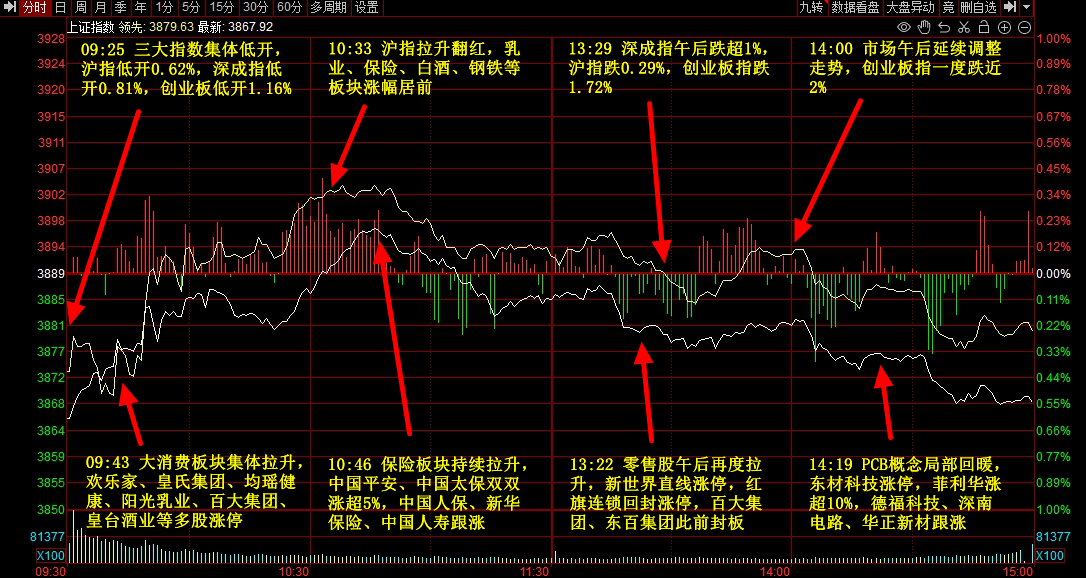
Core Insights - The first domestically developed, fully implanted, wireless, and fully functional brain-computer interface (BCI) product in China has successfully completed its first clinical trial at Huashan Hospital affiliated with Fudan University, providing new hope for a patient who has been paralyzed for eight years [1][9] - The technology allows patients to control electronic devices and smart tools using only their thoughts, significantly enhancing their self-care abilities and social connectivity [1] Group 1 - The clinical trial was conducted by a team led by Professors Mao Ying and Chen Liang at Huashan Hospital, marking a significant milestone in China's BCI technology [9] - The patient, a 28-year-old with high-level paralysis, was able to achieve thought control of devices just five days post-surgery, with a brain control decoding rate of 5.2 bits per second (BPS), comparable to international standards [9] - The BCI product features three main characteristics: fully implanted, fully wireless, and fully functional, which reduces infection risks and allows for real-time, wireless interaction without external devices [7][9] Group 2 - Brain Tiger Technology, the company behind the BCI, is one of the few globally to master and validate the fully implanted battery solution, filling a technological gap in the domestic market [3] - The product integrates a self-developed operating system, XessOs, enabling users to control various digital devices and connect seamlessly with physical devices like smart wheelchairs and robotic systems, creating a user-centered "extended body" ecosystem [7] - The successful clinical trial demonstrates the safety and feasibility of the fully implanted solution, showcasing China's forward-thinking approach in merging BCI technology with humanistic care [11]
速递|强脑科技韩璧承:正在研发电子版司美格鲁肽,可抑制食欲助力减肥
GLP1减重宝典· 2025-12-15 10:43
Core Viewpoint - The brain-computer interface (BCI) industry is entering a rapid growth phase, with the global market expected to reach approximately $12.4 billion by 2034, reflecting a compound annual growth rate (CAGR) of 17.35% [4] Group 1: Market Overview - The BCI market is experiencing significant advancements due to the integration of technologies such as artificial intelligence, flexible materials, and biosensors [4] - Strong Brain Technology, one of the "Six Little Dragons" in Hangzhou, has completed a Pre-B round of financing, achieving a post-investment valuation exceeding $1.3 billion, positioning it as a leading unicorn in the domestic BCI sector [4][7] Group 2: Technological Directions - There are two main technological directions in the BCI field: invasive and non-invasive. Invasive technologies, represented by Neuralink, involve surgical implantation of electrodes, offering high signal quality but facing high costs and ethical concerns [5] - Non-invasive technologies, exemplified by Strong Brain Technology, do not require surgery and are more suitable for large-scale applications, primarily used in rehabilitation training and seen as having greater commercial potential [5] Group 3: Product Development and Controversies - Strong Brain Technology is developing a product akin to an "electronic version of semaglutide," aimed at reducing appetite to assist with weight loss, which has sparked discussions about the boundaries of consumer applications for BCI [7] - The company's product portfolio spans three main areas: smart bionics, smart health, and smart education, including devices like bionic hands and legs, sleep devices, and attention training systems [7] Group 4: Technological Accumulation - Strong Brain Technology has developed a proprietary solid-state gel electrode known as the "super sensor," capable of high-precision collection of brain and muscle electrical signals [8] - The company has secured over 460 authorized patents, with more than 250 core invention patents, placing it among the leaders in the global BCI industry [8]

12.15犀牛财经晚报:沪版证券期货仲裁新规即将出台
Xi Niu Cai Jing· 2025-12-15 10:25
Group 1: Regulatory Developments - Shanghai Arbitration Commission is set to release the "Shanghai Arbitration Committee Securities and Futures Arbitration Rules" on December 26, 2024, marking a significant step in the establishment of a local arbitration framework for securities and futures [1] - The Ministry of Industry and Information Technology has granted conditional access for the first L3-level autonomous driving vehicles in China, allowing two models to conduct road trials in designated areas of Beijing and Chongqing [1] Group 2: Market Trends - Counterpoint Research reports a 10% year-on-year increase in global cellular IoT module shipments in Q3 2025, driven by strong demand in smart meters, asset tracking, routers/CPE, and automotive applications, with India showing a remarkable 40% growth [2] - McDonald's has raised prices on various menu items by 0.5 to 1 yuan, including popular items like the Big Mac and McNuggets, indicating a trend of price adjustments in the fast-food sector [3] Group 3: Corporate Actions - HashKey Holdings Ltd. has set its IPO price close to the upper limit of the range, aiming to raise 1.6 billion HKD (approximately 206 million USD) [7] - Gold Ham announced the resignation of its president, Guo Bo, who will continue to serve as vice chairman and a member of the board's strategic committee [8] - KWH Holdings plans to repurchase shares worth 20 to 40 million yuan, with a maximum price of 95 yuan per share, aimed at employee stock ownership plans or equity incentives [14] Group 4: Financial Performance - Air China reported a 10.1% year-on-year increase in passenger turnover for November 2025, with a 4.9% rise in passenger capacity and an average seat occupancy rate of 83.3%, up by 4 percentage points [15]
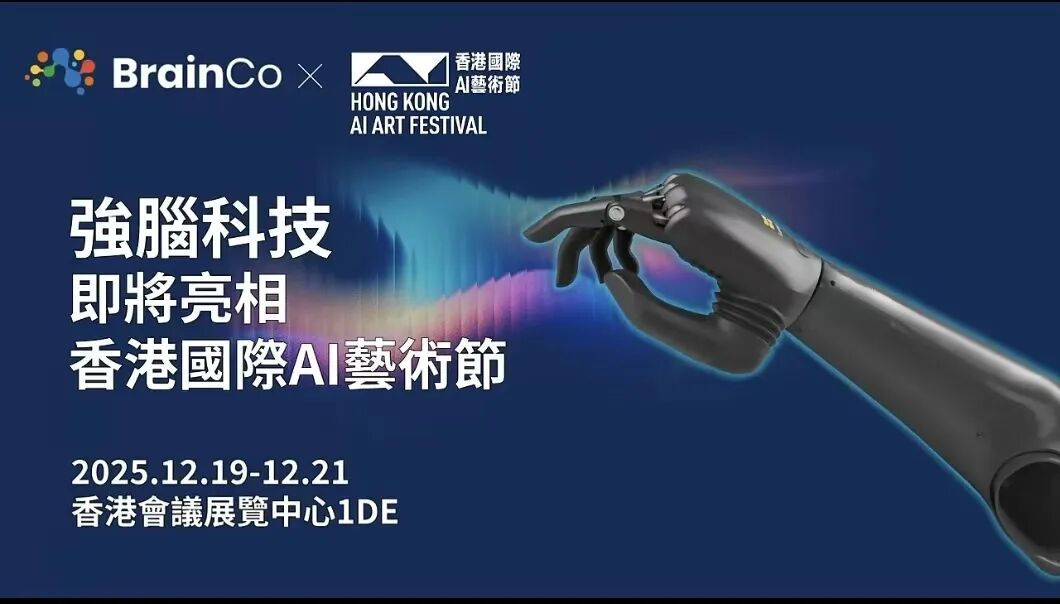
开幕倒计时!“意念协同”,强脑科技要来了!
Zhong Guo Ji Jin Bao· 2025-12-15 09:19
Group 1 - The core idea of the news is that Qiangnao Technology aims to leverage brain-machine interface technology to enhance artistic creation, marking a new phase of "idea collaboration" at the inaugural Hong Kong International AI Art Festival [1] - The festival, held from December 19 to 21, is organized by the Bauhinia Cultural Group and features Qiangnao Technology as one of the exhibitors, emphasizing the potential of AI to expand creative boundaries [1] - The CEO of Qiangnao Technology, Han Bicheng, expresses hope that the festival will not only showcase technological breakthroughs but also provoke deep reflections on how technology can empower humanity [1] Group 2 - Han Bicheng suggests that Hong Kong should build a sustainable development chain for "creation—exhibition—transformation—overseas expansion" to establish itself as a center for cultural and technological exchange [2] - The vision includes creating a "co-creation ecosystem" of "art + technology" as a hallmark capability for Hong Kong, involving international art festivals, residency programs, and joint laboratories [2] - The festival features three main modules: AI art exhibition, academic forums, and a robotics carnival, aiming for cross-disciplinary expansion [2] Group 3 - Han Bicheng emphasizes that Hong Kong's long-term competitive advantage lies not only in connectivity but also in trust, advocating for high-standard practices in data security and inclusivity [3] - The establishment of internationally recognized rules and certification systems is seen as essential for attracting global creators and innovators to Hong Kong [3] Group 4 - The humanoid robot and service robot industries are currently characterized by multiple technological pathways, with Qiangnao Technology focusing on the core issue of "how humans collaborate with machines" [5] - The company is engaged in long-term research on human neural signals and behavior mechanisms, as well as continuous refinement of execution components and engineering systems [5] - Qiangnao Technology aims to become a leading provider of non-invasive brain-machine interface solutions, with advantages in rehabilitation, health, and human-machine interaction [5][6]