
电动汽车

Search documents
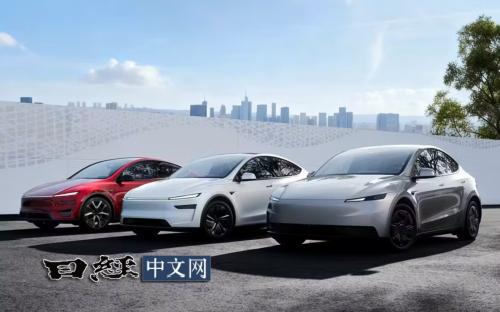
EV降价从中国波及全球
3 6 Ke· 2025-10-20 09:14
Core Insights - Tesla has reduced the minimum price of its main model in the U.S. by 10%, with the price of the Model Y dropping to $39,990, a decrease of $5,000 [2][3] - Nissan is also lowering the price of its main EV, the Leaf, in Japan, setting it at approximately 5.19 million yen, a reduction of about 60,000 yen [8] - The price cuts are part of a broader trend of "EV deflation" affecting the global market, driven by increased competition and inventory issues, particularly in China [2][9] Market Dynamics - Tesla's price reduction comes in response to a 20% increase in the effective price of its popular models due to the elimination of a $7,500 tax credit [2][3] - The U.S. EV market share for Tesla has dropped from over 80% five years ago to just over 40% currently, prompting the need for aggressive pricing strategies [3] - Other automakers, including General Motors and Ford, are also planning to lower EV prices and introduce models priced below $30,000 [6] Competitive Landscape - In Japan, the price competition is intensified by Chinese companies like BYD, which have significantly reduced prices for their EVs in the Japanese market [9] - The global decline in EV prices is linked to the strengthening position of Chinese manufacturers in the battery market, particularly CATL [9] - The ongoing U.S.-China tensions are complicating cost reduction efforts for companies reliant on Chinese supply chains for critical materials like rare earth elements [6]


特斯拉(TSLA.US)Q3财报公布在即 AI与Robotaxi料再成市场焦点
Zhi Tong Cai Jing· 2025-10-20 06:43
Core Viewpoint - Tesla is set to report its Q3 2025 earnings, with analysts predicting revenue of $26.6 billion and a profit of $1.58 billion, driven by record vehicle deliveries of 497,099 units in Q3, surpassing market expectations [1][2]. Financial Performance - Q3 revenue forecast: $26.6 billion [1] - Operating profit forecast: $1.58 billion [1] - Automotive gross margin: 15.9% [1] - Earnings per share: $0.55 [1] - Free cash flow: $1.1 billion [1] Vehicle Deliveries - Tesla delivered 497,099 vehicles in Q3, setting a new quarterly record [1] - Deliveries exceeded market expectations of 448,000 units [1] Future Developments - Focus on AI supercomputing systems and autonomous driving in the upcoming earnings call [1] - Plans for the launch of CyberCab and RoboVan, dedicated autonomous vehicles [2] - Analysts are keen on the potential of a mass-market affordable electric vehicle [2] Analyst Insights - Wedbush analyst Dan Ives raised Tesla's target price to $600, citing AI advancements as a key growth driver [2] - Ives believes the market underestimates Tesla's transformation potential, particularly in AI and robotics [2][3] - Morgan Stanley views Tesla's Robotaxi as a long-term profit center, projecting a fleet of 7.5 million vehicles by 2040 [3] Market Valuation Projections - Ives' team estimates that AI-driven FSD could contribute at least $1 trillion in market value [3] - In a bullish scenario, Tesla's market cap could reach $2 trillion by early 2026 and potentially $3 trillion by year-end [3] - Morgan Stanley's long-term target price for Tesla is $800 per share, based on growth expectations from Robotaxi and robotics [3]
财报前瞻 | 特斯拉(TSLA.US)Q3财报公布在即 AI与Robotaxi料再成市场焦点
智通财经网· 2025-10-20 06:40
Core Insights - Tesla is set to announce its Q3 2025 earnings, with Wall Street analysts predicting revenue of $26.6 billion, operating profit of $1.58 billion, automotive gross margin of 15.9%, earnings per share of $0.55, and free cash flow of $1.1 billion [1] Group 1: Financial Performance - Tesla delivered a record 497,099 vehicles in Q3, surpassing market expectations of 448,000, driven by buyers purchasing before tax credits expire [1] - Analysts forecast Tesla's Q3 revenue and profit metrics, indicating strong financial performance [1] Group 2: Future Developments - Investors are keen on updates regarding Tesla's upcoming autonomous vehicles, CyberCab and RoboVan, which are separate from existing models [2] - Wedbush analyst Dan Ives raised Tesla's target price to $600, maintaining an "outperform" rating based on future potential rather than current delivery volumes [2] Group 3: AI and Market Potential - Ives estimates that Tesla's FSD autonomous driving segment could contribute at least $1 trillion in market value, with significant acceleration expected in core projects due to regulatory changes [3] - Morgan Stanley views Tesla's Robotaxi and mobility services as a long-term profit center, projecting a fleet of approximately 7.5 million autonomous vehicles by 2040, with revenue per mile of $1.46 and an EBITDA margin of 29% [3]
“中国智造”让“科幻场景”加速落地
Ren Min Ri Bao Hai Wai Ban· 2025-10-20 04:25
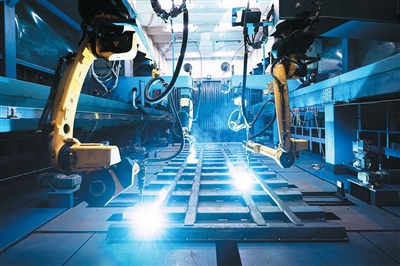
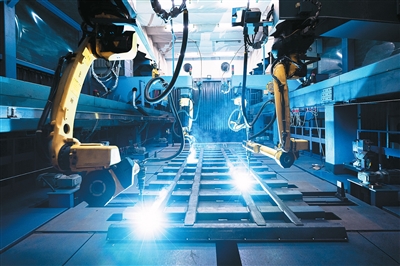
工业机器人在中国重汽集团湖北华威专用汽车有限公司自卸车智能化生产线上作业。 智能打磨工厂内,机械臂灵巧翻转,精准打磨出产品的光洁曲面;无人配送小车在车间灵活穿梭,自主 搬运沉重物料;数百台工业机器人协同作业,短时间内就能将汽车骨架装配成整车……这些曾经在科幻 大片里见到的场景,如今在中国越来越常见。 新华社记者 肖艺九摄 在安徽省芜湖市的一家智能机器人公司内,工作人员与一款人形机器人"握手"。 新华社记者 张 铖摄 "在中国,科幻不再是虚构内容。"巴基斯坦《论坛快报》近日发表文章称,外骨骼"机甲"、新材料制成 的"隐身衣"……那些曾经停留于荧幕的科幻装备,在中国逐渐走入现实。 中国的科技创新日益吸引外媒关注。不少外国游客来华期间,也纷纷在社交平台分享所见所闻:送餐机 器人穿梭往来,无人驾驶车辆平稳穿行,城市建筑与设施充满"科幻感""未来感"……更多"中国智造"的 创新成果,正呈现在世界眼前。 科幻"名场面"走进现实 英国《每日电讯报》报道,不久前,多位外国企业高管走进中国"黑灯工厂",所见场景令他们感到震 撼。访华的高管描述,这些巨大工厂里,机器人独自完成大量工作,甚至无需开灯。英国能源科技公司 章鱼能源老板 ...
马斯克的真正目的:造车,造火箭,搞星链,都是为了上火星
Sou Hu Cai Jing· 2025-10-20 03:13
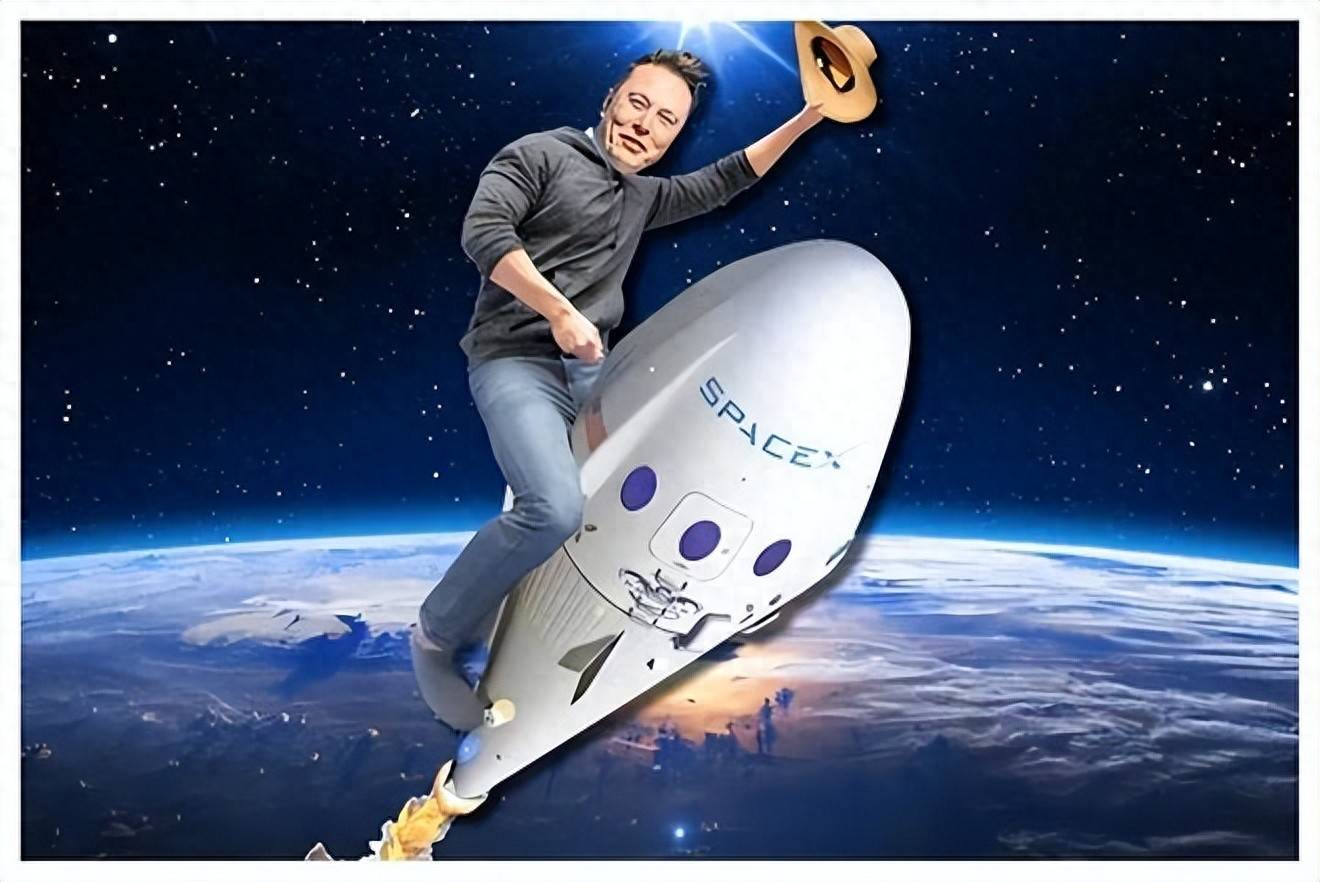
Core Insights - The primary focus of Elon Musk's ventures is centered around Tesla, SpaceX's manned spaceflight, and the Starlink business, which are interconnected and serve a larger purpose [1][3] - Musk's ultimate goal is to enable human life on Mars, which drives the development of his various businesses [3][5] Group 1: Business Overview - Tesla is focused on electric vehicles and energy storage solutions, aimed at providing sustainable energy for potential Mars colonization [5] - SpaceX is dedicated to developing rocket technology and manned spaceflight capabilities to transport humans to Mars [3][5] - Starlink is designed to provide internet connectivity on Mars, addressing the anticipated lack of communication infrastructure [7] Group 2: Strategic Vision - Musk's entrepreneurial efforts are not just about profit but are driven by a vision of making life multi-planetary [3][7] - The interconnectedness of Musk's businesses illustrates a strategic approach to achieving long-term goals, with each venture supporting the others [1][3]
“超级周”重磅来袭! 特斯拉(TSLA.US)等科技巨头业绩轮番炸场 美国CPI压轴登场
智通财经网· 2025-10-20 00:32
Market Overview - The U.S. stock market is entering its third week of government shutdown, experiencing volatility influenced by U.S.-China trade relations [1] - Major indices, including the S&P 500, Nasdaq, and Dow Jones, saw gains by the end of last week, despite daily fluctuations driven by mixed market sentiments [1] - Key economic data, particularly the Consumer Price Index (CPI) scheduled for release on October 24, will be crucial for assessing economic conditions ahead of the Federal Reserve's monetary policy meeting [1] Economic Data and Corporate Earnings - The ongoing government shutdown has created uncertainty around the release of several economic indicators, including import prices and retail sales [2] - The National Association of Realtors is expected to release September existing home sales data, which may provide insights into the housing market recovery [2] - The corporate earnings season is ramping up, with major companies like Tesla, Intel, Netflix, and Coca-Cola set to report their Q3 earnings this week [2][3] - Tesla's performance is anticipated to be strong due to recent delivery boosts from tax incentives, while Intel's stock has risen following government investments and partnerships with Nvidia [3] Trade Relations and Market Sentiment - Recent trade tensions have heightened market risk aversion, particularly following new export controls from China and threats of increased tariffs from the U.S. [4] - The rare earth sector has seen volatility due to these trade disputes, despite being a recent market winner [4] - Trump's fluctuating policy signals regarding tariffs have added complexity to the supply chain landscape, with new tariffs on medium and heavy trucks set to take effect on November 1 [4] Commodity Markets - Gold prices have risen for nine consecutive weeks, currently trading around $4,240 per ounce, reflecting its status as a safe-haven asset amid trade tensions [5] - Analysts suggest that if foreign investors shift a small percentage of their U.S. assets to gold, prices could soar to $6,000 per ounce [5] - The oil market is facing expectations of oversupply, with Brent crude prices down approximately 2.3% and WTI down 2.8% over the past week [6] - OPEC+ has increased production targets, contributing to a rise in oil stored on tankers, which has reached over 1 billion barrels [6] - The International Energy Agency (IEA) has revised its forecast for global oil surplus in 2026 to 4 million barrels per day, indicating a significant increase in expected oversupply [7]


“名场面”走进现实 “中国智造”让“科幻场景”加速落地
Ren Min Ri Bao· 2025-10-19 23:32
Core Insights - The article highlights China's transformation of science fiction concepts into reality, showcasing advancements in technology and manufacturing that are attracting global attention [1][2][3]. Group 1: Technological Advancements - China is increasingly recognized for its technological innovations, with examples including exoskeletons and advanced robotics being utilized in various sectors such as tourism and manufacturing [1][3]. - The country has become a leader in electric vehicles, batteries, solar panels, wind turbines, drones, and advanced robotics, demonstrating significant progress in these fields [2][3]. Group 2: Manufacturing Innovations - The concept of "dark factories" is emerging in China, where high levels of automation allow robots to perform tasks independently, often without human presence [2][4]. - By 2024, it is projected that approximately 2 million industrial robots will be operational in Chinese factories, indicating a strong trend towards automation and efficiency in manufacturing [4]. Group 3: Talent and Workforce - China boasts a substantial pool of engineering talent, with the number of engineers growing from approximately 5.2 million in 2000 to about 17.7 million in 2020, contributing to advancements in biotechnology, humanoid robotics, and AI [5]. - The country leads the world in the number of graduates in science, technology, engineering, and mathematics (STEM), with over 3.5 million graduates in 2020, providing a solid foundation for ongoing innovation [5]. Group 4: Global Perception and Tourism - There is a growing interest among international tourists in China's technological landscape, with many eager to experience innovations such as mobile payments, drone deliveries, and autonomous vehicles [6][7]. - The rise in "China tours" is reflected in increased social media posts showcasing the country's futuristic aspects, contributing to a positive global perception of China's technological capabilities [7][8].
印度富豪:中国技术进步,我们别无选择
Huan Qiu Shi Bao· 2025-10-19 23:02
Core Viewpoint - Indian billionaire Sajjan Jindal emphasizes the reliance on Chinese technology for the development of electric vehicles due to insufficient R&D funding in India [1][2] Group 1: Company Insights - JSW Group is in discussions with several Chinese automakers to incorporate Chinese technology into its electric vehicle plans, aiming for a launch in June 2024 [1] - JSW Group has historically focused on sectors like ports, energy, and defense, and is now entering the electric vehicle market starting in 2023 [2] Group 2: Industry Challenges - India's R&D expenditure is only 0.66% of its GDP, significantly lower than China's 2.4% and the US's 3.5%, indicating a need for increased investment in innovation [2] - The primary obstacle for India's electric vehicle development is battery production, with the country relying heavily on imports from China, Japan, and South Korea; projections suggest that by 2030, domestic production will only meet 13% of demand [2]
“中国智造”让“科幻场景”加速落地(国际论道)
Ren Min Ri Bao Hai Wai Ban· 2025-10-19 22:11
Core Viewpoint - The article highlights China's rapid advancements in technology and manufacturing, showcasing how once fictional concepts from science fiction are becoming reality, particularly in robotics and automation [2][4][10]. Group 1: Technological Advancements - China is increasingly recognized for its technological innovations, with examples such as humanoid robots and exoskeletons becoming practical applications in various sectors [2][4]. - The country is leading in fields like electric vehicles, batteries, photovoltaic panels, wind turbines, drones, and advanced robotics [4][10]. - Chinese researchers have developed "super-material" clothing that can bend microwaves and visible light, showcasing significant progress in material science [5]. Group 2: Manufacturing Automation - The concept of "dark factories," where robots operate independently without human presence, is becoming common in China, demonstrating high levels of automation [4][6]. - By 2024, it is projected that approximately 2 million industrial robots will be operational in Chinese factories, indicating a strong trend towards automation [6]. - The integration of artificial intelligence in manufacturing is enhancing production efficiency and competitiveness in the global market [6]. Group 3: Talent and Workforce - China has a significant pool of engineering talent, with the number of engineers growing from about 5.2 million in 2000 to approximately 17.7 million in 2020 [7]. - The country produces over 3.5 million graduates in science, technology, engineering, and mathematics (STEM) annually, leading the world in this area [7]. Group 4: International Perception and Tourism - There is a growing interest among international tourists in China's technological landscape, with many eager to experience its modern advancements firsthand [9]. - Social media is filled with posts from foreign visitors highlighting China's futuristic elements, such as mobile payments and autonomous delivery services [8][9]. - China's global soft power ranking has improved significantly, reflecting its increasing influence and appeal as a hub of innovation [10].
车百会理事长张永伟:多路径推动车能融合 激活万亿元级新赛道
Zheng Quan Ri Bao Wang· 2025-10-19 12:00
Core Viewpoint - The integration of vehicle and energy sectors is a significant national industrial strategy, with the potential to create a new trillion-yuan industry, addressing electric vehicle charging anxiety and enhancing grid stability [1][2]. Group 1: Strategic Significance - Vehicle-energy integration marks a new phase in industrial convergence, with advancements in electric vehicle technology and renewable energy, yet the connection between the two remains incomplete [1]. - The share of wind power generation reached 20%-23% in the first half of 2025, indicating significant progress in renewable energy [1]. Group 2: Benefits of Integration - Vehicle-energy integration can alleviate electric vehicle charging concerns and reduce the impact of large-scale vehicle deployment on the power grid [2]. - It will promote renewable energy development and enhance the grid's peak regulation capabilities, creating a new trillion-yuan industry in areas such as charging, battery swapping, and energy services [2]. Group 3: Pathways for Advancement - Nine specific pathways to promote vehicle-energy integration have been proposed, including energy-saving across the automotive supply chain, expanding smart charging, developing V2G systems, and focusing on hydrogen energy [2]. - The strategy emphasizes the importance of collaboration in international markets, suggesting that vehicles should carry renewable energy solutions abroad [2]. Group 4: Need for Support - The realization of the trillion-yuan market for vehicle-energy integration requires a synergistic effort among technological innovation, business model implementation, and policy support [3]. - Continuous policy and institutional innovation are essential for advancing vehicle-energy integration [3].