
咖啡

Search documents
茶咖日报|“关税大棒”挥向巴西,咖啡贸易商:伤害的是美国企业
Guan Cha Zhe Wang· 2025-07-16 12:15
Group 1: Coffee Industry - Brazilian coffee prices are expected to surge as traders rush to import before a 50% tariff takes effect on August 1, announced by the Trump administration [1][2] - The U.S. imports approximately one-third of its coffee from Brazil, while domestic production accounts for only about 1% of consumption [1] - The National Coffee Association highlights the importance of coffee in American daily life, with two-thirds of U.S. adults consuming coffee daily, and has requested the exclusion of coffee from the tariff list [2] Group 2: New Tea Beverage Industry - The new tea beverage brand "爷爷不泡茶" has appointed actress Shu Qi as its brand ambassador, reflecting a trend of brands engaging celebrities for promotion [3] - The company has experienced significant growth, adding over 1,000 stores in 2024, bringing the total to over 2,500 locations across more than 30 provinces, with an average of 2.7 new stores opening daily [3] - The brand aims to reach a target of 4,500 stores by the end of 2025, as recognized by the Hurun Research Institute's ranking of new tea beverage brands [3] Group 3: Alcohol Industry - The alcohol retail chain 1919 is undergoing a transformation by closing 1,500 underperforming stores and shifting focus to a new business model that integrates dining and beverage experiences [6] - The company plans to create a "1919 Eat and Drink" platform that combines instant retail with experiential dining, aiming to enhance consumer engagement in community spaces [6] - The founder emphasizes the end of profit margins solely from premium liquor sales, indicating a strategic pivot towards a more diversified retail approach [6]


古茗加码咖啡赛道,吴彦祖担任品质合伙人
Nan Fang Nong Cun Bao· 2025-07-16 10:36
Core Viewpoint - Guming has intensified its efforts in the coffee sector by collaborating with actor Daniel Wu as a quality partner, launching a promotional campaign with coffee priced at 8.9 yuan, and leveraging social media for brand engagement [2][26]. Group 1: Collaboration and Marketing Strategy - Daniel Wu's role as a quality partner is not a traditional celebrity endorsement but a collaboration with his own coffee brand "WHATEVER," enhancing Guming's marketing efforts [7][8]. - The partnership has generated significant online engagement, with a related topic reaching 160 million views [4]. - Guming's promotional activities include a limited-time offer covering various coffee products and the distribution of 1 million free vouchers [20]. Group 2: Industry Context and Growth - The collaboration reflects a broader trend of tea brands entering the coffee market as the tea segment experiences slower growth, with coffee being a strategic choice for enhancing revenue and customer loyalty [30][31]. - The Chinese ready-to-drink coffee market is experiencing rapid growth, with Guming's fresh coffee products available in over 7,600 stores nationwide, positioning it among the top five in the country [33][34]. - Guming's competitive advantages in the coffee market include supply chain efficiency, cost advantages, and a robust logistics network, enabling effective distribution to lower-tier cities [36][38]. Group 3: Future Outlook - Guming aims to redefine the coffee market by making it more accessible and affordable, transitioning coffee from a "luxury choice" to a "daily beverage" [41][40].

“价格战”打到最后,才发现真正的对手不是同行
3 6 Ke· 2025-07-16 10:24
Group 1 - The core issue in the current retail market is not "consumption downgrade," but rather a collective weariness of mediocre offerings from consumers [2][6] - The market has shifted from a "supply shortage" to a "supply surplus" era, leading to a situation where many companies are still using outdated strategies to address modern challenges [3][6] - Price wars are a sign of companies' inability to innovate and meet higher-level consumer expectations, resulting in a cycle of despair and competition without real value creation [3][5] Group 2 - Consumers are not unwilling to spend money; they are simply not finding products that excite them, leading to a silent outcry for better offerings [6][8] - The concept of "pseudo-innovation" is prevalent, where companies focus on superficial improvements rather than addressing the core needs and desires of consumers [5][6] - Successful brands are those that can create genuine desire and excitement among consumers, rather than just competing on price [7][8] Group 3 - The solution lies in shifting from merely meeting basic needs to creating "expectation" and "excitement" demands, as outlined in the KANO model [9][10] - Companies must focus on delivering value resonance rather than just functional satisfaction to engage consumers effectively [10][18] - Examples like Sam's Club and NIO illustrate how understanding and fulfilling consumer expectations and excitement can lead to significant business success [12][14] Group 4 - Companies need to undergo a three-step evolution to escape the cycle of internal competition: mindset revolution, capability upgrade, and cognitive restructuring [20][22] - The first step involves adopting a long-term perspective, akin to farming, rather than seeking quick profits [22][23] - The second step emphasizes the use of scientific methods to understand consumer needs deeply, moving beyond intuition [23][25] Group 5 - The final step is to redefine the company's role from merely selling products to being a partner that helps consumers achieve their goals [27][30] - This shift in perception can lead to a restructured business model that prioritizes experience, community, and emotional value [30][32] - The ultimate goal is to create desire rather than just meet existing needs, which is essential for long-term success in the market [38]
LVMH风投基金入股Molli;塔斯汀重组架构或为上市;科赴CEO离职
Sou Hu Cai Jing· 2025-07-16 08:32
Investment Dynamics - LVMH Luxury Ventures has made a minority stake investment in the French knitwear brand Molli, marking the brand's first external investment since its relaunch [3] - The investment is expected to help Molli regain market share with LVMH's strong resources and support [3] - 百大集团 has announced a 20-year lease agreement with 恒隆地产 for its Hangzhou department store, with total rent exceeding 30 billion yuan, enhancing future cash flow for 百大集团 [5] Acquisition Dynamics - Ferrero is acquiring General Mills for $3.1 billion to expand its presence in the U.S. market, indicating a merger of two companies with strong consumer loyalty [8] - Amancio Ortega, founder of Zara, has purchased a boutique hotel in Paris for $113 million, aiming to capitalize on the recovery of the high-end tourism sector [9] Listing Dynamics - Tasting is undergoing a series of equity changes and capital increases, likely preparing for a potential listing in Hong Kong, which is seen as more favorable for restaurant valuations [13] Retail Dynamics - Tiffany & Co. has opened its largest flagship store in Asia in Tokyo, featuring Japan's first Blue Box Café, marking a significant renovation since being acquired by LVMH [16][17] Partnership Dynamics - Starbucks China has partnered with China Eastern Airlines to launch a joint membership program for 160 million Starbucks members, enhancing customer experience in a competitive market [19] Personnel Dynamics - Hemant Rupani has been appointed as the CEO of HCCB, bringing extensive experience from Mondelēz International, which is expected to ensure smooth business transitions [22] - Kenvue announced the departure of CEO Thibaut Mongon, with Kirk Perry stepping in as interim CEO amid pressures from investors for structural changes [25] - Priya Nair has been appointed as the new CEO of Hindustan Unilever, signaling a strong intent to revitalize growth in the second-largest market for the parent company [29]



9.9打不动,90亿抢着买?资本为何青睐星巴克
Tai Mei Ti A P P· 2025-07-16 07:04
Core Viewpoint - Starbucks is facing significant challenges in the Chinese market, leading to speculation about its valuation and potential sale of equity, with a reported valuation of $9 billion, raising questions about its worth in the current competitive landscape [1][4][6] Group 1: Market Dynamics - Starbucks China is projected to generate $2.958 billion in revenue for the fiscal year 2024, reflecting a year-over-year decline of 1.4% [4] - In contrast, Luckin Coffee's revenue is expected to reach approximately $5 billion, with a significantly lower price-to-sales ratio of 1.89 compared to Starbucks' 3 [8] - The number of Starbucks locations in China is 7,758, while Luckin has surged to 24,097 locations, indicating a substantial competitive advantage for Luckin [6] Group 2: Consumer Behavior - Consumer sentiment towards Starbucks has shifted, with many expressing that they would rather choose cheaper options from competitors like Luckin, even when Starbucks offers discounts [6][19] - The perception of Starbucks as a premium brand is deteriorating, as evidenced by comments on social media indicating that consumers are now more price-sensitive and less loyal to the brand [6][21] Group 3: Strategic Moves - The potential sale of a stake in Starbucks China is seen as a strategic retreat, with the company looking to retain 30% ownership while seeking new capital partners [6][23] - The involvement of major investors like Dazhong Capital, which has a history of aggressive market strategies, suggests a shift in control and potential rebranding efforts for Starbucks [10][12] Group 4: Future Outlook - The coffee market in China is still growing, with per capita coffee consumption significantly lower than in countries like Japan and South Korea, indicating room for expansion [15] - The outcome of the potential equity sale and subsequent strategies will determine whether Starbucks can reclaim its premium status or if it will continue to struggle against lower-priced competitors [24][26]



海南澄迈咖啡产业向亿元级迈进
Zhong Guo Chan Ye Jing Ji Xin Xi Wang· 2025-07-16 00:46
Core Insights - The coffee industry in Chengmai County, Hainan, is undergoing a transformation towards a full industrial chain, enhancing the quality and branding of local coffee products [1][2][3] Group 1: Industrial Development - Chengmai County has accelerated the development of its agricultural industry chain, focusing on the entire process from coffee bean to cup, aiming to elevate ordinary coffee to specialty coffee [1][2] - The county has approved 10 enterprises for a duty-free processing policy, with 4 of them being coffee companies, which will significantly reduce raw material costs and enhance market competitiveness [2][3] Group 2: Economic Impact - The first batch of imported coffee beans, weighing 19.2 tons and valued over 1.1 million yuan, marks a significant breakthrough for local enterprises under the Hainan Free Trade Port policy [2] - The coffee industry is expected to drive economic growth by creating job opportunities and increasing income for local farmers, with initiatives like the shared coffee farm benefiting 1,599 households [3] Group 3: Education and Talent Development - The establishment of the Bolan Coffee Academy in Chengmai aims to enhance the training of coffee professionals, with a focus on both enthusiasts and industry entrants [4] - The collaboration between the academy and local coffee enterprises is set to standardize and internationalize the coffee industry in Hainan, providing a robust talent pipeline [4] Group 4: Tourism Integration - The Fushan Coffee Cultural Town is attracting tourists and coffee lovers, offering immersive experiences in coffee production and related activities [5] - Chengmai County plans to innovate a dual-driven model of coffee-themed cultural tourism, integrating agriculture, culture, tourism, sports, and commerce [5]
茶咖日报|中国将对非洲53个建交国零关税,利好非洲咖啡出口
Guan Cha Zhe Wang· 2025-07-15 14:24
Group 1: Coffee Industry in China - China will implement zero tariffs on coffee imports from 53 African countries, benefiting African coffee exports [1] - Africa accounts for approximately 12% of global coffee production and is a major supplier of coffee beans to China [1] - In 2023, China imported $170 million worth of coffee from Africa, with a compound annual growth rate of 41.9% from 2014 to 2023 [1] - The Chinese coffee market is experiencing rapid growth, with an expected industry scale of 313.3 billion yuan in 2024, reflecting an 18.1% year-on-year growth [1] - The current tariff on coffee beans from certain African countries is 8%, and the zero tariff will save $320 per ton in duties and $41.2 per ton in VAT, enhancing market opportunities for African coffee [1] Group 2: New Developments in Coffee Brands - Blue Bottle Coffee opened its 13th store in mainland China, located in Shanghai, featuring a design that incorporates LEGO creative elements [4] - MOMOKAWA, a coffee brand from Macau, is set to open its first store in mainland China at Shenzhen Bay MixC, having previously operated a pop-up store in 2024 [5] - MOMOKAWA specializes in handmade desserts, light meals, and unique beverages, with a focus on a tranquil and focused atmosphere inspired by Stoicism [5][6]
一件19000,「羽绒服一哥」要被卖了
36氪· 2025-07-15 13:33
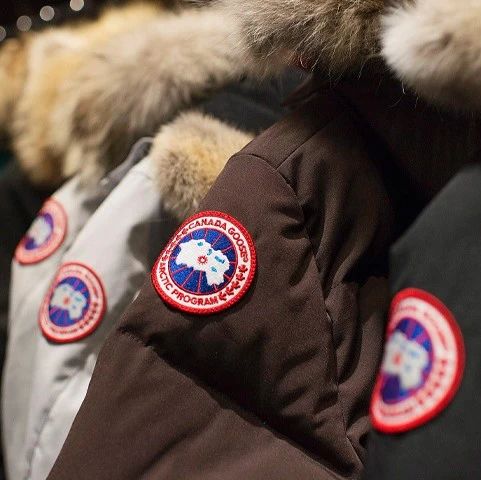
Core Viewpoint - Canada Goose Holdings Inc. is considering selling part or all of its shares held by Bain Capital, attracting interest from private equity firms amid declining sales and stock prices [4][14][15]. Company Overview - Canada Goose was founded in 1957 in Toronto and initially focused on functional cold-weather gear before transforming into a global luxury brand with the help of Bain Capital, which acquired it in 2013 [4][7][9]. - The brand gained significant recognition through product placements in films and sponsorships of major film festivals, leading to sales exceeding $100 million by 2013 [8]. Financial Performance - Canada Goose's sales growth has been declining, with revenue growth rates of 21.54%, 10.84%, and 9.6% for fiscal years 2022, 2023, and 2024, respectively, and a projected drop to 1.1% for fiscal year 2025 [14]. - The company's market value has decreased from a peak of $7.8 billion to approximately $1.36 billion, losing over $6.4 billion in value [14][15]. Market Challenges - The brand's performance in China has been disappointing, facing issues such as fines for false advertising and criticism over return policies, while local competitors like Bosideng are gaining market share [14][15]. - Canada Goose's revenue in China for fiscal year 2025 was CAD 427 million, showing only a 1% increase year-over-year, with a decline of 1.7% when adjusted for fixed exchange rates [15]. Management Changes - The company has undergone multiple changes in its China leadership, with the recent appointment of Celine Xie as the new president for the region, marking the third leadership change since 2022 [15]. Investment Landscape - The potential sale of Canada Goose reflects a broader trend in the consumer market, where private equity firms are actively seeking opportunities amid high inflation and interest rates, particularly in luxury and essential goods [18][20]. - Notable recent acquisitions in the consumer sector include 3G Capital's $9.4 billion purchase of Skechers and various deals involving Starbucks China and other brands, indicating a robust environment for mergers and acquisitions [18][19].
星巴克中国“卖身”大戏:瑞幸大股东意外入局,咖啡战争迎来终局?
美股研究社· 2025-07-15 10:28
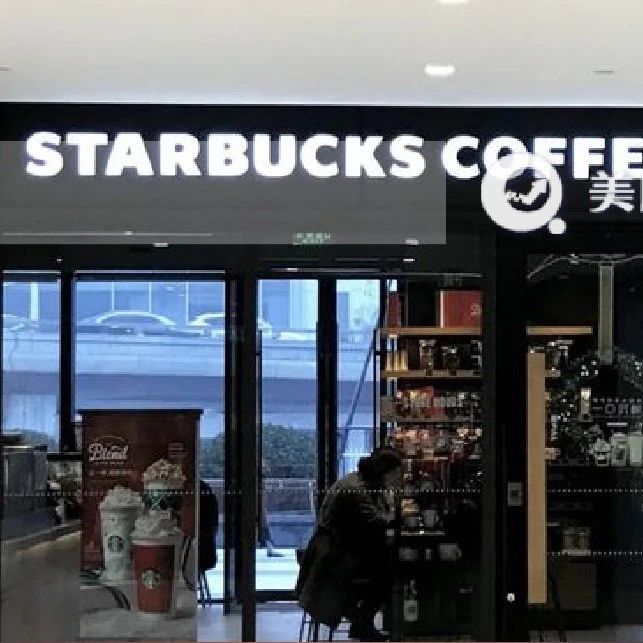
Core Viewpoint - The Chinese coffee market is undergoing significant changes, with Starbucks considering selling its China operations amid increasing competition from local brands like Luckin Coffee and Kudi Coffee, which have rapidly expanded their presence and surpassed Starbucks in store count [1][3][4]. Group 1: Market Dynamics - The Chinese coffee market has seen a dramatic transformation, with local chains like Luckin and Kudi rapidly expanding, leading to a significant increase in per capita coffee consumption among Chinese consumers, who show a higher acceptance of affordable products [3]. - Starbucks China is facing a growth bottleneck, with a projected revenue of $2.958 billion for fiscal year 2024, marking a 1.4% year-on-year decline, the first negative growth in recent years [4]. - The competitive landscape has shifted, with local brands launching numerous new products, while Starbucks' product iteration appears slower, leading to perceptions of its strategies as reactive rather than proactive [4][8]. Group 2: Strategic Moves - Starbucks has made several adjustments in response to market pressures, including launching new products, increasing collaboration frequency, and even announcing price reductions for certain beverages [4][5]. - The company aims to increase its store count in China from 8,000 to 20,000, indicating a focus on growth despite the challenges faced [5]. Group 3: Potential Acquisition Impact - If Dazhong Capital successfully acquires a stake in Starbucks China, it could lead to significant changes in operational dynamics, with potential shifts towards localized decision-making and operational strategies [7][8]. - The acquisition could enhance Starbucks China's digital efficiency by leveraging Dazhong's experience from Luckin Coffee, particularly in product development and supply chain management [8]. Group 4: Competitive Landscape - The potential acquisition may lead to a new equilibrium in the coffee market, where Luckin and Starbucks, while maintaining independent brands, could reduce competitive intensity and shift towards differentiated competition [9]. - This new market structure may create higher barriers for new entrants, as they would need to contend with established brand recognition and operational efficiencies of larger players [9]. Group 5: Broader Implications - Dazhong Capital's bid represents a broader trend in the Chinese private equity market, shifting from a focus on individual company growth to ecosystem control, indicating a strategic evolution in investment approaches [11]. - This shift raises questions about market vitality and consumer interests, as capital relationships may influence competition dynamics, potentially impacting long-term consumer benefits [11].
开着“山海”去见山海——一位疆二代的自由人生叙事
Zhong Guo Qi Che Bao Wang· 2025-07-15 08:45
Core Perspective - The article highlights the emergence of a "mobile coffee culture" in the context of a growing trend towards a more nomadic lifestyle, where individuals seek freedom and connection with nature through coffee experiences [1][3][21] Group 1: Mobile Coffee Culture - The concept of "mobile coffee shops" is illustrated through the story of Ma Cunhai, who transforms his vehicle into a coffee station while traveling in the wild [3][19] - The narrative emphasizes the social aspect of coffee, where Ma engages with travelers, creating a space for storytelling and connection [8][21] Group 2: Personal Journey and Background - Ma's journey into the coffee world began over thirty years ago, influenced by a mentor in Shanghai, leading to a lifelong passion for coffee and adventure [6][8] - His experiences across various terrains have shaped his identity as a "coffee traveler," blending his love for coffee with a nomadic lifestyle [6][19] Group 3: Vehicle Choice and Features - The choice of the Iveco Euroliner vehicle is highlighted, which is equipped with features suitable for rugged terrains, including all-wheel drive and high towing capacity, making it ideal for Ma's adventures [10][12] - The vehicle serves not only as a means of transportation but also as a mobile advertisement for the "back trunk economy," showcasing the potential of combining travel and commerce [19][21] Group 4: Seasonal Adventures - The article details Ma's seasonal travels across Xinjiang, where he experiences the beauty of nature while serving coffee, creating memorable interactions with visitors [17][19] - Each season brings unique landscapes and challenges, reinforcing the connection between the vehicle, coffee, and the natural environment [17][19]
