
咖啡

Search documents
传瑞幸大股东竞购星巴克中国;奥乐齐中国去年销售额翻倍;LV 美妆中国首店将落户南京德基丨品牌周报
36氪未来消费· 2025-07-13 09:26
Group 1: Starbucks China Acquisition - Luckin Coffee's major shareholder, Dazhong Capital, is considering acquiring Starbucks China, amidst a competitive relationship between the two companies [2][3] - Starbucks has received multiple acquisition proposals for its China business, with most investors aiming for a controlling stake, while Starbucks prefers to retain 30% ownership [2] - The valuation of Starbucks China has surpassed $10 billion for the first time, leading to a 3% increase in Starbucks' stock price, reaching a market cap of $107.8 billion [2] Group 2: Aolezi's Growth in China - Aolezi's sales in China doubled to 2 billion yuan in 2024, despite a slow increase in store count, indicating improved single-store efficiency [5] - The company has adopted aggressive pricing strategies to attract customers, offering significantly lower prices on various products [5] - Aolezi plans to accelerate its store openings, expanding beyond Shanghai to other regions, with a total of 78 stores expected by July 2025 [5][6] Group 3: Liangpinpuzi's Control Change - Liangpinpuzi announced a potential change in control, with its major shareholder planning significant changes that may affect the company's direction [7][8] - The company has faced declining revenue and profits, with a reported revenue of 7.159 billion yuan in the previous year, down 11.02% [7] - The competitive landscape in the snack industry has intensified, prompting Liangpinpuzi to consider strategic changes [7] Group 4: LV Beauté's Entry into China - LV Beauté, a brand under LVMH, is entering the Chinese market with its first store in Nanjing, focusing on high-end beauty products [9][10] - The store will feature a range of products and a custom experience area, capitalizing on Nanjing's strong luxury market [9] - LVMH's expansion into beauty aligns with the growing demand for beauty products and aims to enhance brand engagement with younger consumers [10][11] Group 5: The Ordinary's AI Flagship Store - The Ordinary has launched its first AI-powered flagship store on Tmall, enhancing the shopping experience with personalized skincare recommendations [22] - The brand is known for its effective products and aims to leverage AI technology to improve customer engagement and product selection [22] Group 6: IPO of Plant Doctor - Plant Doctor has submitted its IPO application to the Shenzhen Stock Exchange, aiming to raise nearly 1 billion yuan for various projects [24][25] - The company specializes in high-altitude plant skincare products and has been in operation since 1994, predating several current leading beauty companies [25] Group 7: ECCO's Outdoor Expansion - ECCO is expanding into the outdoor apparel market, launching a new store format focused on outdoor and sports products [21] - The brand has opened 20 ACTIVE LIFESTYLE stores in China and plans to continue expanding in economically vibrant cities [21]


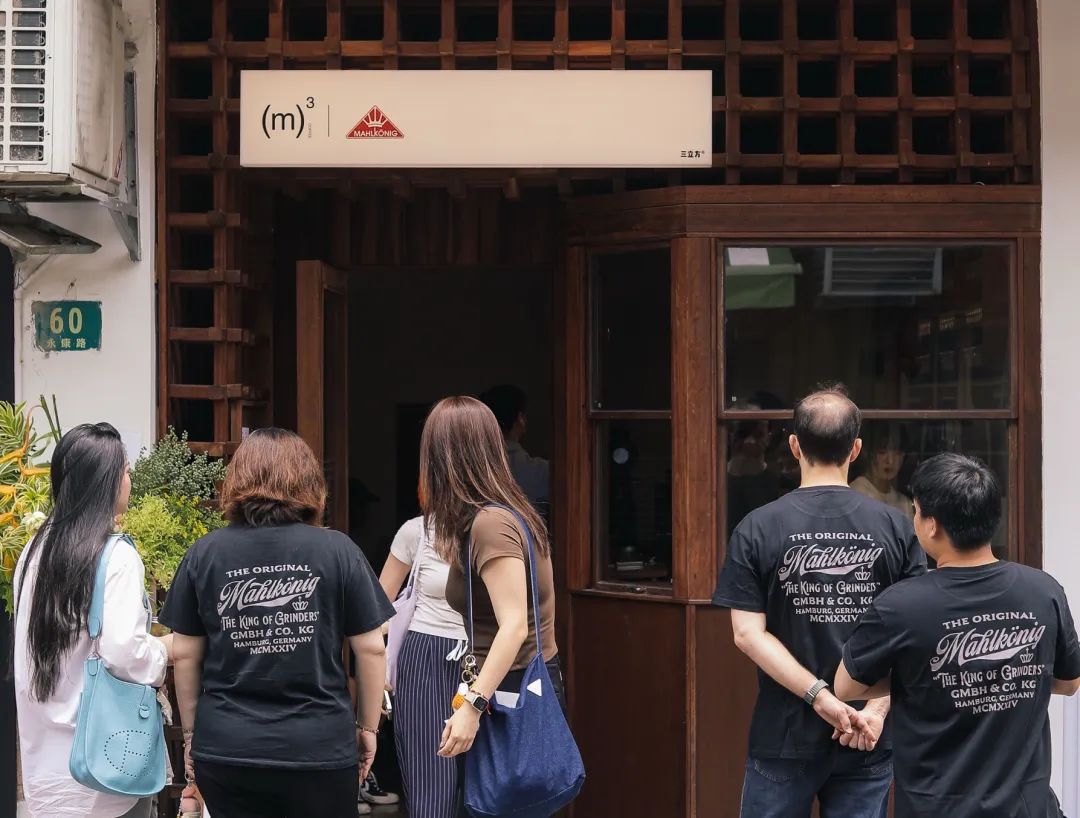
把咖啡倒进-86℃冰杯,上海神奇小店爆火,引发全国跟风
3 6 Ke· 2025-07-13 02:12
Core Insights - The article highlights the rising popularity of the "-86℃ Dirty" coffee in Shanghai, which has quickly become a sensation, attracting long queues of customers even in extreme heat [2][4][6] - The unique selling proposition of this coffee lies in its innovative preparation method, utilizing ultra-low temperature glass cups that create a visually appealing frosty effect, appealing to younger consumers seeking novel experiences [8][10][19] Summary by Sections Product Overview - The "-86℃ Dirty" coffee is served in specially frozen glass cups, creating a unique sensory experience with a layer of froth formed upon contact with the hot coffee [4][6] - The drink is priced at 26 yuan, and customers are encouraged to consume it quickly for the best experience [6] Market Response - The coffee shop has quickly risen to the top of popular coffee rankings in Shanghai, with reports of sold-out products and high customer demand [2][4] - Other cities like Chengdu and Nanjing are beginning to adopt similar offerings, indicating a trend towards ultra-low temperature coffee across the country [8][10] Industry Trends - The success of the "-86℃ Dirty" coffee is attributed to its originality and the novelty it brings to traditional coffee consumption, appealing to the desire for unique and personalized drinks among consumers [8][19] - The trend of ultra-low temperature coffee is seen as a potential game-changer for independent coffee shops, providing a competitive edge against larger chains [19] Challenges - The high cost of specialized freezing equipment and the need for custom low-temperature glassware present significant barriers to entry for many coffee shops [19] - Standardization of the product remains a challenge, as not all establishments can guarantee the claimed temperatures, which may affect consumer trust [19]
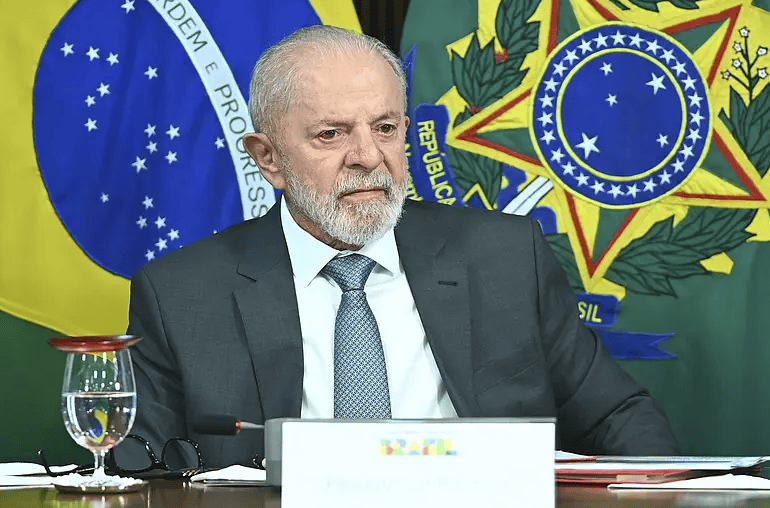
巴西准备硬刚美国?中国火速响应,当着10国代表的面,反将美一军
Sou Hu Cai Jing· 2025-07-13 01:22
Group 1 - The core issue revolves around Trump's announcement of a 50% tariff on all Brazilian imports, effective August 1, citing unfair trade practices by Brazil [1][3] - Brazilian President Lula's immediate response includes plans to negotiate and potentially file a complaint with the WTO, indicating a strong stance against the tariff [1][3] - The Brazilian government has formed a specialized task force to address the situation and has summoned the U.S. chargé d'affaires for clarification on the accusations against the previous Brazilian administration [3] Group 2 - Brazil's Finance Minister highlighted that the U.S. has had a trade surplus of $410 billion with Brazil over the past 15 years, arguing that the tariff lacks economic rationale and is politically motivated [3] - The tariff is expected to significantly impact U.S. consumers, particularly in sectors reliant on Brazilian products like coffee and orange juice, which constitute a large share of the U.S. market [3] - The U.S. juice industry has expressed concerns that the tariff could harm domestic supply chains and lead to job losses [3] Group 3 - Concurrently, China's Foreign Minister Wang Yi emphasized China's role as a reliable partner for ASEAN countries, contrasting with Trump's tariff approach [5][6] - Wang Yi's proposals included commitments to regional nuclear disarmament, positioning China as a responsible global player amid U.S. trade tensions [6] - Criticism of U.S. tariff policies is growing domestically, with warnings that such actions could damage the U.S. economy and lead to broader economic repercussions [6][8] Group 4 - Lula's statements at the BRICS summit reflect a shift towards a new global economic order, advocating for cooperation and equality rather than unilateral actions by powerful nations [8] - The evolving dynamics suggest that traditional protectionist measures like tariffs may no longer dominate global trade, with a focus on collaborative approaches gaining traction [8]
咖啡节上话创新
Jing Ji Ri Bao· 2025-07-12 22:22
Core Insights - The São Paulo Coffee Festival emphasizes "innovation" as the key theme, showcasing new concepts in coffee production, packaging, and consumption [1][2][3] - The festival serves as a significant platform for brand launches and consumer trend validation, particularly appealing to younger consumers and emerging brands [1][2] - Brazilian coffee producers are increasingly focusing on environmentally friendly packaging and sustainable practices to meet the demands of a new generation of consumers [3] Group 1: Innovation in Coffee Products - The festival features innovative products such as coffee infusion bags that allow consumers to enjoy specialty coffee easily without the need for machines or filters [2] - New coffee products are being developed with eco-friendly packaging, such as paper materials that are waterproof and moisture-resistant, enhancing both quality and environmental sustainability [1][2] Group 2: Technological Advancements - The introduction of smart coffee bean sorting machines from China improves the quality control process by automatically identifying and removing defective beans, increasing efficiency and product quality [2] - The festival acts as a bridge connecting all segments of the coffee supply chain, facilitating communication and collaboration among producers, consumers, and technology providers [2][3] Group 3: Consumer Trends and Preferences - Modern consumers prioritize environmental attributes, social responsibility, and transparency in production, seeking detailed information about the origin and processing of their coffee [3] - The festival features a "coffee traceability information" display area, allowing consumers to scan and learn about the specifics of each coffee bean, which enhances brand value and consumer engagement [3]
新消费时代呼唤金融新工具
Zhong Guo Zheng Quan Bao· 2025-07-11 20:50
Group 1: Market Trends - Lemon prices have surged significantly, with wholesale prices rising from approximately 9 yuan/kg at the beginning of the year to 14 yuan/kg, and reaching as high as 24 yuan/kg in some markets [2][4] - The national average wholesale price for lemons in June was 12.96 yuan/kg, marking a 13.5% increase from May and a 65% increase year-on-year [2] - Coffee bean prices have also seen dramatic fluctuations, with certain blends increasing from about 65 yuan/bag to 90 yuan/bag, reflecting a nearly 40% rise [2][4] Group 2: Supply and Demand Dynamics - The supply of lemons has been adversely affected by extreme weather conditions, leading to a significant drop in production, particularly in major producing areas like Sichuan [4] - Coffee production in key exporting countries such as Brazil and Vietnam has also been impacted by unfavorable weather, contributing to a tightening global supply [4][5] - The demand for both lemons and coffee has been on the rise, with China's coffee market expected to exceed 310 billion yuan by the end of 2024, growing at approximately 18% year-on-year [5][6] Group 3: Financial Tools and Risk Management - The introduction of coffee futures is anticipated to provide a systematic mechanism for price discovery and risk hedging, which is currently lacking in the market [1][7] - Companies are increasingly looking to lock in prices through forward contracts and financial instruments to manage the volatility of raw material costs [6][8] - The use of futures and options is expected to play a crucial role in stabilizing costs and enhancing pricing power for companies in the new consumption landscape [1][7]
瑞幸大股东真买下星巴克中国股权会怎样?
Xin Lang Cai Jing· 2025-07-11 11:53
Core Viewpoint - Starbucks is considering selling its Chinese business, with multiple potential buyers emerging, including Dazhong Capital, which has become a significant contender in the bidding process [1][2]. Group 1: Acquisition Proposals - Starbucks has received several acquisition proposals for its Chinese operations, with most investors aiming for a controlling stake, while Starbucks may retain 30% of the equity [1]. - Dazhong Capital, the largest shareholder of Luckin Coffee, has joined the bidding group, which includes over 30 competitors [2]. Group 2: Market Dynamics - Starbucks and Luckin Coffee are the two main players in the Chinese coffee market, with Dazhong Capital having previously acquired a 32% stake in Luckin Coffee [4]. - The competitive landscape is shifting, as Luckin Coffee has opened stores in the U.S., marking its entry into Starbucks' home market [4]. Group 3: Strategic Implications - If Dazhong Capital becomes a shareholder, it could influence Starbucks China's strategy through board representation, despite Starbucks retaining core strategic control [5][8]. - The potential acquisition raises questions about the future operational dynamics of Starbucks China, particularly in terms of local market responsiveness and operational efficiency [9][11]. Group 4: Market Positioning - Luckin Coffee has a significant advantage in the lower-tier cities, with over 8,000 stores compared to Starbucks' 1,251 in similar markets [10]. - The operational models differ, with Luckin focusing on quick-service and digital engagement, while Starbucks emphasizes the third space experience [10][11]. Group 5: Consumer Perception - The acquisition by a competitor's major shareholder could impact Starbucks' brand perception among consumers, potentially diluting its brand value [14]. - Despite operational changes, consumers may not notice significant differences in store formats or offerings if Dazhong Capital takes a stake in Starbucks China [9][14].


茶咖日报|特朗普对巴西加征关税反噬自身,美国人喝咖啡或变贵
Guan Cha Zhe Wang· 2025-07-11 11:17
Group 1: Coffee Industry Impact - The Trump administration announced a 50% tariff on Brazilian goods starting August 1, significantly affecting coffee prices in the U.S. [1] - Brazil, the world's largest coffee exporter, may halt coffee supplies to the U.S., potentially driving coffee prices to historical highs [1] - The U.S. imports approximately 8.14 million bags of coffee from Brazil annually, which constitutes one-third of its total coffee consumption [1] Group 2: New Store Openings - Yao Coffee, a brand under Beijing Jinxiang Fosun Pharmaceutical Co., has opened two new stores in Beijing, located at Fuxing Hospital and Guangwai Hospital [3] - The new stores feature a blend of white and wood color schemes, providing a pleasant environment for customers [3] - With the addition of these two stores, Yao Coffee now operates a total of five locations in Beijing [3] Group 3: New Product Launches - Cha Yan Yue Se has launched a new brand "Cha Yan Bing Fang," entering the new Chinese-style baking market with a variety of baked goods [4] - The new product line includes over 20 types of baked items, with member prices ranging from 3.3 to 9.9 yuan each, offering competitive pricing [4] - Currently, the new brand is only available at the Changsha Wanjiali store, indicating a limited initial rollout [4] Group 4: Expansion of Beverage Chains - Mixue Ice City has opened its 8th store in Hong Kong at Blue Bay Plaza, continuing its expansion in the region [5][6] - Since entering the Hong Kong market in late 2023, the brand has rapidly established a presence in key areas, including Mong Kok and Causeway Bay [6] Group 5: Incident Response - A vehicle incident occurred at a Nayuki Tea store in Wuhan, but no injuries were reported, and the store continued operations without dine-in services [7] - The incident took place during non-business hours, and the company is currently assessing damages [7]

星巴克中国,又有新消息!
中国基金报· 2025-07-11 10:14
Core Viewpoint - Starbucks is exploring the sale of its China business, with potential bidders including major investment firms and the possibility of Luckin Coffee's major shareholder participating in the bidding process [1][3][6]. Group 1: Starbucks' Business Sale - Starbucks has received multiple acquisition proposals for its China operations, with interested parties including Hillhouse Capital, Carlyle, KKR, and Da Cheng Capital [3]. - The estimated valuation of Starbucks China is around $10 billion, attracting nearly 30 private equity firms [4]. - Starbucks may retain 30% of its equity, with the remaining shares distributed among several buyers, each holding less than 30% [5]. Group 2: Market Performance and Strategy - Starbucks is facing growth challenges in China, with a reported revenue of $2.958 billion for fiscal year 2024, marking a 1.4% decline year-on-year, the first drop in recent years [8]. - In Q1 2025, Starbucks China reported revenue of $739.7 million (approximately 5.317 billion RMB), reflecting a 5% year-on-year increase, with a total of 7,758 stores [8]. - In contrast, Luckin Coffee's revenue grew by 41.2% year-on-year to 8.87 billion RMB in the same period, with self-operated store revenue increasing by 42.2% [8]. Group 3: Competitive Landscape - The rapid expansion of local coffee chains in China has led to a growth bottleneck for Starbucks [8]. - Da Cheng Capital, a significant shareholder in Luckin Coffee, is also interested in Starbucks China, indicating a potential strategic partnership [6].
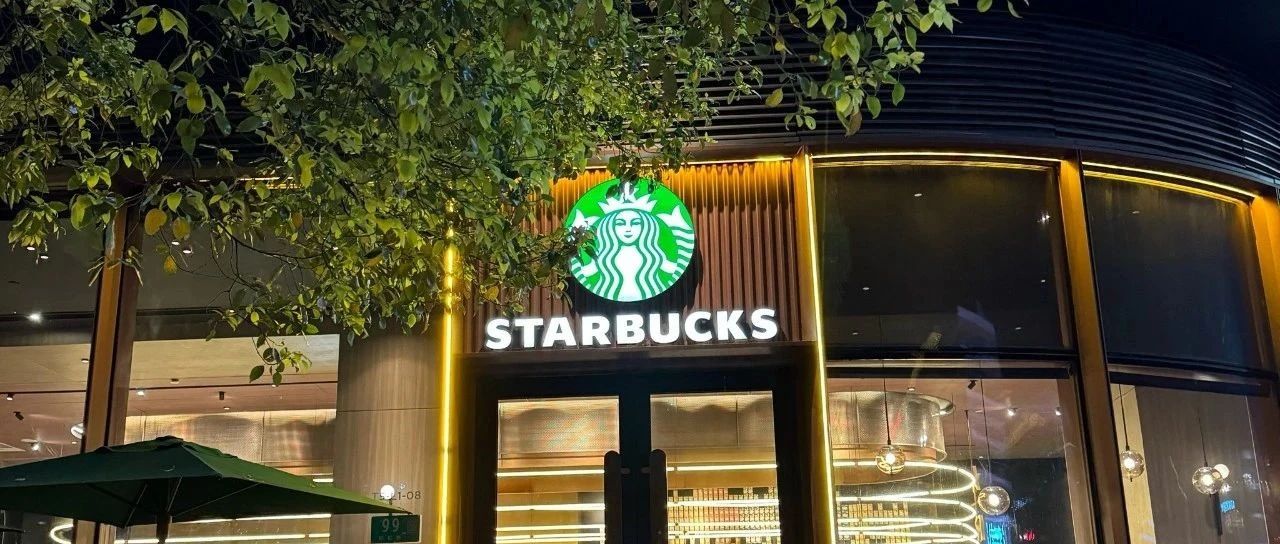
瑞幸大股东或竞购星巴克中国股权
21世纪经济报道· 2025-07-11 03:56
Core Viewpoint - Starbucks is progressing with the sale of its stake in the Chinese market, receiving multiple acquisition proposals primarily targeting controlling stakes, while aiming to retain a 30% ownership to maintain operational control [1][4]. Group 1: Starbucks' Business in China - Starbucks has received acquisition proposals for its Chinese operations, with a reasonable valuation of approximately $9 billion (around 64.6 billion RMB) [1]. - The company has emphasized that it is not considering a complete sale of its Chinese business [1]. - As of the latest report, Starbucks' revenue in China was $739.7 million (approximately 5.317 billion RMB), showing a year-on-year growth of 5% [2]. Group 2: Competitive Landscape - Luckin Coffee, backed by its major shareholder, Dazhong Capital, is also in the bidding for Starbucks' Chinese business, indicating a competitive landscape with over 30 bidders [1]. - Luckin Coffee reported a revenue increase of 41.2% year-on-year to 8.87 billion RMB in the first quarter, with self-operated store revenue growing by 42.2% [2]. - Starbucks is currently implementing price reductions on several product categories, which may help Luckin Coffee in maintaining growth and improving profit margins through differentiated competition [3].
咖啡大战生变:瑞幸大股东或竞购星巴克中国股权丨消费参考
2 1 Shi Ji Jing Ji Bao Dao· 2025-07-11 01:36
Group 1: Starbucks China Stake Sale - Starbucks is progressing with the sale of its China business, having received multiple acquisition proposals, with most investors aiming for a controlling stake [1] - The company is likely to retain 30% of its stake, with the remaining shares distributed among several buyers, each holding less than 30% [1] - The estimated valuation of Starbucks' China business is approximately $9 billion (around 64.6 billion RMB) [1] Group 2: Luckin Coffee's Growth - Luckin Coffee reported a 41.2% year-on-year revenue growth in Q1, reaching 8.87 billion RMB, with self-operated store revenue growing by 42.2% [2] - As of the end of March, Luckin had a total of 24,097 stores [2] - Starbucks China reported a revenue of $739.7 million (approximately 5.32 billion RMB) in the same period, with a year-on-year growth of 5% [2] Group 3: Competitive Landscape - Starbucks is implementing price promotions, reducing prices on several products by an average of around 5 RMB [2] - The competitive dynamics suggest that Luckin Coffee may benefit from collaboration and differentiated competition with Starbucks to maintain growth and potentially improve profit margins [2] - Currently, the negotiation power appears to remain with Starbucks [2]