
光伏

Search documents
昨夜,暴力反弹了!
Xin Lang Cai Jing· 2026-02-07 04:15
Market Overview - The U.S. stock market experienced a significant rebound, with the Dow Jones Industrial Average rising by 2.47%, surpassing the 50,000 mark for the first time, while the S&P 500 and Nasdaq Composite increased by 1.97% and 2.18%, respectively, driven primarily by large technology stocks [1] - Semiconductor stocks led the rally, with notable gains from ARM and AMD exceeding 11%, and Nvidia and Broadcom rising nearly 8% [1] - Smaller tech stocks in niche sectors such as quantum computing, drones, and nuclear power also showed remarkable performance, indicating a shift in market sentiment towards high-growth technology areas [1][3] Geopolitical Factors - A breakthrough in U.S.-Iran nuclear negotiations has significantly improved global risk appetite, contributing to the stock market rebound [2] - The negotiations, which took place in Oman, resulted in a "good start" according to Iranian officials, and have altered the pricing logic for commodities and risk assets, leading to a decline in oil prices and a return of funds to technology stocks [2] Technology Sector Insights - Despite the overall rebound, there are concerns regarding the divergence within the technology sector, particularly with major players like Amazon and Google facing stock price declines due to high capital expenditure plans [4][5] - Amazon's announcement of a $200 billion capital expenditure plan for 2026, significantly above market expectations, led to an over 11% drop in its stock price [4] - The total AI-related spending by major tech companies, including Amazon, Google, Microsoft, and Meta, has reached $660 billion, raising concerns about the sustainability of such investments relative to revenue growth [5] Emerging Sectors Solar Energy - Tesla's ambitious solar energy production goal of 100 gigawatts within three years is set to reshape the global solar industry, with plans for factory expansions in multiple U.S. states [6] - The integration of AI computing with renewable energy solutions is expected to drive growth in both sectors, presenting opportunities for domestic solar companies to increase market share [6] AI Computing - The Chinese government has initiated a new policy to enhance the efficiency of computing infrastructure, marking a transition to a 2.0 era in computing capabilities [7] - The policy aims to create a unified system for computing resource allocation, which is expected to benefit sectors such as optical communication and computing hardware [8] Chemical and Oil & Gas - The global chemical industry is experiencing price increases, with BASF raising TDI prices by 11% in the Asia-Pacific region, leading to a ripple effect in domestic chemical sectors [9] - The geopolitical situation in the Middle East and severe weather conditions in Europe have contributed to rising oil and gas prices, benefiting domestic oil and gas sectors [10]




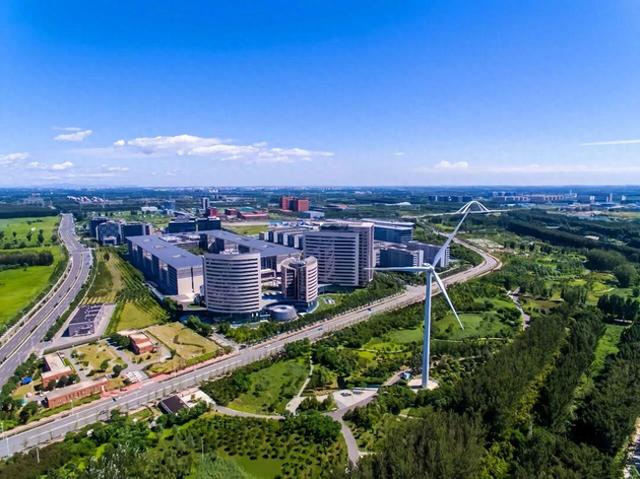
涉及氢能、光伏等,未来科学城一批绿色能源成果集中亮相
Bei Jing Ri Bao Ke Hu Duan· 2026-02-07 04:04
Group 1 - The event held in Beijing's Changping Future Science City focused on promoting green energy technologies, including hydrogen energy, photovoltaics, advanced energy, wind power, and new energy storage [2] - The event showcased leading technological achievements that demonstrate the transition from laboratory to industrial application, highlighting the importance of green energy as a key driver for new productive forces [2] - The Beijing Low Carbon Clean Energy Research Institute presented a catalytic membrane composite hydrogen production technology that significantly reduces ion transport resistance and enhances electrochemical activity, improving hydrogen production efficiency and reducing energy consumption [2] Group 2 - The SI-270150 onshore 15MW wind turbine developed by SANY Heavy Energy is a significant product in the wind power sector, featuring a design life of 25 to 30 years and a rotor diameter of 270 meters, making it the largest onshore wind turbine in terms of single unit capacity and rotor diameter [3] - The China Mobile Park Development Company introduced a self-developed green intelligent building solution aimed at facilitating low-carbon transformation and operational carbon neutrality in buildings [3] - The project "Electric-Hydrogen Reshaping - Green Hydrogen Engine Smart Factory" presented by China University of Petroleum (Beijing) utilizes biomethanation technology to provide negative carbon solutions [3]

马斯克的太阳能,不是给地球用的?
Sou Hu Cai Jing· 2026-02-07 03:05
Core Insights - Tesla is urgently recruiting personnel for solar projects, aiming to establish 200GW of solar capacity in the U.S. within three years, which is ten times the current solar capacity in the U.S. and half of China's annual new installations [1][3] Group 1: Strategic Overview - Musk's solar plan is a comprehensive strategy termed "energy leap," which includes three phases: establishing ground-based production, deploying solar panels in space, and creating a self-sustaining ecosystem with AI [3][4] - The goal is to reduce solar component costs to below $0.1 per watt, facilitating mass production for space deployment [3][6] Group 2: Industry Dynamics - The push for solar energy is driven by the ongoing competition between the U.S. and China in the solar industry, with China currently holding 80% of global solar production capacity [5][6] - Tesla aims to bypass Chinese production by leveraging technological advancements, focusing on HJT and perovskite technologies to significantly reduce costs [6] Group 3: Energy Trends - The underlying logic of Musk's solar strategy is the explosive demand for AI computing power, which is in stark contrast to Earth's resource limitations [7] - Training advanced AI models consumes electricity equivalent to that of a medium-sized city over several months, while global AI energy demand could exceed 100 terawatts in the next decade [7] Group 4: Public Perception - There are misconceptions about the commercialization of space solar power, with expectations of a significant demand surge for low-orbit satellite solar power by 2025 [8][9] - Technological advancements in HJT and perovskite materials have already been validated for space applications, countering claims of immaturity [9] Group 5: Future Implications - Musk's solar strategy highlights a shift in competitive dimensions from cost control to ecosystem integration, with Tesla creating a unique barrier through vertical integration [10] - Investment opportunities are shifting towards critical equipment and materials rather than component manufacturing, indicating a need for strategic focus in the industry [10] - The recruitment drive signals a growing demand for energy engineers, space system architects, and AI operations experts in the coming decade [10]

中国央行连续第15个月增持黄金
21世纪经济报道· 2026-02-07 02:43
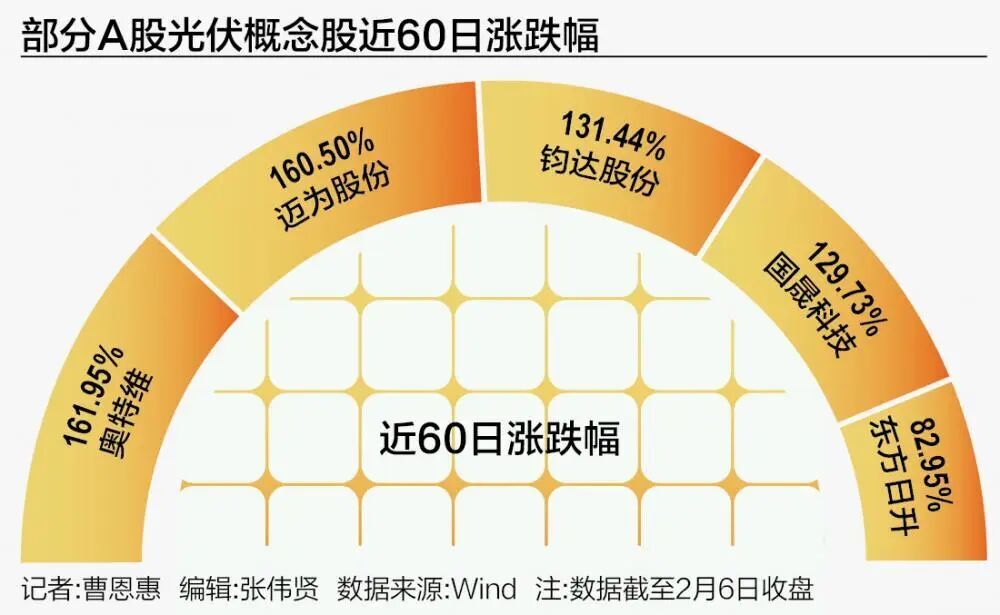
来源丨 中国人民银行 编辑丨金珊 马斯克点火A股光伏,奥特维等股价翻倍 爆单排队!喜茶二手周边爆炒至50元 SFC 21君荐读 据央行最新发布数据,中国2026年1月末黄金储备报7419万盎司,2025年12月末为7415万盎 司,为连续第15个月增持黄金。 ...

预制菜国标征求意见;八部门重申虚拟货币非法丨一周热点回顾
Di Yi Cai Jing· 2026-02-07 02:11
Group 1: Pre-prepared Dishes Standardization - The National Health Commission and the State Administration for Market Regulation are soliciting opinions on national standards for pre-prepared dishes, defining terms, raw material requirements, and food additive usage [2] - Pre-prepared dishes are defined as packaged dishes made from one or more food products, requiring industrial pre-processing without preservatives, and must have a shelf life not exceeding 12 months [2] - The draft emphasizes that food additives should be minimized and only used when necessary, reflecting consumer demand for quality and safety in the pre-prepared food industry [3] Group 2: Virtual Currency Regulation - The People's Bank of China and seven other departments issued a notice reiterating that virtual currency-related activities are illegal financial activities, prohibiting the issuance of virtual currencies without approval [4] - The notice comes amid significant volatility in cryptocurrency prices, with Bitcoin dropping to around $60,000, leading to over 400,000 liquidations globally [4] - The new regulations aim to strengthen the existing ban on virtual currencies and address the rising trend of illegal activities related to cryptocurrency trading [5] Group 3: Agricultural Development and Farmer Income - The Central Document No. 1 emphasizes the importance of increasing farmers' income through various measures, including stabilizing agricultural earnings and promoting rural resource utilization [6] - The document highlights the need for technological innovation in agriculture, incorporating drones and robotics to enhance productivity and income for farmers [7] Group 4: Economic Growth Targets - All 31 provinces in China have set economic growth targets for 2026, with most aiming around 5%, while some provinces like Tibet and Hainan set higher targets of over 6% [8] - The growth targets reflect ongoing economic pressures, with some provinces facing challenges in achieving even modest growth rates [8][9] Group 5: Mental Health Insurance Fraud - The National Healthcare Security Administration is cracking down on fraudulent practices in mental health institutions, requiring self-inspections and corrective actions by March 15 [10] - The investigation follows reports of illegal activities in mental health facilities, highlighting the need for multi-departmental collaboration to address systemic issues in healthcare fraud [10] Group 6: Housing Delivery Progress - By the end of the 14th Five-Year Plan, approximately 7.5 million units of "difficult-to-deliver" housing have been successfully delivered, alleviating the delivery issues faced by many real estate companies [11][12] - The focus is now shifting towards debt resolution and restoring financial health for real estate firms, indicating a transition from crisis management to long-term development strategies [12] Group 7: AI Marketing Strategies - Major tech companies are engaging in aggressive marketing strategies around AI applications during the Spring Festival, but face challenges due to regulatory actions from WeChat against excessive promotions [13][14] - The competition among companies to leverage AI for consumer engagement highlights the ongoing battle for market share in the rapidly evolving tech landscape [14] Group 8: Solar Industry Reactions - The solar sector experienced a significant decline following rumors of Elon Musk's team visiting Chinese solar companies, which were later denied, leading to a market correction [15] - Despite the hype around space solar technology, the current operational challenges faced by Chinese solar companies indicate a need for cautious investment and focus on sustainable growth [15][16] Group 9: US-India Trade Agreement - A trade agreement between the US and India has been reached, reducing tariffs on Indian imports from 25% to 18%, while India agrees to increase purchases of US products [16][17] - The agreement reflects mutual economic interests but may not significantly improve the overall US-India relationship due to India's complex energy procurement strategies [18]


马斯克点火A股光伏,奥特维等股价翻倍
2 1 Shi Ji Jing Ji Bao Dao· 2026-02-07 01:48
Core Viewpoint - Elon Musk is significantly influencing the Chinese A-share photovoltaic sector, with his comments on solar energy and its potential to provide substantial power, which has led to a surge in stock prices within the sector [2][3][4]. Group 1: Market Reaction - On January 23, 2026, following Musk's remarks at the World Economic Forum, 24 photovoltaic stocks in China hit their daily limit up, with the photovoltaic index rising by 7.46% [2]. - Two weeks later, Musk's interest in Chinese photovoltaic companies, including JinkoSolar and TCL Zhonghuan, further ignited stock price increases, with many stocks reaching their daily limit up again [3]. - The excitement surrounding Musk's "space photovoltaic" vision has injected new vitality into the previously stagnant A-share photovoltaic market [3][4]. Group 2: Industry Context - The photovoltaic industry is currently facing challenges, with nearly 70% of A-share photovoltaic companies reporting losses due to low prices in the supply chain [8]. - Despite some companies showing signs of recovery, the overall market sentiment remained negative, as indicated by a 4.10% decline in the Wind photovoltaic index during a week of earnings announcements [8]. - Musk's "space photovoltaic" concept has shifted the focus of the industry from terrestrial applications to potential space-based solutions, which could represent a new growth avenue for the sector [12]. Group 3: Future Prospects - Analysts predict that the "space photovoltaic" market could become a significant growth area, with estimates suggesting a market size of approximately 295 billion RMB by 2030, which is ten times the current scale [15]. - Musk's plans for deploying 100GW of solar power in space could potentially open up vast opportunities for new technologies and applications in the photovoltaic sector [15]. - However, the current competitive landscape and the need for immediate solutions to existing challenges in the industry remain pressing concerns [16].




马斯克点火A股光伏,奥特维等股价翻倍
21世纪经济报道· 2026-02-07 01:42
作者 丨曹恩惠 编辑丨张伟贤 特斯拉首席执行官埃隆·马斯克正在成为"挑动"中国A股光伏板块神经的人。 两周之后,马斯克再次成为给A股光伏板块"点火"的那个人。 当地时间2026年1月22日,马斯克首次亮相达沃斯世界经济论坛,并与贝莱德首席执行官拉里· 芬克进行了一场约30分钟的对话。 在这场对话中,马斯克谈到了人工智能、人形机器人以及能源电力。特别是当提到"制约人工 智能发展的根本瓶颈是电力"时,他夸起了中国太阳能产业化发展能力,直言"仅凭太阳能,中 国每年就能提供相当于美国一半的稳态电力"。 值得一提的是,马斯克还进一步强调了SpaceX和特斯拉正在各自努力,计划未来三年时间内 在美国建立起年产能达到100GW的太阳能制造能力——尽管这一计划早在2025年12月份已经 有所透露。 但上述观点犹如一剂"兴奋剂",注入了中国A股光伏板块——北京时间1月23日,共计来自光 伏 设 备 、 辅 材 、 主 材 等 环 节 的 24 只 光 伏 股 实 现 涨 停 , 光 伏 指 数 ( 884045.WI ) 当 日 大 涨 7.46%,大幅跑赢整体行情。 这一次的消息是,马斯克所掌控的SpaceX以及特斯拉近期已 ...

行稳致远开新局丨粮丰牧兴绿电奔涌 看突飞“蒙”进背后的民生密码
Yang Guang Wang· 2026-02-07 01:38
Group 1: Economic Development and Modernization - The "15th Five-Year Plan" marks a critical starting point for China's modernization journey, with various regions demonstrating strong momentum and commitment to high-quality development [1] - Inner Mongolia is leveraging its vast space, resources, and regional advantages to advance modernization while ensuring ecological safety and promoting ethnic unity [4][5] Group 2: Environmental Initiatives and Renewable Energy - The Kubuqi Desert has transformed from a "death zone" to a "green engine," with advanced technologies like drone seeding achieving an 80% survival rate for planted trees [5] - The Daqing Flag has established one of the largest desert-based photovoltaic power generation bases, with a capacity of 523 MW and plans to reach 1,900 MW by the end of the "15th Five-Year Plan," generating 40 billion kWh of green electricity annually [6][7] Group 3: Agricultural Advancements - In the Bayannur City, corn yields have significantly increased, with an average yield of 1,421.77 kg per mu, setting new records in Inner Mongolia [8] - The region has implemented modern agricultural techniques, resulting in an increase in corn yield from 850 kg to over 1,000 kg per mu over five years [9] Group 4: Community and Social Development - The Qingquan Street community in Hohhot exemplifies ethnic unity through cultural activities, fostering interaction among diverse ethnic groups [11][12] - Infrastructure improvements, such as centralized heating and water supply systems, have enhanced living conditions for rural residents, particularly in cold regions [14][15] Group 5: Overall Strategic Goals - Inner Mongolia aims to maintain a high per capita GDP and resident income during the "15th Five-Year Plan," focusing on transforming its resources into high-quality development outcomes [15]

“最贵新股”上市以来首亏 “微逆之王”能靠储能讲出新故事吗?
Sou Hu Cai Jing· 2026-02-07 01:35
Core Viewpoint - HeMai Co., Ltd. (禾迈股份) has experienced a dramatic decline in stock price and market value, reflecting the harsh cycle of the photovoltaic industry, transitioning from a peak valuation to significant losses and inventory issues [2][4]. Financial Performance - HeMai's net profit from 2021 to 2024 was 2.02 billion, 5.33 billion, 5.12 billion, and 3.44 billion respectively, with a projected net loss of 1.35 billion to 1.65 billion for 2025, marking the first annual loss since its listing [4][5]. - The company’s stock price peaked at 1,300 yuan per share, with a market capitalization nearing 100 billion yuan, but has since dropped significantly, resulting in a market value loss exceeding 70 billion yuan [2][5]. Market Dynamics - The global micro-inverter market grew from 2.958 billion USD in 2019 to 4.275 billion USD in 2021, with a compound annual growth rate exceeding 50%, but demand has since plummeted due to various market pressures [5][6]. - In 2023, the demand for micro-inverters fell sharply, with exports to the U.S. declining by 30%, leading to a significant inventory surplus in the industry [6]. Production and Inventory Issues - HeMai's production capacity reached 6 million units in 2023, but actual sales were only 3.5 million units, resulting in a capacity utilization rate of less than 60% [6]. - The company's inventory surged from 380 million yuan in 2021 to 1.25 billion yuan in 2023, with a significant portion of products facing obsolescence and price drops exceeding 40% [7]. Strategic Shifts - HeMai is transitioning from being a micro-inverter supplier to a comprehensive energy storage solution provider, aiming to leverage synergies between micro-inverters and energy storage systems [9][10]. - The company has restructured into three divisions and six product lines, with a focus on global marketing and rapid growth in its energy storage business, which generated 312 million yuan in revenue in 2024 [10][11]. Future Outlook - HeMai anticipates that its energy storage business will exceed 1 billion yuan in revenue by 2026, with a gross margin of 30% to 40% for its household and commercial storage products [10][11]. - The company is actively expanding into high-margin overseas markets and investing heavily in research and development, with R&D spending increasing from 46 million yuan in 2021 to 266 million yuan in 2024 [11][12].

光伏“反内卷”仍是重中之重
Bei Jing Ri Bao Ke Hu Duan· 2026-02-06 22:54
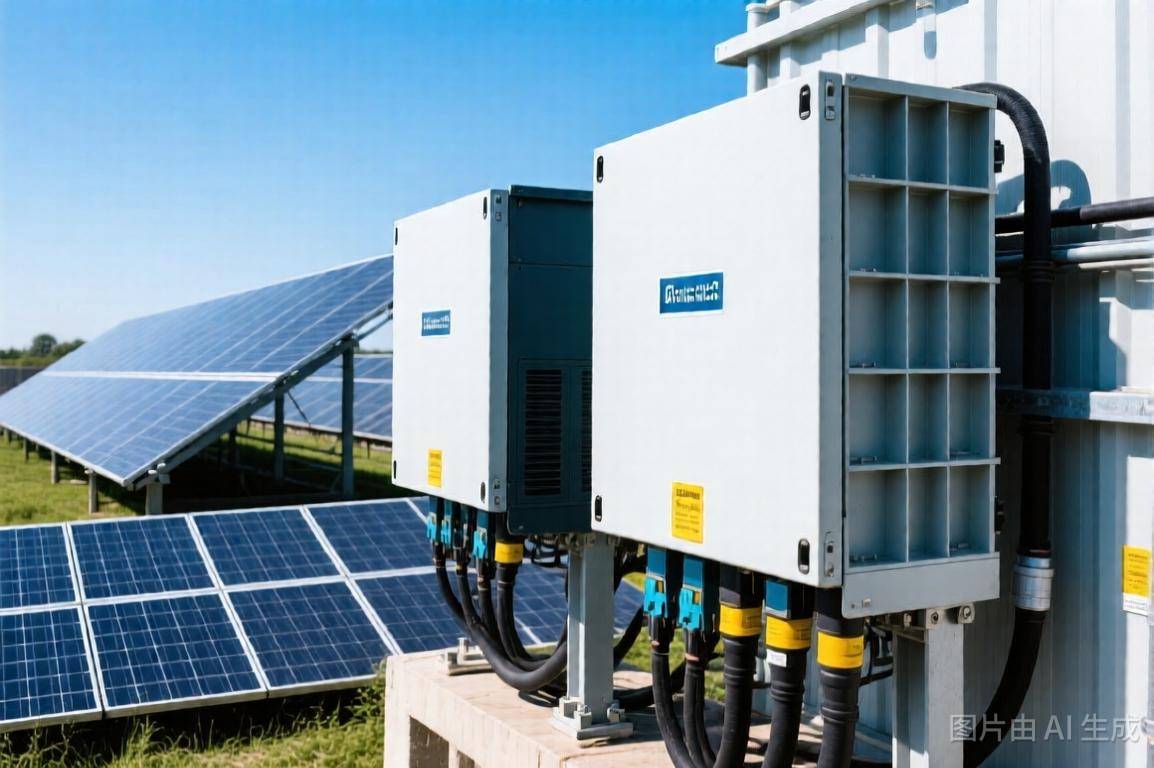
Core Viewpoint - The Chinese photovoltaic industry maintains a dominant global position, but is currently undergoing significant adjustments, with "anti-involution" governance being a key focus for 2026 [1][4]. Group 1: Industry Achievements - The manufacturing sector of the photovoltaic industry has surpassed a production value of 1 trillion yuan, with total exports exceeding 180 billion USD and cumulative installed capacity exceeding 1,200 GW [2]. - During the "14th Five-Year Plan" period, the cumulative new installed capacity of photovoltaic systems was 4.5 times that of the "13th Five-Year Plan," and the cumulative new power generation was 3.6 times higher [2]. - Prices across various segments of the photovoltaic supply chain have significantly decreased, with reductions exceeding 60%, and silicon wafer prices dropping by as much as 82.8% [2]. - By 2025, China's global market share in polysilicon, silicon wafers, batteries, and modules is projected to be 96.0%, 96.2%, 91.3%, and 80.1%, respectively [2]. Group 2: Industry Challenges - The industry is currently in a deep adjustment phase, facing significant challenges due to unresolved supply-demand mismatches [3]. - The overall performance of photovoltaic A-share listed companies for 2025 indicates that the industry remains in a loss zone, although some companies are beginning to narrow their losses [3]. - Longi Green Energy expects a net loss of 6 to 6.5 billion yuan for 2025, a reduction of approximately 30% compared to the previous year's loss of 8.6 billion yuan [3]. - TCL Zhonghuan and JA Solar have also reported reduced losses, with TCL Zhonghuan's expected loss for 2025 being between 8.2 billion and 9.6 billion yuan, down 11% to 24% from over 10 billion yuan the previous year [3]. Group 3: Future Directions - The industry is shifting towards high-quality competition, with "anti-involution" being a central theme for governance [4][5]. - The Ministry of Industry and Information Technology has emphasized the need for comprehensive measures to promote healthy competition and rational development in the photovoltaic sector [4]. - The upcoming removal of export tax rebates for photovoltaic products starting April 1, 2026, is expected to pressure profit margins in the short term but will accelerate capacity clearing and encourage technological innovation in the long term [5].