外贸

Search documents
海南自贸港封关运作将“满月”:24天新增备案外贸企业数量相当于2024年一个季度的备案数
Sou Hu Cai Jing· 2026-01-14 13:55
Core Insights - The press conference highlighted the progress and effectiveness of the Hainan Free Trade Port's operations since its closure, emphasizing smooth and efficient customs processes and overall stable operations [1] Group 1: Policy Effects - The customs authority reported that from December 18, 2025, to January 10, 2026, 18,000 tons of goods were regulated under the "first line" customs clearance model, with zero-tariff imports valued at 460 million yuan and tax exemptions totaling 62.128 million yuan [3] - The "second line" customs supervision facilitated the export of value-added goods worth 56.816 million yuan, with an exemption of 2.301 million yuan in import duties, aiding local enterprises in extending their industrial chains and enhancing value [3] Group 2: Increased Business Attraction - The Hainan Free Trade Port has attracted a significant number of businesses, with 4,709 new foreign trade enterprises registered since the closure, equating to the total number of registrations in a quarter of 2024, bringing the total to over 100,000 [3] - The overall trade volume in Hainan reached 21.42 billion yuan, marking a year-on-year increase of 19.6%, with imports and exports growing by 13.3% and 31.6% respectively [3] Group 3: Duty-Free Shopping Growth - The number of duty-free shoppers in Hainan reached 585,000, with total spending of 3.89 billion yuan, reflecting year-on-year increases of 32.4% and 49.6% respectively, averaging 24,000 shoppers daily with daily spending of 160 million yuan [4] - The expansion of duty-free product categories from 45 to 47, including new electronic items, and the broadening of eligible shoppers to those departing from Hainan Island, have contributed to this growth [4]

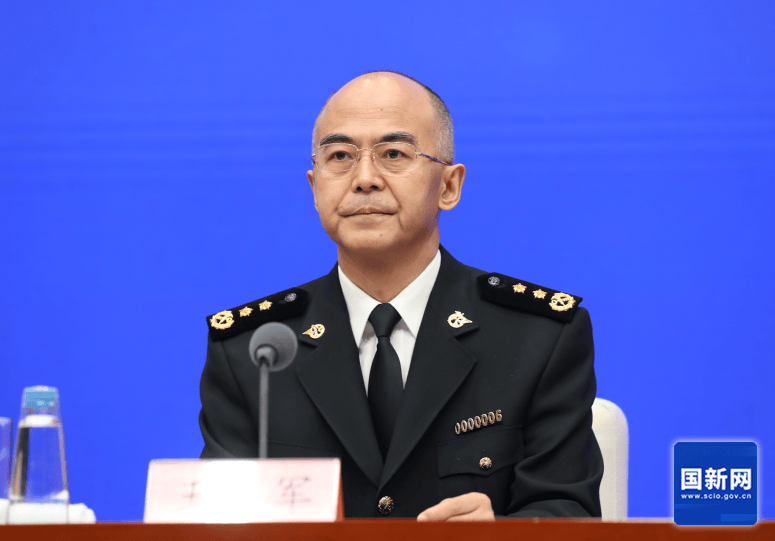
海南自贸港封关将迎“满月” 日均2.4万人在海南免税购物
Zhong Guo Xin Wen Wang· 2026-01-14 05:54
Core Viewpoint - The Hainan Free Trade Port has successfully implemented its closure operation, leading to significant economic benefits, including increased foreign trade and a surge in duty-free shopping activity [1][2]. Group 1: Policy Effects - Since the closure operation began, customs have regulated 18,000 tons of goods under the "first line" customs clearance model, with zero-tariff imports valued at 460 million yuan and duty-free sales amounting to 6.2128 million yuan [1]. - Local enterprises, hospitals, and research institutions have benefited from zero-tariff materials and equipment, while tourism and transportation sectors have enjoyed zero-tariff operational vehicles [1]. Group 2: Increased Business Attraction - The closure has attracted a significant number of businesses, with 4,709 new foreign trade enterprises registered in Hainan, equating to the total number of registrations in a quarter of 2024 [2]. - The total number of registered foreign trade enterprises in Hainan has exceeded 100,000 [2]. - Hainan's foreign trade has seen rapid growth, with total goods trade imports and exports reaching 21.42 billion yuan, a year-on-year increase of 19.6%, with imports and exports growing by 13.3% and 31.6%, respectively [2]. Group 3: Duty-Free Shopping Growth - The categories of duty-free goods have expanded from 45 to 47, now including electronic products such as digital cameras and drones [2]. - The number of duty-free shoppers has reached 585,000, with total spending of 3.89 billion yuan, reflecting year-on-year increases of 32.4% and 49.6%, respectively [2]. - On average, 24,000 people are shopping duty-free daily in Hainan, with daily spending totaling 160 million yuan, surpassing pre-closure levels [2].
全国第三,北方第一,山东吓了所有人一跳
虎嗅APP· 2026-01-13 13:35
Core Viewpoint - Shandong, often perceived as a traditional heavy industry province, is on track to surpass a GDP of 10 trillion yuan by 2025, marking it as the third province in China to achieve this milestone, alongside Guangdong and Jiangsu [7][36]. Economic Performance - In 2024, Shandong's GDP is projected to reach 985.66 billion yuan, with a growth rate of 5.7%, maintaining its position as the third-largest economy in China [5]. - The province's economic structure is evolving, with the tertiary sector's value exceeding 5 trillion yuan, accounting for over half of its GDP [9]. Industrial Structure - Shandong's second industry remains robust, with a scale close to 4 trillion yuan, representing 40.2% of its GDP, and its growth rate outpacing that of the service sector [9]. - The province has seen a 31.5% increase in high-tech manufacturing enterprises since 2018, with revenues reaching 999.91 billion yuan [10]. Agricultural and Trade Contributions - In 2024, Shandong's agricultural output reached 1.28323 trillion yuan, with agricultural exports accounting for 22.8% of the national total [10]. - Shandong's products are exported to 242 countries and regions, with exports to Belt and Road countries reaching 604.9 billion yuan, a year-on-year increase of 8.6% [10]. Urban Development - Shandong has 13 cities listed in the 2025 China Top 100 Cities ranking, tied for first place with Jiangsu [13]. - The province currently has three trillion-yuan cities: Qingdao, Jinan, and Yantai, with plans to elevate more cities to this status [16][17]. Transition and Transformation - In 2018, Shandong faced challenges with over 70% of its industrial structure reliant on traditional industries, prompting a strategic shift towards new economic drivers [21][22]. - The province's "new and old kinetic energy conversion" plan aims to transition to a new economic structure by 2028, focusing on high-tech and sustainable industries [22][23]. Future Outlook - Shandong's government aims to enhance its economic growth by investing in clean energy and improving its business environment, with a target of 200 million kilowatts of non-fossil energy capacity by 2030 [35]. - Despite achieving a GDP of 10 trillion yuan, Shandong faces demographic challenges, including a declining population, which could impact its long-term economic sustainability [36].
扩大高水平对外开放 促进普惠包容的经济全球化 ——访商务部党组书记、部长王文涛
Ren Min Ri Bao· 2026-01-12 23:21
Core Viewpoint - The report emphasizes the importance of expanding high-level opening-up to promote inclusive economic globalization and enhance China's modernization efforts [2][4][5]. Group 1: Significance of High-Level Opening-Up - High-level opening-up is seen as a strong driving force for high-quality development, with a focus on utilizing global resources and markets [2]. - It is crucial for meeting the people's needs for a better life, as it directly impacts employment and the availability of diverse consumer goods [3]. - The report highlights that high-level opening-up is essential for promoting inclusive and cooperative economic globalization, positioning China as a leader rather than a follower in global trade [4]. Group 2: Achievements in Opening-Up - Since the 18th National Congress, China has made historic achievements in opening-up, with significant growth in foreign trade and investment [6][7]. - In the first 11 months of 2025, China's goods trade reached 41.2 trillion yuan, a 3.6% increase year-on-year, maintaining its position as the world's largest trading nation [7]. - The report notes that China has become a major player in global service trade, with the total service trade expected to exceed 1 trillion USD in 2024 [7]. Group 3: Challenges and Opportunities - The current global environment presents both opportunities and challenges for expanding high-level opening-up, with increasing uncertainties [11]. - The report identifies a "pressure period" due to global economic slowdowns and geopolitical tensions, particularly in U.S.-China relations [12]. - However, it also highlights the potential for new growth in digital and green sectors, with significant market opportunities in these areas [12][13]. Group 4: Future Directions for Opening-Up - The report outlines four key areas for future focus: expanding autonomous opening-up, promoting trade innovation, enhancing two-way investment cooperation, and high-quality Belt and Road Initiative construction [14][15][16][17]. - Emphasis is placed on aligning with international standards and reducing barriers to trade and investment to foster a more open economic environment [14]. - The report also stresses the importance of protecting overseas interests and enhancing legal frameworks to support international investments [17].
福建出台23条措施确保一季度良好开局
Zhong Guo Fa Zhan Wang· 2026-01-12 09:25
Core Viewpoint - The Fujian Provincial Government has issued a set of measures aimed at achieving a strong economic and social development start in the first quarter of 2026, focusing on boosting consumption, expanding effective investment, and supporting the real economy among other areas [1]. Group 1: Boosting Consumption - The measures emphasize the dual engines of consumption and investment to stimulate domestic demand, with specific policies to enhance spring consumption, upgrade service consumption, and promote trade-in programs for consumer goods [2]. - A budget of 15 million yuan is allocated for key consumption promotion activities, and 30 million yuan is designated for subsidies on new passenger vehicle purchases [2]. - Initiatives include cultural and sports events to drive consumer engagement, alongside simplifying subsidy application processes to ensure efficient delivery of benefits to businesses and consumers [2]. Group 2: Expanding Effective Investment - The measures outline goals for the first quarter, including completing 300 billion yuan in investments and starting over 500 key projects, with encouragement for continuous work during the Spring Festival [3]. - Plans include promoting over 600 projects with a total investment exceeding 600 billion yuan, focusing on infrastructure, modern industries, and public services [3]. - The government aims to enhance land use guarantees and streamline the approval process for key projects and public welfare initiatives [3]. Group 3: Supporting the Real Economy - The measures aim to stabilize and strengthen the industrial sector, with incentives for manufacturing enterprises that increase electricity consumption by over 6% year-on-year [4]. - Financial rewards are set for companies participating in supply-demand matching activities, and support is provided for the real estate sector to enhance housing quality and service [4]. Group 4: Enhancing Trade and Investment - The measures include strategies to support foreign trade enterprises in expanding markets and attracting foreign investment, with initiatives like full subsidies for exhibition fees for outbound trade groups [7]. - The government plans to conduct joint investment promotion activities during the Spring Festival, targeting overseas Chinese and business communities [8]. - Policies are also in place to stabilize agricultural production and ensure social welfare, with specific projects aimed at boosting employment and supporting rural communities [8].
东南亚外贸市场介绍之——印度尼西亚
Sou Hu Cai Jing· 2026-01-09 04:22
Core Insights - Indonesia is becoming a focal market for Chinese sellers due to its large population, rapid consumption growth, and favorable policies, making it a promising entry point for Southeast Asian market expansion [1] Group 1: Trade Environment - Indonesia's foreign trade volume is projected to reach $498.36 billion in 2024, supported by a population of 281 million, with a significant proportion of young consumers who are highly receptive to e-commerce and online payments [3] - The Indonesian government is actively encouraging non-oil and gas product exports by simplifying export procedures and reducing tariffs, alongside relaxing foreign investment regulations and providing tax incentives [3] - The local manufacturing sector is insufficient to meet the rapidly growing domestic demand, creating opportunities for Chinese exports in machinery, chemicals, automotive parts, and other categories, where Chinese products maintain a competitive edge due to cost-effectiveness [3] Group 2: Market Opportunities - The rapid growth of e-commerce in Indonesia is driving an increase in cross-border orders, highlighting the advantages of Chinese sellers in product selection and supply chain stability [3] - Indonesian consumers are increasingly accustomed to online shopping, focusing on product value, logistics speed, and after-sales service, which opens up growth opportunities in segments like home goods, beauty products, and small appliances [3] Group 3: Payment Challenges - Foreign trade enterprises face challenges in receiving payments due to significant fluctuations in the Indonesian Rupiah, lengthy payment cycles, and strict regulations on cross-border transactions [5] - The complexities of the Indonesian banking system, including rigorous large remittance audits and potential delays in interbank settlements, can impact cash flow for businesses [5] Group 4: Payment Solutions - Companies can utilize third-party platforms like WindPayer to open local Indonesian accounts for receiving payments in Rupiah, allowing for real-time exchange rate monitoring and withdrawal when favorable rates are available [6] - This method does not consume the annual $50,000 foreign exchange quota, providing a compliant and efficient way to manage funds [6]

威海|威海助力企业“出海”抢订单
Da Zhong Ri Bao· 2026-01-09 01:38
围绕四大核心领域,出台40条细化举措 威海助力企业"出海"抢订单 日前,《威海市促进外贸高质量发展政策清单(2026年版)》印发。该清单重点围绕支持企业多元 化市场布局、支持跨境电商高质量发展、推动产业与贸易协同升级、优化外贸发展环境等四大核心领 域,细化梳理40条举措,全方位护航企业提速"出海",抢抓全球订单。 推动外贸稳中提质,加速布局多元化海外市场至关重要。清单将"支持企业多元化市场布局"摆在首 位,明确2026年将继续组织实施"好品威海 商通四海"国际市场开拓计划,并鼓励组展单位依托境内外 知名涉外展会平台,开展境内外"展中展"活动,全力支持外贸企业多元化开拓国际市场。在助力企 业"走出去"参展的同时,威海深耕优质展会培育,将高质量举办中国威海国际渔具博览会、中国威海国 际户外休闲产业博览会等重点经贸活动,联动境外驻华机构、商协会搭建精准供需对接平台,为企业拓 展海外渠道构建多元支撑。 此外,威海还将积极引导金融机构加大对外贸企业信贷投放力度,强化涉外商事法律服务供给,支 持符合条件的企业申报海关高级认证企业(AEO企业),并对新认定企业给予一次性奖励,全方位打 造市场化、法治化、国际化营商环境。(记 ...
2026年出海观察:被低估的新增量
Mei Ri Jing Ji Xin Wen· 2026-01-08 13:35
Group 1: Current Events Impacting Trade - The recent kidnapping of the Venezuelan president's family has led Colombia to declare a state of military readiness, causing instability in the region and affecting international logistics companies operating in Venezuela [1] - An international logistics company in Yiwu has stopped accepting orders related to Venezuelan ports due to uncertainties, while some shipping clients have suspended shipments to La Guaira, a key port in northern Venezuela [1] - The overall booking volume for shipments to Venezuela is expected to be impacted in the short term due to the current instability [1] Group 2: Language Learning and Trade Opportunities - There is a growing demand for Spanish language learning among Yiwu traders, particularly those in international logistics and foreign trade, as they seek to enhance communication with South American clients [3] - Yiwu traders have noted an increase in South American wholesalers visiting Yiwu, with a high demand for products, but language barriers hinder deeper cooperation [3][4] - The use of AI translation tools is becoming more prevalent among Yiwu merchants, aiding in multi-language communication and enhancing trade efficiency [6][7] Group 3: AI Technology in Trade - AI applications are being utilized by Yiwu merchants to create multi-language product descriptions and enhance their online presence, significantly improving sales [6] - The demand for AI translation devices and smart hardware products, such as AI glasses and drones, is rising among foreign buyers in Yiwu [2][9] - The market for "white label" smart hardware is expanding, with foreign customers favoring affordable, high-quality products over high-end brands [9][10]
“新”字上下功夫 外贸企业多维升级
Xin Lang Cai Jing· 2026-01-07 21:21
(来源:经济参考报) 江苏红豆对外贸易有限公司负责人介绍,"我们践行'跨境电商、跨境办厂、跨境品牌'的'三跨'发展战 略,正在全面发力,成效显著。" 高士旺认为,在政策的有力支撑下,中国完备的产业配套与高效供应体系正形成合力,将持续激发企业 开拓国际市场的内生动力。"从优化全球投资布局,到创新市场开拓模式,更多中国企业将通过积极主 动的多元策略,在海外打开新局面。" "焕新"之势,不止于开局。这场始于年初的"加速跑",不仅关乎企业的年度业绩,更预示着中国在全球 贸易新格局中角色的深刻演变。 如果说红豆的"三跨"战略展现了系统性的海外拓展布局,另一些企业则通过细分领域切开新的市场。 在净诺的展厅,布满猫狗图案的净化器甚是突出,公司开始发力基于"宠物经济"的细分品类。"我们抓 住细分领域市场,积极开拓新品。大赛道做代工,细分赛道做自主品牌。"吴天文说,在新产能、新产 品的加持下,期待2026年实现营收、利润双丰收。 一个个企业的创新实践,离不开宏观政策的精准引导与有力支持。"十五五"规划建议提出"推动贸易创 新发展",并将推动市场多元化、支持跨境电商等新业态新模式发展、创新发展数字贸易等作为政策发 力点。 相关举 ...
外贸无票免征的9610模式政策解读及合规策略
Sou Hu Cai Jing· 2026-01-06 18:17
Core Viewpoint - The foreign trade industry has entered a new phase of tax compliance, moving away from a rough management model to a more refined tax management approach, particularly affecting the fast-moving consumer goods sector [1] Policy Interpretation - The "no invoice exemption" policy, also known as the "9610" model, allows exporters without input invoices to be exempt from value-added tax, subject to specific conditions [3] - This model is beneficial for businesses in Yiwu but does not provide immediate solutions for foreign trade companies in other regions [3] Response Measures - For businesses outside of Yiwu, the main compliance strategies available are the 9610 model and avoiding the convenient shipping model on international platforms [4] - It is crucial for companies to ensure tax compliance and to adapt to the new regulations, as this transition is irreversible [4] Conditions for 9610 Model - Eligibility for the 9610 model requires registration in Yiwu, customs import/export registration, and using designated logistics from Alibaba [5] - The current logistics options provided by Alibaba are limited and mainly suitable for small sample or low-volume orders [5] - Non-Yiwu companies face high costs to register in Yiwu and open an international station, and the policy's broader implementation remains uncertain [5] Recommendations for Compliance - Companies should prioritize invoicing regardless of the amount and set minimum order quantities to increase transaction volumes for invoicing purposes [5] - Opening an international station and linking offshore accounts for customer payments is advised, although it may complicate the payment process for some clients [5]