
投资银行

Search documents
嘉能可接近任命花旗担任其与力拓合并谈判的顾问
Ge Long Hui A P P· 2026-02-03 02:14
Core Viewpoint - Glencore is set to hire Citigroup as the lead investment bank for its potential acquisition deal, indicating a strategic move in the mining sector [1] Group 1: Company Actions - Glencore is preparing to engage Citigroup for a potential acquisition, highlighting its ongoing strategic initiatives in the mining industry [1] - Citigroup has a long-standing relationship with Glencore, having previously advised on significant transactions, including the 2011 IPO and the recent acquisition of Teck Resources' coal business [1] Group 2: Industry Context - The involvement of Citigroup in Glencore's potential acquisition suggests a competitive landscape in the mining sector, particularly with respect to mergers and acquisitions [1] - The disclosure submitted to the UK Takeover Panel indicates that Glencore is actively exploring opportunities to enhance its market position through strategic acquisitions [1]



未知机构:高盛关于贵金属市场主要是黄金和白银报告的主要内容总结日期为2026年2月2-20260203
未知机构· 2026-02-03 02:00
法币贬值风险 (Debasement 高盛关于贵金属市场(主要是黄金和白银)报告的主要内容总结,日期为2026年2月2日,基于几位核心分析师和 交易主管的观点: 核心观点与市场背景 主要驱动主题: 去美元化 (De-dollarisation):这是最持久的主题。 各国央行持续增持黄金,全球持有的美债储备总量已低于黄金储备总量,且此趋势预计将在2026年延续。 高盛关于贵金属市场(主要是黄金和白银)报告的主要内容总结,日期为2026年2月2日,基于几位核心分析师和 交易主管的观点: 核心观点与市场背景 主要驱动主题: 去美元化 (De-dollarisation):这是最持久的主题。 各国央行持续增持黄金,全球持有的美债储备总量已低于黄金储备总量,且此趋势预计将在2026年延续。 法币贬值风险 (Debasement ofFiat Currencies):自2025年起,机构投资者因担忧法定货币长期贬值而寻求黄金等资产 进行配置。 去全球化 (De-globalization)与地缘政治秩序变化:地缘政治事件(如报告中提及的委内瑞拉和格陵兰岛相关事件) 及政策变动,导致投资者将黄金视为避险资产,这部分资金倾向 ...

金银大跌后摩根大通分析师坚定看多:别慌!年底黄金仍看至6300美元
Hua Er Jie Jian Wen· 2026-02-03 01:15
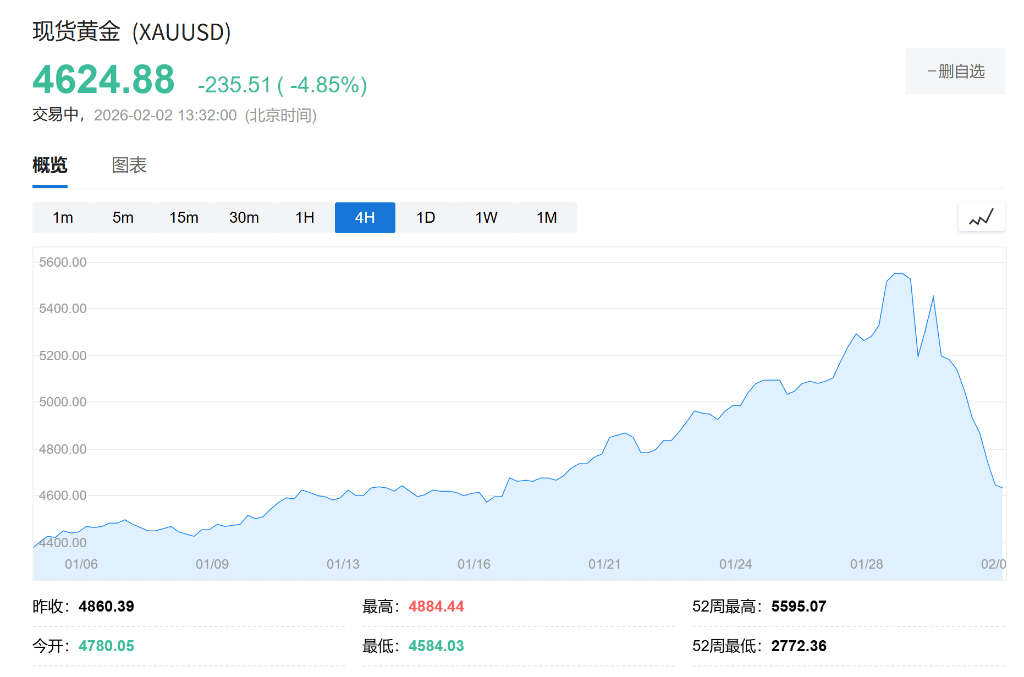
全球贵金属市场在上周五经历了一场历史性的暴跌,白银单日重挫近30%,黄金也大幅回撤。 尽管跌幅惊人,但多家华尔街投行分析师认为,这是一场由过度拥挤的持仓和保证金上调引发的技术性 出清,而非基本面逻辑的根本性逆转。 市场数据显示,iShares Silver Trust上周五下跌28.5%至75.44美元,创下有史以来最大单日跌幅;SPDR Gold Shares下跌10.3%至444.95美元。 据高盛交易部门观察,白银的波动率飙升至仅在全球金融危机最严重时期和新冠疫情封锁期间才出现过 的极端水平,其ETF名义交易量超过320亿美元。 该行在周日的研究报告中写道,黄金仍是一个动态的、多层面的投资组合对冲工具,央行和投资者的需 求依然强于预期。摩根大通预测,在央行购金和投资者需求的推动下,金价将在2026年年底达到每盎司 6,300美元。尽管金价越高"空气越稀薄",但结构性反弹并未面临崩盘风险。 摩根大通目前预测,2026年各国央行的黄金购买量将达到800吨,理由是外汇储备多元化的趋势正在持 续不断。 相比之下,摩根大通对白银持"更加谨慎"的态度。分析师指出,白银近期上涨的驱动因素难以量化,且 缺乏像央行那样明 ...

特朗普提名沃什领导美联储 摩根士丹利建议逢低买入新兴市场 预计6月美联储重启降息
Sou Hu Cai Jing· 2026-02-03 00:24
美国总统特朗普提名凯文·沃什领导美联储,摩根士丹利策略师指出,这一变动并不意味着新兴市场行 情走向终结。 市场有风险,投资需谨慎。本文为AI基于第三方数据生成,仅供参考,不构成个人投资建议。 摩根士丹利策略师James Lord、Simon Waever等人在报告中写道,"新兴市场牛市可能依然完好",投资 者仍应逢低买入新兴市场本地资产,背后的支撑因素在于其基本面依然稳健,货币政策继续发挥压舱石 作用。他们认为,上周后期的价格波动"可能是由于投资者措手不及,在外汇市场仓位错误而被放大", 并强调"逢低买入是明智之举,配置新兴市场本地资产的理由比美联储人事变动的影响更为充分"。 来源:市场资讯 摩根士丹利预计美联储将于6月恢复降息。哥伦比亚上周五加息,被其视作新兴市场央行采取支持本币 行动的最新例证。 ...

高盛集团苏德巍:对中国市场的投入长期且坚定
Qi Huo Ri Bao Wang· 2026-02-02 16:13
Group 1 - The core viewpoint is that China is one of the most important economies globally, characterized by diversity and benefiting from technological innovation and strong manufacturing and export performance [2] - Goldman Sachs remains optimistic about China's growth prospects and economic potential, with a long-term and firm commitment to investing in the Chinese market [2] - The Chinese economy has achieved its set growth target for 2025, with a significant focus on consumption as a core growth opportunity, supported by government initiatives to boost consumer spending [2] Group 2 - There has been an increase in international capital inflows into the Chinese market, with expectations that the proportion of foreign investment in China will rise above 10% in the future [2] - The joint venture between Goldman Sachs and ICBC, established in June 2022, is progressing steadily, marking it as the fourth joint wealth management company in China [3] - Goldman Sachs is encouraged by China's series of capital market opening measures, which are seen as crucial for attracting more capital from global investors [3]

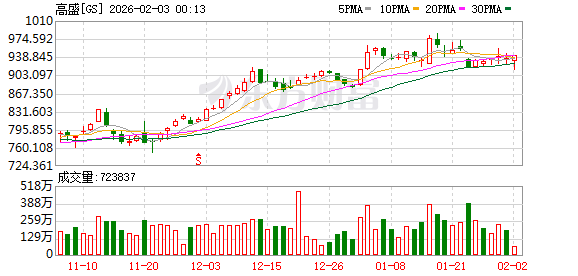
高盛力挺2026年美股盈利前景:超半数公司上调指引,缓解财报季低迷担忧
智通财经网· 2026-02-02 12:21
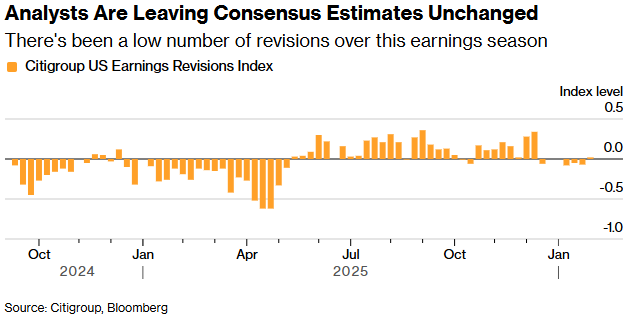
智通财经APP获悉,高盛集策略师本·斯奈德表示,美国企业的 2026 年盈利前景依然稳固,这缓解了此 前因财报季表现平平而引发的担忧。 本·斯奈德表示,在已发布 2026 年每股收益预测的标普 500 指数成份股公司中,超过半数的指引高于分 析师预期,这一比例超过了 40% 的历史平均水平。 分析师维持此前的普遍预期不变 洛克希德·马丁公司在预测 2026 年利润高于分析师预期后股价上涨了 4%;威瑞森的调整后利润和自由 现金流预测均超过共识预期,股价创下 2008 年 10 月以来的最大涨幅。 在去年创纪录的涨势推高估值后,股市进一步上涨的门槛已经很高,但那些提供更光明前景的公司得到 了回报。 Meta (META.US)在给出了远强于预期的营收预期后股价上涨了 10%,这有助于抵消 AI 相关支出增加带 来的影响。 这些数据让投资者感到宽心,因为他们此前对第四季度的业绩基本不为所动。根据彭博行业研究(BI)汇 编的数据,财报季进程已接近过半,目前约有 78% 的标普 500 指数公司业绩超出预期,这一比例低于 前两个季度。 相比之下,令人失望的财报则遭到了严厉惩罚。微软(MSFT.US)股价大跌,此前这家 ...


对中国市场的投入长期且坚定——访高盛集团董事长兼首席执行官苏德巍
Xin Hua Wang· 2026-02-02 10:21
Core Viewpoint - Goldman Sachs remains optimistic about China's economic growth potential and is committed to long-term investment in the Chinese market, highlighting the importance of consumption as a key driver of future growth [1][2]. Group 1: Economic Outlook - Goldman Sachs CEO David Solomon describes the Chinese economy as one of the most important and diverse economies globally, benefiting from technological innovation and strong manufacturing and export performance [1]. - The Chinese economy has achieved its set growth targets for 2025, which Solomon considers significant [1]. - Solomon anticipates an increase in international capital inflows into the Chinese market by 2025, with the proportion of foreign investment in China expected to rise above 10% [1]. Group 2: Market Engagement - Goldman Sachs has observed a resurgence in the activity of China's capital markets, which is encouraging for the firm's investment banking business in China [1]. - The joint venture between Goldman Sachs and Industrial and Commercial Bank of China (ICBC) has been steadily developing since its establishment in June 2022, marking it as the fourth joint venture wealth management company in China [2]. - Solomon emphasizes that China's series of capital market opening measures are crucial for attracting more global capital, reflecting a positive trend towards a more balanced and open economy [2].
金银大跌,摩根大通分析师:别慌!上涨势头还会持续,年底仍看至6300
华尔街见闻· 2026-02-02 07:57
全球贵金属市场在上周五经历了一场历史性的暴跌,白银单日重挫近30%,黄金也大幅回撤。 尽管跌幅惊人,但多家华尔街投行分析师认为,这是一场由过度拥挤的持仓和保证金上调引发的技术性出清,而非基本面逻辑的根本性逆转。 市场数据显示,iShares Silver Trust上周五下跌28.5%至75.44美元,创下有史以来最大单日跌幅;SPDR Gold Shares下跌10.3%至444.95美元。 据高盛交易部门观察, 白银的波动率飙升至仅在全球金融危机最严重时期和新冠疫情封锁期间才出现过的极端水平,其ETF名义交易量超过320亿美元。 此次暴跌的直接导火索是芝加哥商品交易所在周五收盘前宣布上调保证金要求,这迫使大量杠杆资金在周末前平仓。 同时,随着美国总统特朗普提名沃什为下 一任美联储主席,美元的反弹也对金属价格构成了压力。 尽管价格出现剧烈修正,但机构分析师并未恐慌。Yardeni Research指出,主要ETF的交易量并未显示出恐慌性抛售的迹象。摩根大通则重申了对黄金中期走 势的坚定看涨立场, 认为在实物资产跑赢纸面资产的机制下,黄金仍是有效的投资组合对冲工具。 摩根大通:坚定看多黄金,对白银更谨慎 由摩 ...

金银大跌,摩根大通分析师:别慌!上涨势头还会持续,年底仍看至6300
Sou Hu Cai Jing· 2026-02-02 06:36
全球贵金属市场在上周五经历了一场历史性的暴跌,白银单日重挫近30%,黄金也大幅回撤。尽管跌幅惊人,但多家华尔街投行分析师认为,这 是一场由过度拥挤的持仓和保证金上调引发的技术性出清,而非基本面逻辑的根本性逆转。 市场数据显示,iShares Silver Trust上周五下跌28.5%至75.44美元,创下有史以来最大单日跌幅;SPDR Gold Shares下跌10.3%至444.95美元。据高 盛交易部门观察,白银的波动率飙升至仅在全球金融危机最严重时期和新冠疫情封锁期间才出现过的极端水平,其ETF名义交易量超过320亿美 元。 此次暴跌的直接导火索是芝加哥商品交易所在周五收盘前宣布上调保证金要求,这迫使大量杠杆资金在周末前平仓。同时,随着美国总统特朗普 提名沃什为下一任美联储主席,美元的反弹也对金属价格构成了压力。 尽管价格出现剧烈修正,但机构分析师并未恐慌。Yardeni Research指出,主要ETF的交易量并未显示出恐慌性抛售的迹象。摩根大通则重申了对 黄金中期走势的坚定看涨立场,认为在实物资产跑赢纸面资产的机制下,黄金仍是有效的投资组合对冲工具。 摩根大通:坚定看多黄金,对白银更谨慎 由Gre ...
高盛闭门会议-美国经济增长能否跑赢大市
Goldman Sachs· 2026-02-02 02:22
Investment Rating - The report suggests a positive outlook for the U.S. economy, with a growth forecast of 2% for 2025 and 2.9% for 2026, indicating a potential upward revision compared to market consensus [1][2]. Core Insights - The report highlights that the market consensus may underestimate the growth potential of the U.S. economy, with actual conditions possibly presenting upward risks [1][4]. - It emphasizes that the negative impact of tariffs is expected to diminish, with effective tariff rates slightly decreasing, and anticipates that the White House will not significantly raise tariffs ahead of the midterm elections [1][5]. - The Federal Reserve is projected to delay interest rate cuts until June, with expectations of two rate cuts totaling 50 basis points, bringing the final rate to between 3% and 3.25% [1][7]. Summary by Sections Economic Growth Forecast - The report predicts a quarterly growth of 2.5% in Q4 2026 and an annual growth of 2.9%, which is approximately 0.5 percentage points higher than market consensus [2]. - The growth outlook for 2025 is characterized as a "tariff drag" year, while 2026 is expected to be a "tax cut stimulus" year [2]. Labor Market Trends - Current job creation is insufficient, with a need for approximately 60,000 to 70,000 new jobs monthly to stabilize the labor market [1][8]. - Despite discussions of layoffs and AI deployment, initial unemployment claims remain low, indicating that while risks exist, they do not warrant excessive concern [9]. Inflation and Consumer Spending - The report anticipates that core PCE inflation will decrease to 2.1% by December, with core CPI expected to reach 2% [3][10]. - Consumer spending is projected to maintain a growth rate of around 2%, supported by real wage growth and tax cuts [10].