氢能

Search documents
电力设备与新能源行业2月第1周周报:马斯克团队计划光伏扩产,钠电应用加速-20260208
Bank of China Securities· 2026-02-08 06:46
Investment Rating - The report maintains an "Outperform" rating for the power equipment and new energy industry [1]. Core Insights - The global sales of new energy vehicles are expected to maintain rapid growth by 2026, driving demand for batteries and materials [1]. - Recent fluctuations in material prices for power batteries warrant attention to the pricing situation along the supply chain [1]. - Solid-state batteries are entering a critical phase of engineering validation, with a focus on related materials and equipment companies [1]. - In the photovoltaic sector, "anti-involution" and "space photovoltaics" are identified as the two main investment themes for 2026, with increased demand for photovoltaic equipment [1]. - The domestic market is seeing a rise in high-power component demand, with downstream battery components relying on efficiency improvements for market clearing [1]. - Wind power demand is expected to continue growing, with recommendations to focus on wind turbines and offshore wind power [1]. - The energy storage sector remains highly prosperous, with a recommendation to pay attention to energy storage cells and large-scale integrated plants [1]. - Hydrogen energy is anticipated to open up demand for green hydrogen, with a focus on downstream hydrogen-based energy applications [1]. - Nuclear fusion is seen as a long-term catalyst for energy development, with recommendations to focus on core suppliers in the nuclear fusion power sector [1]. Summary by Sections Industry Performance - The power equipment and new energy sector rose by 2.2%, outperforming the Shanghai Composite Index, which fell by 1.27% [10]. - The photovoltaic sector saw the highest increase at 3.43%, while the wind power sector experienced a slight decline of 0.01% [13]. Key Industry Information - The China Passenger Car Association estimates that 900,000 new energy vehicles will be wholesaled in January 2026, a 1% year-on-year increase [27]. - Changan Automobile and CATL announced the global launch of the first sodium battery mass-produced passenger vehicle, expected to be available by mid-2026 [27]. - Tesla has achieved large-scale production of dry electrode technology [27]. - The domestic energy storage tender for January 2026 reached 36.3 GWh, with notable bidding scales in Ningxia, Hebei, and Xinjiang [27]. Company Developments - Foster is collaborating with professional institutions to invest in a private equity fund focused on flexible thin-film gallium arsenide battery companies [29]. - Guoxuan High-Tech plans to raise up to 5 billion yuan through a private placement for a 20 GWh power battery project [29]. - TCL Zhonghuan's subsidiary Maxeon Solar signed a patent licensing agreement with Aisuo, with a five-year licensing fee of 1.65 billion yuan [29].





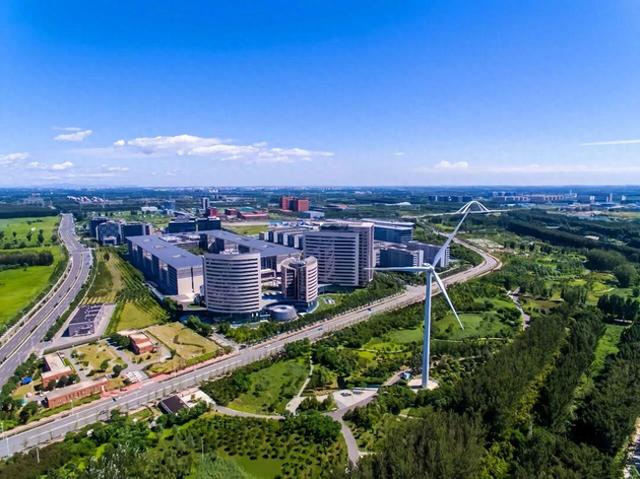
涉及氢能、光伏等,未来科学城一批绿色能源成果集中亮相
Bei Jing Ri Bao Ke Hu Duan· 2026-02-07 04:04
Group 1 - The event held in Beijing's Changping Future Science City focused on promoting green energy technologies, including hydrogen energy, photovoltaics, advanced energy, wind power, and new energy storage [2] - The event showcased leading technological achievements that demonstrate the transition from laboratory to industrial application, highlighting the importance of green energy as a key driver for new productive forces [2] - The Beijing Low Carbon Clean Energy Research Institute presented a catalytic membrane composite hydrogen production technology that significantly reduces ion transport resistance and enhances electrochemical activity, improving hydrogen production efficiency and reducing energy consumption [2] Group 2 - The SI-270150 onshore 15MW wind turbine developed by SANY Heavy Energy is a significant product in the wind power sector, featuring a design life of 25 to 30 years and a rotor diameter of 270 meters, making it the largest onshore wind turbine in terms of single unit capacity and rotor diameter [3] - The China Mobile Park Development Company introduced a self-developed green intelligent building solution aimed at facilitating low-carbon transformation and operational carbon neutrality in buildings [3] - The project "Electric-Hydrogen Reshaping - Green Hydrogen Engine Smart Factory" presented by China University of Petroleum (Beijing) utilizes biomethanation technology to provide negative carbon solutions [3]

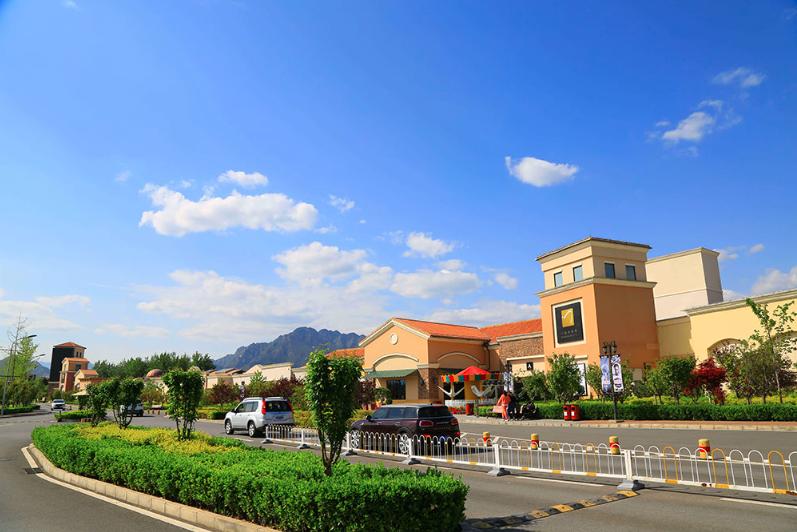
年营收超28亿,北京八达岭奥莱要悄悄易主!背后是一群金融圈大佬
Sou Hu Cai Jing· 2026-02-06 09:16
Core Viewpoint - The article highlights the significant acquisitions made by Boyu Capital, including SKP, Badaling Outlet, and Starbucks China, showcasing its strategic positioning in the high-end retail market and its understanding of consumer psychology in China [2][4][11]. Group 1: Acquisitions and Market Position - Boyu Capital has made three major acquisitions in less than a year, including the purchase of SKP, Badaling Outlet, and Starbucks China, indicating its aggressive expansion strategy in the high-end retail sector [2][4][11]. - Badaling Outlet, despite its remote location, has thrived by attracting middle-class consumers looking for discounted luxury goods, with sales reaching 5.2 billion yuan during the 2025 National Day holiday [9][11]. - SKP's sales are projected to decline by approximately 17% in 2024, while Badaling Outlet's revenue has grown from 1.8 billion yuan in its opening year to 2.84 billion yuan in 2024, with a profit of around 900 million yuan [11][19]. Group 2: Consumer Behavior Insights - The article discusses the evolving consumer psychology among the middle class, who desire brand prestige without overspending, which Badaling Outlet effectively capitalizes on by offering luxury items at significant discounts [8][9]. - The outlet's strategy of providing a mix of nearly 300 brands, including high-end labels, has created a win-win situation for both consumers and brands, allowing for inventory clearance while satisfying consumer demand for value [9][11]. Group 3: Company Background and Leadership - Boyu Capital, founded in 2011, is one of China's largest private equity firms, managing approximately $10 billion in funds and boasting a portfolio of over 200 companies [13][14]. - The founding team includes notable figures such as Zhang Zixin, a former executive at Ping An, and Ma Xuezheng, known for her significant contributions to the investment landscape in China [14][15][16]. Group 4: Broader Investment Strategy - Beyond retail, Boyu Capital has diversified its investments into various sectors, including property, technology, and clean energy, indicating a comprehensive approach to capital allocation [17][19]. - The firm has also engaged in significant investments in data centers and biotechnology, reflecting a forward-looking strategy that aligns with future market demands [19].

CIHC 2026中国氢能展观众报名已开启 | 三重专属福利锁定全球绿氢旗舰展
势银能链· 2026-02-06 03:02
2026年3月25日-27日,由中国氢能联 盟、中国电力企业联合会主办,北京 泰格尔展览有限公司承办的CIHC 2026 中国氢能展暨国际氢能大会即将在北 京·国家会议中心(朝阳区鸟巢北侧) 盛大启幕! CIHC 2026将汇集全球氢 能领军企业,展品将覆盖氢能"制储 输运加用"全产业链创新成果。 50,000m²+ 600+ 11 m 展览面积 参展企业 1000+ 展示产品 10+ , " 场主题会议 CIHC 2026展区分布图 国会一期 国家会议中心一期 CNCC I E2馆 Hall E2 E3馆 Hall E3 E1馆 Hall E1 E4馆 Hall E4 4A馆 Hall E5 光伏、储能、氢能、AI 会议区 E3 E1 E2 E4 国会二期 国家会议中心二期 CNCC II A1馆 Hall A1 A3馆 Hall A3 A2馆 大会堂 Hall A2 Plenary Hall 氢能 Hydrogen Energy 1号门 Gate1 2号门 Gate2 3号门 Gate3 提前报名 锁定三重专属福利 CIHC 2026展会观众预登记通道已正式开通。 STEPI 扫描下方二维码进入预登记系统 ...

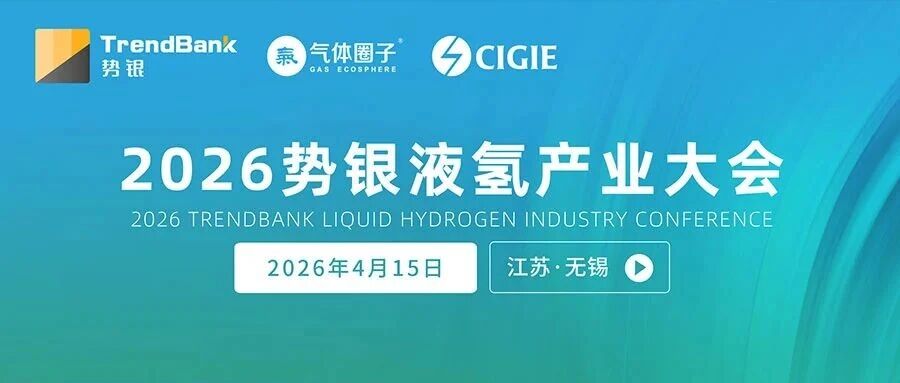
【开启报名】全链攻坚破瓶颈,共启民用新征程 |2026势银液氢产业大会
势银能链· 2026-02-06 03:02
Core Viewpoint - The article emphasizes the significant progress and challenges in the liquid hydrogen industry, highlighting the need for technological advancements and standardization to facilitate its commercialization and large-scale application [2][3]. Industry Progress - The liquid hydrogen industry is transitioning from aerospace applications to civilian industrialization, with 2025 identified as a critical year for breakthroughs [2]. - The entire industry chain for liquid hydrogen production, storage, transportation, and usage has been established domestically, with notable projects such as the 10-ton civil hydrogen liquefaction equipment by Guofu Hydrogen Energy and the first civil liquid hydrogen demonstration project led by Zhongke Fuhai [2]. - Key storage and transportation developments include the 400 cubic meter liquid hydrogen sphere tank by CIMC and the 20m³ liquid hydrogen storage tank by the Sixth Academy of Aerospace [2]. Challenges and Bottlenecks - The industry faces multiple bottlenecks that hinder large-scale implementation, particularly in the upstream hydrogen production and liquefaction, midstream storage and transportation, and downstream application sectors [3]. - Upstream challenges include high energy consumption in hydrogen liquefaction and the performance gap of domestic liquefaction equipment compared to international standards [3]. - Midstream issues involve high evaporation rates of domestic storage tanks and insufficient stability and adaptability of hydrogen refueling equipment [3]. - Downstream, despite successful demonstrations, the small scale of applications and high costs limit the commercialization of liquid hydrogen in heavy-duty vehicles and commercial aerospace [3]. Conference Details - The 2026 TrendBank Liquid Hydrogen Industry Conference will be held on April 15, 2026, in Wuxi, Jiangsu, focusing on breaking bottlenecks and promoting the civilian use of liquid hydrogen [4][5]. - The conference aims to gather industry elites to discuss core topics such as technological breakthroughs, cost optimization, and standardization [4]. Discussion Topics - Key discussion topics will include the construction of safety standards for the entire liquid hydrogen industry chain, commercialization in heavy-duty vehicles, and technological paths for liquid hydrogen energy storage [7]. - Other topics will cover applications in aerospace, shipping, rail transport, and advanced medical technologies [7]. Notable Participants - The conference will feature representatives from various organizations, including the Chinese Academy of Sciences, Aerospace Sixth Academy, and several energy and technology companies [8]. Event Highlights - The conference coincides with the 2026 International Gas Industry Expo, which will showcase over 600 exhibitors and attract approximately 50,000 visitors from around the world [9].
中金 | 氢基能源系列一:非电能源领域降碳重要路径,氢能产业或迎加速发展
中金点睛· 2026-02-05 23:41
Core Viewpoint - Hydrogen energy is an essential means for carbon reduction in non-electric energy sectors, and it is expected to accelerate development during the 14th Five-Year Plan period due to policy stimulation, technological advancements, and cost reductions [1][4]. Group 1: Hydrogen Energy as a Carbon Reduction Pathway - A portion of energy consumption cannot be replaced by electricity, necessitating alternative methods for carbon reduction in non-electric sectors. It is estimated that by 2060, 30% of energy will remain irreplaceable by electricity, indicating the need for new technologies like hydrogen energy [8]. - Hydrogen energy is considered a more viable solution compared to carbon capture and biomass due to its advantages in industrial development and technological iteration [8]. - The national policy framework has clearly defined the direction for renewable energy utilization in non-electric sectors, with hydrogen and green methanol being prioritized [8]. Group 2: Green Methanol and Its Market Potential - The shipping industry is driving demand for green methanol due to EU and IMO policies that impose carbon emission assessments, providing a green premium for methanol [11]. - The International Maritime Organization (IMO) aims for net-zero emissions in international shipping by around 2050, establishing legally binding measures to achieve this goal [11]. - The EU will include the shipping industry in its carbon emissions trading system starting in 2024, with increasing carbon quota submission requirements [12]. Group 3: Green Hydrogen Production and Electrolyzer Demand - The decline in electricity prices is expected to reduce the cost of green hydrogen production, leading to increased demand for electrolyzers [4][23]. - Current production costs for hydrogen from coal gasification, natural gas, and alkaline electrolysis are estimated at 9.3 CNY/kg, 17.8 CNY/kg, and 19.2 CNY/kg, respectively [23]. - The introduction of green electricity direct connection policies is anticipated to further lower the cost of green hydrogen production [27]. Group 4: Fuel Cell Vehicles and Market Dynamics - Fuel cell vehicles are transitioning from buses to commercial vehicles like heavy trucks, with policies enhancing their economic viability [34]. - The market for fuel cell vehicles is expected to grow significantly, particularly in the heavy-duty vehicle segment, as they are better suited for long-distance and heavy-load transportation [38]. - The competitive landscape for fuel cell systems is concentrated, with a few companies dominating the market share [43].

广州去年对APEC其他经济体外贸额占外贸总额约六成
Nan Fang Du Shi Bao· 2026-02-05 14:30
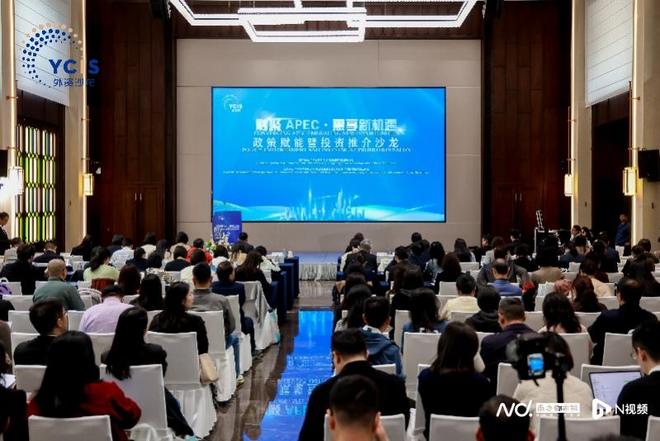
Group 1 - The APEC high-level meeting in Guangzhou coincides with the "Integrating APEC, Sharing New Opportunities" policy empowerment and investment promotion salon organized by the Guangzhou Municipal Bureau of Commerce [1] - Approximately 60,000 foreign-funded enterprises are currently operating in Guangzhou, including 368 Fortune 500 companies, with actual foreign investment reaching 25.19 billion yuan in 2025, a year-on-year increase of 9.1% [3] - Foreign enterprises, constituting less than 2% of the total number, contribute nearly 20% of the revenue in the regulated service industry, 30% of total imports and exports, and 40% of the industrial added value in Guangzhou [3] Group 2 - Guangzhou is leveraging systematic institutional innovation to provide high-quality development opportunities for global capital and enterprises, focusing on nine key sectors for foreign investment [5] - The city has established over 50,000 enterprises from APEC economies, with actual foreign investment nearing 120 billion USD, accounting for over 80% of the city's total foreign investment [3] - The salon highlighted recent policies aimed at stabilizing foreign investment and promoting openness, offering a "policy package" for foreign enterprises [5] Group 3 - The Guangzhou Municipal Bureau of Commerce has conducted 73 policy briefings and served over 7,500 enterprises in the past year, enhancing service precision and timeliness [6] - The bureau plans to upgrade its enterprise service initiatives, focusing on domestic circulation and international market connections, particularly with APEC economies [6] - The city aims to create a comfortable development environment for both domestic and foreign enterprises, promoting mutual growth in a diverse industrial ecosystem [5][6]
湖南省政协常委陈赤平:系统推进氢能向氨、甲醇等转化利用
Zhong Guo Xin Wen Wang· 2026-02-05 13:55
Core Viewpoint - Hunan Province has significant potential for renewable energy, particularly in hydrogen production, with over 100 million kilowatts of wind and solar resources available and an annual hydrogen production capacity of approximately 140,000 tons [1][2] Group 1: Hydrogen Industry Development - The development of hydrogen energy into indirect carriers like ammonia and methanol is crucial for addressing renewable energy consumption challenges, promoting deep decarbonization in key sectors, and fostering new growth points in Hunan [1] - Hunan's rich renewable energy resources and high energy-consuming industries, such as steel and chemicals, create a clear market demand for green methanol and green ammonia in industrial fuels and shipping [1] Group 2: Challenges in Hydrogen Industry - Hunan faces bottlenecks in systematically advancing the hydrogen industry, including unclear strategic positioning and development paths for ammonia and methanol, leading to a lack of systematic guidance and scattered project exploration by enterprises [1] - The reliance on traditional land transportation for the large-scale transport of methanol and other liquid fuels, along with the lag in planning dedicated pipelines and the need for refined technical standards, hampers cost reduction and efficiency [1] Group 3: Recommendations for Development - It is recommended that Hunan's energy development plans explicitly include green ammonia and green methanol as essential components of the future energy system, clearly defining their roles in renewable energy consumption, decarbonization in key industries, and the green transformation of inland shipping [2] - The establishment of integrated demonstration projects for renewable energy hydrogen production and the synthesis of green ammonia/green methanol is encouraged, particularly in regions rich in renewable resources [2] - Urgent planning for a methanol and hydrogen-based liquid fuel transportation network is suggested, prioritizing connections between renewable energy production areas and major demand centers to reduce costs and enhance green competitiveness [2]
蜀道装备(300540) - 投资者活动记录表(2026年02月05日)
2026-02-05 11:52
Company Overview - Sichuan Shudao Equipment Technology Co., Ltd. introduced its development history, competitive advantages, and the strategic transformation plan for the "14th Five-Year Plan" [2] - The company is focusing on expanding its industrial fund and exploring business areas in industrial gases and hydrogen energy [4] Overseas Market Expansion - In 2025, the company significantly advanced its overseas business, with new overseas contract amounts increasing substantially compared to the previous year [3] - The company successfully won a contract for a natural gas liquefaction facility in Nigeria worth approximately 4.58 billion RMB, marking its first large-scale LNG project in Africa [3] Hydrogen Energy Investment and Operations - The company plans to develop a comprehensive research and manufacturing capability in the hydrogen energy sector, focusing on deep low-temperature liquid hydrogen technology [4] - It aims to align with national and provincial strategic directives to foster the hydrogen energy industry [4] Industrial Fund Investment Focus - The industrial fund will concentrate on three core areas: industrial gases, LNG, and hydrogen energy, with at least 50% of the fund allocated to industrial gases [5] - The fund will act as a "frontline" for mergers and acquisitions, investing in quality targets before integrating them into the listed company [5] Future Growth Drivers - The core business of deep cold technology equipment serves as a stable revenue source, supporting the company's strategic transition towards gas operations [6] - The company aims to extend its focus to downstream sectors, particularly in industrial gases, LNG, and hydrogen energy, through independent investments and mergers [6] Product and Service Offerings - The company specializes in low-temperature liquefaction and separation technologies, providing equipment for natural gas liquefaction and air separation [7] - It is actively expanding its investment and operational services in industrial gases and hydrogen energy [8] Commercial Aerospace Business - The company is involved in the commercial aerospace sector as a high-end gas equipment supplier, having delivered critical equipment for domestic commercial launch enterprises [8] - It plans to evolve from merely supplying equipment to providing comprehensive services, including fuel supply for commercial aerospace [8]

年营收超28亿,北京八达岭奥莱要悄悄易主,背后站着一群金融圈大佬
3 6 Ke· 2026-02-05 08:10
Core Viewpoint - The article discusses the significant acquisitions made by Boyu Capital, including the purchase of Beijing SKP, the acquisition of a 75% stake in Badaling Outlets, and the inclusion of Starbucks China, highlighting the strategic positioning of Boyu Capital in the high-end retail market and its understanding of consumer psychology [1][3][9]. Group 1: Acquisitions and Market Position - Boyu Capital has made three major acquisitions in less than a year, including the "best mall in China" SKP and the "cash cow" Badaling Outlets, raising questions about its strategic intentions [1][3]. - The acquisition of Badaling Outlets is particularly noteworthy as it has shown strong performance, with sales increasing from 1.8 billion yuan in its opening year to 2.84 billion yuan in 2024, and a profit of approximately 900 million yuan [6][7]. - In contrast, SKP's sales are projected to decline by about 17% in 2024, indicating a shift in consumer preferences towards outlets like Badaling [7][9]. Group 2: Consumer Behavior Insights - The consumer psychology of the middle class is evolving, with a desire for luxury brands at discounted prices, which Badaling Outlets effectively capitalizes on by offering high-end brands at reduced prices [6][7]. - The design of Badaling Outlets as a "garden town" has made it a popular weekend destination for middle-class families, contributing to its high foot traffic and sales, with 520 million yuan in sales during the 2025 National Day holiday [6][7]. Group 3: Boyu Capital's Background and Strategy - Boyu Capital, founded in 2011, is one of China's largest private equity firms, managing approximately 10 billion USD in funds and having a portfolio of over 200 companies [10][11]. - The founding team includes notable figures from the finance industry, such as Zhang Zixin and Ma Xuezheng, who have extensive experience and a strong track record in investment [10][11][12]. - Boyu Capital's strategy includes diversifying its investments across various sectors, including technology, real estate, and clean energy, indicating a comprehensive approach to capital management [15][17].