
可再生能源

Search documents
特朗普“大而美”法案,谁受伤,谁受益?
第一财经· 2025-07-04 11:09
Group 1: Impact on Healthcare Companies - The "Big and Beautiful" bill is expected to cut approximately $900 billion in Medicaid spending over the coming years, reversing many advancements made during the Biden and Obama administrations in healthcare [5] - Medicaid currently covers 83.1 million people, with a significant increase from 60.9 million in 2009 to a peak of 94.6 million in 2023 [5] - Companies like Elevance Health, Centene, and Molina Healthcare, which have substantial exposure to the Medicaid market, will see direct revenue impacts due to the expected decline in Medicaid enrollment [6] Group 2: Effects on Renewable Energy Sector - The bill cancels several clean energy incentives from the Biden administration and imposes restrictions on renewable energy, favoring fossil fuel production [9] - The removal of unused funds from the $20 billion greenhouse gas reduction fund and the termination of tax credits for electric vehicles are significant blows to the renewable sector [9][10] - The changes in tax measures are projected to increase the industry's burden by $4 billion to $7 billion, threatening $450 billion in infrastructure investments and potentially leading to the loss of 300 GW of wind and solar projects over the next decade [10] Group 3: Benefits to Corporations and High-Income Individuals - The bill reinstates tax deductions for equipment purchases and allows immediate full deductions for new manufacturing facilities, particularly benefiting the semiconductor industry [13] - High-income households are projected to see an increase in net income by nearly $13,000, while middle-income families will see a modest increase of $1,430 [14]

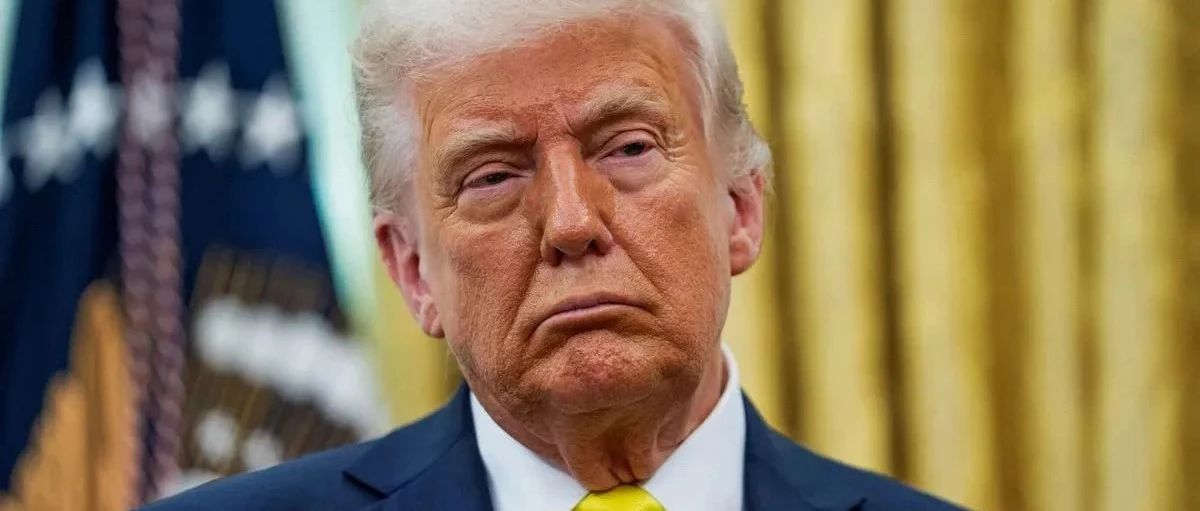
上千万人失去医保、清洁能源迎末日,特朗普“大而美”法案让谁受伤?
Di Yi Cai Jing· 2025-07-04 10:53
Group 1: Impact on Healthcare Sector - The "Big and Beautiful" bill is expected to cut approximately $900 billion in Medicaid spending over the coming years, reversing many advancements made during the Biden and Obama administrations in healthcare [4] - The bill introduces stricter requirements for Medicaid beneficiaries, potentially leading to millions losing their healthcare coverage [5] - Companies heavily exposed to Medicaid, such as Elevance Health, Centene, and Molina Healthcare, are likely to see a direct impact on their revenues due to a decrease in Medicaid enrollment [5][6] Group 2: Effects on Renewable Energy Industry - The bill cancels several clean energy incentives from the Biden administration, imposing restrictions on solar and wind energy while encouraging fossil fuel production [7] - Changes in tax measures are expected to increase the burden on the renewable energy sector by approximately $4 billion to $7 billion [8] - The bill threatens around $450 billion in infrastructure investments in the renewable sector, potentially leading to the loss of about 300 gigawatts of solar and wind projects over the next decade [8] Group 3: Benefits to Corporations and High-Income Individuals - The bill reinstates tax policies that allow businesses to fully deduct equipment costs in the year of purchase, benefiting organizations like the U.S. Chamber of Commerce [11] - High-income households are projected to see a net income increase of nearly $13,000 after taxes and transfers, while middle-income families will see a smaller increase of $1,430 [12] - The bill provides additional tax incentives for semiconductor manufacturers building facilities in the U.S., aiming to stimulate investment in the manufacturing sector [11]

大美丽法案,最终会成就了谁的风光?
雪球· 2025-07-04 07:55
Core Viewpoint - The article emphasizes that energy is the fundamental structure shaping civilization and geopolitics, with a focus on the transition from fossil fuels to renewable energy in the 21st century [1][4][9]. Energy Transition and Its Implications - The 19th century was dominated by coal, which established Britain's global manufacturing supremacy [2]. - The 20th century saw oil as the key resource, enabling the United States to maintain its position as the world's leading economy through extensive use and control of fossil fuels [3]. - The article raises questions about how renewable energy will reshape the world both materially and geopolitically in the 21st century [4][6]. Renewable Energy Developments - The transition to renewable energy is characterized by a fundamental shift in energy production models from centralized to distributed systems, allowing households to generate power [11][12]. - Smart grids will replace traditional grids, creating a new "energy internet" and redefining energy infrastructure [13]. - The manufacturing ecosystem will undergo a complete transformation, with industries moving towards electrification and new production cost structures emerging [14][19]. Geopolitical Shifts - The article discusses the potential weakening of the petrodollar system as renewable energy transactions may bypass dollar settlements, impacting traditional energy-exporting nations [24][25]. - China is positioned as a leader in the renewable energy supply chain, controlling over 70% of global photovoltaic capacity and 60% of wind power capacity, which could lead to a shift in geopolitical power dynamics [26]. - The competition for setting new energy standards, similar to the 5G standard battle, will have significant implications for global influence [27]. Conclusion - The article concludes that the 21st century is moving away from fossil fuels, and the ability to dominate the renewable energy landscape will shape global power structures for the foreseeable future [28].

专访巴西出口投资促进局Victor:期待金砖深化科创合作
2 1 Shi Ji Jing Ji Bao Dao· 2025-07-04 07:48
Group 1: Core Insights - The BRICS summit in Rio de Janeiro from July 5 to 8 is significant as it marks the first meeting after the inclusion of new members, including Indonesia and ten partner countries [1] - The Chinese government emphasizes the importance of the BRICS cooperation mechanism in promoting a multipolar world and inclusive economic globalization [1] - Brazil and China, as founding members, have substantial potential for bilateral cooperation in trade and investment, particularly in high-value products and renewable energy [2] Group 2: Trade and Investment Trends - Brazil's exports to China are diversifying, with traditional agricultural products like soybeans and meat still dominant, but there is growth in high-value sectors such as processed pulp and industrial food [2] - Future cooperation between China and Brazil is expected to focus on four key areas: energy transition, digital economy, sustainable industrialization, and Agriculture 4.0 [2] - Chinese investments in Brazil are primarily in infrastructure, mining, and agriculture, with notable projects in renewable energy and electric vehicle markets [3] Group 3: Opportunities and Challenges - Brazil's strong economic growth, controlled inflation, and low unemployment present significant opportunities for Chinese investments [3] - Challenges include understanding complex regulations, adapting to environmental requirements, and navigating geopolitical changes [3] - Recommendations for Chinese companies include forming strong local partnerships, investing in sustainability, and aligning projects with Brazilian government priorities [3] Group 4: Agricultural Investment Strategies - Encouraging Chinese companies to engage in Brazil's agricultural processing and cold chain sectors requires creating win-win business models that leverage logistics expertise and production potential [4] - Incentives may include establishing joint ventures with local firms and investing in technologies that enhance traceability and reduce cold chain losses [4] - Brazil is viewed as an ideal partner for comprehensive supply chain cooperation to meet China's growing demand for high-quality and safe products [4]
“听到东方惊雷了吗?那是14亿中国人在笑话美国”
Guan Cha Zhe Wang· 2025-07-04 05:12
Core Viewpoint - The article critiques the "Big and Beautiful" tax and spending bill proposed by President Trump, arguing that it undermines the U.S. energy strategy and future development, particularly in renewable energy sectors, thereby benefiting China in the long run [1][3][4]. Group 1: Impact on Renewable Energy - The bill reduces tax incentives for solar, wind, and electric vehicles, which are seen as essential for enhancing grid capacity and reducing costs [3][4]. - The legislation imposes complex restrictions on battery credits, potentially limiting many projects from utilizing these incentives [4][8]. - The bill is expected to lead to a significant loss of investment in renewable energy, with predictions of 830,000 jobs in the sector being lost or not created by 2030 [8][10]. Group 2: Comparison with China - The article highlights China's aggressive development in renewable energy, noting that it has surpassed the U.S. in total power generation, with over 10 trillion kilowatt-hours compared to the U.S.'s 5 trillion since 2000 [7][11]. - China's solar power capacity has reached over 1,000 GW, accounting for half of the global total, and continues to expand rapidly [10][11]. - The article suggests that the U.S. is ceding its energy future to China, as the bill undermines the potential for clean energy transition in America [8][10]. Group 3: Economic and Strategic Implications - The bill is viewed as a strategic self-harm for the U.S., potentially increasing wholesale electricity prices by 50% by 2035 and raising annual energy costs for consumers by over $16 billion by 2030 [8][10]. - The article argues that the ability to provide cheap, clean electricity is crucial for a country's economic and military strength, particularly in the context of developing AI technologies [7][8]. - Critics, including prominent figures like Elon Musk, express concern that the bill favors outdated industries while damaging future-oriented sectors [6][7].
韶能股份: 广东韶能集团股份有限公司关于向特定对象发行A股股票摊薄即期回报、采取填补措施及相关主体承诺的公告
Zheng Quan Zhi Xing· 2025-07-03 16:26
Core Viewpoint - The company has approved a plan for a specific issuance of A-shares, which may dilute immediate returns for existing shareholders, and has proposed measures to compensate for this dilution [1][4]. Financial Impact of the Issuance - The issuance will increase the total share capital from 108,055.17 million shares to 118,156.18 million shares [2]. - The net profit attributable to the parent company is projected to remain stable at 7,669.79 million yuan under the assumption of no significant changes in the operating environment [2]. - Basic and diluted earnings per share are expected to remain at 0.07 yuan per share post-issuance under the same assumption [2][3]. Measures to Mitigate Dilution - The company plans to enhance its core business operations, focusing on clean renewable energy, ecological plant fiber products, and precision manufacturing to improve profitability [6]. - Strengthening management and internal controls is a priority to enhance operational efficiency and profitability [7]. - The company will ensure compliance in the use of raised funds, adhering to relevant laws and regulations to mitigate risks associated with fund usage [7]. - A commitment to strict cash dividend policies is established to ensure investor returns, with a three-year profit distribution plan in place [8]. Commitments from Major Stakeholders - The controlling shareholder has committed to not interfere with the company's management and to ensure the implementation of measures to compensate for diluted returns [9]. - Board members and senior management have made commitments to uphold the company's interests and ensure adherence to the compensation measures [10].

双碳研究丨中国AI赋能能源革命:从智能预测到储能革新,引领全球绿色转型
Sou Hu Cai Jing· 2025-07-03 14:21
中国AI赋能能源革命: 从智能预测到储能革新,引领全球绿色转型 【Oilprice 网 6月30日报道】 中国正大规模将人工智能融入能源领域,以提升整体效率、保障国家能源安全。 随着风能和太阳能等可变可再生能源快速扩张,人工智能广泛应用于更精准地预测能源供需。 人工智能还通过改进电池设计、安全性能和管理策略,显著提升能源存储水平。 中国正加速将人工智能深度融入能源体系,以提升能源效率并筑牢国家能源安全防线。从能源存储管理到更精准地预测能源供需,大语言模型能推动能源 系统整体更智能化、精细化,减少能源浪费。 早在2020年,国有天然气巨头中国燃气控股有限公司就已利用人工智能来更精准地预测天然气需求中复杂且动态的变化。这些由AI模型能够综合历史数 据和实时信息,运算速度远超人工。 然而,随着中国电网中可再生能源占比不断上升,预测问题变得更加棘手,也更为关键。中国在可再生能源部署方面领先全球。仅在5 月,中国电网新增 太阳能和风能发电量就与波兰整国的电力产能相当。随着中国不断打破自身的可再生能源纪录,其电网对可变能源的依赖度大幅增加,因此也更受天气变 化影响。因此,实现精准能源预测对国家能源安全至关重要。 为此,中 ...

特朗普“大而美法案”或导致美国水电价格飙升
财富FORTUNE· 2025-07-03 12:55
Core Viewpoint - The recently passed Republican budget bill in the Senate eliminates tax credits for renewable energy projects, which could significantly impact the solar and wind energy industries and lead to increased utility bills for American households [1][5][14]. Legislative Process - The Senate passed the bill with a narrow margin of 51 votes in favor and 50 against, with Vice President JD Vance casting the deciding vote [1]. - The bill has been sent to the House of Representatives for final legislative approval, where it cleared procedural hurdles with a vote of 219 to 213 [2]. Tax Implications - The final version of the bill retains some incentives for advanced nuclear, geothermal, and hydropower technologies until 2032, but it significantly reduces incentives for solar and wind energy projects [8]. - The bill allows full tax credits for wind and solar projects that commence within one year of the law's enactment, with a deadline for completion set for the end of 2027 for projects starting later [7]. Industry Reactions - The American Petroleum Institute welcomed the bill, viewing it as a historic piece of legislation that opens up investment opportunities and expands access to oil and gas development [6][7]. - Conversely, the Solar Energy Industries Association expressed concerns that the bill would undermine the recovery of American manufacturing and lead to higher utility bills for families, factory closures, and increased unemployment [5][14]. Political Perspectives - Republican senators argue that the bill will save taxpayers money and support traditional energy sources, while Democrats criticize it as destructive and harmful to the healthcare system and the environment [10][11][12]. - Some Republican senators, like Lisa Murkowski, acknowledged the difficult decision-making process regarding the bill, emphasizing the need to consider the interests of their constituents [9][10].

志海俱乐部新能源投资布局、以创新驱动绿色未来
Sou Hu Cai Jing· 2025-07-03 07:25
Core Insights - The global energy landscape is undergoing significant transformation, with the renewable energy sector emerging as a focal point for investors [1][3] - Zhihai Club has strategically positioned itself in the renewable energy field, leveraging its market insights, technological capabilities, and commitment to social responsibility [1][3] Investment Strategy - Zhihai Club's investment team has identified the growing opportunities in the renewable energy sector, driven by increasing government support and technological advancements that lower costs [3] - The club focuses on solar and wind energy, investing in solar photovoltaic projects to enhance production scale and efficiency, and participating in offshore wind power projects to contribute to clean energy development [3][5] Electric Vehicle Sector - The club is also investing in the electric vehicle supply chain, particularly in battery research and development to improve energy density, lifespan, and cost-effectiveness [5] - Investments are made in charging infrastructure to address the challenges faced by electric vehicle users, promoting the adoption of electric vehicles [5] Technological Advantage - Zhihai Club utilizes advanced risk assessment and monitoring through smart risk control systems, employing algorithms to identify potential risks and adjust investment strategies accordingly [5] - Big data analysis is leveraged to uncover the growth potential and market value of renewable energy companies, providing a scientific basis for investment decisions [5] Business Support Services - Beyond financial investment, Zhihai Club offers comprehensive business services to renewable energy companies, optimizing financing structures and reducing costs [7] - The club facilitates market expansion and brand influence for these companies, while fostering collaboration and resource sharing within the industry [7] Economic and Social Impact - The investments made by Zhihai Club in 2019 have yielded significant economic returns as the market value of renewable energy projects has increased [7][8] - These investments also contribute positively to social outcomes by promoting innovation in renewable technologies, reducing reliance on fossil fuels, and lowering carbon emissions [8] Future Outlook - Zhihai Club plans to continue enhancing its investments in the renewable energy sector, aiming to drive innovation and create greater value for its members and society [8]
绿电红利如何真正鼓起农民钱袋子?
Zhong Guo Dian Li Bao· 2025-07-03 06:38
Core Insights - The rural renewable energy sector has the potential to provide approximately 730 million tons of standard coal equivalent annually, which is 12 times the current total energy consumption in rural areas of China [1] - The rural energy revolution is seen as a critical pathway for achieving China's dual carbon goals and rural revitalization strategy, requiring a coordinated approach at the national level [2][4] - The unique advantages of the rural energy revolution stem from the abundant renewable resources and the urgent demand for clean energy in rural areas, where over 55% of energy consumption still relies on coal [3][5] Group 1: Strategic Importance - The rural energy revolution is a key component of national strategy, as highlighted in the report from the 20th National Congress of the Communist Party of China [2] - Experts emphasize that the rural energy revolution must integrate energy supply security, agricultural development, and ecological governance [1][4] Group 2: Resource Potential - China has significant potential for distributed photovoltaic technology, with over 2 billion kilowatts of potential capacity, and rural rooftops alone can contribute over 800 million kilowatts [3] - The annual production of agricultural straw is approximately 790 million tons, and livestock manure amounts to about 3.05 billion tons, indicating a vast resource base for renewable energy [3] Group 3: Challenges and Structural Issues - Despite the strategic clarity and resource abundance, the rural energy sector faces structural contradictions, including a disconnect between energy production and rural development [4][6] - The overproduction of renewable energy in rural areas exceeds local consumption capacity, leading to a situation where rural areas generate green electricity but lack local utilization channels [5][6] Group 4: Mechanism and Technological Innovations - Mechanism innovation and technological empowerment are essential for overcoming current challenges, with cooperative models showing promise in restructuring benefits [7][8] - Multi-energy complementarity is identified as an effective approach to enhance economic feasibility and reduce energy costs in rural energy development [7][8] Group 5: Policy and Implementation - Recent policies, such as the "Thousand Villages and Ten Thousand Villages Wind Action" and "Thousand Households Sunlight Action," have been implemented to facilitate rural energy transformation [4] - There is a need for a comprehensive rural low-carbon/zero-carbon building standard and improved energy statistical accounting systems to support the transition [9]