
新能源发电

Search documents
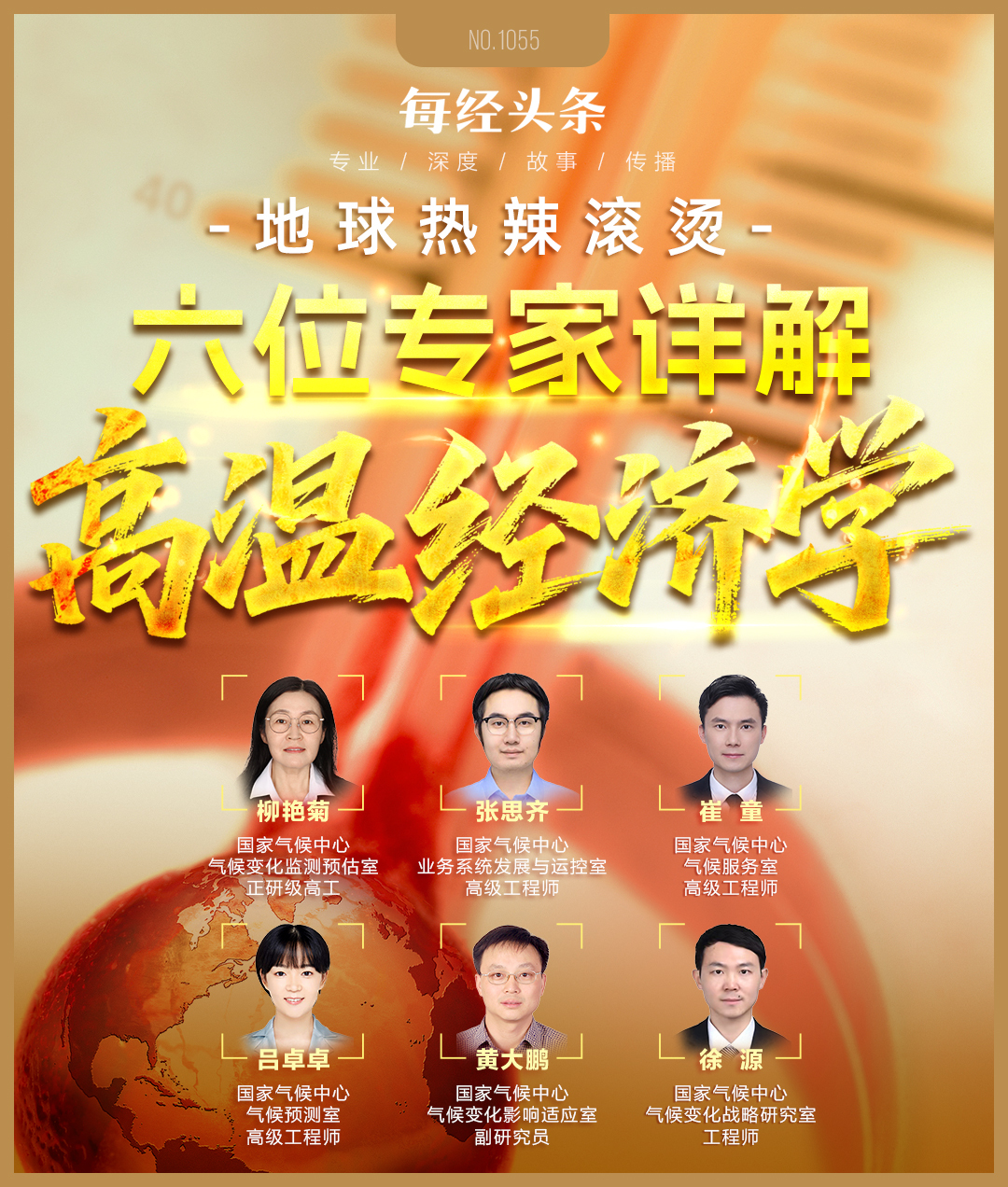
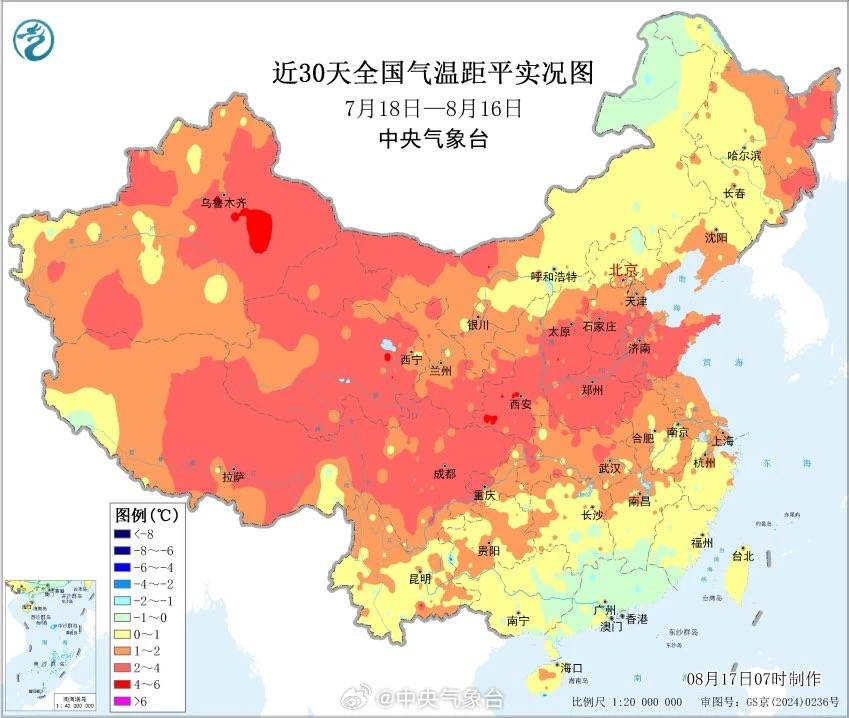
热浪“烤”验全球,近10年我国年平均高温日数增多25%!高温对经济的搅动作用越发强烈,国家气候中心六位专家详解高温经济学
Mei Ri Jing Ji Xin Wen· 2025-08-19 02:08
Group 1: Climate Change and Heat Waves - The normalization of heat waves is an undeniable fact, threatening human health, economic security, and ecological systems [3] - Human activities since the Industrial Revolution are the main drivers of extreme temperature changes globally, as confirmed by the IPCC's sixth assessment report [3] - In China, the average number of high-temperature days has increased by 25% over the past decade, with extreme heat events evolving into continuous compound disasters [3] Group 2: Economic Impacts of High Temperatures - Global warming has led to significant labor work hour and income losses due to extreme heat, with direct impacts on production systems, including industrial power cuts and increased logistics costs [4] - Historical data indicates that for every 1°C increase in temperature, tourist arrivals decrease by approximately 8.1%, leading to a 6% reduction in tourism revenue [4][6] - High temperatures are reshaping tourism consumption preferences from sightseeing to summer wellness experiences, a trend likely to become more pronounced [6] Group 3: Energy Sector Response - Extreme heat has increased electricity demand, prompting the need for a collaborative forecasting mechanism between climate and energy departments to manage peak loads effectively [8][9] - The pressure from high temperatures has accelerated the development of renewable energy sectors, particularly solar power, which aligns well with peak electricity demand during hot periods [10] - The integration of meteorological data with industrial data can help create predictive models for industry productivity and losses during extreme heat [7] Group 4: Adaptation Strategies - Coastal regions face challenges such as increased temperature control costs in high-end manufacturing, but can leverage digital technology to develop smart energy networks [12] - Agricultural sectors in arid regions should focus on promoting drought-resistant crops and efficient irrigation technologies to mitigate the impacts of extreme heat [13][18] - Successful international experiences, such as weather index insurance in Spain and drought-resistant crop programs in Cambodia, can provide valuable lessons for China's adaptation strategies [16][18]

甘肃136号文细则出台,长江电力发布未来五年分红规划 | 投研报告
Zhong Guo Neng Yuan Wang· 2025-08-19 01:20
Core Viewpoint - The report highlights the performance of the public utility and environmental sectors, noting a mixed performance with the Shanghai Composite Index rising by 2.37% while the public utility index fell by 0.55% and the environmental index increased by 1.72% [2] Market Review - The Shanghai Composite Index increased by 2.37% this week - The public utility index decreased by 0.55% - The environmental index rose by 1.72% - Relative weekly returns for the indices were -2.92% for public utilities and -0.65% for environmental sectors [2] Sector Performance - In the electricity sector: - Thermal power decreased by 1.55% - Hydropower fell by 1.26% - New energy generation dropped by 0.08% - In the water sector, there was a slight increase of 0.23% - The gas sector saw an increase of 1.75% [2] Important Events - Gansu Province's development and reform commission issued a plan for the market-oriented reform of new energy pricing, with a mechanism price set at 0.3078 yuan per kilowatt-hour for projects completed before June 1, 2025, and a total electricity scale of 154 billion kilowatt-hours [3] - Longyuan Power announced a shareholder dividend plan for 2026-2030, committing to distribute at least 70% of the net profit attributable to shareholders in cash dividends each year [3] Special Research - The report discusses the acceleration of the electricity spot market development, with several provinces transitioning to formal operations by 2025, which is expected to enhance the efficiency of electricity resource allocation [4] - The report outlines investment strategies in the public utility sector, recommending major thermal power companies and highlighting the potential for stable earnings in the nuclear power sector [5] Investment Strategy - Recommendations include: - Major thermal power companies like Huadian International and Shanghai Electric - Leading new energy companies such as Longyuan Power and Three Gorges Energy - Stable nuclear power operators like China National Nuclear Corporation and China General Nuclear Power Group - High-dividend water power stocks like Yangtze Power [5] - In the environmental sector, the report suggests focusing on mature industries like water and waste incineration, and highlights opportunities in the domestic scientific instrument market and the waste oil recycling industry [5]
湖南能源集团发展股份有限公司2025年半年度报告摘要
Shang Hai Zheng Quan Bao· 2025-08-18 19:47
Core Points - The company did not distribute cash dividends or issue bonus shares during the reporting period [3] - The company plans to purchase land use rights and has agreed to a compensation of 10.76 million yuan for the recovery of certain buildings [6][7] - The company has appointed a new vice president and has undergone significant management changes [9][22][24] - The company is involved in a major asset restructuring, planning to acquire stakes in several power generation companies [10] - The company has approved a profit distribution plan for the fiscal year 2024, proposing a cash dividend of 0.50 yuan per share [21] Company Overview - The company has not experienced any changes in its controlling shareholder or actual controller during the reporting period [4][5] - The company has a total of 464,158,282 shares, with a proposed cash dividend distribution amounting to 23.21 million yuan [21] - The company has undergone a name change from "Hunan Development Group Co., Ltd." to "Hunan Energy Group Development Co., Ltd." [25] Important Events - The resignation of the vice president and the chairman has been officially recorded, with new appointments made [22][24] - The company has approved a significant investment in a photovoltaic project, with a total investment of approximately 36.15 million yuan [12] - The company has signed exclusive cooperation agreements related to renewable energy projects, including a solar power project in Qinghai [13][15][16]

公用环保202508第3期:甘肃136号文细则出台,长江电力发布未来五年分红规划
Guoxin Securities· 2025-08-18 13:58
Investment Rating - The report maintains an "Outperform" rating for the public utility and environmental sectors [5][8]. Core Views - The report highlights the implementation of the Gansu 136 document, which outlines a market-oriented pricing mechanism for renewable energy projects, with a mechanism price set at 0.3078 yuan/kWh for existing projects [2][15]. - The establishment of electricity spot markets is accelerating, with seven regions expected to have operational markets by the end of 2025, enhancing resource allocation efficiency [3][16]. - The report emphasizes the potential for stable profitability in the thermal power sector due to synchronized declines in coal and electricity prices [21]. Summary by Sections Market Review - The Shanghai Composite Index rose by 2.37%, while the public utility index fell by 0.55%, and the environmental index increased by 1.72% [14][23]. - Within the power sector, thermal power decreased by 1.55%, hydropower by 1.26%, and new energy generation by 0.08% [24]. Important Policies and Events - The Gansu provincial government issued a plan to promote high-quality development of renewable energy, specifying a total of 154 billion kWh for existing projects under the new pricing mechanism [2][15]. - The plan allows for competitive bidding for electricity prices within set limits, with a 12-year execution period for new projects starting from June 2025 [15]. Investment Strategy - Recommendations include major thermal power companies like Huadian International and Shanghai Electric, as well as leading renewable energy firms such as Longyuan Power and Three Gorges Energy [21][22]. - The report suggests that nuclear power companies like China Nuclear Power and China General Nuclear Power will maintain stable profitability due to growth in installed capacity and generation [21]. - High-dividend hydropower stocks like Yangtze Power are highlighted for their defensive attributes in a declining interest rate environment [21]. Key Company Earnings Forecasts and Investment Ratings - A table lists various companies with their investment ratings, including Huadian International (Outperform), Longyuan Power (Outperform), and Yangtze Power (Outperform), along with their earnings per share (EPS) forecasts and price-to-earnings (PE) ratios for 2024 and 2025 [8].
热浪“烤”验全球,高温对经济有哪些影响?
Hu Xiu· 2025-08-18 13:04
Group 1: Global Heatwave Trends - The phenomenon of heatwaves becoming a normalized trend is undeniable, posing threats to human health, economic security, and ecological systems [3][4][5] - In the past decade, the average number of high-temperature days in China has increased by 25%, with extreme heat events evolving into continuous compound disasters [6][7] Group 2: Economic Impacts of High Temperatures - High temperatures have led to unprecedented potential labor hours and income losses globally, with direct impacts on production systems, including industrial power restrictions and increased logistics costs [8][9] - Indirect effects include disruptions in supply chains, rising energy prices, and food inflation due to agricultural yield reductions [10][11] Group 3: Tourism Sector Adjustments - Historical data indicates that for every 1°C increase in temperature, tourist arrivals decrease by approximately 8.1%, leading to a 6% reduction in tourism revenue [13] - High temperatures are reshaping global tourism preferences, shifting consumer behavior from sightseeing to wellness and cooling tourism [15] Group 4: Renewable Energy Demand Surge - Extreme heat has significantly increased electricity demand, prompting a surge in renewable energy installations, particularly solar power, which aligns with peak electricity usage during hot periods [22][21] - Collaborative efforts between climate and energy departments are enhancing predictive models for electricity load management during heatwaves [18][19] Group 5: Regional Economic Opportunities and Challenges - Coastal regions face challenges such as increased temperature control costs in high-end manufacturing, while opportunities exist in developing smart energy networks and heat-resistant materials [24] - The central and western agricultural regions confront irrigation shortages and crop yield declines, but can capitalize on promoting photovoltaic agriculture and climate-adaptive crops [25] Group 6: Infrastructure and Policy Recommendations - Recommendations for climate-adaptive infrastructure include urban planning, agricultural water management, and public health measures to mitigate extreme heat impacts [26][28] - Successful international experiences suggest the need for innovative agricultural insurance mechanisms and renewable energy transitions to enhance resilience against climate risks [30][32]
58位民营企业家的想与盼
经济观察报· 2025-08-18 11:08
Core Viewpoint - In the current situation, some enterprises are adopting a cautious approach or even retracting their strategies, while others are actively promoting strategic upgrades, focusing on technological innovation, digital transformation, international expansion, new business development, and green low-carbon initiatives [1][29]. Group 1: Current Development of Private Enterprises - A survey conducted by Beijing Dacheng Enterprise Research Institute involved 58 private entrepreneurs from 13 provinces, focusing on the development environment, international influences, operational conditions, challenges, and strategic responses of private enterprises [2]. - The introduction of the Private Economy Promotion Law and the convening of private enterprise forums reflect the government's commitment to enhancing the development environment for private enterprises, significantly boosting their confidence [3][5]. - The legal framework for private enterprises has seen historic progress, establishing a system that promotes fair competition, investment, financing, and innovation, thereby reducing uncertainties in long-term strategic planning [5][6]. Group 2: Improvement in Business Environment - The efficiency of government services has improved, with streamlined approval processes and enhanced support for intellectual property protection, benefiting enterprises significantly [6][7]. - Market access restrictions have been reduced, allowing more private enterprises to participate in major infrastructure projects, and financing support has increased, with broader access to funding and lower costs [7][8]. - Despite improvements, challenges remain in policy implementation, with some local governments exhibiting inaction and inconsistencies in administrative enforcement [9][10]. Group 3: Industry Performance and Challenges - There is a notable divergence in the performance of different industries, with traditional sectors like manufacturing and real estate facing significant challenges, while emerging sectors such as innovative pharmaceuticals and AI are experiencing growth [13][14]. - Approximately 20% of surveyed enterprises reported growth in both revenue and profit, while nearly 30% experienced declines, particularly in real estate and traditional consumer sectors [14]. - Issues such as weak domestic demand, intense competition, and cash flow pressures continue to hinder enterprise development, particularly in the real estate sector [16]. Group 4: International Environment and Its Impact - The uncertain international environment poses challenges for trade, investment, and supply chain security, but it also drives Chinese enterprises to innovate and enhance their competitive capabilities [17][18]. - Trade tensions and tariffs have compressed profit margins for exporters, leading to increased costs and logistical risks [18]. Group 5: Strategic Recommendations from Entrepreneurs - Entrepreneurs suggest accelerating the implementation of the Private Economy Promotion Law and enhancing legal protections for private enterprises [20][21]. - There is a call for improved fair competition mechanisms and equal treatment for private enterprises in mixed-ownership economies [22]. - Recommendations include optimizing the financing environment to alleviate cash flow pressures and enhancing labor relations to mitigate disputes [23][24]. Group 6: New Strategic Directions for Private Enterprises - Enterprises are focusing on innovation-driven growth, increasing R&D investments, and developing high-value products to enhance market competitiveness [30][31]. - Expanding into international markets and diversifying risks by targeting regions with lower geopolitical risks is a priority for many enterprises [33]. - Digital transformation is being accelerated to improve management efficiency and operational capabilities, with a focus on creating innovative ecosystems [35][36].

纽泰格等成立汽车技术新公司
Qi Cha Cha· 2025-08-18 10:06
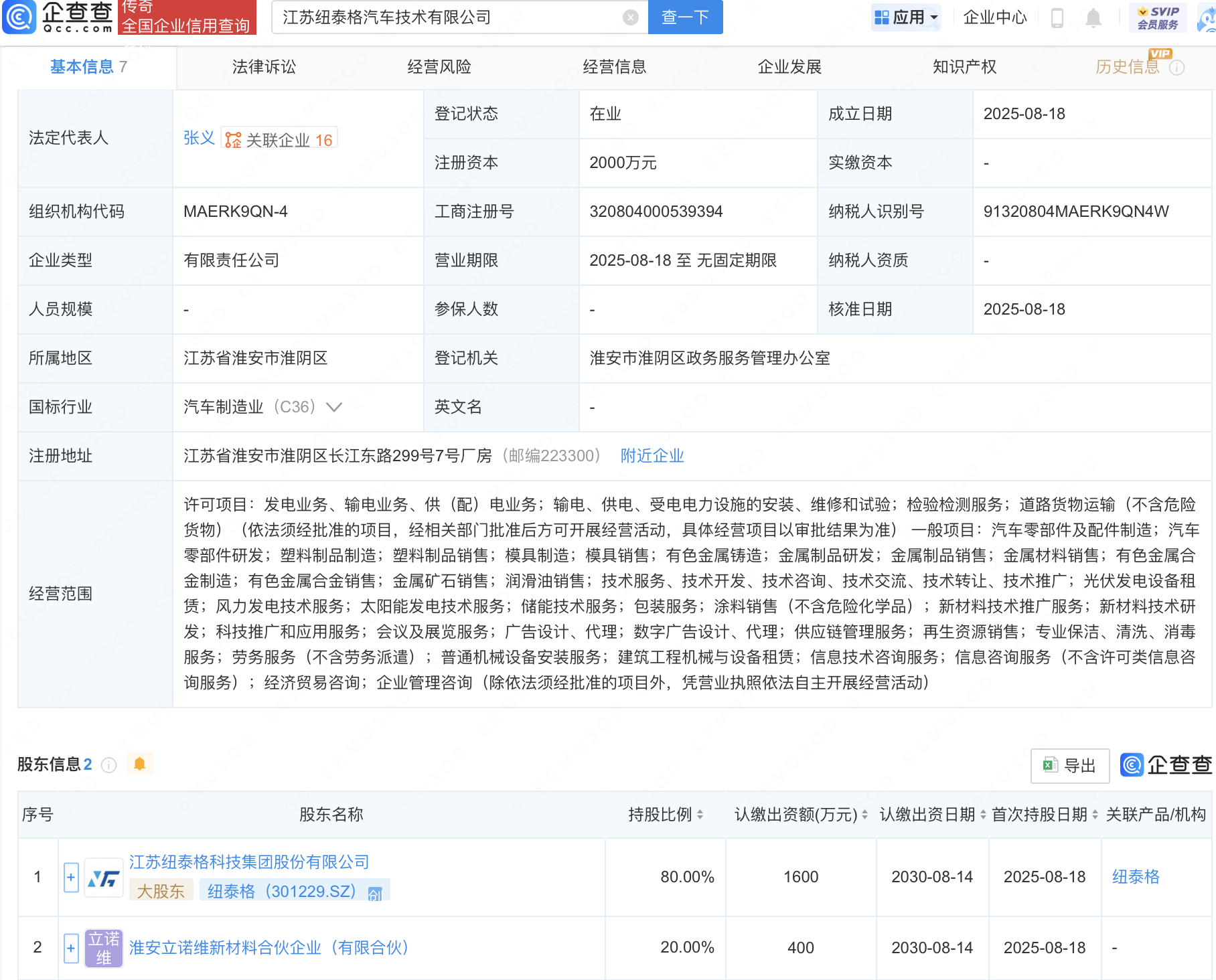
Core Viewpoint - Jiangsu Niutai Ge Automobile Technology Co., Ltd. has been established with a registered capital of 20 million yuan, focusing on renewable energy services such as photovoltaic power generation equipment leasing and energy storage technology services [1][2]. Company Information - The company is registered in Huaiyin District, Huai'an City, Jiangsu Province, with a registered address at No. 299, East Changjiang Road, Huaiyin District [2]. - The legal representative is Zhang Yi, and the company is classified under the automobile manufacturing industry (C36) [2]. - The business license is valid until August 18, 2025, with no fixed end date thereafter [2]. Shareholding Structure - Jiangsu Niutai Ge Technology Group Co., Ltd. holds an 80% stake in the new company, while Huai'an Linowei New Materials Partnership (Limited Partnership) owns the remaining 20% [3].
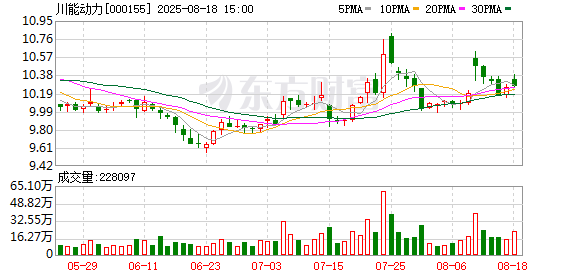
川能动力:公司在建177.08万千瓦风光项目,其中风电97.08万千瓦、光伏80万千瓦
Mei Ri Jing Ji Xin Wen· 2025-08-18 08:16
川能动力(000155.SZ)8月18日在投资者互动平台表示,公司在建177.08万千瓦风光项目,其中风电 97.08万千瓦、光伏80万千瓦。公司李家沟锂矿项目正处于产能爬坡阶段,期间生产的锂精矿销售随行 就市,具体可关注公司定期报告披露的相关信息。 (文章来源:每日经济新闻) 每经AI快讯,有投资者在投资者互动平台提问:董秘好! 1、请问公司会东淌塘三期、小街二期、堵格 二期、美姑沙马乃托二期、四季吉二期、通江兴隆、理塘高城等共计 177.08 万千瓦风光电项目,其 中,风电是多少万千瓦? 2、公司自产的锂精矿是多少品位?1吨锂精矿含税出厂价多少钱、毛利率大 约是多少? ...

国开行:执绿色金融之笔 为塞上山川添秀色
Ren Min Wang· 2025-08-18 05:49
Group 1: Green Development in Ningxia - Ningxia's green development is significantly driven by green finance, with the National Development Bank increasing green loan investments to support low-carbon infrastructure, ecological protection, and industrial transformation [1] - The transformation from a dry area to a green oasis is exemplified by the development of the "Green Electricity Town" in Minning, which features a shared energy storage station that has completed 36.08 million kilowatt-hours of charge and discharge as of August 6 [2][3] Group 2: Financing and Project Support - The National Development Bank's Ningxia branch has issued 1.44 billion yuan in loans to support innovative energy storage technologies, which help stabilize the grid and ensure 24-hour green electricity supply for Minning [3] - The Ningdong Energy Chemical Base has successfully integrated a 1.64 million kilowatt photovoltaic project, with nearly 1.9 billion yuan in loans provided by the bank, contributing to the region's industrial growth and reducing carbon emissions [4][5] Group 3: Water Resource Management - The construction of the Xiangshan Ecological Restoration and Irrigation Project aims to extend irrigation to 230,000 acres, providing water security for over 30,000 residents in the arid region of Zhongwei [6][7] - The Longcheng Water Supply Plant is undergoing a digital upgrade to enhance efficiency, with 14 million yuan in loans issued to support the project, which is expected to increase water supply by approximately 1.246 million cubic meters annually [8][9]
截至7月底广东新能源累计并网容量破8000万千瓦
Zhong Guo Xin Wen Wang· 2025-08-18 03:27
Core Viewpoint - The construction of the Jiangmen section of the Yangjiang Sanshan Island offshore flexible direct current transmission project officially commenced on August 15, highlighting the growth of renewable energy capacity in Guangdong Province [1] Group 1: Renewable Energy Capacity - As of the end of July, the cumulative grid-connected capacity of renewable energy in Guangdong Province exceeded 80 million kilowatts [1] - Offshore wind power capacity reached approximately 12.5 million kilowatts, ranking first among mainland regions [1] - Onshore wind power capacity was about 6.2 million kilowatts, while solar power capacity stood at approximately 57.5 million kilowatts [1] - Biomass power generation capacity was around 4.8 million kilowatts [1] Group 2: Environmental Impact - The annual electricity generation from the 12.5 million kilowatts of offshore wind power can equivalently save about 10.87 million tons of standard coal [1] - This offshore wind power capacity is expected to reduce carbon dioxide emissions by approximately 28.93 million tons [1]