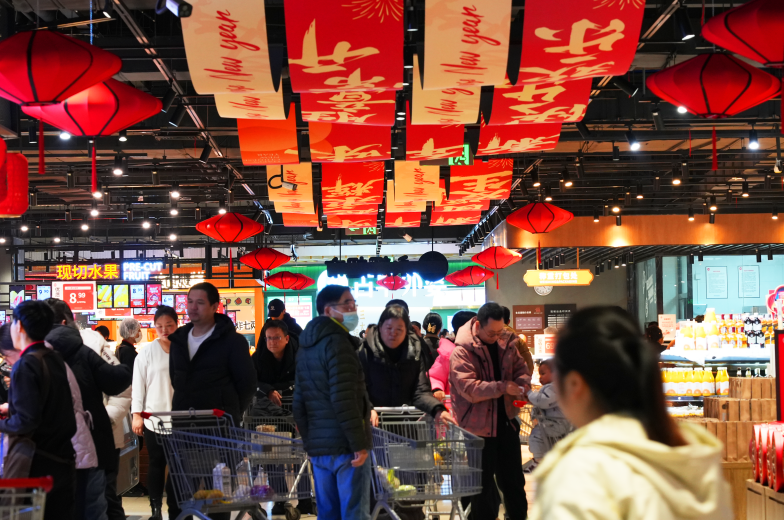
超市

Search documents
聚焦维权与合规 石家庄市消保委多举措守护消费安全
Sou Hu Cai Jing· 2026-01-16 12:23
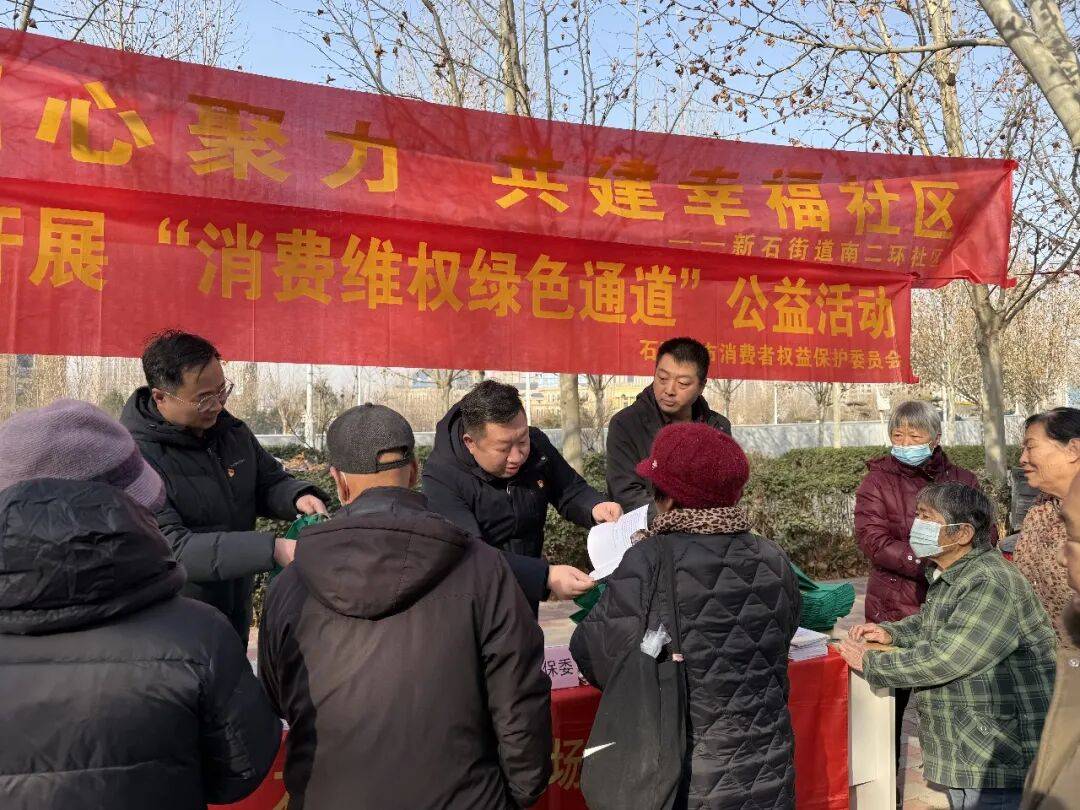
近日,石家庄市消保委开展"消费维权绿色通道"公益活动及商超合规经营专题培训,以多元服务与专业指导筑牢消费维权防线。 石家庄市消保委开展"消费维权绿色通道"公益活动暨"石维宝"平台宣传活动 当前,商超在日常经营中常面临食品质量、价格标识、广告宣传等多类消费投诉,不仅可能引发"退一赔三""退一赔十"等索赔纠纷,还可能会损害企业声 誉、影响稳健持续经营。围绕商超经营中的各类风险隐患,培训期间,公益律师团团长蔡红红律师围绕商超合规经营的核心要求,系统讲解了食品安全管 理、明码标价、广告宣传等环节的法律规范与操作要点,并结合《中华人民共和国消费者权益保护法》《中华人民共和国食品安全法》《明码标价和禁止 价格欺诈规定》等法律法规,对常见纠纷场景进行了深入剖析。通过典型案例,如"标签瑕疵索赔""价格标识纠纷""食品异物投诉"等,生动阐释了合法经 营与风险规避的具体方法。 针对近年来备受关注的"职业打假人"现象,蔡律师从其特征、常见索赔路径入手,辨析了合法维权与恶意索赔的界限,并分享了应对协商、行政投诉、民 事诉讼等不同情形的实操技巧,强调企业应坚持依法依规处理,同时注意证据留存与沟通策略,坚决抵制涉嫌敲诈勒索的行为。 为扩 ...

合百集团(000417) - 000417合百集团投资者关系管理信息20260116
2026-01-16 10:10
Group 1: Retail Strategy and Store Management - The company plans to implement tiered management for its department stores, targeting specific customer demographics such as high-net-worth individuals and young families [1][2] - New store concepts include flagship stores, family-oriented centers, cultural theme stores, and trendy social spaces aimed at Gen Z [1][2] Group 2: Supermarket Operations and Performance - In 2025, the company revamped 10 supermarket locations in Hefei, achieving sales increases of 35.98% at Feixi Baida store and 52.54% at Sifanglou store, with overall customer traffic rising by 26.89% [3] - The newly opened Gaoxin store generated sales of 78.6 million yuan, a 42% year-on-year increase, with customer traffic and average transaction value also improving [3] Group 3: Supply Chain and Private Label Development - In 2025, the company introduced 317 new brands and 5,630 new products while eliminating 6,945 old items, resulting in a total of 352 direct brands [4] - Sales from the core private labels increased by 93.21%, with 80 new SKUs added across various categories [4] Group 4: Home Appliance Sales and Market Trends - The company experienced a significant decline in home appliance sales in late 2025 due to policy changes, but a provincial subsidy introduced in December positively impacted sales [5] - Over 100,000 units were sold under the trade-in program, generating 509 million yuan in sales, with expectations for further growth in 2026 [5] Group 5: Logistics and Distribution - The Feixi Logistics Park, operational since September 2024, has attracted over 300 merchants and achieved a transaction volume of 6.347 billion yuan in 2025 [7] Group 6: Investment and Fund Management - The company has invested in several venture capital funds, contributing a total of 232.5 million yuan, with investments in various technology companies [9]

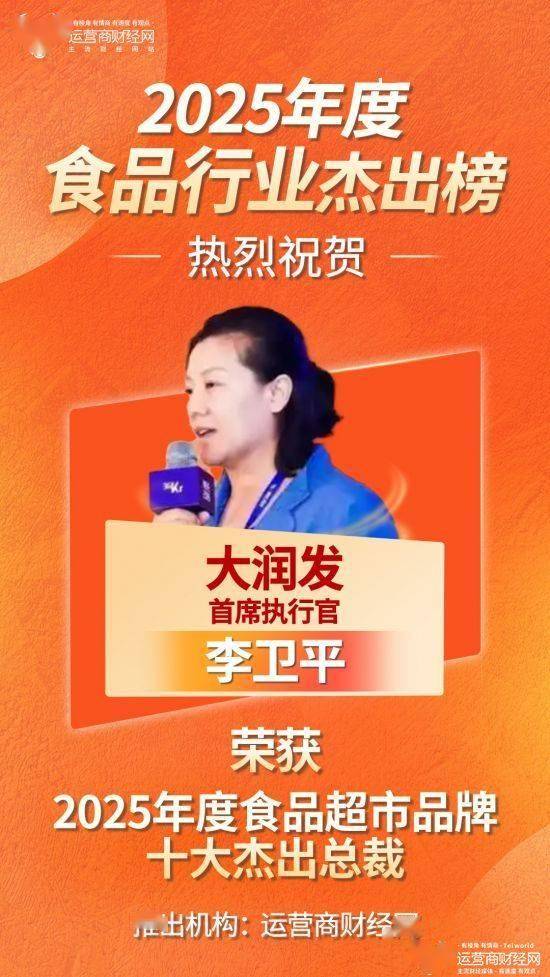
祝贺!大润发CEO李卫平入选“2025年度食品超市品牌十大杰出总裁”
Sou Hu Cai Jing· 2026-01-16 03:48
Group 1 - The core viewpoint of the article highlights the recognition of Li Weiping, CEO of RT-Mart, as one of the "Top Ten Outstanding Presidents of Food Supermarket Brands for 2025" by a prominent domestic financial media outlet [1] - RT-Mart's parent company, Sun Art Retail, achieved a revenue of 30.502 billion yuan in the six months ending September 2025, and plans to complete the renovation of 500 stores within three years [3] - Under Li Weiping's leadership, RT-Mart is focusing on enhancing product strength and differentiation capabilities, implementing an omnichannel collaborative operation, and solidifying product differentiation through its own "1+1 dual brand strategy" [4] Group 2 - RT-Mart is actively renovating and optimizing its spatial layout, aiming to attract consumer trust and preference through meticulous management and new products and services [4]
特朗普所言不实:食品杂货价格仍在上涨
Xin Lang Cai Jing· 2026-01-15 13:08
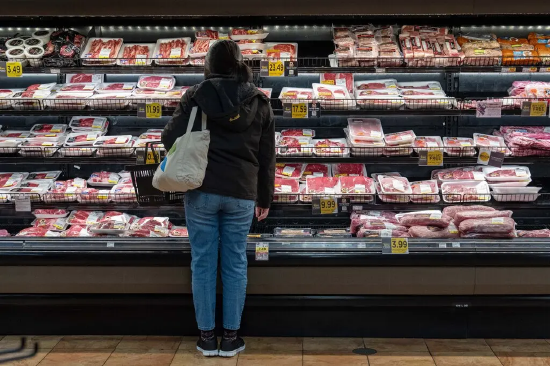
Core Insights - The core inflation rate in the U.S. for December increased by 2.6% year-on-year, which is lower than expected [1] - Food prices have significantly risen, contradicting claims from the Trump administration that grocery prices are decreasing [3][13] Food Price Trends - Over the past year, beef prices rose by 16.4%, coffee by 19.8%, lettuce by 7.3%, and frozen fish by 8.6% [3][13] - The overall cost of household food consumption increased by 2.4% in the past 12 months, with a monthly increase of 0.7% in December, marking the largest monthly rise since October 2022 [4][14] - Despite some food categories like eggs seeing a price drop of 20.9%, five out of six tracked food categories experienced price increases [5][15] Consumer Behavior Changes - Low-income consumers are prioritizing essential items and opting for cheaper alternatives, reducing their purchase quantities and increasing shopping frequency [5][15] - Middle-class consumers are also shifting their purchasing habits, focusing on promotions and store-brand products to save costs [5][15] Impact of Tariffs and Policies - Tariff policies have had a limited direct impact on most food prices, as the majority of food consumed in the U.S. is domestically produced [5][15] - Imported goods like coffee and tropical fruits have seen price increases due to tariffs, with bananas rising by 5.9% year-on-year in December [7][16] Labor Market and Agricultural Costs - Labor shortages in agriculture are exacerbated by tightened immigration policies, affecting the availability of workers for harvesting crops [10][20] - Agricultural labor costs are a significant driver of overall industry expenses, accounting for about 50% of total spending [20] - The U.S. Department of Agriculture projects a 2.3% increase in household food prices by 2026, maintaining a similar growth rate as in 2025 [19] Economic Outlook - The current inflation data suggests that while inflation is not spiraling out of control, the claims of decreasing food prices by the government are unfounded [4][14] - The ongoing labor shortages and rising costs of agricultural inputs may continue to pressure food prices in the near future [20]

奥乐齐将首进南京四店同开,已在中国开设九十多家门店
Yang Zi Wan Bao Wang· 2026-01-15 09:01
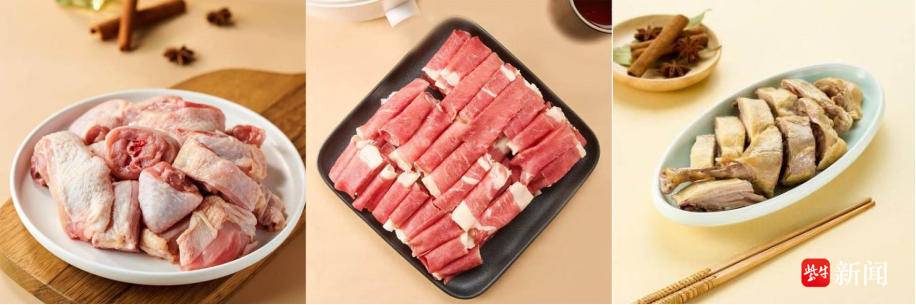
Group 1 - ALDI will open its first stores in Nanjing on January 24, 2026, marking its deeper penetration into the East China market [1][3] - Founded in 1913 in Germany, ALDI is a leading global hard discount supermarket chain with over 13,000 stores worldwide [3] - ALDI entered the Chinese market in 2019, focusing on core consumer scenarios such as daily meals, and has opened over 90 stores in China to date [3] Group 2 - The upcoming Nanjing stores will feature a "selected SKU" strategy, offering products like 1kg of fresh chicken pieces for 19.9 yuan and 300g of frozen Australian beef rolls for 28.5 yuan [3] - ALDI has introduced 16 private label brands in China, with over 90% of its products being private label, earning it the title of "the ancestor of private labels" [3] - The new stores will also include local specialties, such as Jinling-style salted duck, priced at 10.9 yuan for 250g [3]
永辉“胖改”迎5连亏,能活成第二个步步高吗?
阿尔法工场研究院· 2026-01-15 06:18
Core Viewpoint - Yonghui Supermarket is not merely aiming to learn from Pang Donglai but is pursuing a more ambitious transformation strategy amidst ongoing financial losses and operational restructuring [2][3]. Group 1: Financial Performance and Losses - Yonghui Supermarket has announced a pre-loss for the fifth consecutive year, with a projected loss of 15.02 billion yuan for 2025, following a revenue decline of 22.21% to 42.43 billion yuan in the first three quarters [5]. - The company has accumulated losses of 9.5 billion yuan from 2021 to 2024, with a revenue drop from a peak of 93.2 billion yuan in 2020 to 67.57 billion yuan in 2024 [5]. - In 2025, Yonghui closed over 325 stores, reducing its total from a peak of 1,000 to 450, focusing on eliminating inefficient locations [5][6]. Group 2: Operational Restructuring and "Fat Transformation" - The "Fat Transformation" initiative, which began in June 2024, aims to optimize store operations by eliminating nearly 70% of low-efficiency products and introducing high-potential new items [6][7]. - The transformation has led to an average customer traffic increase of over 80% in remodeled stores, with over 60% of these stores achieving profitability exceeding their five-year peak [7][21]. - Despite these improvements, the overall financial performance remains under pressure, with a significant net loss reported in the first half of 2025 [7][21]. Group 3: Financing and Debt Management - Yonghui has proposed a 31.14 billion yuan private placement to fund store upgrades, logistics improvements, and to alleviate liquidity pressures [10][13]. - The financing plan has been adjusted from an initial target of 39.92 billion yuan, with a focus on upgrading 216 stores instead of 298 [10]. - The company's financial situation is precarious, with a debt ratio of 88.96%, significantly higher than its competitors, indicating substantial short-term repayment pressures [13][14]. Group 4: Strategic Changes and Leadership - In 2025, Yonghui initiated a major organizational restructuring led by Ye Guofu, focusing on a "433" reform plan aimed at enhancing operational efficiency and modernizing management [16][17]. - The company has adopted a "naked price direct procurement" model to improve supply chain efficiency, with a goal of increasing the proportion of self-branded products [17][21]. - The success of Yonghui's transformation strategy will depend on the effective execution of these changes and the ability to maintain service quality during rapid expansion [21].

中百集团涨2.16%,成交额6135.22万元,主力资金净流入341.65万元
Xin Lang Cai Jing· 2026-01-15 02:12
Core Viewpoint - Zhongbai Group's stock price has shown a modest increase in early trading, reflecting positive market sentiment despite recent financial challenges [1][2]. Group 1: Stock Performance - As of January 15, Zhongbai Group's stock price rose by 2.16% to 8.05 CNY per share, with a trading volume of 61.35 million CNY and a turnover rate of 1.17%, resulting in a total market capitalization of 5.33 billion CNY [1]. - Year-to-date, Zhongbai Group's stock has increased by 6.20%, with a 2.29% rise over the last five trading days, and a 2.94% increase over both the last 20 and 60 days [2]. Group 2: Company Overview - Zhongbai Group, established on January 9, 1990, and listed on May 19, 1997, is a large chain enterprise primarily engaged in commercial retail, including supermarkets and department stores, with additional involvement in pharmaceuticals, logistics, property management, and import-export trade [2]. - The company's revenue composition is primarily from merchandise sales, accounting for 91.07%, while other income contributes 8.93% [2]. Group 3: Financial Performance - For the period from January to September 2025, Zhongbai Group reported an operating income of 6.55 billion CNY, representing a year-on-year decrease of 19.41%, and a net profit attributable to shareholders of -580 million CNY, down 74.83% year-on-year [2]. - The company has distributed a total of 919 million CNY in dividends since its A-share listing, with no dividends paid in the last three years [3]. Group 4: Shareholder Information - As of December 31, the number of shareholders in Zhongbai Group reached 97,700, an increase of 6.53% from the previous period, with an average of 6,711 circulating shares per person, a decrease of 6.13% [2]. - As of September 30, 2025, Hong Kong Central Clearing Limited was the sixth-largest circulating shareholder, holding 3.627 million shares as a new shareholder [3].

投资者称永辉超市亏损在预期内永辉超市发预亏公告
Xin Lang Cai Jing· 2026-01-13 11:32
来源:@智通财经APP微博 来源:@智通财经APP微博 【#投资者称永辉超市亏损在预期内##永辉超市发预亏公告#】 1月12日晚间,永辉超市发布公告称,经公司财务部门初步测算,预计2025年度归母净利润为负值, 2025年度经营业绩将出现亏损。永辉表示,最终财务数据以正式披露的2025年年度报告为准。#永辉超 市2025净利润为负# 有投资者告诉蓝鲸记者,"永辉超市预亏是预期内的事情,只是亏多少的问题。"然而,永辉超市并未在 今日的公告中,发布具体的亏损数据。 永辉超市自2024年5月启动"胖改",至今已有1年半时间,从公司2026年1月9日公布情况看,全国调改门 店已经突破300家。2025年10月,永辉CEO王守诚曾公开表示,学习胖东来模式仍处于初级阶段,坚持 长期主义,希望用2到3年走出生死线,5到10年真正成为一个国民超市品牌。@蓝鲸新闻 有投资者告诉蓝鲸记者,"永辉超市预亏是预期内的事情,只是亏多少的问题。"然而,永辉超市并未在 今日的公告中,发布具体的亏损数据。 永辉超市自2024年5月启动"胖改",至今已有1年半时间,从公司2026年1月9日公布情况看,全国调改门 店已经突破300家。2025年 ...
伊春市曝光存在火灾隐患及消防违法行为单位
Xin Lang Cai Jing· 2026-01-13 06:22
Core Viewpoint - The article emphasizes the importance of fire safety and the need for strict measures to prevent major fire accidents in Yichun City, highlighting a city-wide initiative to address fire safety hazards [1] Summary by Category Fire Safety Initiative - Yichun City Fire Rescue Team has launched a city-wide fire safety hazard rectification action to address risks and enhance safety measures [1] Exposed Units and Their Hazards - **Unit 1: Longxiang Communication Mobile Store, Daqingshan County** - Safety exit lacks proper evacuation lighting - One fire extinguisher's pressure gauge is in the red zone - Evacuation passage in the sales hall is obstructed by clutter, affecting personnel movement [1] - **Unit 2: Zhongwang Grain and Fruit Supermarket, Youhao District** - Four fire extinguishers are not placed in visible locations - Emergency lights are not plugged in [1] - **Unit 3: Jinjiawan Hotel, Jiayin County** - Safety exit indicator signs are not powered - Evacuation passage is obstructed by clutter [1]
年销售超过4亿元的店王,证明永辉没有“忘本”
Tai Mei Ti A P P· 2026-01-13 02:05
Core Viewpoint - Yonghui Supermarket has launched its 2026 New Year goods festival strategy at the SM Plaza store, which is significant as this store has achieved annual sales exceeding 400 million yuan and is considered the "store king" among Yonghui's over 300 remodeled stores [2][10]. Group 1: Store Features and Consumer Experience - The SM Plaza store has a complete property layout with an area of approximately 3,500-4,000 square meters, allowing for a compact display of various product categories, enhancing consumer navigation [3][9]. - The store features a high proportion of "3R" products (Ready to Cook, Ready to Heat, Ready to Eat), which account for 45% of top-selling items, and overall, food-related products make up over 60% of the offerings [3][6]. - The store emphasizes consumer experience with ample tasting services in the bakery, fruit, and prepared food sections, ensuring a positive shopping atmosphere [6][14]. Group 2: Product Offerings and Pricing Strategy - Yonghui offers a wide range of seafood products, from affordable options like live grass carp at 9.8 yuan per jin to high-end items like Boston lobsters priced at 399 yuan and king crabs at 998 yuan, ensuring a good price-quality ratio [6][8]. - The supermarket has partnered with major brands like Yili and Mengniu to provide high-quality, cost-effective products, such as yogurt at 9.9 yuan per kg and premium milk at 4.0 yuan [8][12]. - The New Year goods festival will feature a core offering of "30 million-level quality explosive products" and "120 major New Year items" to cater to various consumer segments [8][10]. Group 3: Strategic Focus and Employee Engagement - The launch of the New Year goods festival marks Yonghui's entry into a new phase of self-operation focused on "product strength + scene strength," aiming to enhance consumer experience through systematic integration of product upgrades and service improvements [8][10]. - The SM Plaza store has implemented a profit-sharing model for employees, distributing over 3 million yuan in bonuses, and has trained nearly 100 certified skilled workers to enhance service quality [14][12]. - Yonghui's strategy emphasizes creating a rich "eating and drinking scene," which requires more employee involvement and skill enhancement, moving away from merely reducing operational complexity [14][12].