
咖啡

Search documents
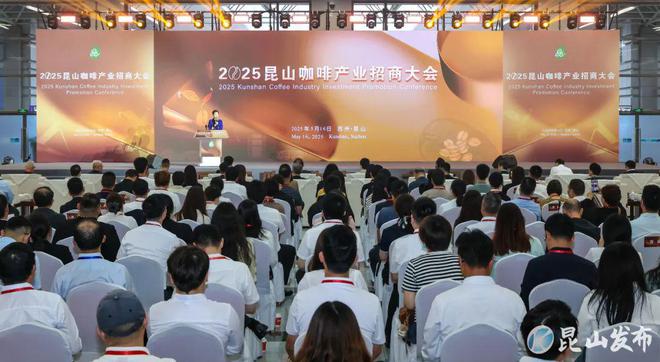
2025昆山咖啡产业招商大会举行
2 1 Shi Ji Jing Ji Bao Dao· 2025-05-19 05:19
Core Insights - The 2025 Kunshan Coffee Industry Investment Conference was held on May 16, inviting domestic and international companies to collaborate in building a "sweet industry" and creating a "fragrant world" [1] Group 1: Industry Collaboration - Brazil, as a producer of high-quality sustainable coffee, has 34 unique coffee-producing regions, offering unmatched flavor diversity and aims to partner with Kunshan to enhance coffee experiences and deepen cooperation [3] - The Indonesian Sanlin Group, the largest integrated food company in Indonesia, plans to expand its coffee business in Kunshan, moving from green coffee beans to products like coffee powder, coffee liquid, and pure natural green coconut juice [3] Group 2: Strategic Development Plans - Kunshan has actively seized opportunities from initiatives like the Belt and Road and the Yangtze River Delta integration, establishing a comprehensive coffee industry chain that includes green bean trade, platform transactions, research and roasting, and brand sales [3] - The "Kunshan Action Plan for Building an International Coffee Capital (2025-2027)" was released, aiming to create a coffee industry scale worth hundreds of billions and a cultural brand matrix, promoting the global identity of "Doing Coffee in Kunshan" [3] Group 3: Cultural Initiatives - A plan for the construction of the Kunshan Coffee Museum was announced, which will be the first coffee culture museum in the country featuring the macaw as its theme [4] - The song "Time with You," themed around "International Coffee Capital," was released during the event, and a signing ceremony took place between the Colombian Coffee Producers Association and eight key coffee traders in Kunshan [6] Group 4: Supporting Infrastructure - The Kunshan Import and Export Food Testing Service Center was inaugurated, and Kunshan Customs introduced innovative measures to support the coffee industry [6] - The 2025 Kunshan International Coffee Industry Exhibition was held simultaneously at the International Convention and Exhibition Center, showcasing the industry's growth and opportunities [9]

网红咖啡馆开进浦东老港 一批重点产业项目决心落地 人居环境 始终是营商环境的底色
Jie Fang Ri Bao· 2025-05-18 02:45
浦东新区老港镇今年要开镇里首家肯德基,这在当地居然成了一条"大新闻"。镇政府里年轻的工作 人员长舒一口气,"以后不想吃食堂,也终于可以点外卖了。" 记者 杜晨薇 最近几年,当生活垃圾处理技术全面从填埋转向无害化、资源化,老港彻底摆脱了垃圾带来的气味 困扰,当大规模的居民动迁走向尾声,老港似乎已经能够从投入民生,全身心转向投入产业经济了。 LiLi Time,一家开在前滩太古里,被网友点评"贵得离谱但实在好喝"的咖啡馆,今年开进了老港。 这是镇里持有的物业空间,原本并没有派上什么用场。重新装修后,老港镇将这一网红咖啡品牌引 进,并与店家达成一致,在保持风味标准不变的前提下,以远远低于太古里的价格对外销售。而且店内 还要解决本地的一小部分残疾人就业。 一些咖啡爱好者为了低价格的"LiLi Time"来打卡,更多的是周边居民、企业员工开始约在这里聊 天、谈事,老港开始有了一些大都市的样子。 当然,开一家咖啡馆并不是什么了不得的事情。可是,当一个地区开始有意识地抬升商业品质,并 愿意把更多空间通过腾挪改造交付给市场时,市场也一定会作出反馈。 可事实是,老港的民生改善力度和广度似乎更大了。政府部门把精力放在一些看似不起 ...

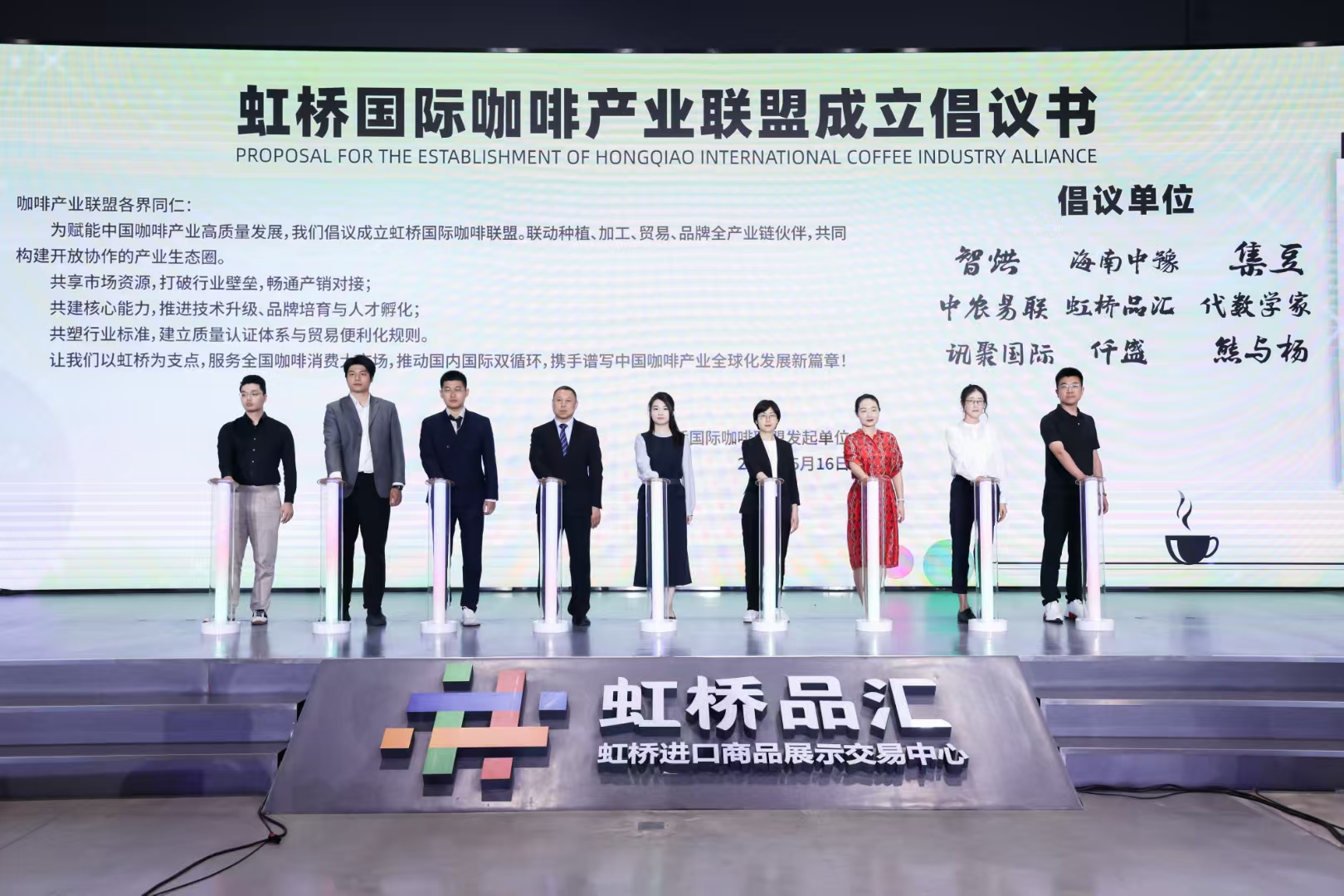
产业联盟成立、沪滇咖游计划发布!2025虹桥国际咖啡文化节启幕
Guo Ji Jin Rong Bao· 2025-05-17 12:04
Core Insights - The national coffee industry in China has surpassed 300 billion yuan for the first time, reaching 313.3 billion yuan, with a year-on-year growth of 18.1% [1] - The per capita annual coffee consumption in China has also crossed 20 cups for the first time, reaching 22.24 cups [1] Group 1: Industry Growth and Events - The 2025 Hongqiao International Coffee Culture Festival opened on May 16, featuring the release of the "2025 China Urban Coffee Development Report" [1] - The event attracted over 300 industry leaders and representatives from more than 40 well-known coffee companies [1] - A total of 16 themed activities will take place until May 31, focusing on "Coffee + Cultural Tourism" [1] Group 2: Coffee Industry Alliance - The "Hongqiao International Coffee Industry Alliance" was established to support Shanghai's goal of becoming a "Global Coffee Capital" [2] - The alliance aims to leverage the Hongqiao International Coffee Port as a core platform to create a new high-quality development pattern for the coffee industry [4] Group 3: Market Dynamics - Coffee bean imports have increased nearly threefold over the past five years, while coffee machine exports reached 17.46 billion yuan [6] - Over 300 million cups of coffee were sold via delivery services, contributing 5.51 billion yuan to the market, with local brands accounting for 70% of this consumption [6] - Shanghai leads the nation with 9,115 coffee shops, with nearly half of the coffee beans sourced from the Hongqiao International Coffee Port [6] Group 4: Regional Collaboration and Tourism - A strategic partnership was formed between Yunnan Tourism Planning Research Institute and Hongqiao Pinhui to launch the "2025 Shanghai-Yunnan Coffee Tourism Plan" [7] - This plan aims to create unique coffee-themed tourism routes that allow participants to experience the complete coffee production chain [7] Group 5: Industry Forum and Cultural Integration - The event featured over 40 well-known coffee brands and discussions on topics such as the globalization of Chinese coffee brands and new retail trends [8] - The Hongqiao International Coffee Culture Festival emphasizes industry, talent, and culture, establishing a core position in the Chinese coffee industry [8] - The festival's theme, "Coffee +", integrates various activities to inject new vitality into the coffee culture in the Hongqiao International Central Business District [8]
报告显示2024年全国人均年咖啡消费达22.24杯
Xin Hua Cai Jing· 2025-05-17 11:43
Group 1 - The "2025 China Coffee Development Report" was released at the 2025 Hongqiao International Coffee Culture Festival, indicating that the coffee industry in China will reach a scale of 313.3 billion yuan in 2024, with a year-on-year growth of 18.1% [1] - The report highlights that the per capita annual coffee consumption in China has reached 22.24 cups, with coffee bean imports increasing nearly threefold over the past five years, and coffee bean export value reaching 1.36 billion yuan [1] - The coffee machine export value is reported at 17.46 billion yuan, and over 300 million cups of coffee were sold through delivery services nationwide [1] Group 2 - The online coffee consumption market in China shows a significant gender disparity, with female consumers accounting for 67.72% of the market, while male consumers represent 32.28% [1] - The primary consumer demographic is the post-90s and post-80s generations, with the post-90s group making up 39.98%, indicating a trend of young professionals and urban youth using coffee as a daily energizer and social beverage [1] - First-tier and second-tier cities dominate the coffee market, accounting for 72% of total consumption, while third to sixth-tier cities only account for 28%, suggesting that although there is growth potential in lower-tier markets, consumption remains concentrated in higher-tier cities [1] Group 3 - In Shanghai, there are already 9,115 coffee shops in 2024, with nearly half of the coffee beans sourced from the Hongqiao International Coffee Port, which has established a complete industry ecosystem from "seed to cup" [1] - The Longhu Shanghai Hongqiao Tianjie is promoting a new lifestyle of "morning coffee and afternoon tea," achieving an average daily consumption of 3,000 cups of tea and coffee, with sales in the first quarter of this year increasing by 167% [2] - The "Hongqiao International Coffee Industry Alliance" was established to support Shanghai's goal of becoming a "global coffee capital," aiming to create a high-quality development pattern for the coffee industry and enhance local brand competitiveness [2]
千咖万来聚江南:中国最强县昆山打造国际咖啡产业之都
Zhong Guo Xin Wen Wang· 2025-05-17 04:50
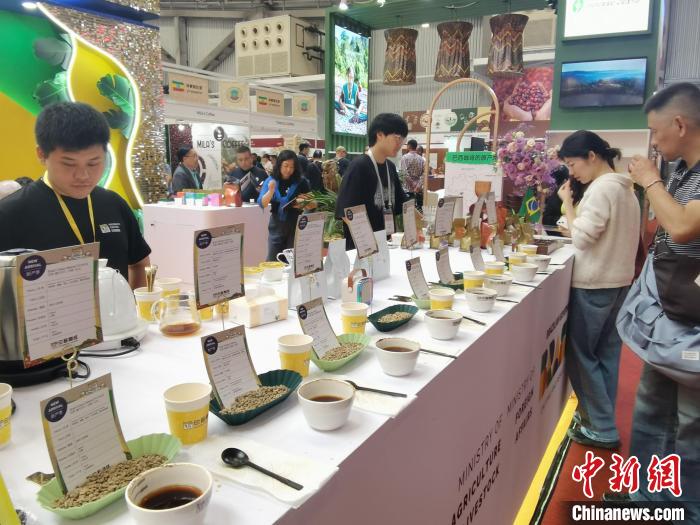
Core Insights - Kunshan, once known for its manufacturing, is now a central hub for China's coffee industry, hosting the 2025 Kunshan Coffee Industry Investment Conference with over 500 exhibitors and representatives from 17 coffee-producing regions worldwide [1][4] Industry Overview - Kunshan has developed a comprehensive coffee industry chain, integrating bean trade, platform transactions, research and roasting, and brand sales, with over 60% of China's green coffee bean imports and roasting occurring in the city [4] - The city has established connections with 24 countries and regions, including Ethiopia, Brazil, and Uganda, enhancing its global coffee trade network [4] Strategic Developments - The release of the "Kunshan International Coffee Industry Capital Three-Year Action Plan (2025-2027)" aims to create a coffee industry scale worth hundreds of billions, promoting a global identity for coffee production in Kunshan [6] - The plan includes the construction of the Kunshan Coffee Museum, further solidifying the city's commitment to becoming a global coffee industry leader [6] Partnerships and Growth - Major coffee brands such as Starbucks, Trung Nguyen Coffee, Louis Dreyfus Company, and Mitsui & Co. have established operations in Kunshan, contributing to its growth as a coffee hub [4] - Brazilian coffee exports to China have seen exponential growth, with Brazil looking to share its diverse coffee flavors with Chinese consumers through partnerships with Kunshan [4][5]
9点1氪|官方回应正新鸡排鸡腿大量生蛆;取款身亡老人家属称与农行达成和解;胖东来本月销售额接近10个亿
3 6 Ke· 2025-05-17 00:49
IPO and Financing - Baillie Gifford is reportedly considering an IPO in Hong Kong [1] - Huadian New Energy has received approval from the CSRC for its IPO registration on the Shanghai Stock Exchange [2] - Beijing Zhenyuan Chengchuan Technology Co., Ltd. has completed a 30 million yuan A-round financing to enhance its "Zhihui" ecosystem [12] Corporate News - Walmart plans to raise prices on certain products in the U.S. due to tariff policies, indicating that the cost increases exceed what retailers can absorb [8] - China Telecom has appointed Liu Guiqing as the new President and COO [6] Market Trends - The average annual salary for urban non-private sector employees in China is reported to be 124,110 yuan for 2024 [5] - The Guangzhou high-speed maglev train is being developed to reach speeds of 600 km/h, potentially reducing travel time to Beijing to four hours [6] Financial Performance - Fuji Media Holdings reported a net loss of 20.1 billion yen (approximately 1 billion yuan) for the fiscal year 2024, marking its first loss since its listing in 1997 [13] - Samyang Foods reported a 67% increase in operating profit for Q1, reaching 134 billion won, driven by strong overseas demand for its "Buldak noodles" [14]
瑞幸咖啡成为云南CoE试点赛战略合作伙伴 助力云南精品咖啡国际化
Zhong Guo Jing Ji Wang· 2025-05-16 08:09
Group 1 - The first Yunnan Gems of Coffee CoE Pilot competition successfully concluded on May 16, 2025, with 19 winning coffee beans selected from 144 participating teams, and the top 10 beans auctioned to global buyers, with 100% of the proceeds benefiting local coffee farmers [1] - The CoE competition is recognized as the "Olympics of coffee bean competitions," marking a significant opportunity for Yunnan coffee to enter an international evaluation system for the first time [1] - Luckin Coffee, as the strategic partner of the event, demonstrates its commitment to promoting Yunnan's specialty coffee on the international stage [1] Group 2 - Luckin Coffee has established a comprehensive supply chain in Yunnan, contributing to the region's coffee production, which accounts for over 98% of China's coffee output [2] - In 2024, Yunnan's coffee exports reached 32,500 tons, a 358% increase year-on-year, with exports to 29 countries and regions [2] - Luckin Coffee's processing plant in Baoshan, Yunnan, began trial operations in March 2024, utilizing advanced processing lines to enhance the quality supply chain [2] Group 3 - By 2024, the specialty coffee rate in Yunnan increased from 8% in 2021 to 31.6%, and the deep processing rate rose from 20% to 80%, showcasing the improvement in quality and processing [3] - The strategic support for the CoE pilot competition reflects Luckin Coffee's strong focus on the development of Yunnan's specialty coffee and its role as a bridge to international markets [3]

柠季旗下咖啡品牌RUU开放加盟,会步沪咖后尘吗?
3 6 Ke· 2025-05-16 06:50
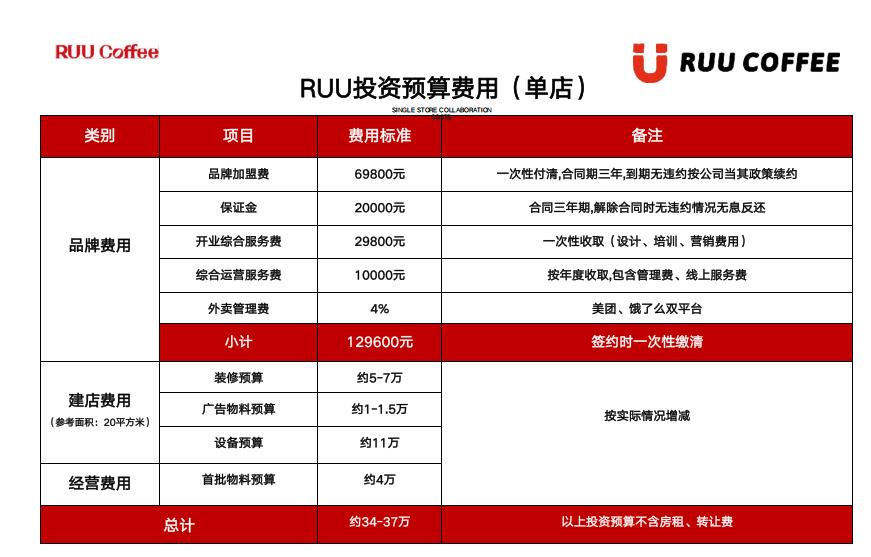
Core Viewpoint - RUU coffee, a brand under the parent company of Ningji, has opened franchise opportunities in February 2023, targeting only Changsha and Shanghai, with an estimated investment cost of around 340,000 to 370,000 yuan [1][2][4]. Group 1: Franchise and Investment Details - The franchise fee for RUU is 69,800 yuan, with a three-year contract and a 20,000 yuan deposit refundable without interest upon contract termination [2]. - The total estimated investment for opening a RUU store, excluding rent and transfer fees, is approximately 340,000 to 370,000 yuan, which includes various service fees and construction costs [2][4]. - RUU has registered in January 2022 and opened its first store in May 2022, with a current total of 8 stores across Changsha, Shanghai, and Hengyang [2]. Group 2: Dual-Store Model - RUU is experimenting with a dual-store model alongside Ningji, where existing Ningji franchisees can upgrade to a dual-store format after a period of operation [4][5]. - The dual-store model allows RUU to leverage Ningji's customer base and reduce costs, as existing franchisees can upgrade their stores for an additional investment of 150,000 to 200,000 yuan [4][6]. - The dual-store concept has seen RUU open 4 locations in Shanghai and Changsha, primarily branding them under Ningji, which may limit RUU's brand visibility [5][6]. Group 3: Market Position and Challenges - RUU's market recognition remains low, with an average daily order volume of only around 20, indicating challenges in consumer awareness and engagement [7][10]. - The competitive landscape is tough, with established brands like Luckin Coffee and Kudi dominating the 10-30 yuan price range, which RUU is targeting [10][11]. - RUU's reliance on Ningji for customer traffic may hinder its ability to develop a distinct brand identity and market positioning, raising concerns about long-term sustainability [10][11].
我们能从「外卖大战、茶饮先行」中看到什么
3 6 Ke· 2025-05-16 01:56
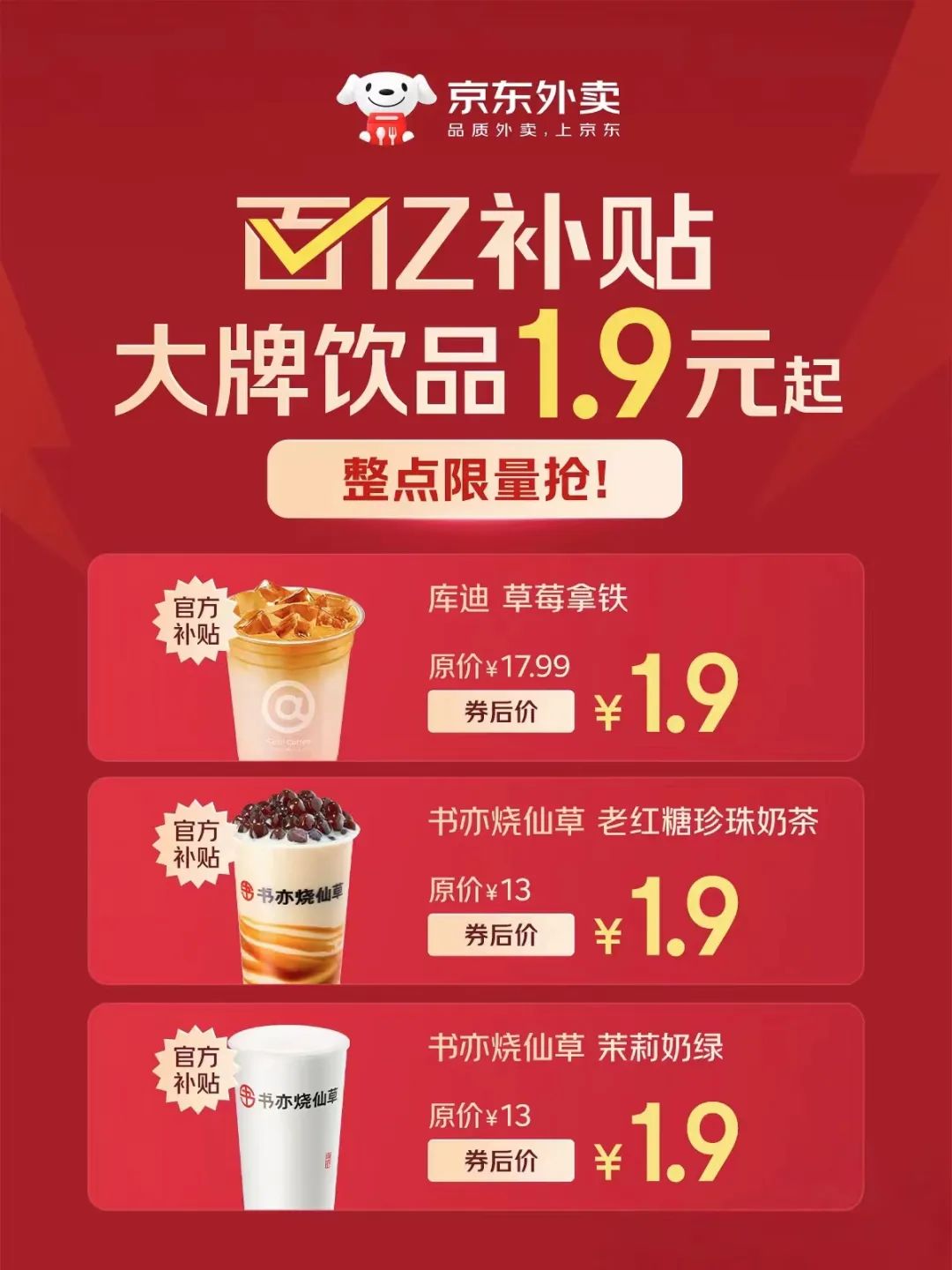
作为餐饮大类里难得高连锁化率+高订单量的体系化正规军,茶饮品牌既是在帮外卖平台打外战,也是在存量中打内战。 虽然外卖平台被约谈、补贴大战可能暂歇,但这段时间诸如「1亿杯奶茶免单」等等,还是给市场带来了一些久违的互联网大战震撼。 有趣的是,美团闪购、京东外卖、淘宝闪购三家抢市场,纷纷选择茶饮咖啡当枪使。 《窄播》获得的一份资料显示,在京东外卖4月某日超500万当日单量中,饮品类订单占比近半。其中库迪咖啡订单接近90万,排列第二的瑞幸和茶百道、 沪上阿姨、喜茶等全国性咖啡奶茶品牌,每个品牌单量十几万。 据《财新》援引一名美团高管人士的说法,在商家端,京东的补贴一半给到了奶茶咖啡连锁企业,以用单量测试骑手的履约极限,为打正餐的仗做准备。 据《中国新闻周刊》采访的一名内蒙古某库迪门店员工称,其店内90%的订单来自于京东外卖,促销商品(4月份是4.9元,淘宝闪购入局后,京东加大补 贴力度,5月后出现1.9元的低价)贡献80%的销量,每天至少500单,远超此前自然经营时旺季350单的水平。 在外卖平台上所有的餐饮子类中,茶饮不仅是连锁化率最高的那个(茶饮连锁化率55%vs餐饮行业平均21%),还是贡献订单最多的那个。 据 ...
咖啡+文旅商体展,2025虹桥国际咖啡文化节将于5月16日开幕
Xin Lang Cai Jing· 2025-05-15 08:22
一是将"产业端+国际化"做强。持续发挥虹桥国际咖啡港服务链接咖啡产业端的优势,今年在继续举办 全球咖啡产业论坛基础上,还将新增第二届"中国之选"TOC全球生豆咖啡大赛,升级参赛规模,汇聚16 个国家、85个不同产地的咖啡豆,真正做到"在上海、品世界",赋能咖啡港生豆贸易;同时段,在云南 保山将举行云南瑰宝咖啡生豆大赛(云南卓越杯试点赛),今年该赛事首次在云南举行,先前虹桥品汇 已通过选拔赛从全国200多名咖啡师中选出12名国内评审,将赴云南实现上海与云南的"双向奔赴"。 二是将"咖啡+文旅商体展"做实。今年的活动将从去年的12场增加至16场,更注重以咖啡为媒介推动文 旅商体展深度融合。例如,今年的保山市咖旅融合宣传推介活动,首次加入文旅专场,既推动沪滇两地 产业协作,也推动文旅融合;"抵达上海的第一杯咖啡"活动首次增设虹桥机场点位,同时还联合保利集 团在现场连续举行戏曲表演快闪;爱在大虹桥上海青年爱情节首次辐射扩大至长三角青年群体,专门包 了一节高铁车厢,在活动当天下午从湖州高铁站接送参加活动的青年直奔大虹桥现场。总体而言,希望 通过咖啡节这一契机,继续丰富"咖啡"+文旅、+音乐、+体育、+爱情、+摄影等多场 ...