咖啡液

Search documents
云南临沧:构建咖啡“从种到杯”全产业链
Xin Hua She· 2026-01-24 04:46
Core Viewpoint - Lincang City in Yunnan Province is recognized as a prime area for coffee cultivation due to its unique low-latitude plateau climate, with a projected coffee planting area of 290,000 mu by the end of 2025 [1] Industry Overview - The coffee industry in Lincang has been developing since the 1950s, currently featuring 51 coffee enterprises [1] - The product range includes specialty green beans, roasted beans, coffee powder, coffee liquid, capsule coffee, and coffee fruit tea, establishing a complete "seed to cup" industry chain [1] Quality and Recognition - Lincang coffee has gained recognition for its outstanding quality, winning honors in various coffee competitions, which has enhanced its influence [1]
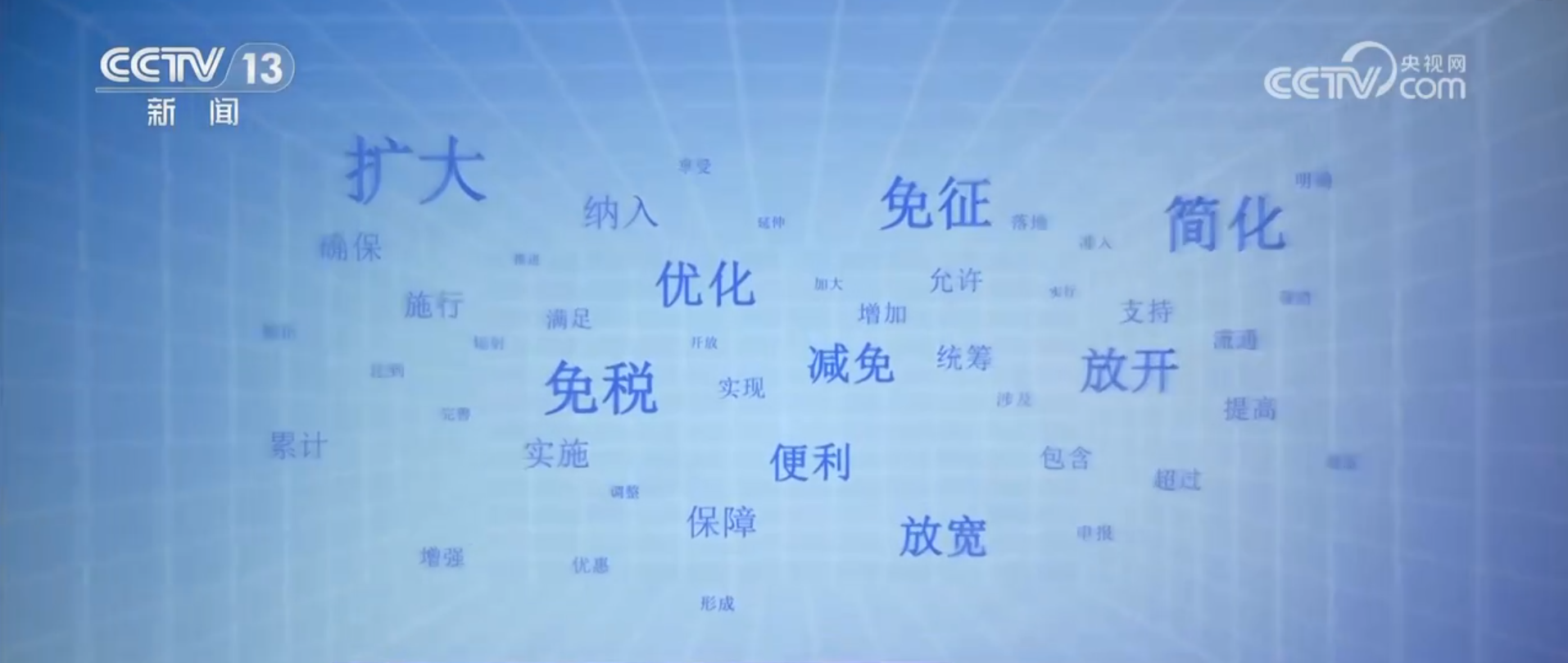
“放”“免”“简” 从大数据里的“动词变化”看海南封关带来的新机遇
Yang Shi Wang· 2025-12-19 02:49
Core Insights - The news highlights the opportunities arising from Hainan's customs closure, indicating a shift in public interest from tourism to development and entrepreneurship in the region [1][3]. Group 1: Opportunities from Policy Changes - The first category of verbs identified in the policy document includes "release," indicating a trend towards loosening regulations and expanding market access, which presents opportunities for individuals looking to work or start businesses in Hainan [5]. - The second category focuses on "exemption," particularly regarding the reduction of costs for businesses. For instance, products that achieve a value-added rate of 30% through local processing can enter the mainland without import duties, encouraging the establishment of complete industrial chains on the island [7]. - The third category emphasizes "simplification," which pertains to the ease of personnel movement and administrative processes. The management of personnel flow between Hainan and the mainland remains streamlined, facilitating easier transitions for individuals [8]. Group 2: Employment and Economic Growth - There has been a notable increase in job postings in Hainan, particularly in roles related to customs, e-commerce, and cross-border services, reflecting the region's evolving economic landscape post-closure [10]. - Ticket bookings for travel to Hainan during the off-peak season have surged by 163% since the announcement of the customs closure, indicating a growing interest in the region beyond tourism [10]. - The number of foreign visitors to Hainan has increased by 26%, with nearly 180 countries represented, showcasing the island's appeal as a destination for both tourism and business [10].

解读大数据·从“去海南玩”到“去海南发展” 动词之变折射机遇之变
Yang Shi Wang· 2025-12-18 06:07
Core Viewpoint - The discussion around "going to Hainan" is shifting from leisure activities to opportunities for development, with a significant increase in posts related to work and entrepreneurship in Hainan following the island's customs closure [3][25]. Group 1: Policy Changes and Opportunities - The customs closure in Hainan is expected to create new opportunities for businesses and individuals, with a focus on easing regulations and expanding market access [4][25]. - The number of "zero tariff" products will increase from over 1,900 to 6,600, covering approximately 74% of all product categories, which is a 53% increase compared to before the closure [7]. - The policy will allow for a broader range of entities, including private enterprises and non-profit organizations, to benefit from the customs closure, enhancing the overall business environment [7][9]. Group 2: Economic Impact and Job Market - There has been a notable increase in job postings related to customs, e-commerce, and cross-border services in Hainan, indicating a shift in the job market towards these sectors [20]. - The number of foreign visitors to Hainan is projected to grow by 26% in 2025, with nearly 180 countries represented, reflecting the island's increasing attractiveness for international talent [23]. - The rise in ticket bookings during off-peak seasons has surged by 163% since the announcement of the customs closure, highlighting a growing interest in Hainan beyond tourism [20]. Group 3: Key Verbs and Their Implications - The most frequently used verbs in policy discussions include "expand," "exempt," and "simplify," indicating a trend towards reducing barriers and costs for businesses and individuals [9][11][16]. - The exemption from import tariffs for goods with a value-added rate of 30% or more encourages the establishment of complete supply chains within Hainan, making it more cost-effective for businesses to operate there [11][13]. - Simplifying processes for personnel movement and administrative procedures is crucial for retaining talent and fostering a conducive environment for development in Hainan [16][18].


佳禾食品转型阵痛与破局:咖啡+植物基双轮驱动 能否破解利润困局?
Xin Lang Cai Jing· 2025-12-05 08:47
Core Viewpoint - Jiahe Food is transitioning from an "OEM" to a "consumer brand" amid pressure on its core business of plant-based creamers, which has historically been central to the new tea beverage supply chain [1][7] Financial Performance - In the first three quarters of 2025, Jiahe Food reported a revenue of 1.77 billion yuan, a year-on-year increase of 5.3%, but the net profit attributable to shareholders was only 26 million yuan, a significant decline of 68.5% [2][8] - The decline in net profit is primarily due to rising raw material costs and increased marketing expenses, which have severely impacted cash flow, with a 99% year-on-year drop in net cash flow from operating activities [2][8] - However, the third quarter showed signs of recovery, with revenue of 583 million yuan, a slight decrease of 3.9%, and a net profit of 13.57 million yuan, reflecting a 2.7% year-on-year growth, ending a streak of declining profits [2][8] Strategic Transformation - Jiahe Food's transformation strategy focuses on expanding its plant-based and coffee segments, aiming for a 2B2C collaborative ecosystem [3][9] - The coffee business has become a key focus, with significant progress in production capacity, including the launch of a 5,000-ton roasted coffee bean production line [3][9] - The coffee market in China is projected to reach nearly 130 billion yuan by 2025, with over 260,000 stores, indicating a robust growth opportunity for Jiahe Food [3][9] B2B Relationships - The company maintains strong partnerships with major domestic and international chain restaurants and food enterprises, including traditional clients like Xiangpiaopiao and Wahaha, as well as new tea brands like Hushang Auntie and Mixue Ice City [4][10] - Jiahe Food's plant-based creamers have been upgraded to "zero trans fat," aligning with health consumption trends and attempting to maintain its market position amid the "de-plant-based cream" trend [4][10] Challenges in Transformation - Despite a clear transformation direction, Jiahe Food faces multiple challenges that hinder its profitability recovery, including rising raw material costs and intense competition [5][11] - The increase in raw material procurement costs has directly impacted profit margins, while ongoing marketing investments are necessary for building C-end brands [5][11] - As a traditional B-end company, Jiahe Food is still in the early stages of C-end brand development, facing challenges in brand recognition and sustainable pricing strategies [5][11]

前三季度多领域“成绩单”出炉 “数”览亮点感知经济发展支撑稳、引擎足
Yang Shi Wang· 2025-10-14 02:17
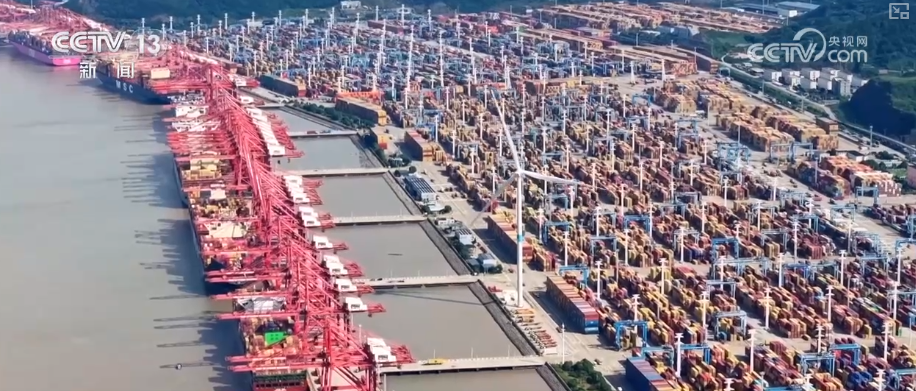
Core Insights - China's goods trade import and export reached 33.61 trillion yuan in the first three quarters of 2025, with a year-on-year growth of 4%, and a 6% growth in the third quarter, marking eight consecutive quarters of growth [1] Trade Growth - Cross-border e-commerce has emerged as a new driving force for foreign trade growth, with imports and exports amounting to approximately 2.06 trillion yuan, a growth of 6.4% [3] - Exports from cross-border e-commerce reached about 1.63 trillion yuan, growing by 6.6%, while imports were approximately 425.54 billion yuan, increasing by 5.9% [3] ASEAN Trade - Trade with ASEAN reached 5.57 trillion yuan in the first three quarters, a year-on-year increase of 9.6%, accounting for 16.6% of China's total foreign trade [6] - Agricultural products remain a key trade component, with imports from ASEAN growing by 15.3%, representing 19.1% of China's total agricultural imports [9] SCO Trade - Trade with other SCO member countries reached 27.5 trillion yuan in the first three quarters, a year-on-year increase of 2.4%, marking a historical high for the same period [11] - Rail transport accounted for over 360 billion yuan of trade with SCO countries, making up 70% of total rail trade [13] Processing Trade - Processing trade imports and exports reached 6.18 trillion yuan, growing by 6.9%, and contributing over 30% to the overall trade growth [16] - A significant portion of exports, including 60% of laptops and 70% of gaming consoles, is conducted through processing trade [16] Western Region Trade - The western region's foreign trade reached 3.21 trillion yuan, with a year-on-year growth of 10.2% [17] - Key drivers include traditional manufacturing exports and high-tech product exports exceeding 450 billion yuan, growing by 26.4% [19]
我国西部地区外贸进出口同比增长10.2%
Jing Ji Guan Cha Wang· 2025-10-14 02:07
Core Viewpoint - The foreign trade development in China's western region shows strong momentum, with imports and exports reaching 3.21 trillion yuan, a year-on-year increase of 10.2% [1] Group 1: Trade Performance - Traditional manufacturing products such as home appliances, motorcycles, and furniture saw export growth exceeding 20% in the first three quarters [1] - High-tech product exports, including advanced equipment, electronic information, and biomedicine, surpassed 450 billion yuan, growing by 26.4% [1] - The western region's imports and exports through the new land-sea corridor reached 611.5 billion yuan, an increase of 19.3%, contributing 3.4 percentage points to the region's foreign trade growth [1] Group 2: Infrastructure and Business Activity - The number of enterprises with import and export performance in the western region reached 41,000, an increase of 11.8% [1] - The Chongqing International Railway Port Comprehensive Bonded Zone has passed inspection, increasing the total number of comprehensive bonded zones in the western region to 41 [1]
今年前三季度 我国西部地区外贸进出口同比增长10.2%
Yang Shi Xin Wen· 2025-10-14 01:05
Core Insights - The western region of China has transformed from an inland area to an open frontier, with foreign trade maintaining strong momentum in the first three quarters of the year, achieving an import and export value of 3.21 trillion yuan, a year-on-year increase of 10.2% [1] Group 1: Driving Forces of Foreign Trade Growth - The growth of foreign trade in the western region is driven by both traditional and emerging industries, with exports of traditional manufacturing products like home appliances, motorcycles, and furniture increasing by over 20%. High-tech product exports, including high-end equipment, electronic information, and biomedicine, exceeded 450 billion yuan, growing by 26.4% [1] - The construction of platforms and channels has accelerated, with the recent acceptance of the Chongqing International Railway Port Comprehensive Bonded Zone, increasing the number of comprehensive bonded zones in the western region to 41. The western region's import and export value through the Western Land-Sea New Corridor reached 611.5 billion yuan, a growth of 19.3%, contributing 3.4 percentage points to the region's foreign trade growth [1] - The vitality and strength of foreign trade entities have enhanced, with the number of enterprises engaged in import and export activities in the western region reaching 41,000, an increase of 11.8% [1]
海关总署:今年前三季度,西部地区外贸发展保持强劲动能
Xin Lang Cai Jing· 2025-10-13 02:34
Core Viewpoint - The foreign trade in the western region of China has shown strong momentum in the first three quarters of this year, with imports and exports reaching 3.21 trillion yuan, a year-on-year increase of 10.2% [1] Group 1: Driving Factors - The growth is attributed to a dual drive from advantageous and emerging industries, with traditional manufacturing products like home appliances, motorcycles, and furniture seeing export growth exceeding 20% [1] - Specialty agricultural products have significantly increased in value through deep processing, with products like coffee liquid and caviar accelerating their export [1] - The export of high-tech products in modern manufacturing and strategic emerging industries, such as high-end equipment, electronic information, and biomedicine, exceeded 450 billion yuan, growing by 26.4% [1] Group 2: Infrastructure Development - The recent acceptance of the Chongqing International Railway Port Comprehensive Bonded Zone has increased the number of comprehensive bonded zones in the western region to 41, enhancing the attractiveness and capacity for enterprises [1] - The region is actively promoting the construction of the Western Land-Sea New Corridor and China-Europe Railway Express, creating a network of open routes [1] - In the first three quarters, the import and export through the Western Land-Sea New Corridor reached 611.5 billion yuan, an increase of 19.3%, contributing 3.4 percentage points to the growth of foreign trade in the western region [1] Group 3: Enterprise Dynamics - The vitality and strength of foreign trade entities have been enhanced, with various enterprises focusing on development in the western region [1] - The number of import and export enterprises in the western region reached 41,000, an increase of 11.8% [1] - Among the top 100 enterprises in terms of import and export scale in China, 12 are from the western region, an increase of 2 compared to the same period last year [1]
海南澄迈咖啡产业向亿元级迈进
Zhong Guo Chan Ye Jing Ji Xin Xi Wang· 2025-07-16 00:46
Core Insights - The coffee industry in Chengmai County, Hainan, is undergoing a transformation towards a full industrial chain, enhancing the quality and branding of local coffee products [1][2][3] Group 1: Industrial Development - Chengmai County has accelerated the development of its agricultural industry chain, focusing on the entire process from coffee bean to cup, aiming to elevate ordinary coffee to specialty coffee [1][2] - The county has approved 10 enterprises for a duty-free processing policy, with 4 of them being coffee companies, which will significantly reduce raw material costs and enhance market competitiveness [2][3] Group 2: Economic Impact - The first batch of imported coffee beans, weighing 19.2 tons and valued over 1.1 million yuan, marks a significant breakthrough for local enterprises under the Hainan Free Trade Port policy [2] - The coffee industry is expected to drive economic growth by creating job opportunities and increasing income for local farmers, with initiatives like the shared coffee farm benefiting 1,599 households [3] Group 3: Education and Talent Development - The establishment of the Bolan Coffee Academy in Chengmai aims to enhance the training of coffee professionals, with a focus on both enthusiasts and industry entrants [4] - The collaboration between the academy and local coffee enterprises is set to standardize and internationalize the coffee industry in Hainan, providing a robust talent pipeline [4] Group 4: Tourism Integration - The Fushan Coffee Cultural Town is attracting tourists and coffee lovers, offering immersive experiences in coffee production and related activities [5] - Chengmai County plans to innovate a dual-driven model of coffee-themed cultural tourism, integrating agriculture, culture, tourism, sports, and commerce [5]
夏日经济|冰杯冰袋比同重量饮用水贵2倍,一线城市人均年消费冰杯达48杯
Di Yi Cai Jing· 2025-07-01 12:02
Group 1 - The core idea of the articles highlights the rising popularity and consumption of ice cups and ice bags in urban areas, particularly during the summer season, with significant market growth observed [1][2] - The "2025 China Urban Consumption Behavior White Paper" indicates that ice cup sales have increased by 300% for two consecutive years, with an average annual consumption of 48 ice cups per person in first-tier cities [1] - The pricing of ice products is notably higher than that of bottled water, with ice cups and bags being sold at 1-3 times the price of the same weight of drinking water [1][2] Group 2 - Various retail channels, including convenience stores and tea beverage brands, are actively selling ice cups, with prices ranging from 1 to 5 yuan per cup, generally higher than bottled water [2] - A Nielsen IQ survey reveals that 69% of consumers purchasing ice cups from convenience stores use them for making homemade drinks, indicating a trend towards DIY beverage preparation [2] - Retail strategies include bundling ice cups with drinks, as seen in promotions like the one at 7-11 convenience stores, where customers can purchase a bottle of juice and add an ice cup for an additional fee [2]