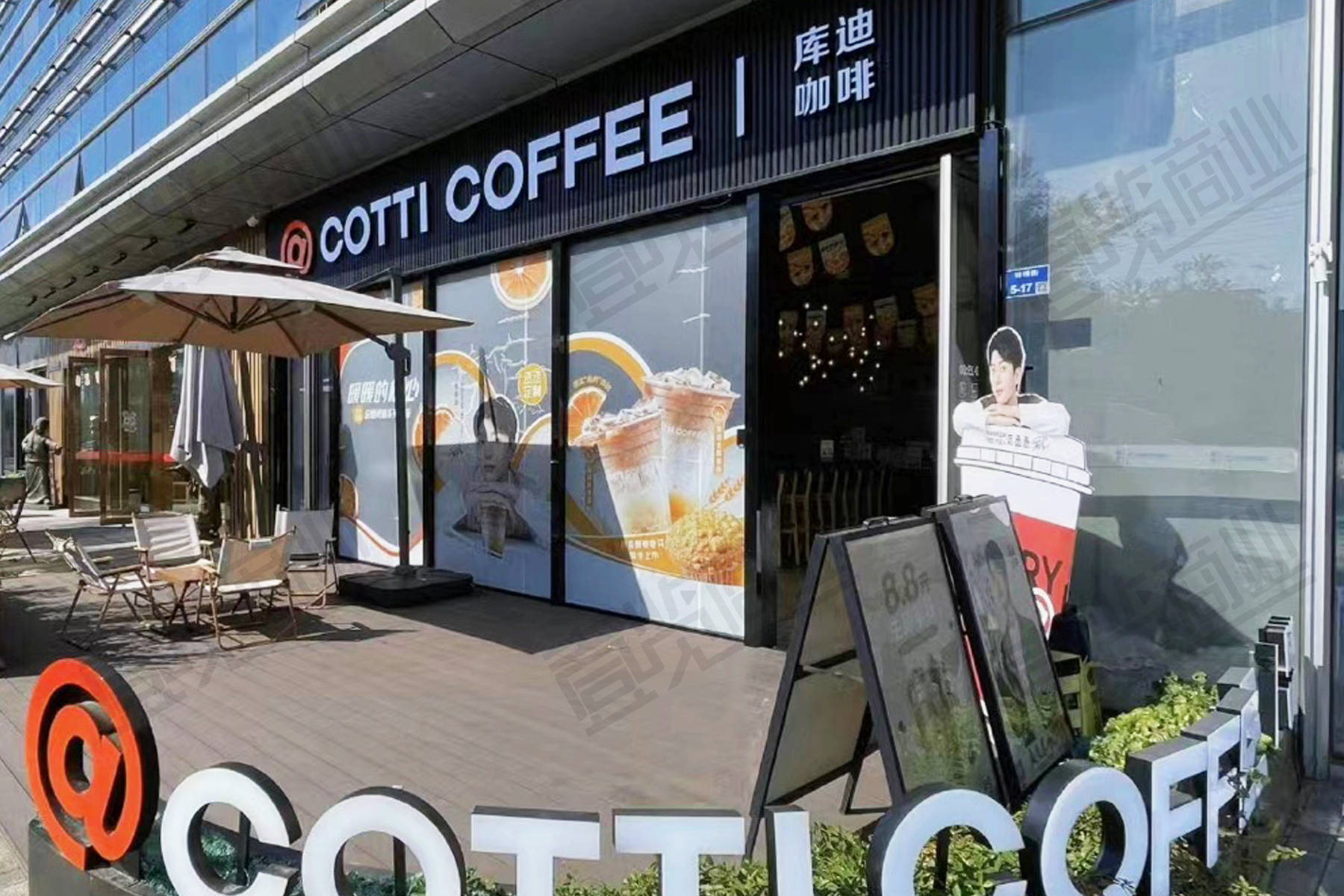
咖啡

Search documents
库迪咖啡深度牵手云南临沧 打造高质量咖啡产业基地
Zhong Guo Jing Ji Wang· 2025-05-15 03:17
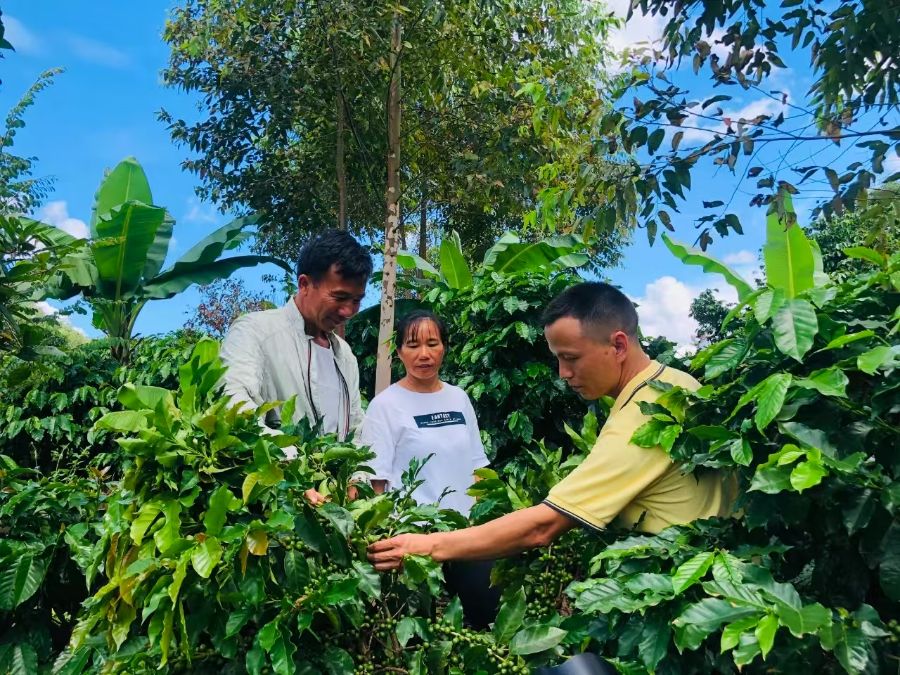
5月14日,库迪咖啡和云南临沧市政府签署战略合作协议,双方将共同建设临沧咖啡产业基地。 据悉,双方将积极探索和深化在推动乡村振兴、特色产业转型升级、区域合作发展的新模式,充分发挥 企业优势,履行企业社会责任,实现农民增收、乡村振兴、企业增效、地方发展的目标,在支撑库迪咖 啡高速发展的同时,推动云南咖啡产业的高质量发展。 未来,临沧咖啡鲜果规范化处理能力将达到每年10万吨以上,构建起全国领先的集咖啡脱壳加工、产品 研发、烘焙、包装、储存、物流、文化体验为一体的综合产业园区,实现从"农产品生豆到商品咖啡"的 完整产业链垂直整合,助力临沧特色产业走出云南、享誉世界。 临沧具有丰富的农业资源和独特的区位优势,咖啡、茶叶、核桃、坚果、蔗糖等产业基础好、发展潜力 大。库迪咖啡是全国咖啡终端消费头部企业,具有完善的供应链和强大的投资能力。此次双方强强合 作,旨在加快临沧咖啡等产业高质量发展,实现农民增收、乡村振兴、勤业增效、地方发展的目标。 据介绍,双方合作主要聚焦五方面目标:一是以带动农户增收为目标,加强咖啡种植领域的合作;二是 以促进产业质效为目标,布局咖啡初级加工体系;三是以提升产品竞争力为目标,建设库迪咖啡(临 沧 ...
拱墅“一站式”审批让连锁企业轻装上阵 降低办事成本90%
Hang Zhou Ri Bao· 2025-05-15 02:04
在武林商圈星巴克臻选店门前,墨绿色遮阳棚与金属质感的咖啡吧台相映成趣,顾客们端着咖啡倚 坐在藤编座椅上,与街角流淌的城市光影共同构成现代商业图景。而两个月前,这样的外摆场景还在图 纸上等待审批。"过去36家店要逐个'闯关',现在一次'组团通关',省下的时间能多开三场新品品鉴 会。"星巴克相关负责人感慨。 "36家门店外摆审批15天完成,这不仅是速度的突破,更是政企同频共振的生动实践!"近日,拱墅 区综合行政执法局收到上海星巴克咖啡经营有限公司杭州分公司(以下简称"星巴克")送来的感谢信, 信中特别点赞的"一站式"审批服务,正成为优化营商环境的新引擎。 "服务企业不是选择题,而是必答题。"拱墅区综合行政执法局相关负责人介绍,针对企业外摆审 批"痛点"难题,今年以来,该局不断调整审批模式、创新审批路径、优化审批服务。以星巴克外摆审批 为例,过去连锁企业往往存在审批路径分散、材料重复、反复上门等问题,36家门店就要重复36遍流 程。"现在针对连锁企业共性需求,我局梳理出外摆增设、店招店牌、商业活动等共性审批事项,推 出'多店联审'机制,企业只需提交一次标准化申请材料,政企双方便能全程通过线上实现'一表申请、集 中会 ...

微信成立电商产品部;京东外卖回应系统崩溃:618订单暴涨所致|未来商业早参
Mei Ri Jing Ji Xin Wen· 2025-05-14 23:15
Group 1 - Tencent has established a new e-commerce product department to explore transaction models within WeChat and accelerate the development of its transaction infrastructure and ecosystem [1] - The move aims to leverage WeChat's large user base to tap into e-commerce potential, addressing the competitive pressure from Alibaba and JD.com [1] - Despite existing foundations through mini-programs and video accounts, Tencent still faces challenges in transaction infrastructure and supply chain management compared to established e-commerce platforms [1] Group 2 - JD.com responded to a system crash in its food delivery service, attributing it to a surge in orders during the 618 shopping festival, and has since restored operations [2] - To compensate for the inconvenience, JD.com is offering free delivery for orders delayed by over 20 minutes and additional discount coupons to affected customers [2] - The incident highlights the need for JD.com to enhance its technical infrastructure and service reliability to compete effectively in the highly competitive food delivery market [2] Group 3 - Kudi Coffee has signed a strategic cooperation agreement with the Lincang Municipal Government to develop coffee cultivation and processing in the region [3] - The partnership aims to establish Lincang as a core base for Kudi Coffee's domestic operations, focusing on the entire coffee industry chain [3] - This strategy is intended to secure raw materials, reduce costs, and enhance product competitiveness amid intense competition from brands like Luckin Coffee and Starbucks [3]


茶咖日报|广州一饮品店取名“警茶”引争议;澜沧古茶重要人事变动
Guan Cha Zhe Wang· 2025-05-14 12:14
Group 1: Management Changes - Lan Cang Gu Tea announced the appointment of Zhou Xinzong as the new general manager and executive director, responsible for overall management [1] - Zhou Xinzong is a significant shareholder and has previously invested in Lan Cang Gu Tea through capital increases and share transfers [1] - The previous general manager, Wang Juan, resigned due to health reasons, and the chairman, Du Chunyi, temporarily took over the management, leading to stable business operations [1] Group 2: Strategic Partnerships - Kudi Coffee signed a strategic cooperation agreement with the Lincang Municipal Government to establish a core base for coffee cultivation and processing [2] - The cooperation will focus on enhancing coffee planting, building a primary processing system, and creating a Kudi Coffee industrial park in Lincang [2] Group 3: Brand Value Assessment - The "2025 China Tea Regional Public Brand Value Assessment Report" was released, indicating that the brand value of West Lake Longjing tea will reach 8.639 billion yuan, ranking first among 135 tea brands [5] - Yunnan's coffee exports reached 310 million yuan in the first quarter, showing a year-on-year growth of 122%, driven by increasing international market demand [6] - The report highlights the significant growth of Yingde black tea, which has been recognized as the top black tea brand in China with a brand value of 5.178 billion yuan [5]


全球农业观察 | 人均16杯到240杯的想象空间:中国咖啡消费潜能激活本土品牌新势力
2 1 Shi Ji Jing Ji Bao Dao· 2025-05-13 09:36
Group 1: Market Growth and Consumer Preferences - China's coffee consumption has been growing steadily over the past 30 years, with an average annual growth rate of 12.69% from 2020 to 2024, significantly higher than the global average of 0.09% [1] - The per capita annual coffee consumption in China is only 16 cups, compared to the global average of 240 cups, indicating substantial growth potential in the market [1] - Different regions in China exhibit varying preferences for coffee flavors, with southern consumers favoring acidic, light-roasted coffee, while northern consumers prefer deep-roasted coffee with richer flavors [1] Group 2: Competitive Landscape - The coffee retail market in China is becoming increasingly competitive, with both international brands like Nestlé and Starbucks, and local brands such as Luckin, Yongpu, and Manner vying for market share [2] - Yunnan province, which previously dominated coffee bean production, is now focusing on brand development and deep processing to enhance its market position [2] - There are over 600 coffee businesses in Yunnan, with more than 30 large-scale enterprises generating annual sales exceeding 100 million yuan [2] Group 3: Brand Development and Quality Improvement - Starbucks has established a coffee innovation park in China, marking a significant step in integrating the coffee supply chain from bean to cup [3] - Since 2012, Starbucks has trained over 36,800 coffee farmers in Yunnan, significantly improving the quality of coffee beans sourced from the region [4] - The quality compliance rate of coffee passing Starbucks' quality tests has increased from 20% in 2012 to 80% currently, reflecting a commitment to quality improvement [4] Group 4: Local Brand Emergence - The rise of local coffee brands has been stimulated by the growing consumer market, with Luckin Coffee achieving a net revenue of 8.865 billion yuan in Q1 2025, a 41.2% year-on-year increase [5] - Local brands like Zhongka have gained recognition, with Zhongka being named one of Yunnan's top ten brands in 2022 and maintaining the top sales position in the coffee category on Tmall for three consecutive years [5][6] - The full industry chain approach adopted by companies like Zhongka allows for better quality control and enhances brand recognition among consumers [6] Group 5: Future Outlook - The demand for coffee, particularly specialty coffee, is expected to continue growing, driven by consumer preferences and market dynamics [7] - The sustainable development of the Yunnan coffee industry is supported by training and technical assistance from multinational companies, indicating a positive outlook for the sector [7]

在上海,青春经济与区域发展这样深度融合
Yang Shi Xin Wen· 2025-05-13 01:40
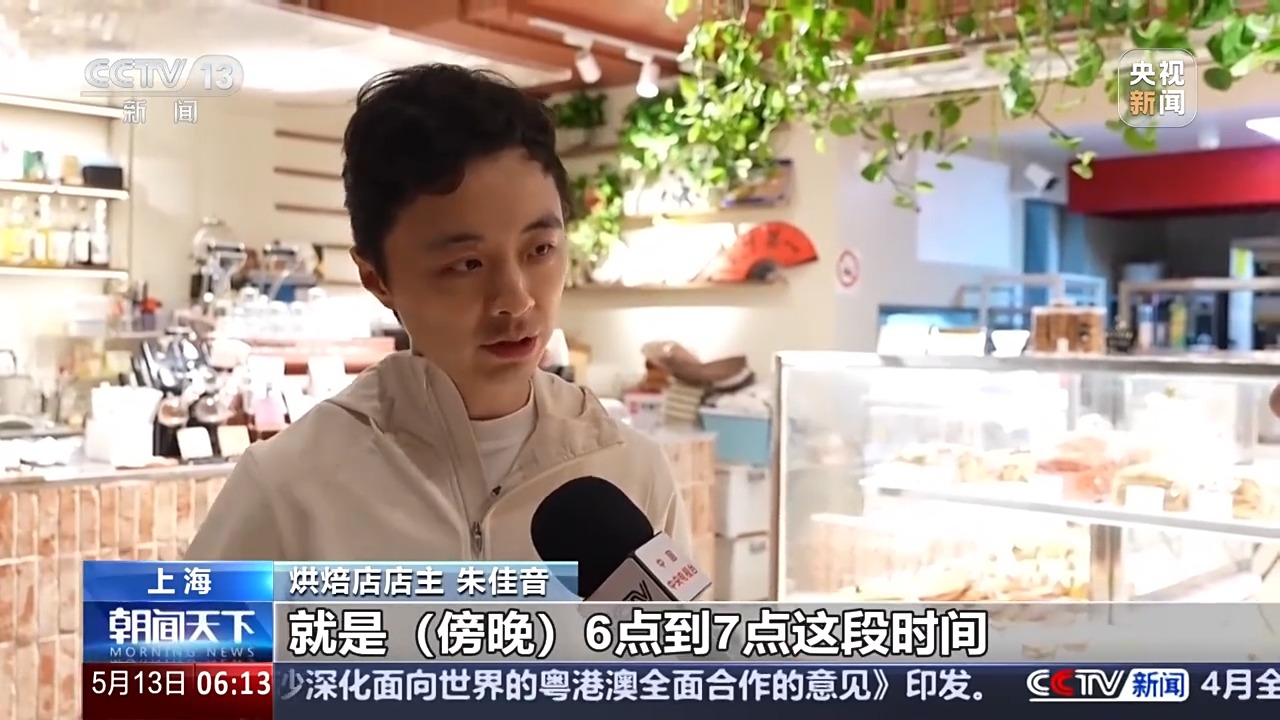
Group 1 - The core idea is that young people are not only consumers but also creators of innovative consumption models, as evidenced by initiatives in Shanghai to enhance youth-oriented commercial spaces and activities [1][8] - The establishment of youth night schools in Shanghai has led to increased evening consumer activity, benefiting local businesses such as bakeries, which reported a 50% increase in orders due to the influx of students and young professionals [3][4] - The youth night school model is being expanded across Shanghai, aiming to create a "youth night school + youth center + youth consumption" integrated development framework [8][20] Group 2 - The "coffee +" consumption model is being explored in Shanghai's Xuhui District, where coffee shops are adapting to attract students by offering non-caffeinated drinks and special promotions during peak school hours [9][12] - Various coffee shops in the area are implementing creative strategies, such as student packages and themed events, to differentiate themselves in a highly competitive market [14][16] - Xuhui District is conducting research to address the operational challenges faced by coffee shop owners and to foster innovation through community engagement and skill training [16][20] Group 3 - The Longjing District is promoting a "one store, one feature" model to enhance the visibility and uniqueness of youth-oriented shops, addressing issues like low brand recognition and high innovation costs [17][25] - The district has launched a special policy to provide comprehensive support for young entrepreneurs, including funding, venue matching, and promotional assistance [20][24] - Collaboration between universities and local communities is being encouraged to create vibrant youth consumption scenes, with students actively participating in the revitalization of local businesses [25][27]
半个月关闭29家门店,永辉、宜得利、沃尔玛持续调整
3 6 Ke· 2025-05-12 23:19
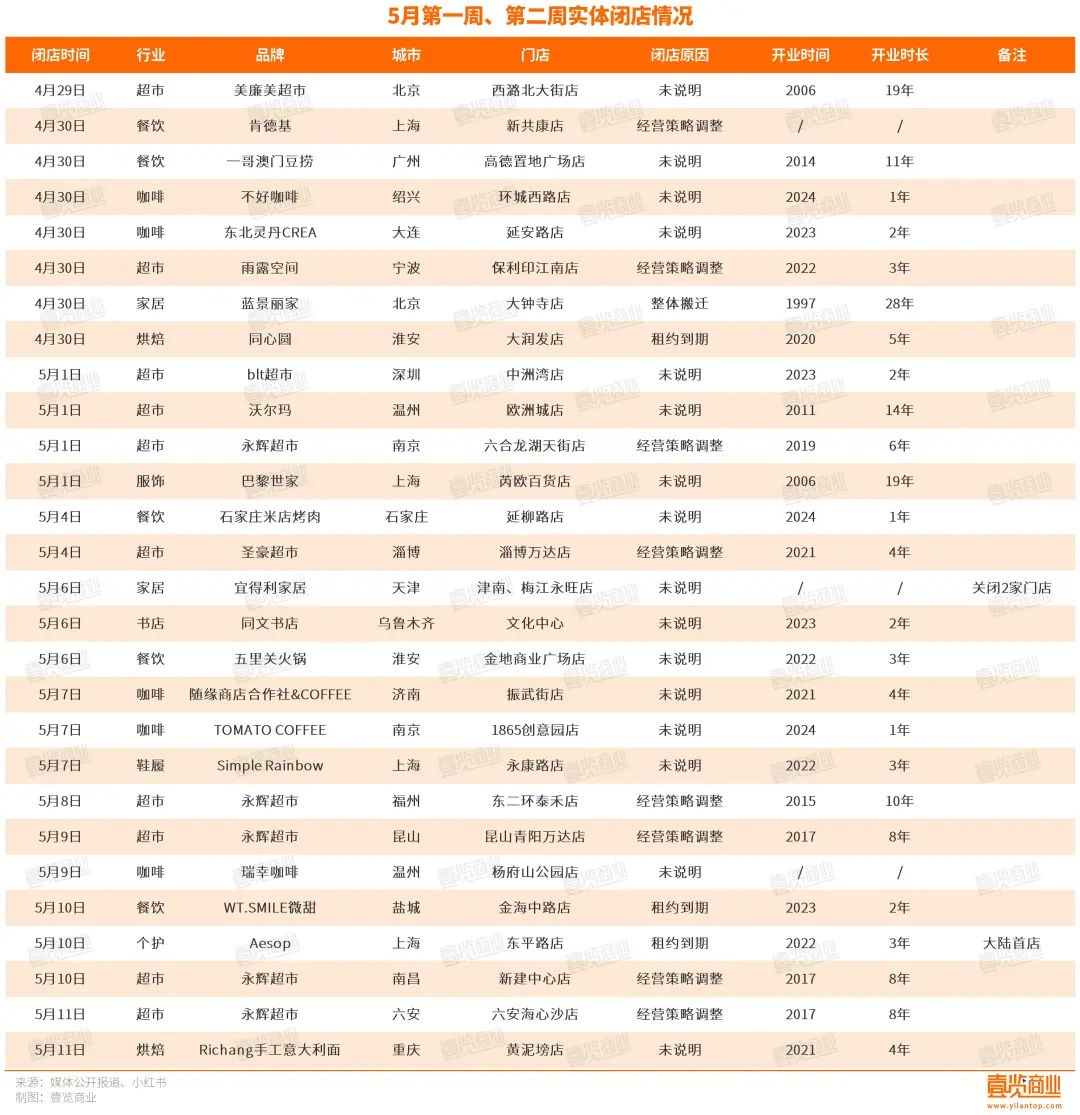
据壹览商业不完全统计,5月第一、第二周,共24个品牌关闭了至少29家门店。 | | | | 200 200 | 1807 33 =157 3= 14-1-3712 11-3 (1) | | | | | | --- | --- | --- | --- | --- | --- | --- | --- | --- | | 闭店时间 | 行业 | 品牌 | 城市 | 门店 | 闭店原因 | 开业时间 | 开业时长 | 备注 | | 4月29日 | 超市 | 美廉美超市 | 北京 | 西潞北大街店 | 未说明 | 2006 | 194 | | | 4月30日 | 餐饮 | 肯德基 | 上海 | 新共康店 | 经营策略调整 | 7 | 1 | | | 4月30日 | 餐饮 | 一哥澳门豆捞 | 广州 | 高德置地广场店 | 未说明 | 2014 | 11年 | | | 4月30日 | 颜佳 | 不好咖啡 | 绍兴 | 环城西路店 | 未说明 | 2024 | It | | | 4月30日 | 顾非 | 东北灵丹CREA | 大连 | 延安路店 | 未说明 | 2023 | 2年 | | | 4月30日 | 超市 | 雨露 ...

「咖啡+贝果」卷不过「9块9」,Tims天好中国还在亏损
36氪· 2025-05-12 10:07
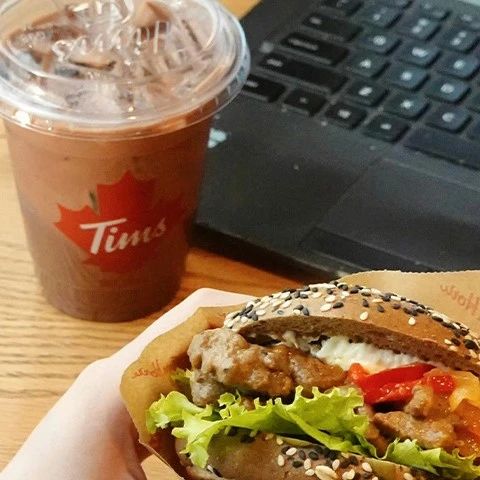
Core Viewpoint - Tims China is struggling to achieve profitability despite its efforts to differentiate itself in the highly competitive coffee market through a "coffee + warm food" strategy, while facing significant financial challenges and competition from established brands like Luckin Coffee [3][4][15]. Financial Performance - In 2024, Tims China reported total revenue of 1.391 billion RMB, a decrease of 10.8% year-on-year, with a net loss of 409 million RMB, although this represented a significant reduction in losses compared to previous years [8][21]. - The company’s cash and cash equivalents decreased by 16.08% to 184.2 million RMB by the end of 2024, compared to 219.5 million RMB in the previous year [21]. - Tims China’s total liabilities reached 2.397 billion RMB, with short-term borrowings amounting to 381 million RMB, indicating increased financial pressure and liquidity challenges [22]. Business Strategy - Tims China has shifted its focus to franchise operations, with a total of 1,022 stores by the end of 2024, of which 576 are company-owned and 446 are franchised, marking an increase of 163 franchise stores within a year [11][12]. - The company aims to enhance its profitability by closing unprofitable stores and optimizing its operational efficiency, alongside establishing a strategic position for its franchise business [22][15]. Market Competition - The coffee market in China has become increasingly competitive, with Tims China facing challenges from various brands engaging in price wars and expanding their product offerings [9][24]. - Tims China’s same-store sales growth has shown a decline, with a notable drop of 21.7% in the third quarter of 2024, reflecting the intense competition and market saturation [12][27]. Product Development - Tims China has introduced a "light bagel burger lunch box" series to attract customers during lunch hours, aiming to increase foot traffic and sales [4][28]. - The company has also revamped its store model to include "made-to-order" counters, allowing customers to see the preparation process, which is expected to enhance customer experience and drive sales [28][29]. Supply Chain Management - Tims China is leveraging its parent company RBI's global coffee supply chain to stabilize and reduce costs associated with coffee bean procurement, while also sourcing local coffee beans from Yunnan [24][25]. - The company has established partnerships with various suppliers to ensure a steady supply of ingredients, which is crucial for maintaining operational efficiency in a competitive market [32].
补贴大战库迪咖啡顺势加码:时间延长,力度加大,夯实万店基本盘
Huan Qiu Wang· 2025-05-12 02:28
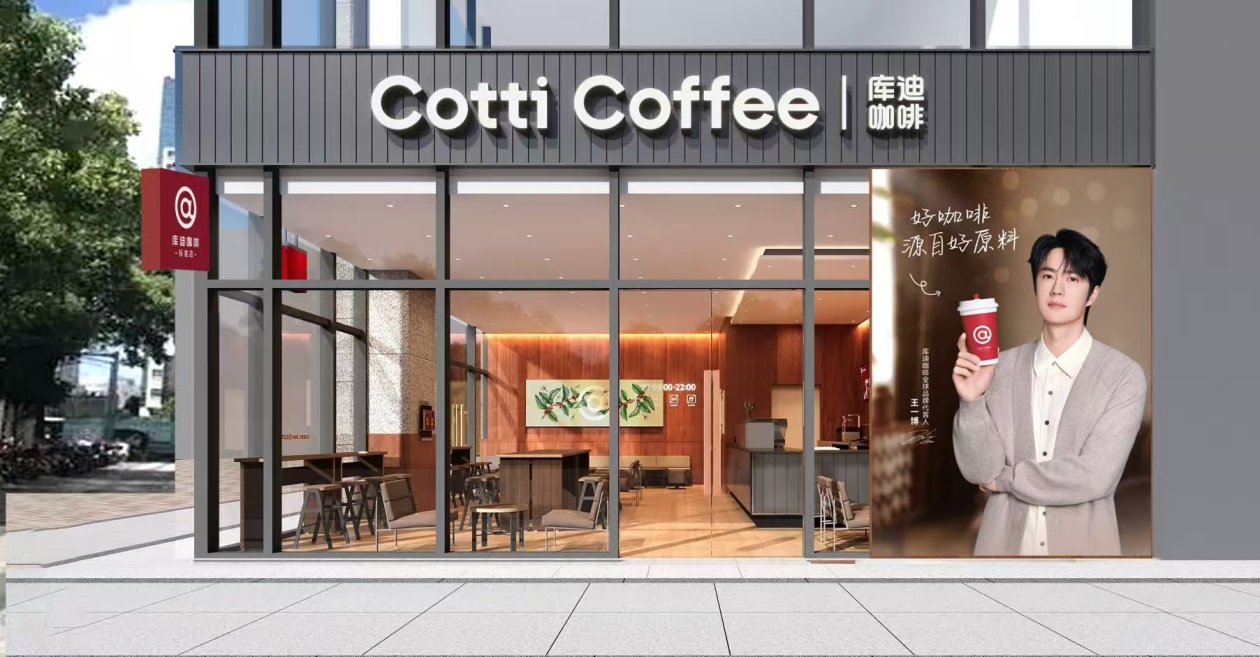
Core Insights - The ongoing competition in the food delivery market has led all platforms to prioritize subsidies for beverages like milk tea and coffee, driven by increased consumer demand as summer approaches [1] - Kudi Coffee has seen significant growth in store performance following JD's coupon issuance, with sales on Ele.me skyrocketing nearly tenfold within 24 hours of Taobao Flash Sale's full launch [3] - Kudi Coffee has extended its current store subsidy policy until December 31, 2028, demonstrating its commitment to long-term market cultivation and providing reassurance to its franchisees [3][4] Company Strategy - Kudi Coffee's decision to enhance its subsidy policy is supported by several advantages, including high repurchase rates for coffee, a focus on quality through a self-built supply chain, and a competitive pricing strategy that enhances consumer perception of value [4] - The company operates over 10,000 stores, ensuring nationwide coverage from first to fifth-tier markets, allowing for rapid scaling once partnerships with platforms are established [4] - Kudi Coffee's consistent pricing strategy of 9.9 yuan without hidden fees, combined with platform subsidies, results in lower final prices for consumers, increasing brand recognition and loyalty [4] Market Impact - The enhanced subsidy policy not only benefits consumers but also creates favorable conditions for franchisees, solidifying Kudi Coffee's position in the coffee market [5] - With the ongoing implementation of subsidy policies and market expansion, Kudi Coffee is expected to maintain its competitive edge and contribute to the broader recognition of domestic coffee brands [5]
库迪宣布门店补贴政策延长,价格战再打3年?
Sou Hu Cai Jing· 2025-05-11 14:13
Core Viewpoint - Kudi Coffee has announced an extension of its current store subsidy policy until December 31, 2028, and introduced a new subsidy for "high rent, low cup volume" stores to lower the barriers for franchisees and accelerate market cultivation [2][5]. Subsidy Policy Details - The new subsidies include a training subsidy for stores in lower-tier markets, with specific support based on daily sales volume. For stores selling fewer than 40 cups daily, the subsidy per cup is increased by 2 yuan, reaching a total of 11.9 yuan. For sales between 40-70 cups, the subsidy is 1.5 yuan, totaling 11.4 yuan. No subsidy is provided for sales above 130 cups, as this is near the breakeven point [3][4]. - For high-rent locations, stores with monthly rents between 15,000 and 20,000 yuan receive an additional 1 yuan per cup, totaling 10.9 yuan. For rents between 20,000 and 25,000 yuan, the subsidy is 1.5 yuan, totaling 11.4 yuan. Stores with rents above 45,000 yuan receive a 4 yuan subsidy, totaling 13.9 yuan [4]. Market Strategy - Kudi aims to penetrate lower-tier markets where coffee consumption habits are not fully developed. The strategy of "compensating quantity with price" lowers the profitability threshold for franchisees, allowing them to establish a foothold in low-frequency consumption areas [5]. - The company also encourages franchisees to open stores in core business districts, enhancing brand exposure and creating synergistic effects for surrounding stores, thereby increasing overall market penetration [5]. Operational Model - Kudi has introduced a management model in certain regions, allowing franchisees in major cities to apply for management services for a fee of 1% of store revenue. This reduces operational complexity for franchisees, enabling them to focus on market expansion rather than daily management [5]. Sales Performance - Kudi's sales surged recently, with a reported tenfold increase in orders on the Ele.me platform within 24 hours of launching on Taobao Flash Sale, making Kudi the top coffee brand on the platform [5]. Sustainability Challenges - The sustainability of Kudi's subsidy policy is questioned, particularly regarding the potential conflict between reliance on subsidies and profitability goals. For instance, a store selling 40 cups daily could receive over 200,000 yuan in subsidies annually, leading to potential annual subsidy expenditures exceeding 5 billion yuan if half of the targeted 50,000 stores require support [6]. - Concerns also arise about the diminishing marginal returns of the subsidy policy and whether consumer demand in lower-tier markets can sustain high subsidy levels. Additionally, the risk of price wars due to high-rent subsidies may pose future challenges for Kudi [6].