汽车

Search documents
特朗普关税被推翻,印度紧急叫停,为何只有日本不敢撕毁协议?
Sou Hu Cai Jing· 2026-02-24 05:34
Group 1 - The U.S. Supreme Court ruled 6-3 that the International Emergency Economic Powers Act does not authorize the president to impose large-scale tariffs, nullifying Trump's tariffs and causing global trade turmoil [1][2] - France's Economy Minister and Germany's Chancellor praised the ruling, indicating a potential for renegotiation of trade agreements with the U.S. and signaling a shift in the global trade landscape [1][2] - India postponed its trade delegation to the U.S. to reassess the implications of the Supreme Court ruling, reflecting domestic political pressures and potential renegotiation of a recently agreed trade framework [2][4] Group 2 - Japan remains cautious and does not intend to revoke its investment agreement with the U.S., despite the Supreme Court ruling, due to concerns over potential U.S. tariffs on Japanese automobiles [2][5] - Japanese Prime Minister Kishi's political career is closely tied to the trade agreement with the U.S., limiting her ability to negotiate or alter the terms without risking political fallout [4][5] - The Japanese government is wary of provoking the U.S. given Trump's threats to increase tariffs, which could significantly impact Japan's automotive exports [5][7]


平安证券(香港)研究
Ping An Securities Hongkong· 2026-02-24 05:31
Market Overview - The Hang Seng Index closed at 27,081.91, up 2.53% with a year-to-date increase of 5.66% [5] - The Hang Seng Technology Index rose by 3.34% to 5,385.35, but has a year-to-date decline of 2.37% [5] - The Hang Seng China Enterprises Index increased by 2.65% to 9,197.38, with a year-to-date rise of 3.18% [5] - The total market turnover was HKD 173 billion, indicating strong trading activity [5] Sector Performance - The materials sector saw a significant increase of 4.27%, with companies like Ganfeng Lithium rising over 8% and Zijin Mining up nearly 7% [3] - The local real estate, software, and 5G sectors experienced declines, while gold stocks performed well amid rising gold prices [3][10] - The energy sector also showed strong performance, with a year-to-date increase of 19.1% [5] Investment Opportunities - The report emphasizes the importance of "technological self-reliance" and AI applications as key themes for future growth in the Hong Kong stock market [3] - Companies in the AI and semiconductor sectors are expected to benefit from government policies aimed at enhancing domestic capabilities [3] - The report suggests focusing on sectors supported by domestic consumption policies, such as sports apparel and non-essential services [3] Notable Company Performances - NIO and BYD, key players in the new energy vehicle sector, saw stock increases of nearly 6% and 5% respectively [3] - Zijin Mining's stock rose by 5.2% due to increased prices of core products like copper and gold, which are expected to enhance profitability [10] - The report highlights the contrasting fortunes of AI companies, with some like Zhiyuan facing challenges while others like Youjia Innovation are advancing in commercial applications [11]
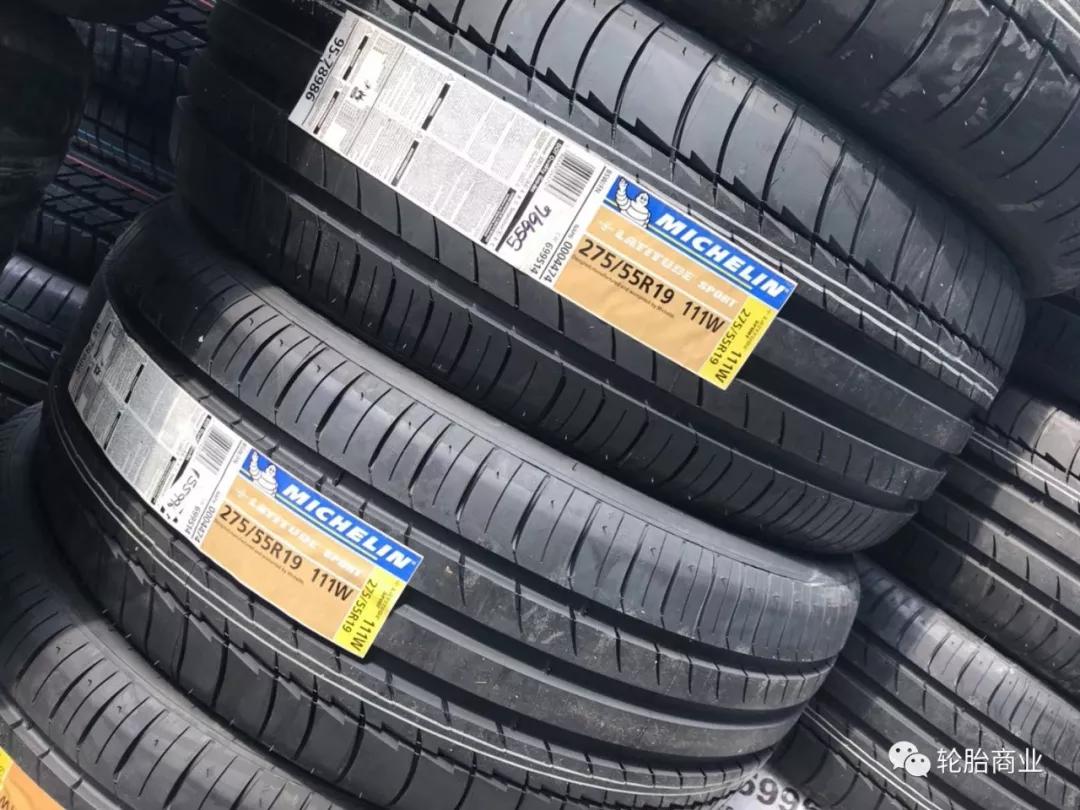
畸形,国产汽车拒绝国产轮胎!
Xin Lang Cai Jing· 2026-02-24 05:27
Core Viewpoint - The Chinese automotive market is experiencing rapid growth, with domestic brands emerging quickly due to favorable market conditions, yet there is a notable reluctance among these brands to partner with local tire manufacturers [1][29]. Group 1: Domestic Automotive Brands and Tire Partnerships - Domestic automotive brands, like Xiaomi and Great Wall, predominantly choose international tire brands such as Michelin and Bridgestone for their vehicles, indicating a preference for established global brands over local options [4][34]. - The recent launch of Xiaomi's SU7 highlights its exclusive partnerships with premium tire brands, with an average tire price constituting about 5% of the vehicle's total price [4][32]. - The 2023 new car original equipment tire rankings show that only a few domestic tire brands, like Linglong and Chaoyang, are making it into the top tier, with most high-end vehicles still opting for international brands [8][36]. Group 2: Challenges for Domestic Tire Manufacturers - Domestic tire manufacturers face significant challenges in competing with established international brands, primarily due to a lack of advanced technology and brand recognition [16][44]. - The perception of domestic tires is hindered by their insufficient technological innovation and the absence of compelling patents, which are crucial for gaining consumer trust [17][45]. - Brand recognition plays a critical role in consumer choice, with international brands investing heavily in marketing and sponsorships to enhance visibility and credibility [18][46]. Group 3: Market Dynamics and Future Prospects - The rise of new energy vehicles in China has provided an opportunity for domestic tire brands to gain traction, particularly as they align with the growing domestic automotive industry [13][41]. - Despite the challenges, there is potential for domestic tire brands to improve their market position by enhancing technology, marketing strategies, and distribution channels [28][56]. - The relationship between domestic automotive and tire manufacturers may evolve, fostering a sense of national brand loyalty and collaboration in the future [20][56].

“从没见过中国这样的挑战,直戳德国痛处”
Guan Cha Zhe Wang· 2026-02-24 04:56
Group 1 - The core viewpoint of the article highlights the increasing industrial strength of China, which is causing significant concern for traditional industrial powers like Germany, particularly as German Chancellor Merz prepares for a visit to China [1][2] - The German mechanical and automotive industries are experiencing intense competition from Chinese companies, leading to a rapid shift in the industrial sector's attitude towards China [1][4] - The German Mechanical Engineering Industry Association (VDMA) indicates that the perception of China among its members is changing at an unprecedented pace, reflecting a sense of urgency in addressing the challenges posed by Chinese competition [2][4] Group 2 - The German mechanical industry is facing a crisis, with employment expected to fall below the symbolic threshold of 1 million due to fierce competition from China [4] - There is a divide among German companies regarding their approach to China, with some advocating for a softer trade policy while others support a tougher stance, viewing China as an economic threat [7][8] - Despite concerns, many German companies are increasing their investments in China, with last year's investments reaching a four-year high, indicating a complex relationship where China is seen as both a challenge and an opportunity [8][9] Group 3 - The upcoming visit by Chancellor Merz is marked by a large business delegation, the largest since former Chancellor Merkel's first term, reflecting the importance of this diplomatic engagement [5][9] - Analysts suggest that Merz faces a delicate balancing act between addressing geopolitical concerns regarding China and maintaining strong economic ties, especially in light of the ongoing tensions with the U.S. and Russia [10][11] - The visit is seen as a critical test for Merz, as he navigates the complexities of Germany's economic relationship with China while addressing domestic and international pressures [12][13]
永争第一!中国最强省,出手了
Xin Lang Cai Jing· 2026-02-24 04:55
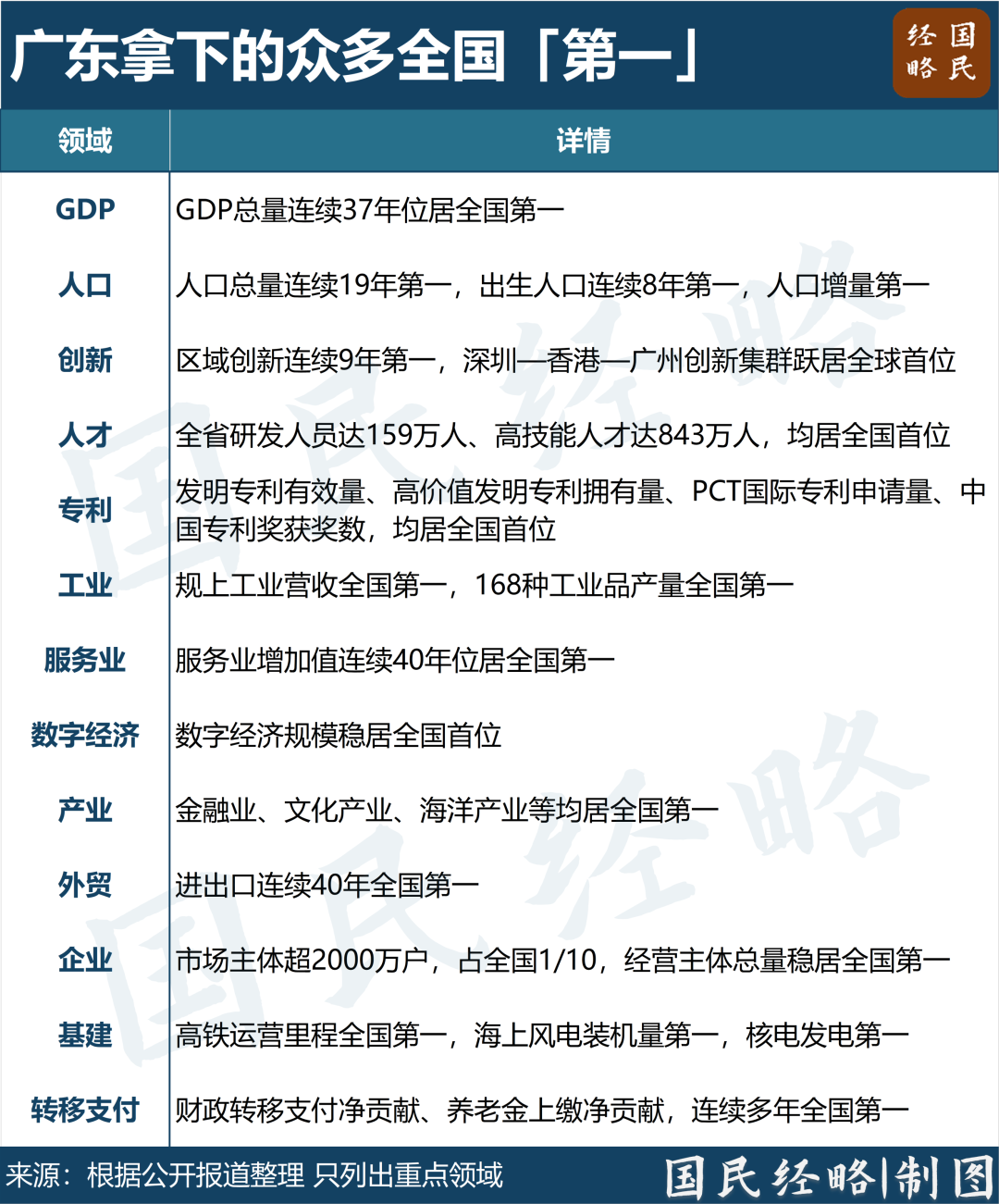
Core Viewpoint - Guangdong aims to double its economic output by 2035, reaching approximately 25.8 trillion yuan, showcasing its ambition to maintain its status as China's leading province in various sectors [1][11]. Economic Performance - Guangdong has maintained the highest GDP in China for 37 consecutive years, with a projected GDP of 14.58 trillion yuan by 2025, ranking 11th globally, surpassing countries like Australia and South Korea [3][11]. - The province's population reached 129 million in the previous year, with a net increase of 790,000 and a birth rate of 1.003 million, all ranking first in the nation [3][11]. Innovation and Competitiveness - Guangdong leads in regional innovation for nine consecutive years, with significant achievements in patent applications and awards, indicating a strong capacity for industrial technology integration [2][7]. - The "Shenzhen-Hong Kong-Guangzhou" innovation cluster is set to rank first globally by 2025, surpassing established tech hubs like Tokyo and San Francisco [8][7]. Industrial and Service Sector Leadership - The province's industrial revenue and service sector value added are both ranked first nationally, with Guangdong accounting for one-eighth of China's industrial scale [4][11]. - Guangdong has established ten trillion-yuan industrial clusters across various sectors, including electronics, information services, and new energy [4][11]. Fiscal Contributions - As the top fiscal contributor, Guangdong generates over 2 trillion yuan in domestic tax revenue annually, with a net contribution of approximately 800 billion to 1 trillion yuan after transfers [6]. - The province has contributed over 500 billion yuan in pension funds since 2018, exceeding the total contributions of all other provinces combined [6]. Future Growth Strategy - To achieve its 2035 GDP target, Guangdong needs to maintain an annual nominal growth rate exceeding 5%, which poses challenges given the current economic transition [11][13]. - The focus on the synergy between manufacturing and service industries is crucial for sustaining economic growth and enhancing competitiveness in a rapidly changing global landscape [9][11].
未知机构:东北计算机20260222马斯克特斯拉FSD已能识别人类手势信号-20260224
未知机构· 2026-02-24 04:45
Summary of Conference Call Company and Industry - The conference call discusses **Tesla** and its advancements in **Full Self-Driving (FSD)** technology. Core Points and Arguments - **Recognition of Human Gestures**: Elon Musk announced that Tesla's FSD technology is now capable of recognizing human gesture signals, indicating a significant advancement in the vehicle's autonomous capabilities [1]. Other Important but Possibly Overlooked Content - The announcement reflects Tesla's ongoing commitment to enhancing its FSD features, which may impact the competitive landscape in the autonomous driving industry [1].

野村:起亚可能比现代汽车更多地受益于机器人技术
Xin Lang Cai Jing· 2026-02-24 04:37
Core Viewpoint - Analysts from Nomura suggest that Kia may experience a greater valuation uplift from its parent group's robotics technology plan compared to its sibling company Hyundai [1] Group 1: Valuation and Price Target - Kia's stock is valued at 8 times its expected earnings for 2026, while Hyundai's stock is valued at 11 times [1] - Nomura raised Kia's target price by 9.1% to 240,000 KRW, maintaining a buy rating due to the expected productivity gains from humanoid robots [1] Group 2: Robotics Technology Impact - Both companies are expected to benefit from their robotics affiliate Boston Dynamics and the plan to deploy humanoid robots in manufacturing plants starting in 2028 [1]

德国总理默茨将访问宇树科技
Jin Rong Jie· 2026-02-24 04:15
据环球时报,根据德国总理府网站公布的访华行程,默茨24日从德国启程,将于25日在北京出席德中经 济顾问委员会座谈会,并与中国领导人举行会晤。在北京访问期间,他还将参观故宫以及德国车企梅赛 德斯-奔驰。之后,默茨将前往杭州,访问中国机器人企业宇树科技以及德国企业西门子能源。 财经频道更多独家策划、专家专栏,免费查阅>> 责任编辑:山上 ...
美国关税大棒抡到盟友头上 日本急眼:花5500亿买的“免死金牌“呢?
Zhi Tong Cai Jing· 2026-02-24 04:15
Core Viewpoint - Japan's Economic Minister Ryosei Akazawa warns that any new U.S. tariff measures should not place Japan in a worse position than the trade agreement reached last year, emphasizing the importance of maintaining favorable trade conditions [1] Group 1: U.S.-Japan Trade Agreement - The U.S. and Japan are committed to closely cooperating to ensure the swift and smooth implementation of projects under the $550 billion investment mechanism [1] - The trade agreement includes Japan's commitment to establish a $550 billion investment tool in exchange for the reduction of U.S. import tariffs on Japanese automobiles from 27.5% to 15% [1] - Japan's Chief Cabinet Secretary Minoru Kihara states that the government will continue to steadily implement the trade agreement and monitor any impacts from U.S. actions [2] Group 2: Current U.S. Tariff Situation - The U.S. government plans to impose a 10% tariff starting Tuesday, following a Supreme Court ruling that deemed Trump's "reciprocal tariffs" illegal [1] - Trump has threatened to increase the tariff rate to 15%, although this may not lead to harsher conditions for Japan, as Japanese products already face a 15% import tariff [1] - Former Defense Minister Itsunori Onodera describes the current U.S. tariff situation as chaotic but rules out Japan seeking to renegotiate the agreement [3] Group 3: Investment Projects - Recently announced investment projects by Trump include a data infrastructure project, a deep-sea oil terminal, and a synthetic diamond manufacturing facility for semiconductors, all located within the U.S. [2]
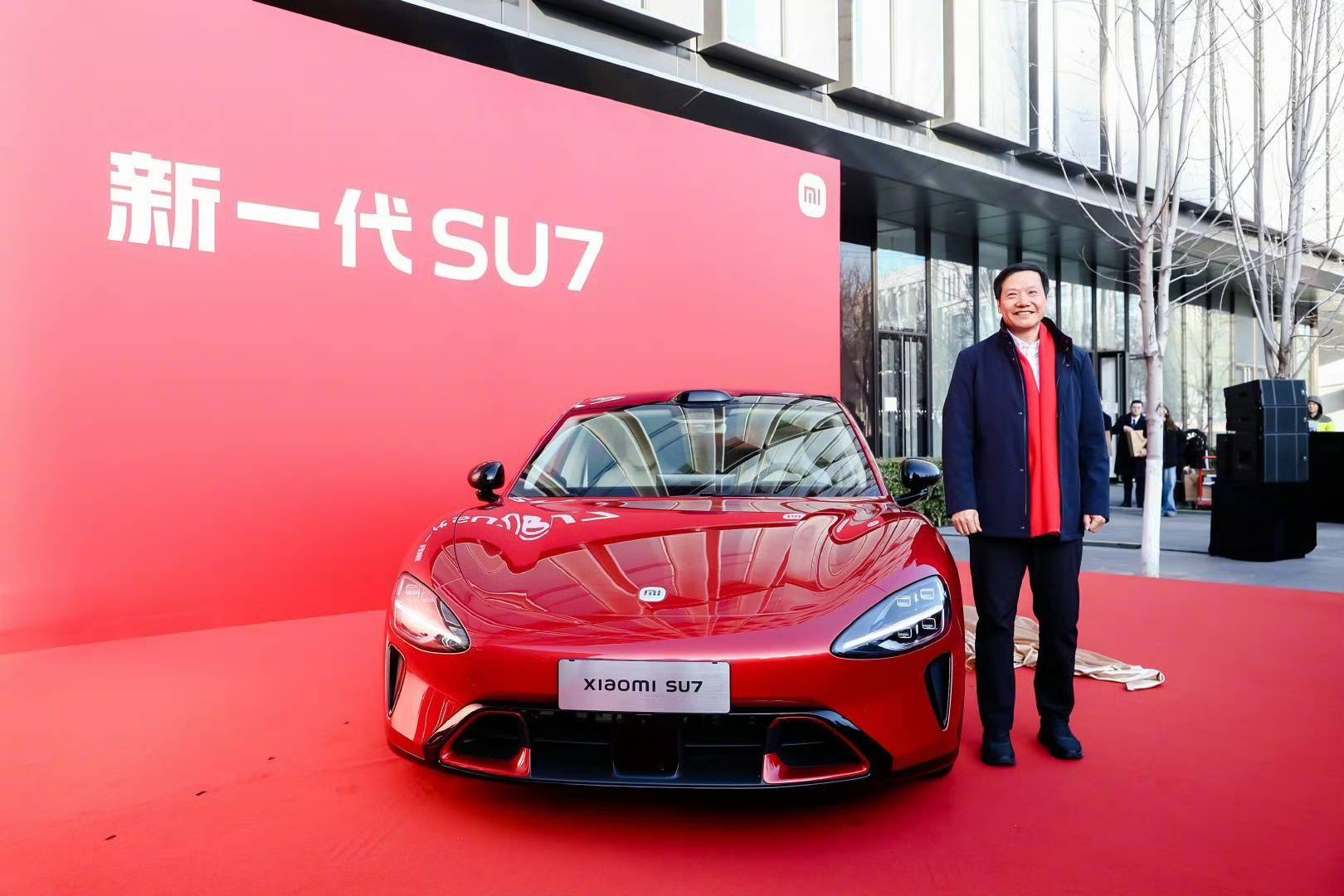
雷军官宣新一代小米SU7全新颜色“赤霞红”
Sou Hu Cai Jing· 2026-02-24 04:05
春节假期后上班第一天,小米集团创始人、董事长兼CEO雷军发微博官宣了新一代小米SU7的全新颜色"赤霞红"。雷军还表示:"我相信,新一代SU7依然是 一台值得期待的Dream Car!新一代SU7,一定会给小米带来马年开门红。"根据小米汽车公布,新一代小米SU7已于 1 月初开启小订,预售价 22.99 万-30.99 万元,预计 2026 年 4 月上市。相比现款车型,新车全系标配激光雷达、700TOPS 辅助驾驶算力、4D毫米波雷达、Xiaomi HAD 端到端辅助驾驶,并且将标 准版车型升级至752V 碳化硅高压平台,续航最高可达902km。 来源:金融界汽车 ...