
咖啡

Search documents
星巴克中国门店覆盖上千个县级市场
Bei Jing Ri Bao Ke Hu Duan· 2025-04-30 09:45
Core Insights - Starbucks reported a revenue of $739.7 million for Q2 of fiscal year 2025, marking a 5% year-over-year growth, indicating a recovery in growth [1] - The company achieved a same-store transaction growth of 4% compared to the previous quarter, reflecting positive performance across various business districts and city tiers [1][2] Group 1: Market Position and Competition - The Chinese coffee market has been dominated by foreign brands like Starbucks, particularly in first and second-tier cities, but local brands are increasingly gaining market share through product localization and flexible distribution [1] - Starbucks is actively competing in lower-tier markets and accelerating its localization efforts to adapt to the changing competitive landscape [1] Group 2: Store Expansion and Product Innovation - As of the end of Q2, Starbucks had a total of 7,758 stores in China, covering over 1,000 county-level markets, showcasing its extensive reach [1] - The company has introduced innovative products tailored to local preferences, such as the "True Flavor No Sugar" coffee and a special coffee bean blend themed around the Chinese New Year, developed by a local team [1]

星巴克重回增长,它最要感谢的是瑞幸
3 6 Ke· 2025-04-30 09:39
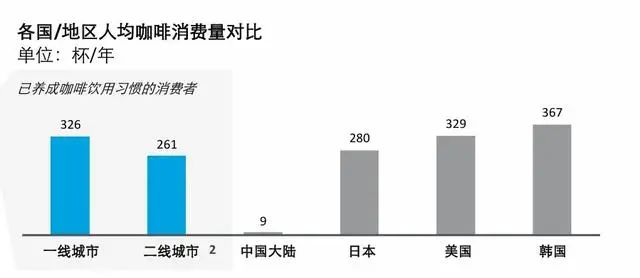
Core Viewpoint - Starbucks has successfully implemented its "Original Intention Plan," leading to a resurgence in growth, with Q2 FY2025 revenue reaching $739.7 million, a 5% year-over-year increase [2]. Group 1: Financial Performance - Starbucks reported Q2 FY2025 revenue of $739.7 million, marking a 5% increase compared to the previous year [2]. - The CEO of Starbucks, Brian Niccol, indicated that recent adjustments in product lines in China have begun to yield positive results [2]. Group 2: Competitive Landscape - The media often compares Luckin Coffee and Starbucks, but they are not direct competitors; rather, Luckin is a potential strong competitor [6][10]. - Luckin Coffee's target demographic is significantly younger, with 62% of its users aged 18-30, while Starbucks primarily serves white-collar and business customers aged 25-60 [10]. - The revenue growth of Luckin Coffee from 2020 to 2024 shows a significant increase, indicating that both companies operate in distinct market segments [10]. Group 3: Market Dynamics - The Chinese coffee market is not saturated but is still in a growth phase, with significant potential for expansion, especially in lower-tier cities [14][20]. - The average coffee consumption in China is still low compared to developed countries, suggesting ample room for growth [17][19]. Group 4: Consumer Behavior - A shift in consumer preferences has been noted, with some long-time Starbucks customers now opting for Luckin Coffee due to factors such as price and variety [22][24]. - Starbucks faces challenges in maintaining its appeal, as consumers perceive its offerings as less valuable compared to the competitive pricing and variety provided by Luckin [24][25]. Group 5: Strategic Insights - The real challenge for Starbucks lies in internal innovation and adapting to changing market dynamics rather than external competition [21][25]. - The emergence of strong competitors like Luckin Coffee can serve as a catalyst for Starbucks to enhance its offerings and maintain market relevance [25].


星巴克中国二季度业绩触底反弹了?CEO称咖啡价格不会调整
Sou Hu Cai Jing· 2025-04-30 09:27
Core Insights - Starbucks China is showing signs of stabilization in its performance, with Q2 revenue reaching $740 million, a 5% year-over-year increase, despite a slight decline in average transaction value [2][3] - The company is focusing on local market demands, launching products tailored for Chinese consumers, such as the Spring Festival-themed coffee beans and the "No Sugar" innovation system [3] - The overall market response remains cautious, as Starbucks' earnings per share and total revenue fell short of pre-report expectations, leading to a 6.32% drop in stock price post-earnings release [4] Financial Performance - Global net revenue for Q2 reached $8.8 billion, a 2% year-over-year increase, but same-store sales declined by 1% [2] - Starbucks China had a same-store transaction volume growth of 4% compared to a 4% decline in the previous year [2] - The total number of Starbucks stores in China reached 7,758, with a net increase of 73 stores in Q2, accounting for over one-third of the global net increase of 213 stores [2] Product Strategy - The company has introduced products specifically designed for the Chinese market, such as the Rose 20 series and Jasmine 100 series, which have been well-received [3] - The CEO emphasized the importance of maintaining stable pricing for the remainder of the fiscal year [3] Market Sentiment - Investors are exhibiting caution due to concerns over Starbucks' ability to meet future profitability targets and sustain growth, as reflected in the stock price decline following the earnings report [4]

双线联动、亿元补贴,上海国际咖啡文化节点燃节日消费“新引擎”
Guo Ji Jin Rong Bao· 2025-04-30 08:42
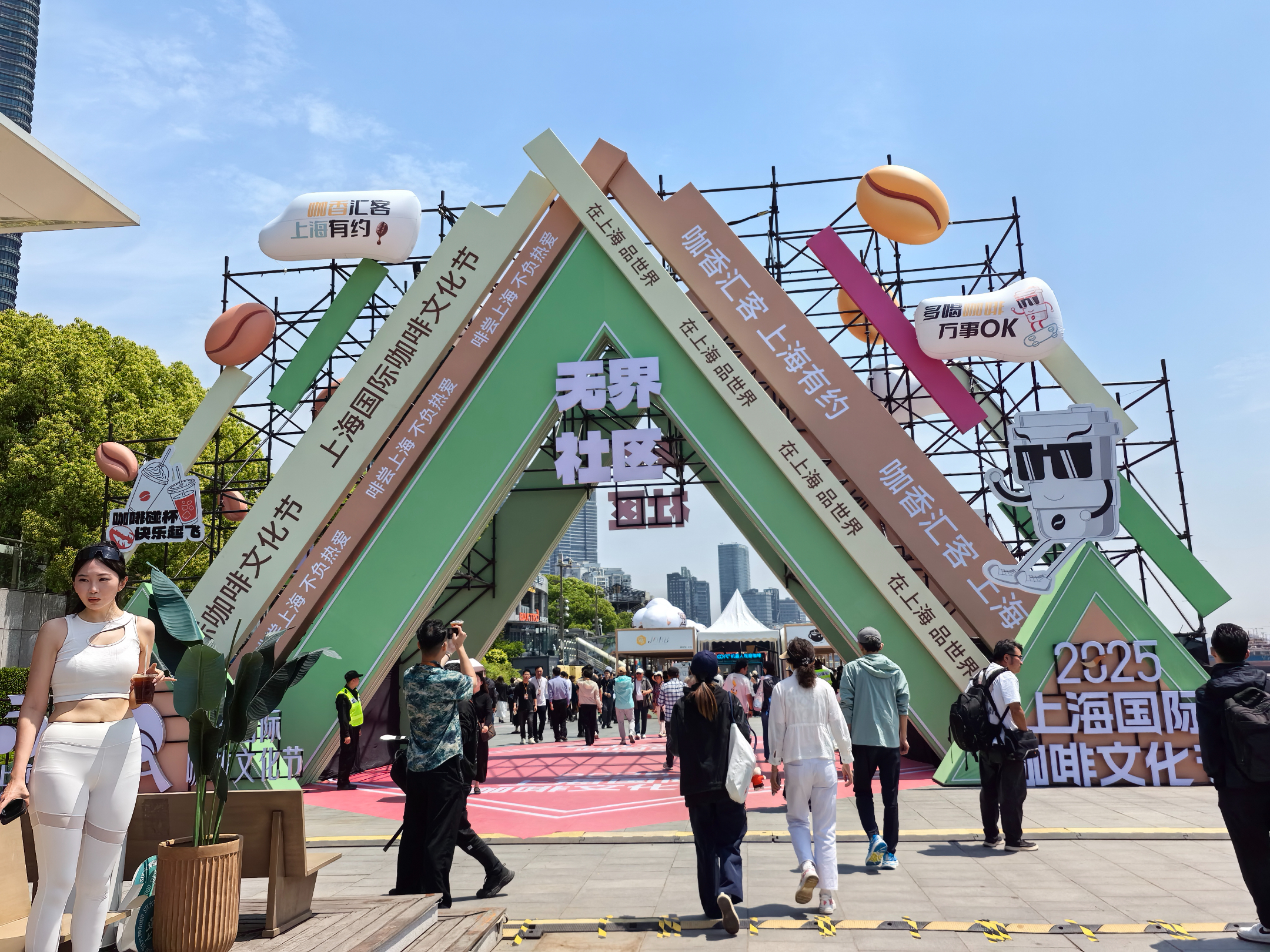
Group 1 - The Shanghai International Coffee Culture Festival 2025 opened on April 30, themed "Coffee Aroma Gathering, Shanghai Invitation," as part of the 6th Shanghai "Five-Five Shopping Festival" [1] - The event focuses on "coffee + cultural tourism and commerce," promoting consumption and internationalization, engaging multiple market entities across 16 districts and the Lingang New Area [1][3] - Shanghai has 9,115 coffee shops, with the coffee industry in China expected to reach a scale of 313.3 billion yuan in 2024, reflecting an 18.1% growth rate from the previous year [3][5] Group 2 - In 2024, Shanghai's coffee consumption data shows 32.85 million coffee delivery orders, with a diverse range of products reflecting both traditional flavors and urban characteristics [5] - Yunnan coffee has seen significant growth, with transaction volume on platforms like Taobao and Tmall exceeding 417 million yuan in 2024, a 17.3% increase, and is projected to surpass 500 million yuan in 2025 [6][8] - The festival features over 350 booths from quality coffee brands, integrating various activities such as performances, sports, cultural experiences, and food, creating a new consumption scene [9][14] Group 3 - The festival promotes cross-industry collaboration, integrating coffee with culture, sports, and public welfare, enhancing the cultural depth of coffee in Shanghai [31][36] - Major platforms are launching substantial subsidies and promotional activities during the coffee festival, including limited-time offers and special discounts to stimulate consumer engagement [26][28] - The event has evolved from an industry event to a city IP, showcasing Shanghai's coffee culture and its integration with creativity, art, and fashion, contributing to economic growth [38]

啡漫AIP首发!AI+咖啡+动漫跨界融合,解锁咖啡产业AI新玩法
Zhong Guo Shi Pin Wang· 2025-04-30 03:23
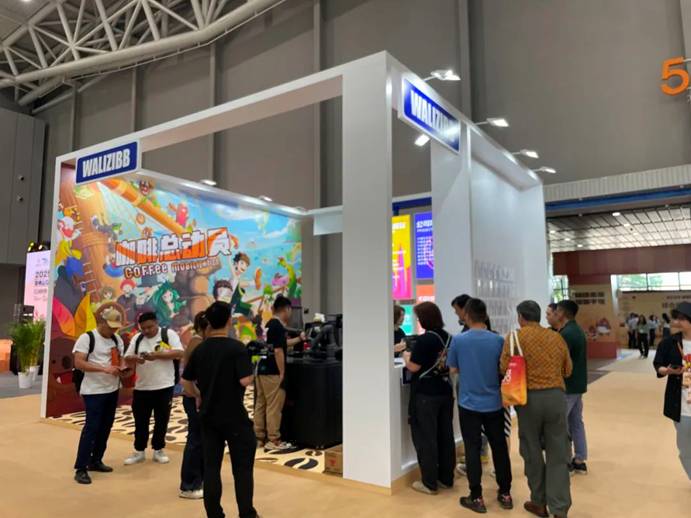
4月29日,佛山GALA咖啡节在潭州国际会展中心拉开帷幕。作为华南地区最具影响力的咖啡盛会,今 年的GALA咖啡节不仅汇聚了全球精品咖啡品牌,更成为创新科技与行业碰撞的舞台。而在这场咖啡狂 欢中,啡漫——一个以"AI+咖啡+动漫"为核心的新锐品牌,凭借其颠覆性的跨界玩法,成为全场焦 点。 咖啡节现场直击:科技与咖啡的沉浸式碰撞 咖啡机器人化身"首席咖啡师",精准复刻手冲艺术,5分钟一杯拉花拿铁惊艳全场; 华里潮玩IP形象,吸引潮人打卡互动; 咖啡观察报揭秘从种植到杯中的全产业链故事; AIP体验区人头攒动,用户只需扫码进入小程序,AI客服"小啡"秒级响应,从口味推荐到咖啡知识科 普,全程"有梗有料"…… 啡漫并非传统意义上的咖啡品牌,而是一个用AI重构咖啡全产业链的「未来实验室」。它以"咖啡为媒 介,科技为引擎,动漫为表达",打通产业链上下游,构建了一个全新的生态圈: 咖啡豆供应链直连云南庄园,用区块链技术实现"一杯一溯源"; 咖啡总动员计划联合全国咖啡馆,用动漫IP赋能线下空间; 啡漫商城小程序打通线上消费,让精品豆、潮玩周边一键到家; AIP小程序则是最核心的"超级大脑",用AI串联起用户、品牌与产业链。 ...
星巴克中国 2025 财年第二季度财报亮眼 强势重振增长
Huan Qiu Wang· 2025-04-30 03:10
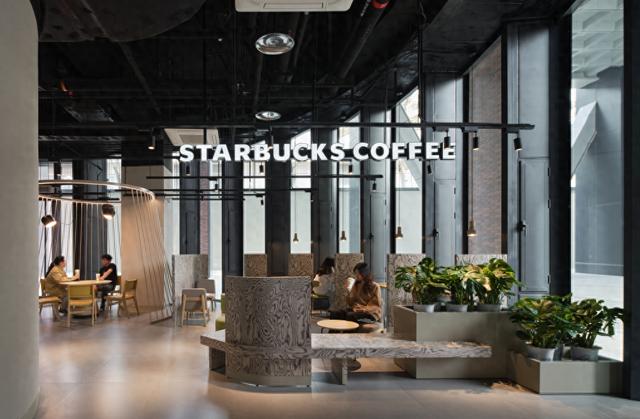
Core Insights - Starbucks reported strong performance in the Chinese market for Q2 of FY2025, with key indicators showing a robust recovery and growth momentum [1][3]. Financial Performance - In Q2, Starbucks China achieved revenue of $739.7 million, representing a 5% year-over-year increase [1]. - Same-store transactions rose by 4% year-over-year, with significant improvements in same-store sales across various market segments and operating hours [1]. - The operating profit margin for stores remained in double digits, indicating a solid operational foundation and strong resilience in growth [1]. Store Expansion - As of the end of Q2, Starbucks China had a total of 7,758 stores, expanding its reach to over 1,000 county-level markets [3]. - The company is actively integrating into local community cultures, creating unique "third space" experiences with various themed stores that resonate well with consumers [3]. Product Innovation - Starbucks China is focusing on local consumer demands, launching innovative products such as the Spring Festival-themed coffee beans, developed by a local team [5]. - The Belgian Dark Chocolate series has gained immense popularity, with 57% of the Belgian Dark Chocolate Latte becoming the best-selling item in a single day for 2024 [5]. - The introduction of the "No Sugar" innovation system is leading the flavor coffee market into a new era [5]. Brand Marketing - The company has engaged in cross-brand collaborations with popular brands like Snoopy and STAYREAL, enhancing consumer experience through product and cultural resonance [5]. Long-term Strategy - Starbucks China has been recognized with multiple awards, including the 2024 Mercer Best Employer and Top Employer "Outstanding Employer in China 2025" [7]. - The company continues to invest in community projects, such as a recent donation of 5 million yuan to support heritage preservation and rural women's empowerment [7]. - The CEO expressed confidence in the long-term growth of the Chinese market, emphasizing the effectiveness of product line adjustments and the nearly complete localization of the supply chain and roasting operations [7].
互联网营销师、育婴员、洗衣师获评商贸服务行业技术标兵
Hang Zhou Ri Bao· 2025-04-30 02:59
Group 1 - The event organized by Hangzhou's Commerce Bureau aims to enhance vocational skills in the commercial service industry through competitions, promoting a culture of learning and skill development among workers [1] - The competition is part of Hangzhou's strategy to build an international consumption center, focusing on standardizing and upgrading service levels in the commercial sector [1] - A total of 36 individuals from various professions, including internet marketing, tea arts, and e-commerce, were recognized as technical models and skilled workers in the 2024 competition [1] Group 2 - Following the rise of the "Hangzhou Six Little Dragons," the city is poised for rapid development, with the Commerce Bureau collaborating with various departments to cultivate high-quality skilled talent through annual competitions [2] - The competitions are designed to establish a solid foundation for the growth of the commercial service industry in Hangzhou [2]
肯悦咖啡进入“千店时代” 全球首个“北京礼物”咖啡社交概念店亮相北京
Zheng Quan Ri Bao Wang· 2025-04-30 02:35
Core Insights - KFC's coffee brand, Kenuo Coffee, has opened its 1,000th store in Beijing, marking a significant milestone in its expansion strategy [1] - The new store is a collaboration with Beijing's Culture and Tourism Bureau, featuring the world's first "Beijing Gift" coffee social concept store, integrating cultural experiences with coffee consumption [1][2] - Kenuo Coffee aims to appeal to younger consumers by offering high-quality, cost-effective creative coffee, reflecting the vibrant consumption landscape in China [1][2] Group 1 - Kenuo Coffee has rapidly expanded to 1,000 stores in just two years, showcasing its growth potential in the Chinese market [1] - The "Beijing Gift" brand focuses on blending traditional craftsmanship with modern design, enhancing the cultural and tourism experience in Beijing [2] - The collaboration introduces a unique coffee shop experience that combines coffee, culture, and social interaction, breaking traditional coffee shop boundaries [2] Group 2 - Kenuo Coffee utilizes locally sourced coffee beans from Yunnan, emphasizing environmental sustainability and support for China's coffee industry [2] - The coffee economy is highlighted as a vital aspect of China's economic resilience, with Kenuo Coffee planning to further expand its store network and enhance product innovation [2]
一天打三份工的00后:下班才是搞钱的开始
3 6 Ke· 2025-04-30 01:02
Core Viewpoint - The phenomenon of "post-00s working three jobs" has sparked significant discussion on social media, with over 140,000 notes under the hashtag 00后一天打三份工 on Xiaohongshu, showcasing the experiences of young people from various backgrounds [1] Group 1: Individual Experiences - A young individual named Xiao Zhu, a piano teacher, barista, and self-media blogger, shares a structured daily routine that includes working as a barista in the morning, teaching piano in the afternoon, and creating content at night, highlighting a preference for a fulfilling and busy lifestyle over a laid-back approach [5][11] - Xiao Zhu transitioned from a full-time piano teaching role to include part-time work as a barista, which provided a sense of accomplishment and a more structured day, contrasting with previous feelings of time wastage [5][9] - Another individual, Jing Wei, balances a full-time job in automotive project management with part-time roles as a street dance teacher and DJ, revealing the physical toll of such a demanding schedule, including weight gain due to overwork [15][17] Group 2: Financial and Personal Motivations - Jing Wei's financial motivation stems from a low starting salary in the automotive industry, prompting a need to supplement income through teaching and DJing, which collectively can yield around 15,000 yuan per month [17] - A third individual, Sen Mu, engages in multiple part-time jobs, including as a barista and bartender, while also pursuing a career as a self-media blogger, reflecting a desire for freedom and variety in work despite the instability of income [25][26] Group 3: Social and Emotional Aspects - Xiao Zhu finds joy in the social interactions and the sense of community fostered through her work, particularly in the café environment, where she connects with diverse customers [33] - Sen Mu expresses a sense of fulfillment from the supportive atmosphere in her bartending job, where colleagues encourage each other, contributing to a positive work environment [35][36] - The experiences shared by these individuals illustrate a broader trend among young people seeking meaningful work and personal growth through diverse job roles, despite the challenges and pressures involved [1][42]

8点1氪|清华教授表示将来有望每周上三休四;永辉超市回应标价7.96元实收8元;董明珠年薪1437.2万
3 6 Ke· 2025-04-30 00:08
Company Updates - Caocao Travel has submitted an IPO application to the Hong Kong Stock Exchange [1] - Luckin Coffee has appointed Li Hui as the new chairman, replacing Guo Jinyi, who will continue as CEO [6] - Douyu has been enforced to pay approximately 3.5 million RMB due to a court ruling [5] - The first quarter financial results of major companies show varied performance, with Gree Electric achieving a net profit of 32.185 billion RMB, a 10.91% increase year-on-year, despite a 7.26% decline in revenue [3] Financial Performance - Adidas reported a net profit of 428 million euros in Q1, exceeding market expectations of 376.4 million euros [14] - China Petroleum's Q1 net profit was 46.81 billion RMB, a 2.3% increase year-on-year, with revenue down 7.3% [15] - China Life's Q1 net profit reached 28.802 billion RMB, up 39.5% year-on-year, despite an 8.9% decline in revenue [16] - Guizhou Moutai reported a Q1 revenue of 50.601 billion RMB, a 10.54% increase year-on-year [17] Market Trends - The Long Triangle Railway expects a 6% increase in passenger volume during the May Day holiday, with an estimated 2.88 million passengers over the holiday period [7] - The cultural industry in China saw a 6.2% year-on-year increase in revenue in Q1 2025, with new business models growing by 12.5% [8] - The U.S. stock market saw all three major indices rise, with notable performances from Tesla and Netflix [9] Investment and Financing - Anhui Wanzhi Construction Engineering Co., Ltd. completed a 26 million RMB Pre-A round financing to advance smart construction technology [28] - "Yinshi Robot" completed nearly 100 million RMB in B3 round financing to enhance technology development and market expansion [29] - "Zhiyuan Gold Chain" secured angel round financing to develop distributed computing resources using blockchain technology [30]
