饮料

Search documents
账上趴着百亿现金,潮汕家族急着去香港IPO
Sou Hu Cai Jing· 2025-10-12 04:41
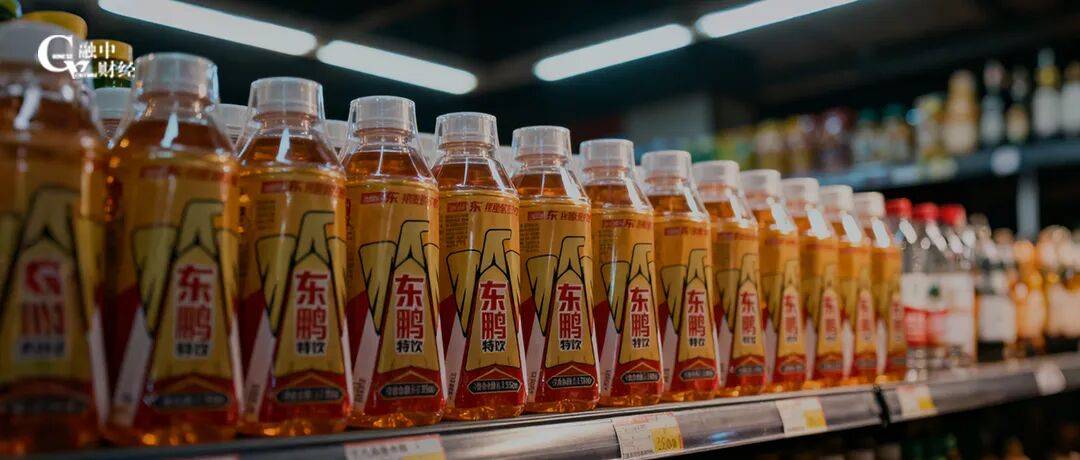
Core Viewpoint - Dongpeng Beverage has submitted a new listing application to the Hong Kong Stock Exchange, aiming for an "A+H" listing strategy after its successful A-share debut in 2021, despite facing challenges such as cash flow decline and reliance on a single product line [2][3][4]. Group 1: Company Overview - Dongpeng Beverage, known as the "Chinese Red Bull," has seen its market value exceed 162.08 billion yuan as of October 10, 2025, with a stock price of 311.68 yuan per share [3][4]. - The company has experienced a 23.24% year-on-year decline in net cash flow from operating activities from 2022 to 2024, indicating potential liquidity issues [3][4]. - The revenue contribution from its core product, Dongpeng Special Drink, has decreased from 96.6% in 2022 to 77.9% in 2025, yet it remains the dominant product [3][8]. Group 2: Market Position and Strategy - Dongpeng Beverage has captured a 26.3% market share in the functional beverage sector by 2024, up from 15% in 2021, despite facing growth limitations due to product dependency [7][8]. - The company has launched new products like "Brew Water" to diversify its offerings, achieving over 1 billion yuan in sales in the first half of 2025, a growth of over 200% year-on-year [8]. - Dongpeng's international revenue contribution is less than 0.3%, highlighting its limited presence in overseas markets compared to competitors like Red Bull and Monster [9][10]. Group 3: Financial Structure and Challenges - Despite having 56 billion yuan in cash and cash equivalents by the end of 2024, the company has a high short-term debt of 60 billion yuan, raising questions about its financial strategy [10][12]. - The company's asset-liability ratio has increased from 57.01% in 2023 to 66.08% in 2024, primarily due to a significant rise in short-term borrowings [13]. - Dongpeng has faced pressure from shareholders, with multiple rounds of share reductions since May 2023, potentially impacting market confidence [14][15]. Group 4: IPO and Market Trends - The decision to list in Hong Kong is seen as a strategic move to lower capital costs and optimize shareholder structure, with the company aiming to enhance its international brand presence [18][19]. - The Hong Kong IPO market has seen a surge in consumer companies, with 71 IPOs recorded by early October 2025, reflecting a trend of domestic firms seeking international expansion [20][21]. - The Hong Kong Stock Exchange has introduced a fast-track approval process for A-share companies with a market cap over 10 billion HKD, facilitating Dongpeng's listing [23][24].

【西街观察】二代接班没有“大女主”
Bei Jing Shang Bao· 2025-10-12 04:13
Core Viewpoint - The departure of Zong Fuli from Wahaha marks a significant turning point, indicating a growing distance between her and the company, contrasting with her previous return after a resignation crisis [1][2]. Group 1: Company Dynamics - Zong Fuli's resignation appears to be a well-considered decision rather than a spontaneous act, influenced by ongoing disputes over inheritance and company control, which have placed both her and Wahaha under public scrutiny [2][3]. - The power struggles surrounding Wahaha's control have been ongoing for decades, highlighting the challenges of generational succession in family-owned businesses [2][3]. - The narrative of Zong Fuli's leadership transition has been tumultuous, with expectations of a smooth handover not materializing, leading to a series of dramatic developments over the past 500 days [2][3]. Group 2: Industry Context - The complexities of the current economic landscape, including shifts in China's growth model and challenges in traditional manufacturing, are impacting the governance of private enterprises and the transition of power to the second generation [3][4]. - The era of merely expanding scale in manufacturing has ended, giving way to a focus on efficiency and refined operations, which presents new challenges for successors who may lack experience and market validation [3][4]. - The struggles faced by Zong Fuli and Wahaha reflect broader issues in generational succession within family businesses, where any gaps in ownership structure or governance can hinder the ability of successors to assert control [4][5].
竞争开始了!娃哈哈经销商曝被要求不能代理娃小宗
Sou Hu Cai Jing· 2025-10-12 04:12
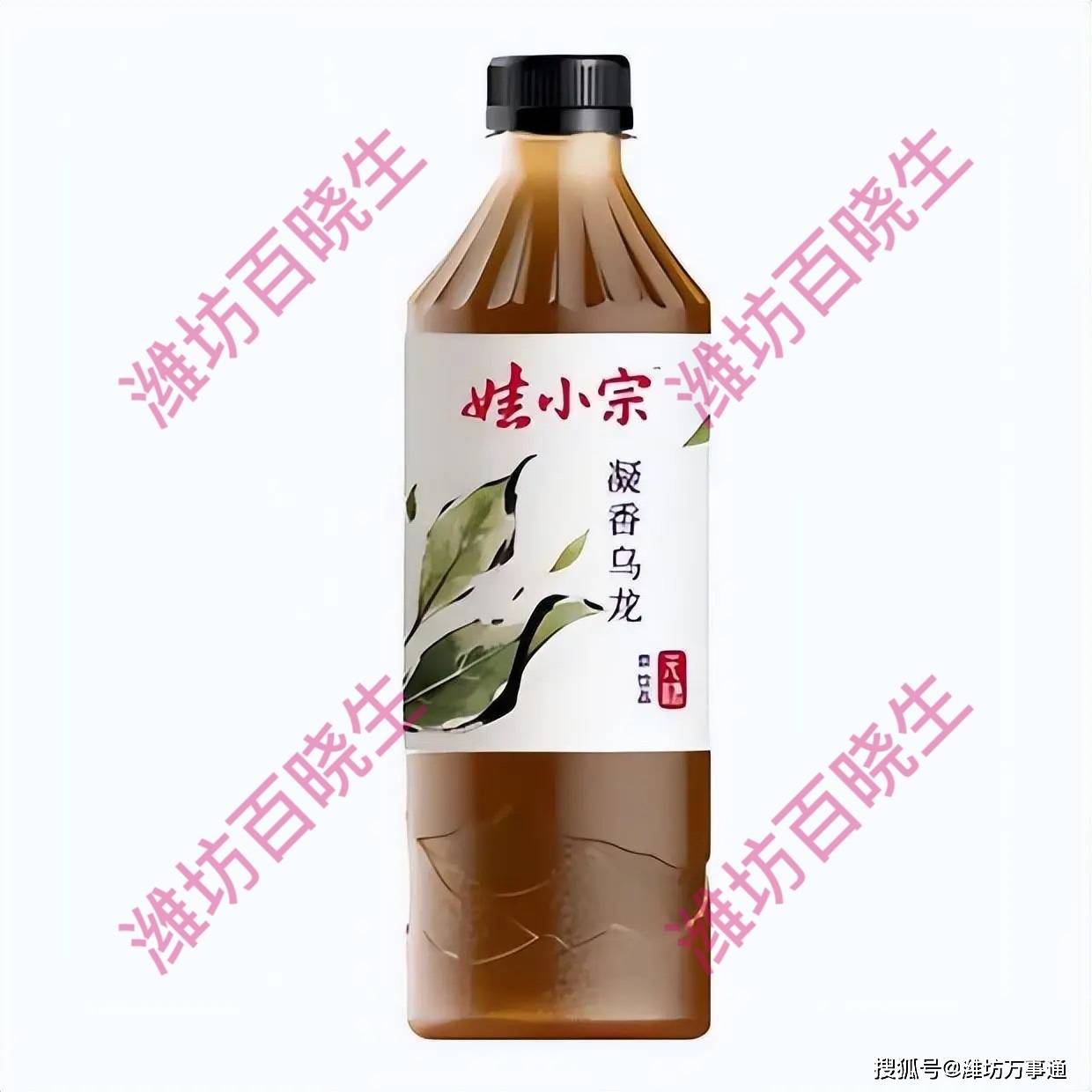
据娃哈哈经销商赵先生透露,他已收到娃哈哈总部通知,要求禁止代理娃小宗产品。通知明确指出,若继续代理娃小宗,经销商资格将被取消。这一举措被 外界解读为娃哈哈对宗馥莉新品牌的直接市场反击,旨在通过切断渠道资源遏制娃小宗的市场扩张。 宗馥莉接手娃哈哈后,相关动态持续引发关注。不过,她最终未能敌过股东压力,已辞去娃哈哈董事长职位。值得注意的是,宗馥莉同时拥有自己的宏胜饮 料公司,近期该公司推出了全新品牌娃小宗,并主打一款售价4元的茶饮产品。 尽管面临重重阻力,宗馥莉仍获得部分网友支持,被认为可借助宗庆后的遗留影响力寻求突破。市场预测,围绕娃小宗的渠道争夺可能升级为舆论战,而此 次商战的核心已从传统对手农夫山泉转向娃哈哈内部的新旧势力博弈。 行业分析指出,娃哈哈当前仍保持较高市场占有率,尤其在宗庆后去世后销量反而出现增长,经销商网络持续扩张。在此背景下,渠道封锁对娃小宗构成严 峻挑战。更不利的是,娃哈哈的主要竞争对手农夫山泉也被曝已与经销商达成默契,同样限制娃小宗的代理。双重渠道挤压下,娃小宗短期内难以实现市场 铺展,即便转向线上渠道也可能陷入"网红速朽"的困境。 ...
宗馥莉出局,一场接班剧本如何演变成治理失衡
3 6 Ke· 2025-10-12 04:10
Core Viewpoint - The resignation of Zong Fuli as the chairman of Wahaha Group marks a significant shift in the company's governance structure, influenced by legal disputes, trademark issues, and family equity relations, which have created internal resistance to reforms initiated during her tenure [2][3][6]. Group 1: Governance and Leadership Changes - Zong Fuli submitted her resignation on September 12, 2023, after serving as chairman for just over a year, indicating instability in leadership [2]. - The governance structure of Wahaha Group is characterized by a lack of controlling interest from the Zong family, with the largest shareholder being a state-owned entity holding 46% [6][7]. - The internal governance challenges have been exacerbated by ongoing family trust disputes and legal investigations involving key executives [3][6]. Group 2: Financial Performance - Despite the leadership changes, Wahaha Group reported a 53% year-on-year increase in beverage sales revenue in 2024, setting a historical record [2]. - The positive financial performance continued into the first quarter of 2025, reflecting stable operational results during Zong Fuli's leadership [2]. Group 3: Reform Initiatives and Internal Resistance - Zong Fuli implemented several reforms aimed at modernizing the management system, including standardizing processes and optimizing the distributor structure, which led to increased efficiency but also internal pushback [8][9]. - The rapid pace of these reforms created friction within the organization, resulting in decreased operational efficiency and confusion over roles [8][9]. Group 4: Brand and Trademark Issues - The trademark rights for the "Wahaha" brand are held by the group, requiring unanimous consent from all shareholders for any changes, complicating Zong Fuli's ability to independently manage the brand [11][12]. - Plans are underway to transition to a new brand, "Wawa Xiaozong," starting in the 2026 sales year, as a strategy to navigate trademark disputes [11][12]. Group 5: Future Outlook - The future direction of Wahaha Group remains uncertain, particularly regarding the potential for professional management and the independence of the Hongsheng system [4][11]. - The company faces challenges in balancing shareholder interests and maintaining brand integrity while pursuing a professional governance model [14].

宗泽后推出“娃小智”品牌,称水军害了宗馥莉;娃哈哈任命新总经理;比亚迪回应宋PLUS即将停产;美团外卖骑手能屏蔽顾客了丨邦早报
创业邦· 2025-10-12 01:08
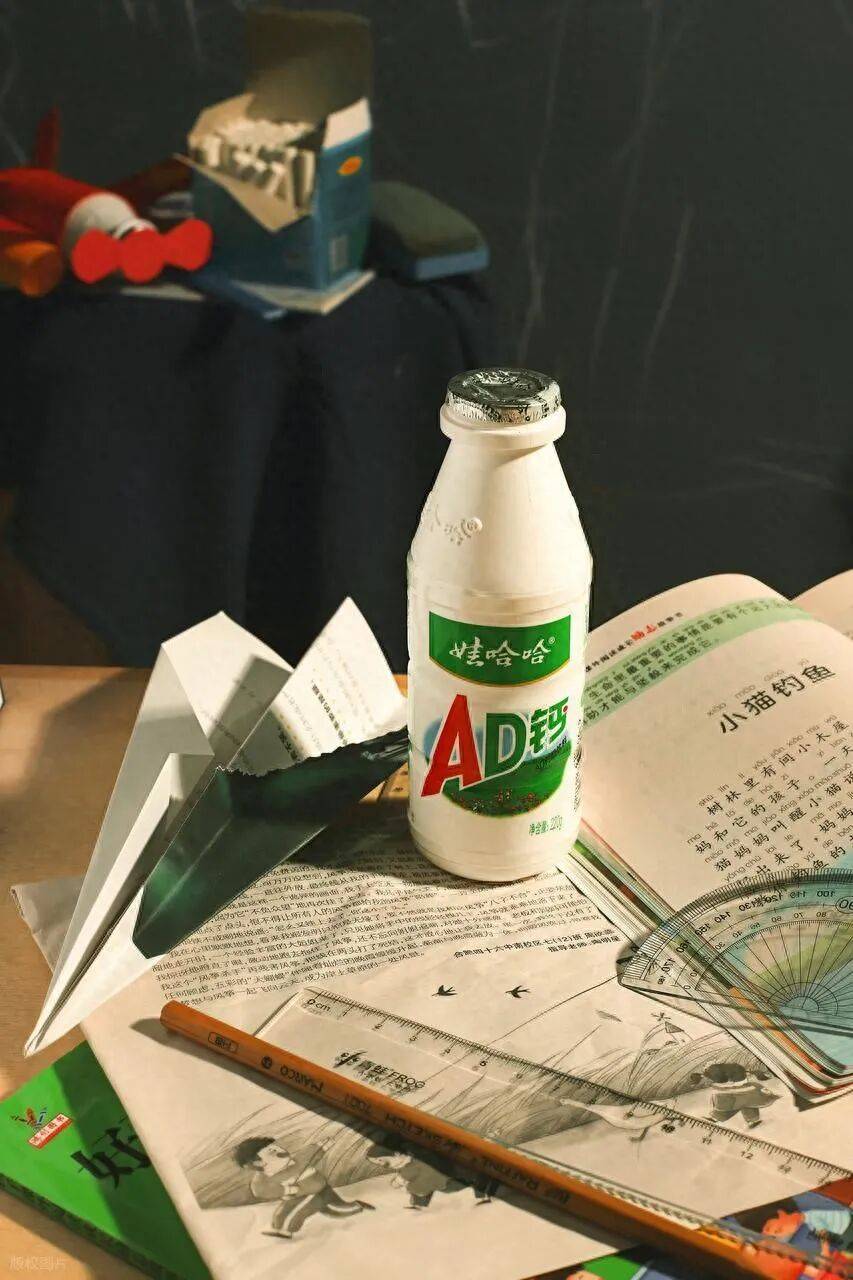
Group 1 - The core viewpoint of the article revolves around the competitive dynamics within the Zong family, particularly between Zong Qinghou's niece, Zong Fuli, and her uncle, Zong Zehou, as they launch competing beverage brands, "Wawa Xiaozong" and "Wawa Xiaozhi" respectively [2][3][14] - Zong Zehou's brand "Wawa Xiaozhi" has signed contracts with 153 distributors, primarily in Zhejiang, and offers a diverse product line including AD calcium milk and coconut water, with pricing lower than that of Wahaha [2] - Following Zong Fuli's resignation from her positions at Wahaha, there are reports that Wahaha distributors have been instructed not to represent "Wawa Xiaozong," indicating a potential internal conflict within the company [3][10] Group 2 - Zong Fuli has recently dissolved over ten companies under her name, including Zhejiang Wahaha Health Management Co., indicating a strategic shift in her business focus [14] - Wahaha has undergone multiple name changes for its subsidiaries, rebranding them under the name "Hongsheng," suggesting a broader restructuring within the company [15] - The article highlights the competitive landscape in the beverage industry, particularly the implications of Zong Fuli's departure and the emergence of Zong Zehou's brand, which could reshape market dynamics [2][3][14]


动荡中的娃哈哈:许思敏接任总经理,董事长空缺,多省市办事处电话无人接听或停机
Xin Lang Cai Jing· 2025-10-12 00:41
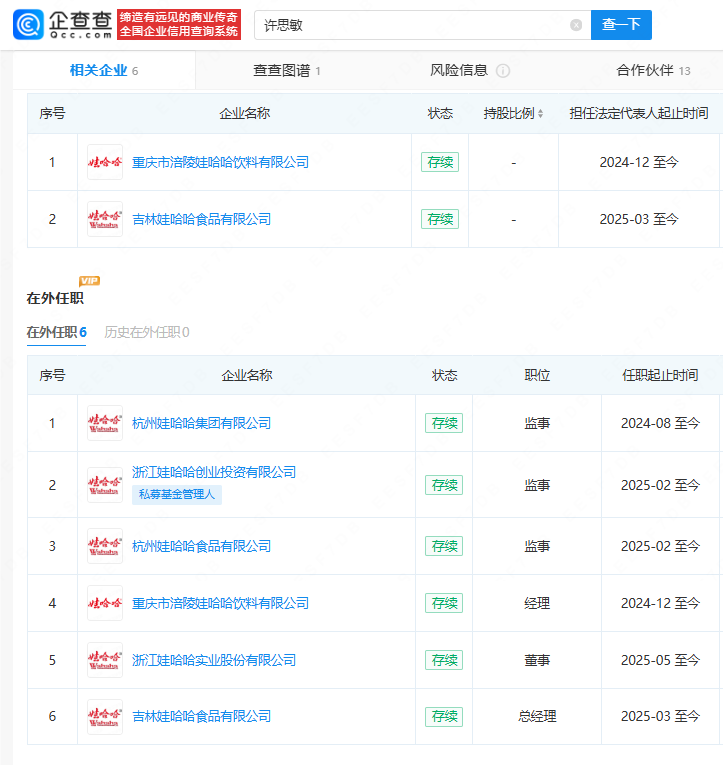
Core Points - The resignation of Zong Fuli as the chairman of Wahaha Group and the appointment of Xu Simin as the general manager reflect the complex dynamics of the company's ownership structure and brand rights [1][3] - Zong Fuli's tenure as chairman lasted approximately 12 months, marking her second resignation attempt due to shareholder concerns regarding her management [2][3] - The board meeting on October 10 approved Zong's resignation and appointed Xu Simin as general manager, leaving the chairman position temporarily vacant [1][3] Management Changes - Xu Simin has been appointed as the general manager of Wahaha Group, taking over after Zong Fuli's resignation [1][3] - Xu Simin holds multiple significant positions within the Wahaha system, including roles in six related companies, indicating a strategic realignment within the organization [5][6] - The management restructuring suggests that Wahaha is entering a new operational phase under Xu Simin's leadership [7] Company Outlook - Wahaha's product range includes over 200 varieties across multiple categories such as bottled water, protein drinks, carbonated beverages, tea, fruit and vegetable juices, and coffee [7] - Despite the brand's strong market presence, there are reports of communication issues with customer service and regional offices, raising concerns about future operations [7] - Zong Fuli is focusing on her own brand "Wah Xiaozong," which faces challenges in a competitive beverage market where profit margins are tight [8]
东鹏饮料更新招股书:民族品牌启航海外,已连续4年排名中国能量饮料销量第一
Zheng Quan Shi Bao Wang· 2025-10-12 00:22
Core Viewpoint - Dongpeng Beverage's application for listing on the Hong Kong Stock Exchange marks a significant step towards globalization, aiming to enhance its domestic production capacity, supply chain upgrades, national strategy, brand building, digital transformation, and overseas market expansion [1][3]. Group 1: Company Performance - Dongpeng Beverage is the leading functional beverage company in China, with the highest revenue growth among the top 20 listed soft drink companies globally [1]. - The company has maintained its top position in the Chinese functional beverage market for four consecutive years, increasing its market share from 15.0% in 2021 to 26.3% in 2024 [1]. - In the first half of 2025, Dongpeng Beverage achieved a revenue of 10.737 billion yuan, a year-on-year increase of 36.37%, and a net profit of 2.375 billion yuan, up 37.22% year-on-year [2]. Group 2: Market Strategy - The company has established a comprehensive sales network covering over 4.2 million terminal sales points across nearly 100% of China's prefecture-level cities by June 30, 2025 [2]. - Dongpeng Beverage is enhancing its market share through refined channel management and brand building, including sponsorship of sports events and variety shows to reach target consumer groups [2]. Group 3: Global Expansion - Listing in Hong Kong will provide Dongpeng Beverage with broader financing channels and attract international capital to support its overseas expansion plans, particularly in Southeast Asia [3]. - The listing is expected to enhance the brand's international influence, showcasing its strength and growth potential to global investors, thereby facilitating market entry into Southeast Asia and beyond [3]. - The company aims to leverage international capital to improve domestic production layout and accelerate its globalization process, showcasing its potential and value on the global stage [3].

惊曝“叔侄对决”?宗馥莉叔叔推出新品牌“娃小智” 对战“娃小宗”!
Zhong Guo Ji Jin Bao· 2025-10-12 00:09
Core Points - The article discusses the rivalry between two brands, "娃小智" launched by宗泽后 and "娃小宗" launched by宗馥莉, following宗馥莉's resignation from her positions at娃哈哈 [1][2] - The launch of "娃小智" is positioned as a direct competition to "娃小宗," with both brands emerging from the宗 family legacy in the beverage industry [1][2] Brand Launch and Strategy - "娃小智" was introduced as a new brand, following the earlier launch of "益品宗师傅" by宗庆后 and his team [2] - The national launch event for "娃小智" took place in Hangzhou, attracting over 200 distributors and showcasing a diverse product lineup including AD calcium milk, mineral water, coconut water, and eight-treasure porridge [2][3] - The brand aims to innovate beyond traditional food and beverage offerings, focusing on new consumer trends and a comprehensive restructuring of brand identity and market strategy [2] Market Positioning - "娃小智" products are designed to be healthier and priced slightly lower than those of娃哈哈, with an emphasis on a "big health" concept [3] - The brand's marketing strategy includes offering exclusive distribution rights for purchases over 100,000 yuan [3] Company Structure and Ownership - "娃小智" is registered under娃小智食品(杭州)有限公司, with a registered capital of 5 million yuan and宗泽后 as the actual controller through his holdings in贵州娃茅酒业集团有限公司 [4] - The company is part of a broader portfolio that includes multiple brands under大理宗盛智能科技有限公司, which was co-founded by宗泽后 and宗庆后 [5] Leadership Changes - Following宗馥莉's resignation from娃哈哈, she has launched "娃小宗," which has already introduced its first product, a no-sugar oolong tea priced at 4 yuan [6][7] - The transition to "娃小宗" is part of娃哈哈's strategy to address historical issues and legal risks associated with the brand's legacy [7]
宗馥莉放下娃哈哈,“娃小宗”能撑起一片天吗?
Sou Hu Cai Jing· 2025-10-11 23:46
Core Viewpoint - Wahaha is undergoing significant internal changes, including the introduction of a new brand "Wah Xiaozong" starting from the 2026 sales year, coinciding with the resignation of Zong Fuli from her positions within the company. This transformation is influenced by trademark compliance issues, resistance to reform, and family conflicts [1][3]. Group 1: Internal Changes and Leadership - Zong Fuli's resignation is closely linked to trademark usage non-compliance, as the company's ownership structure requires unanimous consent from all shareholders for trademark use. Her attempt to transfer Wahaha resources to Hongsheng Group without paying trademark fees led to a halt in 387 core trademark transfer applications [1][3]. - During her tenure, Zong Fuli implemented reforms focused on standardization, process optimization, and digitalization, contrasting sharply with the management style of her predecessor, Zong Qinghou. These changes included restructuring the organization and adjusting the dealer system, which caused dissatisfaction among Zong Qinghou's former subordinates [3][4]. Group 2: Family Conflicts and Legal Issues - Zong Fuli is embroiled in family disputes regarding the ownership of a $2.1 billion offshore trust, with the Hong Kong High Court freezing the asset and rejecting her appeal. Additionally, there are ongoing claims from non-marital family members for a share of Wahaha Group's 29.4% equity, complicating the situation further [3][4]. - The employee stockholding committee is also facing legal challenges due to lawsuits from former employees, which have delayed the completion of necessary business changes [3]. Group 3: Financial Performance and Market Position - Despite the leadership changes, Wahaha's financial performance remains strong, with a 53% year-on-year increase in net sales revenue for 2024, marking the highest growth rate in history. The first quarter of 2025 also saw sales growth maintained at over 30%, with the company retaining its market share leadership in the dairy beverage and instant porridge sectors [3][4]. Group 4: New Brand Strategy and Challenges - The new brand "Wah Xiaozong" will grant Zong Fuli full decision-making authority, potentially enhancing decision-making efficiency. The brand aims to penetrate the rapidly growing sugar-free tea market, which has significant growth potential in China compared to Japan [4]. - However, the transition to "Wah Xiaozong" presents challenges, including the need to balance legal compliance, market acceptance, and emotional connection with consumers. The success of the new brand will depend on Zong Fuli's ability to navigate these complexities while maintaining Wahaha's traditional values [5].
王老吉加多宝再起纷争 抢海外商标所有权
Nan Fang Du Shi Bao· 2025-10-11 23:15
Core Viewpoint - The ongoing trademark dispute between Wanglaoji and JDB has escalated, with both companies making conflicting claims regarding the ownership of the "Wanglaoji" trademark in overseas markets [1][2][4]. Group 1: Background of the Dispute - The trademark conflict began in 2010 and has persisted for over a decade, with both companies now focusing on expanding their presence in international markets as domestic growth slows [5]. - JDB claims to have legally obtained the overseas rights to the "Wanglaoji" trademark in the early 2000s, while Wanglaoji asserts that JDB maliciously registered the trademark to hinder its international expansion [2][4]. Group 2: Legal Actions and Responses - Wanglaoji has registered the "Wanglaoji" and "WALOVI" trademarks in over 100 countries and regions, with clear ownership rights as of September 30, 2025 [3]. - Wanglaoji has initiated legal actions in 21 countries and regions, including Macau and Brazil, against JDB for trademark misuse, with 10 jurisdictions already supporting Wanglaoji's claims [3]. - JDB's response emphasizes its strategic intent to expand into over 60 countries and regions, claiming that its trademark registrations are aimed at market development [4]. Group 3: Market Strategies - Wanglaoji has launched international products under the "WALOVI" brand and plans to localize production in Malaysia, targeting the U.S. and Southeast Asia as key markets [5]. - JDB is also pursuing overseas expansion, focusing on markets in Southeast Asia and Hong Kong, with plans for a potential listing in Hong Kong [5]. Group 4: Legal Environment - Legal experts note that the trademark dispute is complicated by differing trademark governance systems across countries, leading to varying interpretations of trademark rights [6]. - The ongoing global market strategies of both companies suggest that the trademark conflict will continue to unfold through legal channels in various jurisdictions [6].