
动力电池

Search documents
全球首份动力电池循环经济研究报告发布 “全球能源循环计划”敲定行动路线图
Zhong Guo Qi Che Bao Wang· 2026-01-26 07:50
Core Insights - The report titled "Leading the Future of Circularity: Unlocking the Circular Economic Value of Power Batteries and Key Minerals" was released by the Ellen MacArthur Foundation during the World Economic Forum, providing an actionable roadmap for the circular development of global power batteries [1] - The report emphasizes the shift in the automotive industry value chain from a fuel-centric model to a material-centric model, highlighting the need for a systemic transformation towards a circular economy to reshape the battery value system and enhance economic value [1] Group 1: Leadership Actions - The report outlines five leadership actions aimed at providing practical and commercially viable strategic guidance for the industry [2] - Design for circularity by integrating easy disassembly, diagnostics, repairability, and remanufacturing into battery design to extend lifespan and improve recycling rates [2] - Optimize transportation and energy systems to reshape battery value, including enhancing charging infrastructure and shared mobility networks to alleviate range anxiety [2] - Promote scalable circular business models, such as Battery-as-a-Service (BaaS), to transform batteries into long-term operational assets for multiple cycles of use [2] - Co-invest and build regional circular infrastructure through joint investments and long-term collaborations to create efficient, stable, and traceable material flows [2] - Drive efficient operation of circular systems by promoting digital tools like battery passports to enhance transparency and streamline cross-border circulation [2] Group 2: Industry Response - The five leadership actions have received positive responses from the industry, with Volvo's global sustainability head highlighting the necessity of aligning electrification with circular economy principles to reduce systemic risks and ensure resource stability [3] - The company Ningde Times has already begun implementing the five leadership actions, establishing a complete circular closed-loop system that encompasses the entire lifecycle of battery research, material use, commercial application, recycling, and reuse [3]

宁德时代,“寒地反击”
财联社· 2026-01-25 14:20
Core Viewpoint - The explosive growth of the new energy commercial vehicle market has not allowed CATL (300750.SZ) to remain complacent, as its market share in the commercial vehicle battery segment has declined significantly, prompting a strategic shift towards sodium batteries as a new growth point [1][5]. Group 1: Market Position and Challenges - CATL holds a dominant position in the domestic battery market with a total installation volume of 333.57 GWh, accounting for 43.42% of the market share [4]. - In the commercial vehicle sector, CATL's installation volume was 79.74 GWh, representing a 49.17% market share, but this is a decrease of 11.90 percentage points year-on-year [1][5]. - The company faces increasing competition from second-tier battery manufacturers, necessitating a rapid response to maintain its leading position [1][5]. Group 2: Sodium Battery Development - CATL has introduced the Tianxing II commercial vehicle battery solution, featuring the industry's first mass-produced sodium battery, which performs well in extreme cold conditions, retaining over 92% usable power at -20°C [1][2]. - The sodium battery is expected to address the performance decline of lithium batteries in cold regions, making it a key technology for capturing incremental market opportunities [1][2]. - The company plans to expand sodium battery applications beyond commercial vehicles to passenger cars and even construction machinery as production capacity increases [2][3]. Group 3: Technical Advantages and Future Outlook - Sodium batteries offer significant advantages in terms of wide temperature range performance and higher safety, which can reduce system integration and management costs [3]. - The resource accessibility of sodium compared to lithium is expected to enhance energy independence, with a goal to achieve cost competitiveness with lithium batteries within two to three years [3][6]. - CATL aims to improve the energy density of sodium batteries to match that of current lithium iron phosphate batteries within three years, enhancing their market viability [6]. Group 4: Product Strategy and Innovations - The Tianxing II series includes tailored solutions for light commercial vehicles, such as a long-range version with a 253 kWh battery capable of 800 km range and a low-temperature version that can operate at -30°C [2][7]. - The company has developed a hybrid system combining ternary and lithium iron phosphate technologies, allowing for continuous energy density growth while controlling costs [6][7]. - This innovative approach enables CATL to meet high-end market demands without relying solely on expensive ternary materials, thus balancing performance and cost [7].


宁德时代发布轻商系列解决方案 深耕商用车领域
Zheng Quan Ri Bao· 2026-01-25 13:41
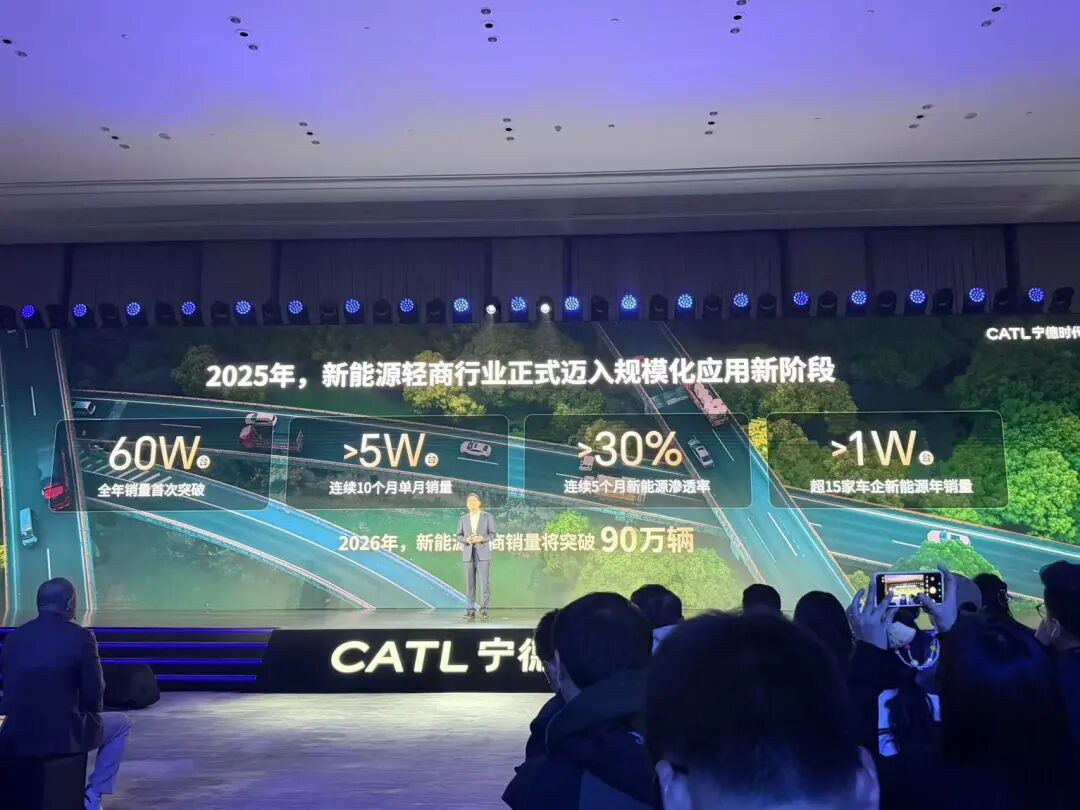
Core Insights - CATL officially launched the Tianxing II light commercial vehicle series solutions and the industry's first intelligent battery management application, "Battery Butler" Tianxing version, focusing on the light commercial vehicle sector [2][3] Group 1: Product Launch and Features - The Tianxing II series aims to address core industry pain points, featuring a hybrid chemical system that combines ternary lithium and lithium iron phosphate, achieving a maximum single pack capacity of 253 kWh and a range of 800 kilometers [3] - The low-temperature version is the first mass-produced sodium-ion battery for light commercial vehicles, effectively solving range issues in cold northern climates [3][4] Group 2: Market Position and Strategy - CATL has established deep partnerships with 46 vehicle manufacturers, with cumulative shipments exceeding 210,000 units, indicating strong market recognition [4] - The company emphasizes the importance of reliable products and aims to empower industry partners while addressing user needs in various operational scenarios [5] Group 3: Market Growth and Opportunities - The global electric light commercial vehicle market is projected to grow at a compound annual growth rate of 25% from 2025 to 2032, with China playing a crucial role in driving sales [6] - By 2025, China's sales of new energy light commercial vehicles are expected to exceed 600,000 units, marking a significant milestone in the industry's transition to large-scale applications [6] - CATL plans to leverage its global brand influence and product quality to expand into overseas markets, focusing on regions with high demand for electric light commercial vehicles [6]
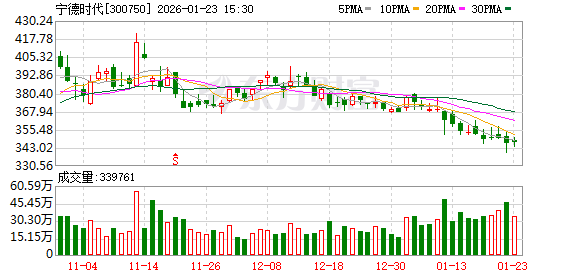
宁德时代推出“超混电池”,三元与铁锂从对立走向融合?
Jing Ji Guan Cha Wang· 2026-01-25 10:01
Core Viewpoint - CATL has launched the "Tianxing II Light Commercial All-Scenario Customization Solution" along with the "Battery Manager" Tianxing version, featuring the first light commercial super-mixed chemical system battery, which integrates ternary lithium and lithium iron phosphate materials [2][3]. Group 1: Product Features - The Tianxing II Light Commercial Long-Endurance Battery has a single pack capacity of 253 kWh, the largest in the light commercial sector, enabling a real-world range of 800 kilometers [5]. - The battery's warranty has been extended to 10 years or 1 million kilometers, incorporating self-healing lithium anode materials and self-repairing electrolyte technology to enhance battery lifespan [5]. - The super-mixed battery technology aims to overcome the energy density limitations of lithium iron phosphate while avoiding the high costs associated with pure ternary lithium batteries [3][4]. Group 2: Market Context and Strategy - The demand for longer range in electric vehicles is increasing, with projections indicating that by 2025, some extended-range models will feature batteries exceeding 60 kWh, and by 2026, several models, including the Leap D series, will reach around 80 kWh [3]. - CATL plans to first introduce the super-mixed battery in the commercial vehicle sector, as longer distances in intercity delivery require more economical solutions [4]. - The large-scale commercialization of the super-mixed battery is expected to begin in April 2026, marking a significant milestone for the technology [4][6]. Group 3: Technological Innovation - The development of the super-mixed battery involves complex technical challenges, including interface issues between ternary and lithium iron phosphate materials, voltage platform concerns, and electrolyte oxidation-reduction problems [3]. - This innovation complements CATL's previous "dual-core battery" approach, which focuses on the strategic arrangement of different chemical systems to achieve performance synergy [3][4]. - The emergence of super-mixed batteries provides a new developmental perspective for the power battery industry, allowing for the collaborative use of ternary lithium and lithium iron phosphate within the same cell [5].
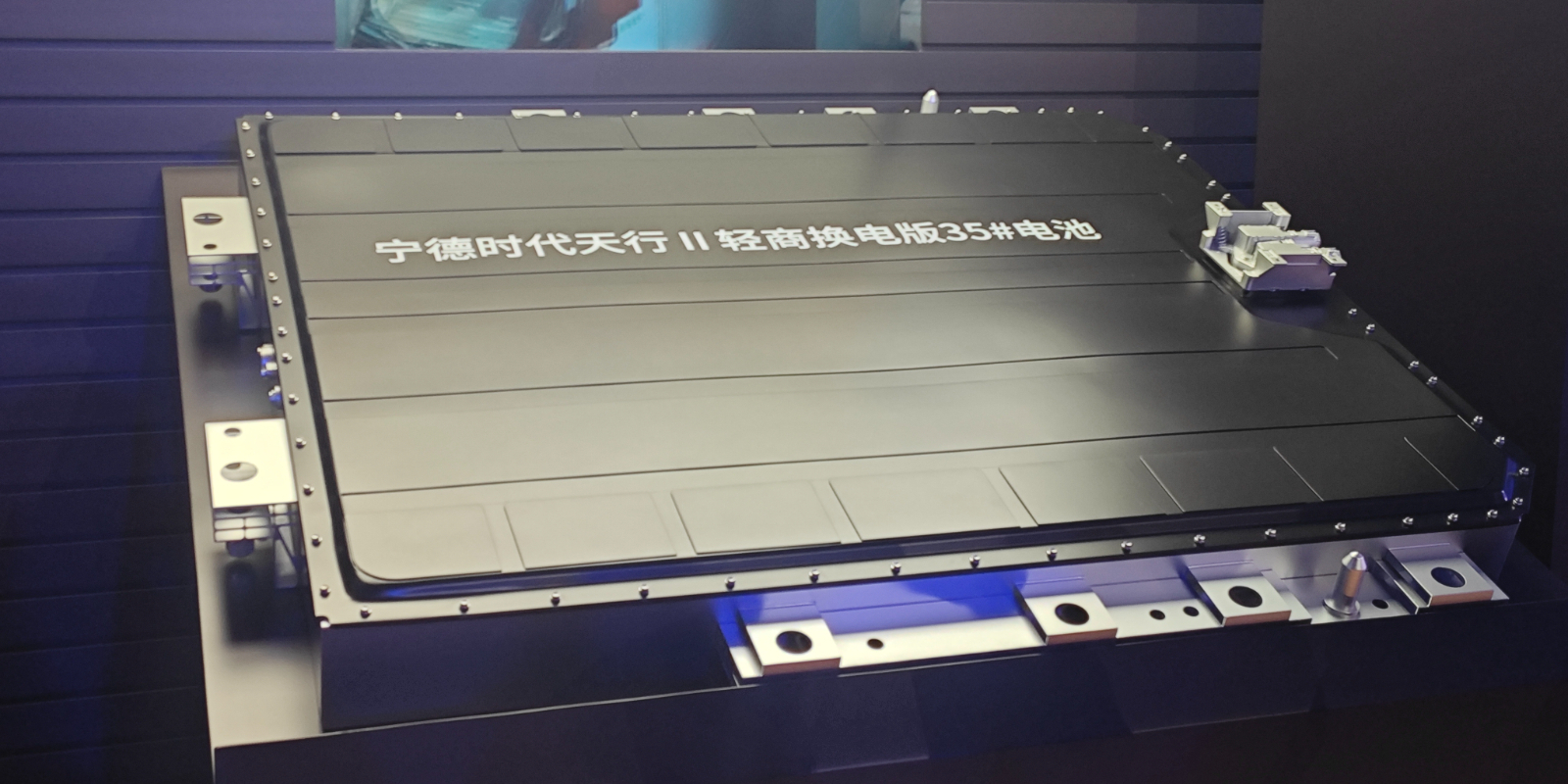
金融工程专题研究:安沪深300指数增强基金投资价值分析
Guoxin Securities· 2026-01-24 14:46
证券研究报告 | 2026年01月24日 金融工程专题研究 汇安沪深 300 指数增强基金投资价值分析 沪深 300 指数由沪深市场中规模大、流动性好的具有代表性的 300 只证 券组成,汇聚了 A 股市场的核心资产,其长期表现受益于中国经济的稳 健增长与产业结构的持续优化升级。 成分股市值较大,龙头效应显著。截至 2025 年 12 月 31 日,沪深 300 指数成分股的平均市值达 2254.88 亿元,显著高于中证 500、科创 50 指数、创业板指等。前十大权重股占比合计为 23.08%,成分股权重较 为分散,平均总市值为 9428 亿元,均为各领域具有竞争力的龙头企业。 盈利持续增长,成长能力较强。指数 2024 年 EPS 增速为 3.76%,预计 2025 年增速为 5.43%,2026 年增速 11.46%;2024 年归母净利润增速 为 2.78%,预计 2025 年增速为 9.67%,2026 年增速 9.40%。 沪深 300 为宽基配置首选,指数产业结构持续优化升级。截至 2025 年 12 月 31 日,沪深 300 指数基金合计规模高达近 1.2 万亿元,占全部宽 基指数基金的比重 ...
北方首个,“10万亿俱乐部”再扩容
Mei Ri Jing Ji Xin Wen· 2026-01-24 00:25
Economic Growth in Shandong - Shandong Province is projected to achieve a GDP of 10,319.7 billion yuan in 2025, marking a 5.5% increase from the previous year, making it the third province in China and the first in Northern China to surpass the 10 trillion yuan GDP milestone [1] - By 2025, the primary industry in Shandong is expected to reach an added value of 677.5 billion yuan (up 4.0%), the secondary industry 40,541 billion yuan (up 5.0%), and the tertiary industry 55,881 billion yuan (up 6.1%) [1] Industrial and Economic Indicators - Shandong's industrial added value is anticipated to grow by 7.6%, retail sales of consumer goods by 5.1%, and total foreign trade by 4.5%, all exceeding the national average [3] - The province has faced challenges due to a high reliance on traditional industries, which constituted 70% of its economy, prompting a necessary transition towards modernization and innovation [3] Transition and Development Strategy - The establishment of the Shandong New and Old Kinetic Energy Conversion Comprehensive Experimental Zone in 2018 initiated a dual approach to upgrade traditional industries while fostering new sectors [3] - During the 14th Five-Year Plan period, Shandong's industrial added value increased from 2.3 trillion yuan to 3.3 trillion yuan, reflecting a growth of over 40% [3] - By 2025, advanced production capacity in key industries like steel and petrochemicals is expected to exceed 40%, with high-tech industries accounting for 55.3% of the total output [3] Future Economic Goals - Shandong aims to become a significant economic growth pole in Northern China, with plans to elevate Qingdao to a 2 trillion yuan economy and support cities like Weifang, Linyi, and Jining in reaching the trillion yuan mark [3][4]
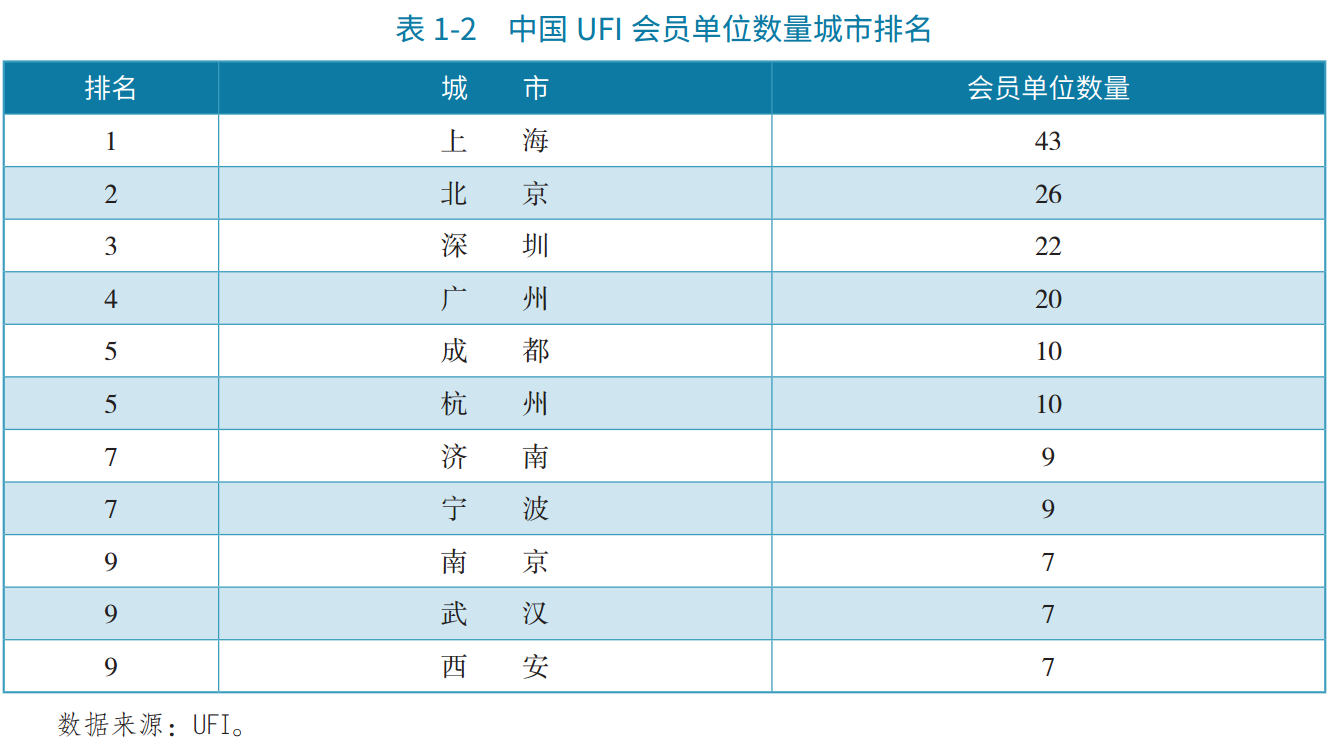
四川2025年GDP67665.34亿元!国内排名第2,增量国内第2,实际增速5.5%!
Sou Hu Cai Jing· 2026-01-23 22:44
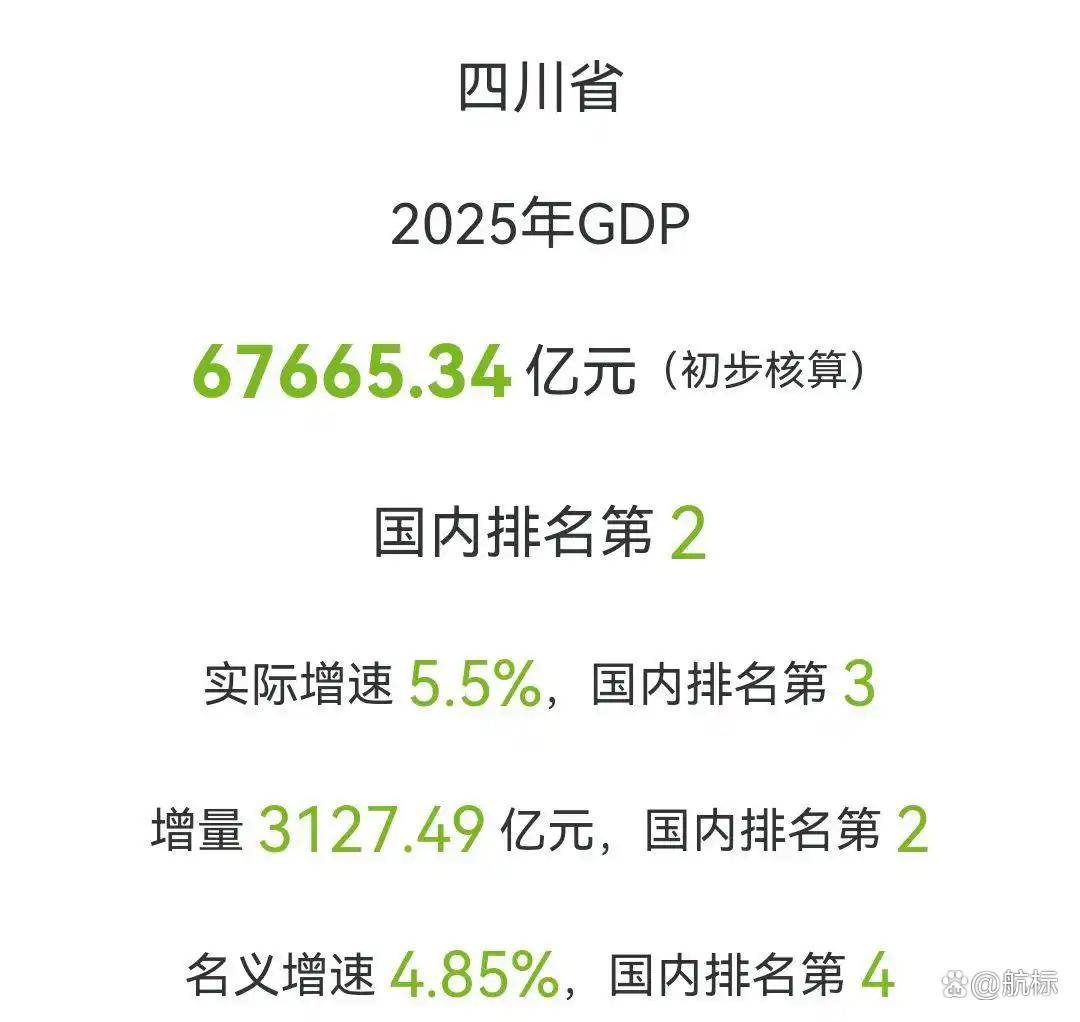
Core Insights - Sichuan's GDP for 2025 is projected to reach 67,665.34 billion yuan, ranking second nationally, with an increment of 3,127.49 billion yuan, also second, and a real growth rate of 5.5%, ranking third [1] Group 1: Economic Positioning - Sichuan is positioned as the core of the Chengdu-Chongqing economic circle and a logistics hub for the Western Land-Sea New Corridor, leveraging its significant lithium reserves (60% of national total) and over 100 million kilowatts of hydropower capacity [3] - The completion of major projects like the Baihetan Hydropower Station is expected to increase clean electricity exports to over 120 billion kilowatt-hours, supporting both local green industries and eastern industrial upgrades [3] Group 2: Development Engines - The dual national strategies of "Western Development" and "Chengdu-Chongqing Economic Circle" are providing ongoing policy benefits, while the province's "5+1" modern industrial system is fostering significant project and innovation synergies [5] - By 2025, CATL's Yibin base is projected to achieve a battery production capacity of over 300 GWh, accounting for 38% of the national total, while Tongwei's photovoltaic base in Meishan is expected to reach a production efficiency of 26.8% [5] Group 3: Industrial Growth and Infrastructure - The digital economy in Sichuan is expected to exceed 1.6 trillion yuan by 2025, constituting 23.6% of GDP, with significant contributions from sectors like aerospace and nuclear power equipment [5] - The annual passenger throughput at Tianfu Airport is projected to surpass 60 million, and the volume of the Chengdu-Europe Express is expected to grow by 27%, enhancing logistics efficiency and boosting import-export trade by 15.7% [5] Group 4: Regional Competitiveness - Sichuan's GDP growth places it second nationally, with its nominal growth rate of 4.85% ranking fourth, indicating resilience beyond traditional coastal provinces [7] - The economic growth is characterized by a "full-region blooming" approach, with significant growth in cross-border e-commerce and natural gas chemical clusters, which helps mitigate the "provincial siphoning" effect [7] - The economic growth logic in Sichuan is shifting from "policy infusion" to "self-sustaining growth," with potential future focus areas including green hydrogen and low-altitude economy [7]
城市24小时 | 北方首个,“10万亿俱乐部”再扩容
Mei Ri Jing Ji Xin Wen· 2026-01-23 16:27
Economic Growth in Shandong - Shandong Province is projected to achieve a GDP of 10.3197 trillion yuan in 2025, marking a 5.5% increase from the previous year, making it the third province in China and the first in the north to surpass the 10 trillion yuan GDP milestone [1][2] - By 2025, the primary industry in Shandong is expected to contribute 677.5 billion yuan, growing by 4.0%; the secondary industry is projected to reach 4.0541 trillion yuan, with a growth of 5.0%; and the tertiary industry is anticipated to generate 5.5881 trillion yuan, increasing by 6.1% [1] Industrial and Economic Transformation - Shandong's industrial output value is expected to grow by 7.6%, retail sales of consumer goods by 5.1%, and total foreign trade by 4.5%, all exceeding the national average [3] - The province has been undergoing a transformation since 2018, focusing on upgrading traditional industries and fostering emerging sectors, with industrial output value rising from 2.3 trillion yuan to 3.3 trillion yuan during the 14th Five-Year Plan period [3] - By 2025, advanced production capacity in key industries like steel and petrochemicals is expected to exceed 40%, while high-tech industries will account for 55.3% of the total industrial output [3] Future Economic Goals - Shandong aims to become a significant economic growth pole in northern China, with plans to elevate Qingdao to a 2 trillion yuan economy and support cities like Weifang, Linyi, and Jining in reaching the trillion yuan GDP mark [3] - Following Shandong's achievement, Zhejiang Province is close to joining the "10 trillion yuan club," with a projected GDP of 9.4545 trillion yuan in 2025, also growing by 5.5% [4][5]
宁德时代放大招!推天行Ⅱ系列欲锁轻商定制化未来
Guo Ji Jin Rong Bao· 2026-01-23 09:33
Core Insights - CATL launched the Tianxing II light commercial vehicle (LCV) series solutions and the industry's first intelligent battery management application, marking a shift towards customized battery technology for specific operational scenarios in the commercial vehicle sector [1][5] Group 1: Product Features - The Tianxing II light commercial series includes multiple versions tailored for different operational needs, such as high-frequency urban distribution and intercity operations, showcasing a shift towards refined operational strategies in the commercial vehicle market [1][5] - The Tianxing II LCV Super Charging version features significant upgrades in cold resistance, power output, and lifespan, with a charging time reduction of approximately 30%, allowing for 100 km/h operation under full load at -15°C [3] - The Long Range version incorporates a hybrid chemical system, achieving a maximum single battery capacity of 253 kWh, enabling a real-world range of 800 km and reducing vehicle weight by over 260 kg [3] - The High-Temperature Super Charging version supports peak charging rates of 4C, allowing for a 60% charge in just 18 minutes, and features a unique thermal management technology that reduces energy consumption by 5% [4] - The Low-Temperature version is the first mass-produced sodium-ion battery in the light commercial sector, maintaining over 92% usable capacity at -20°C and capable of operating in extreme cold conditions [4] Group 2: Market Position and Trends - The launch of the Tianxing II series reflects a broader industry trend from standardized supply to scenario-based services, addressing the diverse cost, efficiency, and safety needs of electric commercial vehicles [5] - By 2025, lithium iron phosphate batteries are projected to hold an 81.2% market share in the power battery sector, with CATL leveraging its technological expertise to secure partnerships with major commercial vehicle manufacturers [6] - CATL maintains a leading market share of 43.42%, excelling in both lithium iron phosphate and ternary lithium battery segments, while emphasizing the importance of customization capabilities in a competitive landscape [7] - The commercial vehicle sector is expected to see significant growth, with electric truck sales projected to increase by 246.0% year-on-year, driving the average battery capacity per vehicle to 55.2 kWh [6]
城记 | “新能源之都”常州:一座“万亿之城”与它的“万亿产业地标”
Xin Hua Cai Jing· 2026-01-23 06:27
Core Insights - Changzhou is set to achieve a scale of 1.0479 trillion yuan in its new energy industry by 2025, marking a significant transformation from a traditional industrial hub to a modern industrial center [1][2] - The city has been on a 16-year journey to become a "New Energy Capital," with strategic initiatives starting in 2009 and culminating in 2023 when the new energy sector contributed nearly 50% of the city's industrial output [2][3] - By 2025, Changzhou aims for a "double trillion" goal, with both the new energy industry and the capital market's new energy sector exceeding one trillion yuan [3] Industry Development Timeline - In 2009, Changzhou launched the "Action Plan for Revitalizing Five Major Industries," marking its entry into the new energy sector [2] - By 2023, the new energy industry generated 768.1 billion yuan, accounting for almost half of the city's industrial output and contributing 98.9% to industrial growth [2] - In 2024, Changzhou was recognized as "China's New Energy Capital," solidifying its position in the national new energy landscape [2] Government and Investment Strategies - The shift from a "land finance" model to a "equity finance" model is emphasized, where local governments are encouraged to act as "angel investors" to attract social capital into high-tech industries [5] - Changzhou's government played a crucial role in revitalizing struggling companies like China Aviation Lithium Battery, which turned around after receiving strategic investments [6] Industry Ecosystem and Collaboration - Changzhou has developed a highly collaborative new energy industry map, with major players like CATL and other battery manufacturers establishing a strong presence [7][8] - The city has created an industrial ecosystem that integrates production, storage, transmission, application, and networking, positioning itself as a leader in the new energy sector [8] Future Prospects - By 2025, the production capacity for power batteries in Changzhou is expected to exceed 212.9 GWh, making it a top player in Jiangsu and among the top three nationally [8] - The city is also recognized as a pilot city for electric vehicle electrification in the public sector, further enhancing its reputation in the new energy domain [8]