数字文创

Search documents
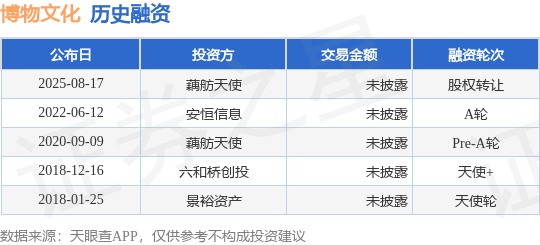
【投融资动态】博物文化股权转让融资
Sou Hu Cai Jing· 2025-08-20 11:43
Group 1 - The core viewpoint of the news is the recent equity transfer financing of Hangzhou Museum Cultural Communication Co., Ltd., with the transaction amount undisclosed [1] - The company aims to become a global leader in the digital economy of museums by leveraging advanced technologies such as cloud computing, big data, and the Internet of Things [2] - The company operates on a business model that combines software services, IoT hardware, and content (SAAS + IOT + IP) for commercial monetization [2] Group 2 - The investment history of the company includes multiple rounds of financing, with notable investors such as Oufang Angel and Anheng Information, although the transaction amounts remain undisclosed [2] - The financing rounds include Pre-A, A, and angel rounds, indicating a progressive investment strategy over the years [2]

青绿不只此 “两山”韵悠长
Zhong Guo Zi Ran Zi Yuan Bao· 2025-08-15 03:53
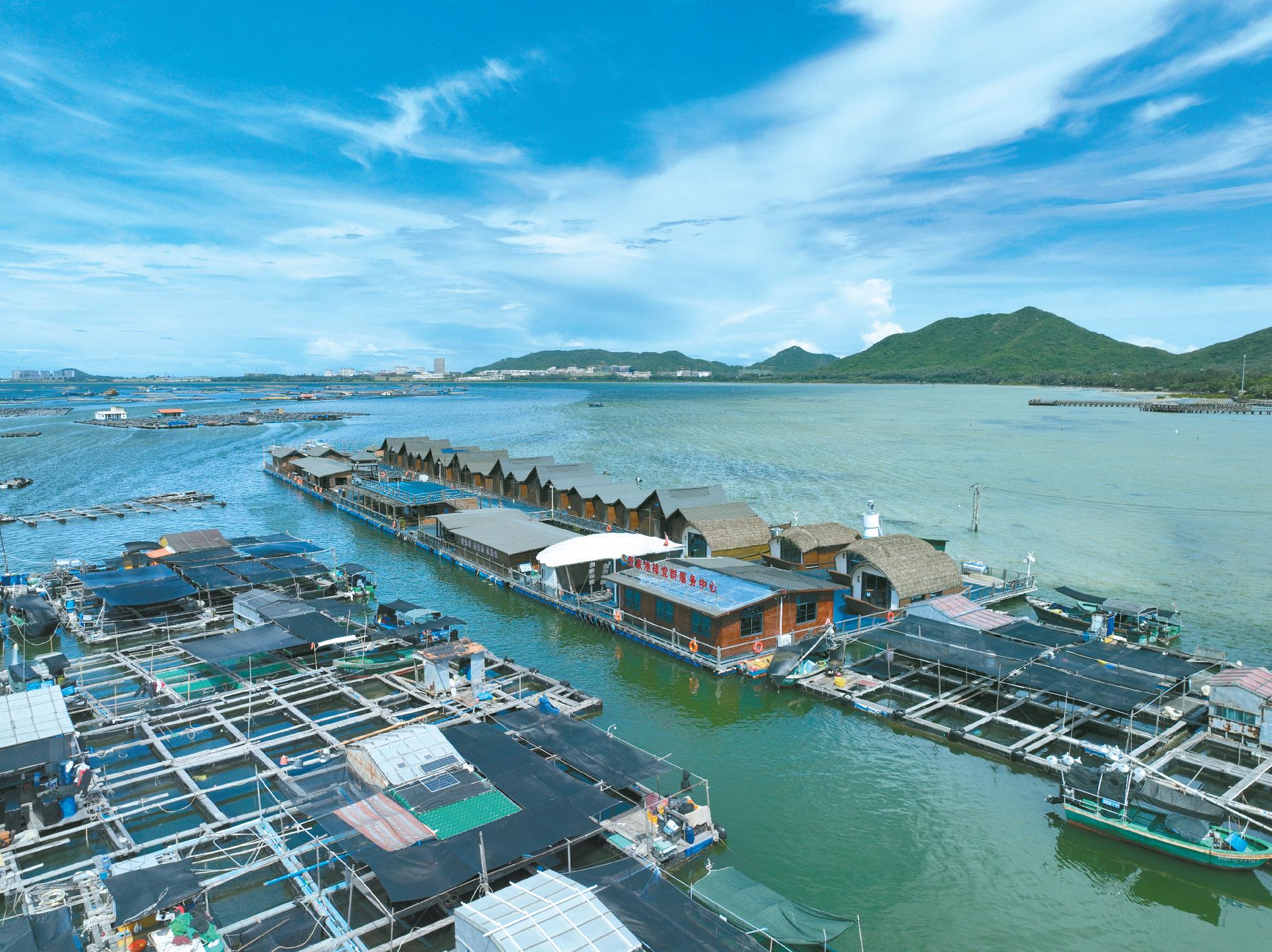
Core Viewpoint - The article highlights the successful integration of ecological restoration and tourism development in Hainan's Lingshui County, showcasing how traditional fishing communities are transforming their livelihoods through sustainable practices and cultural tourism [3][20][21]. Group 1: Ecological Restoration Efforts - Hainan has initiated 13 central and 16 provincial marine protection and restoration projects from 2018 to June 2025, investing a total of 2.6397 billion yuan, restoring 152.33 kilometers of coastal areas and 1,225.94 hectares of mangroves [4][25]. - The ecological environment in Hainan has improved significantly, with over 98% of the water in Lian'an Lagoon reaching Class I water quality, and over 90% in New Village Lagoon reaching Class II standards [6][22]. - The restoration efforts have led to a 50% increase in fish and shellfish resources in restored areas compared to non-restored areas, indicating a successful recovery of marine biodiversity [6][12]. Group 2: Economic Impact and Tourism Development - The tourism sector in Lingshui has flourished, with 1.6557 million visitors and a total tourism revenue of 956 million yuan in 2024, driven by unique cultural experiences and ecological attractions [20][22]. - The local fishing community has seen an increase in average annual income from 36,200 yuan in 2019 to 43,300 yuan in 2022, reflecting the economic benefits of sustainable practices [20][24]. - The establishment of a community benefit-sharing mechanism has allowed local residents to earn income from ecological resources, enhancing their motivation for environmental protection [21][24]. Group 3: Community Involvement and Cultural Integration - The integration of traditional fishing culture with modern ecological tourism has created a sustainable cycle of protection, development, and cultural heritage [19][21]. - Local fishermen have transitioned into roles such as "marine forest guardians" and "ecological tour guides," showcasing the community's active participation in ecological restoration [22][24]. - The establishment of the Hainan Mangrove Museum and various cultural tourism projects has attracted visitors and promoted awareness of the unique marine culture of the fishing communities [20][21].
番禺区国家文化出口基地将亮相2025年服贸会
Guang Zhou Ri Bao· 2025-08-13 02:30
Group 1 - The 2025 Service Trade Fair will be held from September 10 to 14 at Shougang Park, featuring the ICT exhibition as a key technology segment [1] - The ICT exhibition will cover an area of approximately 10,000 square meters, with over 100 offline exhibitors and nearly 300 online exhibitors [1] - The exhibition will focus on digital service trade and high-end industries, showcasing China's commitment to expanding openness and enhancing international competitiveness [1] Group 2 - Guangdong and Guangzhou enterprises, including the Panyu National Cultural Export Base, will participate in the ICT exhibition, highlighting their industry advantages [2] - The Panyu base will present case studies in digital cultural creation, gaming, and short videos, demonstrating how Chinese cultural enterprises leverage digital technology for global outreach [2]
“成都高新造”闪耀世运舞台
Si Chuan Ri Bao· 2025-08-06 22:26
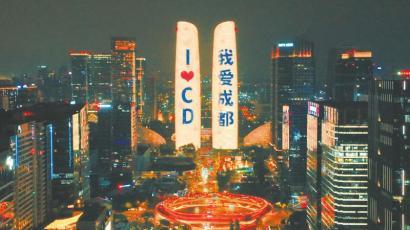
Group 1: Event Overview - The 12th World Games will be held in Chengdu, China from August 7 to 17, 2025, showcasing a blend of sports, technology, and culture [2] - Chengdu High-tech Zone is integrating technological strength with cultural elements to enhance the event experience [2] Group 2: Technological Innovations - The opening ceremony will feature the "Tianfu Big Eaves," a 408.5-meter-long LED screen supported by BOE Technology Group, showcasing advanced display technology [3] - The screen is designed to withstand harsh weather conditions and maintain high visibility in bright environments [3] - Chengdu High-tech Zone has established a complete new display industry chain, leading in flexible display production and housing over 40 related enterprises [4] Group 3: Smart Services in the Athlete Village - The Chengdu Athlete Village will utilize over 10 robots for delivery, retail, and patrol services, marking a new model for technology in international sports events [5] - A new generation of unmanned patrol vehicles will enhance security with real-time monitoring capabilities [5] - Smart guide robots will assist athletes with navigation and cultural information, showcasing local heritage [6] Group 4: Cultural and Creative Industry - Chengdu High-tech Zone has over 6,000 digital cultural and creative enterprises, contributing to a thriving IP ecosystem with successful projects like "Nezha" and "Honor of Kings" [9][10] - The digital cultural industry in Chengdu High-tech Zone has surpassed 100 billion yuan, evolving from product output to cultural and creative output [9] Group 5: Economic Impact and Growth - The electronic information industry in Chengdu High-tech Zone has seen a 15.9% increase in industrial added value in the first half of the year [4] - The region is home to 4,869 high-tech enterprises and has experienced a 5.61% growth in high-tech industry revenue [7]
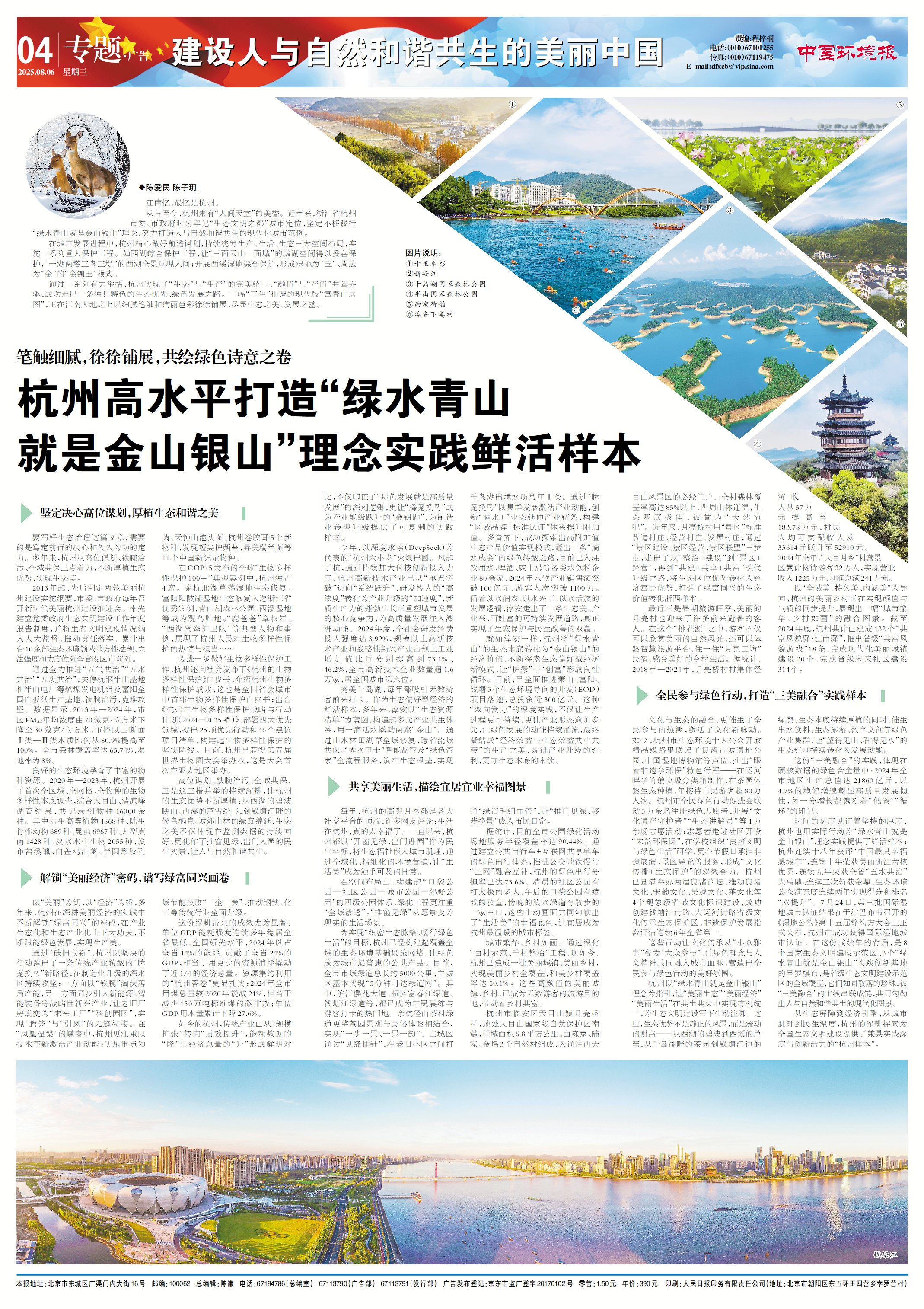
杭州高水平打造“绿水青山就是金山银山”理念实践鲜活样本
Zhong Guo Huan Jing Bao· 2025-08-06 01:35
Core Viewpoint - Hangzhou is committed to ecological civilization and sustainable development, successfully integrating ecological beauty with economic growth, showcasing a unique model of green development and harmonious coexistence between humans and nature [5][6][10]. Group 1: Ecological Initiatives - Since 2013, Hangzhou has implemented multiple ecological protection measures, including the "Beautiful Hangzhou" construction guidelines and strict pollution control, resulting in a significant reduction in PM2.5 levels from 70 µg/m³ to 30 µg/m³ by 2024 [8][10]. - The city has achieved a forest coverage rate of 65.74% and a wetland rate of 8%, enhancing its ecological advantages [8][9]. - A comprehensive biodiversity survey recorded over 16,000 species, highlighting Hangzhou's commitment to biodiversity protection, with four projects recognized in the global "Biodiversity Conservation 100+" initiative [9][10]. Group 2: Economic Transformation - Hangzhou has shifted from traditional industrial expansion to quality improvement, achieving a 21% reduction in coal consumption since 2020, equivalent to a decrease of 1.5 million tons of standard coal emissions [14][15]. - The city’s high-tech industries have seen a significant increase, with R&D expenditure reaching 3.92% of GDP, and high-tech enterprises exceeding 16,000, ranking sixth among Chinese cities [16][17]. - The "green economy" model has been successfully implemented, with the water beverage industry sales projected to exceed 16 billion yuan in 2024, demonstrating the economic benefits of ecological preservation [16][17]. Group 3: Community and Cultural Engagement - Hangzhou promotes community involvement in ecological initiatives, with over 30,000 registered volunteers participating in various environmental activities, fostering a culture of sustainability [24][25]. - The city has developed a network of ecological infrastructure, including approximately 5,000 kilometers of greenways, enhancing public access to green spaces and promoting a green lifestyle [18][19]. - The integration of cultural heritage and ecological awareness has led to increased public participation in environmental protection, transforming cultural preservation into a community-wide effort [24][25]. Group 4: Overall Achievements - Hangzhou's GDP reached 21.86 billion yuan in 2024, with a growth rate of 4.7%, reflecting the city's commitment to high-quality, low-carbon development [25][26]. - The city has received multiple accolades for its ecological efforts, including the title of "Most Livable City in China" for 18 consecutive years and successful certification as an international wetland city [26].
祥源文旅在合肥成立新公司,含数字文创软件开发业务
Qi Cha Cha· 2025-08-05 05:50
Group 1 - A new company named Hefei Yuanqing Operation Management Co., Ltd. has been established, focusing on digital cultural creative software development and related services [1] - The company is wholly owned by Xiangyuan Cultural Tourism (600576) through indirect holdings [1] - The business scope includes digital creative product exhibition services and digital cultural creative content application services [1]

“赶首发”成为消费新潮流 成都近年落户海内外首店超4000家(大数据观察)
Ren Min Ri Bao· 2025-07-31 21:54
体验新、亮点多 首发活动快速"涨粉" 超清巨幕上,巨大的抹香鲸缓缓游过,鱼群跟随起舞。在成都东郊记忆园区浪美术馆,一场极地生灵数 字影像大展正在举办,这也是自然纪录片品牌"BBC地球"在成都的首展。 "屏幕上,动物穿梭的身影十分灵动,甚至能近距离观察植物的生长。"前来看展的市民王先生感叹,看 数字美术展的体验很新奇、很震撼。 新体验,正是首发经济吸引力的重要来源。"在5000平方米的全沉浸式数字展厅中,我们通过超清数字 影像、沉浸式声场、VR交互体验及环境香氛等多维感官技术,对纪录片的内容进行全新表达。"浪美术 馆负责人陈昱介绍。 红砖厂房,管道延伸,东郊记忆由原国营红光电子管厂改建而来。这里保留了工业遗址的建筑风貌,同 时充满时尚、艺术、潮流元素。目前东郊记忆引入首店超80家,形成音乐展演、数字文创、国潮时尚等 多元业态,成为成都首发经济的名片之一。 大型工业无人机、全植入式脑机接口微系统、高空焊接机器人……四川省成都市锦江区春熙路广 场,"首发春熙"锦江经开区高成长企业科技产品首发活动上,集中展示40余项前沿科技成果,吸引市 民、游客驻足,"零距离"感受科技魅力。 中办国办印发的《提振消费专项行动方案》提 ...
确定“视听产品”范畴 新《著作权法》严管侵权行为
Bei Jing Shang Bao· 2025-07-28 03:02
Core Viewpoint - The new Copyright Law, effective from June 1, aims to enhance copyright protection across various sectors, including film, music, and publishing, addressing issues like unauthorized use of works in short videos and live streaming [1][2][3]. Group 1: Definition and Scope - The new Copyright Law clarifies the definition of "works" as original intellectual achievements in literature, art, and science, thus broadening the scope of protection [2][3]. - The law introduces the term "audiovisual works" to replace "similar to film works," expanding legal coverage to include new forms of media like short videos and live broadcasts [3][4]. Group 2: Enforcement and Penalties - The law increases penalties for copyright infringement, allowing for compensation based on actual losses or illegal gains, with potential fines ranging from 500 yuan to 5 million yuan [5][6]. - It empowers authorities to investigate and take action against copyright violations, including the ability to seize related materials and conduct on-site inspections [5][6]. Group 3: Industry Impact and Awareness - The implementation of the new law is expected to address ongoing issues in the live streaming industry, where unauthorized performances and broadcasts have been prevalent [4][6]. - Industry experts emphasize the need for a collective effort to raise awareness about copyright protection, as many rights holders lack knowledge on how to defend their rights effectively [7][8].
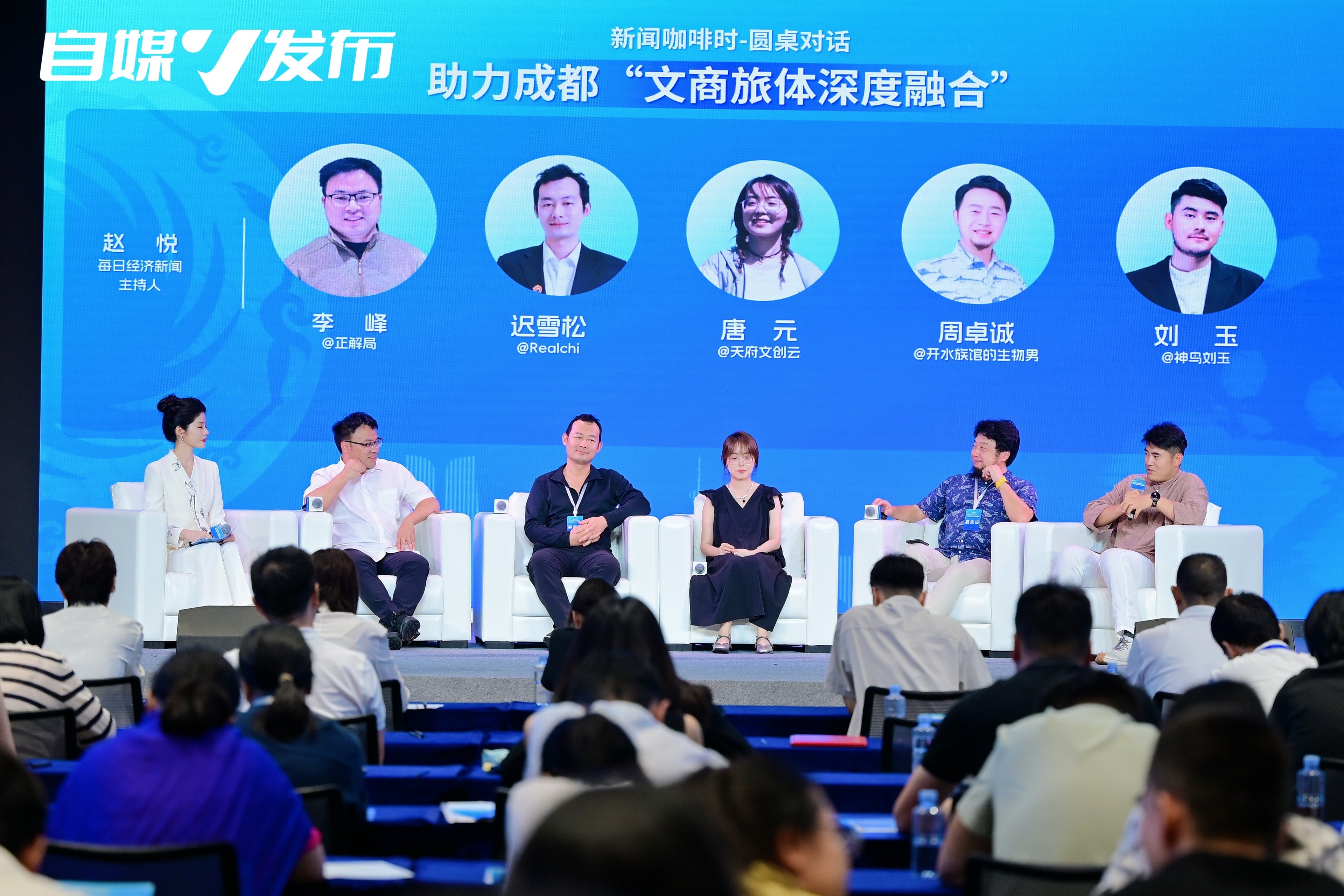
自媒体如何赋能城市文商旅体融合?听听大V的“成都论道”
Mei Ri Jing Ji Xin Wen· 2025-07-25 14:35
Group 1 - The emergence of phenomenon-level products like "Nezha 2" and the ongoing popularity of "Suhou" are driving the deep integration of culture, commerce, tourism, and sports, becoming a significant engine for high-quality urban economic development [1] - The launch event of the "Self-Media V Release" platform in Chengdu focused on how self-media can empower the deep integration of urban culture, commerce, and tourism, aiming to convert urban traffic into economic growth [1][4] - A roundtable discussion featured representatives from various self-media platforms exploring how self-media can assist in urban governance and development through cultural and tourism integration [1][4] Group 2 - The core issue in urban digital culture and tourism is not the availability of resources but how to activate new scenarios and drive consumption, as stated by the head of Zhengjieju [4] - Self-media plays three key roles in urban digital culture and tourism: as a "spark plug" to ignite local interest, a "connector" to facilitate social engagement, and an "amplifier" to enhance visibility [4] - Examples include the promotion of the "eating shrimp capital" in Bengbu and the social media-driven success of the "Black Myth: Wukong" art exhibition in Hangzhou [4] Group 3 - The impact of films and games on tourism has been validated, with significant increases in tourist numbers following the release of popular series like "Game of Thrones" [9] - The suggestion to organize self-media to promote tourism in Shanxi and to develop comprehensive tourism products at historical sites was made [9] - The potential of popular films and IPs like "Nezha 2" to enhance tourism in Chengdu was emphasized [9] Group 4 - Chengdu's cultural and creative industry is being innovatively communicated through platforms like Tianfu Cultural Cloud, which has conducted in-depth interviews with over 30 industry entrepreneurs [11][14] - The use of "jianghu narrative" in short videos to reconstruct industry communication logic was highlighted, making the cultural industry more relatable [11][14] - The importance of building a content co-creation mechanism and supporting a closed-loop system of content, scenarios, and consumption was suggested [14] Group 5 - The unique urban fabric of Chengdu, with its 159 museums and over 4,000 cafes, provides rich material for ecological storytelling [14][15] - The proposal for a "City Species Atlas" and the development of AR experiences to visualize Chengdu's ecological resources was presented [14][15] - The idea of making every citizen and visitor a "Park City ambassador" through active participation in content creation was discussed [15] Group 6 - The global recognition of Chengdu's cultural content, driven by creators like Liu Yu, has surpassed traditional tourist destinations [18][23] - The trend of shortening video lengths to capture user attention was emphasized, with a focus on delivering content quickly [18] - The potential for Chengdu's cultural soft power to grow as China's economic strength increases was noted, with an emphasis on attracting more tourists through optimized visa policies [23]
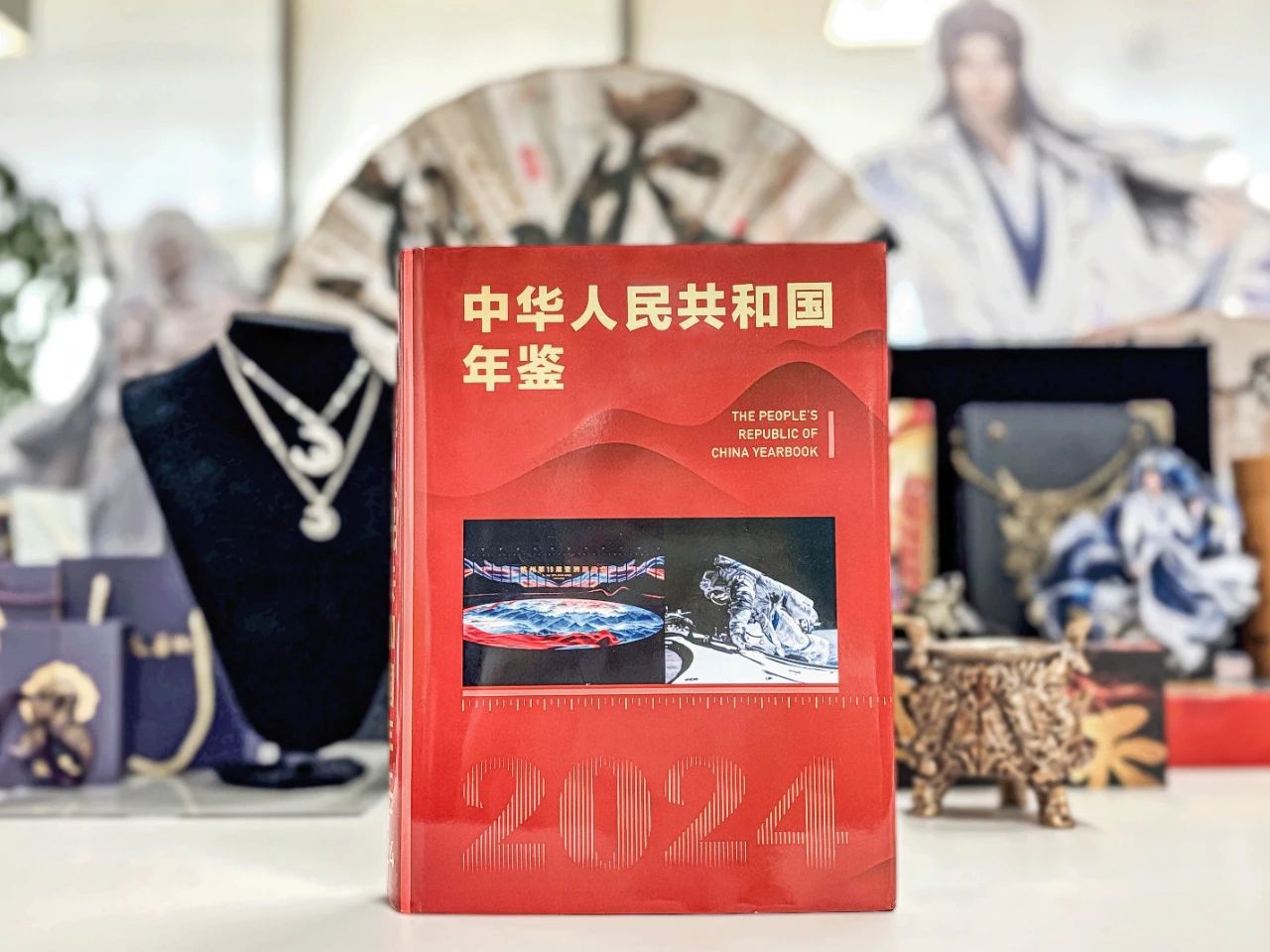
成都数字文创再获“国家级”认可,星阅辰石入编《中华人民共和国年鉴》
Mei Ri Jing Ji Xin Wen· 2025-07-21 08:07
Core Insights - Chengdu's digital cultural industry continues to achieve significant milestones, exemplified by the inclusion of the company Xingyue Chenshi in the "People's Republic of China Yearbook 2024," which reflects national recognition of its contributions to the sector [1][3] Company Overview - Xingyue Chenshi is recognized as a leading enterprise in Chengdu's digital cultural sector, focusing on the integration of technology and culture, and aims to promote Chinese culture globally through digital content [3] - The company has developed a diversified digital cultural ecosystem encompassing IP development, operation, and horizontal derivatives across various fields, including literature, animation, gaming, and film [3][5] Industry Development - Chengdu's cultural industry is experiencing robust growth, with the added value of the cultural sector expected to exceed 280 billion yuan in 2024, and a year-on-year growth of 10.3% in the first quarter of 2025 [5] - The city has implemented a series of supportive policies and financial investments to cultivate the digital cultural industry, aiming to create more phenomenon-level cultural products [5] Future Plans - The company plans to continue developing and promoting existing cultural products, including animations and games, while also preparing for the production of the "Xuanyuan Sword" animated series and game remakes [8] - There are intentions to explore deep collaborations between the company's IP and Sichuan tourism, aiming for cultural and tourism integration [8]