汽车

Search documents
26股获机构上调评级至“买入”:汽车、食品饮料、电子等板块多只个股上榜
Xin Lang Cai Jing· 2026-02-22 00:25
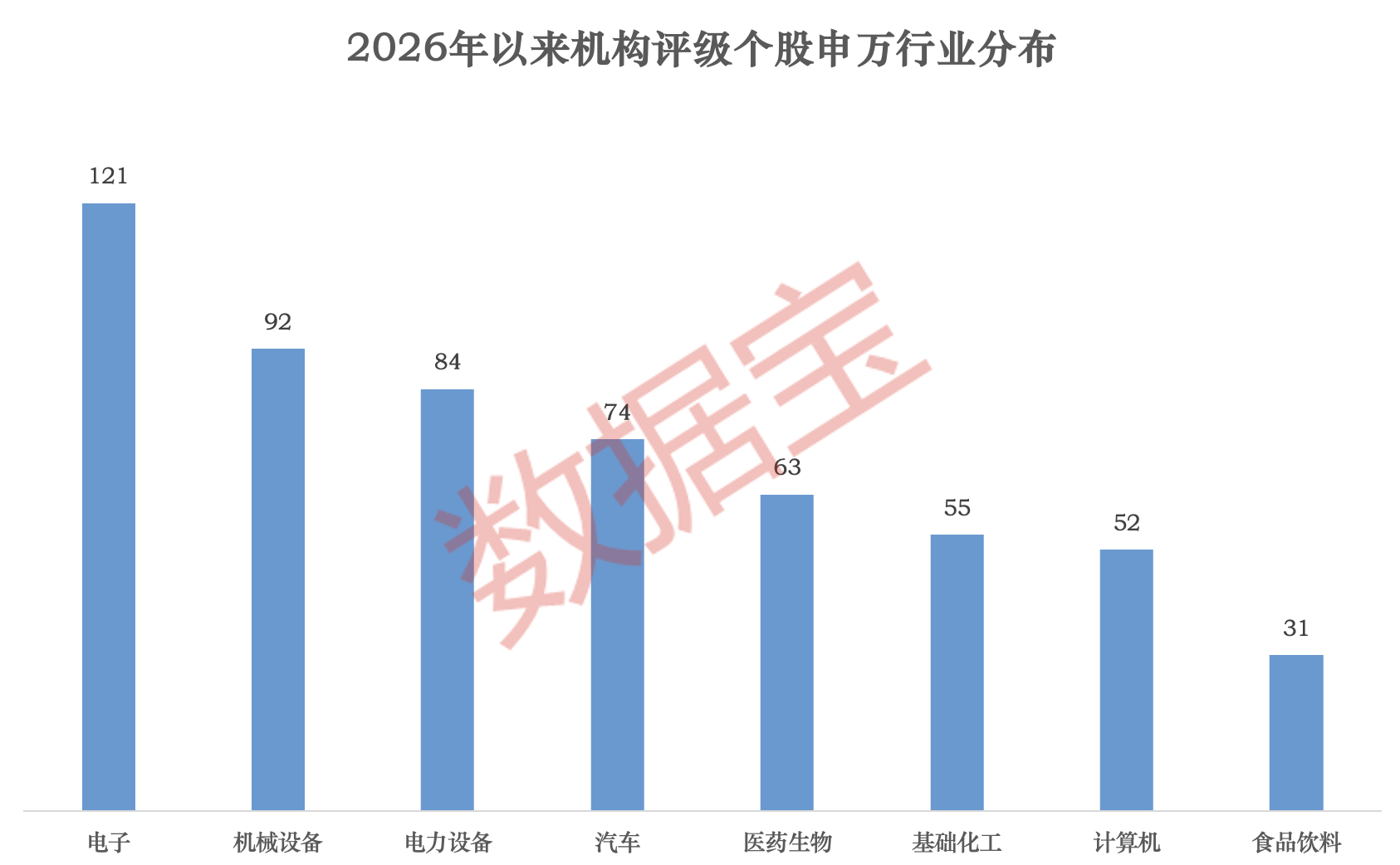
Group 1 - Since 2026, a total of 63 institutions have conducted 1,827 ratings, with 932 stocks receiving a "buy" rating from brokerage reports, including buy, overweight, strong buy, and recommend [1] - The stocks rated by institutions are primarily concentrated in the electronics, machinery equipment, and power equipment industries, with 121, 92, and 84 stocks respectively [1] - The automotive, pharmaceutical, basic chemicals, and computer sectors follow closely, each with over 50 rated stocks [1] Group 2 - Among the stocks rated by five or more institutions, Dongpeng Beverage, BYD, Wancheng Group, Kweichow Moutai, and China Duty Free rank highest, with 16, 15, 14, 14, and 14 institutions respectively [1] - A total of 26 stocks have had their ratings upgraded, including Weichai Power, Seres, Jianghuai Automobile, and Lin Tai New Materials from the automotive sector, as well as Wancheng Group, New Dairy, and Quanyuan Spring from the food and beverage sector [1] Group 3 - The companies with the highest institutional attention since 2026 include Dongpeng Beverage with a net profit of 4.465 billion yuan, a year-on-year increase of 34.22% [5] - BYD's net profit data is not specified, while Wancheng Group is projected to have a net profit of 1.315 billion yuan, a significant increase of 244.66% [5] - Kweichow Moutai and China Duty Free both received ratings from 14 institutions, but their net profit data is not disclosed [5] Group 4 - Weichai Power has a total market value of 235.07 billion yuan and has seen a price increase of 55.76% since 2026 [6] - Jianghuai Automobile has a market value of 128.85 billion yuan with a price increase of 15.47% [6] - Wancheng Group has a market value of 39.79 billion yuan with a modest price increase of 3.45% [6]





车自己开时,人怎么坐最爽?
汽车商业评论· 2026-02-21 23:03
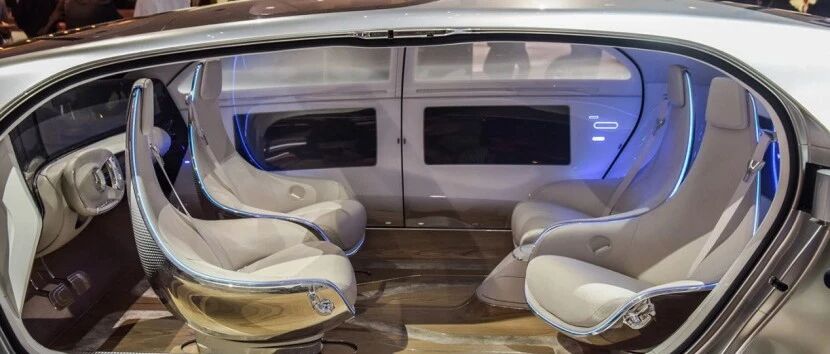
Core Viewpoint - The automotive industry is undergoing a significant transformation with the advent of fully autonomous vehicles, leading to a redefinition of passenger experience and vehicle design [4][7][27]. Group 1: Autonomous Vehicle Development - The first mass-produced Tesla Cybercab, which lacks a steering wheel and pedals, is set to roll off the production line in February 2026, marking a shift from concept to reality in autonomous driving [4]. - Companies like Waymo, Zoox, and others are actively testing and deploying autonomous vehicles in various global cities, accumulating vast amounts of real-world data and reshaping public perceptions of transportation [5][7]. Group 2: Changing Passenger Experience - As driving tasks are handed over to AI, the role of passengers is shifting from active drivers to relaxed users, allowing for activities such as resting, watching movies, or working during travel [7][11]. - This shift necessitates a rethinking of vehicle interior layouts, particularly seating arrangements, to enhance comfort and interaction among passengers [7][12]. Group 3: Traditional vs. Innovative Designs - Traditionalist companies continue to use familiar seating layouts, which help ease consumer anxiety about autonomous driving by maintaining a sense of normalcy [9][11]. - In contrast, innovative designs, such as those from Zoox, advocate for a complete departure from traditional layouts, promoting social interaction and redefining the concept of mobile space [13][15][17]. Group 4: Challenges in Implementation - The transition to innovative seating arrangements faces challenges, including motion sickness and the need for a restructured safety system to accommodate various seating orientations [22][23]. - Regulatory hurdles also pose significant obstacles, as seen with General Motors' cancellation of the Cruise Origin due to safety concerns related to its unique design [25][27].

美国高院刚宣判,特朗普大怒,美媒发现不对劲:中方根本不在意
Sou Hu Cai Jing· 2026-02-21 16:56
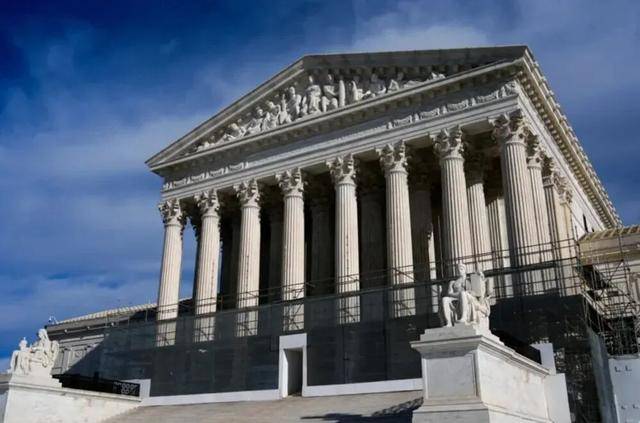
Group 1 - The U.S. Supreme Court ruled that Trump's tariffs imposed under the International Emergency Economic Powers Act (IEEPA) were illegal, requiring congressional authorization for such actions [2][3][5] - The ruling means that hundreds of billions of dollars collected in tariffs over the past year are now considered "illegal gains," leading to potential lawsuits for refunds from U.S. companies [5][6] - The authority of the president to impose tariffs has been significantly weakened, creating uncertainty for U.S. trade policy moving forward [6][21] Group 2 - China's calm reaction to the ruling reflects its prior understanding that the legal basis for Trump's tariff strategy was weak, indicating a long-term strategic outlook rather than a short-term victory [11][19] - Chinese companies are focusing on building a resilient domestic economy, with significant investments in technology and consumer markets, which can withstand external pressures [18][22] - The visit of German Chancellor Merz to China, accompanied by business leaders, highlights the importance of stable supply chains and the attractiveness of the Chinese market for global companies [11][13] Group 3 - The ruling is expected to create more procedural hurdles for future tariff implementations, making it less likely that the U.S. will pursue aggressive tariff policies as it did in the past [21][22] - The focus for China is on enhancing its economic self-sufficiency and technological capabilities, which are seen as critical for navigating future trade challenges [19][23]
特朗普新征10%全球统一关税后,当下美国对东西方主要经济体的贸易协定和关税税率如何计算?
Sou Hu Cai Jing· 2026-02-21 16:12
Core Viewpoint - The recent U.S. Supreme Court ruling declared that the large-scale tariffs imposed by the Trump administration were illegal, affirming that the power to levy taxes belongs to Congress, not the President. This has led to the introduction of a new 10% temporary tariff on global imports, effective for 150 days, which aims to replace the illegal tariffs and maintain fiscal revenue while preserving trade negotiation leverage [1][5]. Current U.S. Tariff Calculation Logic - The new tariff structure will consist of a "base tariff + temporary additional tariff" model, moving away from the previous complex nested tariff system. The base tariffs will remain unchanged, while specific tariffs on key products like steel and aluminum will continue to apply without the additional 10% tariff [3][5]. - The temporary 10% tariff will be uniformly applied globally, with exemptions for certain products. The estimated amount of the illegal tariffs that may lead to refund lawsuits is between $130 billion and $175 billion [5][6]. Exemption Categories - Exemptions from the 10% tariff include critical minerals, energy products, certain agricultural products, pharmaceuticals, electronics, and aerospace products. Additionally, products covered under bilateral or multilateral trade agreements may also be exempt from the temporary tariff [6][8]. Trade Agreement Implications - The ruling has created uncertainty in U.S. export conditions, but existing trade agreements with various economies, such as the EU and ASEAN, will remain effective. The core terms of these agreements will not be invalidated by the new tariffs [8][10]. - The EU has expressed cautious optimism, maintaining that their trade agreement with the U.S. remains intact, while ASEAN countries are positioned to benefit significantly from the new tariff structure, as their previous higher tariffs will be reduced to 10% [9][12]. Specific Economic Impacts - The U.S. and the EU's trade agreement includes provisions for tariff reductions on industrial goods and energy products, with the EU benefiting from exemptions on certain goods. However, some key EU products like wine and spirits are not included in the tariff reduction list [9][15]. - ASEAN countries, particularly Indonesia, have recently established trade agreements that will continue to be effective, allowing for significant tariff reductions on U.S. imports, thus positioning them as major beneficiaries of the new tariff regime [12][19]. - The U.S. has a limited trade agreement with the UK, which will continue to provide tariff reductions on specific goods, ensuring that the core terms remain unchanged despite the new tariffs [15][16]. Future Considerations - The temporary nature of the 10% tariff, set for 150 days, may lead to further negotiations and adjustments in trade agreements. The potential for future tariff changes remains, as the Trump administration may seek to leverage other legal avenues to adjust tariffs and trade terms [18][19].
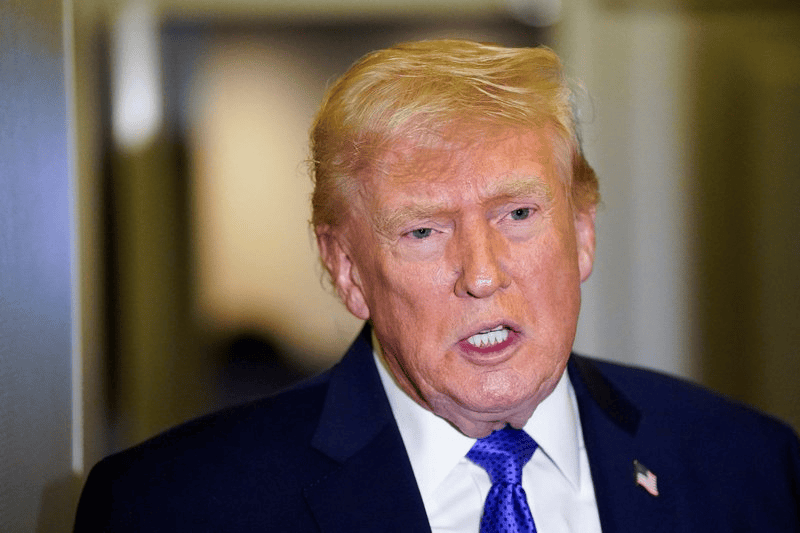
突发刷屏!白宫急宣:10%全球关税24日生效,为期150天,这些商品直接免交
Sou Hu Cai Jing· 2026-02-21 16:02
Group 1 - The U.S. government announced a temporary 10% tariff on all imported goods for 150 days, effective from February 24, following a Supreme Court ruling that deemed previous tariffs illegal [2][3] - The new tariff policy is based on the Trade Act of 1974, citing the need to address international payment issues, and is seen as a continuation of previous tariff strategies under a different legal framework [3][4] - The Supreme Court's ruling has left unresolved issues regarding the refund of approximately $170 billion in tariffs already paid by U.S. companies, leading to potential long-term legal battles [2][3] Group 2 - A long exemption list has been published, indicating that goods essential to the U.S. economy, such as certain energy resources, agricultural products, and pharmaceuticals, will not be subject to the new tariff [4][5][6] - Specific categories exempt from the tariff include energy and critical resources, essential daily consumer goods, transportation vehicles, and certain special items [5][6][7] Group 3 - The new tariff is expected to significantly impact U.S. businesses and consumers, with over 1,500 companies already filing lawsuits for tariff refunds, creating uncertainty in cash flow and operational costs [7][8] - Reports indicate that U.S. medium-sized enterprises have seen their monthly tariff expenses triple since early 2025, with tariffs now accounting for 15% of their international expenditures [8][9] - The Federal Reserve has expressed concerns about the economic implications of the new tariffs, particularly regarding inflation and the potential for trade retaliation from other countries [9][10] Group 4 - The global trade landscape is likely to be affected, with countries like Canada and Japan already responding with their own tariffs or restrictions on U.S. imports, indicating a shift in international trade dynamics [10][11] - Chinese exporters may face challenges as the 10% tariff applies globally, impacting various goods unless they fall under the exemption list, which could lead to reduced orders and profit margins [10][11] Group 5 - The temporary nature of the tariff raises questions about its long-term effectiveness in addressing trade deficits and economic issues, with many analysts viewing it as a political maneuver rather than a sustainable solution [11][12] - Future uncertainties include the potential extension of the tariff after 150 days, the resolution of refund issues, and the response of other nations to U.S. trade policies [11][12]
康迪科技股价近一周强势上涨超11%,年初至今涨幅达33%
Xin Lang Cai Jing· 2026-02-21 15:13
经济观察网 康迪科技(KNDI.OQ)近一周(2026年2月14日至2月21日)股价呈现显著波动,整体表现 强势。截至2026年2月20日收盘,股价报1.05美元,近5日累计上涨11.70%,年初至今涨幅达33.25%。具 体来看,2月17日股价大涨7.37%至1.02美元,2月18日继续上涨2.94%至1.05美元,2月19日进一步上涨 1.90%至1.07美元,创下近期高点;2月20日小幅回调1.87%,但区间振幅达16.84%,成交活跃度有所提 升。同期,美股汽车板块上涨0.98%,纳斯达克指数上涨0.90%,公司股价表现优于大盘。 以上内容基于公开资料整理,不构成投资建议。 ...
北极星股价震荡上行,机构下调目标价与评级
Xin Lang Cai Jing· 2026-02-21 15:13
Group 1 - Morgan Stanley maintains a hold rating on Polaris (PII.N) but lowers the target price from $81 to $74 due to revised delivery expectations, additional financing needs, and unclear autonomous driving strategy [1] - Cantor Fitzgerald downgraded another company named Polestar (PSNY) from neutral to underweight, which is distinct from Polaris (PII) [1] Group 2 - Polaris stock price has shown volatility, closing at $66.37 on February 20, 2026, with a daily increase of 1.55% and a 5-day cumulative increase of 0.42%, but a 20-day decline of 6.42% [2] - On February 20, 2026, trading volume was 664,700 shares with a transaction value of approximately $44.03 million, and the stock experienced a daily fluctuation of 4.15% [2] - The automotive sector saw a slight increase of 1.21% during the same period, slightly outperforming the individual stock performance of Polaris [2]

美国经济数据与政策变动引关注,美股市场波动性上升
Xin Lang Cai Jing· 2026-02-21 14:06
来源:经济观察网 经济观察网 近一周内,标普全球发布的经济数据成为热点。根据格隆汇的报道,2026年2月20日,标普 全球公布的美国2月综合PMI初值从1月的53.0降至52.3,为10个月以来最低水平,表明私营部门扩张速 度放缓,主要因工厂订单减少和服务业新业务增长疲软。同期,美国最高法院于2月21日裁定驳回特朗 普政府的全球关税政策,特朗普随后宣布将依据其他法律授权征收10%的全球关税,预计三天后生效, 这一事件可能加剧贸易政策不确定性。此外,地缘政治方面,特朗普考虑对伊朗进行有限军事打击,推 动油价波动,而美军"福特"号航母打击群进入地中海,加剧中东紧张局势。 股票近期走势 机构观点 华尔街机构认为,美国最高法院的关税裁决可能开启一段政策混乱期,但市场反应相对平淡,因预期白 宫将采取替代措施。达拉斯联储行长洛根指出,美联储将密切关注关税退款对经济的影响,而亚特兰大 联储行长博斯蒂克强调,裁决的实际效应取决于退款执行和企业调整程度。同时,经济数据方面,标普 全球PMI显示第一季度GDP年化增长率或仅为1.5%,加剧对经济放缓的担忧。 以上内容基于公开资料整理,不构成投资建议。 美股市场在2月21日收盘走高 ...
焕新优惠激活新春消费
Xin Hua Wang· 2026-02-21 11:19
Group 1 - The core viewpoint of the article highlights a significant increase in consumer activity in the home appliance, automotive, and digital sectors during the Spring Festival holiday, driven by promotional activities like "Happy Shopping Spring" and supportive policies [1][2][6][23]. - The demand for new products is robust, indicating a strong revival of consumer spending during the holiday period [1][6][22]. Group 2 - Various locations across China, including Tianjin, Jiangsu, and Hubei, reported increased consumer purchases in shopping malls and automotive dealerships, showcasing a nationwide trend in consumer behavior [4][5][7][9][12][18][21]. - The article emphasizes the ongoing vitality of holiday consumption, suggesting a positive outlook for the retail and consumer goods sectors [1][10][19].
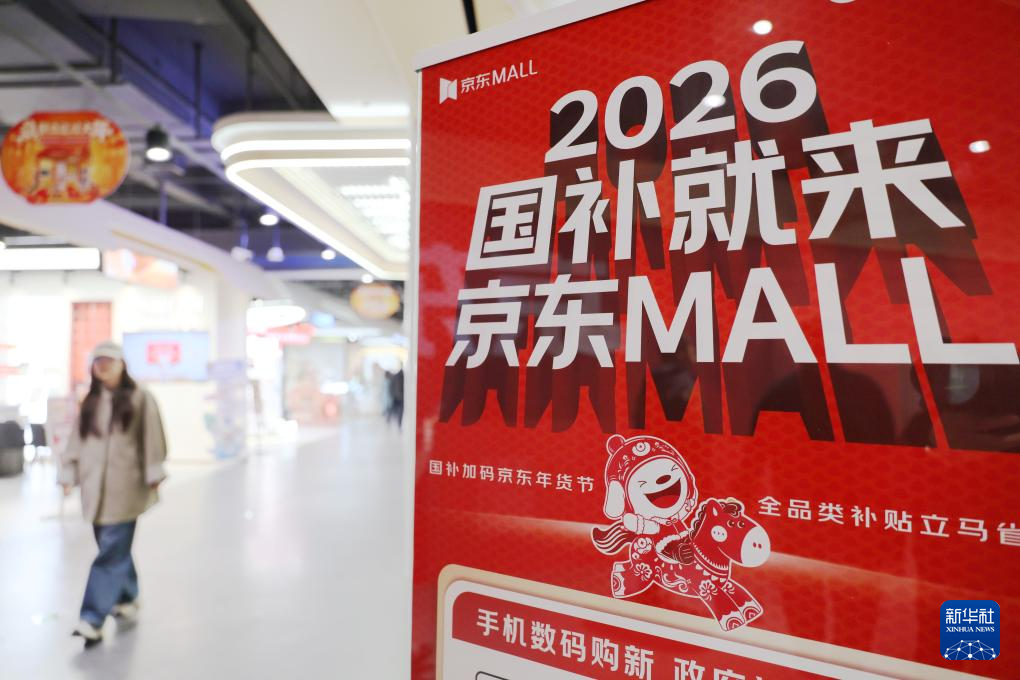
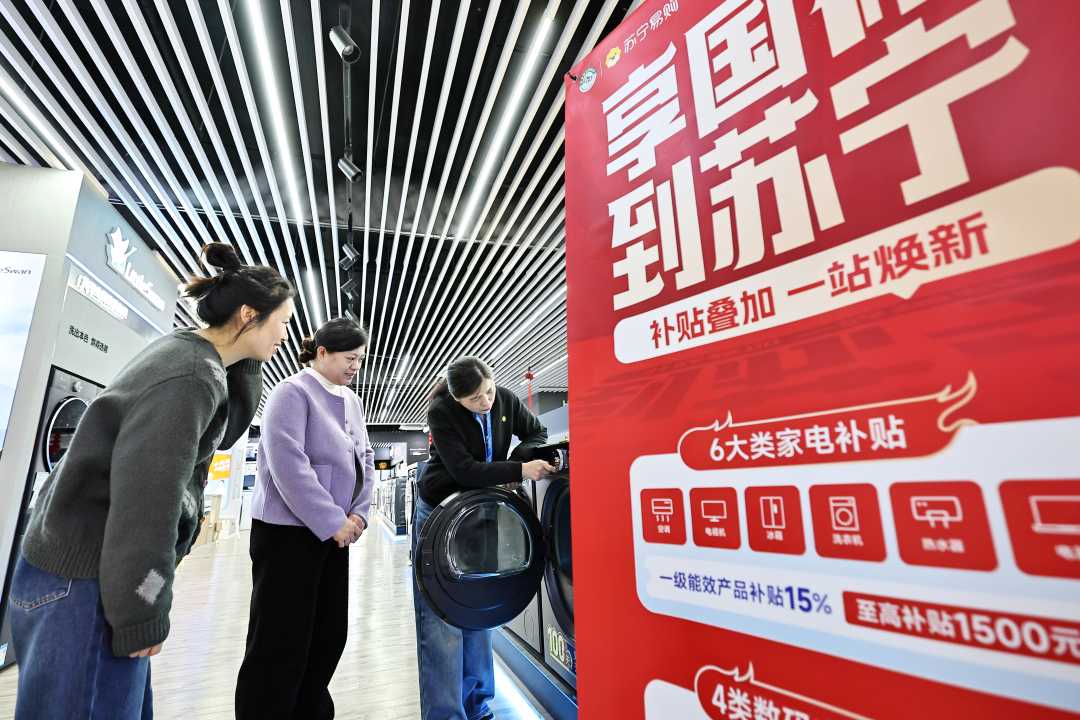
“新春焕新”激发消费热
Xin Lang Cai Jing· 2026-02-21 11:03
2月21日,消费者在浙江省嘉兴市南湖区一家家电卖场选购洗衣机。嘉兴各大家电卖场和汽车销售门店推出"新春焕新"消费系列促销活动,吸引众多消费 者。 金鹏摄(中经视觉) (来源:经济日报) 转自:经济日报 ...