旅游业

Search documents
无人机扰鸟引关注,这地出台“禁飞令”守护候鸟安全
Xin Hua She· 2025-11-19 03:23
Core Points - The announcement by five departments in Dongying City, Shandong, establishes temporary control measures for unmanned aerial vehicles (UAVs) during the migratory periods of birds to ensure their safety in the Yellow River Delta National Nature Reserve [1][3] - The nature reserve is a critical area for international migratory birds, attracting both birds and photography enthusiasts, but incidents of UAVs disturbing bird populations have raised concerns [1][3] - Following the death of a bean goose due to a UAV collision, the local government has implemented a "no-fly zone" to protect the birds while allowing for reasonable UAV use for scientific research [3][4] Summary by Sections Regulatory Measures - The Dongying government has quickly responded to public concerns by coordinating control measures for UAVs, establishing clear boundaries for the no-fly zone while avoiding blanket bans [3] - A special action plan has been developed, including the formation of a patrol team of over 40 members to conduct regular monitoring during peak bird activity times [3][4] Tourism and Infrastructure Development - The "bird wave" phenomenon has significantly boosted tourism in Dongying, leading to improvements in local amenities such as service stations, parking, and sanitation facilities [3][4] - Local tourism officials are actively engaging with visitors through a dedicated online group to gather feedback and enhance the overall experience for tourists [5]


崇左多项主要经济指标 提前完成“十四五”规划目标任务
Guang Xi Ri Bao· 2025-11-19 02:48
Core Insights - The report highlights the economic and social development of Chongzuo City, which has achieved an average GDP growth of 7.4% from 2021 to 2024, surpassing national and regional averages [1] - The city has successfully completed several key economic indicators ahead of the "14th Five-Year Plan" targets, emphasizing high-quality development and the promotion of six revitalization initiatives [1][2] Economic Growth - Chongzuo's GDP per capita increased from 42,000 yuan to 64,000 yuan, with an annual growth rate of 7.9% [1] - The total agricultural output, particularly in sugarcane, has positioned Chongzuo as a leading sugar producer in China, with over 4.1 million acres of sugarcane planted [1][2] Industrial Development - The city has established three industrial clusters each worth over 10 billion yuan and one agricultural cluster of the same value, enhancing its industrial capacity [2] - The development of domestically produced injectable pharmaceutical-grade sucrose has broken foreign technology monopolies [2] Trade and Port Development - Chongzuo has maintained the highest import and export volume in the region for 16 consecutive years, with a projected cross-border e-commerce import-export value of 30.12 billion yuan in 2024, marking a 697% year-on-year increase [2] Tourism and Cultural Development - The city has developed national-level tourism brands, including the Daxin Mingshi National Tourism Resort and the Huashan Rock Paintings, contributing to a 12.86% annual increase in tourist arrivals [2] Urban and Social Development - Chongzuo has implemented initiatives to improve water and air quality, ranking third nationally for water quality and among the top in the region for air quality [3] - The city has created a model for legal governance and has been recognized as a national model for ethnic unity [3] Educational and Technological Advancements - The city has established 29 new innovation platforms and achieved significant milestones in education, including the first admissions from Tsinghua University and Peking University [3] - Initiatives to retain talent have attracted 21,000 graduates to work and start businesses in Chongzuo [3]

老区焕发新生机 金融助力正当时
Jin Rong Shi Bao· 2025-11-19 02:03
Core Viewpoint - The financial sector in Xinyang is actively supporting the revitalization of the revolutionary old area through innovative financial products and services, focusing on agriculture, green finance, technology, and cultural tourism [1][2][3][4][5][6][7] Group 1: Agricultural Support - The Agricultural Bank provided a timely loan of 2 million yuan to a tea farmer, enabling early production of tea, highlighting the importance of financial support for local agriculture [2] - By May 2025, the total balance of inclusive loans in Xinyang reached 69.14 billion yuan, with an increase of 4.34 billion yuan since the beginning of the year [2] Group 2: Green Finance Initiatives - The People's Bank of China Xinyang Branch has issued 6.88 billion yuan in preferential loans to support green projects, leading the province in scale [3] - By March 2025, the balance of green loans in Xinyang reached 32.214 billion yuan, reflecting a year-on-year growth of 21% [3] Group 3: Technological Financial Support - The Xinyang Branch of the People's Bank has implemented a technology finance work plan, focusing on expanding scale and optimizing services, resulting in a technology loan balance exceeding 25 billion yuan by May 2025, with a growth of 10.2% since the beginning of the year [5] - Loans to technology-based SMEs reached 3.86 billion yuan, showing a significant increase of 30.1% [5] Group 4: Cultural and Tourism Development - The Xinyang financial institutions are promoting red tourism and rural study through innovative products like "Red Tourism Loan" and "Red City Study Loan," with a total loan balance for related industries reaching 2.47 billion yuan by June 2025 [6] - The integration of finance, technology, and education at the Dabie Mountain Cadre Academy exemplifies the digital transformation in red education [6] Group 5: Overall Impact - The financial initiatives in Xinyang are transforming the local economy, enhancing agricultural productivity, promoting green projects, supporting technological innovation, and fostering cultural tourism, reflecting the enduring spirit of the anti-Japanese war and the revitalization of the old revolutionary area [7]
全球资产集体暴跌,谁是罪魁祸首?
吴晓波频道· 2025-11-19 00:51
Core Viewpoint - The article discusses the recent global asset sell-off, attributing it to various factors including the Federal Reserve's policy shifts, concerns surrounding Nvidia's earnings report, and geopolitical tensions involving Japan. It emphasizes that all asset classes, including traditionally safe havens like gold, have been affected by this market turmoil [3][5][21]. Global Market Overview - The U.S. stock market experienced significant declines, with the Dow Jones dropping 1.18%, Nasdaq down 0.84%, and S&P 500 falling 0.92% on what was termed "Black Monday" [8]. - Following this, the Dow Jones faced a rare four-day losing streak, with maximum declines reaching 1.45% for the Dow and 2% for Nasdaq [9]. - The S&P 500 and Nasdaq broke below their 50-day moving averages for the first time in 138 trading days, signaling strong bearish sentiment [10]. - The cryptocurrency market also suffered, with Bitcoin dropping from $126,000 in October to below $90,000, erasing all gains for 2025 [12][13]. - Asian markets mirrored these declines, with Japan's Nikkei 225 index falling 3.22%, marking its largest single-day drop since April [15]. Causes of the Sell-off - The Federal Reserve's shift towards a more hawkish stance has been identified as a primary driver of the recent market volatility, with a significant drop in the probability of interest rate cuts for December [22][24]. - Nvidia's upcoming earnings report is seen as a critical indicator for the AI sector and the broader market, with major investors like Peter Thiel's hedge fund and SoftBank selling off their Nvidia shares [31][36]. - Geopolitical tensions, particularly Japan's comments regarding Taiwan, have also contributed to market instability, leading to a significant drop in Japanese stocks and concerns over the impact on tourism and the economy [39][44]. A-shares and Market Sentiment - The Shanghai Composite Index has approached critical support levels, with the lowest point recorded at 3926.59, raising concerns about the potential for further declines [60][63]. - Analysts suggest that while external pressures from the U.S. market are significant, internal factors also indicate a need for adjustment within the A-share market [64]. - Despite the current bearish sentiment, many analysts remain optimistic about the long-term outlook for A-shares, predicting a favorable environment for investment in 2026 [69][70]. Gold as a Safe Haven - Traditionally viewed as a safe haven, gold has not performed as expected during the recent market downturn, with prices dropping below $4,000 per ounce [19]. - The liquidity crisis has forced investors to sell gold to raise cash, leading to a correlation between gold and risk assets [71][75]. - Historical data indicates that gold is a high-risk asset with significant volatility, challenging the perception of it being a reliable safe haven [76][78]. Conclusion - The article concludes that the current market volatility is likely to persist in the short term, driven by the Federal Reserve's policies, Nvidia's performance, and geopolitical uncertainties. However, it emphasizes the importance of long-term investment strategies and the eventual return to rational market behavior [80][81].


毛宁表示,中方不见高市,钝刀子割肉开始,日本股票应声暴跌
Sou Hu Cai Jing· 2025-11-18 23:15
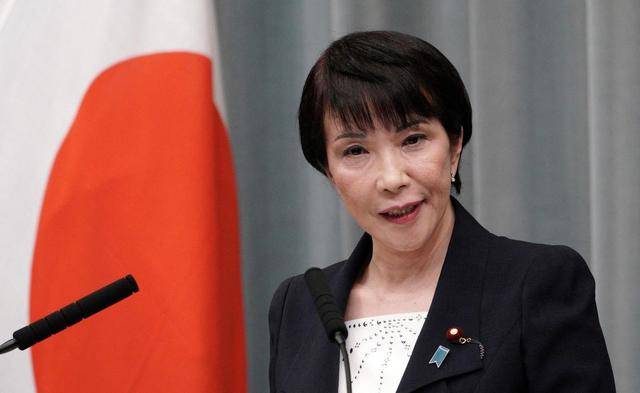
Group 1 - A sudden diplomatic storm in November marked a critical turning point in China-Japan relations, triggered by Japanese Prime Minister Kishi Nobuo's hardline remarks regarding Taiwan, which provoked strong discontent from China [1][3][5] - Kishi's comments about potential Japanese Self-Defense Force intervention in the event of a Taiwan conflict were seen as a direct provocation, crossing China's core interest boundaries [3][5][7] - China's response was clear, with Foreign Ministry spokesperson Mao Ning stating there were no arrangements for a meeting with the Japanese Prime Minister during the G20 summit, indicating a firm stance on sovereignty issues [5][7][15] Group 2 - The Japanese market reacted swiftly, with significant declines in tourism, retail, and airline sectors, reflecting the market's anticipation of the diplomatic fallout [3][11][19] - On November 18, the Nikkei 225 index dropped over 1000 points, signaling a shift in market sentiment as investors recognized the long-term implications of reduced Chinese tourism and spending [11][19][24] - China's approach to exerting pressure was subtle yet effective, issuing safety warnings for travel and study in Japan, which could have lasting impacts on Japan's economy heavily reliant on Chinese consumers [9][11][19] Group 3 - Kishi aimed to project an image of a "security decision-maker" but risked damaging Japan's international credibility if her statements were not retracted [9][15][17] - The Japanese government faces a dilemma, balancing the need to support Kishi's statements while managing the economic and diplomatic repercussions of a frozen relationship with China [7][15][19] - The situation highlights a lack of unified strategic direction within the Japanese political landscape regarding China, leading to potential diplomatic miscalculations [15][17][21] Group 4 - The incident serves as a warning to other nations about the potential consequences of verbal provocations that touch on core national interests, as China's response indicates a firm unwillingness to compromise [21][23] - Japan now faces a critical decision: to continue supporting Kishi's stance or to reassess its policy logic in light of the market's reaction and diplomatic fallout [23][24]
泰国经济“陷入泥潭”,印尼急出刺激举措,东南亚多国三季度经济增速放缓
Huan Qiu Shi Bao· 2025-11-18 22:58
Group 1 - Southeast Asia's six major economies show a slowdown in growth, with four countries experiencing reduced GDP in Q3 due to weak manufacturing output and low household consumption [1] - Thailand's Q3 GDP growth is reported at 1.2%, down from 2.8% in the previous quarter, marking the lowest level in nearly four years, primarily affected by a 1.6% decline in manufacturing [1] - Thailand's exports of goods and services also slowed to 6.9% in Q3, significantly lower than the 11.2% growth in Q2, reflecting a downturn in computer and other manufacturing product shipments, as well as a decline in tourism [1] Group 2 - The Thai central bank indicated that strong exports in Q2 were largely due to pre-shipment before tariffs took effect, predicting weaker external demand in H2, especially in Q3 [2] - The Secretary-General of Thailand's National Economic and Social Development Council noted that 82% of Thailand's exports to the U.S. are subject to high tariffs, contributing to economic challenges [2] - Singapore's Q3 GDP growth slowed to 2.9% from 4.5% in Q2, attributed to declines in the biopharmaceutical and general manufacturing sectors [2] Group 3 - Indonesia's Q3 GDP growth slowed to 5.04%, partly due to weak private consumption, prompting the government to announce nearly $3 billion in stimulus measures for Q4 [3] - Malaysia's Q3 GDP grew by 5.2%, up from 4.4% in the previous quarter, driven by a recovery in mining, although private consumption growth slowed from 5.3% to 5.0% [3] - Vietnam stands out with a GDP growth increase to 8.22% in Q3 from 8.0% in Q2, supported by strong manufacturing, construction, and service activities, despite potential export reductions due to U.S. tariffs [3]
中方要求日方给出“明确交代”,外交部:日方必须立即收回错误言论,深刻反省,改弦更张
Huan Qiu Shi Bao· 2025-11-18 22:44
Group 1 - Japan's Prime Minister Kishi Sanae's controversial remarks regarding Taiwan have led to strong protests from China, resulting in economic and tourism repercussions for Japan [1][2][5] - Approximately 491,000 flight tickets to Japan have been canceled by Chinese airlines, representing 32% of total bookings, with a significant impact on Japan's tourism industry [4][5] - The reduction in Chinese tourists could lead to a 0.2 percentage point decrease in Japan's GDP growth if the number of visitors is halved, exacerbating the already fragile state of Japan's economy [5][6] Group 2 - The Japanese government is facing criticism from within, with calls for Prime Minister Kishi to reconsider her statements and actions that have escalated tensions with China [6][8] - There are concerns that Kishi may visit the Yasukuni Shrine, which could further strain Japan-China relations and provoke international backlash [7][8] - The ongoing diplomatic tensions have narrowed communication channels between Japan and China, complicating efforts to resolve the situation [3][8]
海南自贸港全岛封关进入冲刺期
Zhong Guo Zheng Quan Bao· 2025-11-18 20:04
Core Insights - Hainan Free Trade Port is entering the final month before its full closure operation, with significant advancements in policy and infrastructure readiness [1] - The customs regulatory system has been established, with multiple policies and operational guidelines released to support the closure operation [2] - The closure operation is expected to attract global investors and boost key industries in Hainan, particularly tourism and modern services [2][3] Group 1: Policy and Infrastructure Readiness - Hainan's customs will implement a policy framework focused on "one line open, two lines controlled, and free movement within the island" to enhance trade facilitation [1] - Four customs support projects have been completed, and ten "second-line ports" have passed national inspections, ready for operation [1] - A smart customs regulatory platform has been launched, ensuring efficient customs supervision for the closure operation [1] Group 2: Economic Impact and Industry Development - From January to September, Hainan established 1,513 new foreign-funded enterprises, a year-on-year increase of 12.16%, with actual foreign investment reaching 18.368 billion yuan, up 42.2% [2] - The closure operation is expected to significantly boost the development of key industries such as tourism, modern services, and high-tech sectors [2] - Hainan aims to create a new tax system characterized by zero tariffs and low tax rates, promoting growth in strategic emerging industries like biomedicine and digital content processing [3]
要动武?日本股市先"崩"为敬!高市早苗的豪赌,撞上中国经济铁壁
Sou Hu Cai Jing· 2025-11-18 15:22
Group 1: Political Developments - Japanese Prime Minister Sanae Takaichi's recent statements suggest a potential military intervention in the Taiwan Strait, indicating a shift in Japan's defense posture [1] - Takaichi's government plans to accelerate defense spending to 2% of GDP, originally set for fiscal year 2027, raising concerns given Japan's high debt levels [3] - The government is also considering changes to its "Three Non-Nuclear Principles," which could allow for the introduction of nuclear weapons [3] Group 2: Military Capabilities - Japan has been quietly building significant offensive capabilities, including the development of "counterstrike capabilities" and the procurement of 400 Tomahawk cruise missiles [4] - The Japan Maritime Self-Defense Force has modified two Izumo-class destroyers to operate F-35B fighter jets, enhancing its naval power [4] - Plans are underway to establish approximately 130 large ammunition depots across the country by 2035 [4] Group 3: Economic Context - Japan's economic dependency on China is substantial, with a 59.1% increase in investments in China in the first half of 2025, and over 30% reliance on Chinese supplies for key industries like automotive and semiconductors [7] - Japan's energy security is precarious, with 98% of its oil imported and 88% of that reliant on the Strait of Malacca, which is outside Japan's control [7] - The government's debt exceeds twice its GDP, raising concerns about the sustainability of increased defense spending [7] Group 4: Public Reaction - Takaichi's remarks have sparked widespread criticism domestically, with former Prime Minister Shigeru Ishiba and other political figures expressing concern over the implications of such statements [8] - Public protests have occurred, with citizens demanding Takaichi retract her statements and apologize [8] Group 5: Historical Context - Analysts draw parallels between Takaichi's rhetoric and historical narratives used to justify Japan's past military expansions, warning that such language may serve as a pretext for aggressive military policies [10] - The potential shift away from Japan's pacifist constitution could escalate regional tensions rather than enhance national security [10]

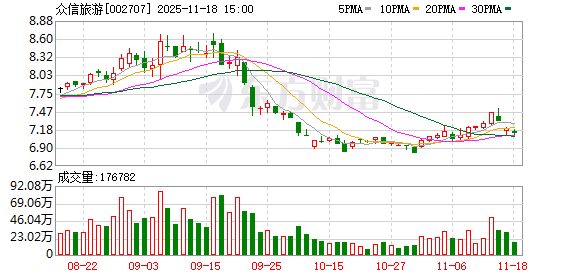
众信旅游:关于选举公司第六届董事会职工代表董事的公告
Zheng Quan Ri Bao· 2025-11-18 14:10
Core Viewpoint - Zhongxin Tourism announced the election of Mr. Zhang Lei as the employee representative director of the sixth board of directors through a democratic election at the employee representative assembly [2] Company Summary - The company held an employee representative assembly where Mr. Zhang Lei was elected as the employee representative director [2]