
卫星

Search documents
时空道宇:吉利星座一期组网完成,在轨卫星增至64颗
Xin Lang Cai Jing· 2025-09-24 13:39
Core Insights - The company, Shikong Daoyu, announced the launch of the Geely Constellation, a globally low-orbit satellite IoT constellation designed, developed, built, and operated entirely in-house [1] - From 2022 to 2025, the company plans to complete the first phase of network deployment through six consecutive successful launches [1] - Currently, the total number of satellites in orbit has increased to 64, including experimental satellites from previous orbital deployments [1]

卫星板块催化不断 相关主题指数近一年涨近70%
Shang Hai Zheng Quan Bao· 2025-09-22 12:21
Core Viewpoint - The satellite industry in China is experiencing a catalytic period this year, driven by favorable industrial policies and active market trading, with significant growth in related indices [1] Group 1: Industry Performance - Three satellite-related indices are currently available: the CSI Satellite Industry Index, the CSI Satellite Navigation Industry Index, and the Guozheng Commercial Satellite Communication Industry Index [1] - As of September 19, the one-year growth rates for these indices are 69.35%, 80.39%, and 69.44%, respectively, ranking them among the top in the market theme indices [1] Group 2: Research and Development Investment - Over the past five years, R&D investment in China's satellite industry has accelerated, with the R&D expenses projected to reach 24 billion yuan in 2024, accounting for over 13% of revenue [1] Group 3: Investment Opportunities - Starting September 23, GF Fund will launch the GF CSI Satellite Industry ETF, which closely tracks the CSI Satellite Industry Index and invests at least 90% of its net asset value in the index's constituent stocks [1] - The ETF will also support T+0 flexible trading, providing investors with a convenient tool to invest in the satellite industry [1]
新华财经晚报:9部门发布《关于扩大服务消费的若干政策措施》
Xin Hua Cai Jing· 2025-09-16 09:50
Domestic News - The Ministry of Commerce and nine other departments released measures to expand service consumption, proposing 19 initiatives across five areas, including promoting "service consumption seasons" and optimizing operating hours for popular cultural venues and scenic spots [1] - The Minister of Agriculture and Rural Affairs announced that China's grain production is expected to exceed 1.4 trillion jin in 2024, with per capita grain availability reaching 500 kg, ensuring national food security [1] - The Minister also highlighted significant progress in agricultural modernization during the 14th Five-Year Plan period, with over 100 million acres of high-standard farmland built and a contribution rate of agricultural technology advancement reaching 63.2% [1] Industry News - The China Automobile Industry Association called for domestic and foreign companies to enhance technological innovation and industry chain collaboration, emphasizing the need for an open and fair international market environment for sustainable development in the automotive sector [2] - The association urged further cooperation in electrification and intelligence to promote the global automotive industry's green, safe, and high-quality development [2] International News - The World Trade Organization's special meeting on the Fisheries Subsidies Agreement saw four member countries submit their ratifications, bringing the total to the required number for the agreement to take effect [6] - The Bank of Thailand's governor stated that monetary policy has been adjusted to provide a more accommodative environment amid sluggish economic growth, with measures taken to address fluctuations in the Thai baht [6]

奋进的中国 我们的“十四五”|瞰见“五色吉林” 白山松水间铺展新答卷
Yang Shi Wang· 2025-09-15 03:58
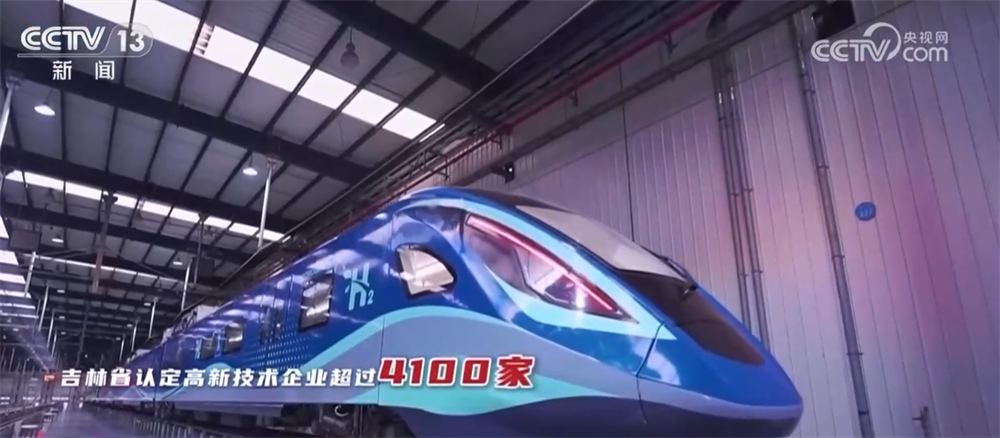
Core Viewpoint - The article highlights the significant development and transformation of Jilin province under the guidance of Xi Jinping, emphasizing high-quality development and integration into the new development pattern of China [1] Group 1: Economic Development - Jilin has embraced high-quality development during the 14th Five-Year Plan, focusing on innovation and practical efforts to enhance its role in national security [1] - The province has transformed from an industrial base to an innovation hub, with advancements such as the "Jilin-1" satellite and hydrogen-powered trains [2] - Jilin's cross-border e-commerce initiatives have strengthened its position in the Belt and Road Initiative, particularly through the Hunchun port [2] Group 2: Agricultural Achievements - Jilin has consistently produced over 800 billion jin of grain, contributing significantly to China's food security [4] - The implementation of the "Black Land Protection Regulations" has helped convert saline-alkali land into productive agricultural areas, supporting rural revitalization [4] Group 3: Tourism and Winter Economy - The province boasts 68 ski resorts, promoting a "white economy" and hosting events like the Changchun Vasa competition, which celebrates its 23rd year [9] - Jilin has successfully transformed its cold resources into vibrant industries, enhancing its appeal as a winter tourism destination [9] Group 4: Environmental Initiatives - Jilin is home to the Northeast Tiger and Leopard National Park, showcasing its commitment to wildlife conservation [12] - The province has developed a green energy landscape with wind and solar power projects, connecting various national parks and nature reserves [12] Group 5: Cultural Heritage - Jilin emphasizes its red heritage, fostering a sense of national unity and pride through its historical narratives and cultural identity [15] - The province's rich history and cultural legacy contribute to its overall development strategy, reinforcing its social fabric [15] Group 6: Overall Progress - The article concludes that Jilin is showcasing its vibrant development and steadfast progress to the world, reflecting the dynamic changes in the region [17]
上交所发布!王兴兴等入选
Zheng Quan Ri Bao Wang· 2025-09-14 09:46
Core Points - The Shanghai Stock Exchange has released the candidate list for the third Technology Innovation Advisory Committee, consisting of 60 members [1] - The committee includes founders and executives from various technology companies, as well as leaders from semiconductor and biopharmaceutical sectors [1] - Experts from aerospace, robotics, satellite, and communication industries have also been nominated for the new advisory committee [2] Group 1: Technology Company Representatives - Founders and executives from notable technology firms are included in the candidate list, such as Wang Xingxing from Yushu Technology, Wang He from Galaxy General Robotics, and Peng Zhihui from Zhiyuan Innovation [1] - Executives from listed companies in the semiconductor and biopharmaceutical sectors are also part of the candidates, including Yin Zhiyao from AMEC and Zhang Lianshan from Jiangsu Hengrui Medicine [1] Group 2: Industry Experts - The new advisory committee features experts from various fields, including Wang Zhaokui from Tsinghua University and Wei Liang from the China Academy of Information and Communications Technology [2] - The previous committee played a significant role in supporting the construction of the Sci-Tech Innovation Board and assessing the innovation attributes of enterprises [2]
万颗卫星上天难
经济观察报· 2025-09-07 09:20
Core Viewpoint - The Chinese commercial space industry is facing a significant bottleneck in rocket launch capacity, which is hindering the deployment of satellite constellations despite a growing demand for satellite services [2][4][10]. Group 1: Market Demand and Challenges - A major rocket launch order worth 616 million RMB from Shanghai Yuanxin Satellite Technology Co. has repeatedly failed to attract enough bidders, highlighting the shortage of capable private rocket companies [2][4]. - The total number of satellites planned by Yuanxin's "Qianfan Constellation" and China Star Network's "GW Constellation" has exceeded 30,000, indicating a substantial demand for launch services [3][4]. - The urgency of satellite launches is emphasized by the International Telecommunication Union (ITU) rules, which impose strict deadlines for satellite deployment to retain orbital and frequency resources [7][8]. Group 2: Current Launch Capacity - As of mid-2025, the Chinese commercial space sector has not produced a liquid rocket that can match the capabilities of SpaceX's Falcon 9, which poses a challenge for satellite companies needing reliable and cost-effective launch options [4][10]. - The recent bidding process by Yuanxin Satellite revealed that there are not enough qualified suppliers to meet the demand for large-capacity launch services, underscoring the industry's operational limitations [12][18]. Group 3: Potential Solutions and Developments - The market is looking towards several upcoming rockets, such as Tianbing Technology's "Tianlong-3," Blue Arrow Aerospace's "Zhuque-3," and CAS Space's "Lijian-2," which are expected to meet the large-scale constellation deployment needs but have yet to complete their first flights [5][23]. - The infrastructure for high-density launches is being developed, with new launch sites and production capabilities being established to support the anticipated increase in launch frequency [24][25]. - The capital market is becoming more accessible for companies in the commercial space sector, with firms like Blue Arrow Aerospace and CAS Space entering the IPO preparatory phase to secure funding for future growth [25].

万颗卫星上天难
Jing Ji Guan Cha Wang· 2025-09-05 14:29
Core Viewpoint - The Chinese commercial space industry is facing a significant bottleneck in rocket launch capacity, which is hindering the deployment of satellite constellations necessary for various applications, including internet services and earth observation [1][2][3] Group 1: Market Demand and Challenges - Shanghai Yuanxin Satellite Technology Co., Ltd. has a budget of 616 million RMB for a rocket launch order to support its "Qianfan Constellation" project, but the bidding process has repeatedly failed due to insufficient qualified suppliers [1][2] - The total number of satellites declared by Yuanxin and another company has exceeded 30,000, indicating a high demand for launch services [2] - The urgency is compounded by the International Telecommunication Union (ITU) rules, which impose strict deadlines for satellite launches to retain orbital and frequency resources [4][5] Group 2: Current Launch Capacity - The current private rocket companies in China lack a large-capacity liquid rocket comparable to SpaceX's Falcon 9, which limits their ability to meet the growing demand for satellite launches [2][3] - The recent bidding results show that only a few private companies, such as Tianbing Technology and Blue Arrow Aerospace, have the potential to meet the launch requirements, but they have not yet completed their first flight tests [3][10] Group 3: Industry Developments - The market has seen significant contracts, such as a 990 million RMB deal signed by Aerospace Hongtu with an international client, indicating a thriving satellite industry despite the launch capacity issues [2][7] - The launch frequency and capacity of Chinese companies are lagging behind SpaceX, which completed 100 orbital launches in the first eight months of 2025 alone [6][11] Group 4: Future Prospects - The industry is witnessing a shift towards developing large-capacity, reusable liquid rockets, with companies like Tianbing Technology and Blue Arrow Aerospace focusing their resources on this goal [17][18] - The infrastructure for high-density launches is being developed, with new launch sites and facilities being established to support future rocket launches [20][21] - The successful completion of initial flights for the new generation of rockets is critical for the satellite companies to proceed with their deployment plans [18][21]
第十五届中国—东北亚博览会观展人数达12万人次
Zhong Guo Jing Ji Wang· 2025-09-01 11:27
Core Insights - The 15th China-Northeast Asia Expo concluded after five days, showcasing a significant number of exhibitors and innovative technologies [1][3] - The event attracted 20,733 guests from 45 countries and regions, with a total attendance of 120,000 visitors [1][5] Group 1: Event Overview - The expo emphasized "exhibition promotes trade, conference promotes investment," focusing on industry and project connections, and facilitating economic and cultural exchanges [3] - A total of 34 main and thematic activities were held, creating a multi-level and wide-ranging communication mechanism [3] Group 2: Exhibition Details - The expo featured a "display + experience" model with a "4+2" exhibition framework, covering a total area of 73,000 square meters and setting up 3,620 international standard booths [5] - 1,029 domestic and international exhibiting companies participated, including 24 Fortune Global 500 companies and 14 Chinese Fortune 500 companies [5] Group 3: Industry Highlights - The Modern Industry Pavilion showcased advancements in automotive, petrochemical, rail transit, satellite, carbon fiber, biopharmaceuticals, hydrogen energy, artificial intelligence, and low-altitude economy [7] - The Open Cooperation Pavilion highlighted trade, investment, infrastructure, energy, and technology cooperation achievements among Northeast Asian countries [7] Group 4: Consumer and Cultural Exhibits - The New Consumption and New Services Pavilion displayed the latest products in smart wearables, smart home technology, and cultural tourism products [7] - The International and Hong Kong-Macau-Taiwan Specialty Goods Pavilion featured 264 enterprises from 43 countries and regions, showcasing economic development, advantageous industries, and cultural tourism [9]
第十五届中国—东北亚博览会闭幕 为各方深度合作搭台
Zhong Guo Xin Wen Wang· 2025-08-31 14:29
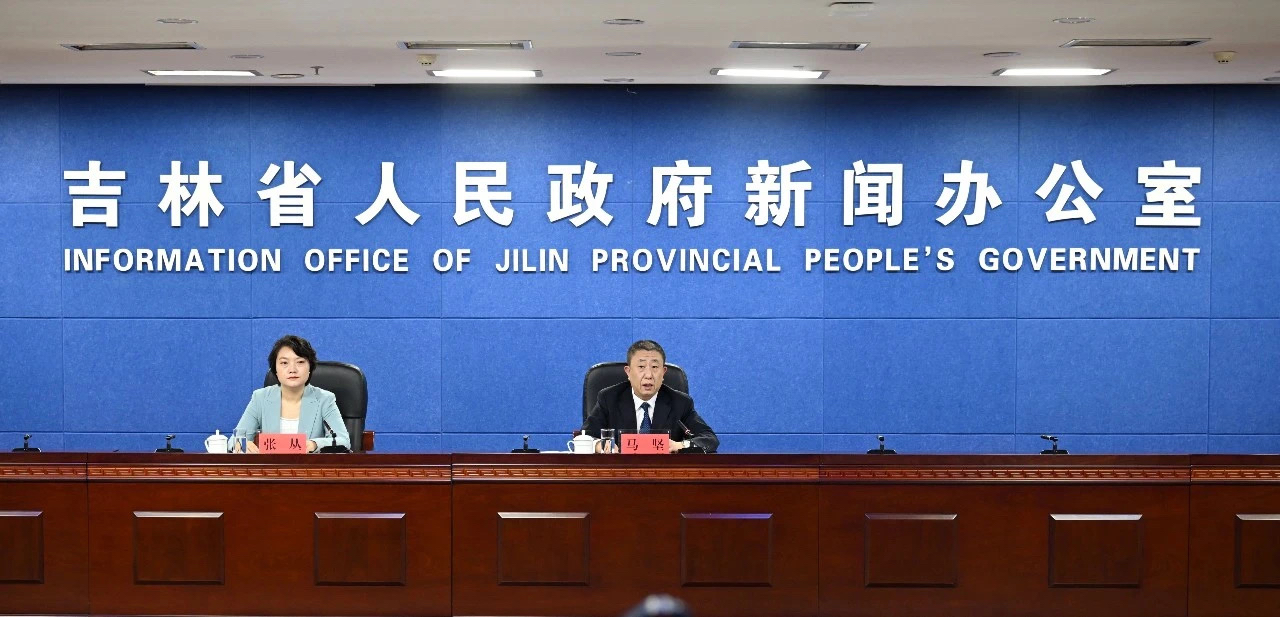
Group 1 - The 15th China-Northeast Asia Expo concluded in Changchun, showcasing the deepening and broadening of cooperation among participating countries [1][2] - The expo is the only international comprehensive exhibition involving six Northeast Asian countries, promoting trade and investment cooperation in the region for 20 years [1] - A total of 20,733 guests from 45 countries and regions attended, including executives from 44 Fortune Global 500 companies, indicating a rising level of international participation [1] Group 2 - The expo emphasized the concept of "exhibition promotes trade, conference promotes investment," focusing on industry and project matching, and facilitating economic and cultural exchanges [2] - A total of 34 main and thematic activities were held, creating a multi-level and wide-ranging communication mechanism [2] - Successful events included the Russia Business Day and China-Japan Economic and Trade Exchange, enhancing cooperation in sectors like hydrogen energy [2]
携手开创东北亚新的美好未来——写在第十五届中国—东北亚博览会举办之际
Xin Hua She· 2025-08-26 14:24
Group 1: Event Overview - The 15th China-Northeast Asia Expo will be held in Changchun, Jilin Province from August 27 to 31, marking the 20th anniversary of the event [1] - The expo aims to explore new paths and models for regional cooperation amidst increasing global economic uncertainty, focusing on supply chain cooperation, new productivity cultivation, and expanding trade and investment [1] Group 2: Trade and Investment Opportunities - In 2024, trade volume between China and the five Northeast Asian countries is projected to reach USD 901.6 billion, a year-on-year increase of 1.6%, accounting for nearly 15% of China's total foreign trade [4] - The bilateral investment amount between China and the five Northeast Asian countries is expected to exceed USD 7 billion in 2024, with investment cooperation expanding into emerging fields such as digital economy and green development [5] Group 3: Regional Cooperation and Logistics - The expo features a total exhibition area of 73,000 square meters with 3,620 international standard booths, showcasing over 10,000 enterprises from 45 countries and regions [3] - The "Changchun-Europe" train service enhances logistics efficiency and supports regional cooperation under the Belt and Road Initiative, transforming Northeast China's geographical disadvantages into advantages [6] Group 4: Industry Collaboration and Innovation - The expo emphasizes supply chain cooperation, with a focus on modern industrial collaboration, including events like the Russia Business Day and China-Korea (Jilin) Economic Exchange Conference [8] - Major companies such as FAW, Huawei, and DJI are showcasing new products in the modern industrial pavilion, highlighting advancements in various sectors including automotive and biotechnology [7] Group 5: Cultural Exchange and Human Connection - The expo serves as a platform for deepening cultural exchanges, featuring unique cultural zones that promote regional cultural integration and cooperation [12] - Events like the "China-Russia Youth Singing Festival" and the popularity of Chinese products in Korea illustrate the growing cultural ties and market opportunities in Northeast Asia [12]