超市

Search documents
三巨头增长30%,超市又行了?
和讯· 2026-01-09 09:01
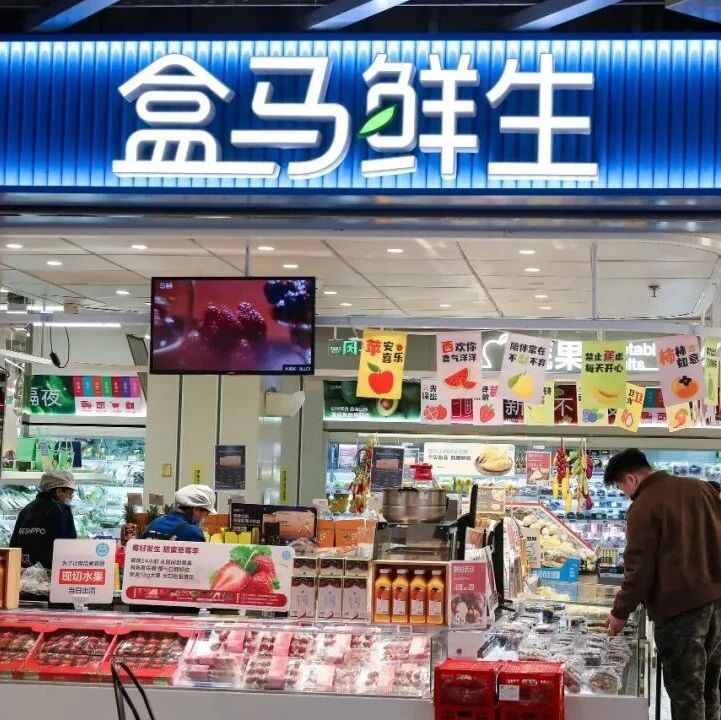
Core Viewpoint - The retail industry is experiencing significant growth driven by key players like Fat Donglai, Hema, and Sam's Club, while traditional supermarkets are undergoing substantial upgrades to compete in a challenging market environment [4][19]. Group 1: Company Performance - Fat Donglai achieved a record annual sales of 23.53 billion, a 38.71% increase from 16.96 billion in 2024, with its flagship store in Xuchang generating nearly 6 billion in sales [5][6]. - Hema's overall revenue growth exceeded 40% in 2025, with a projected GMV of over 100 billion by the end of the fiscal year [11][12]. - Sam's Club reported a sales figure surpassing 140 billion, marking a 40% increase from 100.5 billion in 2024, supported by an aggressive expansion strategy [16][18]. Group 2: Industry Trends - The overall retail sector remains under pressure, with less than 40% of chain supermarkets achieving positive sales growth in 2025, highlighting a competitive landscape [19]. - The industry is witnessing a "Matthew Effect," where leading companies are gaining market share while weaker players struggle, prompting a shift from broad growth strategies to focused innovations [20][23]. - Traditional supermarkets are enhancing their offerings by improving fresh produce and convenience services, aiming to redefine their neighborhood value [21][25]. Group 3: Strategic Shifts - Companies are increasingly focusing on supply chain capabilities rather than just expanding store numbers, with strategies like Sam's global sourcing and Hema's direct supply of fresh produce [24]. - The "Fat Reform" trend is evident as traditional retailers like Yonghui and Bubugao adopt operational strategies from Fat Donglai, resulting in significant increases in customer traffic and profitability [25][26]. - The Ministry of Commerce has encouraged innovation and quality improvement in the retail sector, emphasizing the importance of supply chain optimization and digital empowerment for industry transformation [26].


广西最大超市闭店单方公告不退余额
Xin Lang Cai Jing· 2026-01-09 07:37
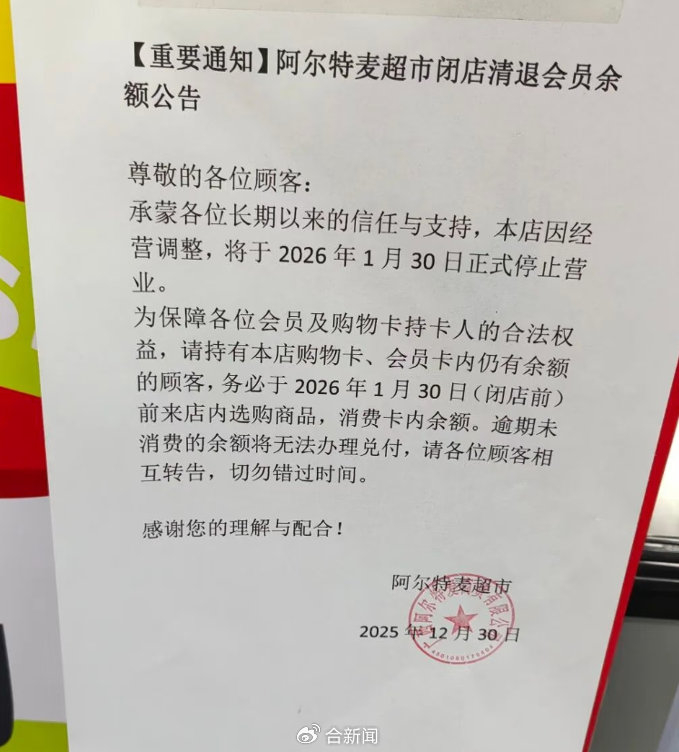
Group 1 - The first warehouse-style membership supermarket in Guangxi, Altemai Supermarket Huannan City Store, plans to officially cease operations at the end of January 2026 after over five years of operation [2][3] - The supermarket, which opened on September 22, 2020, occupies an area of 50,000 square meters, equivalent to seven standard football fields, and was the largest supermarket in Guangxi at the time of its opening [3] - The store had previously announced a closure in February 2024 but reopened after a month of adjustments [4] Group 2 - Starting January 1, 2026, the supermarket began a clearance sale, advising customers to use their shopping and membership card balances before the store closes, as any remaining balance will not be refundable [6] - The supermarket's policy of not allowing refunds for card balances has drawn criticism from consumers, who find the practice unreasonable [6] - A lawyer has described the supermarket's actions as "unconscionable clauses," arguing that the unilateral announcement limits consumer rights and forces them to spend their balances by the closure date, infringing on their right to a refund [8]
中百集团涨2.03%,成交额2.20亿元,主力资金净流入1654.42万元
Xin Lang Cai Jing· 2026-01-09 02:42
Group 1 - The core viewpoint of the news is that Zhongbai Group's stock has shown fluctuations in price and trading volume, with a recent increase of 2.03% and a total market value of 5.32 billion yuan [1] - As of January 9, Zhongbai Group's stock price is 8.03 yuan per share, with a trading volume of 220 million yuan and a turnover rate of 4.24% [1] - The company has experienced a year-to-date stock price increase of 5.94%, with a 5-day increase of 5.94%, a 20-day decrease of 5.42%, and a 60-day increase of 9.10% [1] Group 2 - As of December 31, the number of shareholders for Zhongbai Group is 97,700, an increase of 6.53% from the previous period, while the average circulating shares per person decreased by 6.13% to 6,711 shares [2] - For the period from January to September 2025, Zhongbai Group reported a revenue of 6.552 billion yuan, a year-on-year decrease of 19.41%, and a net profit attributable to shareholders of -580 million yuan, a year-on-year decrease of 74.83% [2] Group 3 - Zhongbai Group has distributed a total of 919 million yuan in dividends since its A-share listing, with no dividends distributed in the past three years [3] - As of September 30, 2025, Hong Kong Central Clearing Limited is the sixth largest circulating shareholder of Zhongbai Group, holding 3.627 million shares as a new shareholder [3]

中产涌入超市抢300元羽绒服
3 6 Ke· 2026-01-08 13:08
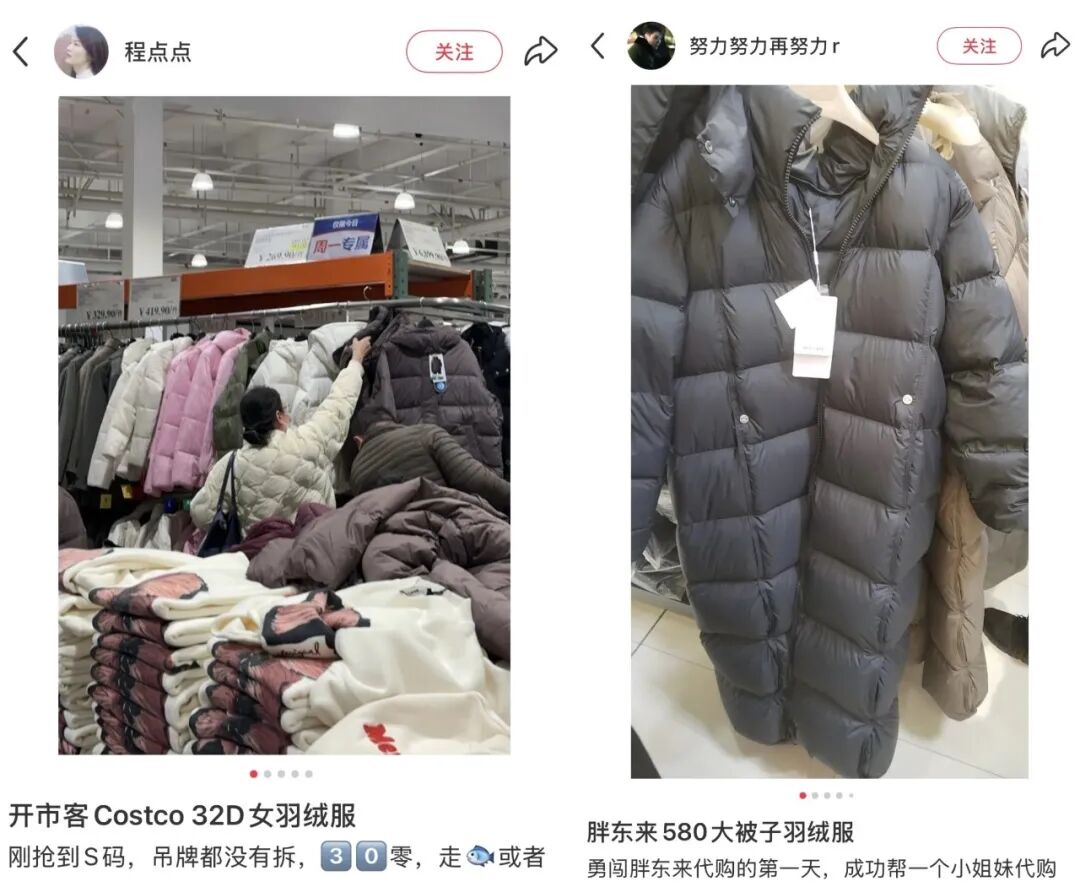
Core Insights - The popularity of supermarket down jackets among middle-class consumers is rising, with brands like Costco, Sam's Club, and Pang Dong Lai offering competitive prices and quality [1][3][6] Group 1: Market Trends - Supermarket down jackets are becoming a new favorite for middle-class consumers, with prices ranging from 359.9 yuan to 580 yuan [1] - There is a noticeable increase in demand, leading to stock shortages for popular items, particularly smaller sizes and specific colors [3][9] - The trend is driven by a combination of quality, reasonable pricing, and consumer trust in established brands [18][26] Group 2: Consumer Behavior - The primary buyers of these down jackets are women aged 30-45, particularly practical white-collar workers [17] - Consumers are increasingly frustrated with high prices and low-quality options in the market, leading them to seek reliable alternatives [18] - Many consumers prefer to buy from trusted brands like Sam's Club and Pang Dong Lai to avoid the hassle of comparing products [18][26] Group 3: Product Characteristics - The down jackets are praised for their warmth, sufficient filling, and cost-effectiveness, with negative feedback mainly focused on the difficulty of purchasing and sizing issues [12][26] - The jackets are produced with a focus on high filling content and quality, with Sam's Club reportedly using a 95% down content standard [24][26] - The pricing strategy is significantly lower than traditional brands, with a cost of around 350 yuan for a jacket that retails at 499 yuan, resulting in a lower profit margin compared to conventional clothing brands [18][26] Group 4: Supply Chain and Procurement - Supermarkets utilize a "just-in-time" procurement model, allowing for quicker stock replenishment compared to traditional brands that operate on a "futures" model [22] - This efficiency in procurement and the focus on basic color options help minimize inventory risks and maximize sales [22][26] - The operational transparency and information disclosure of supermarkets break down traditional retail information asymmetries, enhancing consumer trust [22][26]

开店超80家的穷鬼超市鼻祖,在革“贵妇美妆”的命
3 6 Ke· 2026-01-08 10:12
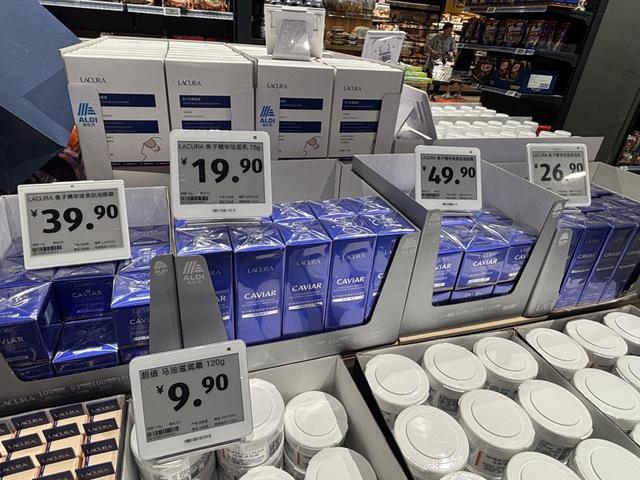
Core Insights - Aldi's Lacura brand has successfully launched a caviar essence series that has gained significant traction on social media, indicating a shift in consumer behavior towards purchasing beauty products in supermarkets rather than traditional beauty counters [1][4] - The pricing strategy of Lacura is a key factor in its appeal, with products priced significantly lower than luxury brands, making them accessible to a broader consumer base [2][12] - The growth of Lacura reflects a broader trend in the retail industry where supermarkets are increasingly competing in the beauty sector, leveraging their established trust and lower cost structures [5][14] Pricing Strategy - The Lacura caviar essence series includes products priced at 19.9 yuan for cleansing milk, 49.9 yuan for essence and cream, and 14.9 yuan for a pack of five masks, totaling just over 200 yuan for all seven core items [2] - In contrast, a similar luxury brand's cream is priced close to 5000 yuan, highlighting the significant price gap [2] Market Positioning - Lacura aims to attract new consumer demographics by positioning itself against high-end beauty brands while ensuring quality standards are met or exceeded [4] - The brand's development has been synchronized with Aldi's global expansion, indicating a strategic approach to market entry and brand establishment [5] Consumer Behavior - A shift in consumer perception is noted, with 74% of beauty consumers believing that affordable products perform similarly to high-end ones, particularly among younger demographics [8] - Social media plays a crucial role in shaping consumer choices, with user-generated content influencing perceptions of price and effectiveness [9][10] Retail Dynamics - Supermarket beauty products operate under a different consumer psychology, where trust is placed in the retailer rather than the brand, and purchasing decisions are simplified [10][12] - The low marketing costs associated with supermarket brands allow for competitive pricing without compromising product quality [12][14] Competitive Landscape - The competition in the beauty sector is evolving, with supermarkets like Aldi taking the lead in offering affordable alternatives, shifting the narrative from brand-driven to retailer-driven [14] - The success of Lacura signifies a transformation in the beauty market, where traditional brand narratives are being replaced by straightforward pricing and accessibility [14]
上海超市走红韩国社交平台,成韩国游客心中“宝藏购物地”
Yang Zi Wan Bao Wang· 2026-01-08 08:09
Core Insights - The implementation of the visa-free policy between China and South Korea has significantly boosted the popularity of the RT-Mart Pingxingguan store in Shanghai, attracting 200-300 Korean tourists daily, with weekend peaks exceeding 500 visitors [1] - The store has become a "treasure check-in spot" for Korean tourists, primarily due to the low prices of certain products, such as Hawaiian macadamia nuts, which are priced at half of what they cost in Korea [1] Group 1 - The store has optimized its offerings across multiple dimensions, including product selection, services, and payment methods, to cater to the influx of Korean tourists [2] - Special areas for popular products have been established, and bilingual signage in Chinese and Korean has been implemented throughout the store [2] - A dedicated checkout lane for Korean tourists has been introduced, along with support for popular payment methods like Kakao Pay and UnionPay, and exclusive discounts for Kakao Pay users [2] Group 2 - The store has launched a tax refund service for international tourists, with immediate refund options available at the Pingxingguan store and other locations in Shanghai [2] - The service is expanding to cover tourists from various countries, including Japan, Vietnam, and Malaysia, enhancing the shopping experience for international visitors [2] - RT-Mart is committed to maintaining a familiar shopping environment for local residents while providing enhanced services for international tourists, ensuring that local customer experiences are not compromised [2]
山姆、胖东来、盒马、奥乐齐等7大商超将在这些城市开新店
3 6 Ke· 2026-01-08 02:34
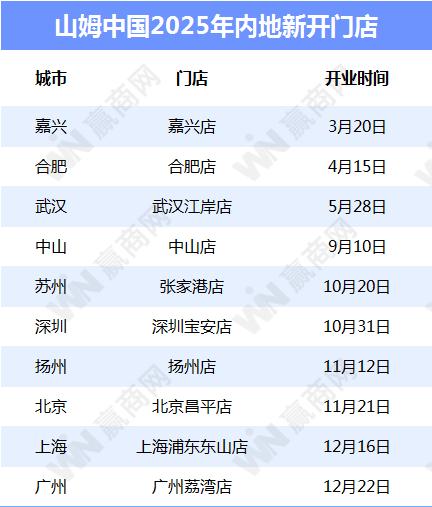
Core Insights - The Chinese supermarket industry is experiencing rapid growth, with major players like Sam's Club, Fat Donglai, Hema, Aldi, Meituan, and JD entering the hard discount market and expanding aggressively in 2025 and 2026 [1][2][10][20]. Group 1: Sam's Club - Sam's Club China achieved sales exceeding 140 billion RMB in 2025, a 40% increase from 100.5 billion RMB in 2024, with plans to reach 200 billion RMB in 2026 [4][5]. - In 2025, Sam's Club opened 10 new stores, the highest annual count since entering China, and plans to open 14 more in 2026, focusing on North China and expanding into lower-tier markets [2][4][5]. Group 2: Fat Donglai - Fat Donglai reported sales of 23.5 billion RMB in 2025, a nearly 40% increase from 16.96 billion RMB in 2024, despite initial plans to limit growth [6][8]. - The opening of new stores, including the New Xiang Fat Donglai and the upcoming Zhengzhou store, is expected to boost sales further in 2026 [6][9]. Group 3: Hema - Hema plans to open 100 new stores in 2026, expanding its presence in 40 new cities, with overall revenue growth exceeding 40% in 2025 [10][11]. - The brand is focusing on mid-to-high-end markets and has transitioned to a dual model of self-operated and franchised stores for its discount brand, Super Box [11]. Group 4: Aldi - Aldi opened approximately 30 new stores in 2025 and plans to exceed 100 stores in China by the first quarter of 2026, marking a significant expansion into cities like Nanjing and Zhenjiang [14][16]. - The establishment of a new distribution center in East China is expected to enhance Aldi's supply chain and market expansion [14]. Group 5: Meituan - Meituan's Little Elephant Supermarket has re-entered the offline market, with plans to open 1,000 stores, while its Happy Monkey supermarket adopts a hard discount model [17][19]. - The company aims to leverage existing markets validated by competitors like Sam's Club for its expansion strategy [19]. Group 6: JD - JD's 7Fresh supermarket has opened over 50 stores and plans to launch 30-50 new discount supermarkets, focusing on community-based hard discount models [20][22]. - The company is implementing a "1+N" model to enhance its retail presence in key regions [20].


济宁慈善超市网络运行13年 惠及市城区低保对象25万余人次
Qi Lu Wan Bao· 2026-01-07 15:39
Core Insights - The Jining Charity Supermarket Network has provided price reduction services to 250,109 low-income individuals over 13 years, amounting to a total reduction of 2,580,920.58 yuan [1][2] - The network has expanded from 2 pilot stores in 2013 to 499 stores, including 63 "Aitemai" supermarkets and 436 "Guanglian" pharmacies, increasing its service coverage from 10 to 13 districts [2][3] - The price reduction service allows low-income families to receive a 20% discount on purchases, with a maximum annual discount of 200 yuan per person [2] Development and Management - The Jining Civil Affairs Bureau and Charity Association initiated the charity supermarket network to address issues such as limited coverage and high operational costs of the old model [2] - The network utilizes an information management system for efficient operation, ensuring accurate identification and discount processing for beneficiaries [3] - A dynamic management system is in place to adjust beneficiaries based on their low-income status, and stores undergo annual assessments to maintain compliance [3] Future Plans - The Jining Charity Association aims to further leverage the charity supermarket network to enhance collaboration between government support and social assistance, promoting it as a comprehensive platform for charity culture [4]
步步高涨2.18%,成交额6.04亿元,主力资金净流出1292.33万元
Xin Lang Cai Jing· 2026-01-07 06:00
Core Viewpoint - The stock price of Bubugao has shown a mixed performance, with a recent increase but a significant decline in net profit year-on-year, indicating potential challenges in profitability despite revenue growth [2][3]. Group 1: Stock Performance - As of January 7, Bubugao's stock price increased by 2.18%, reaching 5.62 CNY per share, with a trading volume of 604 million CNY and a turnover rate of 5.11% [1]. - Year-to-date, Bubugao's stock has risen by 5.84%, with a 4.66% increase over the last five trading days and an 8.08% increase over the last 20 days, while it has decreased by 2.09% over the last 60 days [2]. Group 2: Financial Performance - For the period from January to September 2025, Bubugao reported a revenue of 3.194 billion CNY, reflecting a year-on-year growth of 26.48%. However, the net profit attributable to shareholders was 226 million CNY, which represents a significant decline of 88.83% compared to the previous year [2]. - Since its A-share listing, Bubugao has distributed a total of 1.677 billion CNY in dividends, but there have been no dividend distributions in the last three years [3]. Group 3: Shareholder and Market Information - As of September 30, 2025, Bubugao had 172,500 shareholders, an increase of 95% from the previous period, with an average of 12,476 circulating shares per shareholder, down by 27.06% [2]. - The company operates primarily in the retail sector, with its main business segments being supermarkets (64.34% of revenue), other retail (27.44%), department stores (6.01%), and logistics and advertising (2.21%) [2].

霸王茶姬回应店员徒手操作;盒马发布2025年“盒区房”消费力报告
Sou Hu Cai Jing· 2026-01-06 20:13
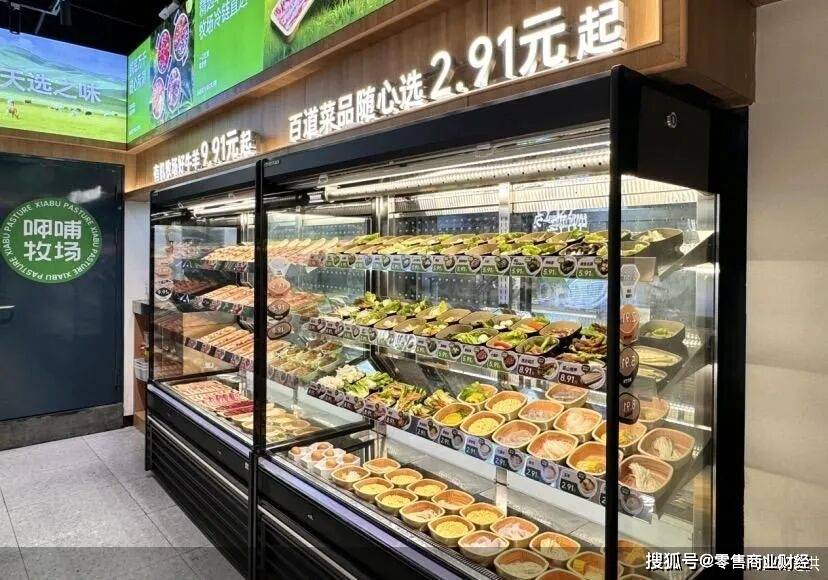
Group 1 - Bawang Chaji responded to a viral video of staff operating without gloves, confirming the incident occurred at their store in Fujian Zhangzhou. The store is now indefinitely closed for rectification, and the involved staff have been dismissed [1] - Lianhua Supermarket announced the resignation of Executive Director Zhu Dingping due to other work commitments, effective immediately. This change may raise market concerns regarding the company's strategic direction [2] - Yili Ice Cream launched a new product, "Nai Pi Zi Yogurt-flavored Ice Cream," featuring a yogurt filling and a butter-based shell, with a milk content of at least 45% [3] Group 2 - Beijing Civil Affairs Bureau signed a strategic cooperation agreement with Meituan to explore online elderly care services, aiming to address supply-demand mismatches. Meituan's elderly care services now cover over 300 cities and more than 30,000 institutions, with a 78% increase in user demand intentions and over 200% growth in transaction volume [4] - Xiaobai Xiaobai Group introduced a new self-service hot pot brand "Xiaobai Ranch" in Shanghai, targeting young consumers with affordable pricing starting at 29.82 yuan per person, including a variety of vegetables and drinks [5] - Huazhu Beverages' new production base in Wenzhou officially commenced operations, expected to produce 1.285 billion bottles of packaged drinking water annually, generating over 700 million yuan in annual output value [11] Group 3 - Grandpa's Farm International Holdings submitted a listing application to the Hong Kong Stock Exchange, reporting revenues of approximately 6.224 billion yuan for 2023 and projected revenues of 7.798 billion yuan for the first nine months of 2025 [13] - Yakult launched a new spring festival limited edition packaging featuring auspicious colors and messages, aimed at enhancing consumer engagement during the festive season [16] - Costa Coffee reported a projected loss of 13.5 million pounds (approximately 12.6 million yuan) for 2024, attributed to increased competition and rising operational costs [18]