
家电

Search documents
鼓励推广绿色消费积分,推动绿色循环回收
Xin Lang Cai Jing· 2026-01-06 19:28
Core Viewpoint - The Ministry of Commerce and nine other departments have issued a notice to implement a green consumption promotion action plan, outlining 20 measures across seven areas to systematically arrange green consumption work during the 14th Five-Year Plan period [1] Group 1: Green Agricultural Products Supply - The first measure is to increase the supply of green agricultural products, with a target of over 88,000 certifications for "three products and one standard" by the end of 2025, and a standardized production area of 205 million mu for green food [2] Group 2: Old-for-New Consumption Policy - The implementation of a large-scale old-for-new consumption policy is seen as a significant opportunity to promote green consumption, with targets of 18.3 million old cars replaced (60% being new energy vehicles) and 192 million old home appliances replaced by 2025, generating sales of 3.92 trillion yuan and benefiting 494 million consumers [3] Group 3: Green Supply Chain Development - Green consumption is identified as a key driver for economic structural transformation, with significant reductions in handling time (80%), damage rates (over 50%), and supply chain costs (around 20%). The standardization rate of pallets has reached 37.8%, potentially saving 250 million disposable pallets and reducing carbon emissions by over 2 million tons [4] Group 4: "Zero Waste City" Initiative - The "Zero Waste City" initiative aims to transform waste materials from a societal burden into urban resources, with plans to promote this in around 200 cities during the 14th Five-Year Plan period [5] Group 5: Market Regulation and Standards - The market regulation authority plans to accelerate the update of national standards, support participation in international standardization activities in the green sector, and enhance the enforcement of regulations related to green products and waste reduction [6]
实施绿色消费推进行动 四部门“剧透”最新工作计划
Zheng Quan Ri Bao· 2026-01-06 16:11
Core Viewpoint - The recent joint announcement by the Ministry of Commerce and nine other departments aims to implement green consumption initiatives during the 14th Five-Year Plan period, emphasizing the importance of green consumption in promoting low-carbon development and economic transformation [1][2]. Group 1: Green Consumption Initiatives - The Ministry of Commerce plans to implement a large-scale replacement policy for consumer goods, targeting the replacement of 18.3 million cars, with nearly 60% being new energy vehicles, and 192 million home appliances, with 90% being of first-level energy efficiency [2]. - The green consumption market is expected to grow significantly, with the replacement policy projected to drive sales of consumer goods to 3.92 trillion yuan, benefiting approximately 494 million consumers [2]. - The announcement outlines 20 specific measures across seven areas to enhance green consumption, including increasing the supply of green agricultural products and promoting green services [2][3]. Group 2: Regulatory and Support Measures - The State Administration for Market Regulation is focusing on enhancing the supply of green products and optimizing the consumption environment, having already issued 40 green product evaluation standards and 66 energy and water efficiency standards [4][5]. - The administration has also implemented measures to prevent food waste in the catering industry and is working on improving the management of energy efficiency labels [4][5]. Group 3: Environmental Initiatives - The Ministry of Ecology and Environment is promoting the construction of "waste-free cities" to facilitate the recycling of waste materials, aiming to transform waste into valuable resources [6]. - Approximately 200 cities are targeted for the "waste-free city" initiative during the 14th Five-Year Plan period, enhancing the recycling and reuse of waste materials [6]. Group 4: Agricultural Contributions - The Ministry of Agriculture and Rural Affairs is increasing the supply of high-quality green agricultural products, with over 88,000 certifications expected by the end of 2025 [7][8]. - Collaborative efforts with other departments have led to the development of 23 specific measures to boost green agricultural product consumption, including the establishment of direct sales platforms for agricultural products [7][8]. - The ministry is also promoting the integration of agriculture with tourism to enhance the sales of green agricultural products, with over 160 billion yuan in sales generated from related activities [8].
A股行业中观景气跟踪月报(2025年12月):涨价链和非银开门红可期-20260106
Shenwan Hongyuan Securities· 2026-01-06 15:38
Investment Rating - The report indicates a positive outlook for the coal mining, black metal mining, and pharmaceutical manufacturing sectors, suggesting potential investment opportunities in these areas [2][3]. Core Insights - The report highlights that the industrial sector is experiencing a recovery in both volume and price indicators, particularly in midstream manufacturing and upstream resource sectors such as coal, oil extraction, black metal mining, and pharmaceutical manufacturing [2][3]. - The manufacturing PMI for December 2025 has returned to the expansion zone at 50.1%, indicating improved order sentiment and operational expectations across various industries [7]. - Consumer confidence has rebounded to a two-year high, although certain sectors like automotive and home appliances are facing challenges due to high base effects and demand saturation [2][3]. Summary by Relevant Sections Industrial Sector Overview - As of November 2025, revenue, industrial added value, and profit growth rates for major industrial enterprises show signs of improvement, particularly in coal, oil extraction, black metal mining, and pharmaceutical manufacturing [2][5]. - The supply side indicates that industries such as pharmaceuticals, food and beverage, textiles, and chemicals are experiencing inventory reduction and low fixed asset growth [2][6]. Manufacturing and Economic Indicators - The overall manufacturing PMI has improved, with new orders and business activity expectations showing recovery, particularly in high-tech manufacturing and consumer goods sectors [7]. - The report notes that the consumer market is seeing a decline in growth rates for discretionary spending, while service consumption remains strong [2][3]. Sector-Specific Insights - In advanced manufacturing, sectors like photovoltaic and lithium battery materials are experiencing price increases due to high demand and supply chain adjustments [3]. - The insurance sector is seeing a slowdown in premium income growth, but there is an expectation for a rebound in early 2026 as companies prepare for new business initiatives [3]. Commodity and Price Trends - The report discusses fluctuations in energy prices, with crude oil supply exceeding demand and coal prices remaining low due to high inventory levels and weak heating demand [3][6]. - Industrial metal prices are on the rise, supported by a weaker dollar and increased demand in the context of global economic conditions [3][6].
九部门推20项新政,春节消费将掀绿色热潮
Xin Lang Cai Jing· 2026-01-06 15:26
Core Viewpoint - The Chinese government is actively promoting green consumption as part of its broader strategy for sustainable development, with specific policies and initiatives aimed at enhancing consumer awareness and participation in environmentally friendly practices [3][4]. Group 1: Green Consumption Definition and Importance - Green consumption, also known as sustainable consumption, encompasses three main aspects: prioritizing pollution-free and health-beneficial products, adopting green principles while ensuring comfort and health, and emphasizing proper waste disposal throughout the consumption process [3]. - The promotion of green consumption aligns closely with national development strategies, as highlighted in the 2025 government work report, which emphasizes the acceleration of green and low-carbon economic development [3]. Group 2: Achievements in Green Consumption - From 2024 to 2025, the nationwide implementation of vehicle trade-in programs resulted in 18.3 million vehicles being replaced, with nearly 60% being new energy vehicles; the home appliance trade-in program reached 192 million units, with over 90% being first-level energy-efficient products [4]. - These initiatives collectively generated a sales volume of 3.92 trillion yuan, benefiting approximately 494 million consumers [4]. Group 3: Challenges in Green Consumption - Current challenges in the development of green consumption include the lack of unified standards for green products, the need for improved incentive mechanisms, and the urgent requirement to enhance public awareness of green consumption [4]. Group 4: Policy Initiatives for Green Consumption - A joint notification issued by nine government departments outlines 20 measures across seven areas to promote green consumption, providing a clear roadmap for the 14th Five-Year Plan period [5]. - Key initiatives include increasing the supply of green agricultural products, promoting energy-efficient home appliances, and enhancing the quality of green service consumption [7]. Group 5: Enhancing the Green Consumption Environment - Efforts to optimize the green consumption environment will involve accelerating the promotion of energy-saving equipment, increasing the proportion of green electricity usage, and advocating for green travel [8]. - The government plans to strengthen financial support through subsidies, credit support, and innovative financial products to bolster green consumption [8]. Group 6: Seasonal Promotion of Green Consumption - The upcoming 2026 Spring Festival is seen as a significant opportunity to advocate for green consumption, with various promotional activities planned to encourage the purchase of green and high-quality agricultural products [10][11]. - Collaborative efforts among multiple provinces and cities have led to the launch of over 200 provincial-level key activities aimed at promoting green agricultural products during the festive season [11].

数字经济时代的商业生态重构引擎
Sou Hu Cai Jing· 2026-01-06 15:26
Core Insights - The B2B2C model emerges as a solution to the challenges posed by traditional B2B and B2C models, facilitating deep connections among upstream brand suppliers, platform operators, and end consumers, thus creating a multi-participant, value-sharing ecosystem [1] Group 1: Definition and Evolution - The essence of B2B2C lies in breaking down traditional supply chain barriers, achieving seamless connectivity and information transparency from production to consumption [2] - The core of the B2B2C model is to establish a three-party value loop among suppliers, platforms, and consumers, where the platform acts as an ecosystem organizer, providing essential infrastructure and services to suppliers while offering consumers a wide range of products and standardized services [2] - B2B2C differs fundamentally from pure B2C and C2C models through its platform and ecosystem attributes, ensuring transaction credibility and quality while emphasizing supply chain integration and empowerment [3] Group 2: Technological Foundations - A robust, flexible, and intelligent technological architecture is essential for the stable operation and continuous innovation of B2B2C ecosystems [4] - Modern B2B2C platforms typically adopt microservices architecture to handle high concurrency and complexity, allowing independent development and deployment of core functions [4] - Data is a core asset for B2B2C platforms, with the integration of multi-source data and the use of big data and AI technologies being crucial for intelligent operations [5] Group 3: Industry Empowerment - B2B2C platforms serve as tools for traditional retail enterprises to break down information silos and achieve supply chain collaboration, significantly enhancing response speed and reducing stockouts [7] - In manufacturing, B2B2C models facilitate the transformation from product manufacturers to comprehensive solution providers, enabling direct consumer engagement and data-driven product innovation [7] - In highly regulated sectors like medical devices, B2B2C platforms create compliant, transparent, and professional procurement environments, enhancing efficiency and service quality [8] Group 4: Future Outlook - The future of B2B2C platforms will see deeper integration of AI in supply chain decision-making and risk control, leading to higher levels of automation [9] - Competition will shift from individual platform functionalities to comprehensive service ecosystems that integrate supply chain, finance, technology, and data [9] - Globalization and sustainability will become key trends, with B2B2C platforms needing to support multiple languages and currencies while incorporating ESG principles into their operations [9]

两新补贴落地——政策周观察第62期
一瑜中的· 2026-01-06 15:24
Core Viewpoint - The article discusses the recent implementation of the "Two New" subsidy policies aimed at boosting consumption and investment, highlighting changes in subsidy amounts and categories for various consumer goods and infrastructure projects [2][9]. Consumption Subsidies - The National Development and Reform Commission (NDRC) and the Ministry of Finance have allocated 62.5 billion yuan for the first batch of subsidies for consumer goods recycling in 2026, with a total of 81 billion yuan planned for the year [2]. - The subsidy for home appliances has been refined to focus on six categories: refrigerators, washing machines, televisions, air conditioners, computers, and water heaters, with a subsidy of 15% of the product price and a cap of 1,500 yuan per item [2]. - The scope of digital product subsidies has been expanded to include smartphones, tablets, smartwatches, smart glasses, and smart home products, including those designed for elderly care [2]. Automotive Subsidies - The subsidy structure for automobiles has shifted from fixed amounts to percentage-based reimbursements. For new energy vehicles, a subsidy of 12% of the sales price is provided, with a maximum of 20,000 yuan, while for fuel vehicles, it is 10% with a cap of 15,000 yuan [3]. - The subsidy for vehicle replacement has also been adjusted, with new energy vehicles receiving 8% of the sales price (up to 15,000 yuan) and fuel vehicles receiving 6% (up to 13,000 yuan) [3]. Investment Initiatives - The NDRC has announced an early release of the "Two Heavy" construction project list and central budget investment plans totaling approximately 295 billion yuan, aimed at accelerating the disbursement and utilization of funds [3][11]. - Major infrastructure projects have been approved, with total investments exceeding 400 billion yuan, including transportation, water resource allocation, and energy facilities [3][11].

格力电器CMO炮轰创维抄袭:抄挺像,下次别抄了
Xin Lang Cai Jing· 2026-01-06 14:57
Group 1 - Gree Electric's CMO Zhu Lei criticized Skyworth Electric on Weibo, accusing them of plagiarism in their advertising design [2][4] - The design in question was a promotional poster for Skyworth air conditioners that closely resembled Gree's "True Copper, Gree Made" campaign [2][4] - The poster from Skyworth's official video account has since been deleted, and as of the report's publication, there has been no response from Skyworth regarding the allegations [2][4]


武汉2025年GDP预计增长6%左右,创近4年新高
Zheng Quan Shi Bao Wang· 2026-01-06 14:54
Group 1 - The core viewpoint of the news is that Wuhan aims to achieve a GDP growth of approximately 6% by 2025, marking the highest growth rate in four years, alongside significant increases in fixed asset investment and retail sales [1] - Wuhan's economic total has surpassed 2 trillion yuan in the past five years, with a target to exceed 3 trillion yuan during the 14th Five-Year Plan period [1] - The government report emphasizes the development of a modern industrial system and the establishment of various centers, including a national economic center and a regional financial center, to enhance the city's overall strength [1] Group 2 - In 2026, Wuhan plans to release consumer potential by promoting the green and intelligent upgrade of major consumer goods and developing various economic sectors, including night economy and silver economy [2] - The city will implement over 60 projects with investments exceeding 100 billion yuan and aims for fixed asset investment growth of around 3% [2] - Urban renewal initiatives will include the establishment of a city renewal fund and the implementation of various projects to improve living conditions and urban infrastructure [2]
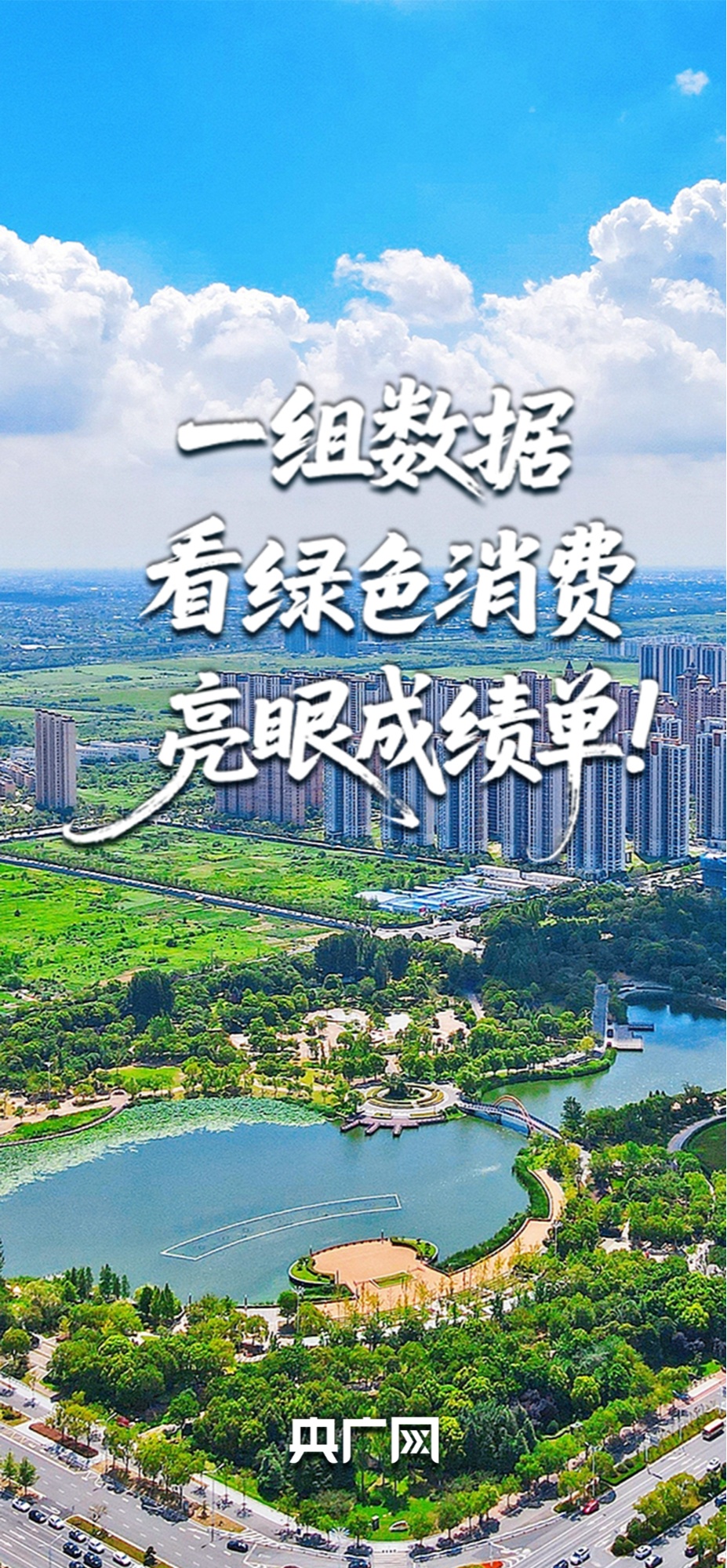
惠及4.94亿人次!一组数据看中国绿色消费亮眼成绩单!
Yang Guang Wang· 2026-01-06 14:14
Group 1 - The core viewpoint of the article highlights the significant impact of the "old-for-new" policy in China, which is expected to drive substantial consumer spending and promote green consumption [3][10]. - In 2024 to 2025, China aims to achieve the replacement of 1.83 million vehicles under the "old-for-new" program, with nearly 60% being new energy vehicles [3]. - The "old-for-new" policy is projected to boost sales of consumer goods to 3.92 trillion yuan, benefiting approximately 494 million consumers [3]. Group 2 - The standardization rate of pallets in China has reached 37.8%, with around 50 million reusable pallets in circulation, potentially saving 250 million single-use pallets and protecting 50 million trees from deforestation [6]. - The number of green warehouses in China has reached 1,092, covering an area of approximately 65 million square meters [6]. - The Ministry of Ecology and Environment is advancing the construction of "waste-free cities" in about 200 cities, promoting the recycling and reuse of waste materials to support green consumption [11][12].
九部门联手发力绿色消费,鼓励推广绿色积分换优惠
Di Yi Cai Jing· 2026-01-06 13:21
Core Viewpoint - The Chinese government has launched a comprehensive initiative to promote green consumption, aiming to enhance the supply of green products and accelerate the transition to a green economy through various measures outlined in the recent notification by multiple departments [1][2][3]. Group 1: Green Consumption Policies - The notification includes 20 specific measures across various sectors such as agricultural products, home appliances, and hospitality, focusing on creating a robust green consumption incentive mechanism [2][3]. - The government aims to achieve the replacement of 18.3 million vehicles under the old-for-new policy by 2025, with nearly 60% being new energy vehicles, and 192 million home appliances, with 90% meeting first-level energy efficiency standards [1][2]. - The old-for-new policy is projected to drive sales of consumer goods amounting to 3.92 trillion yuan, benefiting approximately 494 million consumers [1]. Group 2: Green Product Supply and Market Growth - The market for green products is expanding steadily, with increasing consumer acceptance of green, low-carbon, and environmentally friendly consumption [3][5]. - The notification emphasizes the need to enhance the supply of green agricultural products and promote green home appliances and vehicles [2][6]. - The government is also focusing on developing a green supply chain and encouraging the use of green packaging and procurement practices [4][5]. Group 3: Consumer Engagement and Behavior - The notification encourages the establishment of a green consumption points system to incentivize consumers, allowing them to earn points for engaging in environmentally friendly behaviors [4][5]. - Innovative platforms, such as the Wuhan carbon benefit platform, are being developed to reward individuals for low-carbon actions, demonstrating a growing trend in consumer engagement with green practices [5][6]. - The rise in consumer awareness regarding green consumption is prompting businesses to adapt their production and service models to align with sustainable practices [6][7]. Group 4: Regulatory and Environmental Measures - The government has introduced 40 green product evaluation standards and 66 energy and water efficiency standards to ensure compliance and promote green consumption [8][9]. - Efforts are being made to reduce plastic pollution through regulations that encourage the use of reusable and recyclable materials in the e-commerce sector [9][10]. - The Ministry of Commerce is actively monitoring the use and recycling of plastic products, with a reported 26.31% increase in the use of environmentally friendly alternatives in the first half of 2025 [10].