电烤箱

Search documents
2022年天猫烘焙厨电行业趋势白皮书
Sou Hu Cai Jing· 2026-02-24 09:49
Core Insights - The Tmall baking kitchen appliance market is undergoing significant changes, driven by the rise of the "stay-at-home economy" and consumer upgrades, with a focus on user experience rather than just functionality [1][3]. Consumer Insights - The primary consumer group for baking kitchen appliances consists of young women aged 18 to 39 with mid-to-high spending power, who prioritize nutritional balance and prefer baking as a cooking method [1][11]. - This demographic seeks appliances that enhance quality of life and offer both fun and practicality, leading to a comprehensive iteration in market supply and marketing strategies [1][3]. Product Trends - The market exhibits a "polarized" landscape, with air fryers dominating sales due to the popularity of mid-range, visual products, while traditional electric ovens face declining demand [2][34]. - New growth engines for electric ovens include multifunctional devices like convection ovens and steam ovens, which integrate air frying and steaming technologies [2][34]. - The "micro-steam-bake" integrated machine is emerging as a high-potential product, with rapid growth despite low current market penetration, as consumers demand compact, smart, and self-cleaning features [2][46]. Marketing Strategies - Marketing strategies are shifting from a product-centric approach to a consumer-centric model, focusing on identifying and educating "seed users" in emerging categories like steam ovens and integrated machines [3][70]. - Scene-based marketing combined with social media is becoming crucial for consumer engagement, as baking evolves into a lifestyle and social topic [3][68]. - Brands need to leverage social media to showcase beautiful baking scenes and share successful cooking experiences to stimulate emotional resonance and purchasing desire [3][68]. Market Dynamics - The Tmall baking kitchen appliance market is entering a new phase driven by consumer demographics and experience innovation, with trends towards functional integration, smart operation, stylish design, and compact size becoming irreversible [3][60]. - Brands that can deeply understand and meet the new generation's comprehensive demands for health, convenience, aesthetics, and enjoyment will gain a competitive edge in this vibrant market [3][60].


长春市“冰雪盛惠·‘长’享消费”家电消费券补贴活动延期至1月30日
Xin Lang Cai Jing· 2026-01-03 10:58
Core Viewpoint - The Changchun Municipal Bureau of Commerce has announced the extension of the "Ice and Snow Carnival: Enjoy Consumption" appliance coupon subsidy program until January 30, 2026, at 24:00, with the program ending immediately if funds are exhausted [1] Group 1: Supported Categories - The subsidy program includes 6 categories of major appliances: range hoods, gas stoves (including integrated stoves), dishwashers, water purifiers, microwave ovens (including integrated machines), and rice cookers [2] - The program also covers 10 categories of small appliances: robotic vacuum cleaners, induction cookers (including electric ceramic stoves), ovens (including steam ovens), air purifiers (including fresh air systems), humidifiers (dehumidifiers), heaters (including air conditioning fans), printers (scanners), food processors, hair dryers, and electric pressure cookers [2] Group 2: Subsidy Standards - For major appliances, the subsidy is 20% of the sales price for products with a 1st-level energy or water efficiency standard, capped at 2000 yuan per item; for 2nd-level and other standards, the subsidy is 15%, capped at 1500 yuan per item. Each consumer can receive a subsidy for one item per category [3] - For small appliances, the subsidy is 15% of the sales price, with a cap of 1500 yuan per item, and each consumer can receive a subsidy for one item per category [3] Group 3: Specific Process - Consumers must log in to the Cloud Flash Payment APP to claim the consumption coupons, which are valid for the day of issuance and expire at 24:00 if not used. If a return occurs, consumers can reapply for the government subsidy the day after the return [4] - At the time of payment, consumers must use a linked bank card in the Cloud Flash Payment APP to automatically redeem the government subsidy. For 3C digital products, SN code verification is required during purchase [4] Group 4: Other Matters - The list of merchants eligible for redemption remains unchanged [5] - Consumers must provide real-name information to merchants and request a real-name invoice when purchasing subsidized products [6] - Other rules of the program remain unchanged [7]
超57%门店开业两年内倒闭,谁在分食烘焙市场的蛋糕?
东京烘焙职业人· 2025-12-09 08:33
Core Viewpoint - The article highlights the contrasting performance of Paris Baguette in international markets versus its struggles in China, reflecting a broader downturn in the Chinese baking industry, characterized by a significant number of store closures and a shift towards home baking [2][4][6]. Group 1: Store Closures and Market Trends - As of November 2025, Paris Baguette had 335 stores in China, a decrease of 15 stores from the end of 2024, with a total of 205 closures over the past four years [4][6]. - The average lifespan of baking stores in China is only 32 months, with over 57% closing within two years of opening. In 2024, 75,000 new stores opened while 82,000 closed, resulting in a closure rate of 25% [6][9]. - Major brands like Bread Talk and Gontran Cherrier have exited the Chinese market, and several others have announced significant store closures due to rising costs and intense competition [6][7][9]. Group 2: Financial Performance of Baking Companies - 85 Degrees C reported a 14% revenue decline in the first nine months of 2025, with a loss of approximately 46 million RMB in the mainland market [9]. - Yuan Zuo, the first cross-strait baking listed company, saw a revenue drop of 18.62% year-on-year in Q3 2025, with net profit down 48.28% [9]. - The financial struggles of these companies are attributed to rising costs of key ingredients, which have increased by 30%-50%, and high rental costs in major cities [10]. Group 3: Rise of Home Baking - The home baking market is growing, with a projected global market size of approximately $16.9 billion by 2025, expanding at a compound annual growth rate of 5.1% [11]. - Sales of baking appliances have surged, with electric ovens seeing a 16% increase in sales, and stand mixers experiencing a 61% increase in transaction value [11][13]. - Companies like Lihigh Foods are capitalizing on this trend by offering frozen baking products aimed at home consumers, resulting in a 15.73% revenue increase in Q3 2025 [13]. Group 4: Market Structure and Future Outlook - The Chinese baking market is expected to reach 116 billion RMB in 2025, growing by 5.2%, but the market is highly fragmented, with 49.3% of brands having between 5-30 stores [15]. - Traditional baking stores are losing market share to tea drinks, supermarkets, and home baking, with projections indicating a decline in traditional store sales from 77% to 71% by 2030 [15]. - Analysts suggest that brands lacking core competitiveness and effective cost control will be most vulnerable in the current market environment [15].

风向大变?9月起“4大降价潮”或将席卷中国,老百姓应早做准备
Sou Hu Cai Jing· 2025-09-18 00:41
Group 1: Real Estate Market - The domestic real estate market continues to face downward pressure, with second-hand housing prices having declined for over 30 months, showing a year-on-year drop of 7.34% in August 2025 [3][4] - Developers are expected to adopt aggressive pricing strategies to stimulate sales during the traditional "golden September and silver October" period, leading to significant discounts on new homes [4][6] - The increase in second-hand housing listings is forcing sellers to lower their asking prices, creating a favorable negotiation environment for buyers [6][8] Group 2: Automotive Market - The automotive market in China is experiencing a significant price war, with price reductions of 20,000 to 90,000 yuan across various brands, including both domestic and international manufacturers [7][9] - The shift towards electric vehicles has led to overcapacity in the traditional fuel vehicle market, prompting manufacturers to lower prices to clear inventory [8][9] - Middle-class consumers are delaying vehicle purchases due to stagnant income growth, contributing to reduced overall market demand [9] Group 3: Small Appliances Market - Prices of small appliances such as air fryers and vacuum cleaners have dropped by 10-30%, with expectations for further reductions as brands compete aggressively [10][12] - Rapid technological advancements and inventory buildup of older models are driving retailers to offer discounts to stimulate sales [11][12] - Consumer purchasing power has decreased, leading to a shift in demand for more affordable options [13] Group 4: Pork Market - Pork prices have significantly decreased from 35-40 yuan per jin in 2020 to around 20-22 yuan, with expectations to drop below 20 yuan in September [14][15] - The oversupply in the market, driven by increased production, has led to a decline in prices [15] - Changing consumer preferences and reduced purchasing power are contributing to the decline in pork demand [15][16]


不卷价格的北鼎,如何用颜值赢得年轻人?
Sou Hu Cai Jing· 2025-09-17 14:13
Group 1 - The importance of color design in new consumer products is increasing, with consumers willing to pay extra for their preferred colors [1][3] - The small home appliance company Beiding has achieved impressive sales by focusing on a "macaron color scheme," appealing to young consumers amidst a saturated market [1][5] - Beiding's products are priced higher than traditional appliances, with items like enamel pots exceeding 1,000 yuan and electric kettles priced above 600 yuan, indicating a strategy of high aesthetics and quality [5][6] Group 2 - Beiding's revenue for the first half of 2025 reached 432 million yuan, a year-on-year increase of 34.05%, with operating profit at 65 million yuan, up 89.6%, positioning it among the top performers in the small appliance industry [5][6] - Many brands emphasize "youthfulness," but those truly favored by young consumers often do not overtly market themselves as such, suggesting that product attributes should align with young consumers' aesthetics and needs [7][6] Group 3 - Color significantly influences consumer perception, with studies indicating that 16% of consumers first notice a brand's color scheme, and half choose brands based solely on color [8][9] - Different colors carry psychological implications in various consumer sectors, with blue often associated with trust and black with high-end quality [9][10] Group 4 - The shift in consumer preferences from traditional color schemes to lighter, softer colors reflects a broader change in consumer values towards health and environmental consciousness [14][13] - The transition from offline retail to online platforms has altered competitive dynamics, with brands now focusing on aesthetic appeal rather than just visual impact [16][15] Group 5 - Maintaining a consistent color scheme is crucial for brand loyalty, as changing established colors can alienate consumers, with studies showing that one-third prefer brands with unchanged color schemes [17][16]

2025年9月起,四大“降价潮”要来了?消费者可提前做好准备
Sou Hu Cai Jing· 2025-09-16 02:42
Core Insights - The article discusses the economic challenges faced by households in 2025, highlighting a slowdown in wage growth and rising living costs, which has led families to cut back on dining out and focus on home cooking [3] - Despite these challenges, there are four major "price drops" expected to provide relief to consumers, including in the real estate, automotive, small appliance, and pork markets [3] Group 1: Real Estate Market - The domestic real estate market continues its downward trend, with second-hand home prices falling for over 30 months, and a year-on-year decline of 7.34% in August [5] - A new round of price adjustments is anticipated post-September, with developers likely to sell new homes at discounted prices to recover funds [5] - The increase in second-hand home listings will lead homeowners to lower prices by 10-15% to facilitate sales [5][7] Group 2: Automotive Market - The automotive market is entering a new "price drop" phase, with domestic mid-range cars seeing price reductions of 20,000 to 30,000 yuan, and imported high-end cars dropping nearly 90,000 yuan [8] - The second-hand car market is also experiencing significant depreciation, with some vehicles losing 70,000 to 80,000 yuan in value within a year [8] - Factors contributing to this price drop include oversupply, delayed vehicle replacement plans due to stagnant income growth, and increased competition from tech companies entering the automotive sector [8] Group 3: Small Appliance Market - Small appliances such as air fryers and robotic vacuums are experiencing price drops of around 10-20% [10] - Rapid technological advancements and the need to clear old inventory are driving retailers to reduce prices [10] - Increased competition from numerous brands entering the market has intensified price wars [10][11] Group 4: Pork Market - Pork prices have significantly decreased, currently ranging from 20 to 22 yuan per kilogram, with expectations to drop to 16 to 18 yuan [13] - The decline in prices is attributed to an oversupply in the market due to previous high prices attracting more producers, changing consumer preferences towards leaner meats, and reduced purchasing power among consumers [13]
9月后,四大“降价潮”要来了?普通人终于能省点钱?
Sou Hu Cai Jing· 2025-09-11 16:45
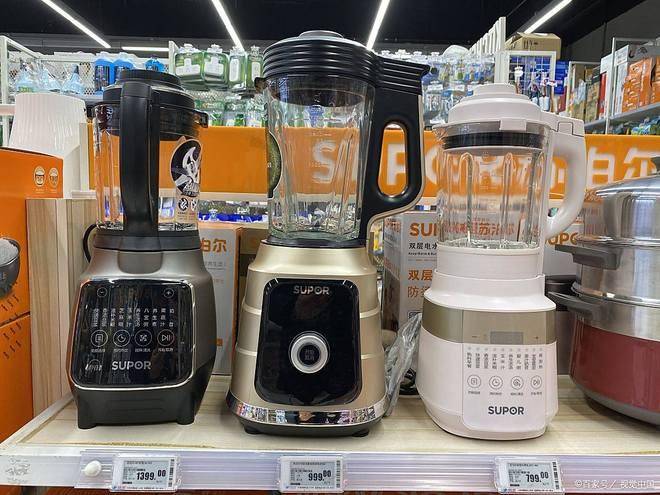
Group 1: Real Estate Market - The domestic real estate market is expected to continue its downward trend into 2025, with second-hand housing prices having fallen for over 30 consecutive months, showing a year-on-year decline of 7.34% in August [4] - A new wave of price reductions in both new and second-hand housing is anticipated post-September, driven by a significant increase in second-hand listings and developers' need to stimulate sales during the peak buying season [4] - Factors contributing to the expected price drop include a continuous decline in new home sales, an increase in second-hand housing listings, and a sluggish economy affecting residents' income [4] Group 2: Automotive Market - The automotive market is experiencing a new round of price reductions, with domestic mid-range cars seeing price cuts of 20,000 to 30,000 yuan and imported luxury cars dropping by nearly 90,000 yuan [6] - The decline in car prices is attributed to an oversupply of vehicles, a slowdown in income growth among middle-class families, and increased competition from new entrants in the automotive sector [6] - The second-hand car market is also witnessing significant price drops, with some vehicles losing 70,000 to 80,000 yuan in value within a year [6] Group 3: Small Appliances Market - A price reduction trend is observed in small household appliances, with an overall decrease of 10% to 12% expected, driven by rapid technological advancements and increased competition among brands [8] - Companies are compelled to discount older models to clear inventory as new smart appliances are introduced [8] - The slowdown in consumer income growth has led to a decrease in demand for new appliances, further contributing to the price decline [8] Group 4: Pork Market - Pork prices have significantly decreased, with current prices ranging from 20 to 22 yuan per jin, and expectations of falling below 20 yuan, potentially reaching 16 to 18 yuan per jin [10] - The drop in pork prices is due to an oversupply resulting from previous price surges that attracted more producers, a shift in consumer preference towards healthier meat options, and reduced purchasing power among consumers [10] - The decline in demand for pork has led to inevitable price reductions in the market [10] Group 5: Consumer Impact - The overall economic environment is characterized by stagnant income growth and rising living costs, yet the emergence of these four major price reduction trends offers consumers the opportunity to save money [11] - The price declines in essential goods such as housing, automobiles, small appliances, and pork are expected to significantly reduce household expenses [11]
3千瓦一小时多少度电,会算电费超简单!一个公式全家都懂
Sou Hu Cai Jing· 2025-09-01 20:21
Core Insights - The article emphasizes the simplicity of calculating electricity costs by understanding power and time, which helps identify energy-consuming appliances [1][2][4] Group 1: Understanding Power and Electricity Costs - The concept of power is introduced, with an example of an oven having a power rating of 3 kW, indicating its energy consumption [1] - A formula for calculating electricity consumption is provided: Power (kW) × Time (hours) = Consumption (kWh) [1] - The cost of electricity is calculated based on a rate of 0.6 yuan per kWh, demonstrating that using the oven for one hour costs approximately 1.8 yuan [2] Group 2: Practical Examples of Electricity Consumption - The article provides practical calculations for various appliances, such as a heater with the same power rating of 3 kW, costing 3.6 yuan for two hours of use [4] - An old kettle with a power rating of 1500 watts (1.5 kW) consumes 0.5 kWh for boiling water, costing about 0.3 yuan [4] - Other appliances are analyzed, showing that a refrigerator consumes 1 kWh over 10 hours and a heater consumes 2 kWh in one hour, highlighting the importance of energy efficiency [6] Group 3: Energy Efficiency and Savings - The article suggests that newer energy-efficient appliances can save up to 10% of electricity compared to older models, promoting long-term savings [4] - A reminder is given to unplug unused appliances to avoid standby power consumption, which can accumulate over time [6] - The overall message encourages families to estimate electricity usage before operating appliances, leading to cost savings and a greener lifestyle [6]
2025年中国小家电行业调研简报-20250815
Tou Bao Yan Jiu Yuan· 2025-08-15 12:36
Investment Rating - The report does not explicitly provide an investment rating for the small home appliance industry Core Insights - The small home appliance market in China is categorized into kitchen appliances, home appliances, and personal care appliances, emphasizing portability and functionality [3][4] - Online sales channels for small home appliances have significantly increased, with online sales accounting for 79% of total sales by 2024, reflecting a clear shift towards e-commerce [9][12] - The kitchen small appliance market is projected to have a retail value of 609 billion yuan in 2024, showing a slight decline of 0.8% year-on-year, with online sales being the main growth driver [18][19] - The personal care small appliance market is diverse, with notable growth in hair dryers but declines in electric toothbrushes and shavers, indicating varied performance across product categories [24][27] Summary by Sections Small Appliance Definition and Classification - Small appliances are defined as compact, convenient, low-energy, and affordable household devices that enhance the quality of life [3] - Categories include kitchen appliances, home appliances, and personal care appliances [3][4] Sales Channel Distribution - The sales channels for small appliances are increasingly diversified, with a strong shift towards online platforms, which dominate the market [12] - Traditional retail channels are facing challenges and are in a period of adjustment, while new channels like community group buying are emerging [12] Kitchen Small Appliance Market - The kitchen small appliance market's retail value is expected to be 609 billion yuan in 2024, with online sales reaching 478 billion yuan, a 1.7% increase [18][19] - The market is segmented into traditional large items, health-oriented small items, Western-style appliances, and rapidly penetrating but previously stagnant categories [19][20] Personal Care Small Appliance Market - The personal care small appliance market shows mixed results, with hair dryers experiencing a 10.4% increase in retail sales, while electric toothbrushes and shavers face declines [24][27] - The market dynamics are influenced by social media platforms and the immediacy of retail needs [24][27] Competitive Landscape - The small appliance market in China is characterized by high brand concentration, with leading brands like Midea, Supor, and Joyoung holding over 50% market share in kitchen appliances [35] - The competitive landscape includes a mix of established brands and emerging players, with a trend towards innovation and technology integration in product offerings [36]
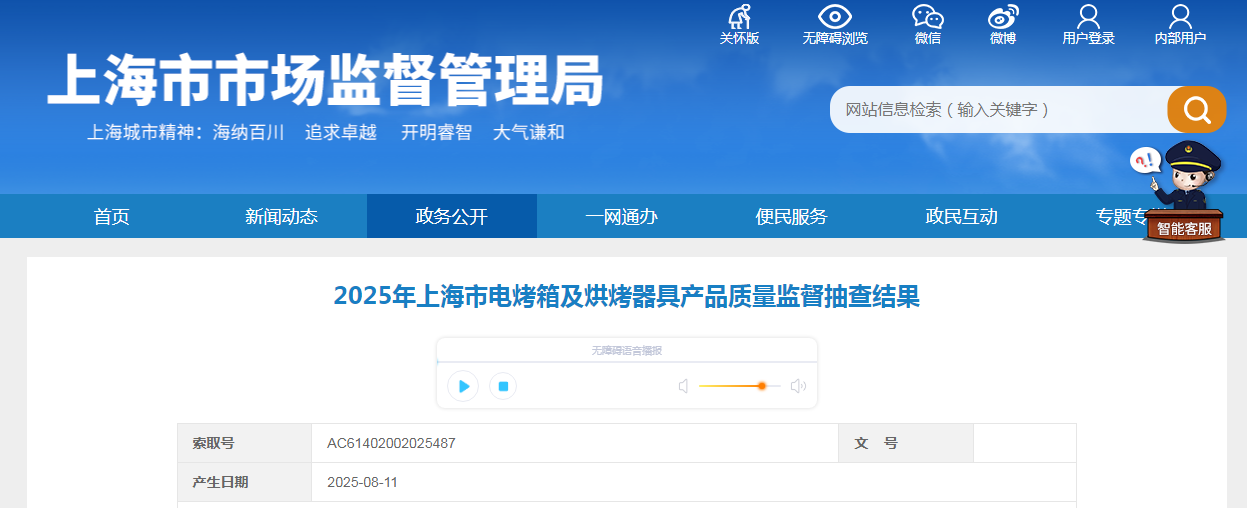
2025年上海市电烤箱及烘烤器具产品质量监督抽查结果公布
Zhong Guo Zhi Liang Xin Wen Wang· 2025-08-11 09:29
Core Points - Shanghai's market supervision authority conducted a quality inspection of electric ovens and baking appliances, testing 35 batches of products, with 1 batch found to be non-compliant [2][3] - The inspection revealed that 9 batches from physical sales were compliant, while 1 out of 26 batches from e-commerce sales failed the quality check [2][3] - The non-compliant product was an air fryer from Ningbo Mijia Electronics, which failed on input power, current, stability, and mechanical hazards [2][3] Summary by Category Inspection Results - Total of 35 batches inspected, with 1 batch non-compliant [2] - 9 batches from physical stores passed, while 1 batch from online sales failed [2] - Non-compliant product was identified and reported to local market supervision for further action [2] Product Details - Non-compliant product: Air fryer (model KS-068) from Ningbo Mijia Electronics, sold on 1688 platform [2] - Compliance was noted for products from various manufacturers including Zhejiang Aishida and Haier [3][4] - The inspection covered products from 5 provinces, including Shanghai, with 3 batches produced locally and 32 from other regions [2]