锂电池

Search documents
浙江温州港“新三样”货物首次实现“出厂即出海”
Zhong Guo Xin Wen Wang· 2025-11-22 13:50
近年来,"新三样"货物凭借绿色低碳属性与高附加值优势,成为中国外贸出口"新引擎"。温州作为浙江 省东南沿海重要港口城市,依托海运条件与产业基础,已成为"新三样"货物出海重要集散地。1—9月, 温州港累计完成"新三样"出口143个航次,1057标箱,共计2.75万吨锂电池与625辆新能源汽车,出口总 货值约17.67亿元,同比增长61.6%。(完) 中新网温州11月22日电(王逸飞孙冬雪郑元茹)22日,"南瓯1"轮搭载锂电池货物从浙江温州港状元岙港 区顺利启程。这是温州港"新三样"(新能源汽车、锂电池、光伏产品)货物首次实现"出厂即出海",货物 装箱后借助"集装箱海运准点降本"计划,将和装载船舶无缝衔接,实现陆海联运零待时。 (文章来源:中国新闻网) "集装箱海运准点降本"计划是交通运输部海事局部署、浙江海事局牵头的创新举措。其探索建立以航线 班期为纽带的集装箱海运全链条交通组织模式,保障班轮航线按班期准时进港、靠泊,推动集装箱班轮 准点率、沿海集装箱运输效率整体提升,进一步助力港航企业降本增效、低碳节能。 自温州港加入"集装箱海运准点降本"计划以来,温州海事局主动联合海关、边检、公司等多方主体,持 续创新举措 ...
楚能新能源进军轻型动力市场!
起点锂电· 2025-11-22 05:44
Core Insights - The strategic alliance between Tianjiu Lithium Battery and Chuangneng New Energy marks Chuangneng's entry into the lightweight power market, aiming to enhance the lithium battery market for light vehicles and promote high-quality industry development [3] Group 1: Company Overview - Tianjiu Lithium Battery, a brand under Zhejiang Lingxiao Tianjiu New Energy Technology Co., focuses on consumer-grade lithium batteries for various vehicles, emphasizing safety, longevity, and accurate capacity ratings [3] - Chuangneng New Energy, established in 2021, has developed a robust production capacity across four bases in Hubei, leveraging its strong background from Hubei Hengxin Automotive Group [4][5] Group 2: Market Dynamics - The demand for lithium batteries in the two-wheeler market is rapidly increasing, with a year-on-year sales growth exceeding 40% in the first half of 2025, driven by the trend of replacing lead-acid batteries with lithium alternatives [6] - The implementation of new national standards for electric bicycles on September 1 has raised safety requirements, creating a significant market opportunity as substandard lithium batteries exit the market [6][7] Group 3: Strategic Implications - The partnership allows Tianjiu to leverage Chuangneng's procurement and production advantages, enhancing market competitiveness and aiming for a "unicorn" status in the industry [4] - Chuangneng's entry into the lightweight power market not only opens new application fields for capacity digestion but also aligns with the growing market demand for lithium batteries under the new national standards [6][7]


国内现存锂电池相关企业1.73万家
起点锂电· 2025-11-22 05:44
Core Insights - The lithium battery industry is entering a new round of development opportunities, with 17,300 existing lithium battery-related companies in China as of October 14, 2025 [2] - Companies established between 5 to 10 years account for the highest proportion at 61.48%, indicating a stable market structure [2] - The distribution of lithium battery companies shows a concentration in first-tier cities (29.90%) and significant presence in South China (40.61%) and East China (31.45%) [2] Industry Overview - The lithium battery sector has a diverse ecosystem with a mix of large, medium, and small enterprises, as evidenced by the registration capital distribution: 27.07% of companies have a registered capital of less than 1 million yuan, and 22.67% have between 1 million and 2 million yuan [2] - The industry is characterized by a significant number of established companies, with 22.48% of firms having been in operation for over 10 years [2] Event Highlights - Upcoming events include the 2026 National Tour for lithium and solid-state batteries, and the 2026 Cylinder Battery Technology Forum scheduled for March 31, 2026 [6] - The 2026 Lithium Battery Industry Annual Conference and the Lithium Battery Golden Ding Award Ceremony are set to take place in December 2026 [7]
超5000股集体跳水,毫无预警,全线暴跌,毫无防备,谁惹了A股
Sou Hu Cai Jing· 2025-11-22 04:42
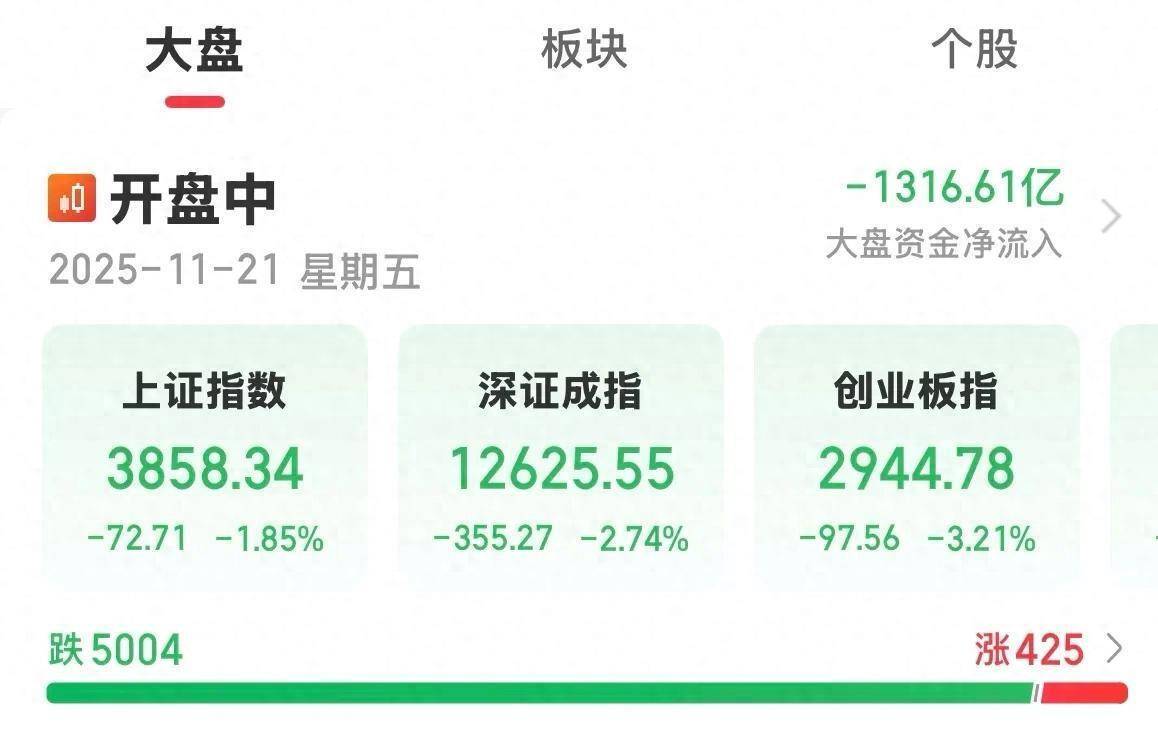
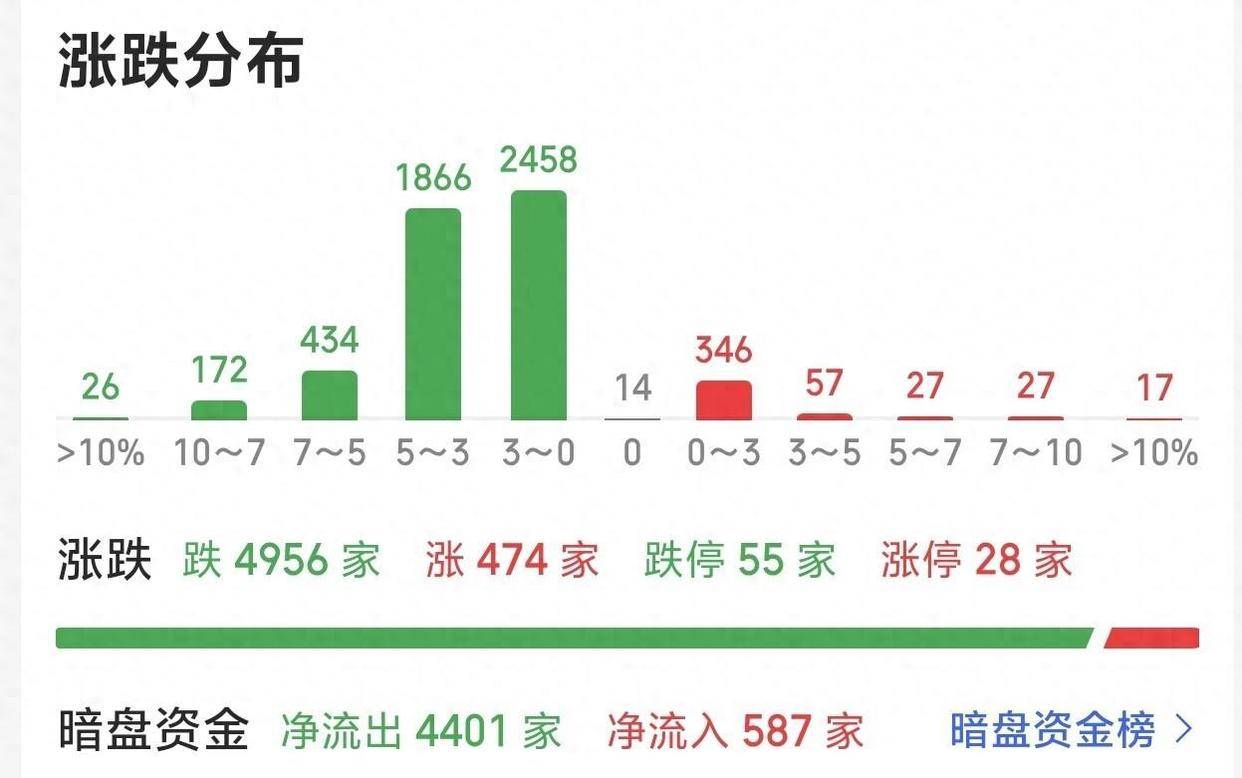
Market Overview - The A-share market experienced a significant drop on November 21, with the Shanghai Composite Index falling below the 3900-point mark and the ChiNext Index declining over 2% [1] - By midday, over 5000 stocks were down, with only around 300 stocks showing gains, indicating widespread panic among investors [1] - The lithium battery sector was heavily impacted, with leading stocks like Tianqi Lithium and Ganfeng Lithium dropping over 8%, while storage chip stocks also saw declines exceeding 8% [1] Global Market Influence - The decline in the A-share market was not an isolated incident, as the U.S. stock market experienced extreme volatility, with the Nasdaq index swinging from a nearly 3% gain to a drop of over 2% [1] - This volatility in the U.S. market had a ripple effect across the Asia-Pacific region, with significant declines in indices such as the Nikkei 225 and the Hang Seng Index [1] Economic Indicators - Uncertainty surrounding the Federal Reserve's monetary policy was identified as a key factor driving global market fluctuations, with conflicting signals from U.S. non-farm payroll data [3] - The probability of a 25 basis point rate cut by the Federal Reserve in December was reported at only 39.6%, contributing to market uncertainty [3] Sector Performance - The A-share market showed structural differentiation, with growth sectors facing significant sell-offs, particularly in energy metals and technology stocks, which saw declines of over 8% [5] - Defensive sectors demonstrated resilience, with certain agricultural stocks rising due to acquisition news, indicating a shift in investor preference towards lower valuation and stable cash flow stocks [5][6] Capital Flow - There was a notable outflow of main capital, with trading volume in the Shanghai and Shenzhen markets increasing by 200.4 billion compared to the previous day, reflecting heavy selling pressure [9] - Northbound capital also showed a net outflow, totaling over 20 billion since November, indicating a lack of confidence in the market [9] Investor Sentiment - The recent market downturn has exposed new investors to the harsh realities of stock trading, as many had previously underestimated the risks involved [9] - Despite some fund managers achieving over 50% returns this year, general investor anxiety remains high due to the unexpected market decline [9]
促进创新链产业链资金链人才链深度融合
Sou Hu Cai Jing· 2025-11-22 01:19
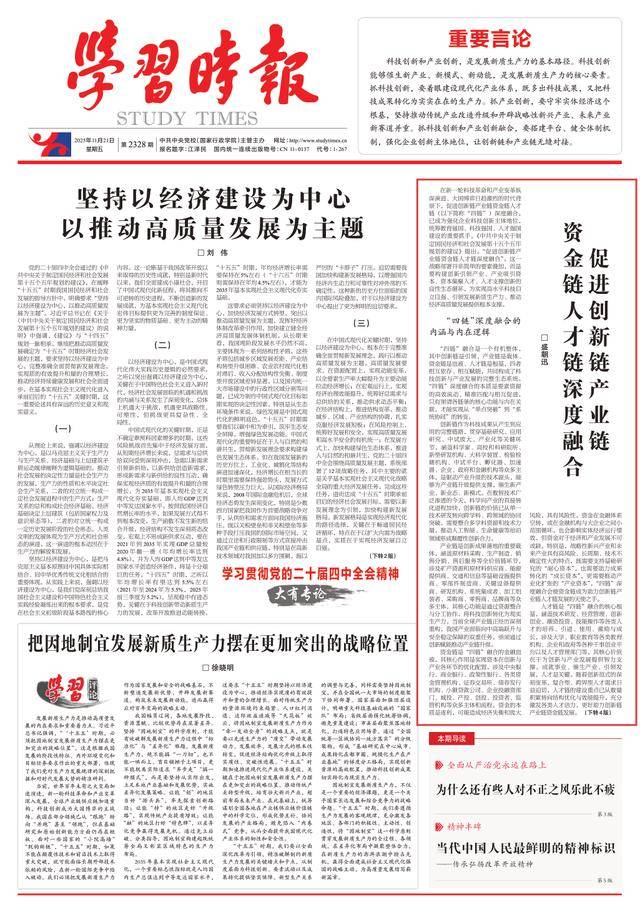
Core Viewpoint - The article emphasizes the importance of integrating the innovation chain, industry chain, capital chain, and talent chain ("four chains") to promote high-quality economic development and enhance the competitiveness of industries in the context of a new technological revolution and intensified global competition [4][9]. Summary by Relevant Sections Innovation Chain - The innovation chain is described as the complete link from the generation to the application of technological achievements, involving various entities such as scientists, universities, research institutions, and enterprises. It is crucial for driving industrial upgrades and requires interdisciplinary collaboration to achieve breakthroughs in cutting-edge fields like artificial intelligence and life sciences [5][6]. Industry Chain - The industry chain serves as the essential carrier for the implementation of innovative results, encompassing all value chain segments from raw material procurement to after-sales service. It is currently undergoing profound restructuring, necessitating innovation-driven upgrades to meet the dual tasks of advancing to mid-to-high-end production and ensuring stability [6][9]. Capital Chain - The capital chain is identified as the financial lifeblood of the "four chains," facilitating the optimal allocation of capital across various innovation and industry segments. However, there are structural gaps in funding support for long-term, high-risk projects, particularly in strategic emerging industries [7][10]. Talent Chain - The talent chain is highlighted as the foundational element of the "four chains," focusing on the cultivation, introduction, and utilization of various talents necessary for innovation and industrial development. There is a pressing need for cross-disciplinary talent to meet the demands of collaborative innovation [8][14]. Challenges and Progress - Despite significant progress in promoting the integration of the "four chains," challenges remain, such as the disconnect between the innovation chain and industry chain, low conversion rates of innovative results, and structural deficiencies in the capital chain. The talent chain also faces issues with mismatches between training and industry needs [9][10]. Pathways and Measures for Integration - To facilitate the deep integration of the "four chains," the article suggests establishing a collaborative mechanism that aligns innovation with industry needs, optimizing funding structures, and enhancing talent development to ensure a robust support system for innovation and industrial transformation [11][12][13][14].
“赌对了”?绑定宁德时代钠电破局,股价创新高,容百科技却仍陷“卖多亏多”怪圈
Hua Xia Shi Bao· 2025-11-22 01:17
Core Viewpoint - The strategic partnership between Rongbai Technology and CATL is seen as a crucial move for survival and development amid industry reshuffling and operational challenges, with CATL designating Rongbai as the primary supplier of sodium battery cathode materials [2][3][4]. Company Summary - Rongbai Technology's stock surged by 20% on November 17, following the announcement of the partnership, reaching a closing price of 35.40 CNY per share, and further climbing to 38.78 CNY the next day, marking a nearly two-year high [2][3]. - The company's stock price increased by 25.1% over five trading days, from 28.48 CNY to 35.63 CNY, reflecting market optimism regarding the long-term contract [2][3]. - Despite the stock price rally, Rongbai's operational fundamentals remain under pressure, with its Q3 financial report indicating significant challenges in its ternary material business due to industry shifts and material price imbalances [2][8]. Partnership Details - The agreement with CATL is set to last until the end of 2029, with an automatic renewal clause, solidifying a long-term collaboration framework [4]. - Under the agreement, CATL will source at least 60% of its sodium battery cathode materials from Rongbai, with an annual procurement volume of 500,000 tons or more, allowing Rongbai to offer competitive pricing through cost reductions [3][4]. Industry Context - The sodium battery sector is currently facing challenges such as low yield rates for cathode materials and limited production capacity, making stable supply capabilities critical for scaling up production [4][5]. - The sodium battery developed by CATL has already received certification under the new national standard, facilitating its commercialization [4]. Financial Performance - Rongbai's Q3 2025 financial results showed a revenue decline of 20.64% year-on-year, totaling 8.986 billion CNY, with a net loss of 203 million CNY, a staggering drop of 274.96% [8][9]. - The company's gross margin fell to 7.28%, a decrease of over 20% compared to the previous year, while the net margin dropped to -1.94%, reflecting severe operational challenges [9][10]. - The company's debt levels have increased, with interest-bearing liabilities rising to 7.892 billion CNY, up 23% from the beginning of the year, contributing to profit erosion [10]. Market Dynamics - The price of ternary cathode materials has plummeted over 60% from its peak, with current prices around 140,000 to 150,000 CNY per ton, nearing the cash costs for smaller manufacturers [8]. - The ongoing industry adjustment cycle continues to exert pressure on Rongbai's performance, with the potential for further price declines in core raw materials like lithium carbonate [8][9].


A股市场暴跌缘由找到了,高盛总结九大因素,前两轮回调皆现历史大底
Sou Hu Cai Jing· 2025-11-21 17:03
Group 1 - Goldman Sachs faced a dramatic situation in the A-share market, with all 26 major A-shares it heavily invested in declining amid a bull market, with 13 stocks dropping over 20% [1] - The stark contrast between Goldman Sachs' performance in the A-share market and its success in the US market, where its holdings reached a total market value of $740 billion, highlights the unique dynamics of global capital markets [1] - The A-share market experienced its largest single-day drop since April 7, with around 2,500 stocks declining over 3%, particularly in the technology sector [3] Group 2 - Goldman Sachs provided nine reasons for the decline in the US stock market, including the exhaustion of Nvidia's positive news and rising risks in private credit [3] - The adjustment of margin financing rates for popular stocks like SMIC and Baiwei Storage to zero has led to significant deleveraging in the market [5] - Historical data indicates that market bottoms often have identifiable characteristics, with past instances showing a combination of policy and market bottoms [9] Group 3 - The current market environment is supported by policies aimed at stabilizing the market, with sectors like consumption and infrastructure showing relative resilience [12] - The investment difficulties faced by Goldman Sachs in the A-share market reflect the challenges international capital faces in adapting to emerging markets, particularly due to information asymmetry [12] - The collective "water and soil incompatibility" of foreign capital in the A-share market is not limited to Goldman Sachs, as evidenced by other foreign investors experiencing significant losses [14]

机构调研热度维持高位 具身智能企业受关注
Zheng Quan Shi Bao· 2025-11-21 16:35
Group 1: Institutional Research Trends - The overall institutional research activity remains high, with 404 listed companies disclosing investor research records as of November 21 [1] - Companies such as Rongbai Technology and Lens Technology received attention from over 100 institutions [1] - Only 36 of the companies that accepted institutional research reported positive returns, with the top three performers being Shen Zhonghua A (up 32.24%), Dawei Co., Ltd. (up 16.87%), and Tongyi Co., Ltd. (up 16.51%) [1] Group 2: Lithium Battery Sector - Rongbai Technology has transformed from a leader in ternary cathode materials to a global leader in new energy materials, focusing on sodium-ion battery materials [2] - The company plans to establish a 6,000-ton pilot line in Xiantao by 2025 and aims for a production capacity of 100,000 tons of sodium-ion materials by 2030, with plans for overseas market expansion [2] - Fengyuan Co., Ltd. has built a total of 225,000 tons of lithium iron phosphate capacity, with 75,000 tons under construction, and aims to optimize capacity utilization through enhanced product competitiveness and customer collaboration [3] Group 3: Embodied Intelligence Developments - Companies are increasingly focusing on embodied intelligence, with Siling Co., Ltd. establishing a robotics division in 2024 to develop harmonic reducers for various robotic applications [4] - Hongrun Construction has launched a humanoid robot, Star Dynamics, in collaboration with Matrix Super Intelligence, aiming for commercial viability by 2026 [5][6] - Lens Technology has a comprehensive manufacturing capability for industrial robots and aims to become a leading platform for embodied intelligence hardware, with significant production capacity planned for 2026 and beyond [7][8] Group 4: Financial Performance - Lens Technology reported a total revenue of 53.663 billion yuan for the first three quarters, a year-on-year increase of 16.08%, and a net profit of 2.843 billion yuan, up 19.91% [8] - The company attributes its growth to vertical integration across the entire industry chain and high demand from downstream markets [8]
A股市场下跌原因找到了,高盛给出9大理由,前两次均为历史大底
Sou Hu Cai Jing· 2025-11-21 16:31
Core Viewpoint - The recent market crash has raised concerns among investors, with Goldman Sachs providing nine reasons for the capital storm, suggesting that similar panic events in the past have marked historical bottoms [1][4]. Market Performance - On November 21, 2025, the A-share market experienced its largest single-day drop since April 7, with over 2,500 companies declining more than 3% [4]. - The Nasdaq index fell over 5%, with major tech stocks, including Nvidia, suffering significant losses [4]. Investor Sentiment - The sell-off was driven by a fragile emotional foundation among investors, exacerbated by worries over domestic policies and geopolitical tensions, leading to a negative market sentiment that spread from offshore to onshore markets [4][11]. - Despite the downturn, there is a perception among some investors that this could represent a rare buying opportunity [3]. Comparison with Global Markets - A-shares exhibit valuation advantages compared to global markets, with many companies trading below book value and offering dividend yields exceeding 4% [7]. - The decline in the U.S. market was more severe, with concerns over AI bubbles and the Federal Reserve's interest rate decisions adding to market uncertainty [7]. Historical Context - Historical parallels are drawn with past market crashes, such as those in April 2020 and April 2025, which were triggered by various global events and led to significant market corrections [9][12]. - The current market conditions share similarities with previous "diamond bottoms," characterized by prolonged declines, low price-to-earnings ratios, and widespread pessimism [12]. Foreign Investment Trends - Despite the negative market atmosphere, foreign capital, represented by northbound funds and QFII, continues to show strong interest in A-shares, with net inflows reaching 161.6 billion yuan from January to July 2018 [14]. - The sectors most affected by the recent downturn include consumer electronics, photovoltaics, lithium batteries, and AI applications, while defensive assets like rare earths, agriculture, and pharmaceuticals have performed well [14]. Investment Strategy - In the current market environment, professional investors are focusing on fundamentally strong companies with sustainable growth potential, emphasizing the importance of patience in identifying undervalued assets [14][15].
大象论股|A股全线深幅调整,锂电领跌两市成交近2万亿
Sou Hu Cai Jing· 2025-11-21 14:06
Overall Market Performance - A-shares experienced a significant decline, with the Shanghai Composite Index falling by 2.45% to 3834.89 points, the Shenzhen Component down by 3.41%, and the ChiNext Index dropping by 4.02% [3] - The total trading volume for A-shares reached 1.98 trillion yuan, an increase from the previous day's 1.72 trillion yuan [3] Sector Performance - Over 5000 stocks in the market declined, with the lithium battery supply chain experiencing a sharp downturn, particularly the lithium mining index [4] - Nearly 20 stocks, including Jiangte Electric, Tibet Summit, Jinyuan Co., Shengxin Lithium Energy, Rongjie Co., and Ganfeng Lithium, hit the daily limit down [4] - Conversely, the shipbuilding sector saw gains, with Jiuzhiyang rising over 15%, and other companies like China Shipbuilding Defense and Kunshan Intelligent also following suit [4] - Some seafood stocks were active, with companies like Zhangzidao and Zhongshui Fishery reaching the daily limit up [4] Market Outlook - The primary catalyst for today's A-share adjustment stemmed from overseas markets, particularly the reinforced expectation of the Federal Reserve maintaining high interest rates, with the probability of a rate cut in December dropping from 50% to about one-third [6] - The U.S. stock market experienced a sharp decline, with the Nasdaq index falling by 2.15%, and despite Nvidia's better-than-expected earnings, it still dropped by 3.15%, leading to significant losses among other tech giants like AMD and Oracle [6] - This panic sentiment spread to Asian markets, with the Nikkei 225 index down by 2.32% and the Korean Composite Index down by 3.42%, impacting A-shares from the opening [6] - Internal factors further amplified market volatility, with a high limit-down rate of 49% and a prevailing cautious sentiment among investors [6] - The adjustment in A-shares is attributed to a combination of internal and external pressures, but signals of policy support and the inherent resilience of A-shares provide medium to long-term support [6] - The market is expected to enter a phase of consolidation in the short term, with investors advised to focus on performance certainty and policy direction while managing risks to seize structural opportunities [6]