半导体

Search documents
阅峰 | 光大研究热门研报阅读榜 20260322-20260328
光大证券研究· 2026-03-29 00:04
Group 1 - The article discusses the investment value analysis of Chow Tai Fook (1929.HK), highlighting its recovery and growth potential after overcoming challenges in the jewelry market [4]. - The company is the largest gold and jewelry retailer in China, and it has seen a positive turnaround in same-store sales growth in the second half of 2025 [4]. - Forecasted net profits for FY2026 to FY2028 are projected to be 81.31 billion, 89.80 billion, and 95.47 billion yuan, representing year-on-year growth rates of 37.45%, 10.44%, and 6.00% respectively [4]. Group 2 - The article provides insights into the performance of various companies, including the financial results of Sinopec (600028.SH/0386.HK), which reported a total revenue of 27,836 billion yuan in 2025, a decrease of 9% year-on-year, and a net profit of 318 billion yuan, down 37% [12]. - The expected net profits for Sinopec from 2026 to 2028 are 403 billion, 471 billion, and 556 billion yuan, with growth anticipated as new production capacities come online [12]. - Anta Sports (2020.HK) achieved a revenue of 802 billion yuan in 2025, a 13% increase, and a net profit of 136 billion yuan, which was better than expected, despite a 13% decline year-on-year [25]. Group 3 - The article highlights the performance of other companies such as Right Yuchen (003010.SZ), which reported a revenue of 3.43 billion yuan in 2025, a 94.3% increase, and a net profit of 190 million yuan, an 84% increase [20]. - The company plans to distribute a cash dividend of 0.3 yuan per share, with a payout ratio of 82% [20]. - 361 Degrees (1361.HK) reported a revenue of 11.15 billion yuan in 2025, a 10.6% increase, and a net profit of 1.31 billion yuan, a 14% increase, with a proposed cash dividend of 0.113 yuan per share [28].

海外政策周聚焦:特殊时期的访美,日本在中东问题上的困局
Western Securities· 2026-03-28 15:06
Investment and Economic Relations - Japanese Prime Minister Fumio Kishida's visit to the U.S. from March 18 to 22 resulted in the announcement of a second batch of investment projects totaling $73 billion, representing 20% of the $550 billion investment framework[1] - Japan's total investment in the U.S. has reached $109 billion, focusing on energy, electricity, and mineral projects, aligning with former President Trump's support for traditional energy[1] - Key projects include the construction of small modular reactors by GE and Hitachi in Tennessee and Alabama, and natural gas power facilities in Texas and Pennsylvania[1] Trade Relations and Economic Dependencies - Japan is progressing rapidly in trade agreements with the U.S., with American exports to Japan accounting for 18% of Japan's total exports in 2025, heavily reliant on automotive and semiconductor industries[2] - Japan's economic interests are intertwined with U.S. security alliances, making it difficult for Japan to adopt a confrontational stance against the U.S. in trade matters[2] Geopolitical Risks and Market Implications - Japan's energy security is precarious, with over 94% of its oil imports coming from the Middle East, leading to a complicated diplomatic relationship with Iran[3] - Optimistic scenarios suggest that if the Strait of Hormuz reopens, Japanese stocks could rise, particularly in the automotive and export manufacturing sectors, with potential yen appreciation[3] - Conversely, if Middle Eastern tensions persist, Japan could face heightened inflation risks, a widening trade deficit, and significant yen depreciation, leading to a bearish outlook for the stock market[3] Risk Factors - The report highlights the potential for geopolitical risks to exceed expectations, which could further complicate Japan's economic landscape[4]
海外策略周报:中东问题发酵,本周全球市场波动较大-20260328
HUAXI Securities· 2026-03-28 15:03
Global Market Overview - The global markets experienced significant volatility this week due to the ongoing geopolitical issues in the Middle East, with most markets continuing to show high fluctuations [1] - The US stock market indices, including the S&P 500, Nasdaq, and Dow Jones, all saw declines, with the S&P 500 and Nasdaq dropping by 2.12% and 3.23% respectively [12][18] - The TAMAMA Technology Index accelerated its decline with a weekly drop of 4.43%, leading to a decrease in its price-to-earnings (P/E) ratio to 30.1 [1][18] - The Philadelphia Semiconductor Index fell by 2.78%, with its P/E ratio further declining but remaining at 37.89 [1][18] - The S&P 500 Shiller P/E ratio is still at 36.65, indicating a high valuation level [1][18] US Market Performance - The S&P 500 sectors showed mixed results, with the energy sector gaining 6.22%, while the communication services sector faced the largest decline of 7.17% [12][18] - The report suggests a potential for a rebound in the US stock market after the recent declines, although high valuations in technology stocks may lead to continued volatility and differentiation among stocks [1][18] European Market Insights - European markets displayed mixed performance, with several indices experiencing significant declines, indicating a potential for a rebound in the near term [1] - However, the underlying economic fundamentals in Europe remain weak, suggesting that major indices like the DAX and CAC40 may still face volatility after any rebound [1] Asian Market Trends - The Nikkei 225 index showed notable fluctuations, with a current price-to-book (P/B) ratio of 2.39, indicating a high valuation [1] - The report anticipates a short-term rebound in the Japanese market, but ongoing tight monetary policy and economic pressures may lead to further declines in the medium term [1] Emerging Markets Analysis - Emerging markets such as Brazil's IBOVESPA and Mexico's MXX showed some resilience, with MXX increasing by 3.98% this week [11] - However, the report warns that these markets may still face pressures in the medium term due to geopolitical uncertainties and economic fundamentals [1] Hong Kong Market Overview - The Hong Kong market continued its downward trend, with the Hang Seng Index and related indices experiencing declines of 1.29% and 1.4% respectively [25][30] - The report highlights potential structural opportunities in certain assets within the Hong Kong market, particularly those with resilient fundamentals [1][38]
鼎龙股份(300054):Q1业绩略超预期,电子材料平台加速成长
Shenwan Hongyuan Securities· 2026-03-28 14:51
Investment Rating - The investment rating for the company is "Outperform" [6] Core Insights - The company reported a revenue of 3.66 billion yuan for 2025, representing a year-over-year increase of 10%. The net profit attributable to shareholders was 720 million yuan, up 38% year-over-year, and the non-recurring net profit was 678 million yuan, reflecting a 45% increase year-over-year. The gross profit margin was 50.85%, an increase of 3.97 percentage points year-over-year, and the net profit margin was 21.74%, up 2.60 percentage points year-over-year [4][6] - The semiconductor industry has been experiencing a sustained upturn, with the company's semiconductor business achieving a revenue of 2.086 billion yuan in 2025, a 37% year-over-year increase, accounting for 57% of total revenue. The company is also expanding into lithium battery materials through the acquisition of Shenzhen Haofei New Materials Co., Ltd. [6][7] - The company plans to distribute a cash dividend of 1 yuan per 10 shares, totaling 95 million yuan, which is 13.15% of the net profit attributable to shareholders [6] Financial Data and Profit Forecast - The company forecasts total revenue of 5.36 billion yuan for 2026, with a year-over-year growth rate of 46.4%. The net profit attributable to shareholders is expected to reach 1.148 billion yuan, reflecting a 59.4% year-over-year increase. The earnings per share are projected to be 1.21 yuan [5][7] - The gross profit margin is expected to be 49.5% in 2026, with a return on equity (ROE) of 18.4% [5][7]

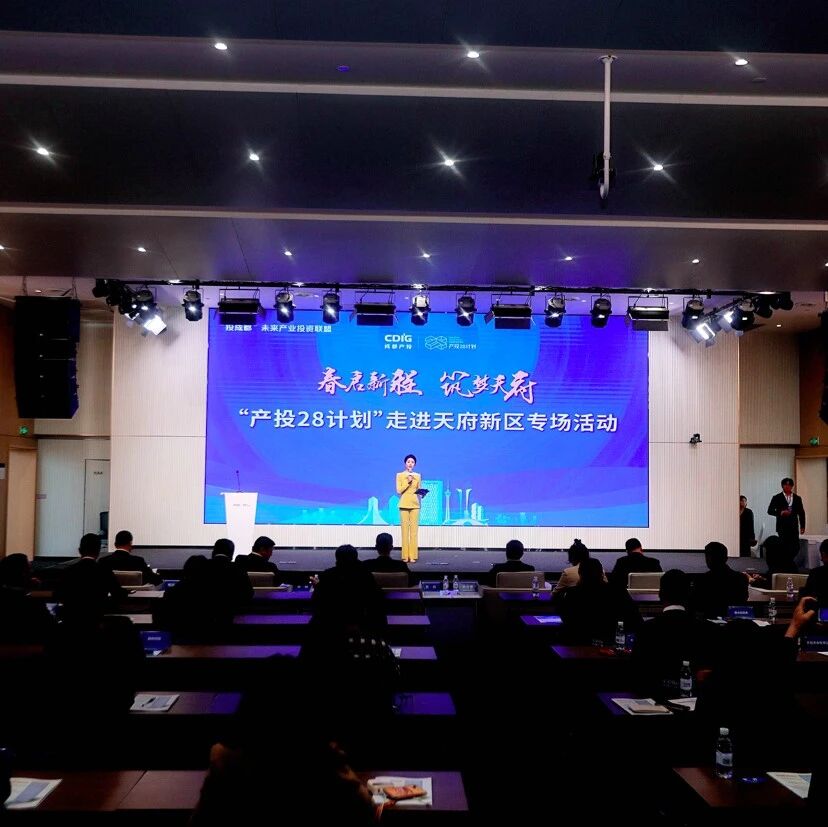
瞄准未来产业,四川天府新区“牵手”成都产投集团
投中网· 2026-03-28 11:45
Core Insights - The article emphasizes the strategic importance of the "28 Production Investment Plan" initiated in Chengdu, which aligns with national goals for future industries and aims to enhance urban industrial development [3][5]. Group 1: Strategic Collaborations - A strategic cooperation agreement titled "1+N" was signed between the Sichuan Tianfu New Area Management Committee and Chengdu Production Investment Group, focusing on industrial investment and technology transfer [5]. - This collaboration is seen as a proactive response to Chengdu's 14th Five-Year Plan, particularly in fostering emerging and future industries [5]. Group 2: Capital Empowerment - The establishment of the Chengdu Future Industry Tianfu New Area Angel Investment Fund is a key initiative to support early-stage technology ventures [7]. - Three specific partnerships were formed to create a "triangular support" system for the strategic plan, focusing on early incubation, major project funding, and talent development [9]. Group 3: Project Implementation - Five investment projects were signed during the event, marking a significant step towards actualizing the strategic plans [11]. - The projects cover critical sectors such as semiconductors, high-end equipment, and energy technology, indicating a clear path from planning to investment [11]. Group 4: Future Industry Focus - The article highlights a consensus on the need to invest early and in small amounts in future industries, as outlined in the 2026 government work report [11]. - The participating companies in the event were primarily from cutting-edge fields like AI chips, commercial aerospace, and drones, showcasing a diverse range of innovative ventures [15]. Group 5: Integrity and Sustainable Development - A joint commitment to integrity in cooperation was established to ensure that capital empowerment and industrial development occur in a transparent and regulated manner [17]. - The collaboration between Sichuan Tianfu New Area and Chengdu Production Investment Group is viewed as a solid foundation for nurturing a new growth cycle in the industry [19].
马斯克“芯片宏图”招聘启动:年薪233万,7×24小时on-call
量子位· 2026-03-28 06:33
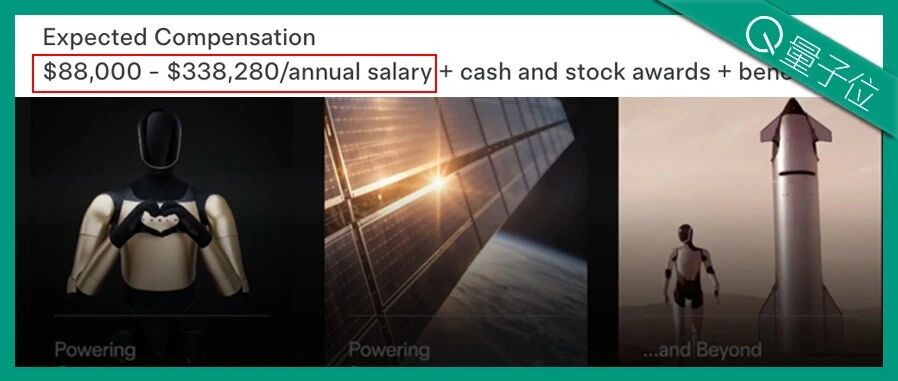
Core Viewpoint - Elon Musk's Terafab chip initiative aims to produce 1 terawatt of computing power annually, which is 50 times the current global AI computing output, indicating a significant ambition in the semiconductor industry [4][23]. Group 1: Recruitment and Job Positions - Tesla has posted job openings for various positions related to the Terafab project, including roles for lithography engineers in California and silicon engineers in Texas, with salaries reaching up to $338,280 per year (approximately 2.33 million RMB) [2][3][14]. - The job requirements emphasize extensive experience, with some positions requiring at least 10 years in semiconductor development, and a 24/7 on-call availability for production support [11][20]. - The recruitment strategy reflects Tesla's focus on hiring specialized talent in chip manufacturing, with positions specifically targeting expertise in advanced logic chip manufacturing processes [8][10]. Group 2: Terafab's Goals and Production Plans - Terafab's objective is to integrate the design and manufacturing of logic and memory chips under one roof, aiming for a process node of 2nm [27]. - The initiative plans to produce two types of chips: one optimized for edge computing and inference for Tesla's FSD and Optimus robot, and another high-performance chip designed for space applications for SpaceX and xAI [30]. - Approximately 80% of the computing power is intended for deployment in space, as Musk believes that terrestrial infrastructure cannot support such a high demand for computing power [31][32]. Group 3: Financial Aspects and Challenges - UBS analysts estimate that the total cost of the Terafab project could reach $300 billion, with SpaceX planning an IPO to raise $50 billion, potentially valuing the company at over $1.75 trillion [34][35]. - While funding may be addressed over time, the more pressing challenge lies in recruiting skilled talent in a highly competitive market, as the semiconductor industry faces a structural shortage of experienced workers [39][41]. - The project aims to build a comprehensive chip factory from scratch, which requires not only financial resources but also a deep pool of experienced professionals who understand the complexities of semiconductor production [38][42].

AXT's CEO Sold Shares Worth $1.4 Million. Is Now the Time to Sell or Buy the Stock?
The Motley Fool· 2026-03-28 01:23AI Processing
Morris S. Young, CEO of AXT (AXTI +3.62%), reported the indirect sale of 30,832 shares of common stock for a total consideration of approximately $1.41 million, according to the March 12, 2026 SEC Form 4 filing.Transaction summaryMetricValueShares sold (indirect)30,832Transaction value$1.4 millionPost-transaction shares (indirect)2,313,233Transaction value based on SEC Form 4 weighted average purchase price ($45.60).Key questionsHow does this transaction compare with Young’s recent insider sales in terms of ...

对话喆塔赵文政:当Agent进入产线,CIM 2.0如何重构晶圆厂运行范式?
半导体行业观察· 2026-03-28 01:12
Core Viewpoint - The article emphasizes the strategic importance of CIM (Computer Integrated Manufacturing) in the semiconductor industry, highlighting its evolution from a backend support system to a core component that influences yield, efficiency, and supply chain security, especially in the context of domestic substitution and industrial chain restructuring [1][2]. Group 1: Importance of CIM - CIM is recognized as the "brain" of wafer fabs, essential for achieving high production efficiency and yield control [1]. - The shift from reliance on foreign systems to a focus on domestic CIM solutions is crucial for ensuring supply chain security and operational independence [2]. Group 2: AI Integration and ZetaAgent - ZetaAgent is introduced as a vertical industry intelligent agent platform that enhances the usability and cost-effectiveness of AI in production lines, allowing for dynamic operation and data analysis [3][4]. - The platform supports a full closed-loop process for industrial vision, from data annotation to model training, improving the accuracy of visual models over time [3]. Group 3: Challenges in Domestic Substitution - The challenges of domestic substitution in semiconductor CIM include overcoming technical, ecological, and industry experience barriers, as well as the entrenched market position of foreign vendors [4][5]. - Trust and the high cost of trial and error are significant hurdles, as wafer fabs require extremely stable CIM systems to avoid production losses [5]. Group 4: CIM 2.0 and Data Integration - CIM 2.0 and AI-native architecture aim to address the issues of siloed data and the inability of traditional systems to adapt to AI advancements [6][7]. - The new architecture promotes a unified data model that facilitates seamless data flow across all modules, effectively eliminating data silos [6]. Group 5: Practical AI Applications - The ZetaAIP platform integrates knowledge, models, and intelligent agents to address core needs such as process optimization and predictive maintenance, ensuring that AI applications are practical and value-driven [9][10]. - In yield optimization scenarios, the platform can quickly identify root causes of yield fluctuations, generating actionable reports and optimization plans [10]. Group 6: Future Outlook - The transition to CIM 2.0 represents a significant leap from merely replicating software to achieving generational advancement in semiconductor manufacturing [12]. - The development of a fully autonomous and self-optimizing factory is positioned as a key goal, enhancing the resilience and competitiveness of Chinese chip manufacturing [12].
硅光,两项全球首创
半导体行业观察· 2026-03-28 01:12
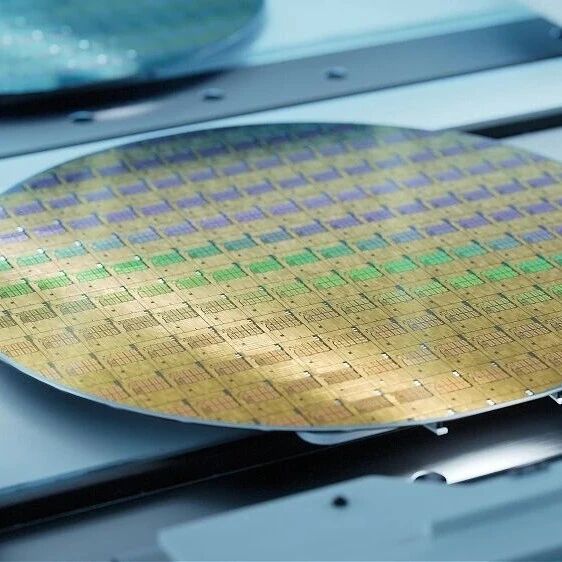
Core Viewpoint - The article discusses the advancements in optical communication technology, particularly focusing on the integration of lithium niobate and lithium tantalate modulators with silicon photonic platforms using innovative micro-transfer printing technology, which enables high-speed data transmission and addresses the growing demand for efficient data centers [1][2][6]. Group 1: Technology Advancements - The demand for ultra-high-speed, low-energy optical interconnects is increasing due to the proliferation of cloud computing and artificial intelligence, necessitating data transmission rates that exceed the current standard of 200 Gb/s [1]. - Lithium niobate (LiNbO₃) and lithium tantalate (LiTaO₃) are highlighted as key materials for high-speed optical communication systems due to their excellent electro-optic properties, although their integration with mainstream CMOS manufacturing processes poses challenges [1][6]. - imec has introduced a micro-transfer printing technology that allows for the efficient heterogeneous integration of lithium niobate and lithium tantalate onto silicon photonic platforms, representing a significant breakthrough in the field [2][6]. Group 2: Achievements and Results - At the European Conference on Optical Communication (ECOC), imec and Ghent University demonstrated a novel high-speed integrated circuit capable of achieving 320 Gb/s optical links over 2 kilometers of standard single-mode fiber, marking a global first [2][5]. - The integration of thin-film lithium niobate modulators with silicon photonic platforms has been successfully validated, optimizing the entire silicon photonic process flow and maximizing performance potential [3][5]. - The micro-transfer printing technique has also been successfully adapted for lithium tantalate modulators, showcasing its versatility and potential for future optical materials integration [6]. Group 3: Future Implications - The series of research outcomes from imec emphasizes the ongoing efforts to push the boundaries of high-speed optical and electronic circuit design, with the goal of achieving 400 Gb/s optical interconnect technology [6]. - Although the technology is not yet fully mature for commercial deployment, the exploration of new materials and cutting-edge techniques is crucial for establishing a foundation for next-generation optical interconnect technologies [6].
这种半导体原料,告急
半导体行业观察· 2026-03-28 01:12
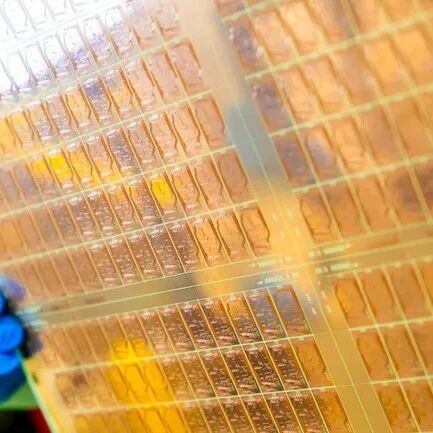
Core Viewpoint - The ongoing conflict in the Middle East has led to a tightening supply of helium, a critical but often overlooked component in the artificial intelligence and data infrastructure industry, particularly in semiconductor manufacturing and cooling systems [1][2]. Group 1: Importance of Helium - Helium plays a crucial role in semiconductor manufacturing by providing a stable gas environment that ensures precision in production processes, preventing chemical reactions that could lead to defects [1][2]. - In cooling systems, helium efficiently dissipates heat from servers and core components, making it essential for high-density operations in AI data centers [1]. - Helium is necessary for various processes in wafer manufacturing, including plasma etching and chemical vapor deposition, ensuring uniform temperature control during high-precision procedures [1]. Group 2: Supply Chain Risks - The helium supply chain is under significant threat due to the ongoing Middle East conflict, with Qatar, which produces about one-third of the world's helium, facing production disruptions [2][3]. - Damage to Qatar's energy infrastructure, particularly the Ras Laffan industrial city, has resulted in a projected 14% reduction in annual helium exports, with recovery expected to take several years [3]. - The U.S. is the largest helium producer, but domestic consumption limits its ability to quickly address global supply shortages [2][3]. Group 3: Market Impact - The price of helium has doubled since the onset of the conflict, with further increases anticipated as supply chain disruptions continue [4]. - The semiconductor industry may face production slowdowns or halts if helium shortages persist, as companies rely heavily on this gas for manufacturing processes [3][4]. - Finding alternative solutions is challenging due to long-term contracts in helium trade and strict purity requirements for semiconductor manufacturing [4].