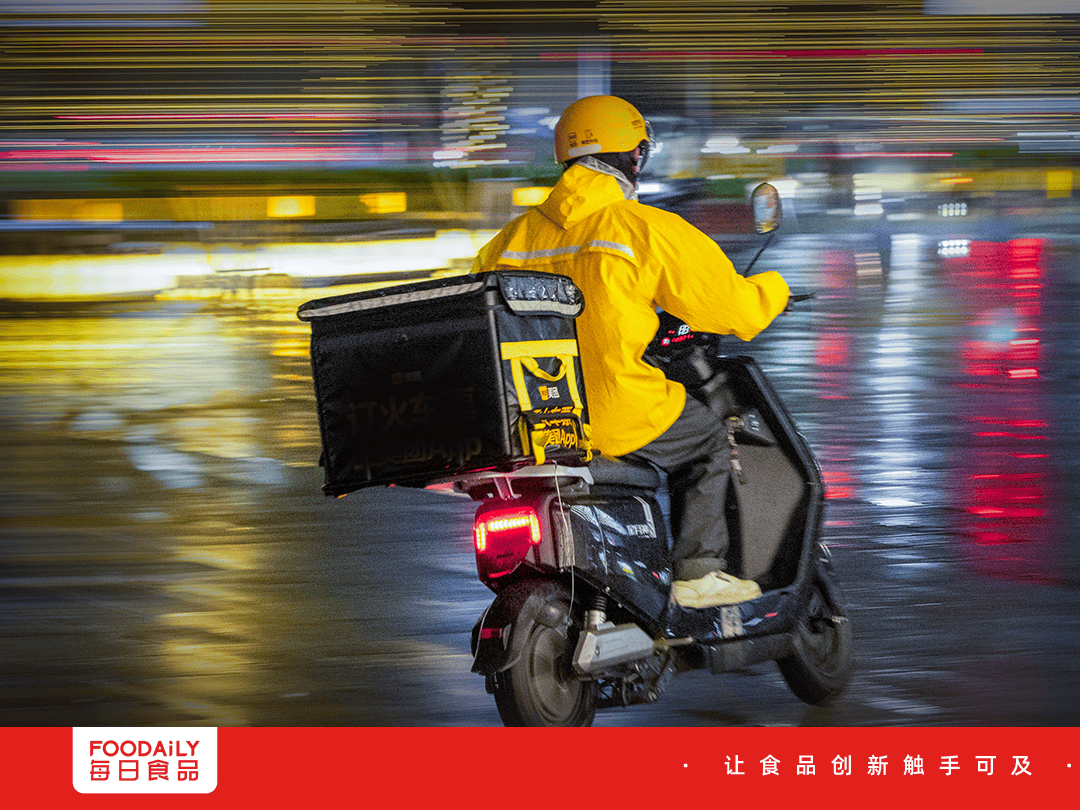
外卖

Search documents
外卖“三国杀”:补贴烽火下的流量暗战与行业变局
Bei Ke Cai Jing· 2025-07-24 12:39
Core Viewpoint - The regulatory authorities are taking measures to curb "involution" competition among food delivery platforms, promoting a healthier and more orderly industry development [2][35]. Group 1: Regulatory Actions - On July 22, the Zhengzhou Market Supervision Administration held administrative talks with Ele.me, Meituan, and JD.com, prohibiting "involution" competition and encouraging rational participation in competition [2]. - The State Administration for Market Regulation (SAMR) previously held talks with the same three platforms, requiring them to further standardize promotional behaviors [2][4]. - SAMR has exposed typical cases of "involution" competition in the quality sector and will continue to innovate regulatory methods and strengthen the publicity of results [2][35]. Group 2: Market Competition Dynamics - The food delivery market has seen a resurgence of competition, with JD.com launching a "quality delivery" initiative, breaking the long-standing duopoly of Meituan and Ele.me [3][4]. - From May to July, the number of instant retail orders surged from 100 million to 250 million, primarily driven by non-food categories and lower-tier markets [4][16]. - The competition has intensified with Meituan and Alibaba launching aggressive promotional campaigns, including "0 yuan purchase" and "25 yuan off 11 yuan" offers [3][4]. Group 3: Impact on Businesses - Many merchants are experiencing a significant increase in order volume, with some stores reporting daily orders exceeding 600 [8][24]. - However, the increase in orders has led to a decline in in-store purchases, with merchants expressing concerns about the sustainability of this business model [22][24]. - Merchants are now utilizing multiple platforms to maximize order volume, as the competition has made it less about choosing between Meituan and Ele.me [25][39]. Group 4: Future Market Trends - The competition is evolving into a "three-way battle" among Meituan, Alibaba, and JD.com, with potential entrants like Douyin and Pinduoduo eyeing the market [39]. - The subsidy strategies are shifting from "burning money for users" to "subsidies to leverage ecosystems," indicating a more strategic approach to competition [39]. - The market share dynamics are changing, with Meituan's share decreasing from 80% to 60%, while Alibaba and JD.com are increasing their shares to 30% and 10%, respectively [40].


京东“七鲜小厨”携炒菜机器人登场:一场餐饮外卖业的革新实验
Zhong Guo Shi Pin Wang· 2025-07-24 11:40
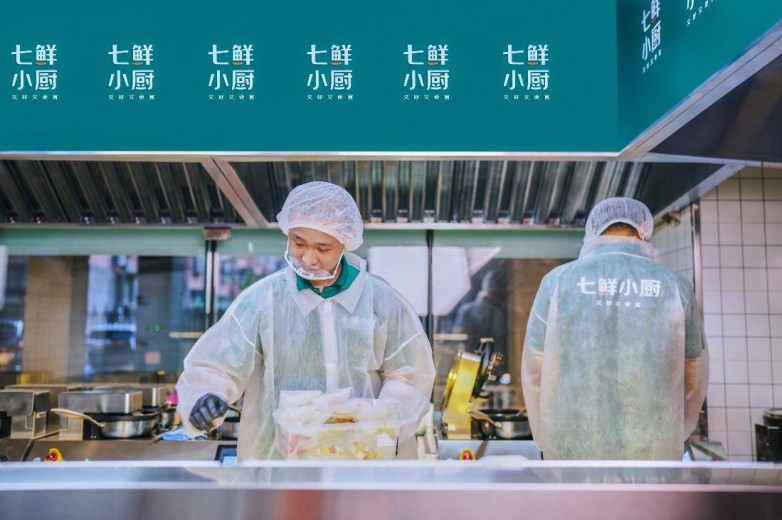
Core Insights - JD.com is entering the food delivery market with a new business model through its "Qixian Kitchen" initiative, which aims to differentiate itself from competitors like Meituan [1] - The "Qixian Kitchen" will recruit restaurant partners to co-develop recipes, while JD.com will manage all operational aspects, sharing sales revenue with partners [1] - Concerns have been raised about JD.com's direct involvement in food preparation potentially diverting customers from existing restaurants and the challenges of scaling this model [1] Group 1: Business Model and Operations - JD.com has officially launched "Qixian Kitchen," which features a unique operational structure where the company handles all aspects of restaurant management [1] - The kitchen utilizes cooking robots that significantly reduce cooking time, with dishes prepared in 3 to 5 minutes compared to 10 minutes by human chefs [3] - The kitchen design includes a transparent view of the cooking area and a live-streaming feature for customers to observe food preparation [3] Group 2: Technology and Efficiency - The cooking robots used in "Qixian Kitchen" are designed to enhance efficiency, with one operator able to manage multiple robots simultaneously, potentially doubling output during peak times [3] - The technology behind cooking robots has advanced, with models like the Chip Chef AI robot offering faster cooking times and safety features [4] - Chip Chef aims to provide standardized cooking solutions for restaurants, addressing issues like high labor costs and inconsistent food quality [6][8] Group 3: Market Implications - The introduction of "Qixian Kitchen" may disrupt the traditional food delivery market, prompting questions about the sustainability of JD.com's approach in a competitive landscape [1] - The initiative reflects a broader trend in the restaurant industry towards automation and efficiency, potentially reshaping consumer expectations for food delivery services [8]

自营会是京东外卖的“良药”吗?
Tai Mei Ti A P P· 2025-07-24 11:15
Core Viewpoint - JD.com is shifting its strategy in the food delivery market by launching its self-operated service "Qixian Kitchen," investing 1 billion yuan to recruit "dish partners" and aiming to open 10,000 self-operated stores in three years, indicating a significant pivot in its approach to compete in the highly competitive food delivery sector [1][2][3]. Group 1: JD.com's Strategy - JD.com has officially opened its first self-operated delivery store, "Qixian Kitchen," which allows users to order online with options for delivery and self-pickup, but no dine-in service [2][3]. - The company plans to invest over 10 billion yuan in the next three years to establish more than 10,000 "Qixian Kitchen" locations across the country, with partners only needing to provide recipes and participate in development [3][4]. - The initiative aims to provide consumers with quality and affordable food while helping quality restaurants increase sales, thereby eliminating low-quality "ghost kitchens" from the market [3][4]. Group 2: Market Context and Competition - The food delivery market has seen intense competition, with JD.com previously adopting a low-profile approach during the subsidy wars against competitors like Meituan and Ele.me [2][9]. - Despite JD.com's efforts, it has faced significant pressure from established players, with Meituan reporting over 1.2 billion orders in a single day during a recent promotional event, highlighting the scale of competition [10]. - Analysts suggest that JD.com's move to self-operation is a response to the high costs associated with ongoing subsidy wars, as self-operated models may prove to be more cost-effective in the long run [10][11]. Group 3: Consumer Reception and Challenges - Initial consumer feedback for "Qixian Kitchen" has been mixed, with reports of issues such as slow service and order delays, raising concerns about the operational efficiency of the self-operated model [15][16]. - The self-operated approach may face challenges in gaining trust from restaurant partners, as it could be perceived as competing directly with them, potentially limiting their willingness to collaborate [12][13]. - The long-term viability of JD.com's self-operated model remains uncertain, as the food delivery industry is characterized by low margins and high competition, making it difficult to balance the interests of consumers, merchants, and the platform itself [13][14].
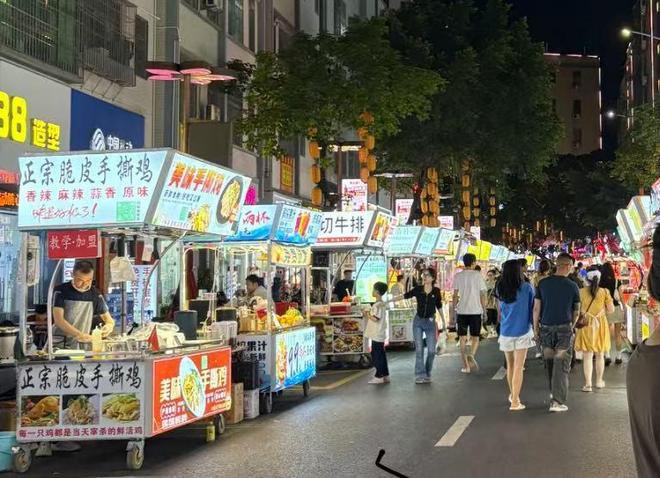
烟火气里的“情绪刚需”:解码广东“夜经济”创新活力
Nan Fang Du Shi Bao· 2025-07-24 10:49
Core Insights - The "night economy" in Guangdong is gaining momentum, driven by consumer demand for comfort and emotional value, with night-time consumption becoming a significant contributor to urban recovery [1][2][6] Group 1: Night Economy Trends - Guangdong's night economy is characterized by a surge in night-time consumption, with over 65% of daily food delivery orders occurring at night, and emotional consumption categories like desserts and snacks seeing over 30% year-on-year growth [1][6] - In Shenzhen's Longhua night market, barbecue restaurants maintain an occupancy rate of over 80% after 9 PM, indicating a strong preference for late-night dining experiences [2][4] Group 2: Emotional Value in Consumption - Emotional consumption is emerging as a new driving force, with 64% of Chinese consumers prioritizing mental satisfaction, particularly among younger demographics [5][6] - Over 70% of Guangdong consumers identify "relaxation" as a core motivation for night-time spending, with younger consumers willing to pay a premium for services that provide emotional fulfillment [5][6] Group 3: Government and Business Initiatives - The government is enhancing the night economy by extending public transport hours and creating safe, vibrant night-time environments, facilitating smoother night-time consumption [6][7] - Businesses are shifting focus from selling products to providing experiences, such as quiet dining options and interactive entertainment, to meet emotional needs [6][7] Group 4: Digital and Social Media Influence - Live streaming and short video platforms are being utilized to attract consumers to night markets, showcasing local artisans and enhancing engagement [7] - The overall night-time consumption in Guangdong continues to lead the nation, reflecting a clear consumer preference for emotional value in their spending [7]
美团召开外卖行业恳谈会
第一财经· 2025-07-24 10:12
Core Viewpoint - The recent meeting held by Meituan in Shanghai highlighted concerns from various stakeholders in the food delivery industry regarding the impact of price wars and subsidy cuts on their businesses [1] Group 1: Industry Concerns - Multiple national chain brands and local restaurants expressed worries about being forced into price wars, leading to a decrease in average order value by 7 to 10 yuan [1] - There is a reported 15% reduction in net income for businesses due to these competitive pressures [1] - A national chain's delivery operations director noted that their average order value dropped sharply from 25 yuan to just over 10 yuan due to subsidy influences [1] Group 2: Competitive Dynamics - The necessity to offer subsidies to retain customers has been emphasized, with the director stating that without subsidies, even loyal customers may be lost, forcing them to engage in price competition [1]


美团召开外卖行业恳谈会
news flash· 2025-07-24 10:08
7月24日消息,美团近日在上海召开外卖行业高质量发展恳谈会。在恳谈会上,多家全国连锁品牌、上 海本地餐饮及个体商户表达了担忧:被迫参与价格战、外卖客单价下滑7到10元、到手收入减少15%、 补贴一停顾客可能减少消费等等。某全国连锁米粉品牌的外卖运营总监也表示,近期受补贴影响,外卖 客单价从25元锐减至10多元。"别的品牌补贴后,订单涨得非常厉害,我们不补贴连老用户都会流失, 只能被迫加入价格战。"(第一财经) ...
0元奶茶终结后,外卖大战还会怎么打?
3 6 Ke· 2025-07-24 09:20
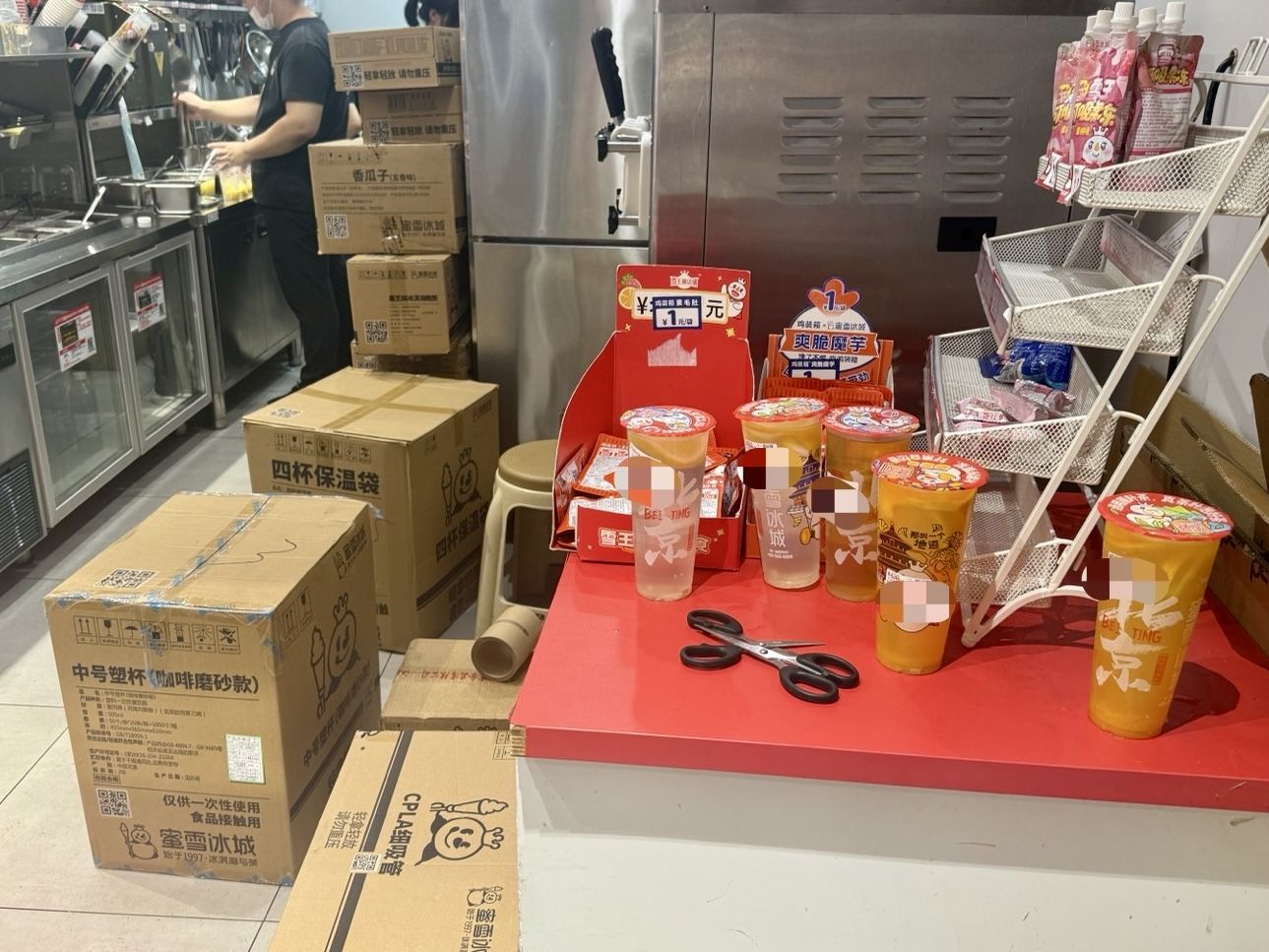
Core Viewpoint - The intense competition in the food delivery market has attracted regulatory scrutiny, with major platforms like Meituan, JD, and Ele.me being warned against "selling below cost" as they engage in aggressive subsidy wars to capture market share [1][2][9] Group 1: Unsustainable Consumption Battle - The food delivery war is primarily driven by subsidies, which have led to a situation where high delivery order volumes do not translate into profits for merchants, creating a "loss-leader" scenario [1][2] - Merchants face overwhelming demand, with some reporting order volumes exceeding their operational capacity, leading to significant pressure on resources and costs [1][2] - The reliance on external platforms for delivery has resulted in a dual standard for food quality, where in-store dining uses fresh ingredients while delivery orders may use cheaper, pre-prepared options [2][11] Group 2: Market Dynamics and Future Directions - The competition has shifted focus from sheer order volume to the quality and sustainability of growth, with industry leaders recognizing the pitfalls of irrational competition [9][10] - Meituan has established a significant market share advantage, with a ratio of approximately 7:2:1 against Ele.me and JD in the food delivery sector [12] - JD is contemplating the future role of its food delivery service, considering whether to separate it from its main platform to enhance quality perception [15][17] Group 3: Supply Chain and Quality Wars - As the subsidy wars cool down, a new focus on quality and supply chain management is emerging, with JD emphasizing self-operated models and direct sourcing to ensure quality control [20][22] - Meituan's strategy revolves around platform aggregation, enhancing food safety and delivery efficiency through better management of delivery personnel [22][25] - The competition is not just about food delivery but also about positioning in the broader local service and retail market, with "instant retail" seen as a key growth driver [22][26]
校园配餐新国标落地,京东外卖政企服务助推企业用餐更合规、更安心
Sou Hu Wang· 2025-07-24 02:32
Core Viewpoint - The recent approval of the "Guidelines for Campus Catering Service Enterprises Management" by the State Administration for Market Regulation establishes a comprehensive standard for campus food services, reflecting the industry's need for standardized and regulated catering services [1] Group 1: Industry Trends - The trend towards quality and compliance in the food delivery sector is becoming essential for industry development, with JD's smart supply chain and innovative full-process services leading the way in establishing a compliant service system [1] - As of July this year, JD's government enterprise business has provided standardized dining solutions for over 15,000 key enterprises across various sectors including energy, finance, and manufacturing [1] Group 2: JD's Compliance System - JD's compliance system encompasses various aspects such as food safety and procurement management, with a strict merchant admission and review standard ensuring food quality, resulting in a merchant approval rate of only 40% [1] - The new national standard for campus catering services includes guidelines to prevent food waste, and JD's smart welfare management solution, JD Jinli, enhances precise meal standard control, transitioning from traditional meal preparation to on-demand ordering [2] Group 3: Operational Efficiency - JD's enterprise dining solutions address challenges in centralized meal expense management for companies with multiple branches, improving financial work efficiency by 30% [2] - The approach to catering service standardization is not merely about process constraints but involves innovative application scenarios and reliable services that enhance employee experience while reducing costs for enterprises [2]
砸10亿"买配方",百万悬赏一道菜!外卖大战又升级?
Sou Hu Cai Jing· 2025-07-24 00:46
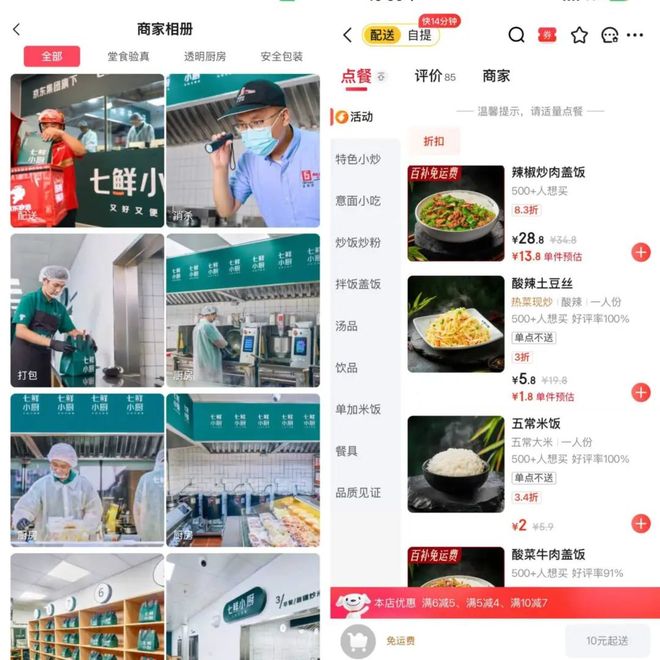
外卖补贴大战接近尾声,但京东在外卖领域的动作却没有减少。 今日,京东突然宣布启动"菜品合伙人"计划,豪掷10亿元现金,面向全国重金招募1000道招牌菜的独家配方。 成为合伙人,每道菜立奖100万保底分成,菜品销量分成上不封。 此消息一出,网友们纷纷留言:"家里的秘方要助我财务自由了。" "炒饭可以加盟不,不要一百万,只要十万就可。" "这一波富贵谁来接?"…… 1 豪掷10亿元现金 招募"菜品合伙人" 7月22日,"京东黑板报"发布图文消息称,京东宣布投入10亿元现金,面向全国招募1000道招牌菜的"菜品合伙人"。 品牌餐厅或个体厨师仅需提供配方并参与研发,后续菜品制作、品控及销售全链条则由京东旗下合营平台"七鲜小厨"承担。 成功入选的每道菜品合伙人将直接获得100万元现金保底分成,后续还能依据销量获得持续性分成,收益空间"上不封顶"。 京东明确表示,此举旨在解放优质餐饮品牌的经营压力,同时保障消费者食品安全。 目前,已有费大厨、嘉和一品、紫燕百味鸡、朴大叔拌等,报名成为了首批候选合伙人。 2 自营门店"七鲜小厨"亮相 透明厨房拒绝预制菜 作为该计划落地的关键载体,京东首家外卖自营店"七鲜小厨"已在北京东城区 ...