
潮流玩具

Search documents
“拉布布”火出圈!南昌4家门店均已断货,二手市场价格一路飙升!
Sou Hu Cai Jing· 2025-06-17 07:38
Core Insights - The LABUBU dolls from Pop Mart have gained immense popularity globally, leading to a buying frenzy and a shortage in both domestic and international markets [1][3][15] - The secondary market prices for LABUBU dolls have skyrocketed, with some limited editions fetching exorbitant prices [15] - Social media platforms are buzzing with creative content related to LABUBU, including unboxing videos and fashion showcases [4][6] Market Demand - LABUBU dolls are sold out in multiple retail locations, including four stores in Nanchang, indicating a high demand [3][10] - Consumers are actively seeking ways to acquire LABUBU dolls, demonstrating strong interest despite stock shortages [3][12] Consumer Engagement - A trend has emerged where fans create and share outfits and accessories for LABUBU dolls, with over 100,000 posts on platforms like Xiaohongshu [6] - The price range for LABUBU-themed clothing and accessories varies from 30 to 150 yuan, catering to diverse consumer preferences [8] Cultural Impact - LABUBU has become a symbol of youth culture and individual expression, reflecting a broader trend of Chinese IP gaining global recognition [15] - The phenomenon surrounding LABUBU illustrates the potential for Chinese brands to innovate and influence international markets [15]


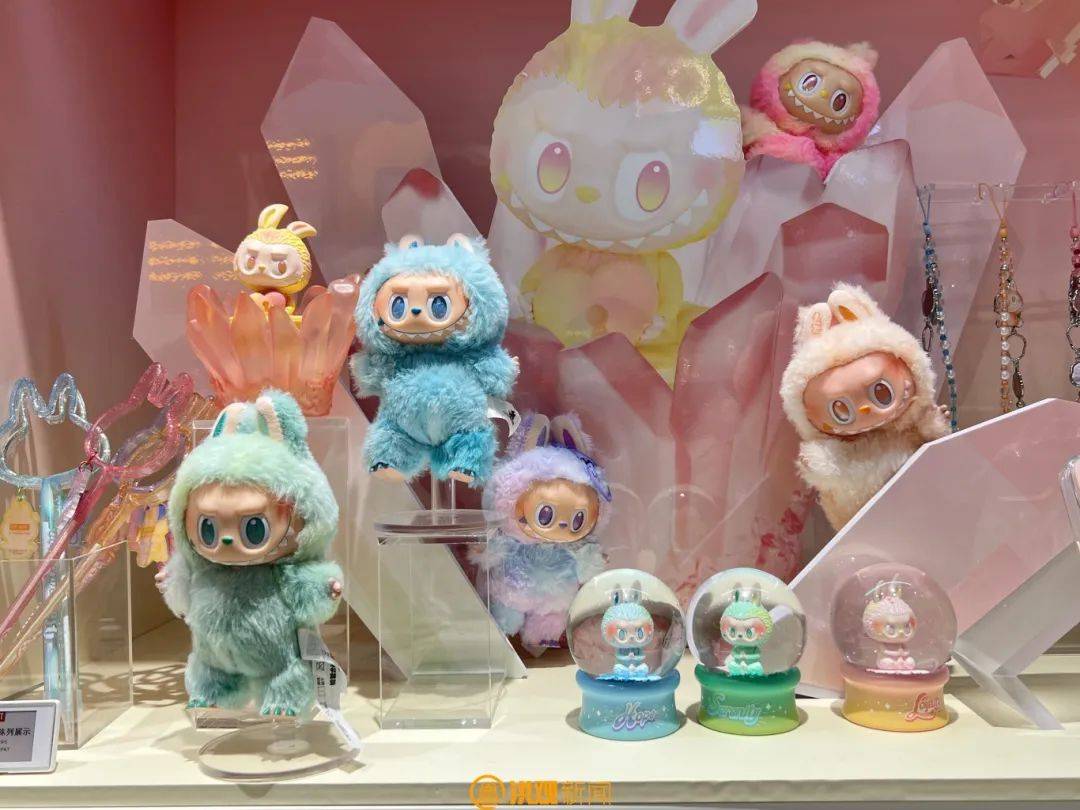
博时基金王诗瑶:解析LABUBU爆火背后的新消费投资逻辑
Xin Lang Ji Jin· 2025-06-17 01:37
Core Viewpoint - The rise of new consumption, driven by technology and policy, is reshaping consumer behavior and market dynamics, particularly among the Z generation [1][2]. Group 1: Drivers of New Consumption - The dual drivers of policy and technology, including the "trade-in" policy and the application of AI and big data, are accelerating the integration of online and offline channels [2]. - The demand for consumption upgrades, particularly from the Z generation, is pushing the growth of emotional value sectors such as trendy toys and pet economy [2]. - The potential of lower-tier markets is being unlocked, with high-cost performance domestic brands optimizing supply chains to penetrate these areas, leading to significant growth for certain industries and companies [2]. Group 2: Differences from Traditional Consumption - New consumption is characterized by a focus on "emotional value" and "supply creating demand," catering to the self-satisfaction and social needs of the Z generation, contrasting with traditional consumption that relies on material needs and demographic dividends [3]. - In terms of valuation methods, new consumption's high growth potential supports higher valuations, while traditional consumption is anchored by stable cash flows and dividend yields [4]. - The risk characteristics differ, with new consumption being highly volatile and sensitive to market emotions, whereas traditional consumption is more defensive but shows weak demand growth [4].
张朝阳“后悔送回”的labubu,被胡润换了一台车
新华网财经· 2025-06-15 08:25
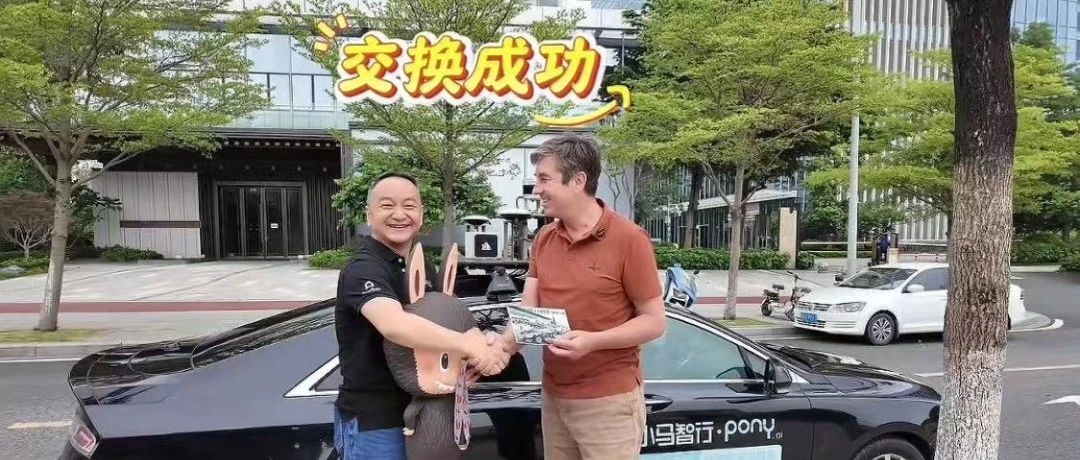
近日, #张朝阳后悔送回绝版Labubu# 冲上热搜。 6月15日,胡润发视频透露了这个绝版Labubu的新去向。视频中,胡润将Labubu给了小马智行联合创始 人兼CEO彭军。作为交换,彭军将公司第一辆在公共道路上路的自动驾驶汽车送给了胡润。 据彭军说,这辆车价值30多万。在签名照片中,彭军写道:中国第一辆无人车。 随后,按照交换规则,这个绝版的Labubu又到了搜狐创始人张朝阳手里,但张朝阳后续又将该玩偶送 回胡润。 6月10日,在永乐2025春季拍卖会上,一款初代藏品级薄荷色的LABUBU最终以108万元的价格拍卖成 交,买家身份未披露。拍卖直播备注栏标注,这是香港艺术家龙家升作品,尺寸为高131cm,是"全球 唯一一只"。 除此之外,一款全球限量15版棕色LABUBU以82万元成交。 彭军与胡润 此前,6月8日,胡润使用一枚人造蓝宝石与泡泡玛特创始人王宁交换了Labubu。 王宁称"这是公司最后 一个",同时在耳朵附上了签名。 6月11日,搜狐创始人张朝阳转发Labubu拍卖新闻时表示,他此前曾将《胡润百富》创始人胡润转赠的 签名版Labubu送回。张朝阳称:"后悔送回去了。" 据悉,Labubu是中 ...
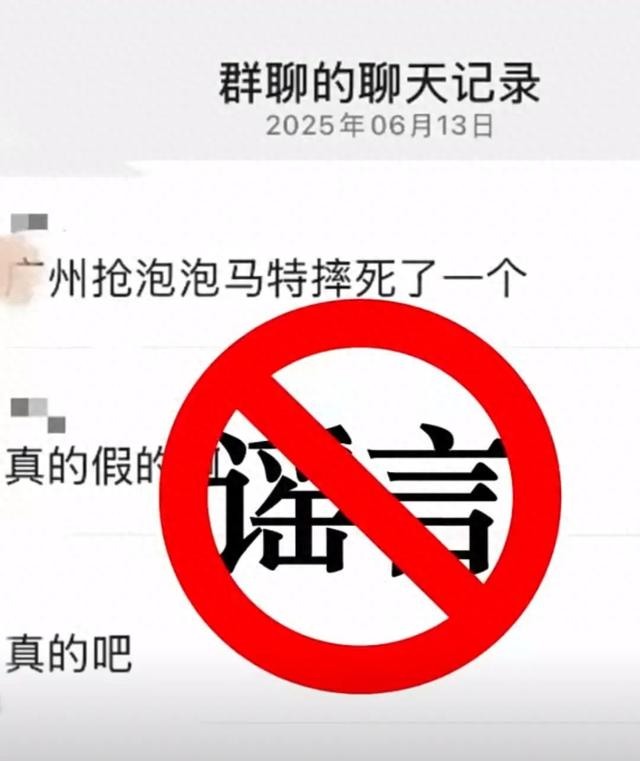
商场一女子为抢LABUBU坠楼?谣言!关于LABUBU,警方提醒
Huan Qiu Wang· 2025-06-14 05:36
Group 1 - The incident involving a woman falling from a mall in Zhejiang is reported to have occurred on June 12, and it is denied that the fall was related to the rush for the LABUBU blind boxes from Pop Mart [3][4] - Videos circulating online show conflicts occurring near Pop Mart vending machines, with reports indicating that these altercations were between scalpers and customers [4][6] - The popularity of Pop Mart's LABUBU blind boxes has led to significant consumer demand, resulting in long queues and instances of violence during purchases [6][8] Group 2 - Legal experts indicate that the conflicts arising from the rush for blind boxes involve various legal relationships, including those between the company, consumers, and scalpers, with potential liabilities for all parties involved [6][7] - Scalpers may face legal repercussions under laws against unfair competition if they engage in bulk buying and reselling at inflated prices, while violent actions during purchases could lead to criminal charges [7] - Consumers participating in fights for blind boxes may also face penalties under public order laws, and those who fall victim to scams in the secondary market can seek redress under consumer protection laws [7][12]
泡泡玛特的基因深处早已刻下全球化密码
21世纪经济报道· 2025-06-14 00:06
Core Viewpoint - LABUBU has become a highly sought-after trendy toy, reflecting a significant shift in the globalization strategy of Chinese companies, moving from cost advantages to unique IP and cultural resonance [2][3] Group 1: Product and Market Insights - LABUBU's design incorporates "ugly-cute aesthetics," blending elements from Nordic mythology and Eastern folklore, appealing to Gen Z's desire for individual expression [1][2] - The global demand for LABUBU is evident, with notable sales events in cities like Bangkok, New York, London, and Japan, indicating a strong cultural impact [1][2] Group 2: Globalization Strategy - Chinese companies are transitioning from traditional manufacturing to creating unique brands that resonate emotionally with global consumers, exemplified by brands like Bubble Mart [2][3] - The new globalization paradigm emphasizes cultural insight, aesthetic diversity, and digital technology integration, moving beyond mere cost competition [3][4] Group 3: Business Model and Cultural Integration - Bubble Mart's business model combines elements from Japanese capsule toy culture, Western IP markets, and Hong Kong's artistic toy exploration, showcasing a blend of global influences [2][3] - The company has a strong local supply chain and manufacturing capability, which supports its global ambitions while maintaining cultural relevance [3] Group 4: Future Outlook - As long as Chinese companies maintain an open mindset and focus on core competencies, the globalization benefits will continue to present opportunities [4]

21社论丨泡泡玛特的基因深处早已刻下全球化密码
2 1 Shi Ji Jing Ji Bao Dao· 2025-06-13 17:40
Group 1 - LABUBU has become a highly sought-after trendy toy, capturing global youth attention and indicating a new phase of globalization driven by Gen Z's unique cultural expressions [1][2] - The design of LABUBU, characterized by its "ugly-cute" aesthetic, merges elements from Nordic mythology and Eastern folklore, appealing to Gen Z's desire for individuality and breaking conventional norms [1][2] - The success of LABUBU reflects a significant shift in Chinese companies' globalization strategies, moving from cost advantages to creating emotional connections and cultural resonance with global consumers [2][3] Group 2 - Companies like Pop Mart, which created LABUBU, are inherently globalized, with their business models and design inspirations rooted in a blend of global cultural influences [2][3] - The evolution of Pop Mart exemplifies a new paradigm of globalization, where strong local supply chains and manufacturing capabilities are complemented by insights into global cultural trends and digital technology integration [3] - The current era of globalization is undergoing profound transformation, with digital platforms facilitating cultural resonance and successful companies adopting a "global localization" strategy [3][4]
日媒对比Labubu和HelloKitty
Bei Jing Ri Bao Ke Hu Duan· 2025-06-13 09:54
Group 1 - The article highlights the rapid rise of the IP character "Labubu," which has gained global popularity and is compared to Sanrio's "Hello Kitty" in terms of market impact and valuation [1] - As of June 11, the market capitalization of Pop Mart, the company behind Labubu, exceeded 330 billion RMB, achieving this milestone in just four and a half years since its IPO in December 2020 [1] - Analysts express concerns about the lifecycle of IP products like Labubu, suggesting that fan fatigue could pose a significant risk to its longevity [1] Group 2 - The success of "Hello Kitty" is attributed to its ability to balance nostalgia and novelty, maintaining a consistent appearance while evolving its cultural significance over time [1] - The article discusses the emergence of "Kumamon," a local IP from Japan, which gained popularity through its relatable and approachable character, appealing to a broad audience during Japan's economic struggles [2] - Experts suggest that for Chinese cultural products to succeed internationally, companies should focus on localization strategies, strengthen intellectual property protection, and invest in research and development to create globally influential IP [3]
年内股价暴涨超200%,泡泡玛特全是“泡泡”?步步高段永平点评看衰言论:有点意思
Jin Rong Jie· 2025-06-13 03:36
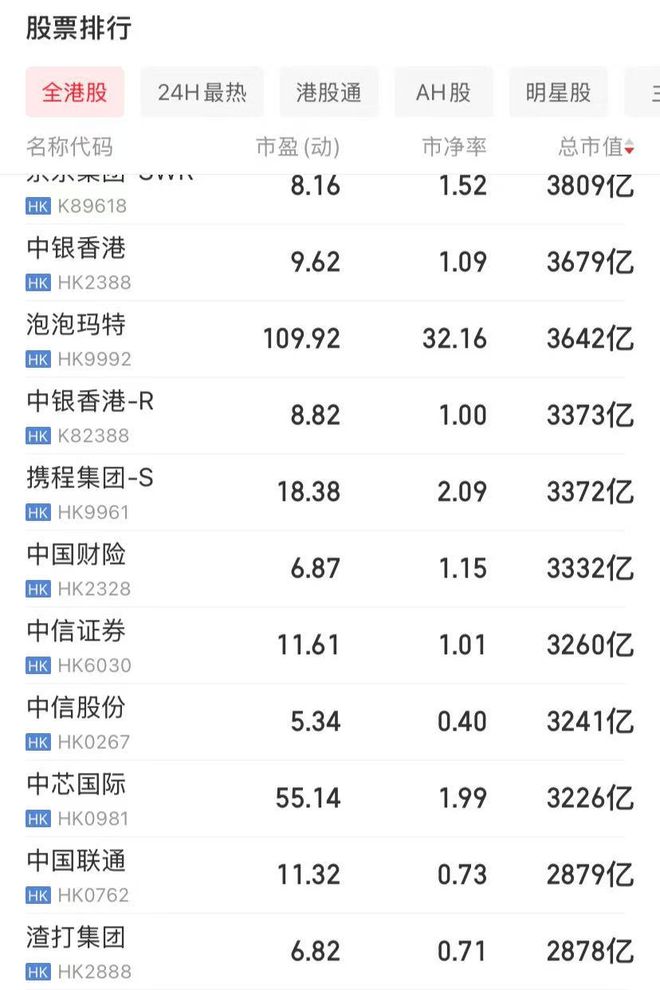
"两只Labubu拍出190万天价""在国外遭抢购甚至上演'斗殴'事件""创始人成为河南新首富"......近期, Labubu可谓是市场的红人。在其爆火的牵动下,泡泡玛特的股价也是一飞冲天。 二级市场来看,6月12日,泡泡玛特盘中股价再创历史新高,达283.4港元/股。该公司当前股价与今年 初相比已经涨超200%,另外与2024年2月的15.7港元的区间低价比,该公司在一年多的时间股价已经涨 超16倍。 市值方面,泡泡玛特最新市值已经超3600亿港元,高过携程集团、中国财险、中信证券、中信国际等港 股上市公司市值。 6月6日,名创优品回应旗下TOP TOY分拆上市传闻。名创优品集团发布公告指出,公司正在对以"TOP TOY"品牌运营的潮流玩具业务潜在分拆上市的可能性进行初步评估,以期优化股东价值。拟议计划尚 属初步阶段,是否会推进取决于包括市场条件在内的诸多因素。无法保证该拟议计划的时间、上市地点 或其他细节。 不过,市场上存在对泡泡玛特股价存在泡沫的担忧。 | 全港股 | 24H最热 | 港股通 | AH 股 | 明星股 | 111 | | --- | --- | --- | --- | --- | -- ...
“顶流”诞生记:是谁在为“小怪兽”们定价
Jin Rong Shi Bao· 2025-06-13 01:40
喜爱者视之为"心头好",旁观者却直呼"难以理解"——近一段时间,由LABUBU(拉布布)引发的"IP (知识产权)热浪"正以不可思议的速度与热度,席卷全球的消费、资本与文化圈层。 6月10日,在永乐2025北京春拍举行的全球首个"初代藏品级LABUBU艺术专场"上,一件高131cm的薄 荷色初代LABUBU PVC材质雕塑最终以108万元落锤,加上佣金以总计124.2万元价格成交,刷新 LABUBU最高成交价和"LABUBU之父"——中国香港艺术家龙家昇个人拍卖纪录。1个月前,刚在苏富 比香港以20.32万港元(约合人民币18.6万元)成交的LABUBU"三博士:勿听,勿视,勿言",再上拍 场,并在数十次叫价后以58.65万元(含佣金)成交。 这只顶着尖牙、眼神狡黠的玩偶,不只在拍卖场受到追捧。作为潮流玩具,目前,LABUBU的IP归属于 泡泡玛特旗下。自2019年起,泡泡玛特推出一系列LABUBU形象盲盒,并逐步将其打造成横跨潮玩、 艺术、跨界联名、文化输出的现象级IP。 从基础款到隐藏款,从展会限定到艺术家联名,从线下门店的抢购长队到二手市场中高达数10倍的溢 价……一些消费者在"叛逆精灵"里找寻情感认同 ...
基金分析报告:如何捕捉港股科技的估值修复和成长性机会?
Minsheng Securities· 2025-06-12 12:02
Group 1 - The report highlights the recovery of valuations in the Hong Kong stock market, driven by increased liquidity and growth potential, breaking the previous undervaluation trend. The average daily trading volume has reached HKD 124.1 billion, with significant net inflows from southbound funds [1][10][12] - The report indicates that the top ten Chinese tech giants listed in Hong Kong account for approximately 34% of the market capitalization, contributing to the growth potential of the Hong Kong market [1][14] - The report identifies key sectors of interest for investment in Hong Kong, including technology, pharmaceuticals, consumer goods, and banking, with a focus on new economy companies [1][15] Group 2 - The report analyzes the performance of the Changcheng Hong Kong Stock Connect Value Select Multi-Strategy Fund (007132), which has outperformed the Hang Seng Index with an annualized excess return of 5.54% since June 2019 [2][20] - The fund's investment strategy is concentrated in high-growth sectors such as TMT (Technology, Media, and Telecommunications), pharmaceuticals, and advanced manufacturing, with the top five sectors accounting for about 90% of the fund's holdings [2][27] - The fund manager, Qu Shaojie, has extensive experience in managing Hong Kong investments, focusing on long-term holdings of fundamentally strong companies and emphasizing the alignment of valuation with profit growth [3][42] Group 3 - The report emphasizes the fund's buy-and-hold strategy, with a low turnover rate of approximately 180% over the past three years, indicating a stable investment style [2][38] - The fund's top holdings include companies with strong performance and growth potential, such as Pop Mart, which has shown significant returns due to its unique business model and consumer demand [2][30] - The report notes that the fund's holdings are currently valued below the overall market level, suggesting potential for significant appreciation as market valuations improve [2][34][36]